Family Systems and Development
Not sure you’re ready?
Take the ~3-minute readiness diagnostic and see where you stand.
A student does not enter a classroom in a vacuum; they bring with them the invisible, intricate architecture of their home life. To educate a child with a mild to moderate disability is to interact directly with a complex network of relationships, routines, and resources. When a special education teacher attempts to modify a behavior or introduce a new academic skill solely within the four walls of the school, they are working with only a fraction of the variables at play. Understanding the underlying mechanics of family dynamics, and the legal mandates that protect parent partnerships, is not just a regulatory requirement—it is the fundamental physics of effective special education.
If you want to understand the behavior of a single gear, you have to look at the entire watch. Family Systems Theory views the family as an interdependent unit. This is the core paradigm shift every special educator must make: the Family Systems framework emphasizes that the family is a child's first and most enduring educational environment.

Because the family is an interconnected web, according to Family Systems Theory, a change in one family member alters the dynamics of the entire family system. Consequently, a child's disability impacts the entire family system rather than solely affecting the individual child.
To understand this ecosystem, we break it down into interacting components. Family subsystems include marital, parental, sibling, and extended family relationships. You will see the ripple effects of a disability in your classroom, but you must recognize how it alters the home. For example, a disability diagnosis often alters the dynamics within sibling subsystems by shifting caretaking responsibilities. A neurotypical older sister may suddenly become a secondary parent, affecting her own development and how the family functions as a whole.

When we observe how families operate under the specific pressures of special education, we measure two critical dimensions:
- The family cohesion dimension of Family Systems Theory measures the emotional bonding between family members. (Are they highly enmeshed and protective, or disengaged and independent?)
- The family adaptability dimension of Family Systems Theory measures a family's ability to change its power structure and role relationships in response to stress. (Can the parents shift their work hours? Can the family absorb new routines for a child's medical or behavioral needs?)
Raising a child with a disability introduces distinct pressures, but outcomes vary wildly based on the family's internal toolbox. Family coping strategies significantly mediate the stress associated with raising a child with a mild to moderate disability. However, these resources are finite. If a family’s adaptability is stretched too thin, caregiver burnout can negatively impact a family's capacity to participate actively in a child's educational program. A parent who misses an IEP meeting might not be "disengaged"; they might simply be exhausted.
Time and Motion: The Family Life Cycle
Families are not static; they move through time. The Family Life Cycle framework outlines the typical developmental stages a family experiences over time (e.g., early childhood, school age, adolescence, launching into adulthood).
Just as a rocket experiences maximum turbulence when passing through the sound barrier, transitions between Family Life Cycle stages often generate heightened stress for families of children with disabilities. Moving from elementary to middle school, or from high school to the workforce, strips away familiar routines and forces the family to adapt to new systems. Because of this, educational transition planning must involve the student and their family to align goals with family resources. Proposing a transition plan that relies on the family providing daily transportation to a job site is useless if the family does not own a vehicle or works conflicting shifts.
_-_filtered.jpg)
The law does not merely suggest that we talk to parents; it constructs a rigid framework demanding their equal participation. As an educator, you are the steward of these rights.
The Foundational Mandate The Individuals with Disabilities Education Act (IDEA) mandates parent participation in special education decision-making. Under IDEA, parents hold equal membership status on the Individualized Education Program (IEP) team alongside school professionals. Furthermore, IDEA requires that parents be included in any group that makes decisions regarding the educational placement of their child.
This partnership begins before the child is ever labeled with a disability: schools must obtain informed written consent from parents before conducting an initial special education evaluation.
To ensure parents are never caught off guard, the law requires continuous, documented transparency:
- Procedural safeguards require schools to provide parents with a written explanation of their special education rights. Think of this as handing the parents the rulebook.
- Schools must provide parents with prior written notice before proposing a change in a child's educational placement.
- Equally important, schools must provide parents with prior written notice before refusing to initiate a change in a child's educational placement. If a parent asks for their child to be moved to a resource room, and the school team disagrees, you cannot just say "no" in a meeting. You must document the refusal and the data behind it.
- Regarding student data, the Family Educational Rights and Privacy Act (FERPA) guarantees parents the right to inspect their child's education records.
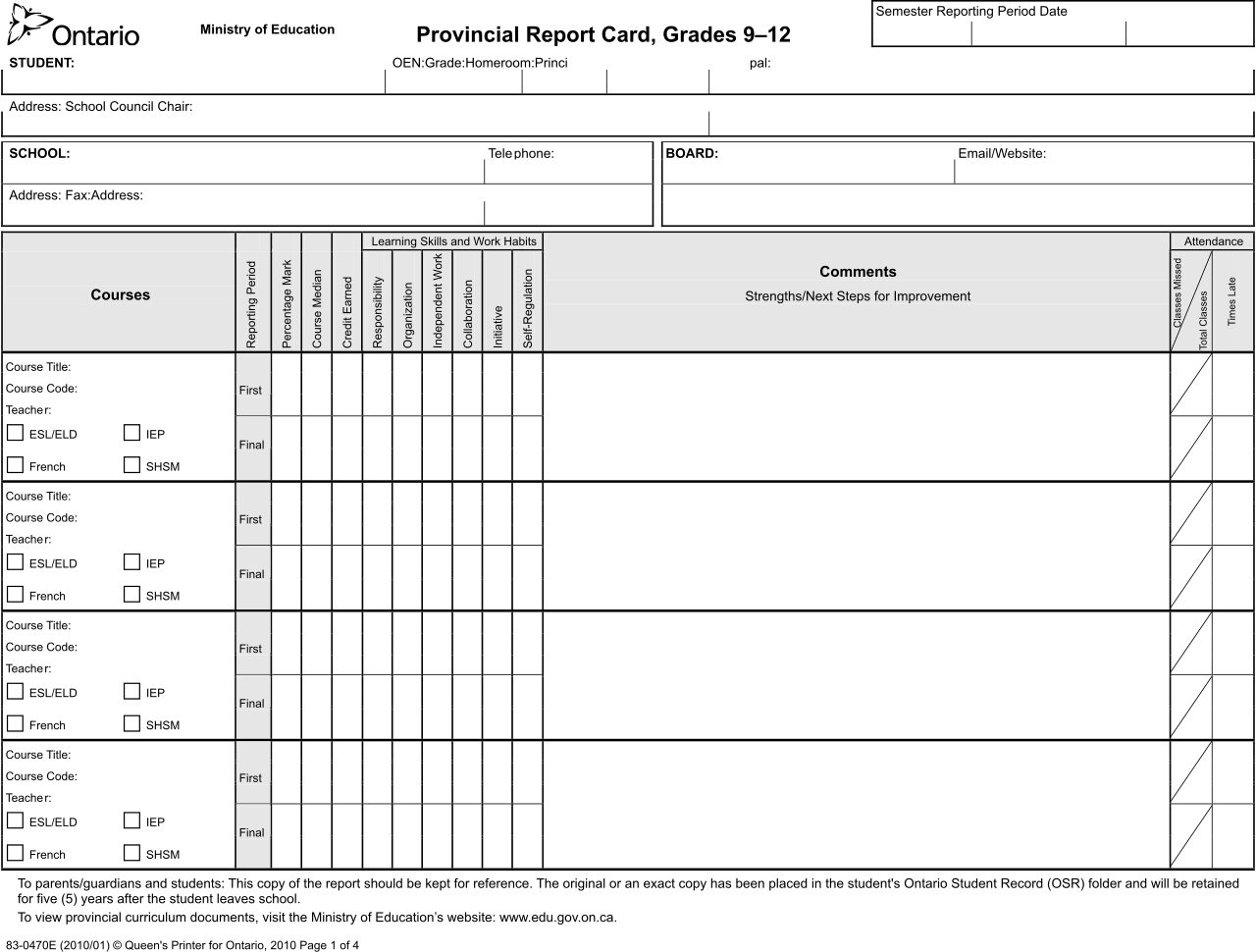
- Finally, IDEA requires schools to report a student's progress toward IEP goals to parents as frequently as they report progress for non-disabled students. If general education students get quarterly report cards, the special education student must get quarterly IEP progress updates.
Equity in the IEP Meeting Room
Holding equal membership status is meaningless if parents cannot understand what is being said. Avoiding educational jargon in meetings promotes equitable participation for parents without special education backgrounds. Do not say, "We are implementing a DRA on an FI-5 schedule." Say, "We are going to reward Jimmy every five minutes when he stays in his seat."
Language barriers require strict legal compliance. Title VI of the Civil Rights Act requires schools to provide language assistance services to parents with limited English proficiency. In practice, using professional interpreters during meetings ensures families with limited English proficiency can fully participate in educational decisions. You cannot rely on the student's bilingual older sibling to translate complex legal documents. Similarly, disability accommodations apply to the parents themselves: schools are legally required to ensure that parents understand the proceedings of the IEP team meeting by arranging for an interpreter for parents with deafness.

Understanding the theory and the law is only half the job. The other half is the day-to-day engineering of communication.
Setting the Foundation of Trust
You must build a relational bank account with a family before you can make withdrawals. Regular positive communication from teachers helps build relational trust before addressing academic challenges with families. The exact same principle applies to behavior: regular positive communication from teachers helps build relational trust before addressing behavioral challenges with families. If the only time a parent hears from you is when their child fails a test or throws a chair, they will instinctively adopt a defensive posture.
Start with an asset-based approach to family involvement [which] focuses on recognizing a family's existing strengths. Rather than cataloging what the family isn't doing, identify what they can do. If a mother works a night shift but leaves detailed notes for her son's morning routine, that organization is an asset you can leverage.
Removing Barriers to Participation
Logistical friction is the enemy of involvement.
- Flexible scheduling of school meetings increases the participation rates of working parents.
- Providing meeting materials to parents in advance allows them to prepare questions for IEP meetings. By removing the element of surprise, providing meeting materials to parents in advance allows them to participate more meaningfully in IEP meetings.
Continuous Communication Loops
To keep the family integrated into the educational process, establishing two-way communication channels allows parents to share information with teachers seamlessly. A primary tool for this is the communication log.
- Home-school communication logs provide a reliable method for tracking student behavior across environments.
- Similarly, home-school communication logs provide a reliable method for tracking academic progress across environments.
When formal review is needed, parent-teacher conferences serve as a structured strategy to collaboratively review a student's instructional progress. But sometimes you need to understand the environment behind the student. Conducting home visits is an involvement strategy that helps educators understand the student's cultural and environmental background.
This cultural lens is vital. Culturally responsive communication requires educators to understand the influence of cultural background on disability perception. In some cultures, a mild learning disability is viewed as a minor hurdle; in others, it may carry heavy stigma or be viewed as a spiritual matter. You cannot communicate effectively if you do not understand the paradigm through which the family views the child.
Why do we put so much effort into this partnership? Because learning that only happens in a classroom is fragile. True mastery requires generalization—the ability to perform a skill across different settings.
- Generalization of academic skills improves when families reinforce those skills in the home environment. (A student learning to count money in math class cements that skill when they help their parents pay at the grocery store).
- Generalization of behavioral skills improves when families reinforce those skills in the home environment. (A self-soothing breathing technique taught by the school counselor only becomes a lifelong habit if the parents prompt the child to use it during a meltdown at home).
To achieve this, you must adopt a posture of humility: viewing families as experts on their children provides educators with crucial insights into student learning preferences and crucial insights into student behavioral triggers. You might spend 6 hours a day with a child, but the family has a lifetime of longitudinal data.
Because families are the experts, shared decision-making models require educators to respect parent input regarding the selection of behavioral interventions. If a proposed behavior plan relies on ignoring a child's tantrums, but the parents live in a thin-walled apartment where ignoring noise could lead to eviction, the intervention will fail.

Bridging to the Community
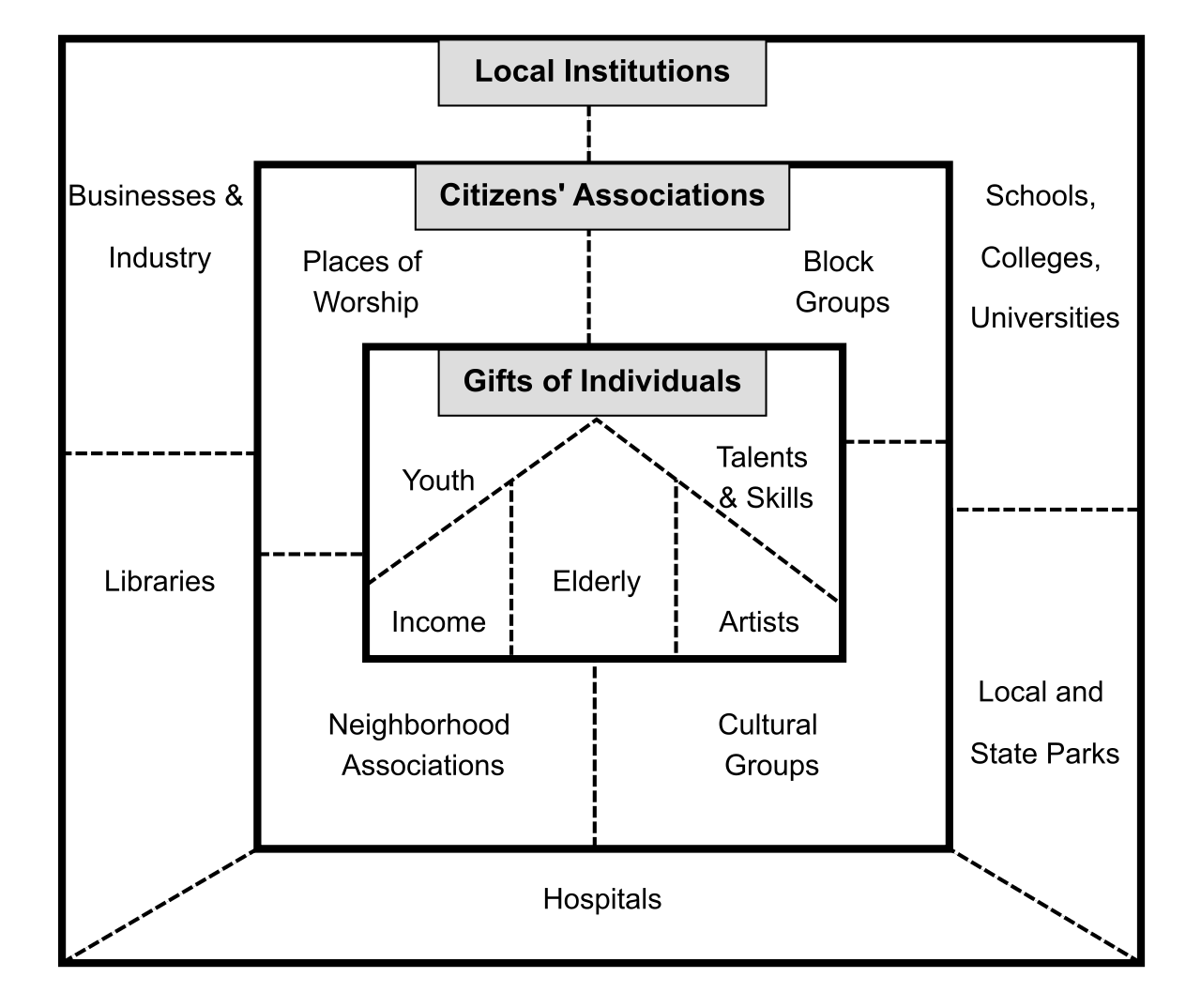
Families do not exist solely within the school system, and sometimes their needs exceed what an IEP can provide. Wraparound services involve collaborative planning between schools, families, and community agencies to support students with complex needs.
Be acutely aware that a family's socioeconomic status heavily influences their access to external support services outside of the school system. Affluent families might easily hire private occupational therapists or tutors; lower-income families often rely entirely on the school or free community resources.
To help families navigate this landscape, connect them to Parent Training and Information Centers (PTIs). These Parent Training and Information Centers (PTIs) are federally funded programs that provide families with information about special education laws and resources.
Ultimately, your goal as an educator is to work yourself out of a job. The student will eventually leave your classroom, but the family remains. Empowering parents to act as advocates increases the likelihood of long-term positive educational outcomes for students with disabilities. By teaching families how the system works, respecting their expertise, and legally protecting their rights, you aren't just teaching a student—you are fortifying the entire family system for the decades to come.