Evidence-Based Assessments
Not sure you’re ready?
Take the ~3-minute readiness diagnostic and see where you stand.
Imagine attempting to engineer a suspension bridge using a tape measure constructed from elastic. Every time you measure a steel cable, you pull with slightly different force, yielding a different length. You might record your measurements meticulously, but your foundational data is warped. When evaluating students with mild to moderate disabilities, the stakes are far higher than steel and concrete—we are engineering the trajectory of a human life. We cannot rely on elastic measurements. To identify learning deficits and design effective interventions, we must utilize evidence-based assessments, which are measurement tools supported by rigorous scientific research demonstrating the tool's effectiveness.

The necessity of scientifically sound measurement is not merely pedagogical best practice; it is a statutory requirement. The Individuals with Disabilities Education Act of 2004 mandates the use of technically sound instruments for evaluating students for special education. If we base a student's Individualized Education Program (IEP) on flawed data, the resulting instruction will fundamentally miss the mark. Furthermore, human cognition and academic proficiency are far too complex to be captured by one snapshot. Because no single test is flawless, federal special education law prohibits the use of a single measure as the sole criterion for determining whether a child has a disability. Evaluation must be a mosaic, constructed from multiple, highly precise data points.
To understand whether an assessment is technically sound, we must evaluate two fundamental properties: reliability and validity. Think of these as the physical properties of our measuring instrument.
Reliability: The Consistency of the Tool
Reliability in assessment refers to the consistency with which a tool measures a specific academic skill over time. If a student’s true ability hasn't changed, a reliable test should yield the same result no matter when or by whom it is administered. We evaluate this through specific metrics:
- Test-retest reliability: This indicates the stability of a student assessment score across multiple administrations of the same test. If you administer a reading fluency probe on Tuesday and an equivalent probe on Thursday without any intervention in between, the scores should be nearly identical.
- Inter-rater reliability: This measures the degree to which different examiners achieve the same results when scoring a specific assessment. If you and a school psychologist observe a student and score a behavioral checklist, high inter-rater reliability means you both arrived at the same numerical conclusion.
Validity: The Accuracy of the Tool
While reliability means the tool measures consistently, validity indicates the degree to which an assessment tool measures the specific construct the tool claims to measure.
Crucial Distinction: An assessment tool can be highly reliable without being valid for a specific target student population. If you use a highly accurate bathroom scale to measure a student's reading comprehension, the scale will give you a remarkably reliable, consistent measurement of their weight every single time. But it is entirely invalid as a measure of reading.
Validity comes in several distinct forms:
- Construct validity determines whether an assessment accurately measures a theoretical psychological trait such as reading comprehension, anxiety, or phonemic awareness.
- Content validity assesses whether test items adequately represent the entire domain of the subject matter being evaluated. A comprehensive end-of-year algebra test lacks content validity if it only includes questions about graphing lines but ignores quadratic equations.
- Criterion-related validity compares the results of an assessment tool to an external established measurement standard. If a new, quick reading assessment accurately predicts a student's score on a lengthy, established national reading exam, it demonstrates strong criterion-related validity.
When an assessment's validity breaks down, it is usually because the "signal" (the construct we want to measure) is overwhelmed by "noise" (factors we don't want to measure). We categorize this noise into two primary types of error.
First, construct underrepresentation occurs when an assessment fails to include important dimensions of the construct the test intends to measure. If a test claims to measure "overall language capability" but only assesses spoken vocabulary while ignoring listening comprehension, the construct is underrepresented.
Second, construct-irrelevant variance occurs when assessment scores are influenced by factors unrelated to the skill being measured. This is one of the most persistent traps in special education. Consider a word-problem test given to measure mathematical ability. Reading level demands on a mathematics computation assessment introduce construct-irrelevant variance for students with reading disabilities. If a student with dyslexia fails a math word problem, we do not know if they lack the mathematical computation skills or if they simply could not decode the text. The variance in their score is tied to an irrelevant construct (reading) rather than the intended construct (math).
The Danger of Bias
Construct-irrelevant variance frequently manifests as systemic bias, which fundamentally invalidates test results for diverse student populations.
- Cultural bias in assessment occurs when test items reflect knowledge specific to a dominant culture rather than the student's background. Asking a student to sequence a story about navigating a subway system measures their exposure to urban transit, not their fundamental sequencing skills, if they have spent their life in a rural farming community.
- Linguistic bias in assessment happens when a test assumes a level of English proficiency that the evaluated student does not possess.
Furthermore, an evidence-based assessment is considered appropriate only if the assessment aligns with the specific developmental level of the student. Administering an abstract reasoning test designed for adolescents to a primary-aged child will yield invalid data, regardless of the child's intelligence.
Once we possess a reliable and valid tool, we must understand how it interprets a student's performance. Assessments generally fall into one of three interpretative frameworks.
Norm-Referenced vs. Criterion-Referenced
Norm-referenced assessments compare a student's performance against the performance of a statistically representative sample of peers. The goal is to determine where the student falls on a bell curve (e.g., the 15th percentile). However, the validity of this comparison rests entirely on the normative sample. A representative normative sample must include demographic characteristics matching the target student population to ensure valid score interpretations. If a test was normed exclusively on affluent suburban students, using it to evaluate a student from a low-income urban environment is statistically invalid.
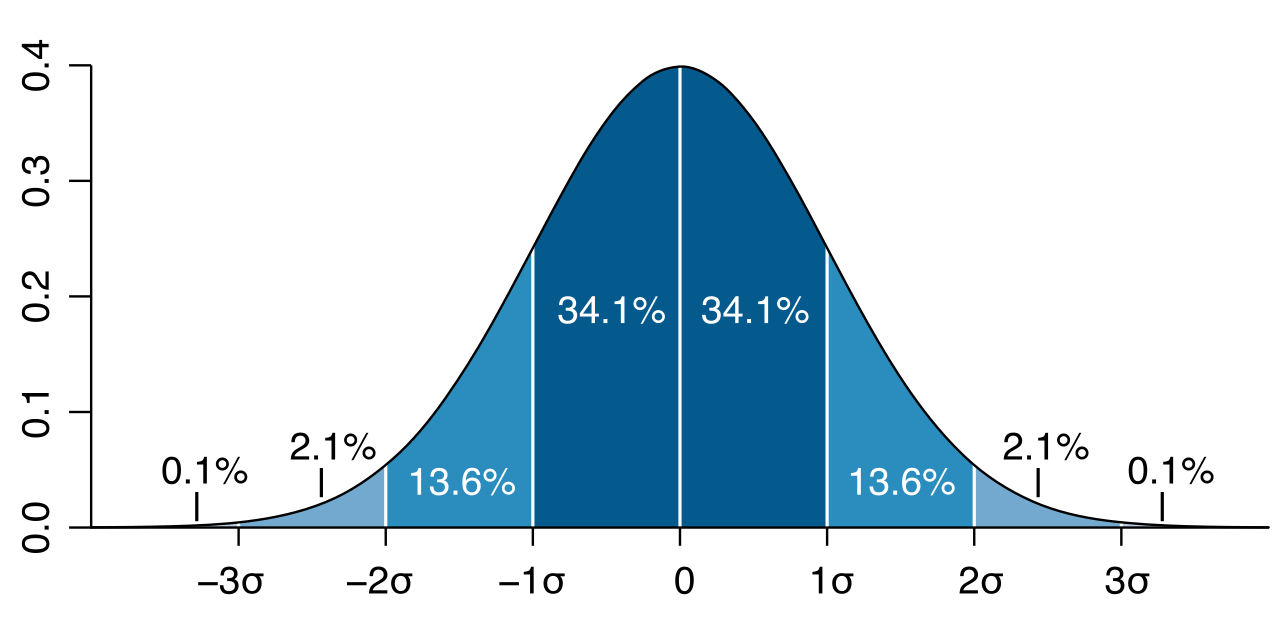
Conversely, criterion-referenced assessments measure a student's performance against a predetermined set of academic standards, rather than against other students. Passing a driving test is criterion-referenced; you simply must demonstrate mastery of parallel parking and stopping at red lights, regardless of how well the person before you drove.

Contextualizing the Data
While formal tests are vital, they pull students out of their daily reality. Therefore, we utilize ecological assessments, which evaluate a student's functioning and behavior within the student's natural environments. Observing how a student navigates social demands in the chaotic cafeteria provides ecological data that a quiet, standardized testing room simply cannot replicate.
Assessment is not an event; it is a continuous cycle used to drive instructional decisions.
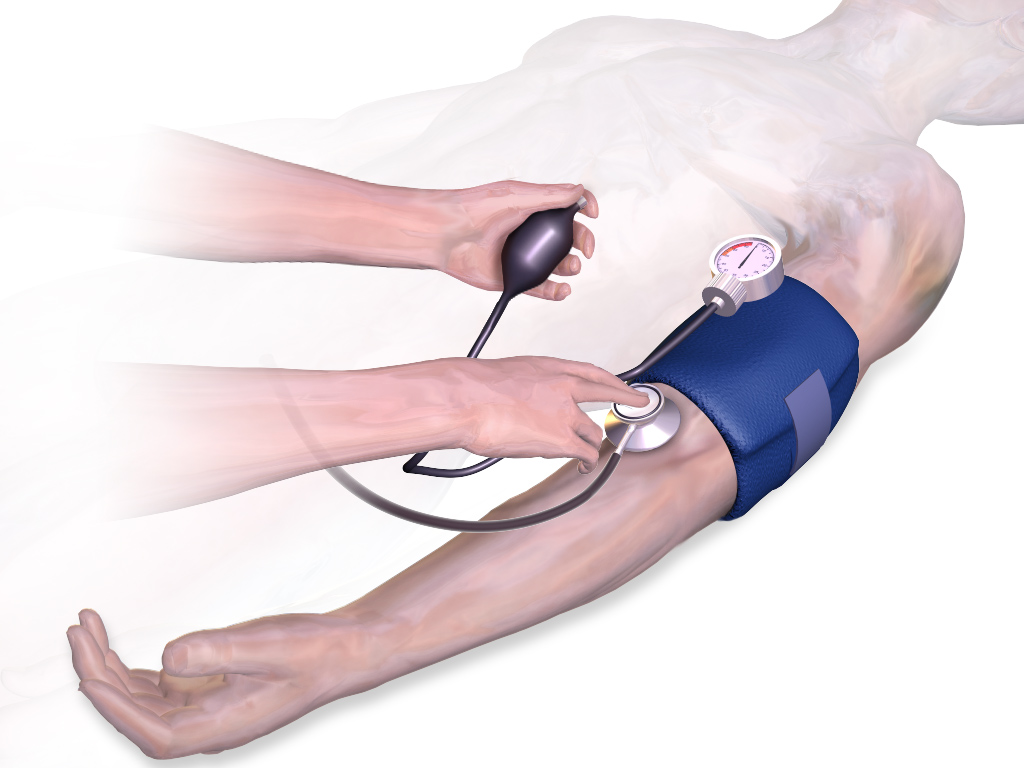
The cycle begins with universal screening, an evidence-based assessment process used to identify students who are at risk for poor learning outcomes before they fail. Think of screening like taking the blood pressure of every patient who walks into a clinic—it is a quick, proactive measure to catch invisible deficits.
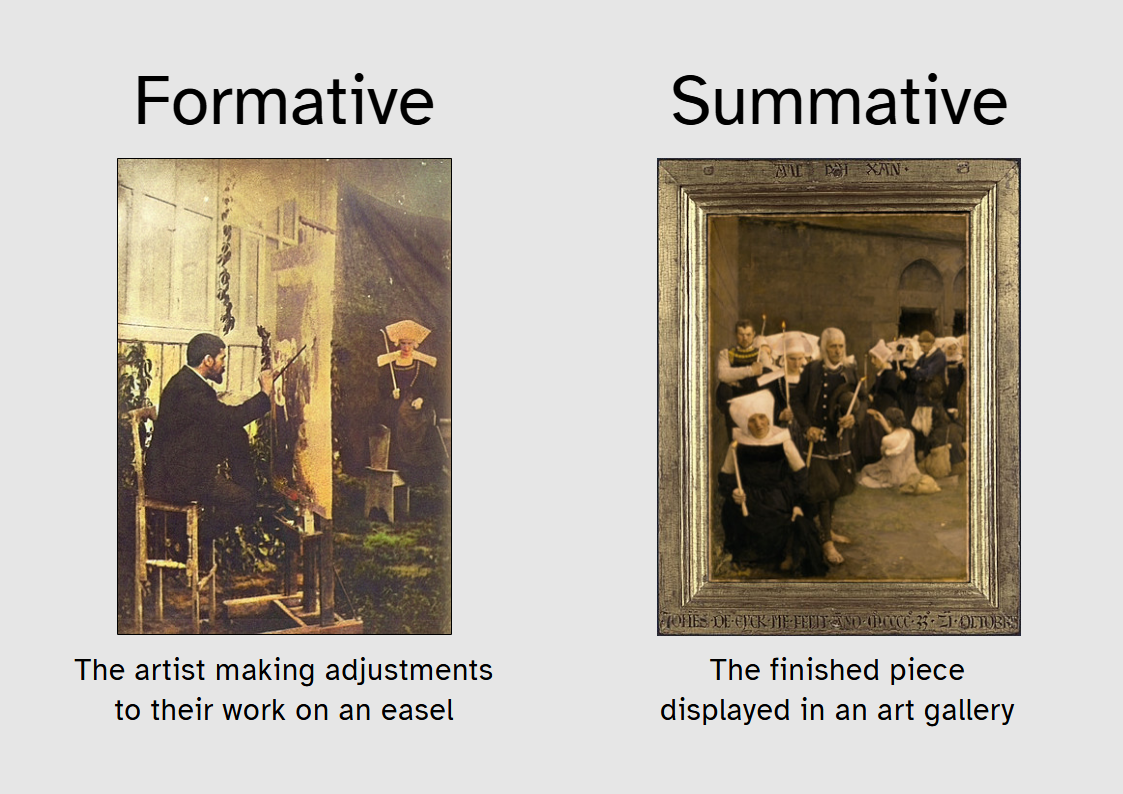
Once instruction begins, we rely on formative assessments, which are ongoing evidence-based tools used to adjust instruction during the learning process. If formative assessment is the chef tasting the soup while cooking to add more salt, summative assessments are evidence-based tools used to evaluate student learning at the conclusion of a specific instructional period—the customer tasting the final dish.
Curriculum-Based Measurement (CBM)
The gold standard for formative assessment in special education is curriculum-based measurement, an evidence-based assessment method used to frequently monitor student progress in basic academic skills. CBM utilizes short, standardized probes (like a one-minute oral reading fluency check or a two-minute math calculation sheet). Because of its high reliability and sensitivity to small changes in student growth, curriculum-based measurement serves as an evidence-based tool for evaluating the effectiveness of a special education instructional intervention. If the CBM trend line remains flat over four weeks, you have empirical proof that the current intervention is not working and must be changed.
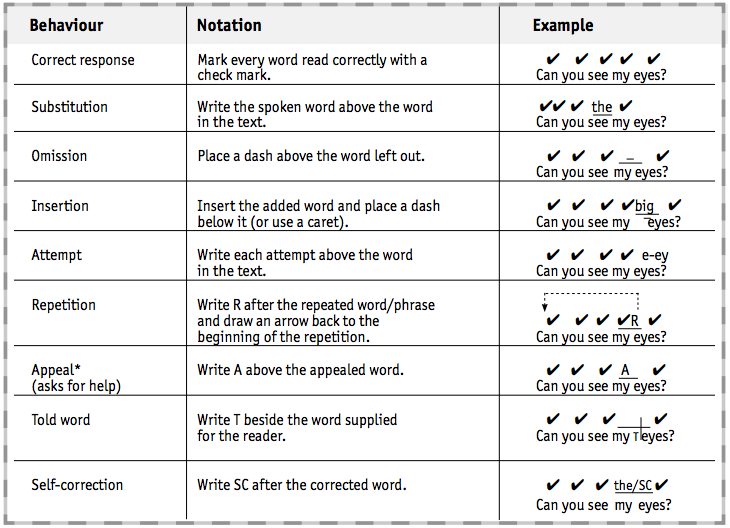
To ensure our evidence-based tools retain their validity in the real world, standardized administration protocols must be followed strictly. If an assessment protocol dictates a 60-second time limit, allowing a student 70 seconds invalidates the norm-referenced score.
However, we must differentiate standard administration from the legally mandated supports our students require. Special educators must expertly navigate the distinction between accommodations and modifications during testing.
| Feature | Accommodations | Modifications |
|---|---|---|
| Definition | Accommodations in evidence-based assessments alter the testing environment without changing the construct being measured. | Modifications in evidence-based assessments fundamentally change the specific construct being measured by the test. |
| Example | Providing a quiet room or extended time for a math computation test. | Allowing a calculator on a math computation test. |
| Impact on Validity | Preserves the validity of the score relative to the construct. | Alters the construct; the student is no longer taking the same test as their peers. |

You are not expected to calculate the statistical reliability of a test yourself. The educational science community has established specific clearinghouses to do this heavy lifting. Knowing where to find empirical evidence is just as critical as knowing how to administer a test.
- The What Works Clearinghouse (WWC): Run by the Institute of Education Sciences, the What Works Clearinghouse provides educators with scientific evidence on the effectiveness of educational programs and assessment tools. It is the ultimate arbiter of whether an intervention truly works based on peer-reviewed research.
- The National Center on Intensive Intervention (NCII): When you are selecting tools specifically for progress monitoring, the National Center on Intensive Intervention publishes technical ratings on the reliability and validity of academic progress monitoring tools. Their charts allow you to instantly see if a CBM tool has proven validity for a specific demographic.
- The Mental Measurements Yearbook (MMY): When investigating formal standardized tests, you must consult the definitive encyclopedia of test reviews. The Buros Center for Testing publishes the Mental Measurements Yearbook. In turn, the Mental Measurements Yearbook provides comprehensive reviews of the reliability and validity of standardized assessment instruments. Before your school district spends thousands of dollars on a new cognitive or behavioral battery, checking the MMY ensures you are purchasing a scientifically valid instrument rather than an expensive placebo.
By rooting our evaluations in evidence-based, scientifically rigorous assessments, we protect our students from subjective bias and wasted instructional time. We replace the elastic tape measure with a laser level, ensuring that the individualized programs we build stand on an unshakable foundation of empirical truth.