Preventive Strategies for At-Risk Learners
Not sure you’re ready?
Take the ~3-minute readiness diagnostic and see where you stand.
In epidemiology, doctors do not wait for an entire population to contract a disease before discussing hygiene and vaccination. They design systems to catch vulnerabilities early and deploy preventative measures at scale. The modern classroom requires the exact same paradigm. For decades, special education operated on a "wait to fail" model, where intervention only arrived after a student’s academic or behavioral deficits became catastrophic. Today, the core of our profession is prevention. By designing robust, multi-tiered systems, we intercept academic and behavioral struggles at their genesis, fundamentally altering the trajectory of an at-risk learner's life before an official diagnosis is ever required.
We manage the complexities of student needs through a Multi-Tiered System of Supports (MTSS). An MTSS integrates academic and behavioral interventions into a unified prevention framework. We do not treat learning and behavior as separate silos; a student who cannot read will often act out to mask their deficit.
Within this overarching MTSS structure sits the Response to Intervention (RTI) framework, which typically consists of three tiers of increasingly intensive instructional support.
- Tier 1: Tier 1 interventions provide high-quality core instruction to all students in the general education classroom. If our pedagogy is sound, Tier 1 supports typically meet the academic and behavioral needs of approximately 80 percent of the student population.
- Tier 2: When the core instruction is insufficient for certain learners, Tier 2 interventions provide targeted, small-group support for students who do not adequately respond to Tier 1 instruction. By design, Tier 2 supports are typically required for approximately 10 to 15 percent of the student population.
- Tier 3: Finally, Tier 3 interventions are designed for the 1 to 5 percent of students who do not respond to Tier 1 and Tier 2 supports. This is the most intensive level of intervention, often leading to comprehensive special education evaluation.
The goal across all tiers is early intervention, which aims to provide targeted support before academic or behavioral learning gaps become severe. The legislative framework of our profession recognizes this imperative. In fact, the Individuals with Disabilities Education Act allows school districts to use up to 15 percent of special education funds for early intervening services. We are legally empowered to spend money to prevent special education placement.
To intervene early, we must systematically identify who needs help. Universal screening involves assessing all students to identify individuals at risk for academic or behavioral difficulties.
For these screeners to be effective, they must be statistically sound.
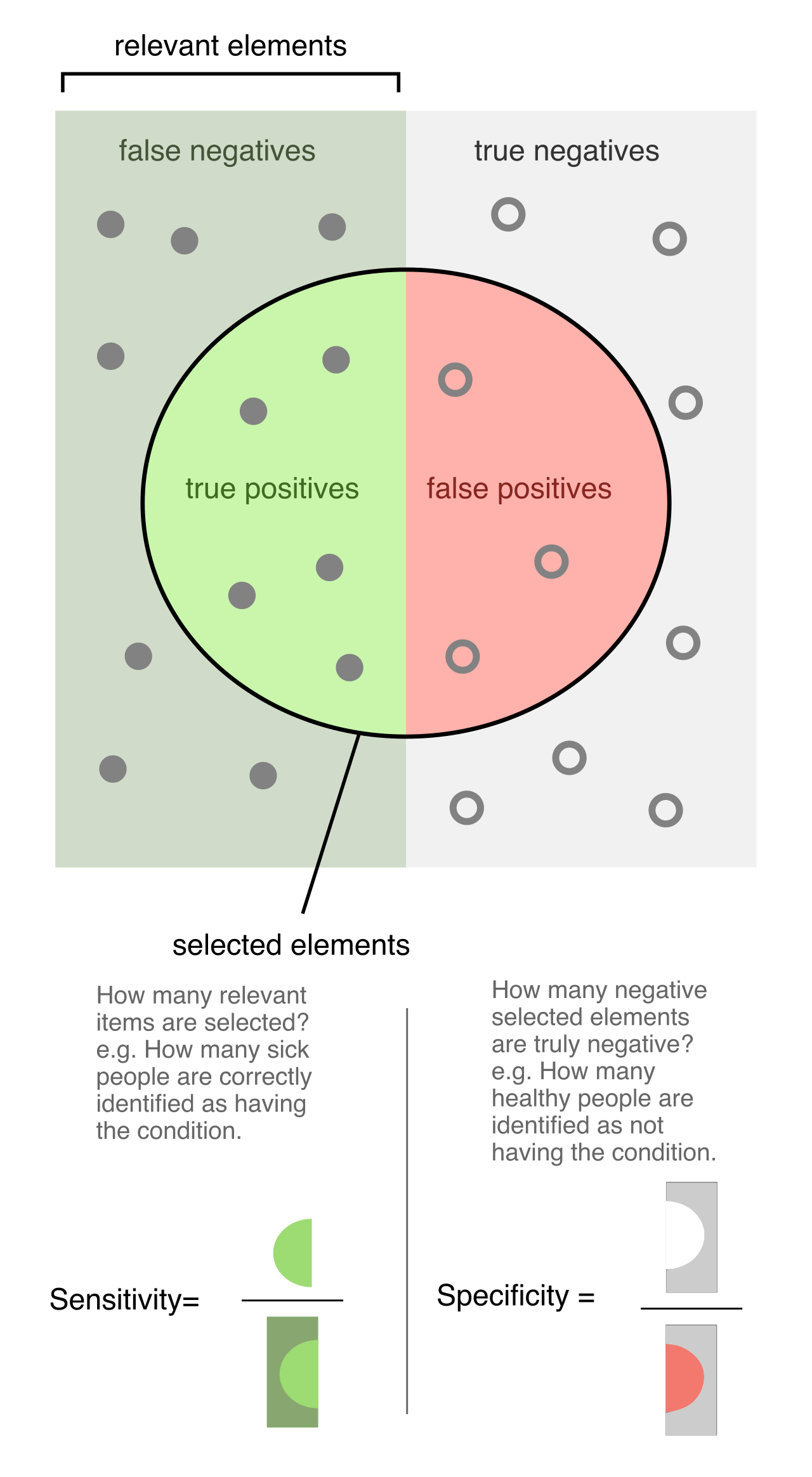
- First, screening measures must possess high sensitivity to accurately identify students who are truly at-risk for failure. Think of a security alarm: high sensitivity ensures the alarm rings when a break-in actually occurs (minimizing false negatives).
- Conversely, screening measures must possess high specificity to avoid misidentifying typically developing students as at-risk. High specificity ensures the alarm doesn't ring when the wind blows (minimizing false positives). If our tools lack specificity, we flood our intervention systems with students who do not actually need them, diluting resources for those who do.
Decoding the Warning Signs
As practitioners, we must constantly scan the environment for leading indicators of failure.
Academic Warning Signs:
- In primary grades, a lack of phonemic awareness is an early warning sign for potential reading failure. If a child cannot hear and manipulate the individual sounds in spoken words, phonics instruction will fall flat.
- Similarly, difficulty with rapid letter naming is an early predictor of subsequent reading disabilities. It indicates a bottleneck in cognitive processing speed and working memory.
- We cannot ignore early struggles. First-grade reading failure is a statistically strong predictor of continued reading difficulties in later elementary grades. The "they'll catch up later" mentality is a statistical fallacy.
Behavioral Warning Signs:
- Chronic absenteeism is an early warning indicator for long-term academic failure and high school dropout. A student cannot learn if they are not in the room.
- Frequent office disciplinary referrals serve as a behavioral warning sign indicating the need for targeted Tier 2 interventions. One referral is an incident; frequent referrals are data signaling a systemic mismatch between the student and the environment.
- We must also distinguish between how distress manifests. Behavioral warning signs of internalizing disorders include social withdrawal and frequent unprovoked crying. These students often suffer silently and fly under the radar.
- Conversely, behavioral warning signs of externalizing disorders include physical aggression and property destruction, which demand immediate environmental management.
Let’s dissect the 80%—the Tier 1 environment. A robust Tier 1 classroom is a preventative shield.
Academic Prevention Strategies
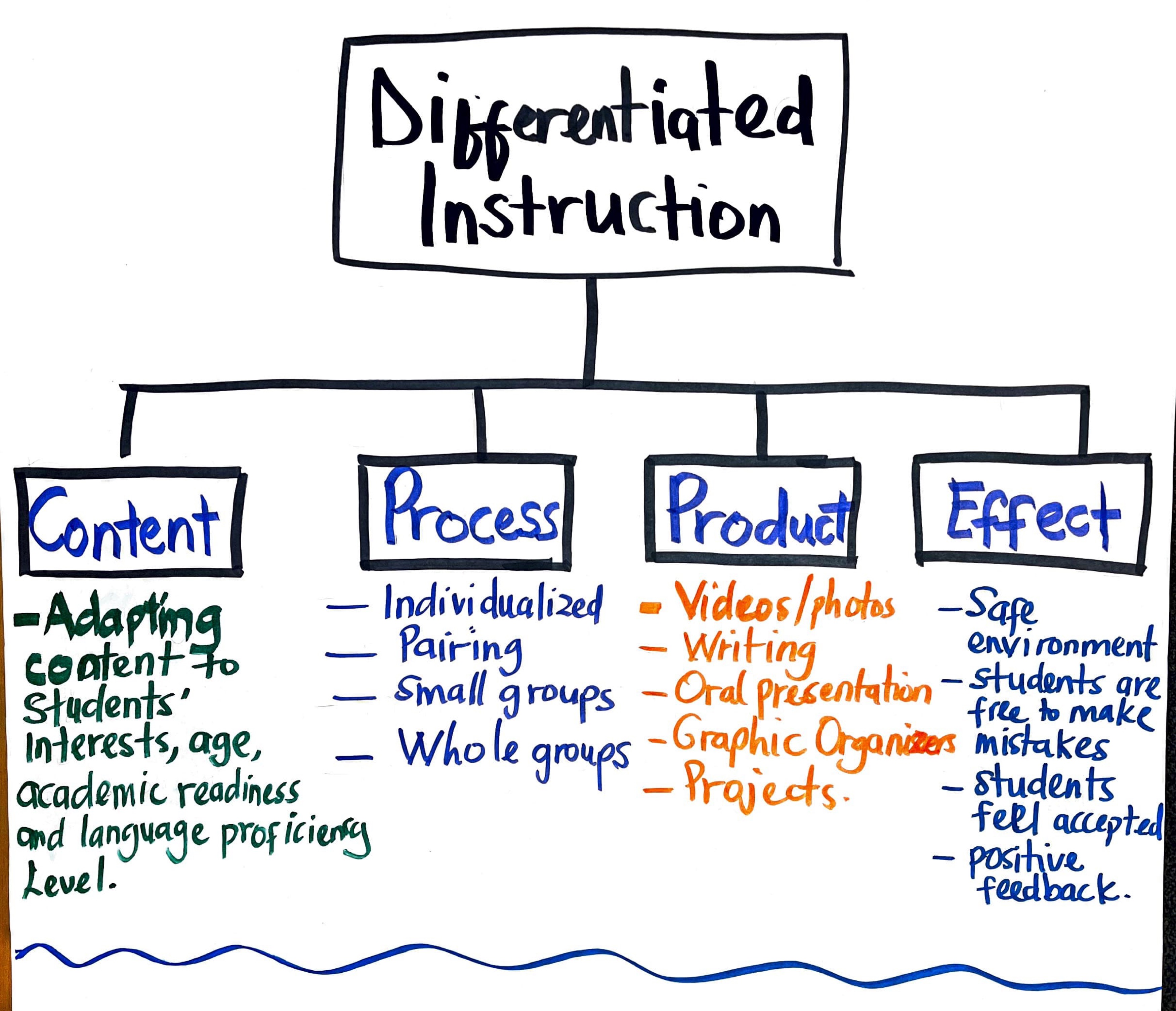
Academically, prevention begins with differentiated instruction, which proactively adjusts instructional content, processes, and products to accommodate diverse learner needs. We do not teach a mythical "average" student; we teach the diverse minds in front of us.
When teaching foundational or difficult concepts, explicit instruction utilizes clear modeling and guided practice to prevent academic failure in at-risk learners. You do not leave a vulnerable learner to "discover" how to decode a multisyllabic word; you show them exactly how to do it. If a concept remains too large, we use task analysis, which breaks complex academic skills into smaller instructional steps to prevent learner frustration.
During this process, we employ instructional scaffolding, which provides temporary support to enable an at-risk student to complete a task independently. Like physical scaffolding on a building, it is gradually removed as the structure becomes self-supporting. Furthermore, maintaining high rates of opportunities to respond decrease disruptive behavior by keeping students actively engaged in instruction. A student actively responding to a prompt cannot simultaneously throw a paper airplane.
Proactive Behavioral Management
Behaviorally, we rely on Positive Behavioral Interventions and Supports (PBIS). Positive Behavioral Interventions and Supports uses data-based decision making to establish a proactive school-wide disciplinary framework. Unlike antiquated models, Positive Behavioral Interventions and Supports focuses on explicitly teaching expected behaviors rather than relying on punitive discipline. You would not punish a student for not knowing how to divide fractions; you would teach them. PBIS applies this exact logic to behavior. At the foundation, Tier 1 behavior management relies on explicitly teaching a small number of positively stated classroom rules (e.g., "Walk quietly" instead of "Don't run").
Teachers possess powerful, immediate environmental tools to manage this:
- Active supervision requires teachers to continuously scan the classroom and interact frequently with students to prevent off-task behavior.
- Teacher proximity control uses physical distance to prevent minor disruptive behaviors from escalating. Simply walking toward a whispering cluster of students often dissipates the disruption without a word being spoken.
- Pre-correction involves reminding students of behavior expectations immediately before a challenging task or transition, neutralizing problems before they occur.
- Behavior-specific praise reduces off-task behavior by explicitly stating the positive action a student performed. Instead of a vague "Good job," you say, "Thank you for raising your hand before speaking."
To build class-wide momentum, we implement preventative systems. The Good Behavior Game is a Tier 1 interdependent group contingency strategy used to prevent disruptive classroom behavior, where teams of students work together to meet behavioral criteria. Additionally, token economies are classroom prevention systems that reinforce expected behavior with exchangeable secondary reinforcers, building delayed gratification and sustained engagement.
When Tier 1 prevention isn't enough, we deploy Tier 2 interventions.
Academic Approaches
For academic deficits, schools generally deploy interventions via two distinct models:
| Intervention Model | Description |
|---|---|
| Standard Treatment Protocol | A standard treatment protocol involves using a predetermined research-based intervention for all students facing a specific academic difficulty. (e.g., all 3rd graders struggling with fluency receive the exact same 30-minute fluency program). |
| Problem-Solving Models | Problem-solving models in Response to Intervention individualize early intervention strategies based on specific student deficits, utilizing a team to analyze why a specific child is struggling and tailor a unique response. |
Behavioral Approaches
Behaviorally, Tier 2 is equally targeted. A highly effective strategy is Check-In/Check-Out, which is a Tier 2 behavioral intervention involving daily adult feedback on specific student goals. The student checks in with a mentor in the morning to review expectations, receives feedback from teachers throughout the day, and checks out at the end of the day. Check-In/Check-Out interventions statistically reduce office discipline referrals for students exhibiting mild problem behaviors by providing structured, positive adult attention.
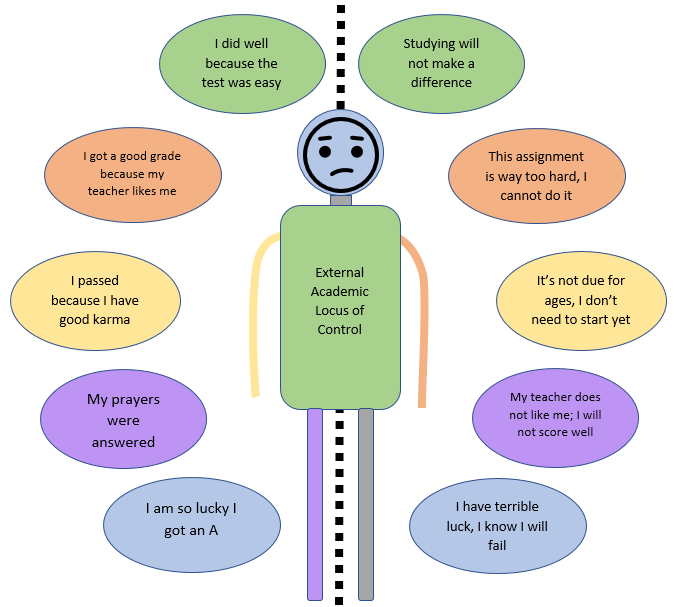
For peer-related issues, social skills training groups are a common Tier 2 intervention for students demonstrating mild interpersonal difficulties, allowing them to role-play and practice peer interactions in a safe environment. Finally, self-monitoring interventions teach students to independently observe and record their own academic or behavioral performance. This is a profound shift, transferring the locus of control from external teacher management to internal student regulation.
None of these elegant strategies matter if we do not rigorously measure their impact. Teaching without measurement is simply talking.
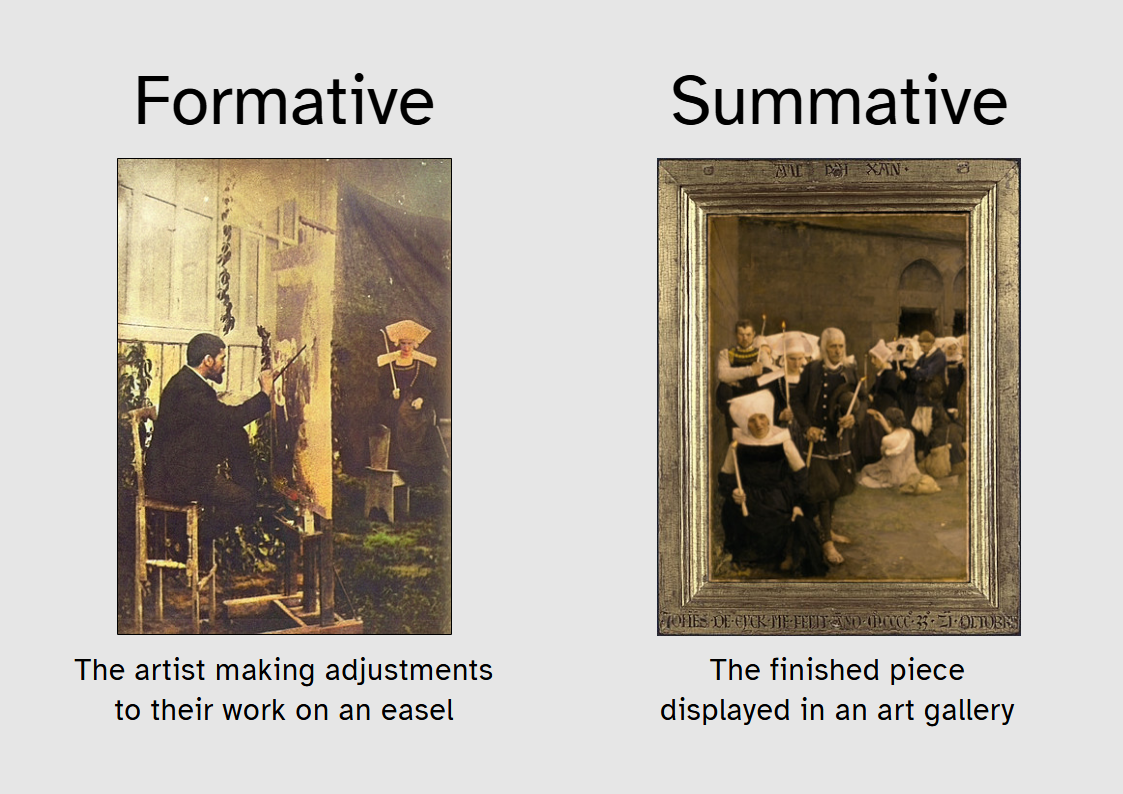
During instruction, formative assessment provides ongoing feedback to help teachers adjust instructional strategies during the learning process. But once an explicit intervention is put in place, we must track it formally. Progress monitoring uses brief and frequent assessments to evaluate the effectiveness of an implemented intervention.
To know if a student is growing, we must know where they started. A baseline data point represents a student's current level of performance prior to the implementation of an intervention. Against this baseline, we often use curriculum-based measurement, which is a standardized method for tracking student progress in basic academic skills over time. By charting curriculum-based measurements against the baseline, we can visually slope the trajectory of the student's response to the intervention.
However, all of this data is rendered entirely meaningless if we fail on one final, critical metric:
Fidelity of implementation refers to the accurate and consistent delivery of an intervention as intended by its developers.
If an evidence-based reading program requires 30 minutes of daily instruction, but a teacher only delivers 15 minutes three days a week, the intervention has not been given a chance to work. Poor fidelity of implementation can lead to false conclusions about an intervention's effectiveness. We might wrongly assume a student needs intensive Tier 3 special education services, when in reality, they simply needed the Tier 2 intervention delivered correctly. Before we ever declare that a student has failed an intervention, we must relentlessly verify that our systems did not fail the student.