Basic Characteristics of Major Disability Categories
Not sure you’re ready?
Take the ~3-minute readiness diagnostic and see where you stand.
Imagine trying to map the intricate, rapidly shifting topography of the human mind using only a surveyor’s transit. In special education, the Individuals with Disabilities Education Act (IDEA) attempts a remarkably similar feat, translating the boundless variations of human neurobiology, cognition, and physical development into actionable, legal frameworks. To build a scaffolding of support, the law must first establish a common language. Therefore, the Individuals with Disabilities Education Act defines thirteen specific disability categories under which children may be eligible for special education services.
However, before we examine the distinct characteristics of these thirteen categories, we must establish the golden rule of special education law. A student may possess a profound medical diagnosis—perhaps a documented neurological condition from a world-renowned pediatrician—but medical diagnosis alone does not grant entry into special education. Every disability category under the Individuals with Disabilities Education Act requires that the student's condition adversely affects their educational performance to qualify for services. We do not write Individualized Education Programs (IEPs) to treat a medical label; we write them to remediate the educational impact of that condition.
To understand how a child learns, we must investigate how their brain processes, stores, and retrieves information. Two categories specifically address cognitive architecture, but they do so in fundamentally different ways.
Specific Learning Disability (SLD)
Think of the brain as an impossibly complex circuit board. For a student with a Specific Learning Disability, 95% of the board might be brilliantly lit, but one highly specific wire—perhaps the phonological processor—experiences severe resistance.
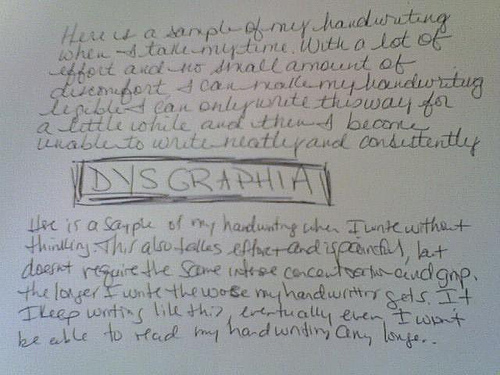
By definition, a specific learning disability is a disorder in one or more of the basic psychological processes involved in understanding or using language. This bottleneck in processing may manifest in an imperfect ability to listen, think, speak, read, write, spell, or do mathematical calculations. Because SLD is highly specific, it encompasses well-known neurological learning differences. Dyslexia (affecting reading), dysgraphia (affecting writing), and dyscalculia (affecting mathematics) are classified as specific learning disabilities.
The SLD Exclusions: To protect students from being mislabeled, the diagnostic criteria for SLD require strict exclusionary rule-outs. A specific learning disability diagnosis requires ruling out primary sensory or motor disabilities as the main cause of the learning problem (e.g., a child who cannot see the text). It also requires ruling out intellectual disability as the primary cause. Finally, and crucially for equity in education, a specific learning disability diagnosis requires ruling out environmental, cultural, or economic disadvantage as the primary cause of the learning problem. If a student is failing to read because they have never received adequate instruction, they do not have an SLD.
Intellectual Disability (ID)
If SLD is a localized bottleneck in processing, Intellectual Disability represents an overall, global reduction in cognitive capacity. Intellectual disability involves significantly subaverage general intellectual functioning (typically defined as an IQ score of 70 or below).
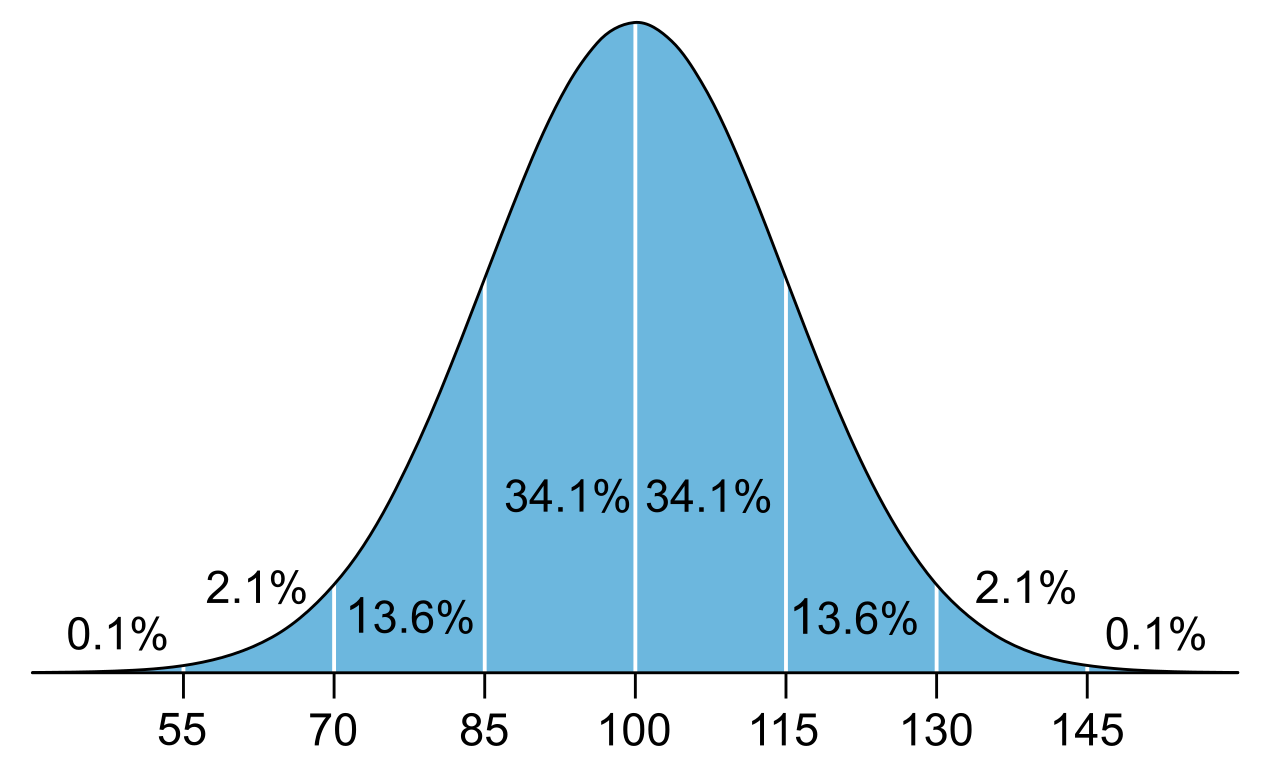
However, an IQ score on a piece of paper is a static snapshot; life is a moving picture. Therefore, an intellectual disability diagnosis requires concurrent deficits in adaptive behavior—meaning the student struggles with the daily demands of life, such as functional communication, self-care, and social navigation. Furthermore, the characteristics of an intellectual disability must manifest during a child's developmental period to meet eligibility criteria. An adult who loses cognitive function due to a stroke does not suddenly acquire an IDEA "intellectual disability."
How a student interacts with their environment, regulates their internal emotional state, and builds social connections defines the next two crucial categories.
Autism
Autism is not a deficit of character; it is a fundamentally different neurological operating system. Under IDEA, autism is a developmental disability significantly affecting verbal and nonverbal communication, as well as a developmental disability significantly affecting social interaction.
Because it is a developmental disability, the characteristics of autism are generally evident before a child reaches age three. As a teacher, you will observe the physical and behavioral manifestations of this unique neurobiology. A child diagnosed with autism often exhibits repetitive activities and stereotyped movements, such as hand-flapping or rocking. Rather than viewing these as "disruptions," recognize them as profound self-regulation tools.
Furthermore, resistance to environmental change or daily routines is a common characteristic of autism. A predictable routine provides a safe psychological anchor in a chaotic world. You will also frequently observe unusual responses to sensory experiences in children with autism—a student might cover their ears in agony at the subtle hum of a fluorescent light, or they might actively seek out deep-pressure physical input.

Emotional Disturbance (ED)
Emotional Disturbance is perhaps the most heavily litigated category in special education because human emotion is notoriously difficult to quantify. At its core, an inability to learn that cannot be explained by intellectual, sensory, or health factors is a defining characteristic of emotional disturbance. The child's internal emotional weather has built an impenetrable wall between themselves and the curriculum.
To qualify, a student must exhibit one or more of the following characteristics over a long period of time and to a marked degree:
- An inability to build or maintain satisfactory interpersonal relationships with peers and teachers.
- Inappropriate types of behavior or feelings under normal circumstances.
- Emotional disturbance can manifest as a general pervasive mood of unhappiness or depression.
- A tendency to develop physical symptoms or fears associated with personal or school problems.
Important Distinctions within ED: The Individuals with Disabilities Education Act category of emotional disturbance explicitly includes children diagnosed with schizophrenia. However, there is a massive legal boundary line you must know: The emotional disturbance category excludes children who are socially maladjusted without a concurrent determination of emotional disturbance. If a student clearly understands the social contract, is perfectly capable of regulating their emotions, but consciously chooses to break rules for social status or peer approval, the law considers that social maladjustment. They do not receive an IEP unless they also meet the criteria for emotional disturbance.
Physical limitations and health conditions heavily influence a student's available energy and access to the educational environment.
Other Health Impairment (OHI)
The title of this category can be deceivingly broad. Other health impairment involves having limited strength, vitality, or alertness. But here lies a beautiful paradox that routinely tricks aspiring teachers: Other health impairment includes a heightened alertness to environmental stimuli that results in limited alertness with respect to the educational environment.
Think of a student with Attention-deficit/hyperactivity disorder (ADHD). Their brain is wildly alert to the bird outside the window, the ticking clock, and the hum of the HVAC system; consequently, they have limited alertness to your math lesson. This is exactly why Attention-deficit/hyperactivity disorder is classified under the Other health impairment category.
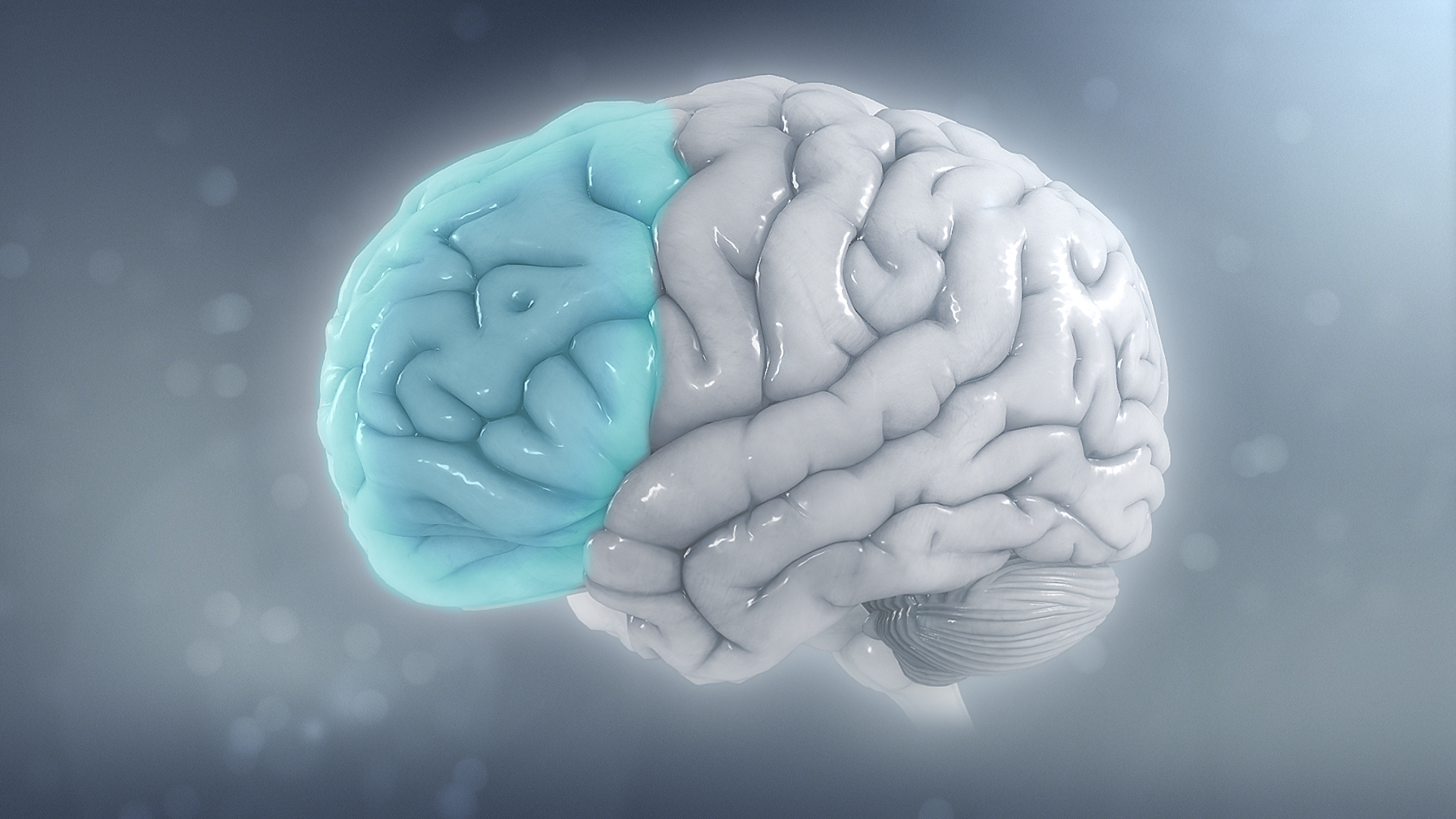
An Other health impairment classification requires the student's limited alertness or vitality to be due to chronic or acute health problems. Beyond ADHD, Tourette syndrome is classified under the Other health impairment category, as its physical tics drain vitality and focus. Common medical realities like asthma and diabetes are classified under the Other health impairment category, as are neurological conditions like epilepsy.
Orthopedic Impairment
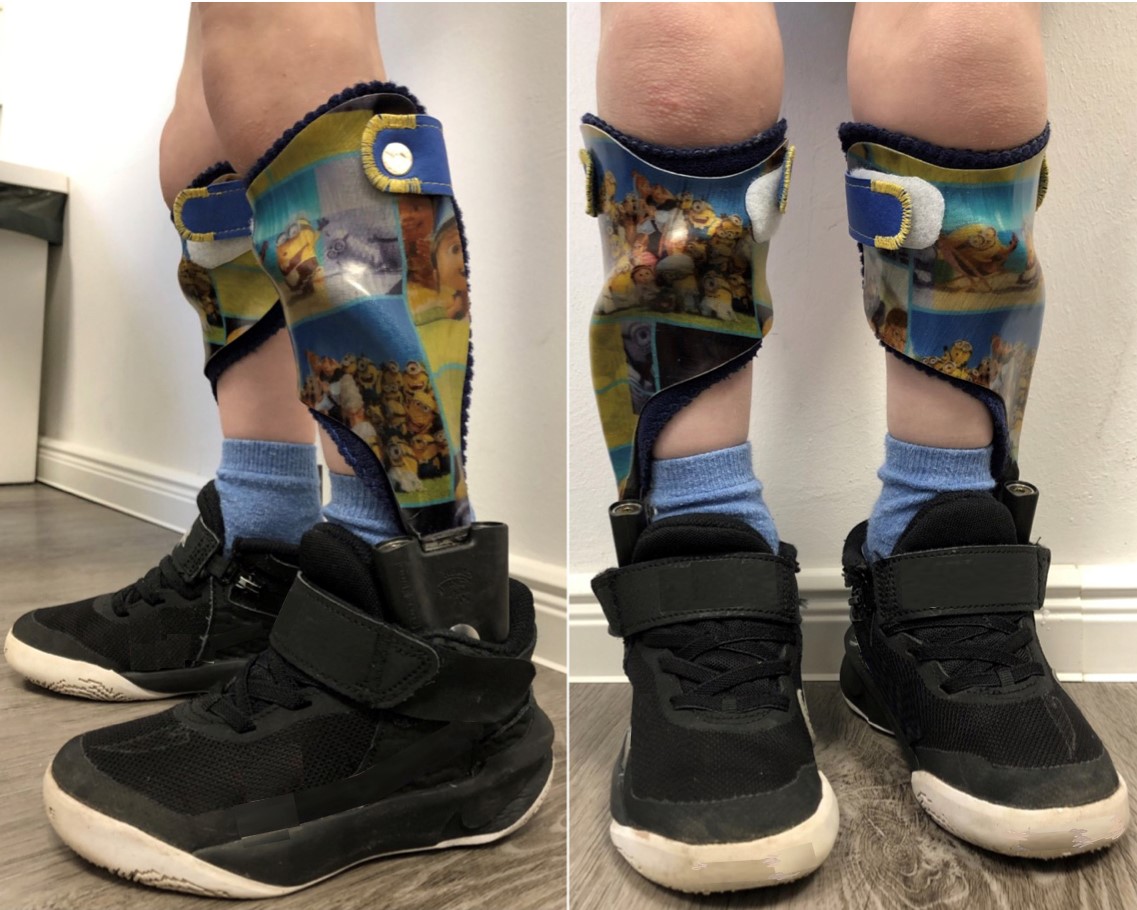
This category addresses the physical scaffolding of the body. Orthopedic impairment includes impairments caused by congenital anomalies (such as clubfoot or absence of a limb). It also includes physical impairments caused by diseases such as poliomyelitis, and physical impairments from causes such as cerebral palsy or amputations. If the body's physical mechanics restrict educational access, this is the legal umbrella.
Traumatic Brain Injury (TBI)
The origin story of the injury is everything here. Traumatic brain injury is an acquired injury to the brain caused by an external physical force (e.g., a car accident, a sports collision). A traumatic brain injury classification requires the injury to result in total or partial functional disability or psychosocial impairment.
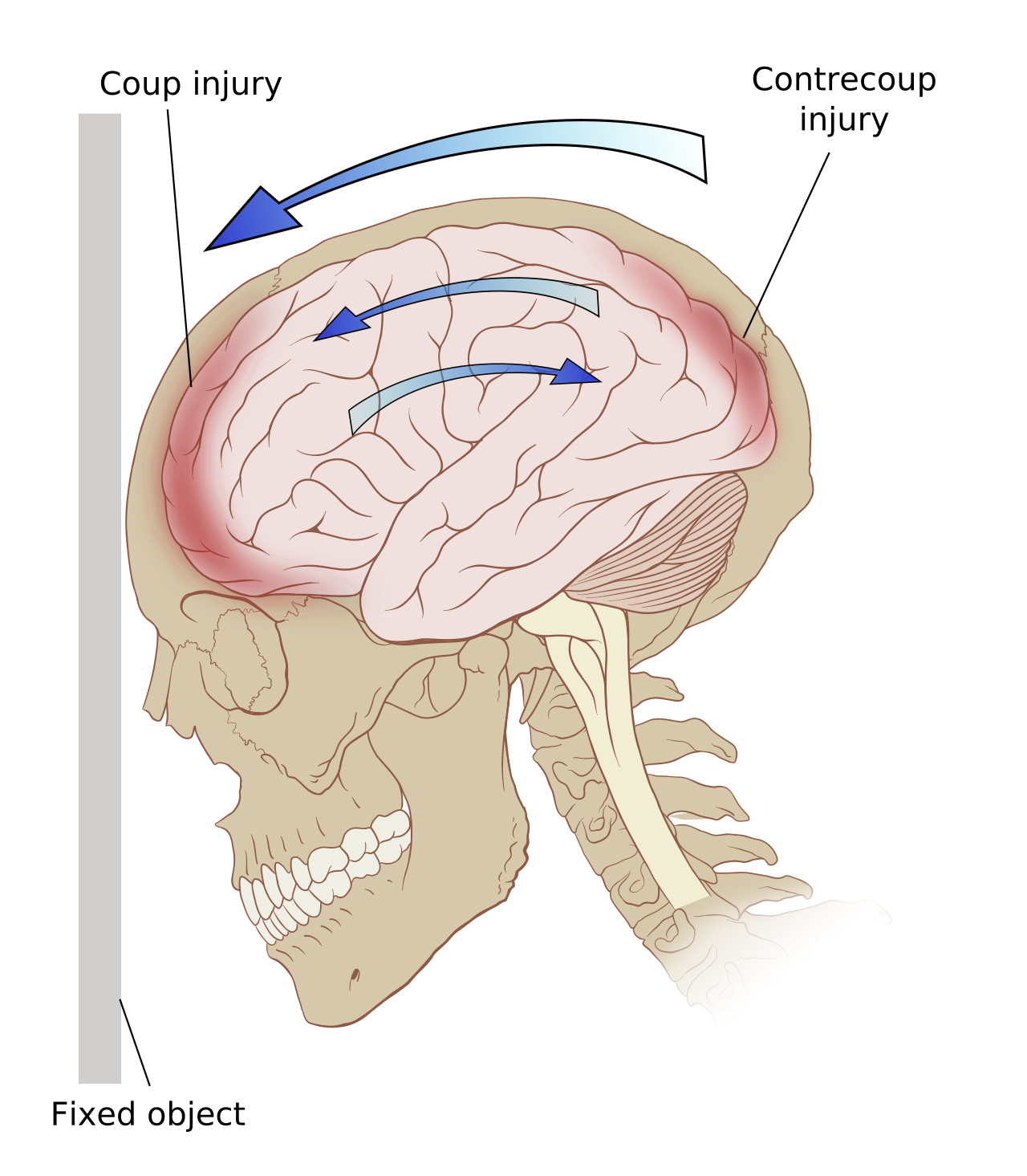
Because it must be an acquired injury from an external force, the exclusions are incredibly strict. The traumatic brain injury category excludes congenital brain injuries. It also excludes degenerative brain injuries. Most surprisingly to many, the traumatic brain injury category excludes brain injuries induced by birth trauma. Those conditions might qualify a student under OHI or Multiple Disabilities, but legally, they are not TBI.
How information enters the brain (vision, hearing) and how a student pushes information out (speech) form the final sets of categories.
Speech or Language Impairment
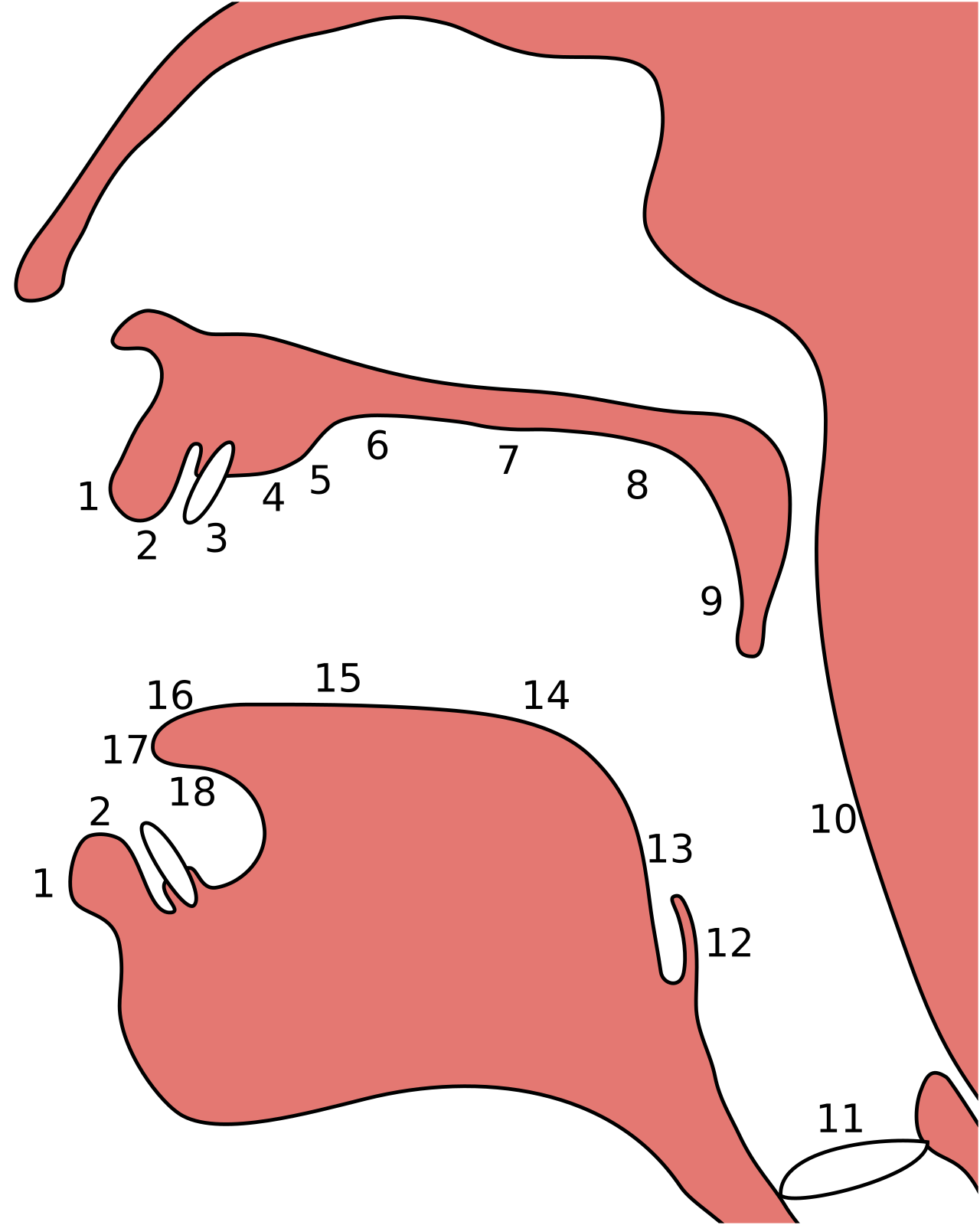
Speech or language impairment is defined as a communication disorder. It covers both the mechanics of speech and the usage of language. For example, stuttering is an example of a speech or language impairment (affecting fluency). Impaired articulation (inability to physically form the sounds of words) is an example of a speech or language impairment, as is a voice impairment (abnormal pitch, volume, or resonance).
Hearing Impairment vs. Deafness
While both relate to audiology, IDEA separates them by the threshold of linguistic access.
- Deafness is defined as a hearing impairment so severe that the child is impaired in processing linguistic information through hearing (with or without amplification). If the child cannot use hearing as their primary channel for understanding language, they are deaf.
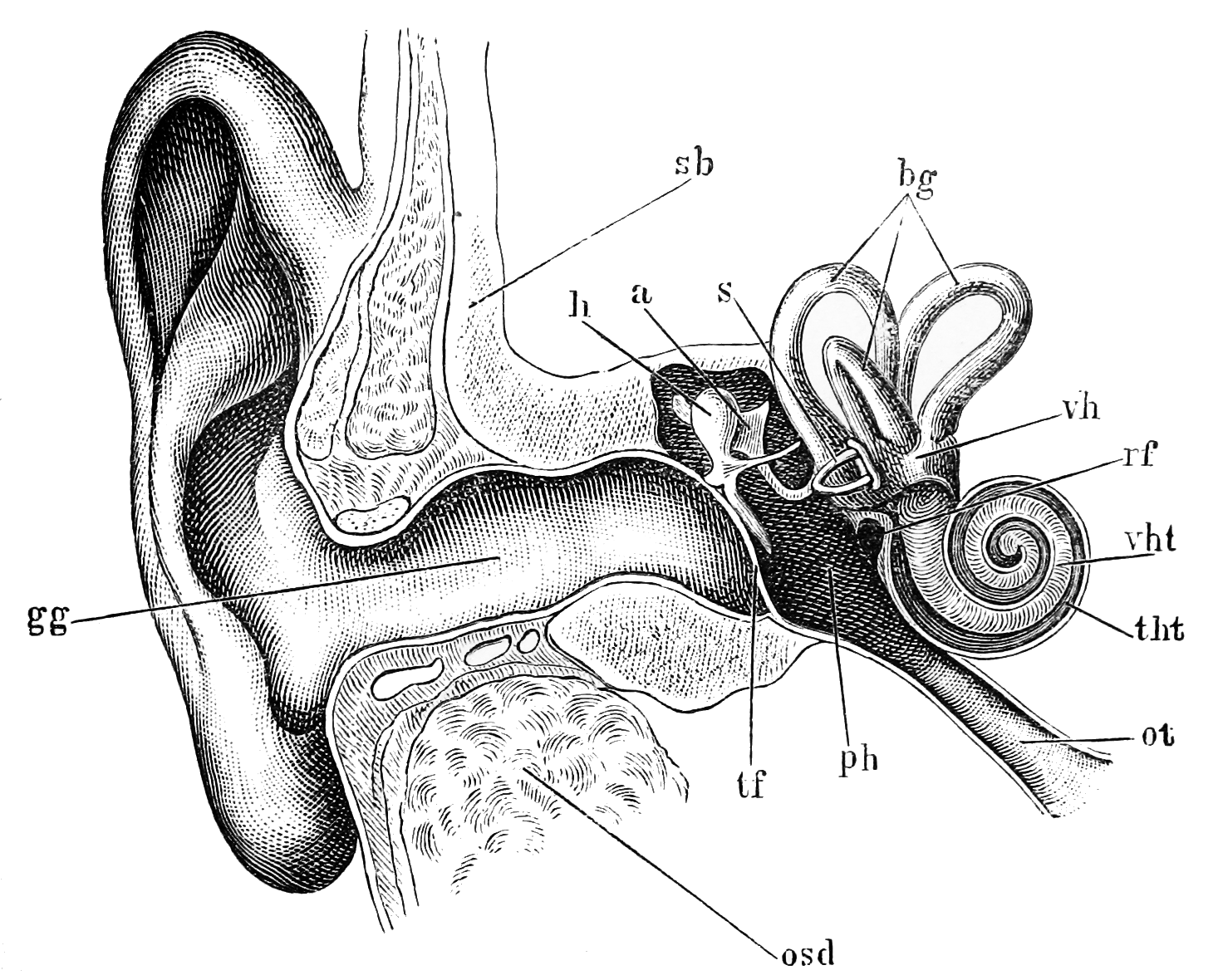
- Hearing impairment refers to a hearing deficit that adversely affects educational performance without meeting the severity definition of deafness. Interestingly, a hearing impairment under the Individuals with Disabilities Education Act can be a permanent condition, but it can also be a fluctuating condition (such as chronic ear infections causing intermittent fluid build-up that blocks sound).
Visual Impairment (Including Blindness)
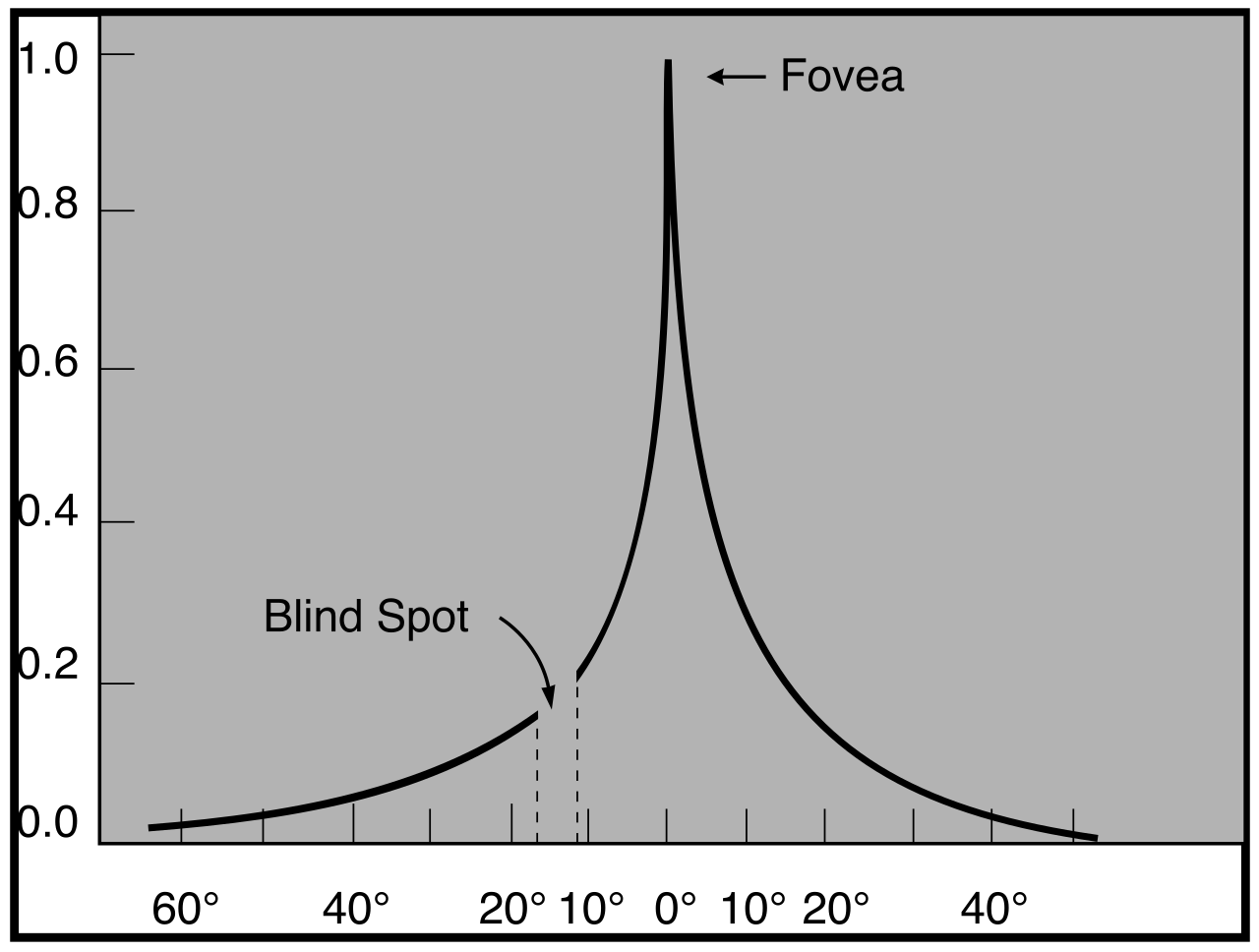
Visual impairment including blindness means an impairment in vision that adversely affects a child's educational performance even with correction. If a student has terrible vision but putting on a pair of glasses completely resolves the issue, they do not qualify for special education. The category of visual impairment under the Individuals with Disabilities Education Act includes partial sight, recognizing that visual acuity exists on a broad spectrum.
Deaf-Blindness
Deaf-blindness involves concomitant hearing and visual impairments. However, this is not a simple addition problem (deafness + blindness); it is an exponential multiplier. The combination of impairments in deaf-blindness causes severe communication needs, as the child's two primary senses for gathering distant information are simultaneously restricted.
Because of this profound isolation, a child with deaf-blindness cannot be accommodated in special education programs designed solely for children with deafness. Likewise, a child with deaf-blindness cannot be accommodated in special education programs designed solely for children with blindness. They require highly specialized tactile and environmental scaffolding, necessitating a standalone category.

Multiple Disabilities
Multiple disabilities involve concomitant impairments such as intellectual disability and orthopedic impairment. Just like deaf-blindness, the combination of impairments in multiple disabilities causes severe educational needs that transcend the services for one individual impairment. However, the Individuals with Disabilities Education Act category of multiple disabilities explicitly excludes deaf-blindness, protecting the distinct status and highly specialized funding of the deaf-blind category.
We arrive finally at the intersection of law and human biology. The brains of young children are fiercely elastic, and assigning a rigid, lifelong label to a four-year-old can be both scientifically inaccurate and ethically dubious.
The developmental delay category acknowledges that precise disability diagnoses can be difficult to determine accurately in young children. Specific disability categories require precise, long-term diagnostic criteria distinct from the broader developmental delay category.
To prevent withholding services while waiting for a label to clarify, the Individuals with Disabilities Education Act allows states to use the term developmental delay for children aged three through nine. Developmental delay applies to children experiencing delays in physical, cognitive, communication, social, emotional, or adaptive development.
Ultimately, a developmental delay classification allows a young child to receive special education services without being labeled with a specific disability category. It is a temporary bridge. But bridges have an end point.
Because it is a temporary, early-childhood classification, a student classified with a developmental delay must be formally re-evaluated by age ten. To continue receiving special education services after age nine, a child previously classified with a developmental delay must qualify under one of the thirteen specific disability categories.
Understanding these categories is not about boxing students into rigid definitions. It is about deeply understanding the mechanisms of their struggle so you, the educator, can build the precise ladder they need to climb.