Theoretical Approaches to Learning and Motivation
Not sure you’re ready?
Take the ~3-minute readiness diagnostic and see where you stand.
A special education classroom is not a place of random trial and error; it is a highly controlled laboratory of human potential. When a student with a mild to moderate disability struggles to decode a word or throws a pencil in frustration, the teacher cannot rely on intuition alone to intervene. Instead, they must draw upon established psychological frameworks to diagnose the breakdown in learning or motivation. Theoretical approaches to learning are the architectural blueprints that dictate how we construct interventions. By understanding the specific mechanisms of behavior, cognition, and motivation, educators can engineer environments where students with exceptionalities do not merely survive, but thrive.
If we want to understand how a student acts, we must first look at what happens immediately before and after their actions. Behaviorism focuses on observable changes in behavior occurring in response to environmental stimuli. It does not attempt to map the inner workings of the mind; instead, it observes the mechanics of cause and effect in the physical environment.
The cornerstone of this approach is operant conditioning, a behaviorist concept where behaviors are shaped by environmental consequences. When we manipulate the consequences of a student's actions, we alter the likelihood that the action will happen again.
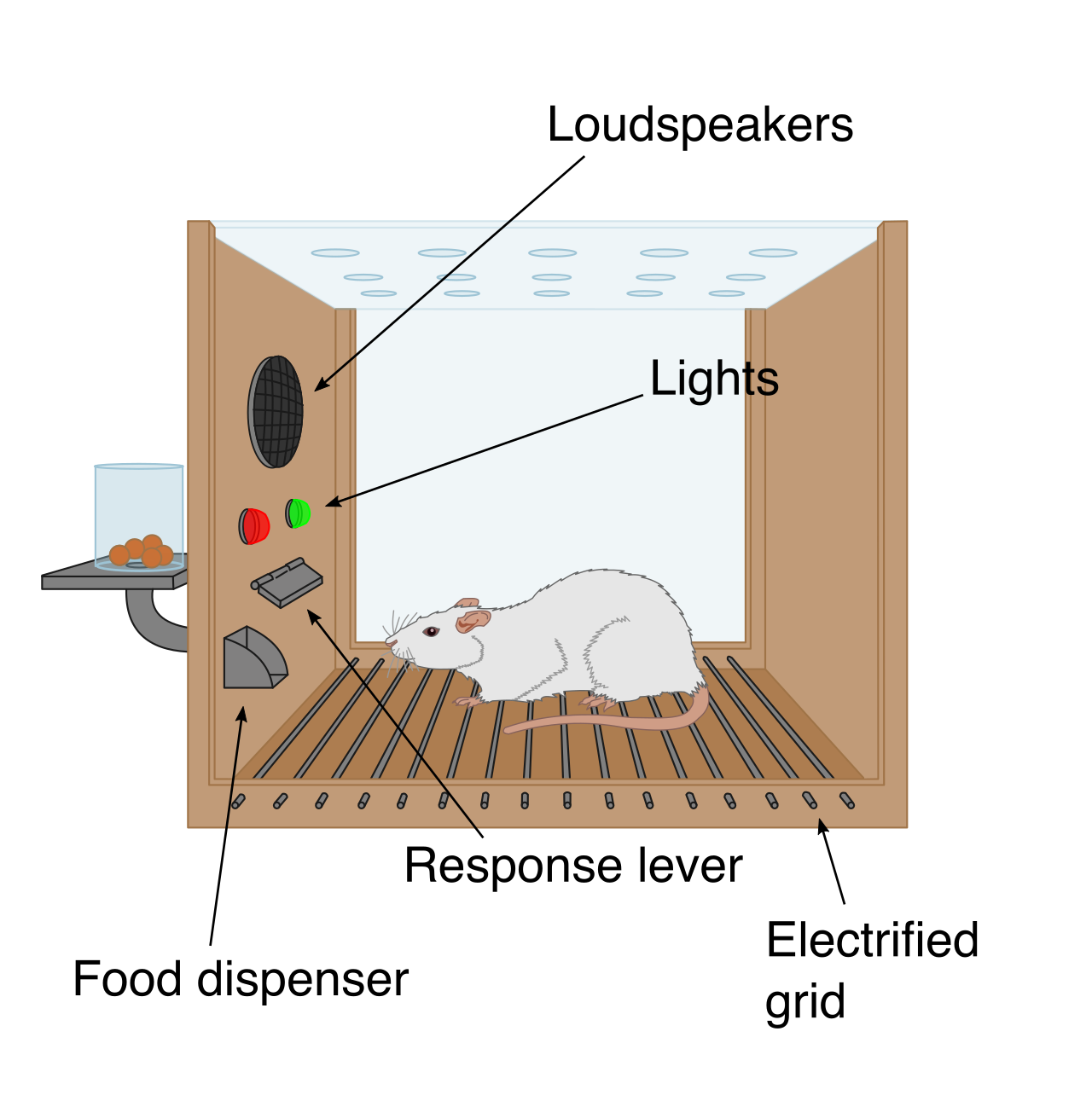
Crucial Distinction for the Exam: You must separate the everyday usage of "positive" and "negative" (meaning good and bad) from their mathematical behaviorist meanings (adding a stimulus vs. removing a stimulus).
- Positive reinforcement involves presenting a rewarding stimulus after a desired behavior to increase the frequency of that behavior. (e.g., Giving a student a sticker or verbal praise when they raise their hand).
- Negative reinforcement involves removing an aversive stimulus after a desired behavior to increase the frequency of that behavior. (e.g., Allowing a student who completes their math worksheet quietly to skip the final three problems. You removed a demand, and their quiet focus increased).
- Punishment, conversely, is a behaviorist mechanism designed specifically to decrease the frequency of a specific behavior.
In special education, we scale these principles into formal frameworks. Applied Behavior Analysis (ABA) uses behaviorist principles to systematically improve socially significant behaviors in students with exceptionalities. When we design a highly structured academic curriculum, we often use Direct Instruction, a highly structured teaching approach grounded in behaviorist principles of explicit modeling and reinforcement. It leaves nothing to chance, teaching skills in a flawless sequence of teacher-led inputs and reinforced student responses.
While behaviorism looks at the external environment, cognitive learning theories view learning as an active mental process of acquiring and structuring knowledge. Here, we open the "black box" of the mind.
Think of the brain as a complex computer system. Information processing theory models human learning on how computers encode, store, and retrieve data. In this model, the brain's "RAM" or temporary workspace is called working memory. Working memory capacity is the amount of information an individual can hold and manipulate simultaneously.
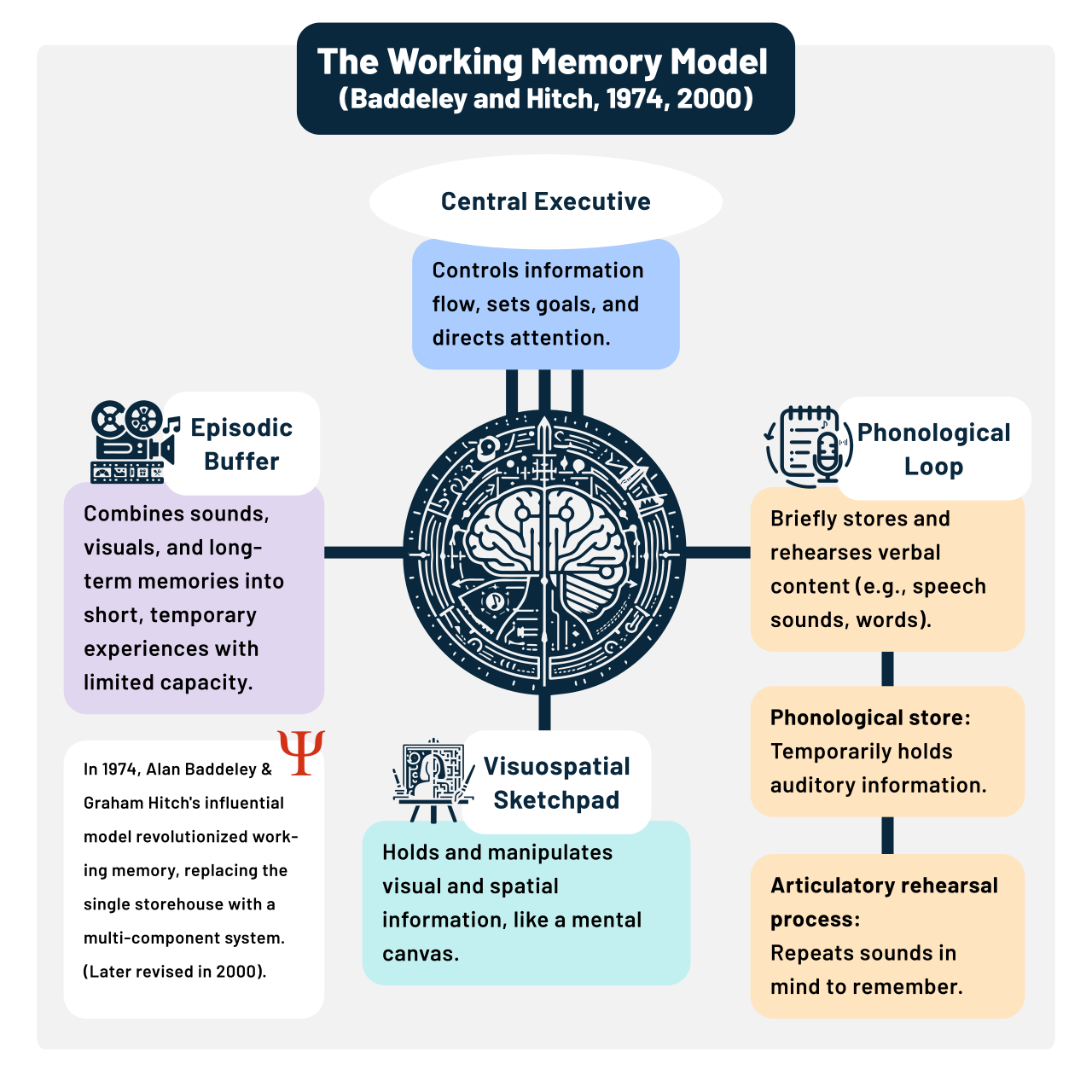
Why does this matter profoundly for your daily practice? Students with specific learning disabilities frequently demonstrate measurable deficits in working memory capacity. If you give a student a five-step verbal instruction, their mental workspace overflows, and the data is lost before it can be stored. Because of this, Cognitive load theory proposes that instructional design must align with the limited capacity of human working memory. We must chunk information and use visual aids to prevent system overload.
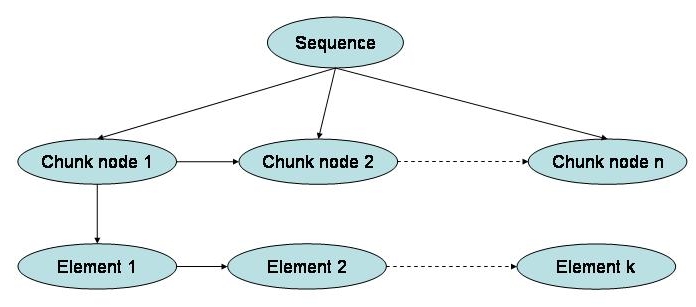
To help students manage their own cognitive load, we teach them "how to think about thinking." Metacognition is the explicit awareness and understanding of one's own thought processes.
Evidence in Practice: Explicit instruction of metacognitive strategies improves reading comprehension in students with mild to moderate disabilities. Teaching a student to actively pause, monitor their understanding, and ask themselves, "Did that paragraph make sense?" turns them from passive decoders into active comprehenders.
Constructivism posits that learners actively construct subjective knowledge through experiences. Rather than receiving data passively, the student is a master builder, constantly sorting new bricks of information into their existing mental architecture.
Jean Piaget proposed that learners construct knowledge through the specific processes of assimilation and accommodation:
- Assimilation is the cognitive process of incorporating new information into existing mental schemas. (A student knows what a golden retriever is; they see a poodle and assimilate it into their "dog" schema).
- Accommodation is the cognitive process of modifying existing mental schemas to incorporate new information. (The student sees a cat, tries to call it a dog, realizes it purrs, and must build a completely new schema for "felines").
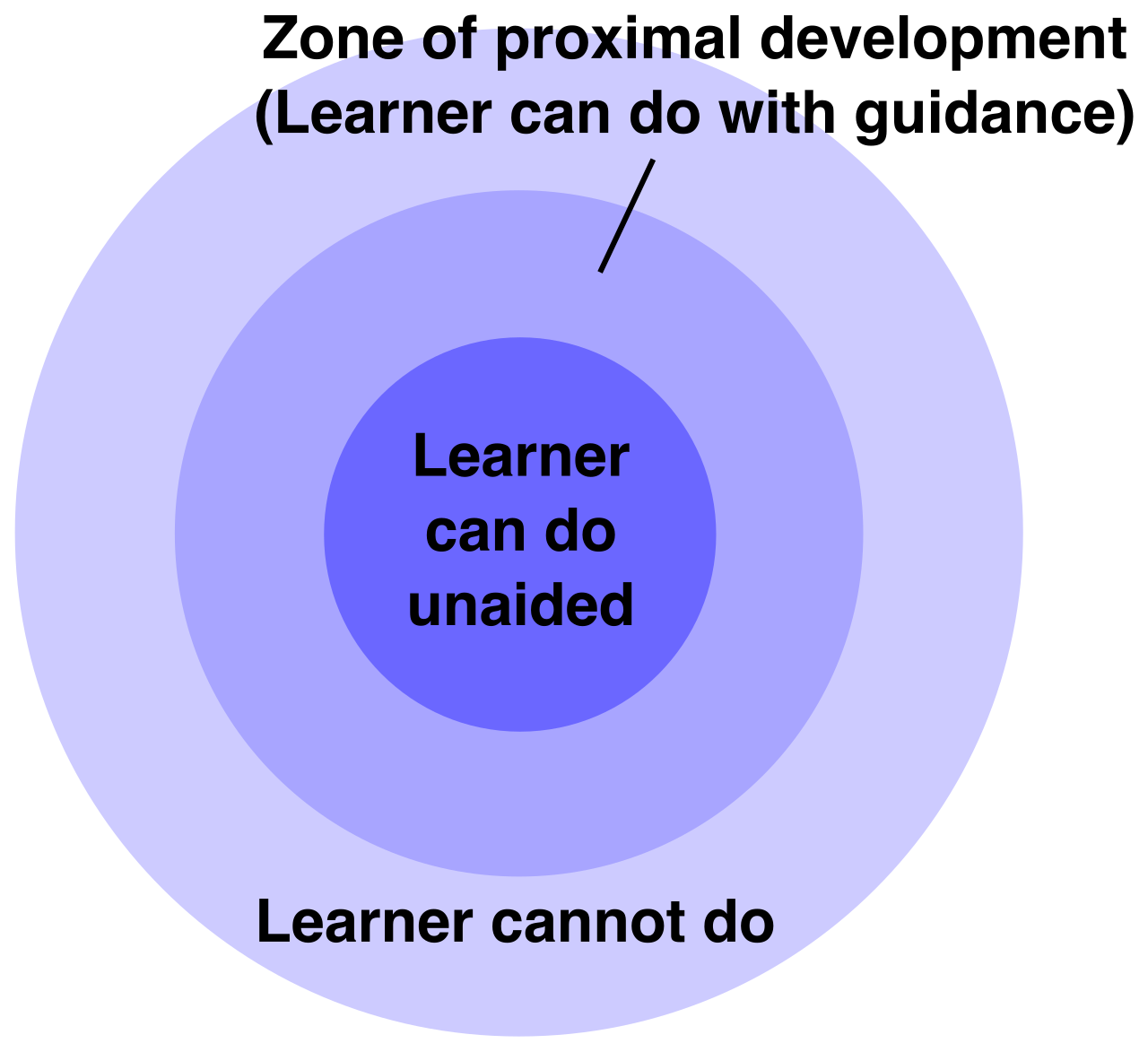
While Piaget focused on the individual builder, Lev Vygotsky developed the social constructivist concept of the Zone of Proximal Development (ZPD).
The Zone of Proximal Development represents the distance between what a learner can do independently and what the learner can do with guidance. You do not teach in the zone of what is already mastered, nor do you teach in the zone of the impossible. You teach in the ZPD. To guide a student across this zone, you use scaffolding—providing temporary instructional support to help a student accomplish tasks within the ZPD. As the student masters the skill, you utilize fading, which is the gradual removal of scaffolding as a student's competence in a specific skill increases.
Unifying the Theories: Universal Design for Learning (UDL)
How do we design a classroom that respects both the cognitive load limits and the constructivist need for active experience? Universal Design for Learning (UDL) incorporates cognitive and constructivist principles by providing multiple means of engagement, representation, and expression. By universally designing a lesson—offering audiobooks alongside text (representation), varied assignment types (expression), and high-interest topics (engagement)—you naturally scaffold for a neurodiverse classroom.
Albert Bandura developed Social Learning Theory, which serves as a bridge between behaviorist and cognitive models. Social Learning Theory states that learning occurs through observing and replicating the behaviors of others.
A primary application of this in special education is modeling, an instructional strategy where a teacher or peer demonstrates a behavior for a student to observe. Through continuous modeling and guided success, we build a student's self-efficacy—a person's belief in their own capability to successfully perform a specific task. A student who has high self-efficacy in reading believes they can tackle a complex paragraph, even if it is difficult.
You can design the perfect cognitive and constructivist lesson, but without motivation, the gears of learning will not turn. Motivation is the fuel.
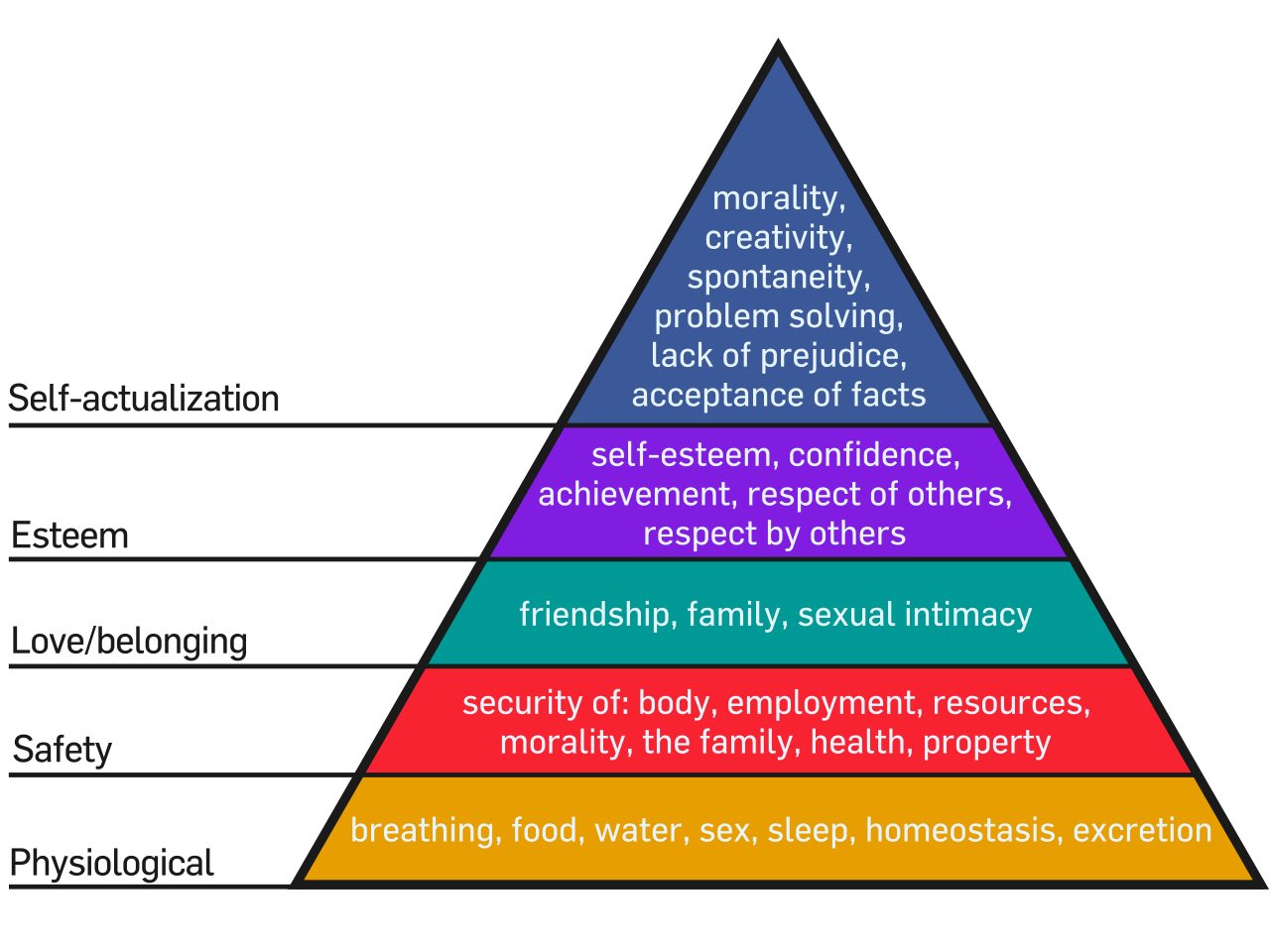
First, we must acknowledge the foundation of human survival. Abraham Maslow created the psychological framework known as the Hierarchy of Needs. Maslow's Hierarchy of Needs suggests that basic physiological and safety needs must be met before a student can successfully engage in cognitive learning. A child who is profoundly anxious, hungry, or lacking sleep will not care about algebraic fractions.
Once baseline needs are met, we look at what drives academic behavior:
- Intrinsic motivation refers to engaging in a behavior because the activity itself is inherently rewarding. The student reads a book about dinosaurs simply because they love dinosaurs.
- Extrinsic motivation refers to engaging in a behavior specifically to earn a reward or avoid a punishment.
In mild to moderate special education settings, we frequently leverage extrinsic systems to build initial momentum for un-preferred tasks. Token economies utilize extrinsic motivation by rewarding students with tokens exchangeable for desired items.
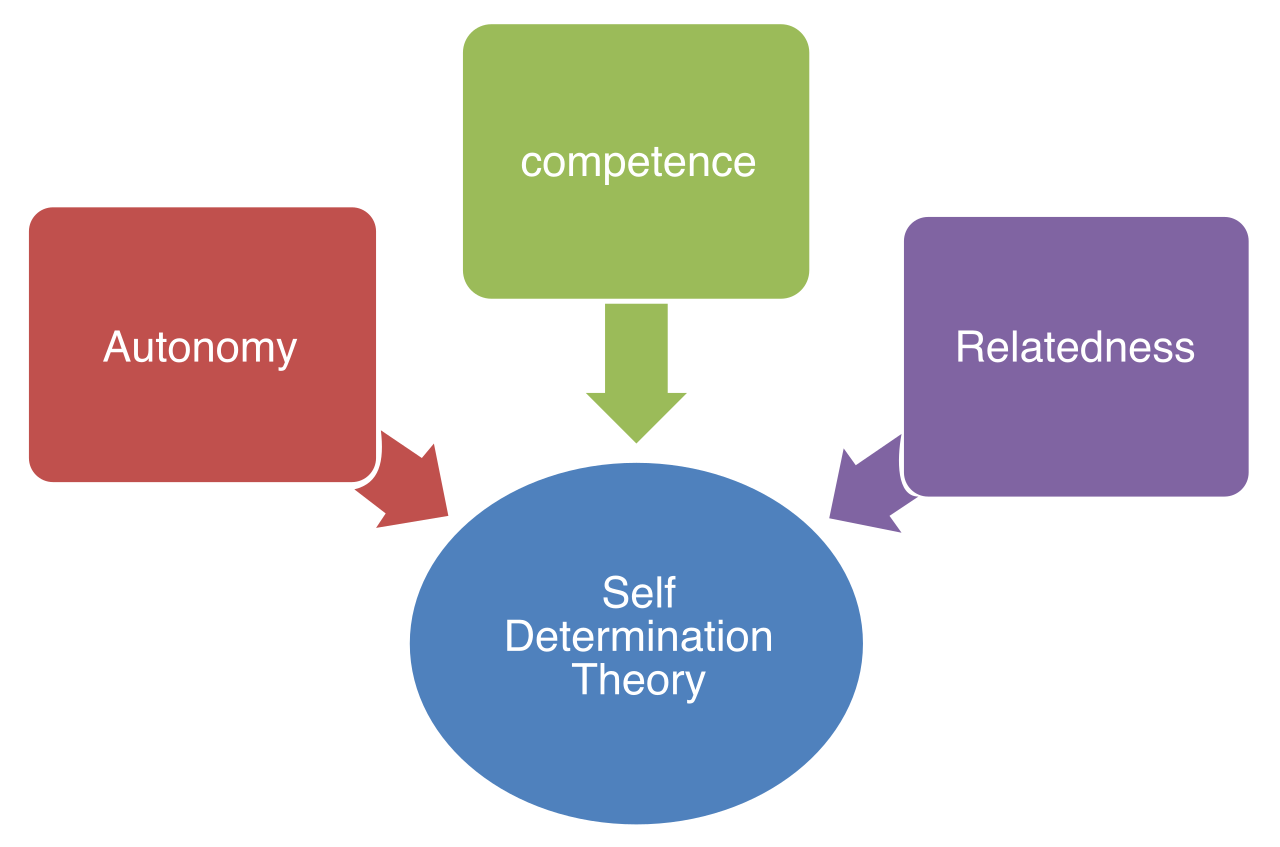
However, our ultimate goal is to foster intrinsic drive. Self-Determination Theory proposes that humans have innate psychological needs for competence, autonomy, and relatedness. Autonomy is particularly vital for students with disabilities who often have their entire days dictated by adults. Providing students with choices in academic assignments directly supports the psychological need for autonomy.
Why Students Give Up: Expectancy and Attribution
Why do some students with learning disabilities refuse to even try? Expectancy-Value Theory states that motivation is directly determined by a student's expectation of success and the value placed on the task. If a student mathematically expects failure (expectation = 0), then 0 multiplied by any task value still results in zero motivation.
This is heavily influenced by Attribution Theory, which examines how individuals explain the underlying causes of their personal successes and failures. Students with learning disabilities frequently attribute academic failures to unchangeable lack of ability rather than a lack of effort. They do not say, "I failed because I didn't study." They say, "I failed because my brain is broken."
Over time, this maladaptive attribution breeds a devastating psychological condition. Learned helplessness occurs when an individual repeatedly experiences failure and comes to believe that future outcomes are uncontrollable. Your job as a special educator is to shatter learned helplessness. You do this by returning to the theories: using modeling (Social Learning Theory) to build self-efficacy, chunking tasks (Cognitive Load Theory) to guarantee early successes, and using targeted reinforcement (Behaviorism) to prove to the student that their specific, controlled efforts undeniably lead to positive outcomes.
Quick Reference: Comparing Theoretical Approaches
| Theoretical Approach | Core Concept | Key Thinker(s) | Classroom Application |
|---|---|---|---|
| Behaviorism | Observable behavior shaped by environment & consequences. | Skinner | Token economies, Direct Instruction, ABA. |
| Cognitive Theory | Mind as a computer; limited working memory. | Information Processing | Chunking, explicit metacognitive reading strategies. |
| Constructivism | Learners actively build schemas (Assimilation/Accommodation). | Piaget, Vygotsky | Teaching in the ZPD, Scaffolding, UDL. |
| Social Learning | Learning through observation and replication. | Bandura | Peer modeling, building self-efficacy. |