Potential Bias Issues
Not sure you’re ready?
Take the ~3-minute readiness diagnostic and see where you stand.
Imagine trying to measure the precise dimensions of a wooden block using a ruler made of elastic. Every time you pull the ruler across the wood, the tension alters the measurement. The block hasn’t changed size, but your instrument is fundamentally warping the data. In the realm of education, our perception is that elastic ruler. When we observe, evaluate, and diagnose student behavior, we are relying on a cognitive instrument calibrated by our own lived experiences, cultural norms, and unexamined assumptions. If we fail to recognize how this instrument stretches and distorts, the "deviations" we perceive in our students are not actual deficits—they are simply differences that we have erroneously codified into diagnoses. For the special educator, who stands as the ultimate gatekeeper to specialized services and lifelong labels, understanding the mechanics of this distortion is not a peripheral socio-political exercise; it is the absolute core of accurate, ethical diagnostic practice.
To ensure equitable educational opportunities, we must first separate the flaws in the human operating system from the flaws in the institutional architecture.
Implicit bias refers to unconscious attitudes or stereotypes that influence an educator's understanding, actions, and decisions. It is a neurological shortcut. Your brain processes 11 million bits of information per second, but your conscious mind can only handle about 40. To survive the deluge of a chaotic classroom, your brain categorizes students instantly, often relying on culturally absorbed stereotypes you might consciously reject.
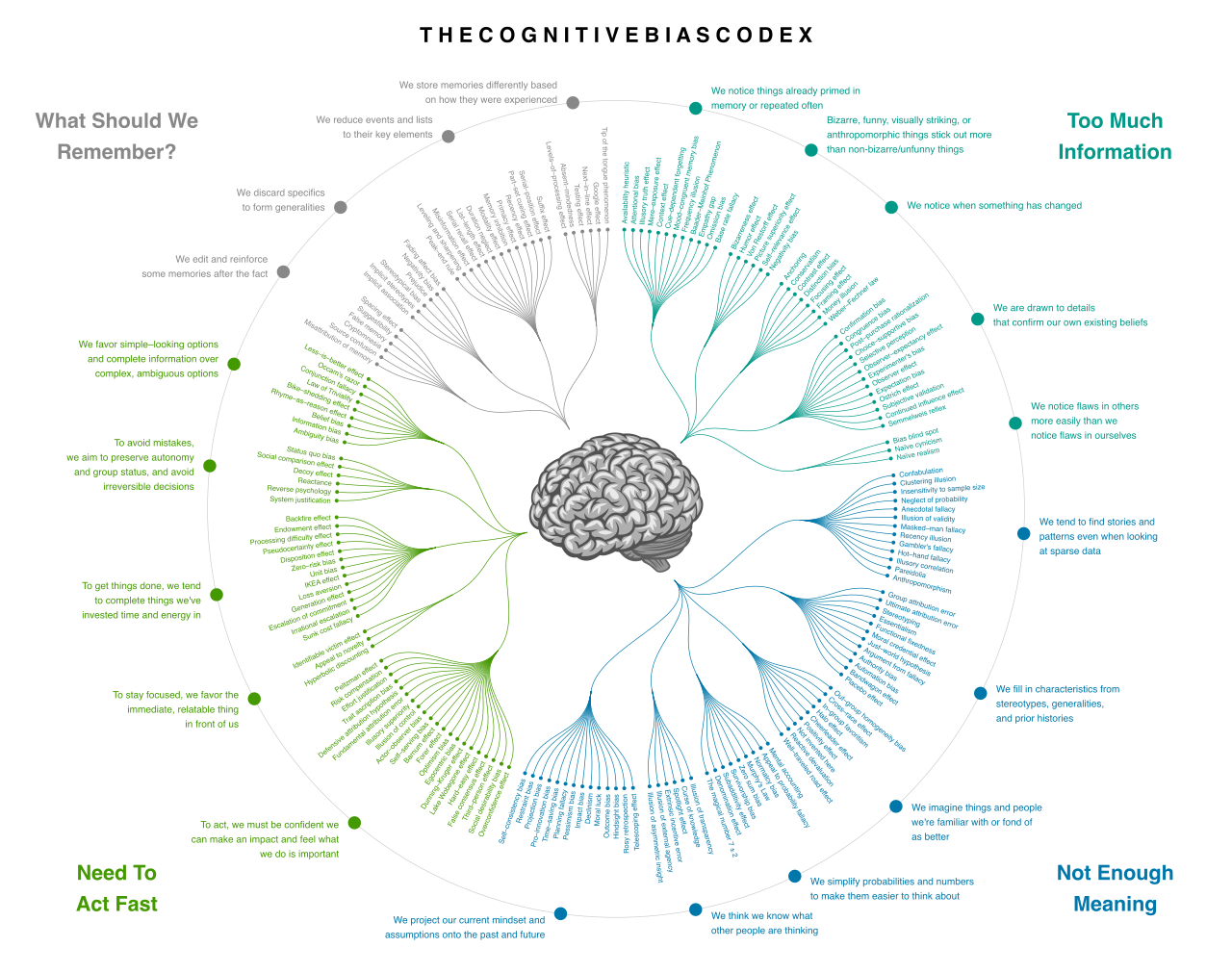
When these cognitive shortcuts are scaled up and codified into school rules, funding formulas, and district guidelines, they form systemic bias—institutional policies and practices that consistently disadvantage specific student populations.
The Cognitive Traps of the Classroom
In your daily interactions, implicit bias often manifests through specific cognitive errors:
- Confirmation bias: This occurs when a teacher selectively notices student behaviors that validate their preexisting stereotypes about that student. If you unconsciously expect a student to be disruptive, you will hyper-focus on their whispered side-conversation while entirely missing the fact that the "model" student next to them is doing the exact same thing.
- The Halo Effect: A cognitive bias where a teacher's overall positive impression of a student influences their evaluation of the student's specific academic skills. A polite, neatly dressed student might be graded more leniently on a poorly argued essay.
- The Horn Effect: The dark inverse of the halo effect. This is a cognitive bias where one negative trait or single poor choice causes a teacher to view all of the student's subsequent behaviors negatively.
- Microaggressions: The leakage of these internal biases into the physical world. Microaggressions are subtle everyday verbal or nonverbal slights that communicate derogatory messages to individuals based on their marginalized group membership. (e.g., Expressing exaggerated surprise when a student of color uses complex vocabulary).
When individual biases compound over time, they create a statistically observable crisis in special education demographics.
Overrepresentation occurs when the percentage of a specific demographic group in special education exceeds their percentage in the general student population. Conversely, underrepresentation occurs when the percentage of a demographic group receiving special education services is lower than their percentage in the general population (often seen in the under-identification of certain minority groups for gifted programs, or missing internalizing disorders).
Because this is a matter of civil rights, the Individuals with Disabilities Education Act (IDEA) requires states to monitor the disproportionate representation of racial and ethnic groups in special education. When a district demonstrates significant disproportionality—the term used in federal special education law to describe severe overrepresentation of specific racial groups in special education categories—the state is legally obligated to intervene and mandate that the district redirect federal funds to address the root causes.
Objective vs. Subjective Diagnoses
Why does disproportionality happen? It almost entirely occurs within the gray areas of human judgment.
| Category Type | Definition | IDEA Examples | Susceptibility to Bias |
|---|---|---|---|
| Objective Disability Categories | Disabilities with clear, physiological, and medical benchmarks. | Deafness, Visual impairment | Very Low. Diagnosis relies on audiometry and optometry, not teacher perception. |
| Subjective Disability Categories | Disabilities defined by behavioral observations, academic discrepancies, and social norms. | Specific learning disabilities, Emotional disturbance | Highly susceptible to teacher bias during the special education referral process. |
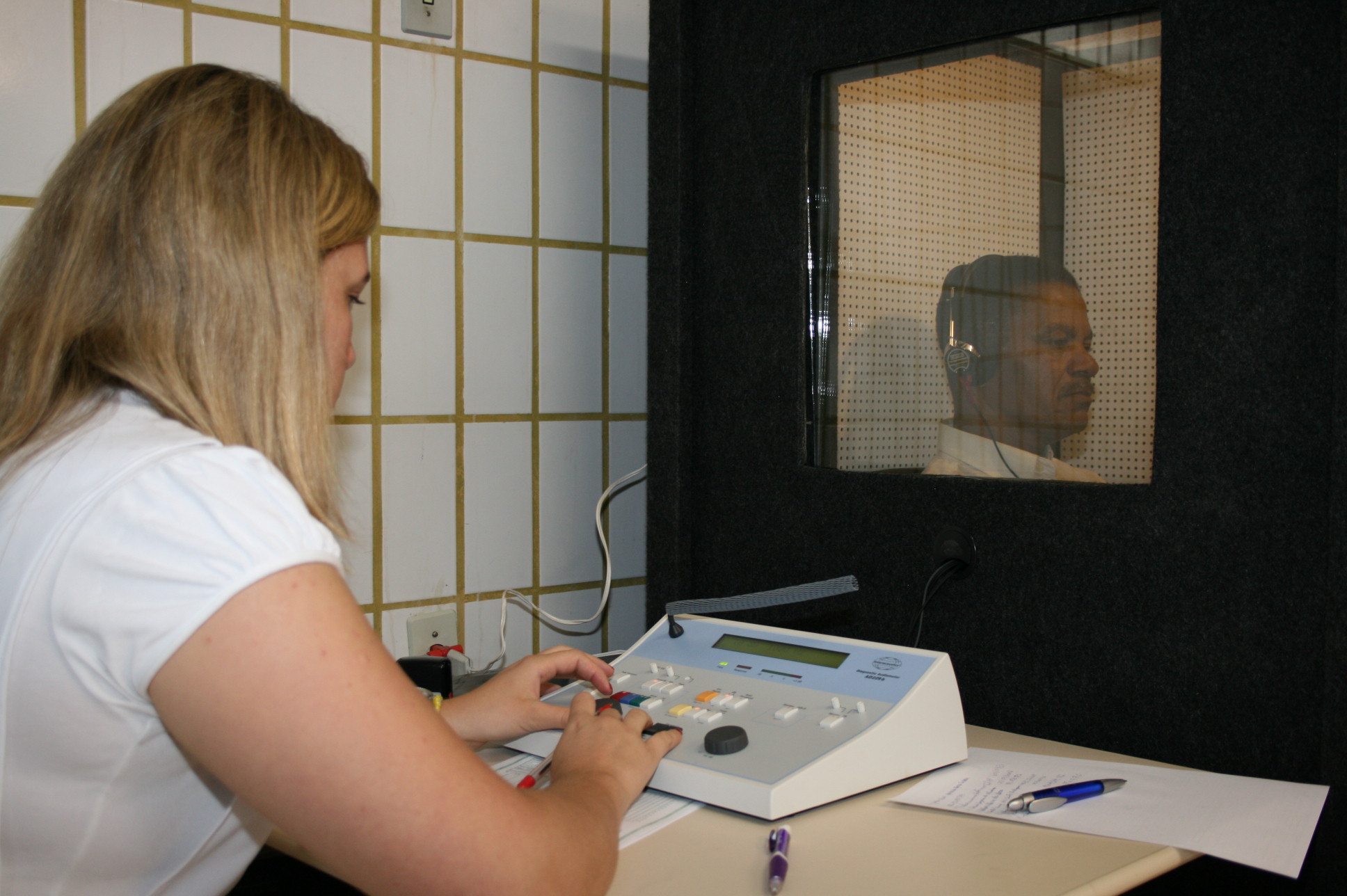
The data confirms this vulnerability: Black students are disproportionately identified as having an emotional disturbance compared to other racial groups in the United States. This is not a biological reality; it is a profound reflection of bias in how behaviors are interpreted.
How does a student end up misidentified with an emotional disturbance? The path usually begins with discipline.
Implicit bias in subjective disciplinary infractions heavily contributes to higher rates of office referrals for minority students. When a rule is objective (e.g., "No running in the hall"), discipline is distributed relatively evenly. However, defiance and disrespect are subjective disciplinary infractions historically susceptible to educator bias. What one teacher perceives as "defiance," another might recognize as a student fiercely advocating for themselves.
Often, this friction is the result of cultural dissonance, which occurs when there is a significant mismatch between the cultural values of a student's home and the behavioral expectations promoted by the school. If a student comes from a culture characterized by overlapping, highly animated conversational styles, an educator expecting silent, linear turn-taking might misinterpret their engagement as "disrespectful interruption."
The Special Educator's Firewall: To mitigate referral bias, educators must implement robust pre-referral interventions through a Multi-Tiered System of Supports (MTSS). MTSS forces the system to ask, "Have we provided the right instructional environment?" before asking, "What is wrong with this student's brain?"
The way we think about students dictates the reality they experience.
The Self-Fulfilling Prophecy
- The Pygmalion effect is a psychological phenomenon where higher teacher expectations lead to a measurable increase in student performance. When you believe a student is capable, you unconsciously give them more wait-time, warmer feedback, and more complex questions.
- The Golem effect is the destructive counterpart, where lower teacher expectations lead to a measurable decrease in student performance.
When teachers succumb to deficit thinking—the belief that culturally diverse students fail in school because of their own families' perceived shortcomings—they inherently trigger the Golem effect.
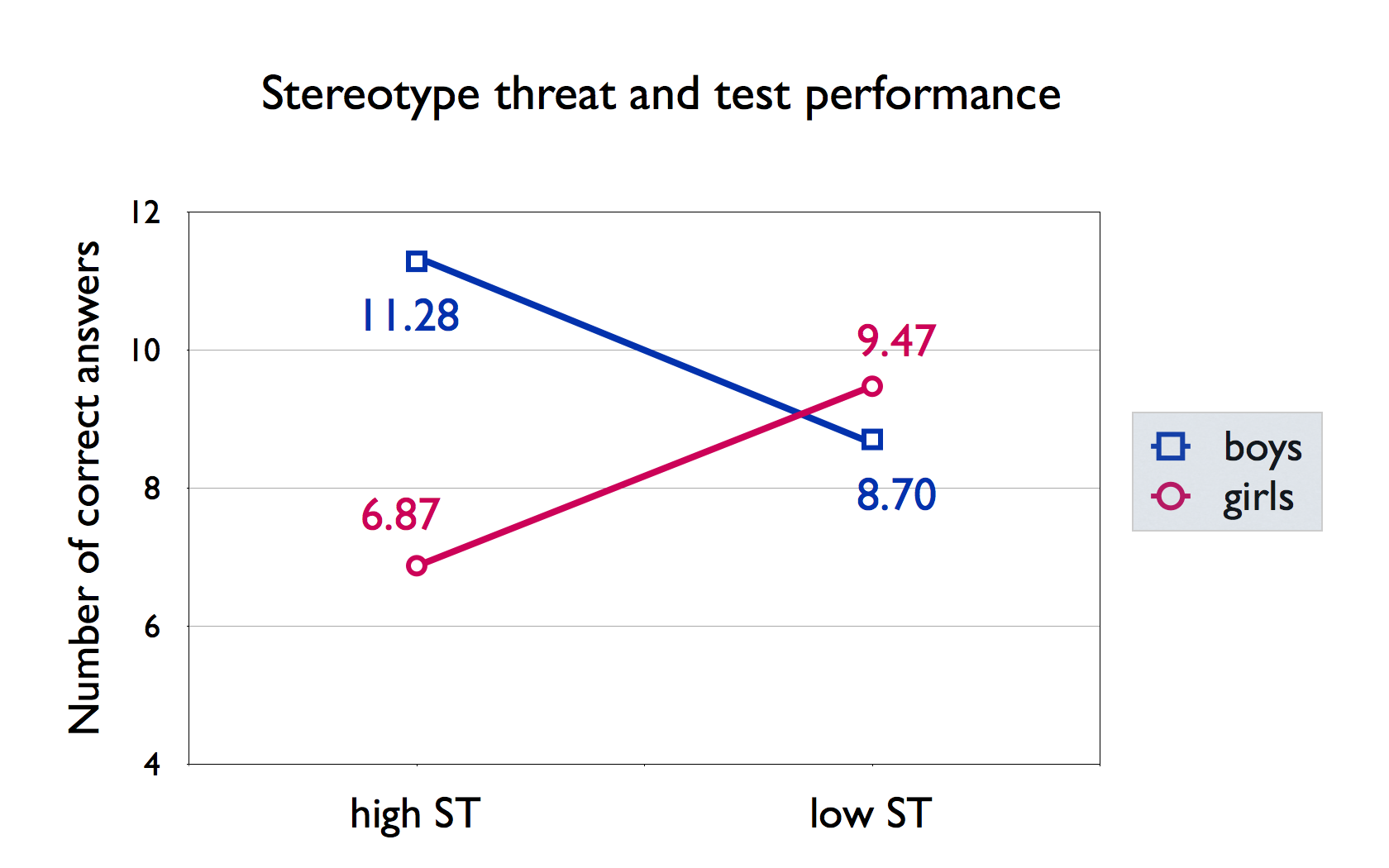
Students are intensely aware of these perceptions. This leads to stereotype threat, a situational predicament where students feel at risk of conforming to negative stereotypes about their social group. If a student knows their demographic is stereotyped as "bad at reading," sitting down for a reading fluency test triggers a physiological stress response. Stereotype threat frequently causes severe performance anxiety that artificially lowers a student's scores on standardized academic assessments. You aren't measuring their reading capability; you are measuring their anxiety.
Mitigating Bias in Assessment
Because a single test is highly vulnerable to stereotype threat and cultural bias, using multiple assessment measures for special education evaluation reduces the risk of cultural bias present in a single standardized test.
Furthermore, we must be vigilant against linguistic bias, which occurs when an assessment evaluates a student's English language proficiency rather than the targeted academic skill. If you give an English word-problem math test to an English Language Learner, a low score doesn't mean they have a Specific Learning Disability in math; it means they are still acquiring English. To combat this, IDEA mandates that assessments must be administered in the student's native language or other primary mode of communication.
The antidote to deficit thinking is the adoption of asset-based pedagogies, which focus on the inherent strengths and cultural wealth that students from diverse backgrounds bring to the classroom. Instead of asking what a student lacks, we ask what unique cognitive tools they possess.
The Pedagogy of Relevance
Culturally responsive teaching uses students' cultural knowledge and prior experiences to make academic learning more relevant. It requires taking the abstract concepts of academia and translating them into the vernacular of the student's lived reality.
Crucially, culturally responsive teaching requires educators to maintain consistently high academic expectations for all students regardless of their cultural background. It is never about "dumbing down" the material; it is about providing culturally relevant scaffolding to reach the highest possible rigor.
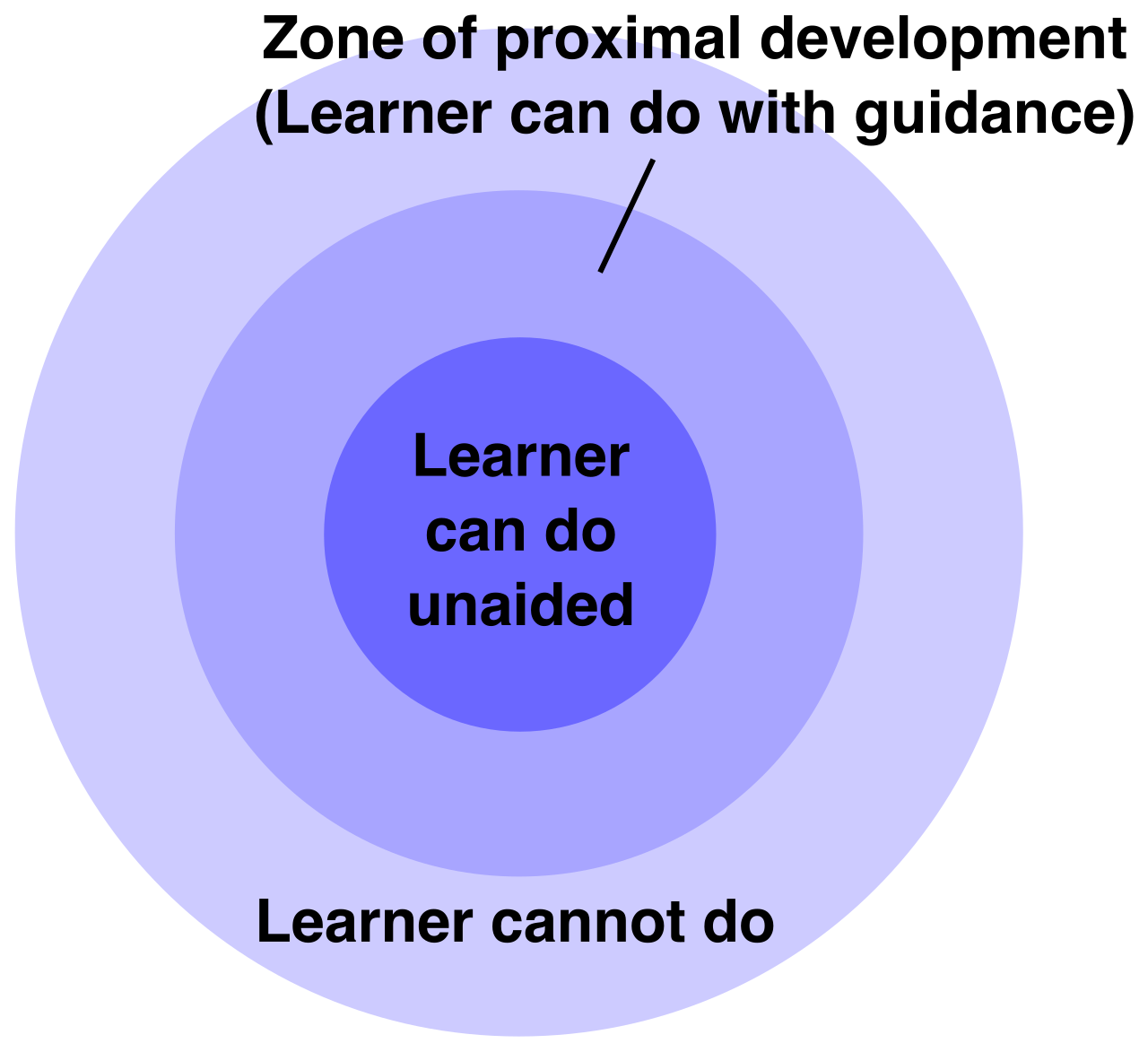
To do this, educators utilize the funds of knowledge approach, which involves integrating the practical skills and cultural practices of students' families into classroom instruction. If a student's family works in agriculture, a special educator might use agricultural supply-chain logic to teach sequencing and executive functioning skills. Furthermore, incorporating literature that features protagonists from diverse backgrounds validates the cultural identities of marginalized students, signaling to them that they belong in the academic narrative.
Awareness is only the first step. True equity requires operational safeguards.
- Examine the Self: Culturally responsive educators actively examine their own cultural backgrounds to identify potential personal blind spots. You must know the calibration of your own "elastic ruler" before you can measure anyone else.
- Audit the Discipline: Educators can counteract implicit bias by routinely analyzing classroom discipline data disaggregated by race and ethnicity. If your data shows you are sending Hispanic males to the office at three times the rate of white males for "disruptive behavior," the data is telling you to recalibrate your subjective definitions.
- Shift the Management Paradigm: Implement culturally responsive classroom management, which prioritizes relationship-building and community restoration over punitive exclusionary discipline. When a rupture occurs, the goal is not to remove the student, but to restore the community bond.
- Anonymize Evaluation: Whenever possible, utilize blind grading, a practical strategy where a teacher removes student names from assignments to reduce unconscious bias (the Halo/Horn effects) during evaluation.
- Standardize Subjectivity: When assessing written work, establishing clear and objective grading rubrics prior to reviewing student work minimizes subjective bias in evaluating constructed-response assignments. If you build the criteria before you see the student's name, you force your brain to judge the evidence, not the author.
By understanding the mechanics of bias, respecting the legal and statistical realities of disproportionality, and rigorously applying asset-based frameworks, special educators transform from passive observers of systemic flaws into active architects of educational equity.