Communication with Stakeholders
Not sure you’re ready?
Take the ~3-minute readiness diagnostic and see where you stand.
An Individualized Education Program is fundamentally a set of instructions for an intricate circuit, where the student's learning potential represents the current, and the environments they inhabit are the conductive pathways. If the connection between the school and the home is frayed, the current dissipates. Special education fundamentally relies on the reality that we only observe a partial dataset; the classroom captures a fraction of a student's waking life. The parents possess the rest of the data. Thus, communication with stakeholders is not merely a professional courtesy—it is the epistemological foundation of special education. Without precise, continuous, and respectful information exchange, our instructional strategies are little more than sophisticated guesswork.
To understand how we communicate, we must first understand the foundational laws governing the ecosystem. These statutes do not exist to generate paperwork; they exist to equalize the power dynamic between institutions and families.
The Individuals with Disabilities Education Act (IDEA) establishes a framework of mutual governance. Most critically, the law mandates that parents are equal members of the Individualized Education Program team. They are not merely guests at the table; they are co-architects of the educational plan. Because of this, the IDEA requires that schools consider the concerns of the parents during the development of an individualized program.
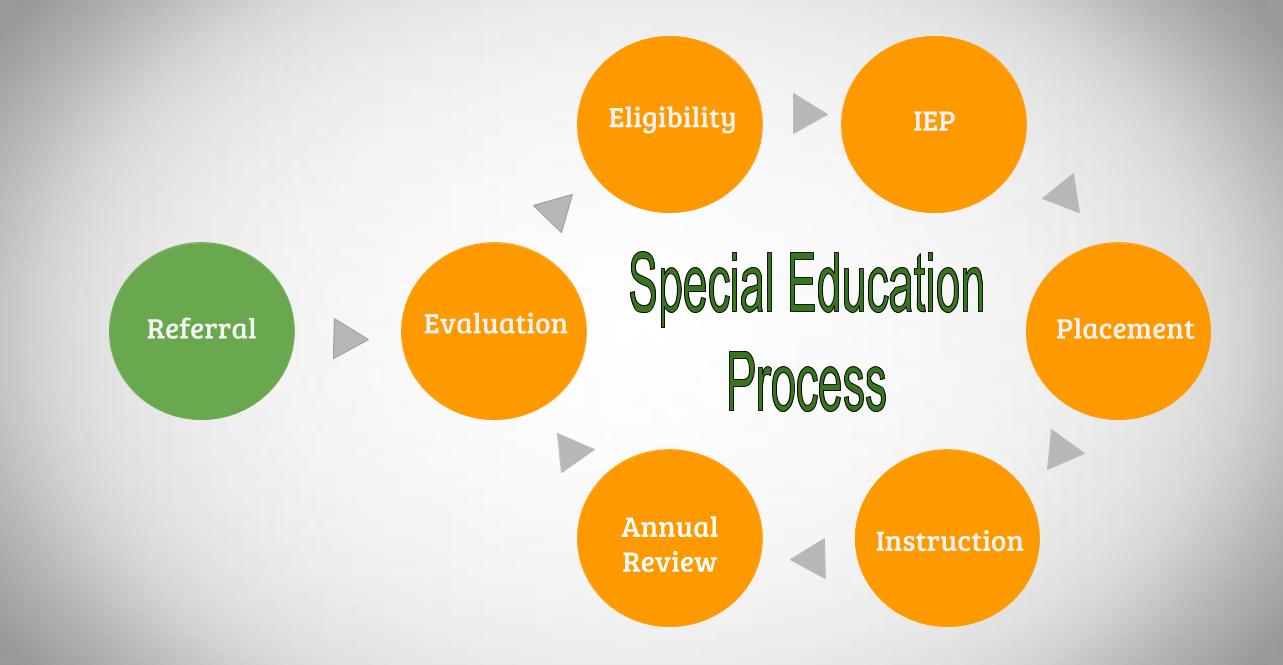
To ensure parents understand their rights within this system, schools must provide parents with a copy of procedural safeguards at least once per school year. These safeguards are the operating manual for a family’s civil rights. Furthermore, under federal privacy laws, the Family Educational Rights and Privacy Act (FERPA) guarantees parents the right to inspect their child's education records.
When structural shifts in a student's trajectory are proposed, the law demands rigorous transparency. Written prior notice must be provided to parents before a school initiates changes to the educational placement of a child. Equally important, written prior notice must be provided to parents before a school refuses a requested change to the educational placement of a child. This ensures that every action or refusal by the school is documented, justified, and transparent.
A meeting is only effective if all necessary variables are present and prepared. Schools must notify parents of an Individualized Education Program meeting early enough to ensure an opportunity to attend.
An IEP meeting invitation cannot be vague; it must be a precise instrument. The IDEA requires that meeting notices provide absolute clarity on four specific variables:
| Notice Element | Purpose |
|---|---|
| Scheduled Time | Meeting notices must indicate the scheduled time of the Individualized Education Program meeting to allow families to adjust work schedules. |
| Location | Meeting notices must indicate the location of the Individualized Education Program meeting, whether physical or virtual. |
| Purpose | Meeting notices must indicate the purpose of the Individualized Education Program meeting (e.g., annual review, transition planning, manifestation determination). |
| Attendees | Meeting notices must list the titles of the individuals who will be in attendance so parents understand who will be evaluating their child. |
If a parent is entirely unresponsive, the system must persist. A school district may hold a meeting without a parent in attendance if the district has a detailed record of attempts to arrange a mutually agreed-on time. This is where documentation becomes paramount. A communication log documents the date and content of interactions between the teacher and a student's family. Beyond being a best practice, maintaining a communication log provides legal documentation of a teacher's efforts to involve parents in educational decisions.
Imagine trying to understand the blueprints of your own home, but they are written in a dialect you do not speak, using architectural symbols you have never seen. This is the experience of many parents entering special education.
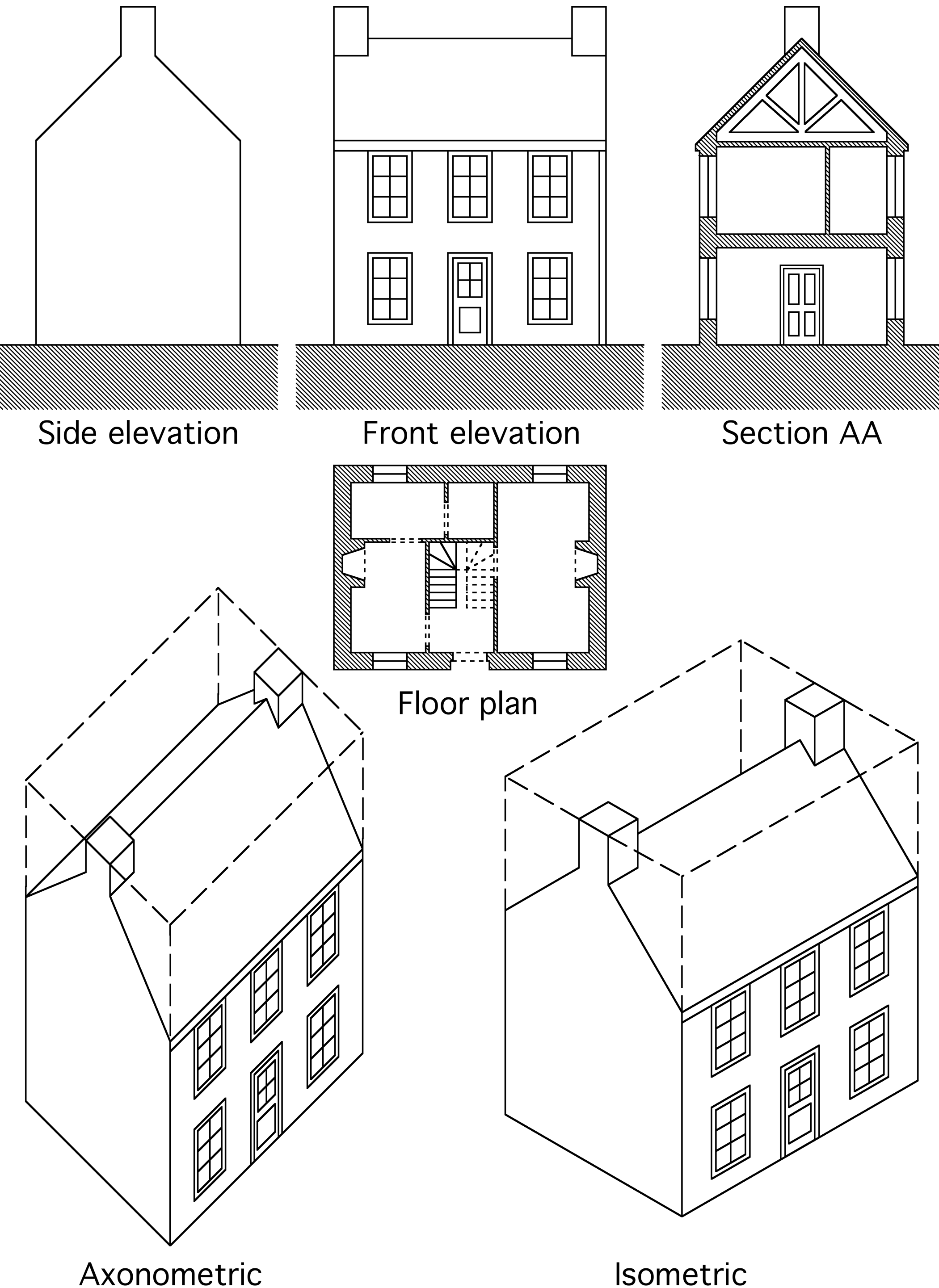
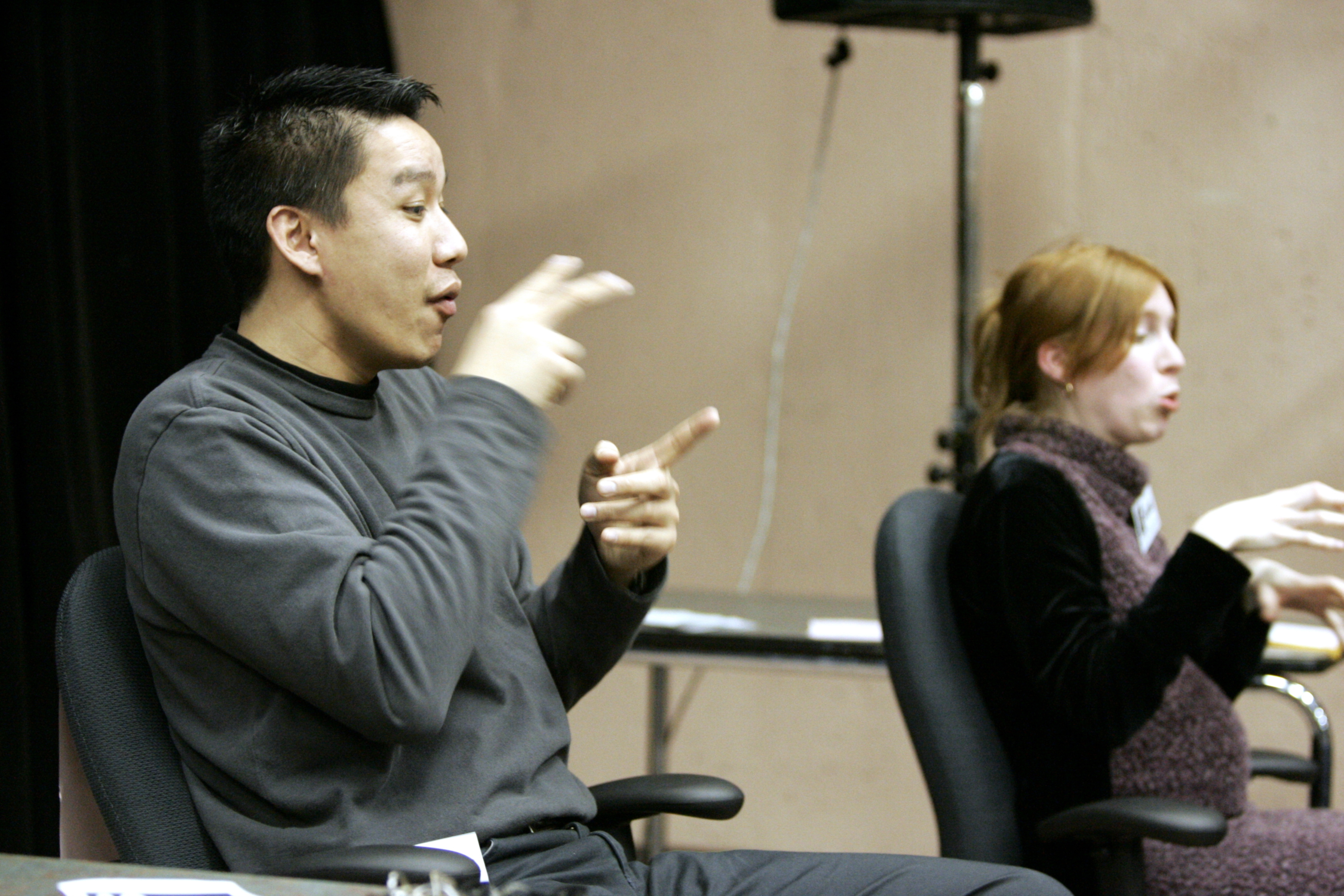
Schools must take necessary actions to ensure parents understand the proceedings of an Individualized Education Program meeting. Linguistic accessibility is non-negotiable. Schools must provide an interpreter for Individualized Education Program meetings if the parents have limited English proficiency. Beyond spoken dialogue, translating written documents into a family's native language ensures equitable access to educational information.
But language barriers are not strictly geographic; they are also professional. Using specialized educational jargon during meetings creates a barrier to parent participation. Acronyms like FBA, LRE, and LEA might be our shorthand, but they alienate the very people whose collaboration we require. An effective educator practices jargon-free communication, which replaces specialized educational acronyms with plain language descriptions.
The physical environment dictates the psychological tone of the meeting. Nonverbal communication cues significantly impact the perceived tone of a parent-teacher conference. If you cross your arms, look repeatedly at the clock, or position yourself awkwardly, you broadcast impatience.
The Geometry of Collaboration Placing a physical barrier like a desk between the teacher and parents can create an adversarial atmosphere during meetings. Instead, sitting side-by-side with parents during a meeting promotes a collaborative partnership, signaling that you are looking at the problem together, rather than looking at each other as the problem.
Meeting anxiety can paralyze participation. To mitigate this, pre-meeting communication helps alleviate parent anxiety by outlining the agenda of an upcoming meeting. Furthermore, sharing a draft of the Individualized Education Program with parents prior to the official meeting allows time for comprehensive review. When parents have time to digest the data beforehand, the meeting transforms from an ambush of information into a focused, analytical dialogue.
When we sit down to talk, how we listen is as critical as what we say. True engagement requires active listening. Active listening involves paraphrasing a speaker's message to confirm understanding. It demonstrates that the data they are transmitting is being successfully received and processed. Furthermore, active listening includes utilizing brief verbal affirmations to show continuous engagement with the speaker.
Conversations about a student’s deficits can easily become demoralizing. A strengths-based approach to communication begins conversations by highlighting a student's positive attributes. When difficult information must be delivered, utilize the sandwich approach to delivering difficult news, which places constructive feedback between two positive statements about the student.
When discussing the student's life outside the classroom, open-ended questions encourage parents to share detailed information about a student's home routines. We want narrative data, not binary "yes or no" answers.
When the conversation turns to challenging behaviors, precision is crucial. Objective communication describes student behavior using observable data rather than subjective labels. Say "the student left his seat four times in ten minutes," not "the student was being highly disruptive." To maintain a non-confrontational atmosphere, using first-person statements helps prevent defensiveness when discussing student behavioral issues with parents. Say, "I am struggling to keep him engaged during math," rather than, "Your son won't pay attention."
Cultural Nuance and Empathy
Communication occurs within a cultural matrix. Culturally responsive communication requires educators to recognize diverse cultural perspectives on disability. In some cultures, a disability is viewed entirely through a medical lens; in others, it carries distinct social or spiritual implications.
Navigating this requires cultural reciprocity. Cultural reciprocity involves educators sharing their own educational beliefs while learning about the family's beliefs. We must find the intersection where both frameworks can support the student. This requires deep empathy. Empathy in communication requires the educator to understand the parent's perspective without necessarily agreeing with that perspective. You do not have to validate their conclusion, but you must validate their experience.
Trust is not built in a single annual meeting; it is built through consistent, predictable interactions. Establishing positive communication early in the school year builds trust for future conversations about behavioral challenges. If your first phone call home in November is about a meltdown, you have already lost the defensive high ground.
To formalize this, develop a system. An effective communication plan identifies the family's preferred method of contact (e.g., text, email, phone call) as well as the preferred language of the student's family. Effective ongoing communication with families utilizes multiple formats to ensure accessibility.
Critically, communication cannot be a one-way broadcast from the school. Two-way communication systems allow teachers and parents to initiate contact with each other seamlessly.
Communicating Progress
Data must flow continuously. Teachers must provide parents with regular progress reports regarding a student's advancement toward annual goals. In fact, the Individuals with Disabilities Education Act requires informing parents of progress toward annual goals at least as often as parents of nondisabled students receive report cards.
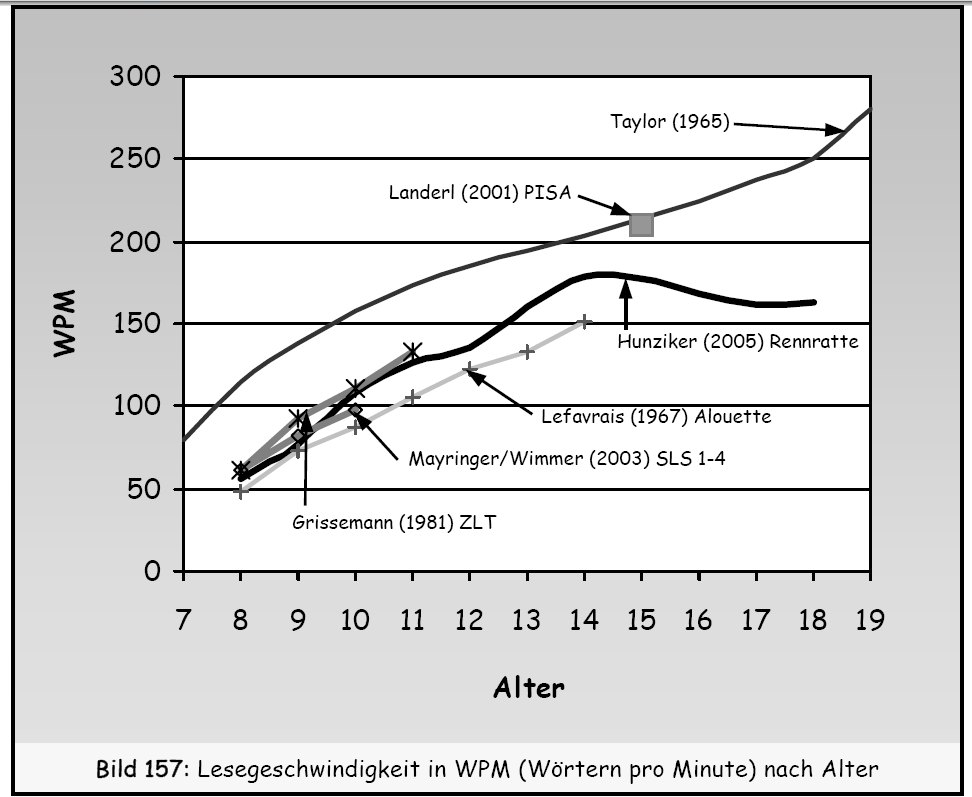
To make this data meaningful, formative assessment data should be shared with parents in accessible formats to track progress toward learning goals. A raw fluency score without context is useless; a simple graph showing the trendline of their reading speed over six weeks is illuminating.
Despite our best efforts, the circuit will occasionally short. Parents and schools will disagree on placements, services, or disciplinary actions. Conflict resolution in special education requires validating the parent's emotional concerns. A parent fighting for their child is operating from a place of intense protective instinct; dismissing their emotion ensures their resistance.
However, validation is only half the equation. Conflict resolution in special education requires presenting objective data to support educational recommendations. Emotion is met with empathy; educational disagreement is met with empirical evidence.
To ensure the meeting closes constructively, summarizing the main points at the end of a meeting ensures all stakeholders share a common understanding of the decisions made. Following this, providing a written summary of meeting outcomes helps prevent future misunderstandings between the school and the family.
A special education teacher is the hub of a much larger professional wheel. Our students spend large portions of their day in general education, supported by paraprofessionals, and funded by administrators.
When advocating for your students at the institutional level, respectful communication with administrators involves providing clear data to support requests for additional special education resources. You do not ask for a dedicated paraprofessional because you are "overwhelmed"; you present behavioral data sheets showing safety risks that necessitate 1:1 supervision.
With your instructional peers, collaborative problem-solving with colleagues focuses on identifying student-centered solutions rather than complaining about systemic limitations. Regular consultation with general education teachers ensures consistent implementation of a student's accommodations in the mainstream classroom. You cannot assume a general educator knows how to modify a curriculum; special educators must communicate the specific modifications required for a student to general education teachers.
For support staff, ambiguity breeds failure. Special education teachers must explicitly communicate the daily instructional duties of paraprofessionals within the classroom. They need clear, written schedules and behavioral protocols.
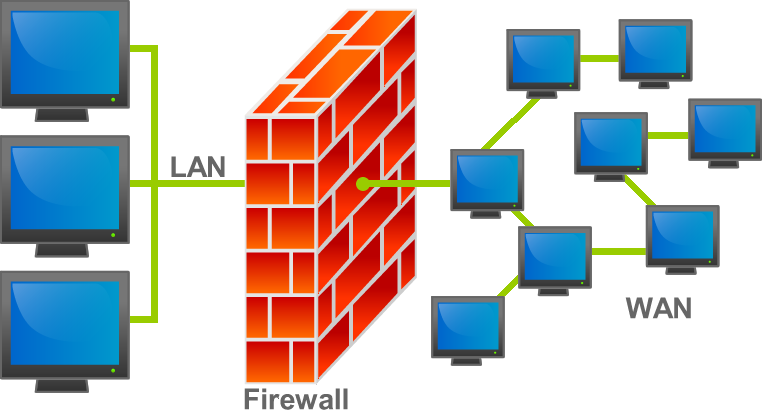
Finally, we must fiercely protect our students' privacy across the broader school community. Educational professionals must maintain strict confidentiality regarding student diagnoses when communicating with classroom volunteers. Furthermore, the boundaries of the school are a legal firewall: school staff must obtain written parental consent before sharing personally identifiable information with outside community agencies, such as private therapists or specialized transportation companies.
By mastering these channels of communication, the special educator ceases to be merely a teacher in an isolated room. They become the architect of a comprehensive, legally sound, and profoundly effective network of support that propels the student forward.