Biological Evolution and Diversity
Not sure you’re ready?
Take the ~3-minute readiness diagnostic and see where you stand.
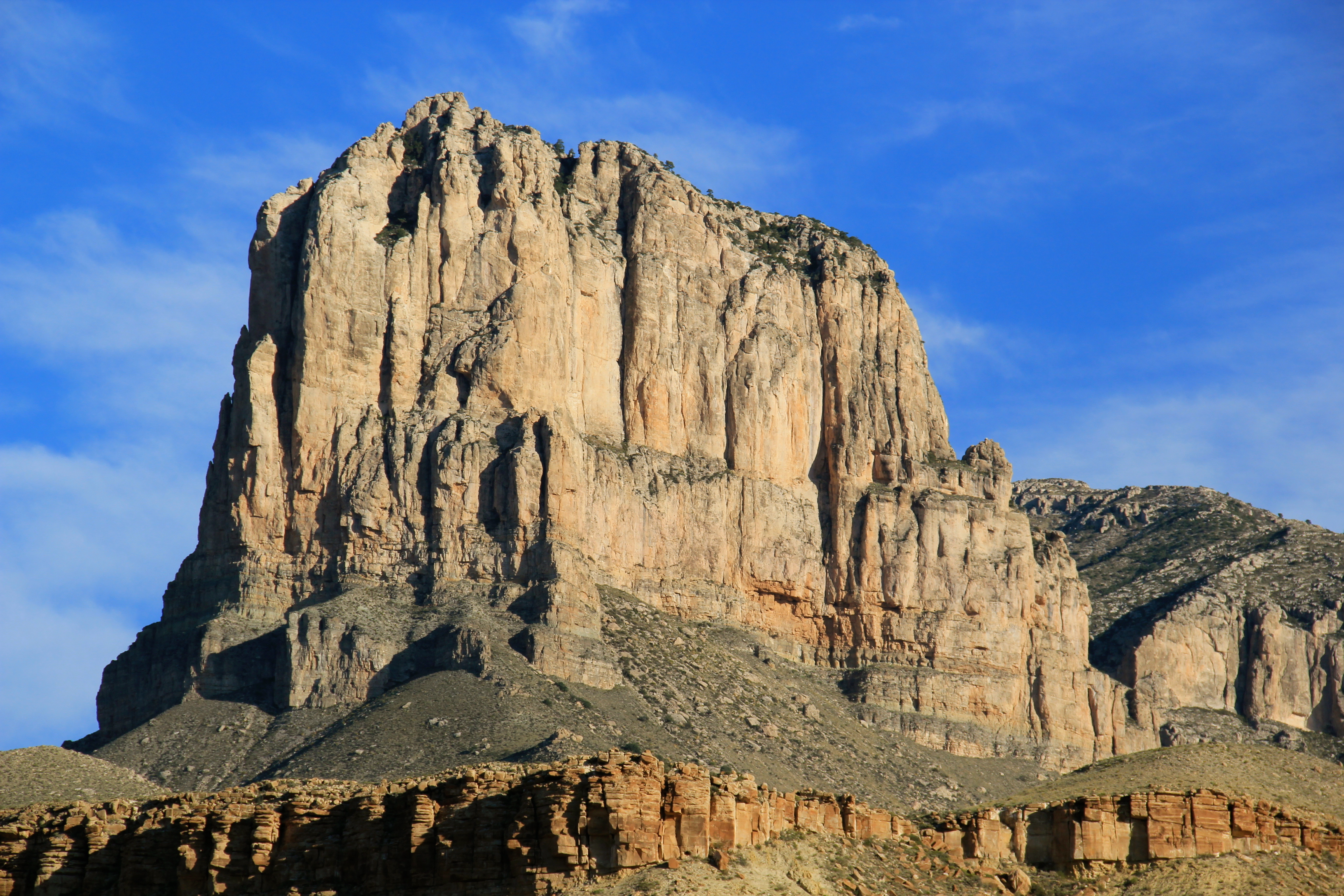
Consider a limestone cliff high in the Andes Mountains, miles above sea level, where the rock face is densely packed with the fossilized shells of ancient clams. To the untrained eye, it is merely a strange geological anomaly. But to a scientist—and to the students you will soon teach—it is a timestamped record of a dramatically shifting planet. The presence of marine fossils on dry mountainsides indicates that the specific landmass was once completely submerged underwater. By learning to read these biological and geological clues, we can reconstruct the deep history of life on Earth.
Teaching biological evolution and diversity requires more than reciting facts about dinosaurs or Darwin. It requires helping young minds transition from an intuitive, human-centric view of nature to a statistical, long-term understanding of populations and ecosystems. You must dismantle persistent misconceptions and replace them with the elegant, mechanistic logic of survival, reproduction, and deep time.
Fossils provide evidence about the types of organisms that lived long ago, serving as a biological archive of Earth's past. Equally important, fossils provide evidence about the nature of the environments that existed long ago. A fossilized palm frond found in Wyoming tells us that the region once enjoyed a subtropical climate.
To teach this effectively, you must distinguish between the two primary types of geological evidence left by ancient life.
Body Fossils vs. Trace Fossils
| Fossil Type | Definition | Common Examples |
|---|---|---|
| Body Fossils | The preserved remains of the actual organism's physical structure. | Bones, shells, and teeth are examples of body fossils. |
| Trace Fossils | Preserved records of biological activity, showing how an organism interacted with its environment. | Footprints, burrows, and coprolites (fossilized feces) are examples of trace fossils. |
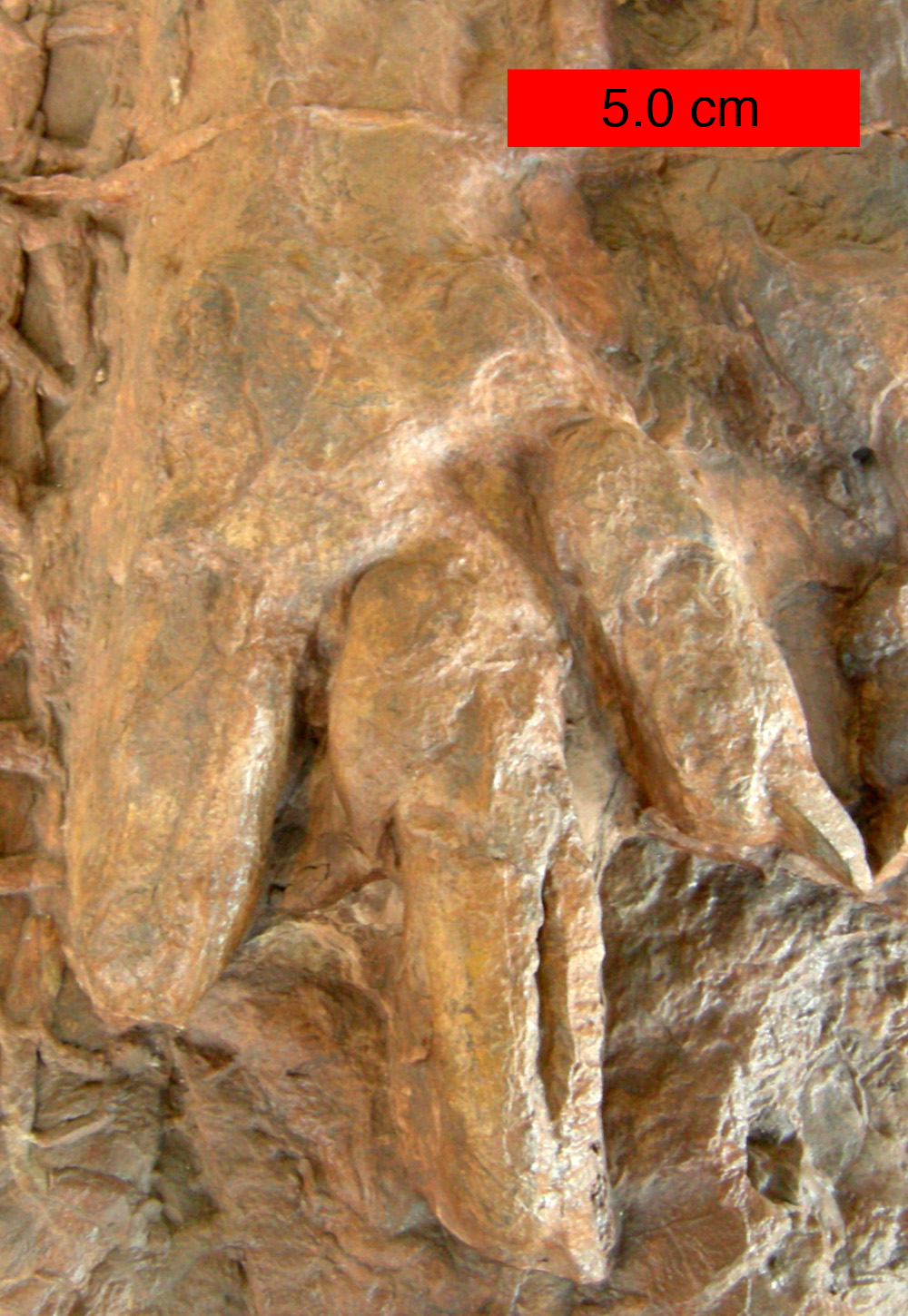
How do these artifacts survive the immense span of geologic time? Fossilization is an exceptionally rare event. For an organism to be preserved, specific conditions must be met. Rapid burial of an organism facilitates fossil formation by protecting the remains from scavengers and immediate physical weathering. Furthermore, an oxygen-poor environment facilitates fossil formation because it drastically slows down the bacterial decomposition of biological tissues.
Reading the Geological Clock
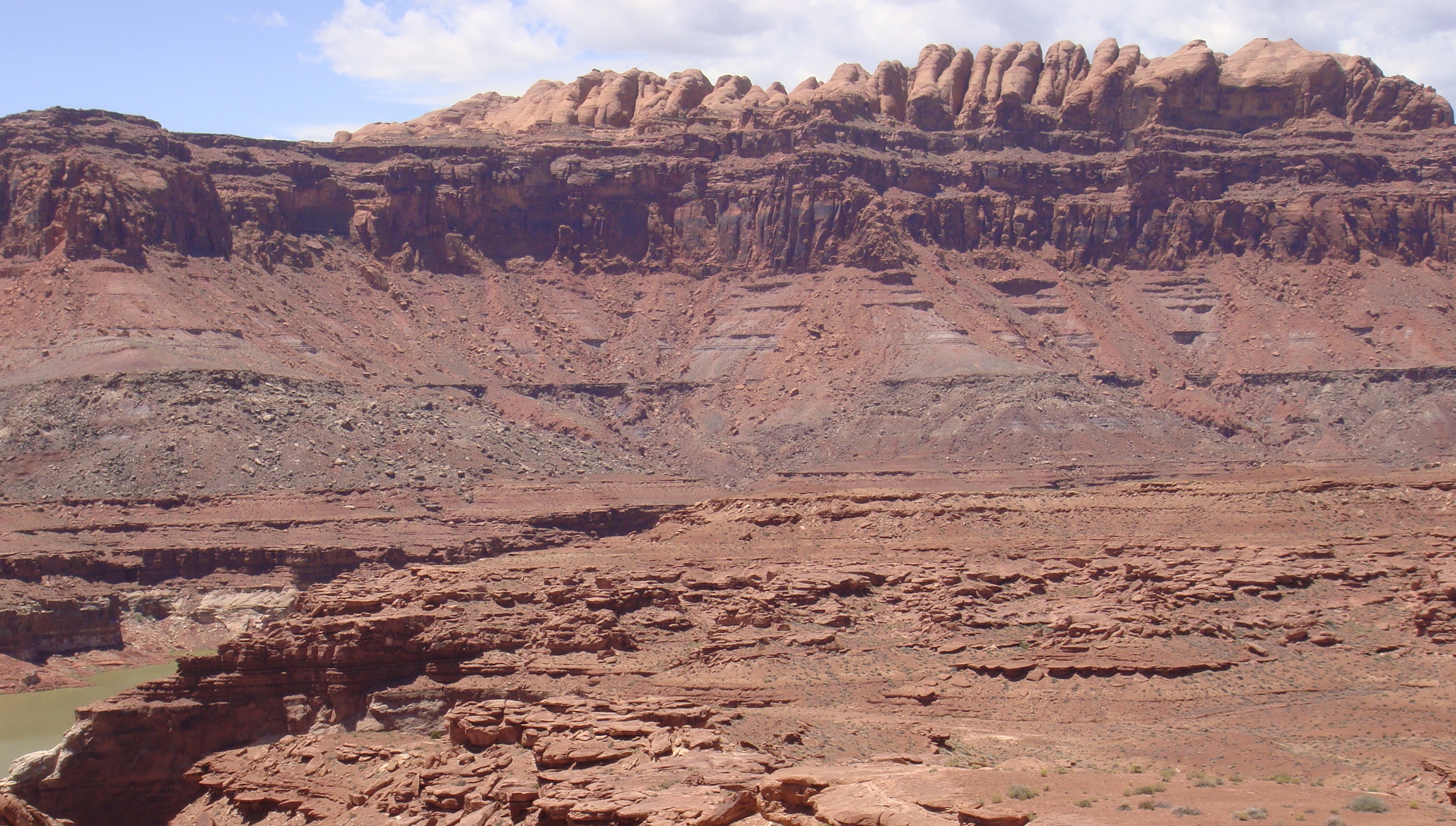
Scientists—and your students—can determine the timeline of these ancient organisms by looking at the earth itself. Sedimentary rock layers help scientists determine the relative ages of fossils. This relies on a straightforward but profound geological principle: older sedimentary rock layers are naturally deposited beneath younger sedimentary rock layers. Therefore, as you dig deeper into the strata of a canyon wall, you are literally walking backward in time.
Instructional Warning: The "Dead Bone" Misconception A common elementary student misconception is that fossils are actual pieces of dead animals rather than minerals that replaced the original organic material. Children often believe they are looking at the literal bone of a Tyrannosaurus rex. You must explain the process of permineralization: groundwater seeps into the buried remains, and over millions of years, the original organic material decays and is slowly replaced by rock-forming minerals. A body fossil is a stone replica of the original organism.
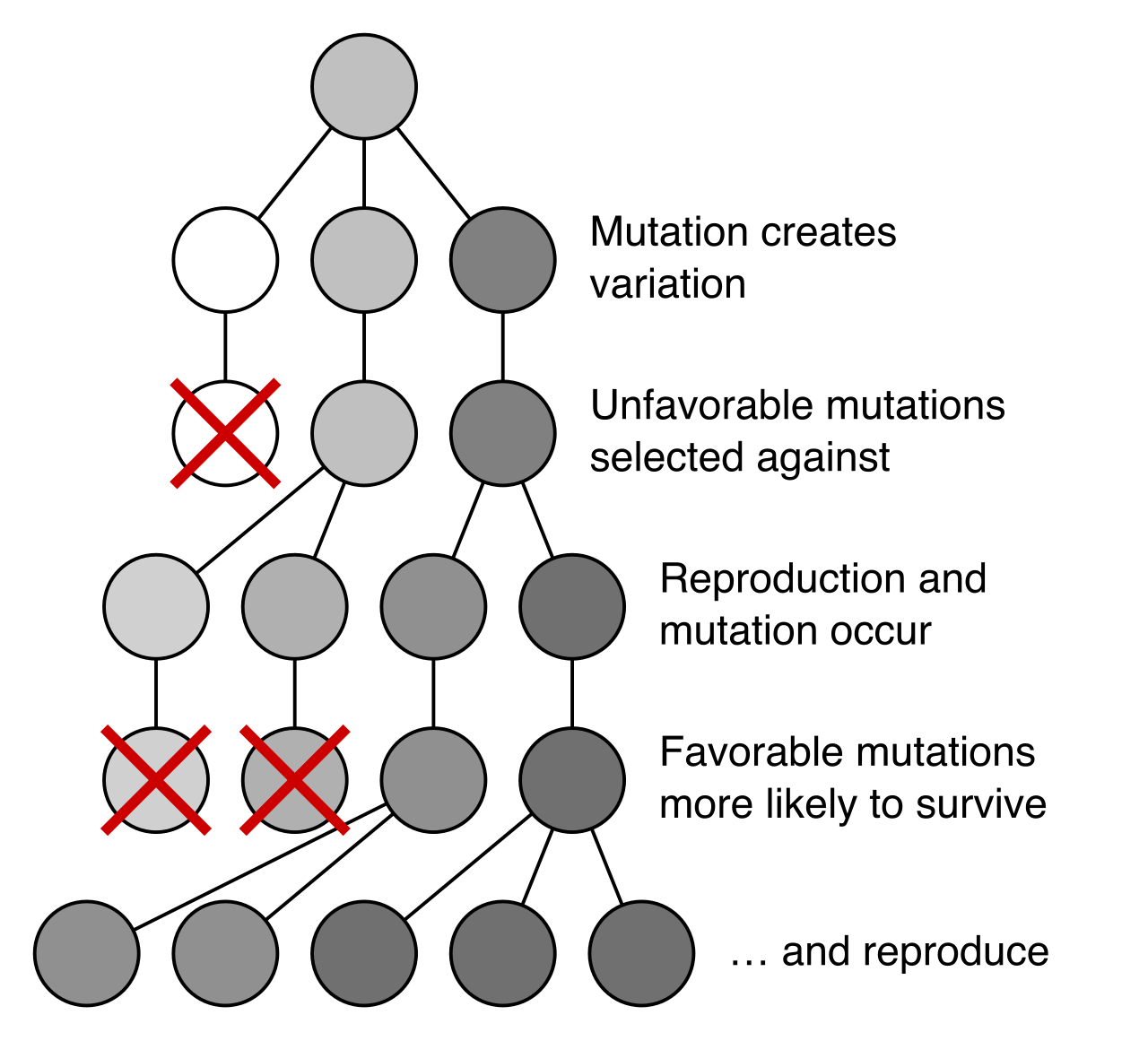
Charles Darwin is the scientist most famously associated with the theory of evolution by natural selection. Natural selection is the mechanism by which evolution occurs in biological populations.
To teach natural selection, you must build a logical sequence of facts. If a student misses the first step, the entire concept collapses into magical thinking.
- Inherent Variation: Organisms within the exact same species naturally exhibit variations in their physical characteristics. No two beetles, finches, or oak trees are perfectly identical.
- The Advantage: Variations in physical characteristics can provide a survival advantage within a specific environment. Crucially, they can also provide a reproductive advantage within a specific environment. (Surviving long enough to reproduce is the true currency of evolution).
- Statistical Probability: Individuals possessing advantageous traits are statistically more likely to survive and reproduce.
- Generational Shift: Because these traits are passed down genetically, traits conferring survival advantages become more common in a population over multiple successive generations.
Addressing Evolutionary Misconceptions
The elementary classroom is ripe with misunderstandings about evolution because natural selection operates on a timeline and a statistical scale that humans struggle to intuitively grasp.
Misconception 1: The "Trying" Fallacy A common elementary student misconception is that individual organisms intentionally change their physical traits to survive. A student might say, "The giraffe stretched its neck every day to reach the high leaves, so its neck grew longer." You must correct this by emphasizing that genetic variations are present at birth. Organisms do not choose to evolve; nature selects the organisms that already possess advantageous traits.
Misconception 2: The Goal of Perfection A common elementary student misconception is that evolution means a species is constantly progressing toward absolute perfection. Evolution has no end goal. A trait is only "good" if it fits the current environment. If the environment changes, an entirely different set of traits becomes advantageous.
Misconception 3: Acclimation vs. Adaptation Elementary students frequently confuse the evolutionary adaptation of a population over generations with an individual animal acclimating to a new environment. If a dog grows a thicker coat during a cold winter, that is individual acclimation. If, over thousands of years, a population of wolves evolves universally thicker fur because the thinner-furred wolves did not survive the Ice Age, that is evolutionary adaptation.
An adaptation is a genetically inherited trait that helps an organism survive in its native environment. Because organisms possess specific traits that allow them to survive optimally in their native habitats, we can categorize these traits into two distinct groups:
- Physical adaptations involve structural features of an organism. A bird's specific beak shape is an example of a physical adaptation for acquiring food. A thick layer of blubber on a walrus or the camouflage of a stick insect are also physical adaptations.
- Behavioral adaptations involve actions an organism takes to survive. Seasonal bird migration is an example of a behavioral adaptation. Other examples include bears hibernating, wolves hunting in packs, or desert rodents becoming nocturnal to avoid the daytime heat.
Pedagogical Strategies for Teaching Adaptation
Active learning is essential for cementing the concept of adaptation. A common pedagogical strategy for teaching adaptation involves having students match specific animal structures to particular environmental challenges. (e.g., presenting a picture of a snowy tundra and asking students to select which inherited traits—white fur, wide padded paws—would best suit an organism living there).
Furthermore, teachers frequently use physical models of varying tools to demonstrate how different bird beaks provide distinct survival advantages. By providing students with tweezers, pliers, slotted spoons, and clothespins, and asking them to "eat" different "foods" (marbles in water, seeds in sand, rubber bands on a log), students directly experience how specific variations dictate survival success in different environments.
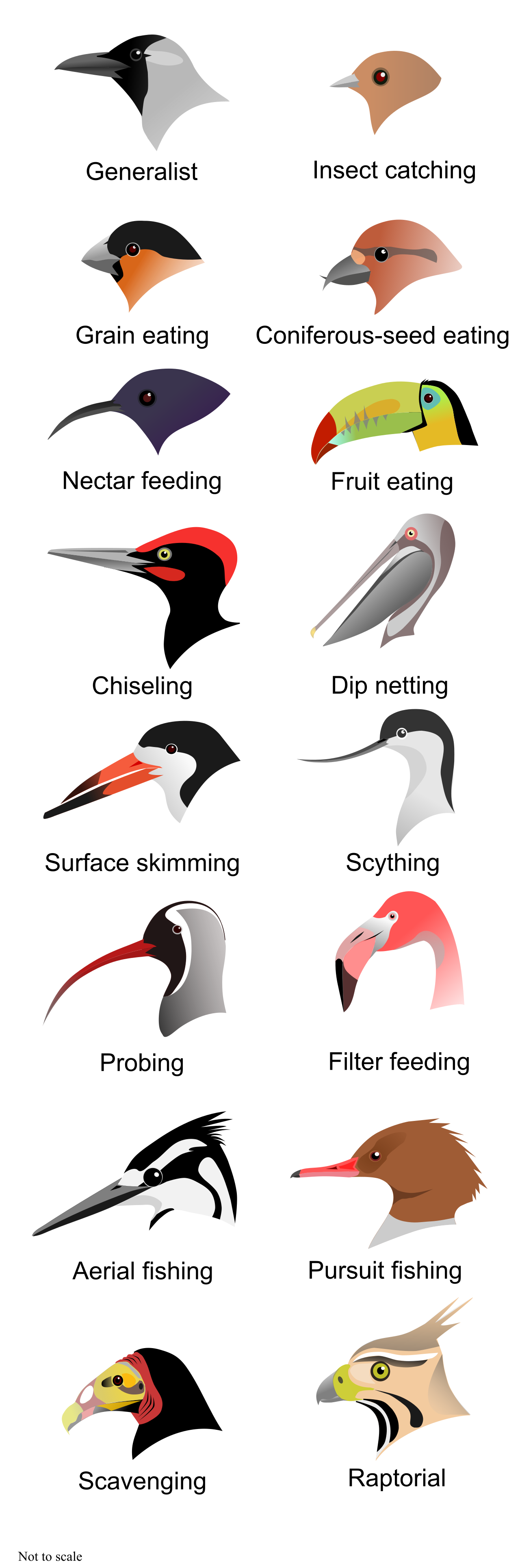
The ultimate test of an adaptation is an environmental shift. Because traits are only advantageous relative to specific conditions, environmental changes can abruptly alter which physical traits provide a survival advantage to an organism.
When you teach ecosystems, guide students through the following hierarchy of outcomes:
- When an environment changes, organisms with favorable traits for the new conditions survive well.
- When an environment changes, organisms lacking favorable traits for the new conditions survive poorly.
- When an environment changes drastically, some organisms fail to survive completely.
If the environmental shift is too rapid or too severe, and no individuals within a population possess the necessary genetic variations to endure it, the result is biological finality. Extinction occurs when an entire species fails to survive environmental changes.
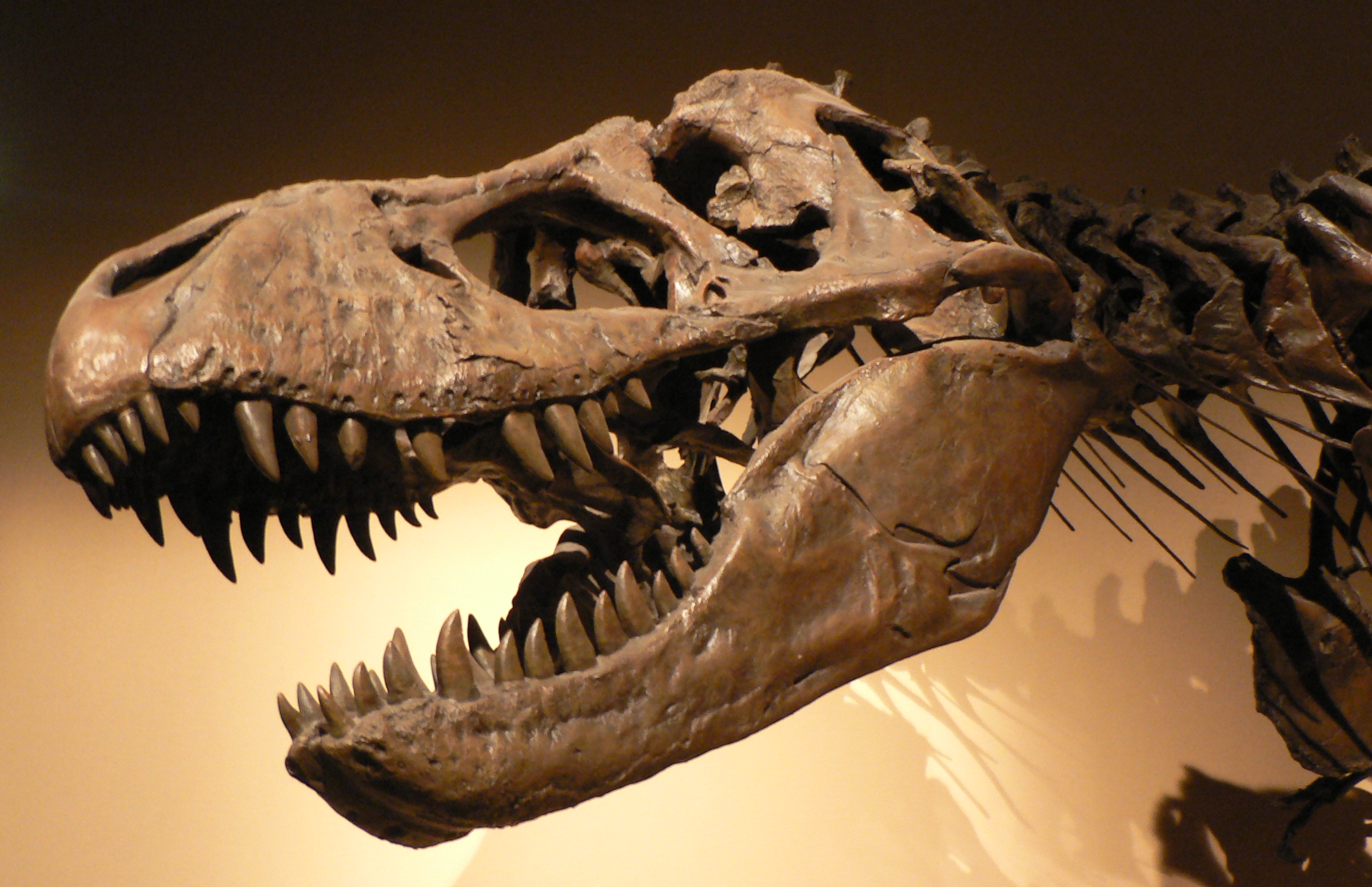
Instructional Warning: The "Relocation" Misconception A common elementary misconception is that animals can easily move to a completely new habitat if their current one is destroyed. Students anthropomorphize animals, assuming a displaced forest animal will simply "pack its bags and move to the woods next door." You must teach that different habitats support entirely distinct communities of organisms based on specific environmental conditions. A neighboring habitat is likely already at carrying capacity, and organisms are uniquely adapted to their exact native habitat. They cannot seamlessly relocate.
Biodiversity refers to the total variety of life found within a particular habitat or ecosystem. It is not merely a count of how many animals exist, but a measure of the genetic, species, and ecological variety present.
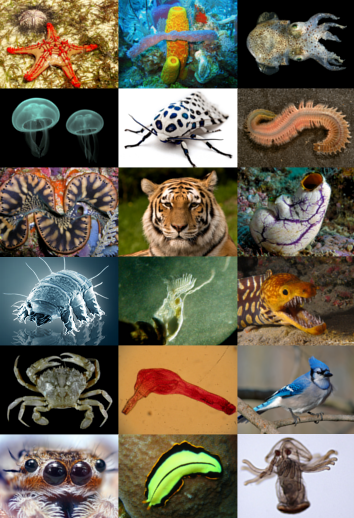
Why does biodiversity matter to the survival of a habitat? Imagine a forest where every single tree is of the exact same species, possessing the exact same genetic code. If a newly introduced fungus specifically attacks that genetic profile, the entire forest will perish. However, if the forest is highly biodiverse—containing hundreds of different tree species—the fungus may destroy one species, but the forest ecosystem as a whole will remain structurally intact.
Therefore, high biodiversity generally increases the resilience of an ecosystem to sudden environmental changes. As an educator, connecting the mechanics of natural selection to the macro-level importance of biodiversity allows students to understand why conservation matters. They learn that variation is not just a quirk of biology—it is the very shield that protects life on Earth from extinction.