Ecosystem Dynamics and Heredity
Not sure you’re ready?
Take the ~3-minute readiness diagnostic and see where you stand.
When a student looks at a bird outside the classroom window, a tree in the playground, or even their own reflection, they are witnessing the continuous intersection of two profound biological narratives: the genetic blueprint inherited from ancestors and the relentless, immediate pressures of the physical world. In the elementary classroom, teaching biology requires unraveling these two interconnected threads. We must guide students to see that life is not a static picture, but a dynamic negotiation. An organism’s observable traits, its social behaviors, and its ultimate survival depend entirely on what it genetically inherits and the specific environment in which it finds itself.
To understand life, we must first understand the stage on which it is played. An environment consists of the physical and biological surroundings in which an organism lives. It is the temperature of the air, the predators in the brush, the availability of water, and the shade of the canopy.
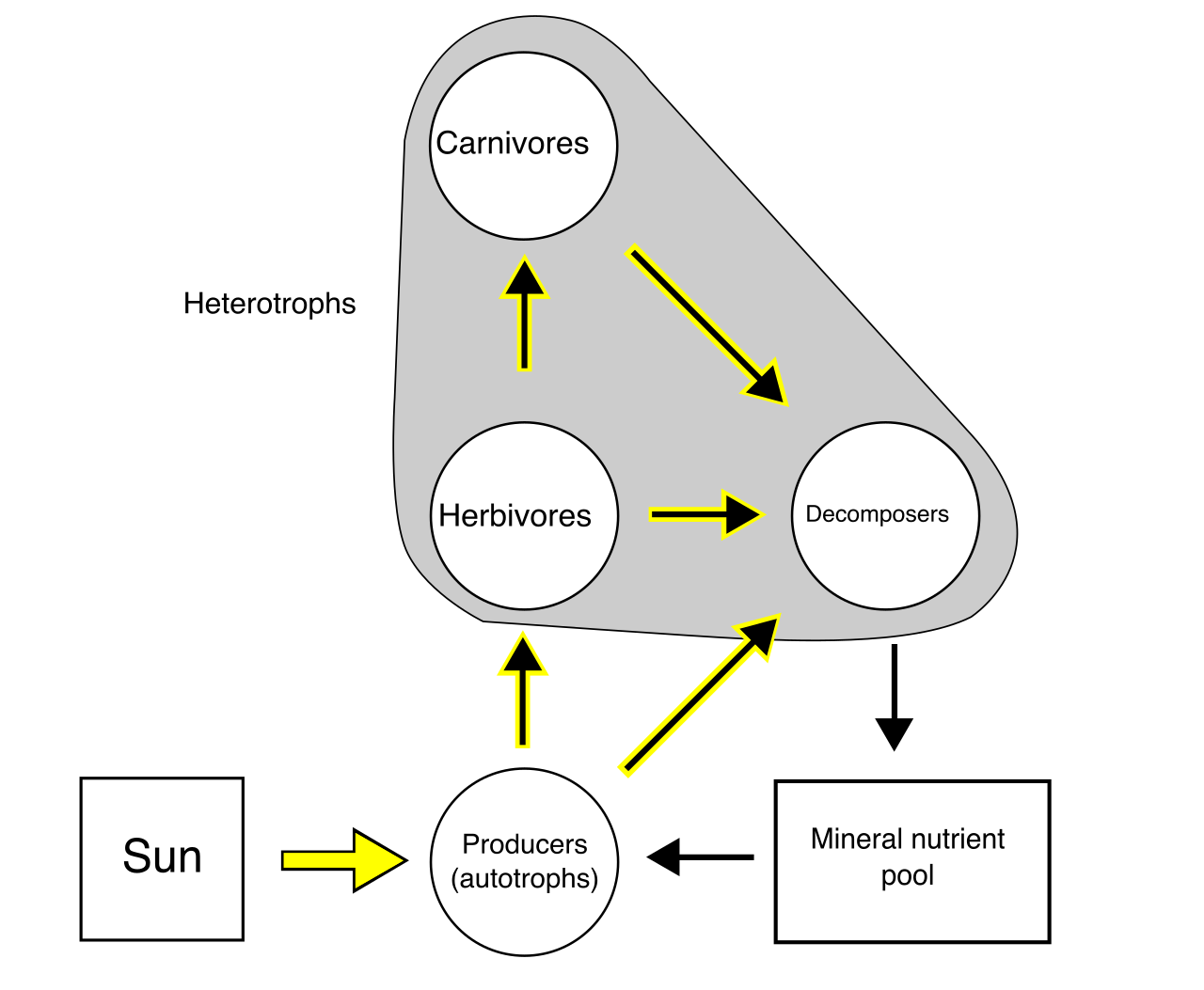
The rule of survival is elegantly simple but ruthlessly enforced: organisms survive well in environments where the survival needs of the organisms are met. Conversely, organisms may fail to survive in environments where the survival needs of the organisms are not met.
But environments are never perfectly still. Environmental changes can occur through natural processes, such as a prolonged drought, a forest fire sparked by lightning, or a shifting riverbed. Increasingly, however, environmental changes can be caused by human activities. When we build a new subdivision or clear land for agriculture, we alter the biological stage. For example, human activities like deforestation disrupt local habitats, immediately removing the shelter and food sources that native populations rely upon.
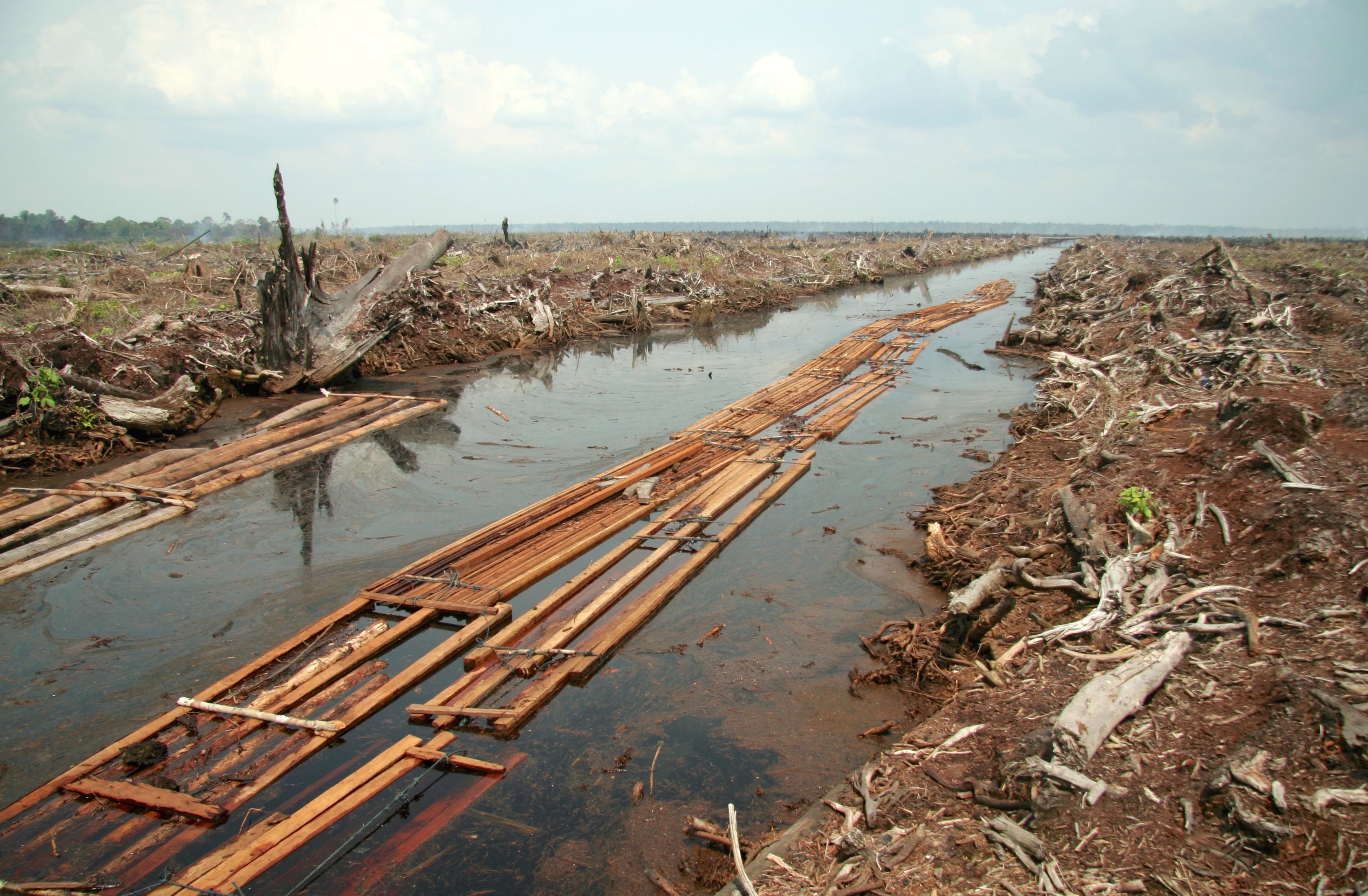
Because biological needs are highly specific, changes in an environment affect the specific types of plants that can survive in that location, and similarly, changes in an environment affect the specific types of animals that can survive in that location. A wetland drained for development no longer supports the reeds and amphibians that once thrived there, but it might temporarily support new, opportunistic species.
When the environment shifts, organisms generally face three biological realities:
- Relocation: Organisms may relocate to new habitats when localized environmental changes occur. If the pond dries up, the ducks fly to the next one.
- Extinction: If the change is too vast, too rapid, or escape is impossible, severe environmental changes can lead to the extinction of local species.
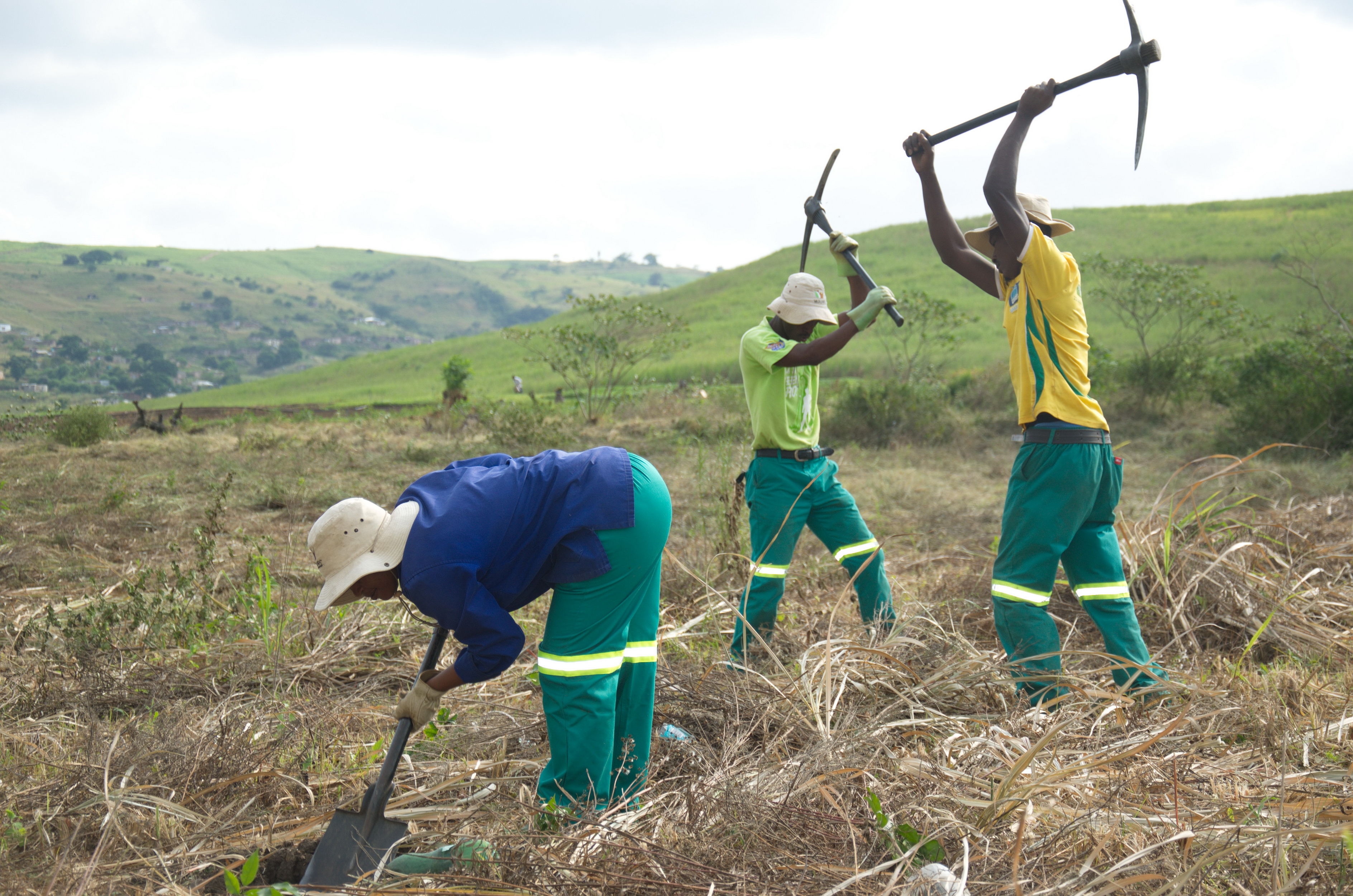
- Restoration: As humans, we have the agency to reverse some of our impacts. Solutions to environmental problems often involve restoring natural habitats to support local organisms. Planting native trees, cleaning waterways, and rebuilding wetlands are ways we engineer the environment back to a state that meets the survival needs of its historical inhabitants.
Pedagogical Focus: The "Intended Adaptation" Misconception
The Classroom Reality: If you tell a third grader that the climate is getting colder, they might suggest that the animals will "grow thicker fur to stay warm."
A common elementary student misconception is that organisms can intentionally adapt physical traits to survive a sudden environmental change. Children watch cartoons where characters magically transform to face a challenge. They project human intent onto nature. You must dismantle this anthropomorphism with clarity: individual organisms cannot consciously alter genetic traits to survive a new environment. An individual rabbit cannot simply "decide" to grow thicker fur because it is shivering. It either already has the genetics for thick enough fur to survive the winter, or it does not.
Why do animals group together? If food is scarce, wouldn't it make sense to live alone so you don't have to share?
Students instinctively view animal behavior through a human social lens. A common elementary student misconception is that wild animals form groups primarily for companionship. They imagine a herd of zebras as a group of friends hanging out on the savanna.
As a teacher, you must pivot their thinking from emotion to efficiency. The primary evolutionary driver for group living in animals is a measurable survival advantage. Evolution doesn't select for friendship; it selects for survival. Animal group behaviors increase the chances of survival for individual members.
Living in a group offsets the cost of sharing resources through extraordinary cooperative benefits:
- Defense: Groups of animals can work together to defend against predators. There is safety in numbers. Meerkats live in groups to take turns watching for predators, operating like a highly efficient neighborhood watch where one sounds the alarm so the rest can safely forage.
- Foraging and Hunting: Some animals form groups to increase efficiency in finding food. By coordinating, predators can tackle prey they could never handle individually. Wolves hunt in packs to take down prey larger than a single wolf could defeat alone.
- Environmental Coping: Group behavior can also manipulate the physical environment. Penguins huddle together in large groups to conserve body heat, surviving Antarctic temperatures that would freeze a solitary bird in minutes.
_Tswalu.jpg)
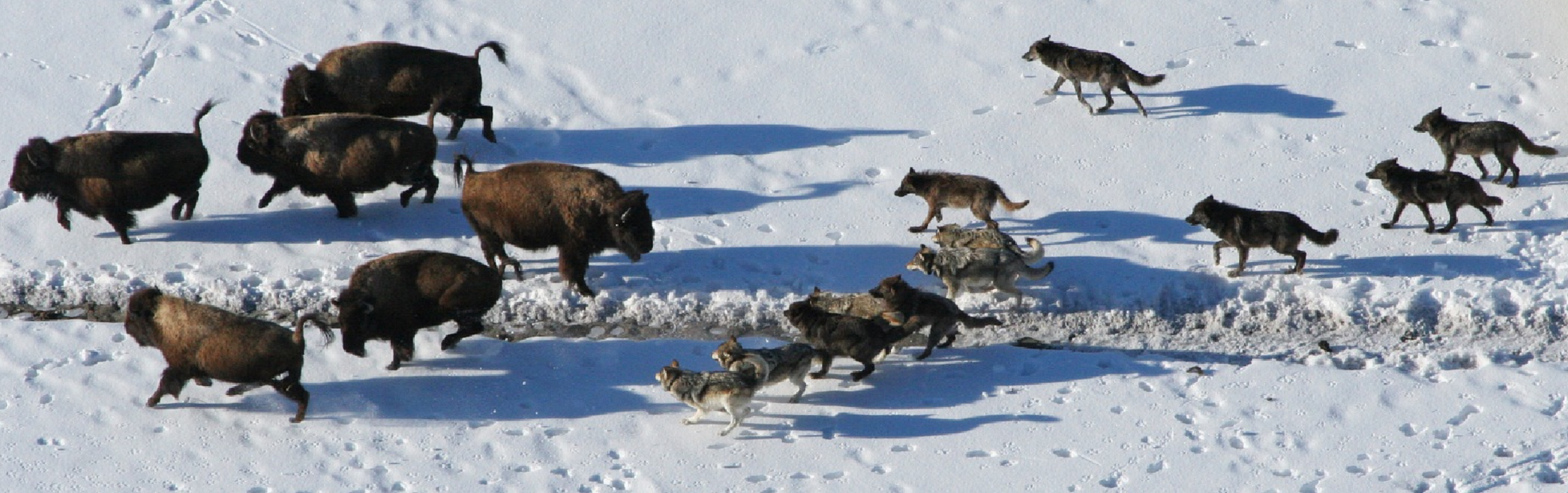
Notice the sheer diversity in these strategies. Animal survival groups vary greatly in size across different species—from a pride of a dozen lions to a swarm of ten thousand locusts. They also vary greatly in social structure across different species. Furthermore, animal group behavior can involve a division of labor among group members. Think of a bee hive: queens reproduce, workers forage, and soldiers defend. It is an intricate biological machine, driven entirely by the mathematics of survival.
To understand why some animals survive environmental changes and others do not, we must look at what they inherit. Biological traits are specific characteristics of an organism, ranging from the shape of a bird's beak to the color of a cat's fur.
The fundamental law of heredity is that offspring inherit physical traits directly from biological parents. Because of this direct genetic lineage, organisms of the same species share common recognizable traits. We instantly recognize a dog as a dog and an oak tree as an oak tree.
But here is where you must draw the students' attention to the crucial nuance: offspring are not exact identical copies of biological parents.
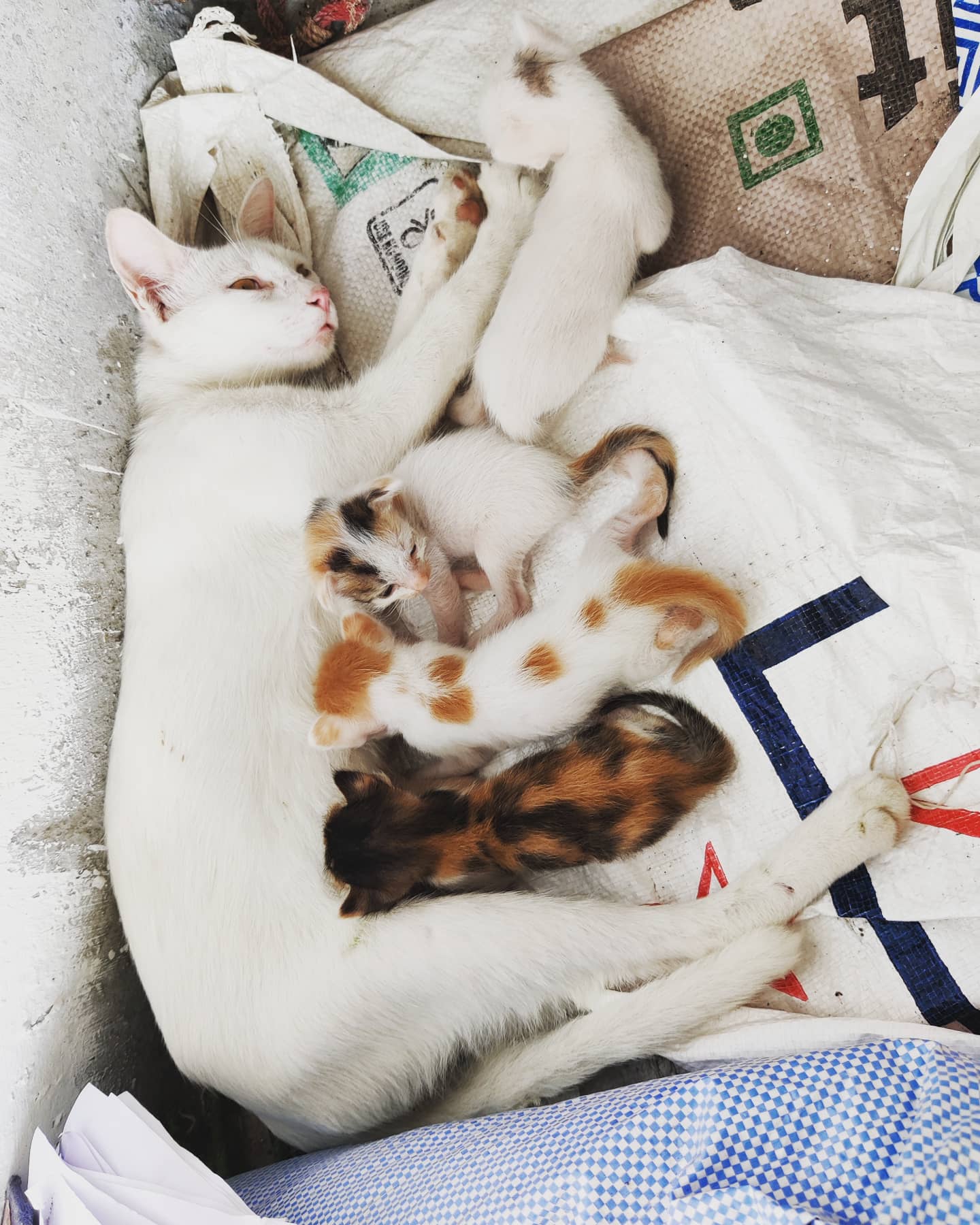
If you look closely at a litter of puppies, one might have slightly longer legs, another a spotted ear, another a louder bark. The observable differences in traits among individuals of the same species are called variations. This is not an accident; genetic variation occurs naturally among offspring produced by the same parents. It is this very variation that provides the raw material for survival when environments change. If the climate suddenly turns freezing, the puppies born with naturally thicker fur (a genetic variation) are the ones who will survive to pass on that trait.
We arrive at the most complex, and arguably most fascinating, concept for elementary learners: the interplay between genetics and the environment.
A common elementary student misconception is that all observable traits are exclusively determined by genetics. If a plant is short, a student assumes it was just "born short." If a bird is brightly colored, they assume it's just "in its DNA."
You must show them that the genetic blueprint is only half the story. The external environment can influence the observable traits of an organism. Genetics provide the potential, but the environment dictates the execution. Environmental factors can change the physical expression of genetic traits in an organism.
Let's look at two highly observable classroom examples:
- Animal Growth: A puppy may possess the genes to grow into a massive, 80-pound dog. However, a lack of proper nutrition can stunt the physical growth of a young animal. The genes said "grow," but the environment said "we don't have the materials."
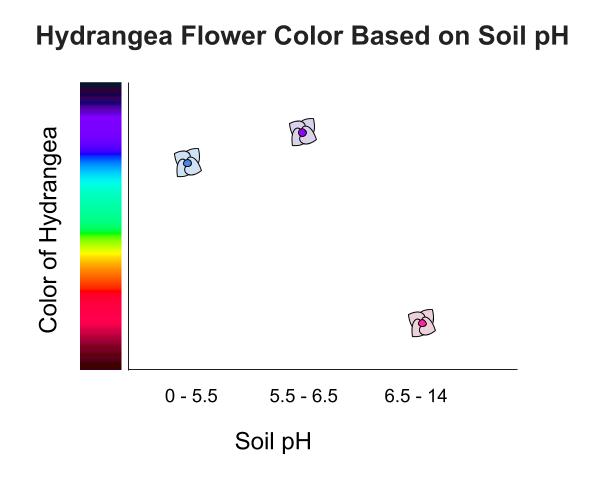
- Plant Coloration: The beautiful hydrangea plant provides a stunning display of environmental chemistry. Soil pH levels dictate the resulting flower color of hydrangea plants. The exact same plant will bloom blue in highly acidic soil and pink in alkaline soil. The genetic code is identical; the environment flips the switch.
Pedagogical Focus: The Boundary of Inheritance
While the environment can radically alter an organism's observable traits during its life, those alterations stop at the genetic boundary.
A common elementary student misconception is that physical injuries acquired during life are passed down to offspring. A student might believe that if a dog loses its tail in an accident, its puppies will be born without tails.
We must draw a rigid, impenetrable line between genetic traits and acquired characteristics.
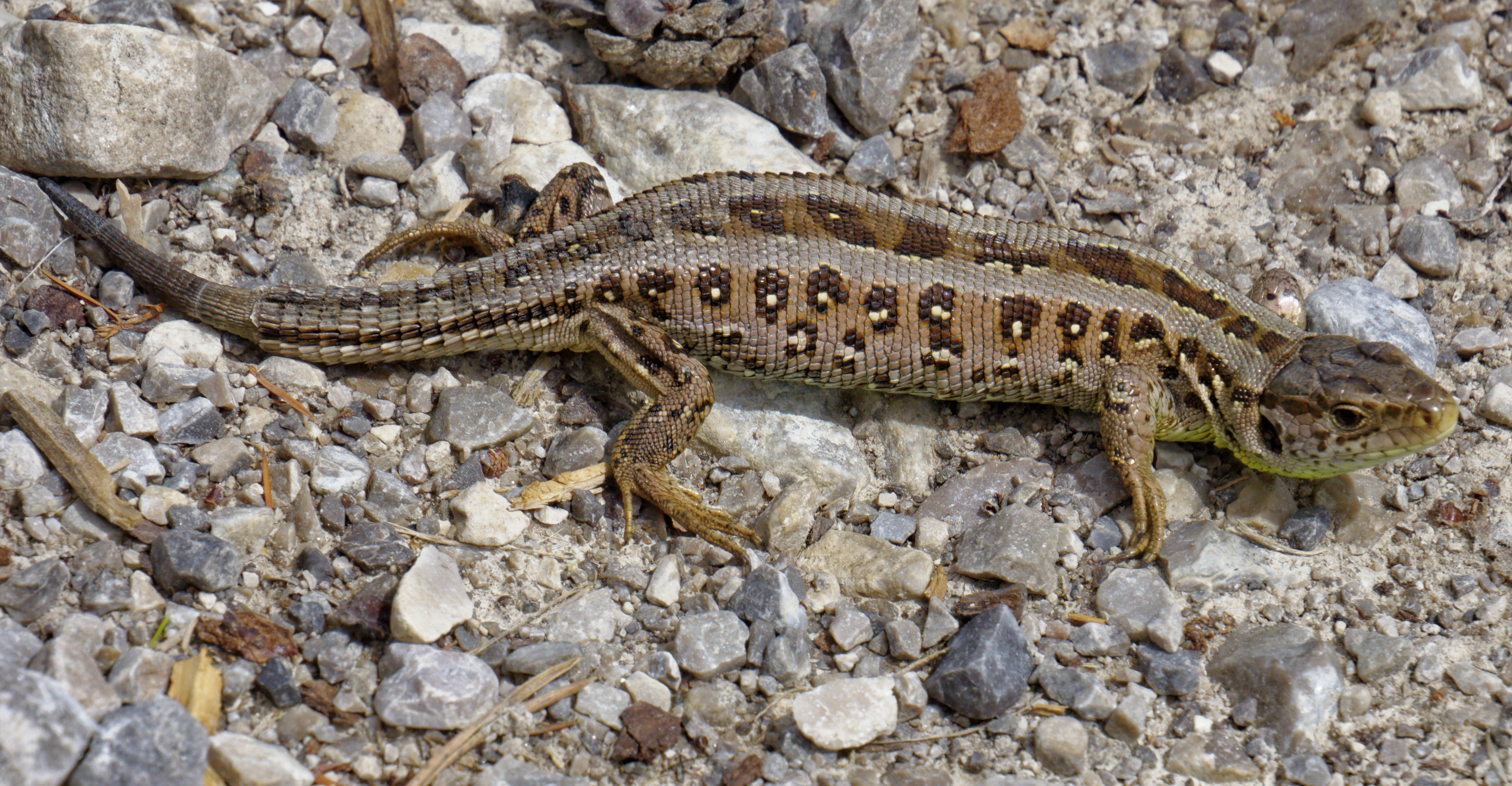
The Boundary Rule: Only genetic traits are passed from parents to offspring. Therefore, characteristics acquired during the lifetime of an organism are not genetically inherited by offspring.
A scar, a learned trick, a stunted height from poor nutrition, or a missing tail—none of these rewrite the organism's DNA. When that organism reproduces, it passes on the original, unmodified genetic blueprint.
Quick Reference: Debugging Student Misconceptions
When teaching Ecosystem Dynamics and Heredity, you are acting as a cognitive debugger. Here is your reference table for immediate instructional decision-making:
| What the Student Think (Misconception) | Why They Think It | The Scientific Reality You Must Teach |
|---|---|---|
| Animals can intentionally change their physical traits to survive a changing environment. | Anthropomorphism and cartoon logic (e.g., "I'll just grow thicker fur!"). | Individual organisms cannot consciously alter genetic traits. Survival depends on pre-existing genetic variations. |
| Wild animals form groups because they like each other and want friends. | Applying human social/emotional constructs to wildlife. | The primary evolutionary driver is a survival advantage. Groups increase efficiency in defense, thermal regulation, and foraging. |
| Everything about how an organism looks is determined purely by its parents/DNA. | Lack of awareness regarding environmental inputs on biology. | The external environment can influence observable traits (e.g., soil pH changing flower color, nutrition stunting growth). |
| If an animal gets injured (loses a leg, gets a scar), its babies will be born with that same injury. | Conflating acquired traits with inherited genetic traits. | Only genetic traits are passed to offspring. Characteristics acquired during life are never genetically inherited. |
By mastering these dynamics, you do more than teach students facts about animals and plants. You equip them with a structural understanding of life itself—a world where genetics deal the cards, the environment plays the game, and the incredible behaviors of living things are the brilliant strategies used to survive.