Structure and Properties of Matter
Not sure you’re ready?
Take the ~3-minute readiness diagnostic and see where you stand.
Look at a wooden desk. To the human eye, it is a single, continuous, impenetrable object. Yet, the physicist understands it as a vast, vibrating lattice of unseen particles held together by invisible forces. As an elementary educator, your task is to bridge these two realities for your students. You are not merely teaching them the names of materials; you are fundamentally rewiring how they perceive the physical universe. To do this effectively, we must trace a path from the macroscopic, observable physical properties of everyday objects down to the microscopic behavior of individual particles, anticipating the intuitive but incorrect assumptions children naturally make along the way.
Before we can ask students to imagine the invisible, we must teach them how to systematically observe the visible.
Matter is defined as anything that has mass and takes up physical space.
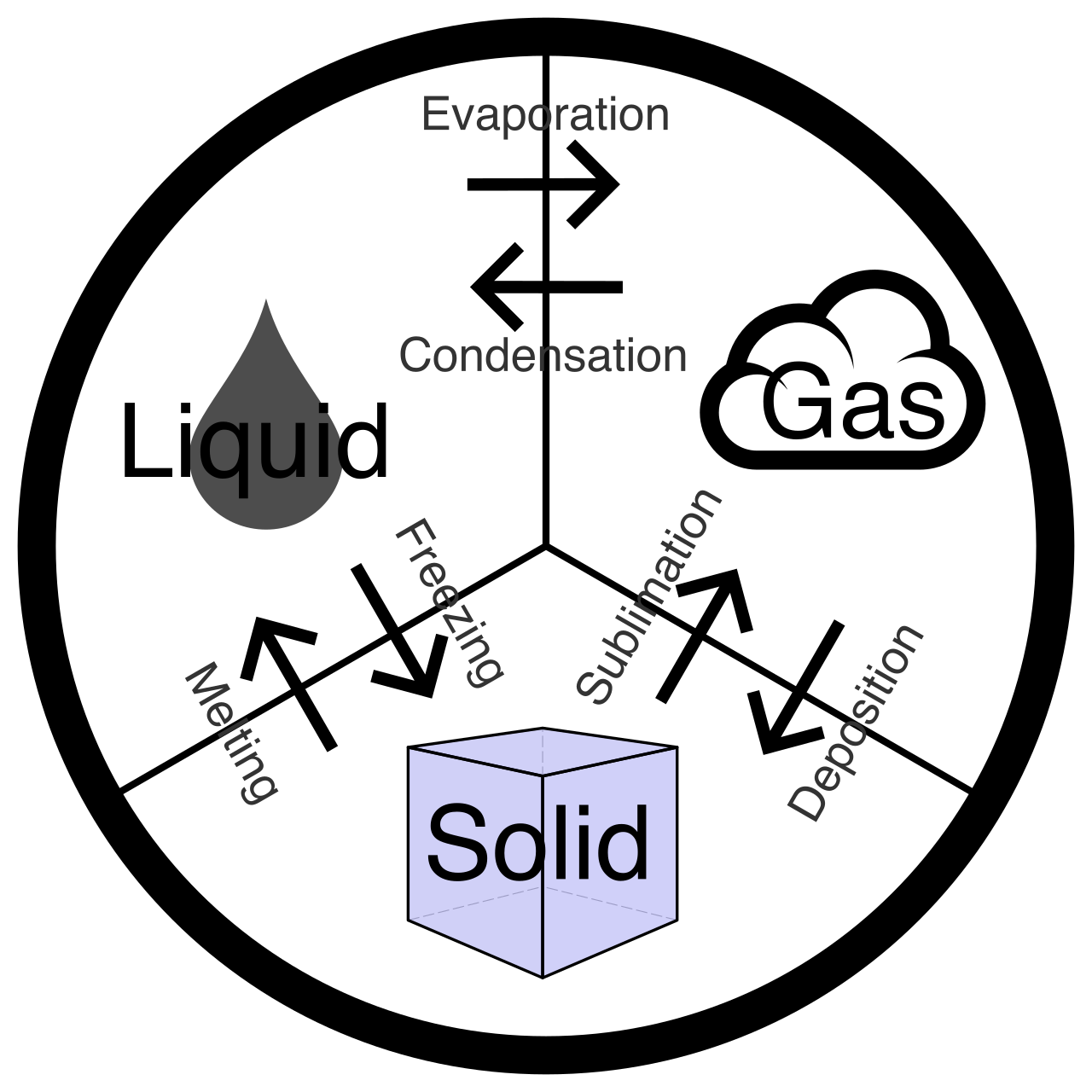
This deceptively simple definition is the bedrock of physical science. Everything we touch, breathe, and drink falls under this umbrella. The three most common states of matter on Earth are solid, liquid, and gas. To an elementary student, the distinction between these states often feels qualitative—"hard," "wet," or "breezy." We must formalize this understanding by defining states according to their geometric and spatial behaviors:
| State of Matter | Volume Behavior | Shape Behavior |
|---|---|---|
| Solid | Solids maintain a fixed volume. | Solids maintain a fixed shape. |
| Liquid | Liquids maintain a fixed volume regardless of the container. | Liquids take the shape of the container holding the liquid. |
| Gas | Gases take the volume of the container holding the gas. | Gases take the shape of the container holding the gas. |
Classification and Purpose
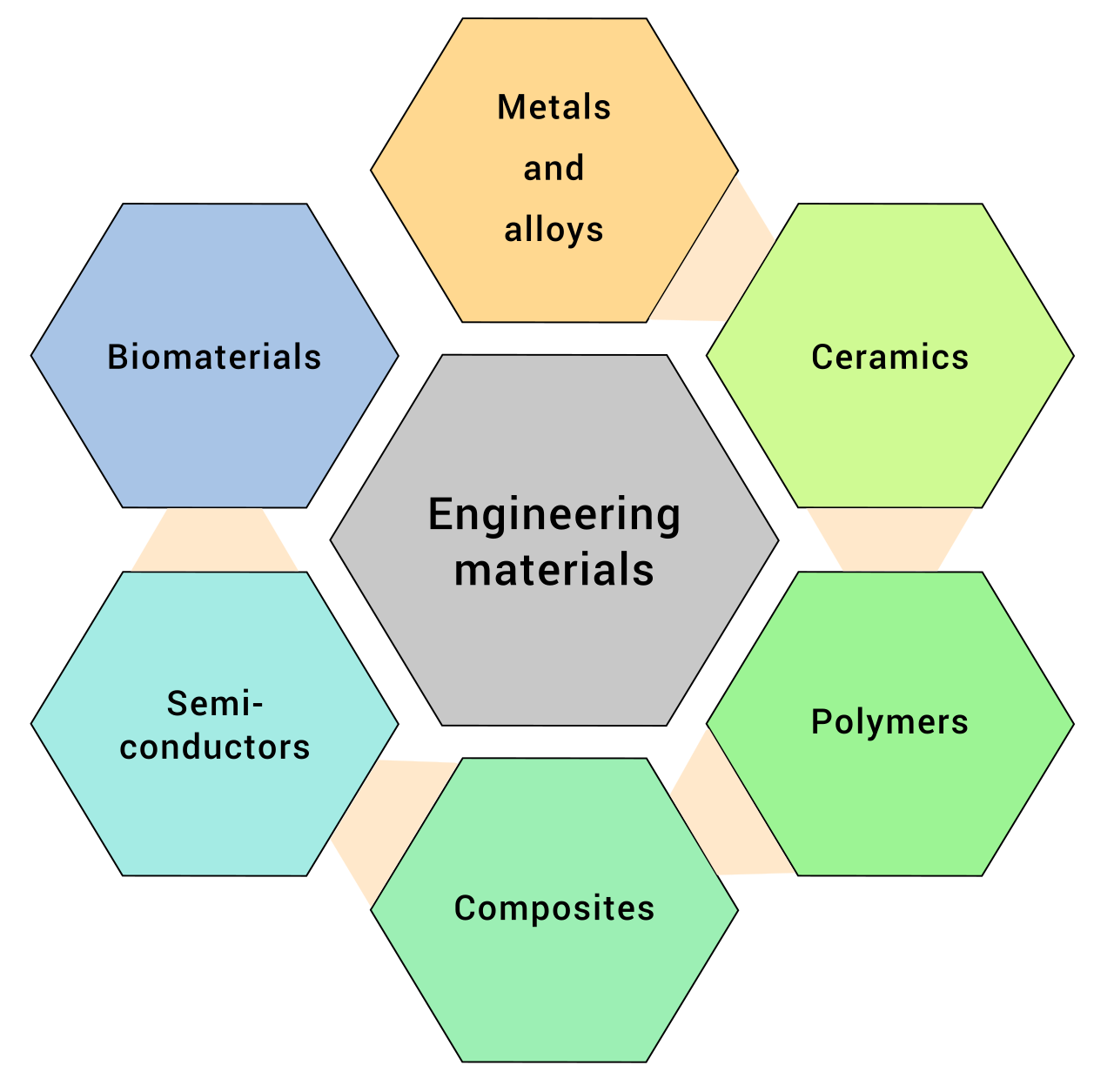
Once students grasp that objects are made of matter, they must recognize that materials can be classified into categories based on observable physical properties. When a child categorizes buttons or sorts recycling, they are acting as rudimentary material scientists. Observable physical properties include color, texture, hardness, and flexibility.
Why do we care about classification? Because a material's physical properties determine the material's suitability for specific intended purposes. You wouldn't build a bridge out of sponge, nor would you make a winter coat out of sheet metal.
- Wood is highly suitable for building structures due to the hardness and structural integrity of wood.
- Metals are suitable for cooking pans due to the thermal conductivity of metals.
When you teach this, you are teaching engineering logic. To prove these properties, students must test them. Testing material properties involves observing how the material reacts to external forces—like bending a ruler or dropping a ball. Crucially, students must learn the foundations of the scientific method here: a fair test of material properties requires keeping all variables constant except the specific material being tested. If you want to know which paper towel absorbs the most water, you cannot test a giant square of Brand A against a tiny scrap of Brand B.
Nature is a master builder, constructing the complex from the simple. In the classroom, this begins with the understanding that physical objects can be built by connecting a set of smaller individual pieces.
This concept carries profound implications. If an object is an assembly, then an object built from small pieces can be disassembled into the original separate small pieces. Furthermore, disassembled pieces from a large object can be reassembled into a completely different structural configuration. A child tearing apart a plastic spaceship to build a plastic dinosaur is engaging in a macro-scale demonstration of the conservation of matter.
The Classroom Reality: The Clay Ball Misconception
Here is where cognitive development clashes with physical reality.
The Law of Conservation: The total weight of a set of pieces remains constant regardless of the structural shape formed by the pieces.
To you, this is obvious. To a seven-year-old, it is not. Elementary students frequently hold the misconception that reshaping a clay ball changes the weight of the clay. When a child flattens a spherical lump of clay into a wide "pancake," their visual cortex screams that the object is now "bigger" or "wider," leading them to assume it must be heavier. Conversely, if they roll it into a thin, snake-like cylinder, they might think it is lighter.
As a teacher, you cannot just tell them they are wrong; you must let them weigh the ball, reshape it, and weigh the pancake. The scale provides objective truth when their intuition fails them.

We now arrive at the greatest conceptual leap in elementary science: moving from the tangible to the invisible.
We must teach that all matter is composed of individual particles, and that the individual particles comprising matter are too small to be seen with the human eye. This is a difficult pill for a child to swallow. If they cannot see it, why should they believe it?
Because we cannot show them a single water molecule, we rely on representation. Scientific models can visually represent matter particles that are too small to be seen. You do not need expensive laboratory equipment to do this.
- Student-created drawings can serve as scientific models of microscopic matter particles. Simply drawing dots clustered tightly together for a solid, or spread far apart for a gas, builds immense cognitive scaffolding.
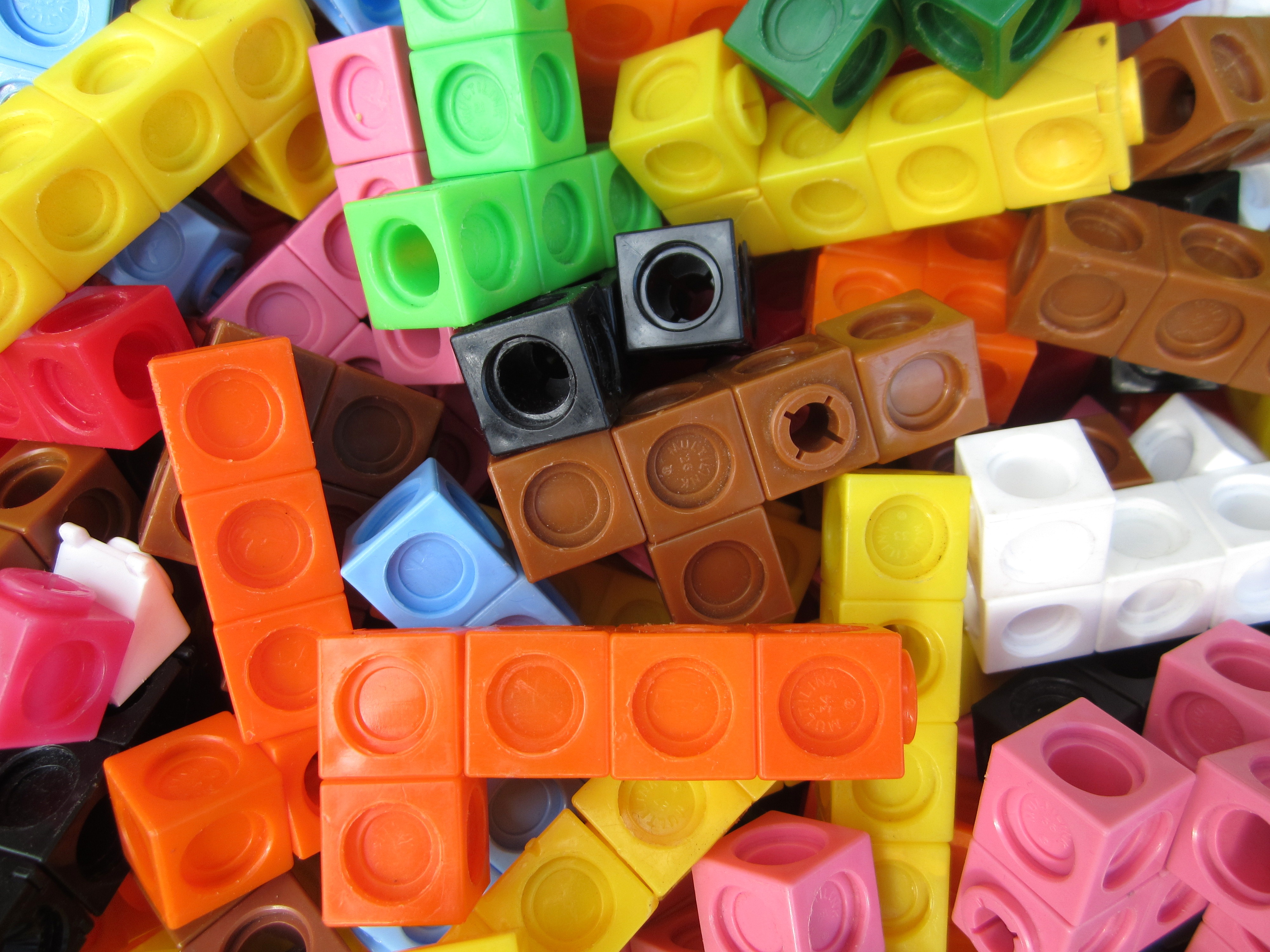
- Physical manipulatives like plastic building blocks can serve as scientific models of microscopic matter particles. Snapping blocks together perfectly mimics molecular bonding.
Evidence of the Invisible
If we claim invisible particles exist, we must provide empirical evidence. We do this through observable macro-effects.
- The Balloon: The inflation of a balloon provides observable evidence that invisible air particles take up space. The rubber stretches because trillions of tiny, invisible collisions are pushing against the inside of the balloon.
- The Magic of Dissolving: Dissolving a solid into a liquid provides observable evidence that matter is made of particles too small to be seen. When you stir a spoonful of sugar into a glass of water, the crystals seem to vanish. But taste the water—it is sweet. Sugar dissolved in water remains present in the water despite becoming invisible to the human eye. The crystal has simply broken apart into individual particles dispersed among the water particles.
This leads us to another vital conservation law: The total mass of a solution equals the sum of the mass of the solvent and the mass of the solute. If you have 100 grams of water (the solvent) and 10 grams of sugar (the solute), the resulting sweet water will weigh exactly 110 grams.
To prove to students that the sugar isn't "gone forever," we reverse the process. Evaporating the liquid phase from a solution will leave the dissolved solid particles behind. As the water turns to gas and leaves the cup, the sugar particles are forced back together, re-forming visible crystals.
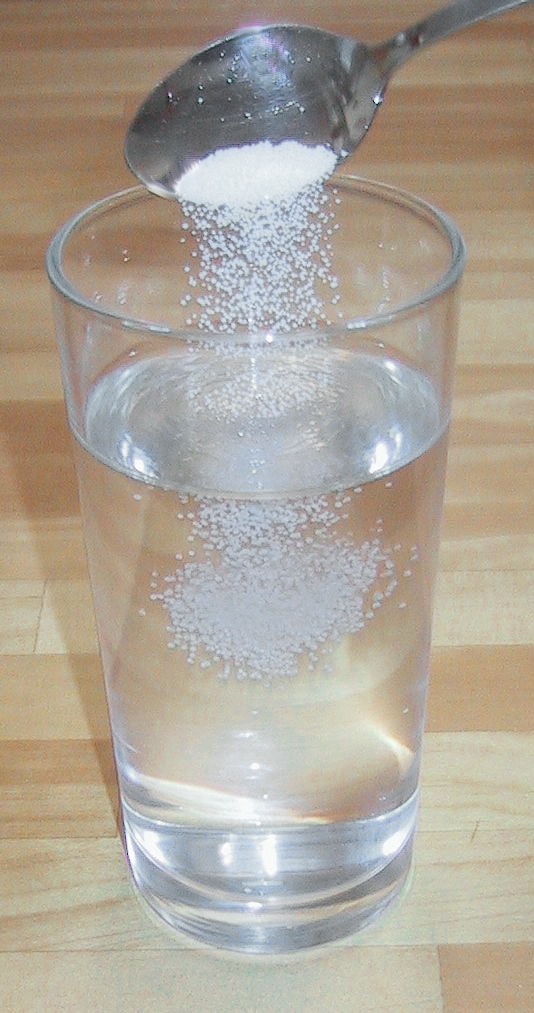
The Classroom Reality: Melting vs. Dissolving
Pay close attention to this, because it is one of the most stubborn errors in elementary science: Elementary students frequently confuse the physical process of dissolving with the physical process of melting.
If a student drops a sugar cube into tea and says, "Look, the sugar is melting," they are fundamentally misunderstanding the physics at play. You must separate these two concepts rigorously:
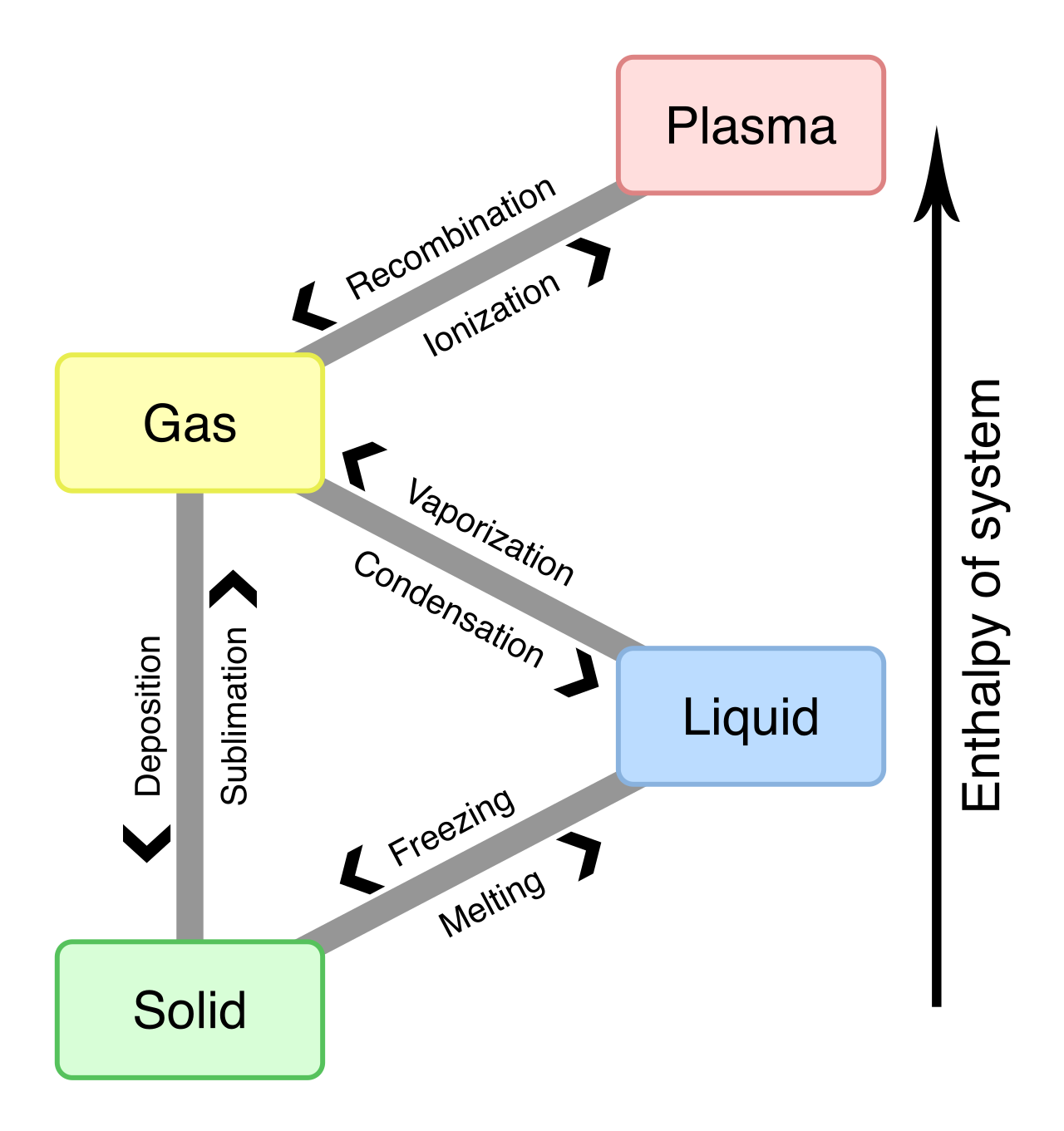
- Melting requires a transfer of thermal energy into a solid. It is a phase change of a single substance (like ice turning to liquid water because heat is added).
- Dissolving requires the mixing of a solid solute into a liquid solvent. It is an interaction between two substances, and it does not inherently require the addition of heat.
Gases are the most abstract state of matter for children. Because they walk through air effortlessly, they assume air is "nothing."
You must insist that gases are composed of individual physical matter particles. Because they are matter, they have mass. Elementary students frequently hold the misconception that gases do not have mass. To shatter this illusion, use a balance scale. Weighing a deflated basketball and an inflated basketball demonstrates experimentally that air has measurable mass. The inflated ball will tilt the scale.
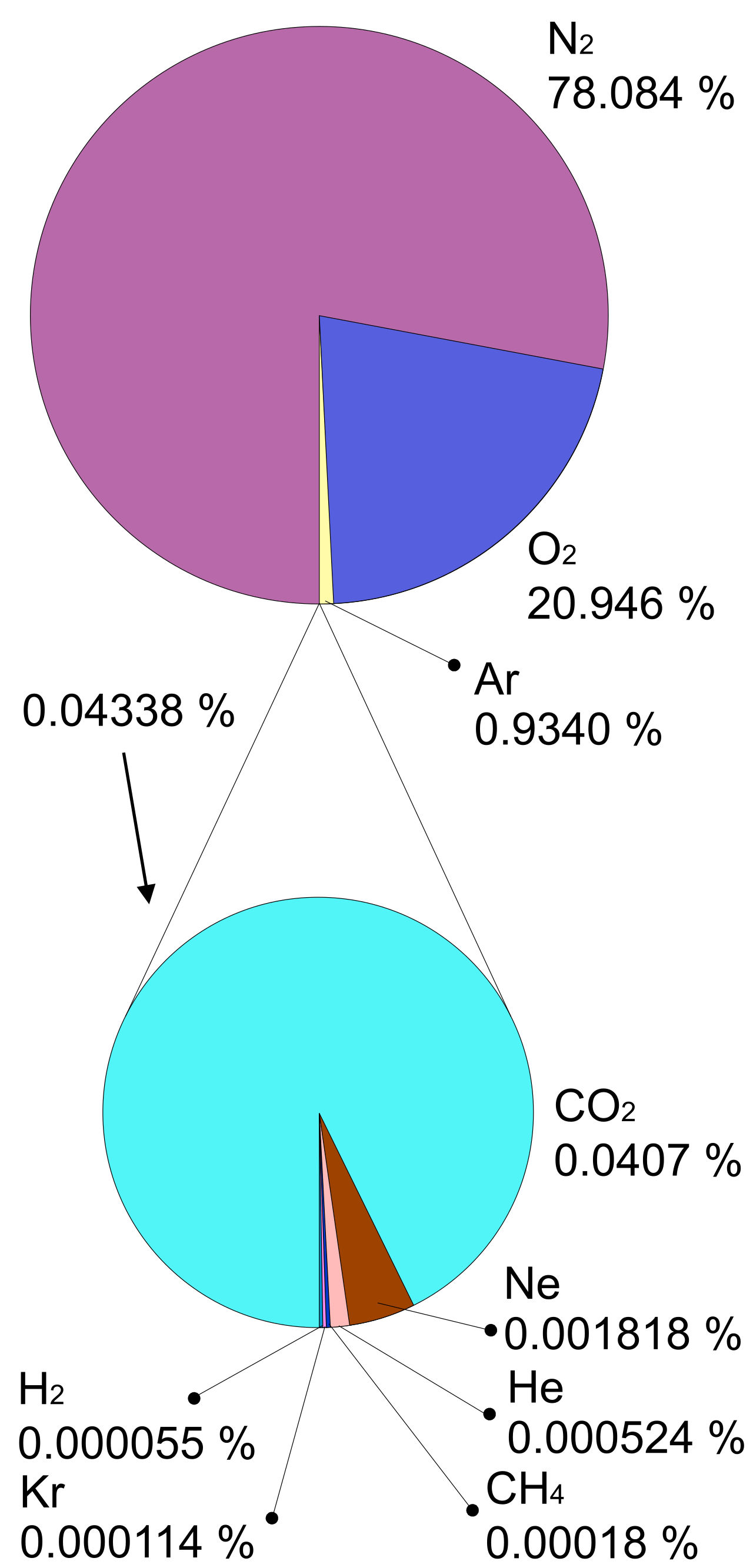
Furthermore, students naturally assume the air around them is a single, uniform substance. In reality, elementary students often struggle to understand that air is a mixture of different types of gas particles (primarily nitrogen, oxygen, and trace amounts of argon and carbon dioxide).
The Architecture of Empty Space
Because gas particles are spread so far apart, gases exhibit a unique property: compressibility. You can squeeze the air in a sealed syringe down to a fraction of its original volume. The physical compressibility of a gas demonstrates that empty space exists between individual gas particles. When you compress a gas, you are not shrinking the particles; you are merely pushing them closer together by reducing the empty space between them.
This brings us to a beautiful, deeply Feynman-esque pedagogical moment. If you ask a student, "What is between the gas particles?", they will almost always give you a seemingly logical but entirely wrong answer. Elementary students frequently hold the misconception that the microscopic empty space between matter particles is filled with air.
You must correct this with wonder and precision. The space between air particles is not filled with air—it is filled with absolutely nothing. It is a true void.
Heat and Motion
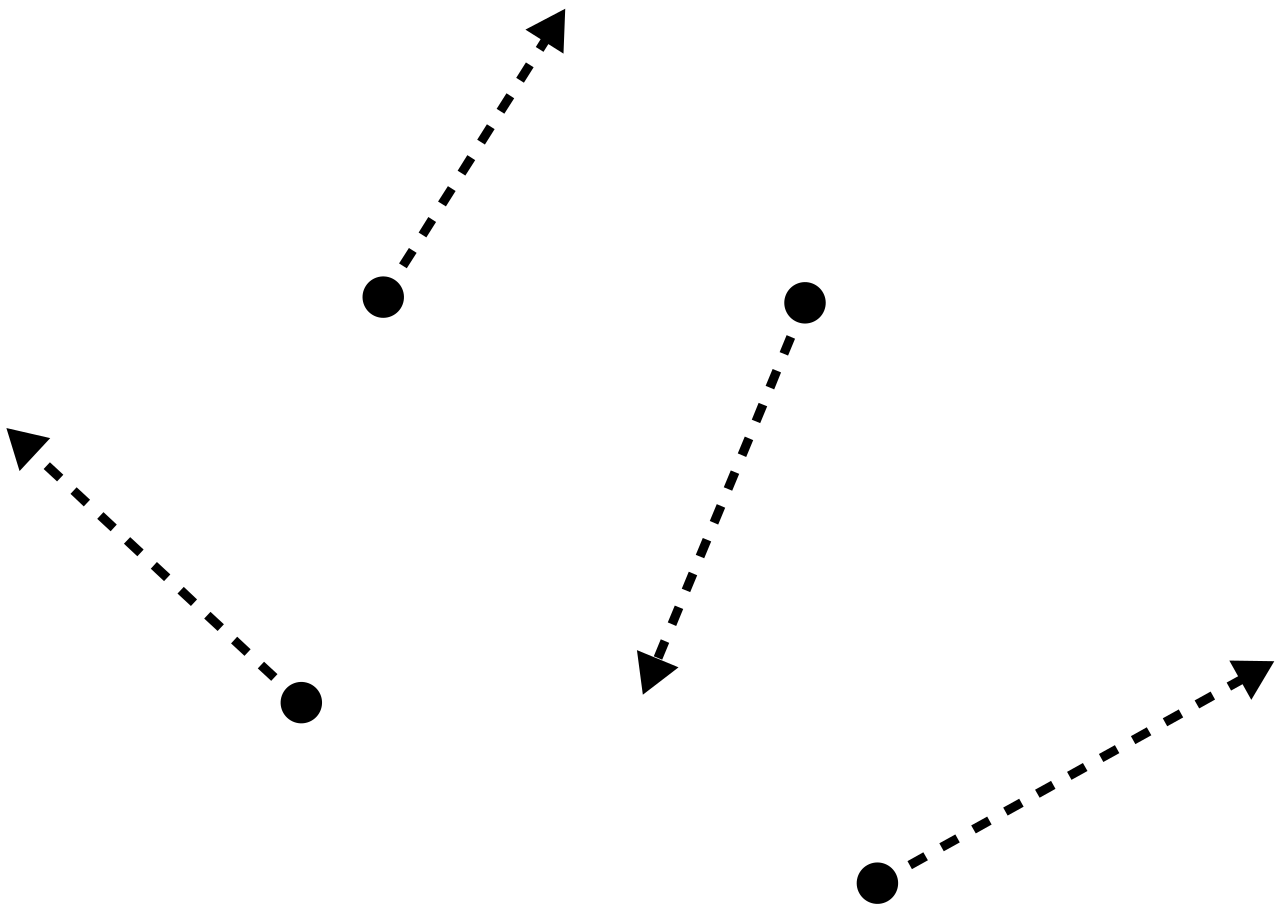
Finally, we must tie matter to energy. The particles comprising matter are never perfectly still; they are in constant, jittery motion. This motion is directly tied to thermal energy.
- Heating a substance causes the particles of the substance to move faster.
- Cooling a substance causes the particles of the substance to move slower.
When you heat a solid, the particles vibrate so violently that they break their rigid structure—they melt into a liquid. Heat that liquid, and the particles move so rapidly they break free entirely, flying off into the void as a gas.
As a teacher, when you look at a classroom, you shouldn't just see desks, water bottles, and breathing students. You should see a magnificent symphony of moving particles, assembling, disassembling, mixing, and separating. Your job is to pull back the curtain and show your students the orchestra.