Late Nineteenth and Early Twentieth Century US History
Not sure you’re ready?
Take the ~3-minute readiness diagnostic and see where you stand.
When a nation of farmers trades the quiet, sun-dictated rhythms of the harvest for the relentless whistle of the factory, the very fabric of human experience fractures and reforms. The United States following the Civil War did not merely grow; it mutated. In just a few decades, rural fields gave way to suffocating tenements, independent tradesmen were replaced by sprawling corporate monopolies, and millions of global immigrants poured into urban centers. For the elementary educator, this era is not merely a chapter in a textbook—it is the secret decoder ring to your students’ modern world. It explains why their cities look the way they do, why their parents have weekends off, and why their classrooms are a kaleidoscope of global heritage.
To teach this era effectively, you must realize that elementary students view the past through the lens of their immediate present. They do not naturally grasp the abstract forces of macroeconomic shifts, but they intimately understand fairness, crowded spaces, and the compelling urge to leave a bad situation for a better one. Our job is to translate historical tidal waves into tangible realities.
Following the Civil War, the American economy was fundamentally rewired by a few brilliant, fiercely ambitious individuals. We must teach students how these men accumulated unprecedented power and how their decisions rippled down to the factory floor.
Understanding the Monopoly
When a ten-year-old hears the word "monopoly," they immediately think of the board game with the top hat and the colorful money. As a teacher, use that! In the game, what happens when one player owns all the properties of one color? They make the rules, and everyone else pays the price.
Monopoly: A situation that occurs when a single company completely controls an entire industry, eliminating all competition.
In 1870, John D. Rockefeller founded the Standard Oil Company. Through aggressive business tactics, John D. Rockefeller achieved a near-monopoly in the American oil refining industry. Without competitors to keep his prices in check, Rockefeller could dictate the cost of the fuel that lit American homes.
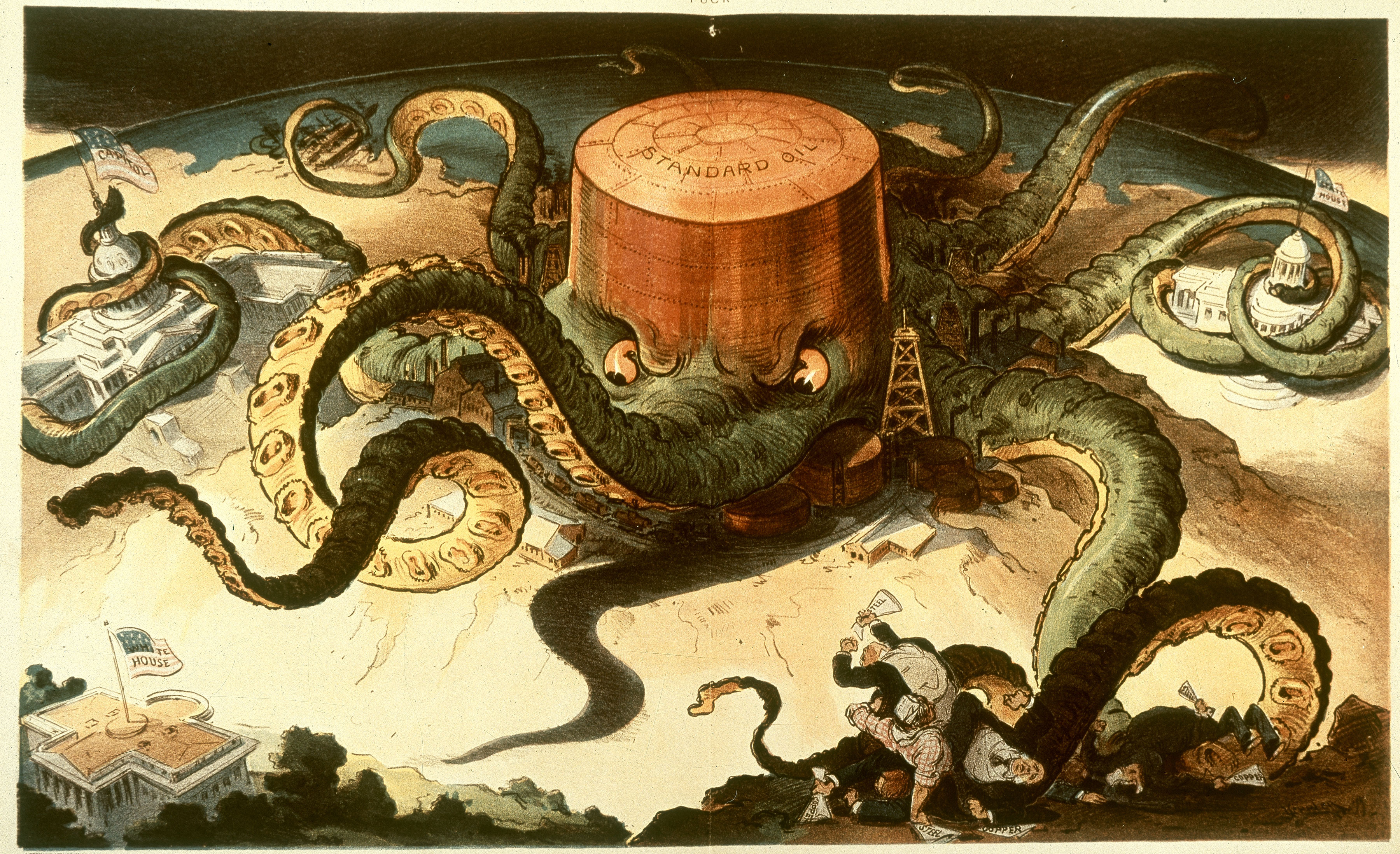
Similarly, Andrew Carnegie dominated the American steel industry during the late nineteenth century. The steel he produced built the bridges, skyscrapers, and railroads that physically stitched the new nation together.
How Did They Build Their Empires? (Integration Strategies)
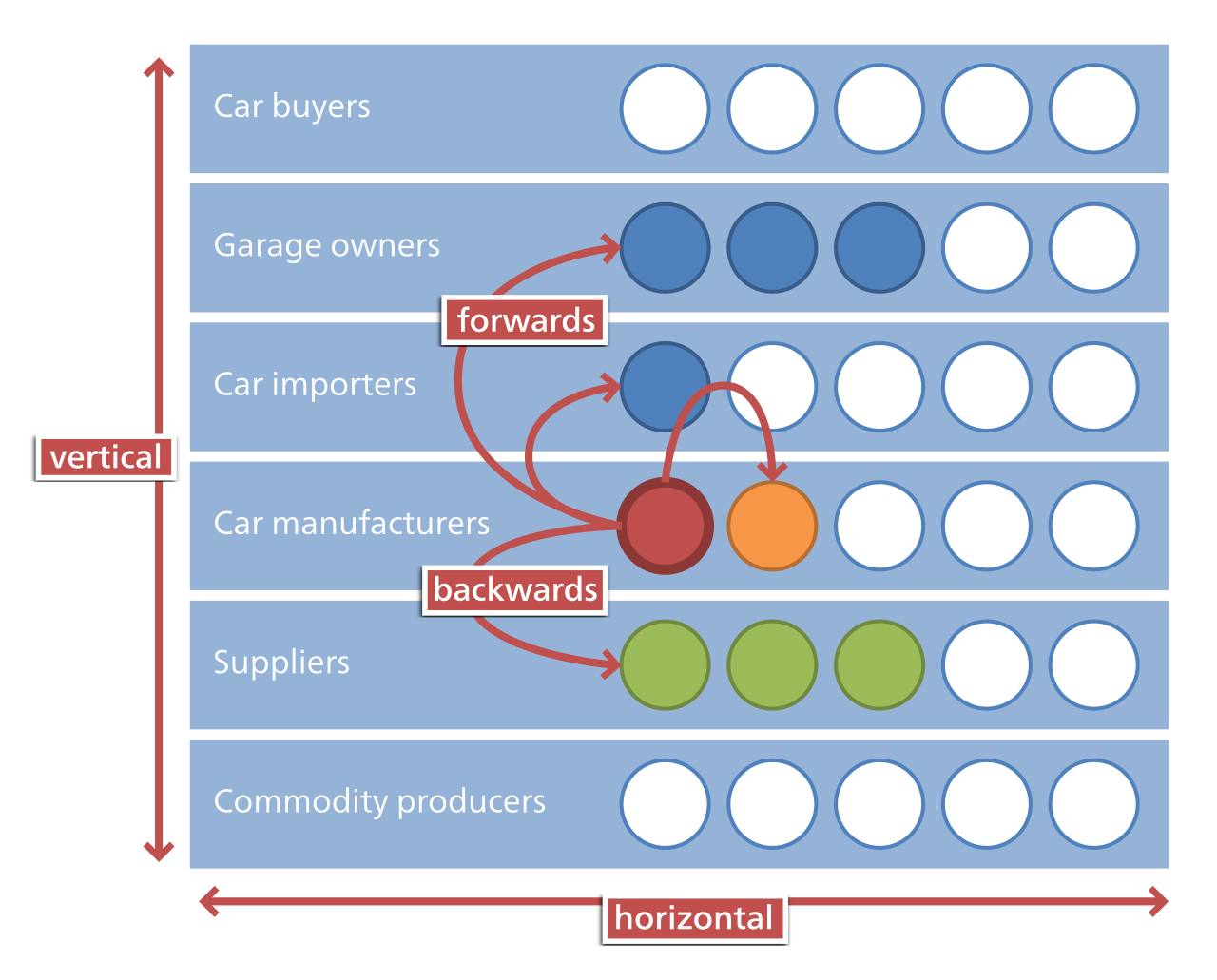
Students often struggle to understand how a business takes over the world. You must break down the two primary strategies used by these titans: Horizontal and Vertical Integration.
| Strategy | Definition | The Elementary Analogy | Historical Example |
|---|---|---|---|
| Horizontal Integration | A business strategy involving the acquisition of competing companies within the same industry. | Imagine you run a neighborhood lemonade stand. Horizontal integration means you buy out every other child's lemonade stand on the block. Now, you are the only place to buy lemonade. | Rockefeller bought out competing oil refineries until Standard Oil was practically the only refinery left. |
| Vertical Integration | A business strategy involving the control of all steps in the manufacturing process of a product. | Instead of buying other lemonade stands, you buy the lemon orchard, the sugar cane farm, the paper cup factory, and the delivery trucks. You control the whole process from dirt to drink. | Andrew Carnegie used vertical integration to control iron mines, railroads, and steel mills. He never had to pay a middleman. |
Heroes or Villains? The Dual Legacy
How do we classify these men? It depends on the lens through which you look, a perfect opportunity to teach elementary students about historical perspective.
- The Robber Baron: This term describes powerful nineteenth-century industrialists who allegedly used ruthless business practices to amass wealth. If you focus on the crushed competitors and the underpaid factory workers, Rockefeller and Carnegie look like greedy villains.
- The Captain of Industry: Conversely, this term describes wealthy entrepreneurs whose business building contributed positively to the economic growth of the country. By creating thousands of jobs and making steel and oil incredibly cheap and efficient, they built the modern United States.
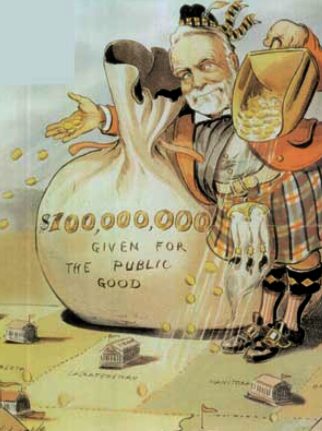
Ultimately, both men turned to philanthropy, which involves donating large amounts of personal wealth to charitable causes. For example, Andrew Carnegie donated millions of dollars to build public libraries across the United States, believing that anyone who wanted to read and improve themselves should have the free resources to do so.
You cannot have massive factories without millions of workers. The post-Civil War era saw a massive population shift from rural farms to urban centers in the United States. This phenomenon is known as urbanization—the rapid growth and physical expansion of cities.
The Sensory Reality of the Tenement
When teaching urbanization, avoid just giving statistics. Tap into your students' spatial reasoning and sensory imagination. Where did all these new city dwellers live?
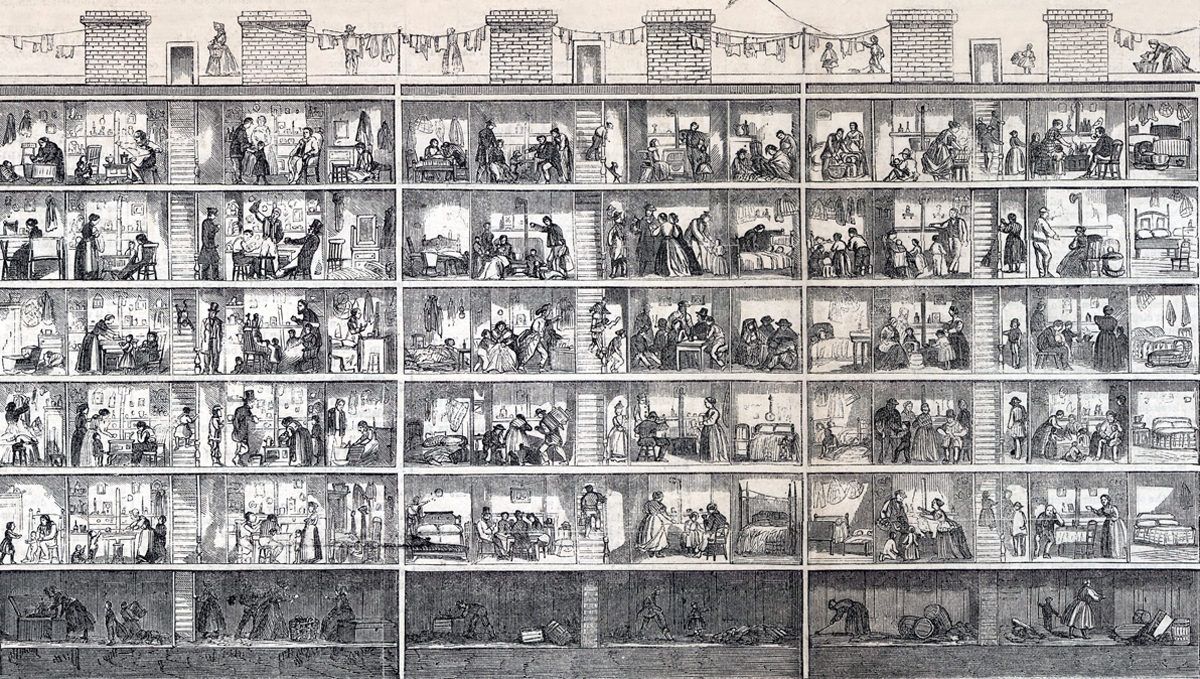
They lived in tenements: narrow, low-rise apartment buildings in cities designed to house as many families as possible in small spaces.
Pedagogical Misconception Alert: Students often picture historical apartments as just older versions of modern apartments. You must explicitly teach what they lacked. Late nineteenth-century tenements typically lacked adequate ventilation, meaning they were sweltering in the summer, freezing in the winter, and smelled constantly of stagnant air and disease. Furthermore, late nineteenth-century tenements usually lacked sufficient indoor plumbing, forcing dozens of families to share a single outdoor water pump or outhouse.
Shining a Light on the Slums
To help students visualize this, introduce them to the power of the camera as a tool for social change. In 1890, a Danish immigrant named Jacob Riis published the photojournalism book How the Other Half Lives.
By using explosive flash powder to take photographs in pitch-black tenement hallways, the book How the Other Half Lives documented the harsh living conditions in New York City slums. When wealthy Americans finally saw the squalor, it sparked a wave of housing reform. Teach your students that Riis essentially went viral before the internet existed, using media to demand justice.
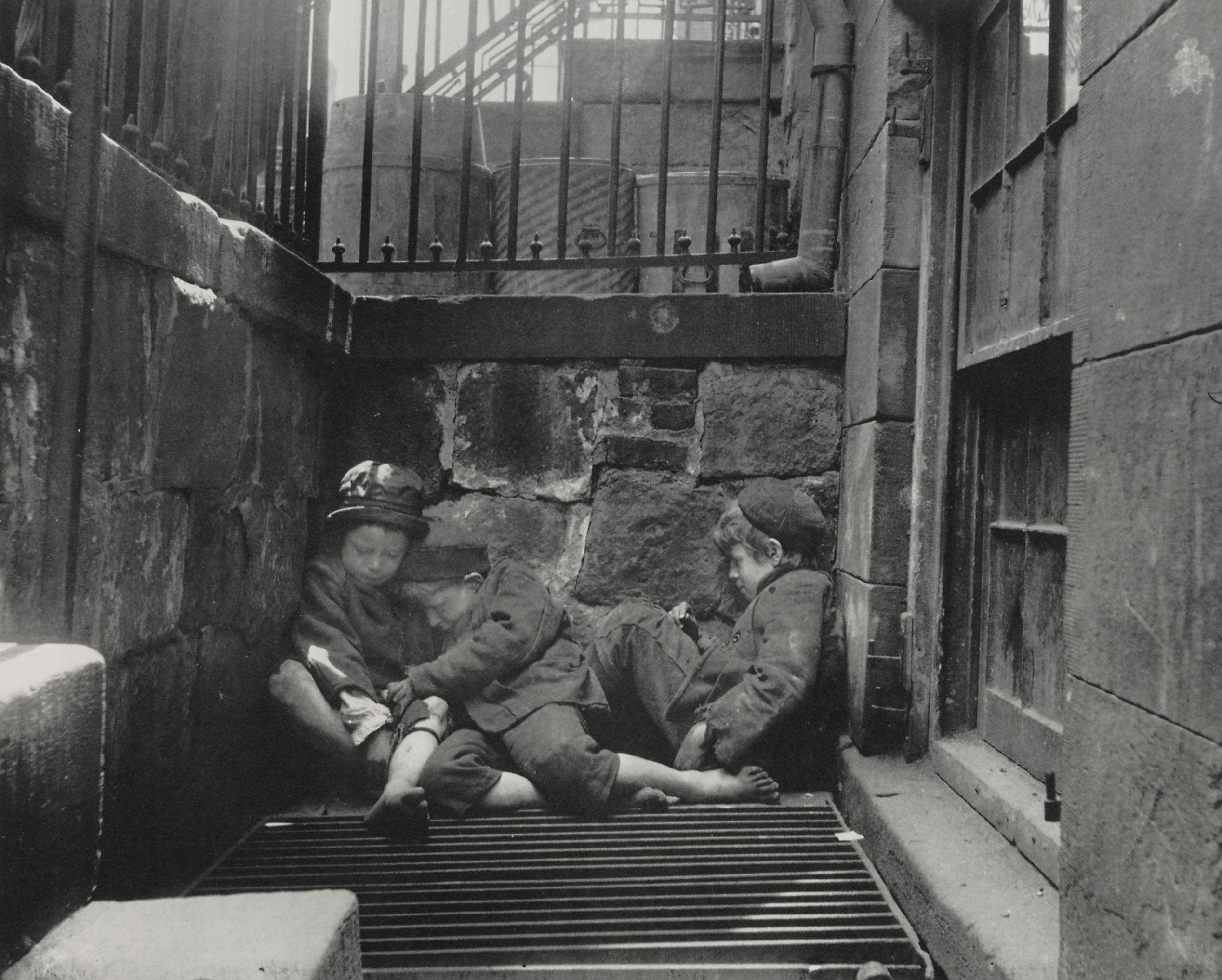
Industrialization created a high demand for cheap, unskilled labor in urban factories. The machines were doing the complex work; the factory owners just needed hands to pull levers and fetch bobbins.
The Tragedy of Child Labor
Nothing connects a fourth-grader to history faster than realizing that, in 1895, they wouldn't be sitting at a desk—they'd be covered in coal dust or dodging textile looms.
Many late nineteenth-century factories employed children because children could be paid lower wages than adults. Furthermore, their small hands could easily reach inside jammed machinery. Factory conditions for child laborers included long working hours and exposure to dangerous machinery.
Instructional framing: Ask your students to look at the clock at 2:00 PM when they are feeling tired. Tell them a child laborer of their exact age would have already been working for eight hours, with four more to go, in a deafeningly loud room.
_crop.jpg)
The Rise of Labor Unions
Individual workers, especially children, had no power against titans like Carnegie. To fight back, workers had to team up. Labor unions formed to advocate for better wages, safer working conditions, and shorter working hours for employees.
In 1886, a major umbrella organization called the American Federation of Labor (AFL) was founded in 1886 to organize skilled workers into national unions. The AFL realized that if highly skilled workers (like carpenters and machinists) went on strike, they couldn't be easily replaced. Samuel Gompers served as the first president of the American Federation of Labor, famously fighting for the radical idea of an eight-hour workday.
The factories were hungry for workers, and the world answered. Teaching immigration requires moving beyond dates and focusing on human motivation. Use the "Magnet Analogy"—forces that push you away, and forces that pull you in.
Push and Pull Factors
Push factors are negative conditions in a home country that drive people to emigrate. Historical context: Common push factors for late nineteenth-century European immigrants included religious persecution (like the violent pogroms against Jewish communities in Russia) and severe economic hardship (like land shortages in Italy).
Pull factors are positive conditions in a destination country that attract immigrants. Historical context: Common pull factors for immigrants coming to the United States included the promise of industrial jobs and religious freedom. The factories we just studied were the giant magnets pulling the world to American shores.
The Two Waves of European Immigration
Help your students distinguish between the two major demographic shifts during this era.
- The Old Immigration Wave: This wave primarily consisted of people from Northern and Western Europe (such as Ireland, Germany, and Britain). Crucially, the Old Immigration wave mostly occurred before 1890. Because many of these immigrants spoke English or shared Protestant religious backgrounds with the founding American colonists, they faced relatively easier paths to acceptance.
- The New Immigration Wave: This wave surged between 1890 and 1920. The demographics shifted dramatically. The New Immigration wave primarily consisted of people from Southern and Eastern Europe, and many individuals in the New Immigration wave came from countries like Italy, Poland, and Russia. They brought distinct languages, Catholic and Jewish faiths, and new cultural traditions.
The Golden Door: Ellis Island
How did these millions arrive? Ellis Island opened as a federal immigration processing station in New York Harbor in 1892. It sat in the shadow of the Statue of Liberty. Here, millions of European immigrants were medically and legally inspected at Ellis Island before entering the United States. Doctors checked eyes for trachoma with buttonhooks, and inspectors asked rapid-fire questions to ensure newcomers could support themselves.
_(LOC).jpg)
The Friction of Cultures: Nativism and Assimilation
When millions of new people arrive, friction is inevitable. Teach your students about Nativism, which is a political policy or sentiment that favors native-born inhabitants over immigrants.
Because the New Immigrants looked, sounded, and worshipped differently, Nativist sentiment in the late nineteenth century led to discrimination against newly arrived Southern and Eastern European immigrants. They were stereotyped, denied jobs, and blamed for the overcrowding of the slums.
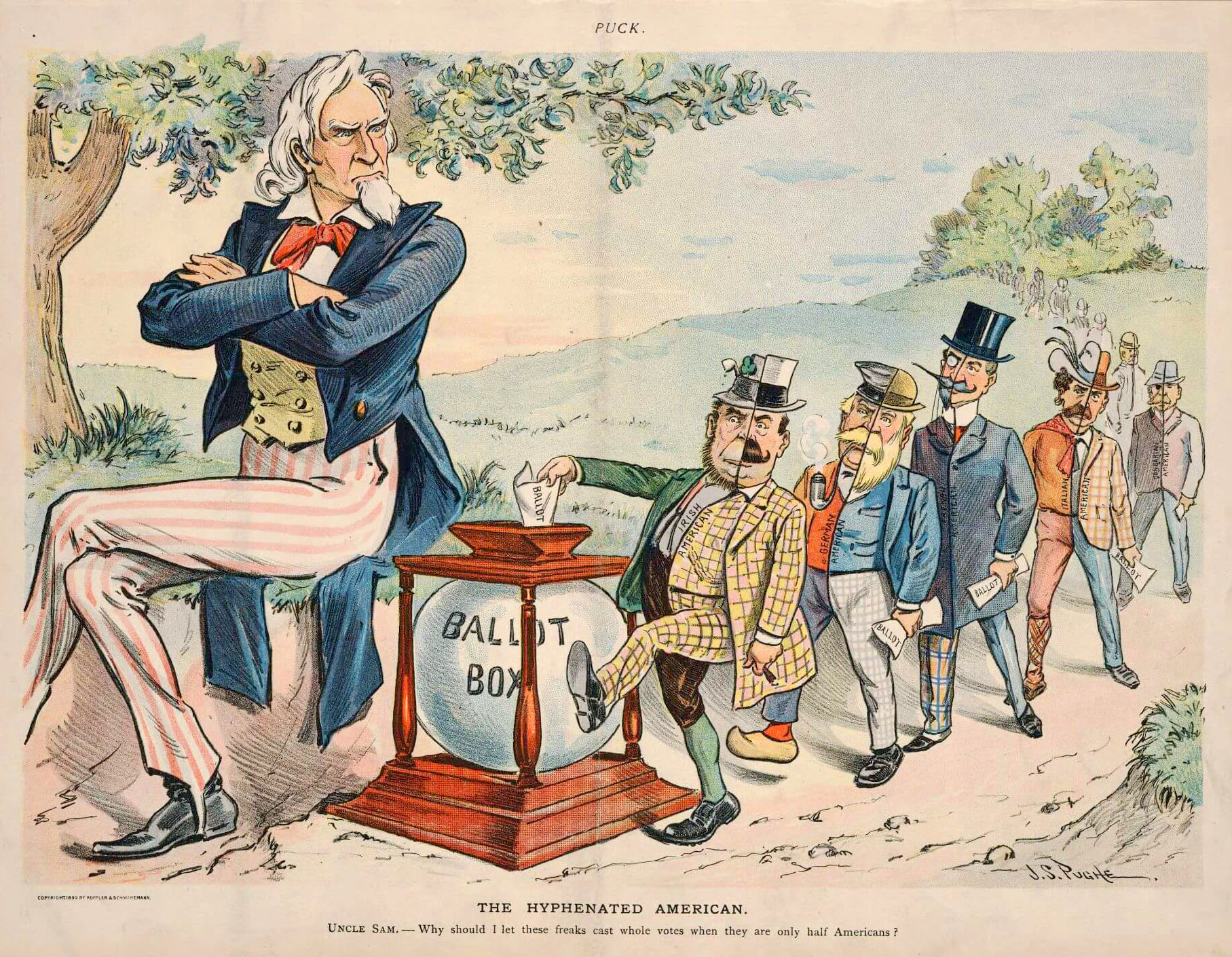
At the same time, immigrants faced immense pressure toward assimilation, which is the process whereby immigrants adopt the cultural norms and language of their host country. Children in public schools were the primary engines of assimilation, quickly learning English and American customs, sometimes at the expense of their family's heritage.
We cannot end this unit by leaving students in the squalor of the tenements or the hostility of nativism. We must show them how citizens used their agency to help others.
In response to the crushing poverty of the immigrant slums, middle-class reformers stepped in. They created settlement houses, which were community centers established in poor urban neighborhoods to provide educational and social services to immigrants.
The most famous pioneer of this movement was Jane Addams, who co-founded Hull House in Chicago in 1889. Addams didn't just donate money from afar; she moved right into the impoverished neighborhood. Hull House served as a prominent settlement house offering English classes and childcare to immigrant families, allowing parents to work in the factories knowing their children were safe, fed, and learning.
By grounding this massive, sweeping history in the lived experiences of immigrants, child workers, and visionary reformers, you give your elementary students more than just a list of vocabulary words. You give them the blueprints to understand the modern world they inhabit every day.