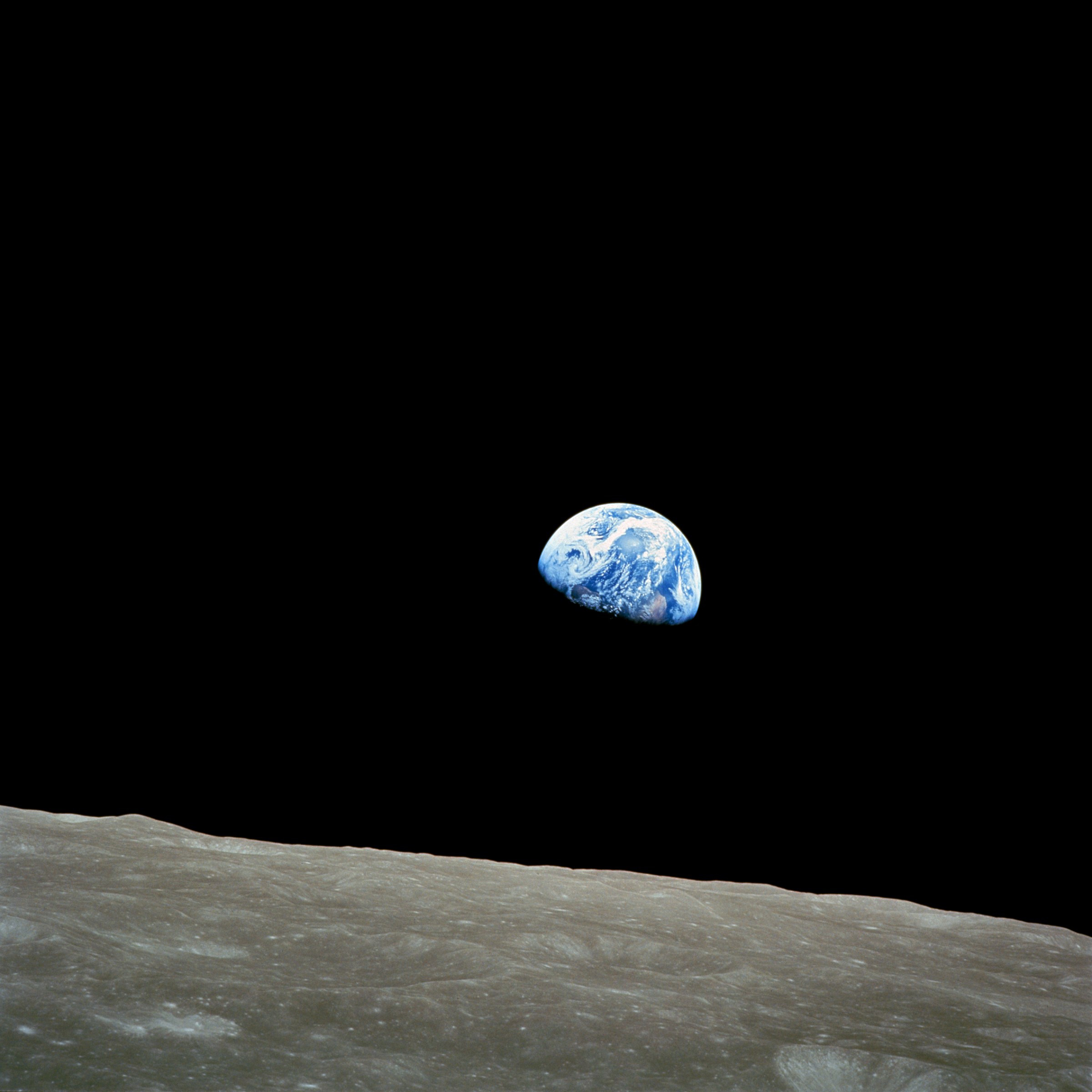
Earth and Human Activity
Not sure you’re ready?
Take the ~3-minute readiness diagnostic and see where you stand.
A biological organism is a machine running an endless calculation against the boundaries of physics and chemistry. A seed blown onto a concrete sidewalk will never sprout into an oak tree, no matter how intensely the sun shines upon it. Life on Earth does not merely exist on a passive stage; it is locked in an active, continuous negotiation with the planet’s systems. For elementary students, the natural world often appears as a static backdrop—a fixed diorama where animals simply "live," humans merely "build," and weather just "happens." The task of the elementary science educator is to dismantle this illusion. To teach the content knowledge of Earth and human activity is to guide students to see the invisible tethers connecting a thunderstorm to a city's storm drains, or a farm’s fertilizer to the oxygen levels in a distant river.
Understanding these systems is not just an exercise in memorization. It is the foundation of scientific literacy. As a teacher, your goal is to transition students from passive observers of nature into analytical system-thinkers who can trace cause, effect, and human responsibility.
Every living thing is bound by strict, non-negotiable metabolic parameters. Organisms survive only in environments meeting specific survival needs. If an environment cannot pay an organism’s metabolic "bills," the organism cannot live there.
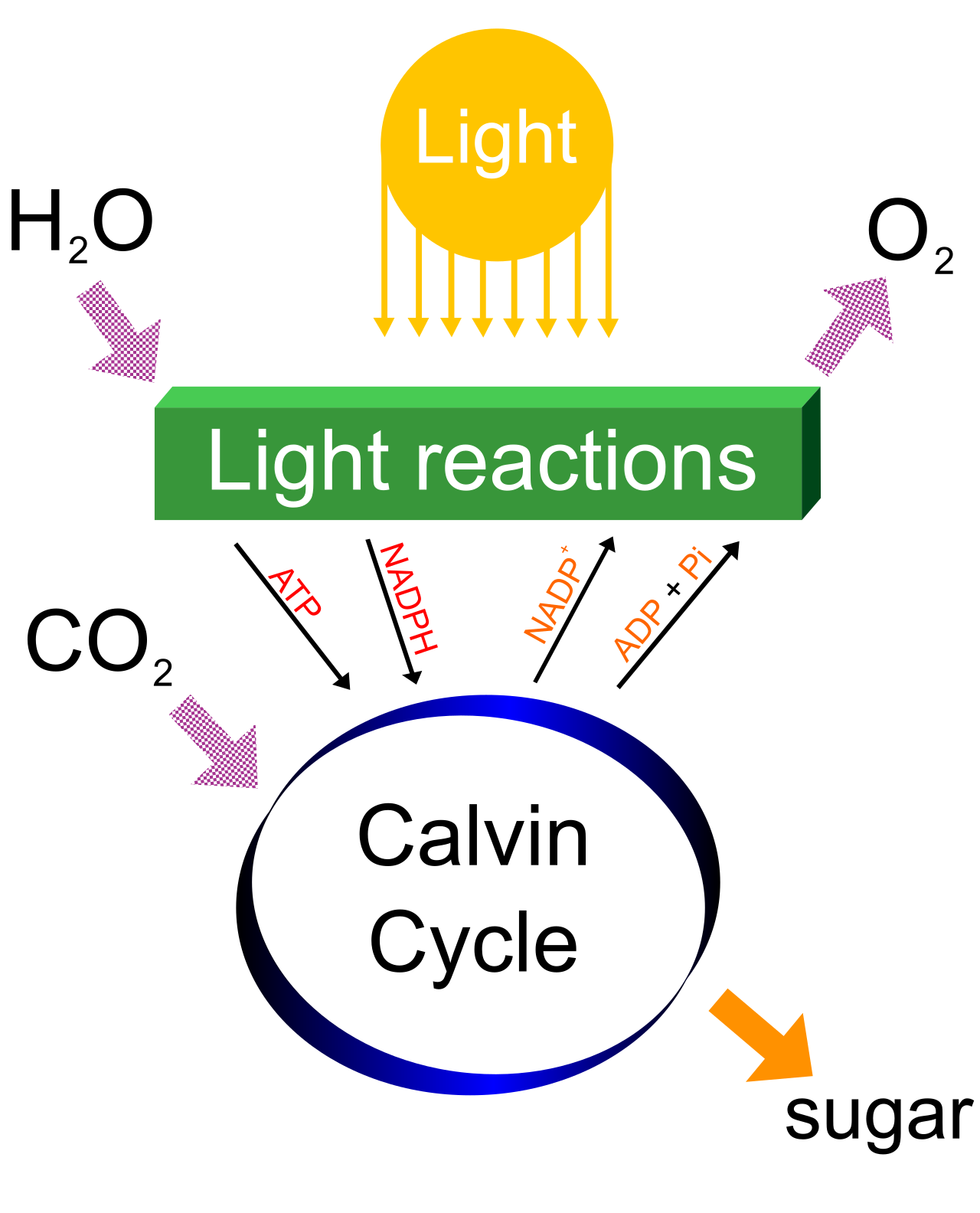
To teach this, we must break survival down into its most basic inputs. Plants require liquid water to survive and require sunlight to grow. Through photosynthesis, plants capture solar energy and store it as chemical energy. Animals cannot do this, meaning they must steal that energy. Therefore, animals obtain physical energy by consuming plants, or, further up the food chain, animals obtain physical energy by consuming other animals. Furthermore, animals require regular food sources to survive, alongside two other critical needs: they require fresh water to survive, and they require physical shelter from harsh environmental conditions to survive.
Because these requirements dictate survival, different geographic environments support distinct types of plants and distinct types of animals.
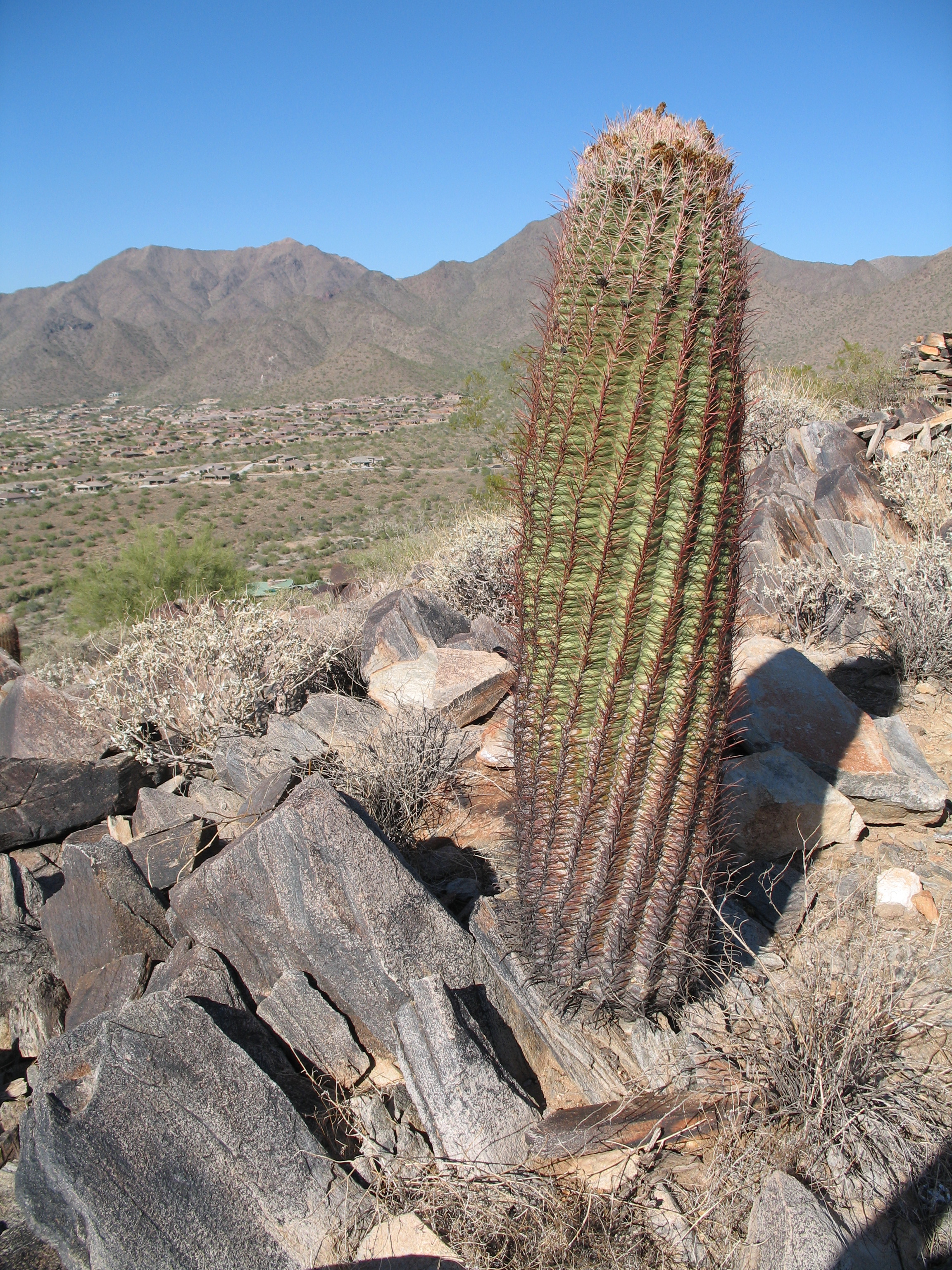
Take the desert, for example. A desert environment provides very little annual rainfall. A typical broad-leaf plant would desiccate and die here in an afternoon. Yet, life persists because cacti possess structural adaptations for storing internal water. They have evolved specialized tissues that swell to hold moisture, rationing it during long droughts.
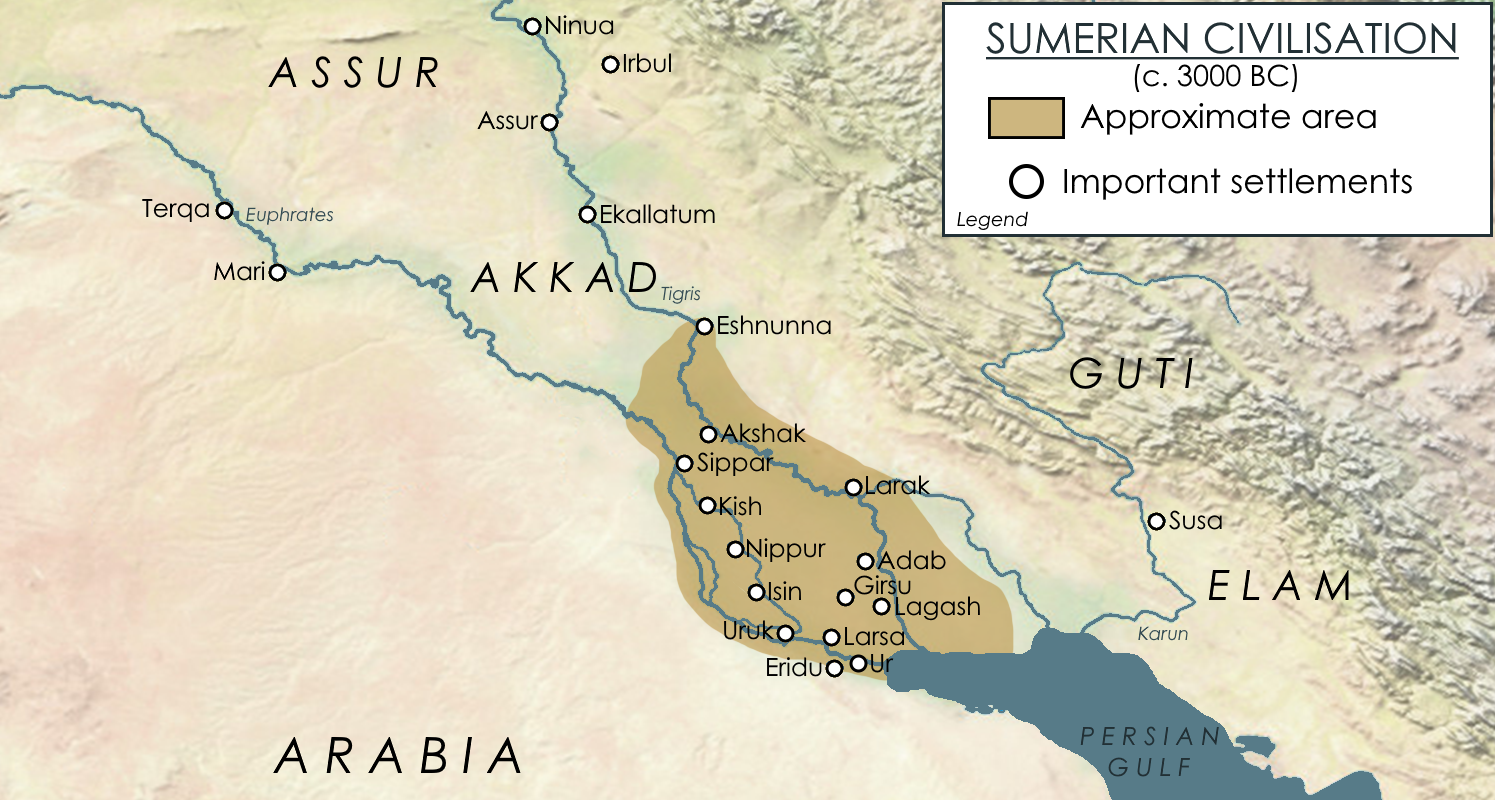
Humans are subject to these exact same constraints. If you look at a map of global history, you will find that historical human settlements are predominantly located near fresh water sources. Rivers provided the fundamental liquid water needed for our own biology, as well as for our agricultural crops.
The Illusion of Conscious Adaptation
When the rules of an environment change—say, a river dries up or temperatures plummet—an organism cannot simply decide to change its biology.
Critical Pedagogical Misconception: Elementary students frequently harbor the misconception that individual animals can consciously choose to adapt to a new climate.
A third grader might tell you, "The bird grew thicker feathers because it knew winter was coming and it was cold." This is a fundamental misunderstanding of biological mechanisms. An animal cannot will itself to change. If a local environment ceases to meet survival requirements, only two things can happen: an animal population must migrate to find a new environment that meets its needs, or an animal population will decline. Evolution and adaptation happen across generations through survival and reproduction, not through conscious, mid-life wardrobe changes. As a teacher, you must gently correct this teleological thinking by focusing on population-level survival rather than individual choices.
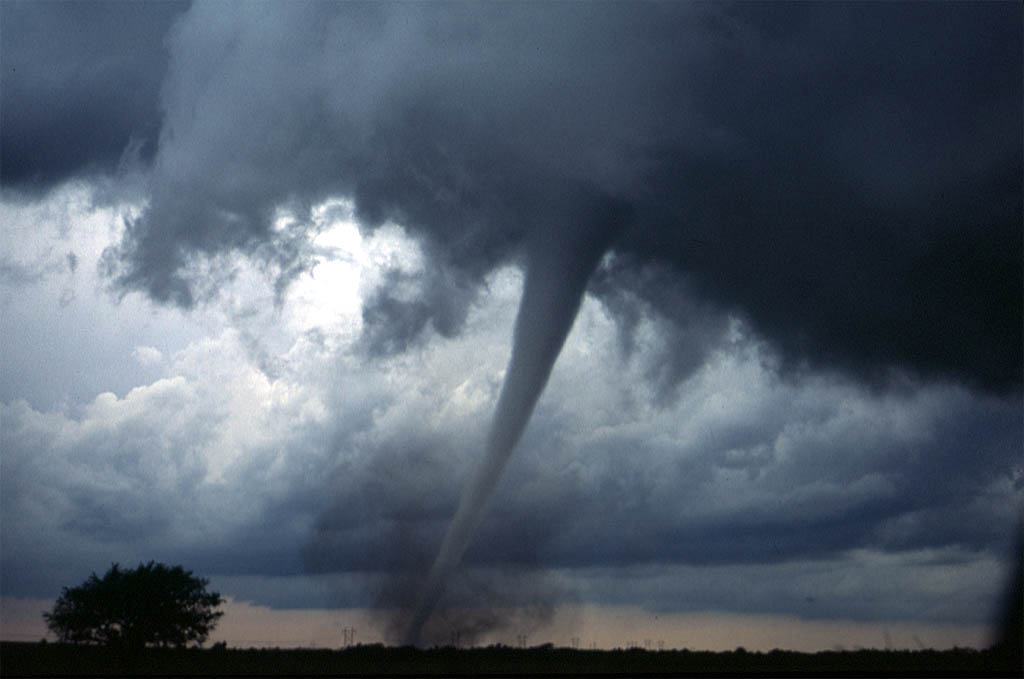
The Earth's atmosphere is a massive heat engine, redistributing solar energy from the equator to the poles. Sometimes, this redistribution is violent. Weather-related hazards include hurricanes, tornadoes, flash floods, and prolonged droughts.
When these massive atmospheric forces intersect with our built environment or natural ecosystems, the results are catastrophic. Severe weather events can destroy human infrastructure, leveling entire towns in minutes, and disrupt natural animal habitats, uprooting the specific environmental conditions local species rely on.
Critical Pedagogical Misconception: Elementary students often incorrectly conflate the scientific cause of a weather hazard with the human impact of that hazard.
If you ask a student, "What is a tornado?", they might answer, "A tornado is when houses get blown down." They are confusing the impact (houses destroyed) with the cause (a violently rotating column of air born from severe thunderstorms). In your instruction, you must explicitly separate the mechanics of the Earth system from how those mechanics impact human communities.
Engineering Against the Storm
We cannot stop a hurricane, but we can alter how it interacts with our civilization. Engineers create design solutions to protect communities from severe weather impacts.
However, an engineer's first idea is rarely perfect. Engineers must repeatedly test a design solution to verify hazard reduction effectiveness. This iterative cycle—design, test, analyze, redesign—is a core competency in the elementary science classroom.
Here is how we currently engineer our way out of extreme weather impacts:
| Weather Hazard | Engineering Design Solution | Mechanism of Protection |
|---|---|---|
| Lightning Strikes | Lightning rods | These conductive metal spikes safely direct electrical storm strikes into the ground, giving the massive voltage a low-resistance path that bypasses the structural integrity of the building. |
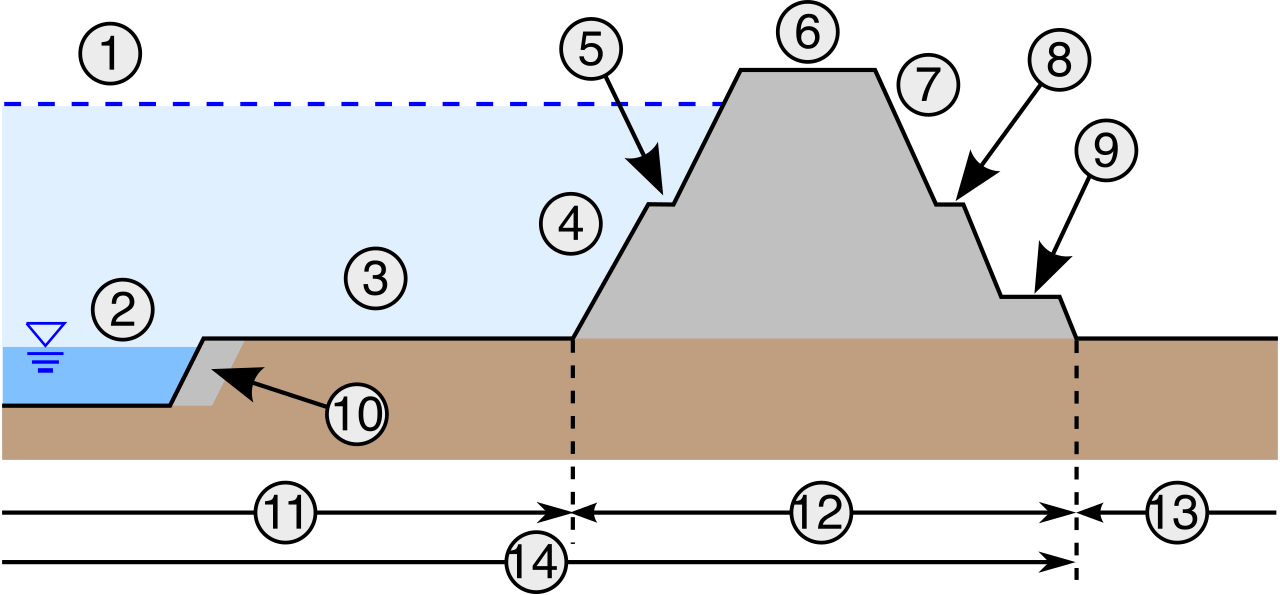
| River Flooding | Levees | Levees are engineered earthen embankments built along riverbanks. By physically raising the borders of a river, levees prevent rising river waters from flooding nearby human settlements. |
| High-Wind Events (Tornadoes) | Storm cellars | Because high winds exert devastating lateral forces on above-ground structures, storm cellars provide safe underground shelter during high-wind events, entirely bypassing the wind's destructive path. |
| Ocean Storm Surges (Hurricanes) | Seawalls | Seawalls are rigid coastal defense structures. By acting as a massive physical barrier, seawalls reduce the physical impact of ocean storm surges on coastal towns, absorbing the kinetic energy of the waves before they reach infrastructure. |
Just as the environment dictates how we live, how we live dictates the health of the environment. As human populations have scaled up, our need for resources has radically altered the planet's surface.
Human agricultural activities can dramatically alter local land systems, and human industrial activities can dramatically alter local water systems.
To teach human impact effectively, we must trace the invisible chain reactions of human behavior. Let’s look at a seemingly simple act: fertilizing a crop.
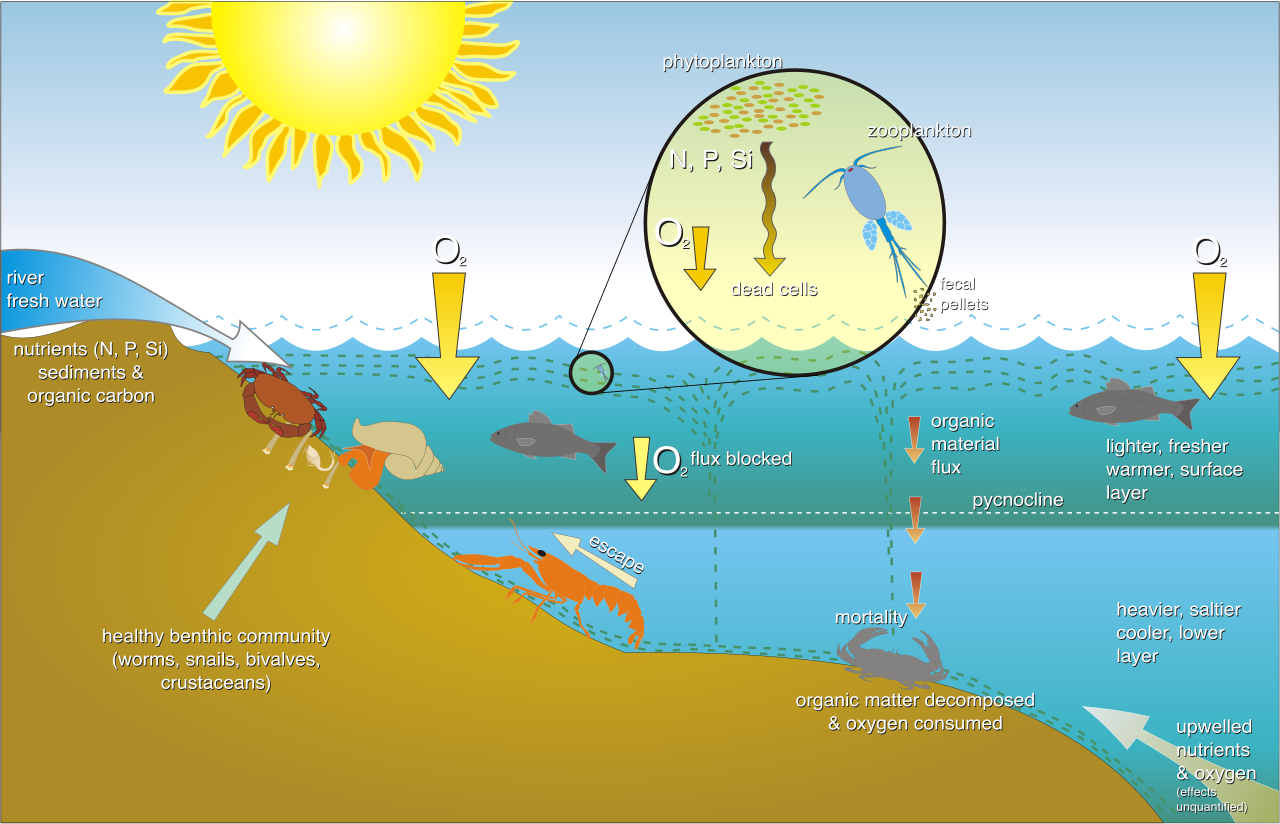
- Farmers apply nitrogen and phosphorus to help crops grow.
- When it rains, agricultural fertilizer runoff can introduce excess nutrients into local water systems.
- Aquatic plants and algae suddenly receive a massive food source. Excess nutrients in water systems can cause harmful algal blooms.
- The algae coat the surface of the water, blocking sunlight. When the algae eventually die, bacteria consume them, using up immense amounts of oxygen in the process.
- Consequently, these algal blooms deplete dissolved oxygen required by aquatic animal species, leading to massive fish kill-offs.
This is a profound systems-thinking lesson for an elementary student: feeding a plant on dry land can accidentally suffocate a fish in a lake miles away.
We see similar disruptions across other sectors. To power our cities, we burn fossil fuels. But burning fossil fuels releases particulate pollutants into the Earth's atmosphere, altering air quality and trapping heat. To harvest lumber and clear land for farming, we cut down ancient woodlands; this deforestation eliminates necessary natural habitats for forest-dwelling species, forcing migration or population decline.
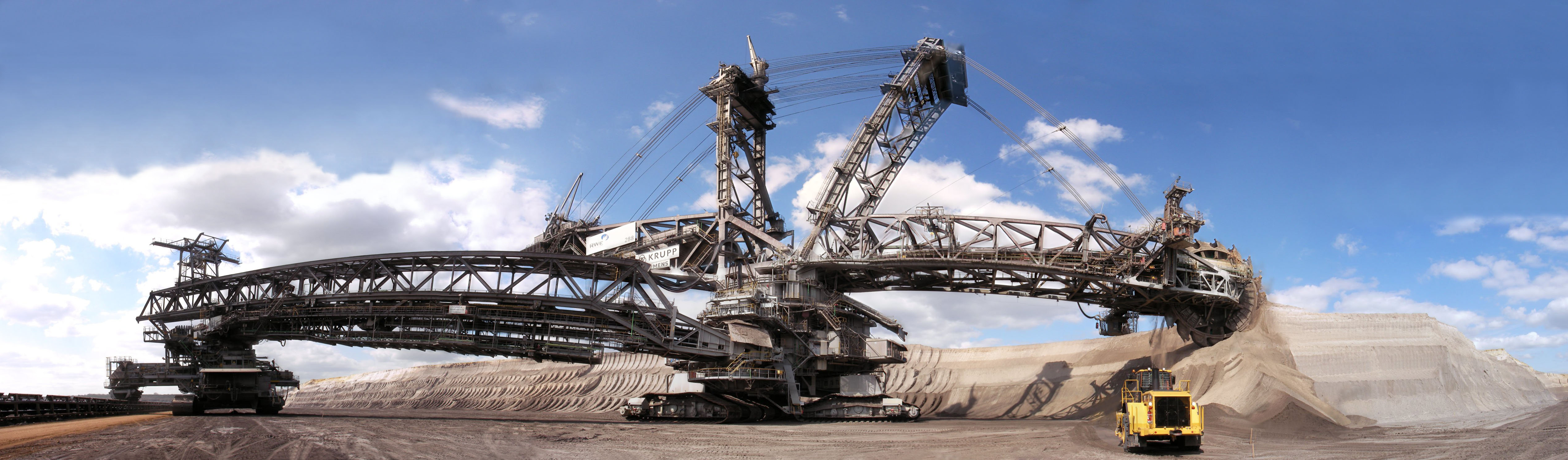
Our quest for raw materials literally reshapes the Earth. Mining extracts natural geological resources directly from the Earth's crust. A specific technique, surface mining, dramatically alters the topological structure of local landforms, turning mountains into craters and fundamentally destroying the existing ecosystem's ability to support life.
The Concrete Sponge
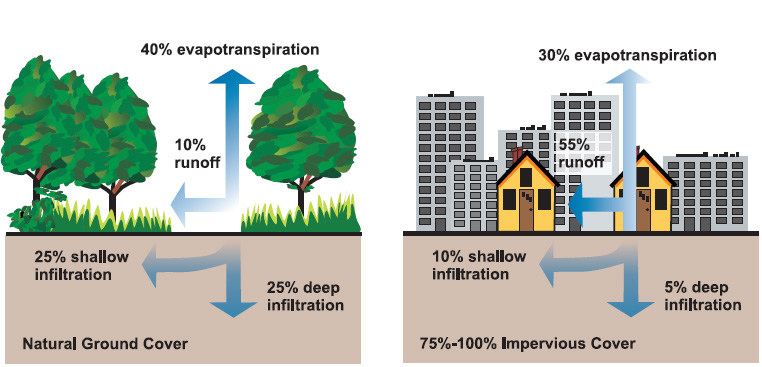
One of the most relatable impacts for a student living in a town or city is urbanization. As populations grow, cities expand—a phenomenon known as urban sprawl. Urban sprawl increases the total area of impermeable artificial surfaces, like concrete, asphalt, and rooftops.
In a natural forest, rainwater hits soft soil and slowly percolates into the underground aquifer, acting like a giant sponge. Concrete is not a sponge. Impermeable urban surfaces increase the immediate rate of stormwater runoff. Because the water has nowhere to soak in, it rushes over the concrete en masse. Therefore, increased stormwater runoff elevates the risk of localized urban flash flooding.
Critical Pedagogical Misconception: Elementary students often mistakenly believe all human environmental impacts are intentional acts.
Children often believe that pollution requires a "villain"—that someone wanted to choke the fish or flood the street. You must clarify that most environmental degradation is an unintended byproduct of human needs (like growing food or building homes). We didn't pave streets to cause floods; we paved them to drive cars. Understanding that environmental harm is usually an accidental systems-failure allows students to see that it can be solved through better systems-design.
If human activity can inadvertently destroy ecosystems, intentional human design can protect and restore them. We frame this through the lens of conservation, which involves the managed use of natural resources to prevent total depletion. Conservation is not just "leaving nature alone"; it is a highly active, scientifically managed process.
Transforming Waste
In a natural ecosystem, there is no such thing as "trash"—the waste of one organism is the fuel for another. Humans are learning to mimic this closed-loop system:
- Recycling processes convert discarded waste materials into new usable objects. By reusing raw materials, recycling reduces the total volume of waste deposited into municipal landfills, slowing the rate at which we must consume virgin land for trash storage.
- Composting involves the controlled decomposition of organic waste materials. Instead of throwing away an apple core, composting transforms household food scraps into nutrient-rich soil additives, turning what would be landfill methane into a resource for agriculture.
- At an individual level, simply utilizing reusable shopping bags reduces the accumulation of environmental plastic pollution, preventing synthetic materials from entering waterways and food chains.
Protecting Land and Water
Farmers who once watched their topsoil blow away in the wind or wash away in the rain have adopted new biological technologies. Planting cover crops reduces wind-based soil erosion on empty farmland, and similarly, planting cover crops reduces water-based soil erosion on empty farmland. By keeping the soil anchored with root networks during off-seasons, we conserve the physical land itself.
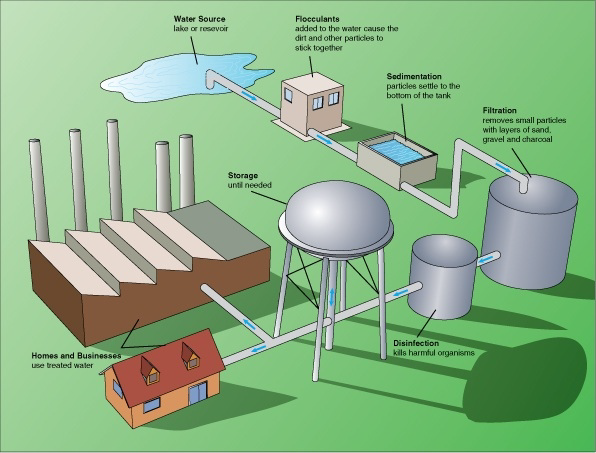
We are also engineering ways to clean our messes. Water treatment facilities extract chemical contaminants from municipal wastewater. Before sewage and urban runoff hit the river, these facilities use biological and chemical filters to scrub the liquid, ensuring that water treatment facilities release purified wastewater back into natural aquatic environments.
Rethinking Energy
Finally, we must address how we power the human machine. Because burning fossil fuels drives atmospheric pollution, engineers have developed technologies to harvest energy directly from our most abundant source: the sun. Solar panels generate usable electricity without emitting atmospheric greenhouse gases. They allow us to meet human survival and societal needs without triggering the unintended consequences that threaten the broader Earth system.
The Teacher's Perspective
When you step into your classroom, remember that you are not just teaching a list of vocabulary words. You are handing your students the operating manual for Spaceship Earth. By understanding the rigorous boundaries of organism needs, the mechanics of severe weather, and the profound, cascading impacts of human design, your students will learn that they are not mere passengers on this planet. They are its future engineers, stewards, and architects.