Plant and Animal Structures and Life Cycles
Not sure you’re ready?
Take the ~3-minute readiness diagnostic and see where you stand.
If you pull a common weed from a garden, you are holding a masterclass in physical and biological engineering. Every ridge on its stem, every microscopic hair on its leaves, and every branching fiber of its root system is a specific, evolved solution to a problem of survival. In the elementary classroom, biology is often mistakenly reduced to a static vocabulary list—memorizing parts on a diagram. But life is not static; it is a relentless, dynamic process of solving the problems of staying alive, securing energy, and ensuring the next generation exists. To teach life science effectively, you must guide your students to see plants and animals not as passive objects, but as active problem-solvers. Every structure has a function, every behavior has a purpose, and every life cycle is a rhythmic engine driving the continuation of a species.
A fundamental axiom of biology is that all living organisms possess internal and external structures that function to support survival. Everything an organism is built of, inside and out, is a tool for interacting with its environment. In the classroom, this is where you transition students from asking "What is this part called?" to asking "What job does this part do?"
The Silent Machinery of Plants
Children are highly attuned to the movements and adaptations of animals. Because a dog runs and a bird flies, it is easy for a child to see how an animal "does" things. Consequently, a common student misconception is the belief that only animals possess adaptive structures for survival. To a child, a plant is just part of the scenery. Your instructional task is to reveal the invisible, highly active work that plants are doing at all times.
Consider the anatomy of a plant as a factory specifically designed to capture the sun and mine the earth:
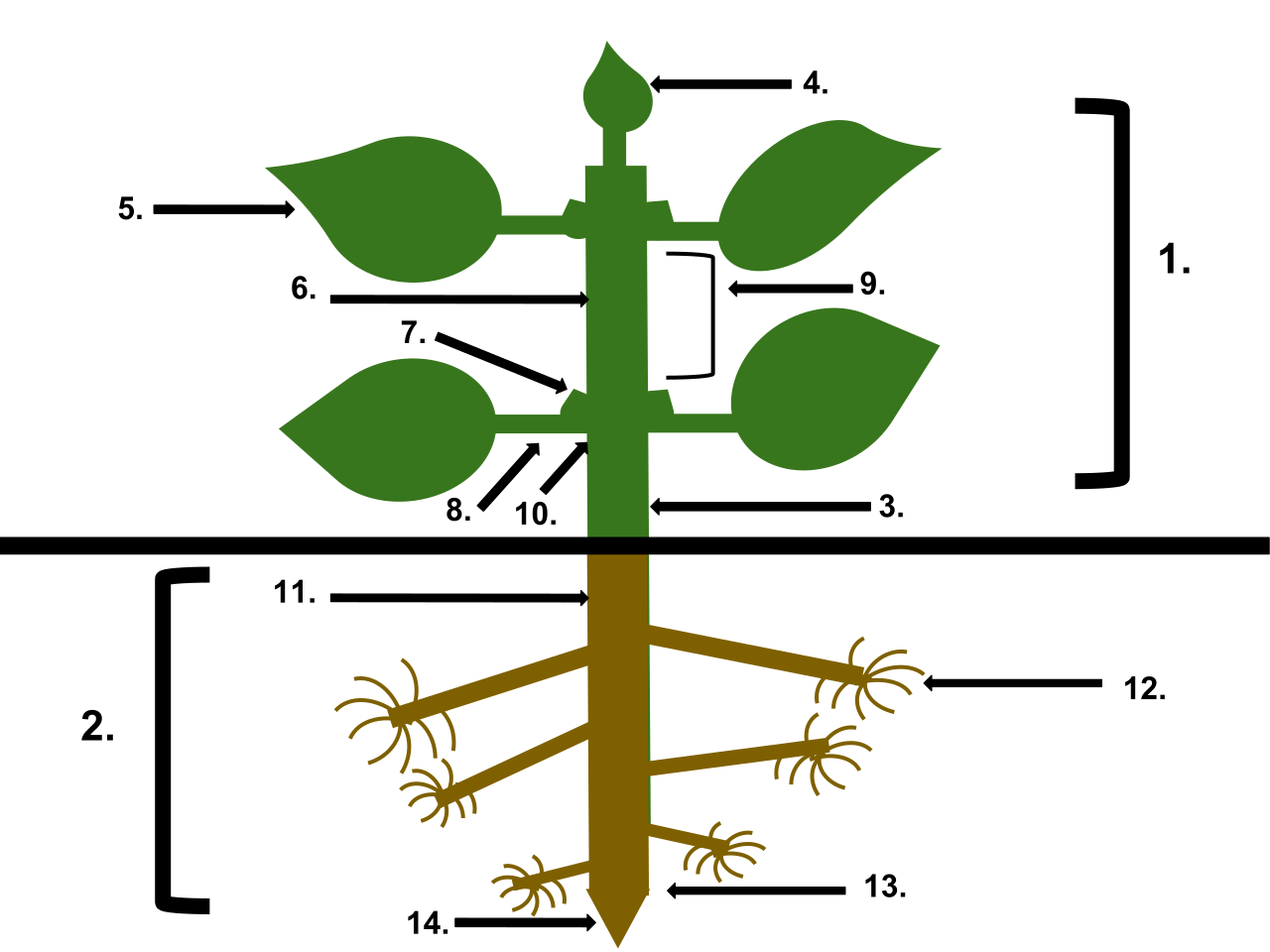
- Plant roots are specialized external structures that do double duty. First, they serve as structural anchors to hold the plant firmly in the ground against wind and rain. Simultaneously, they relentlessly mine the darkness, acting as external structures that absorb water from the soil.
- Moving upward, plant stems are structures that physically support leaves and flowers, holding them aloft like solar panels and satellite dishes. But internally, they are bustling highways. Plant stems contain vascular tissues that transport water and nutrients throughout the organism, defying gravity to pull moisture from the roots to the highest canopy.
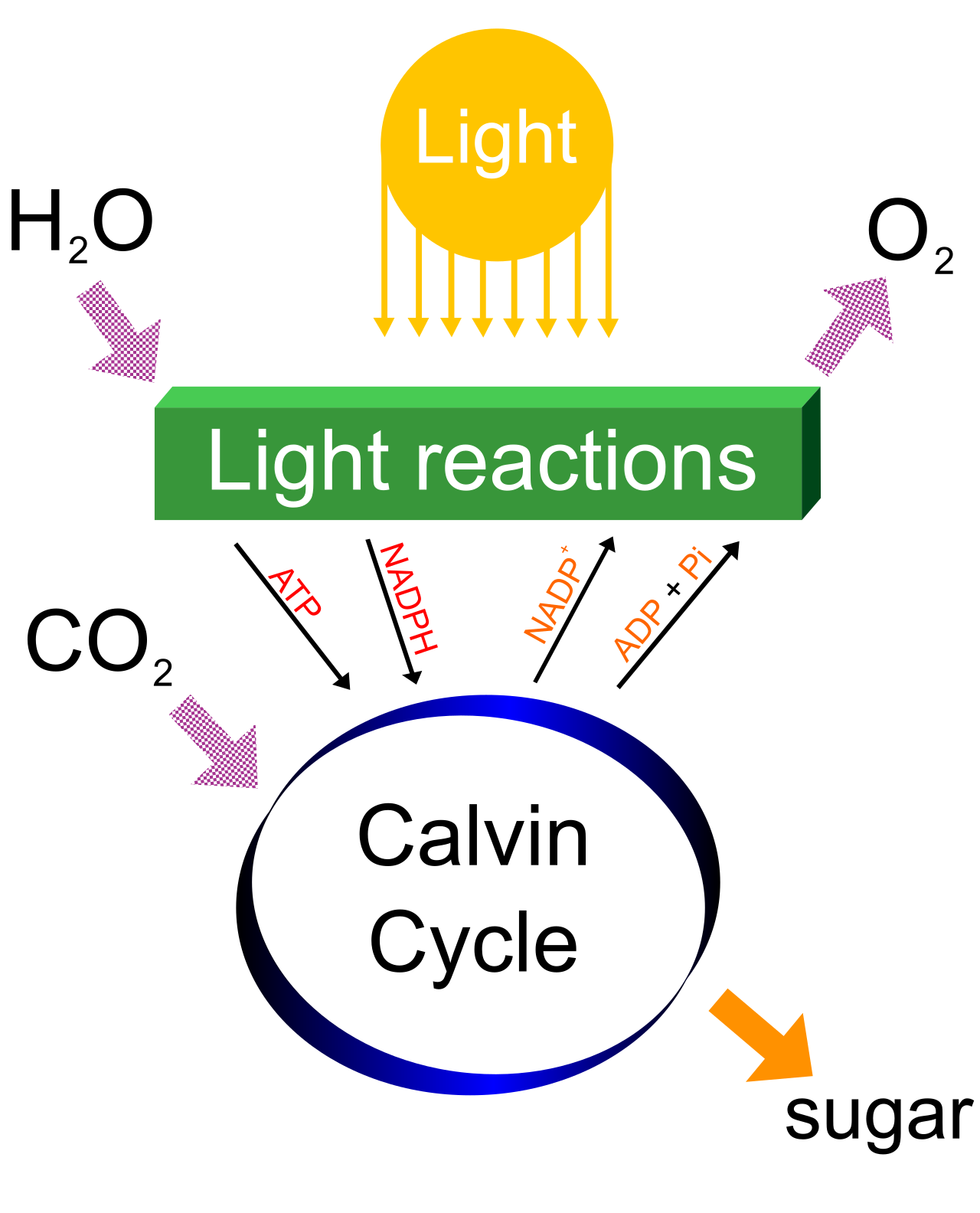
- At the end of these stems sit the leaves, which are external plant structures primarily responsible for capturing sunlight for photosynthesis. They are the solar forges where the plant manufactures its own food.
Furthermore, plants must actively defend themselves and protect their fragile interior machinery. Bark is a tough external plant structure that protects the inner tissues from physical damage, weather, and infection. When passive defense is not enough, plants arm themselves. Thorns are external plant structures adapted to deter herbivores from eating the plant. When a student realizes a rose bush has thorns for the exact same reason a porcupine has quills, the misconception that plants are passive scenery shatters.
Animal Toolkits: Navigation, Consumption, and Evasion
Just as plants possess physical tools, animal anatomy is a showcase of functional engineering. Animal structures support specific behaviors required for finding food or escaping predators.
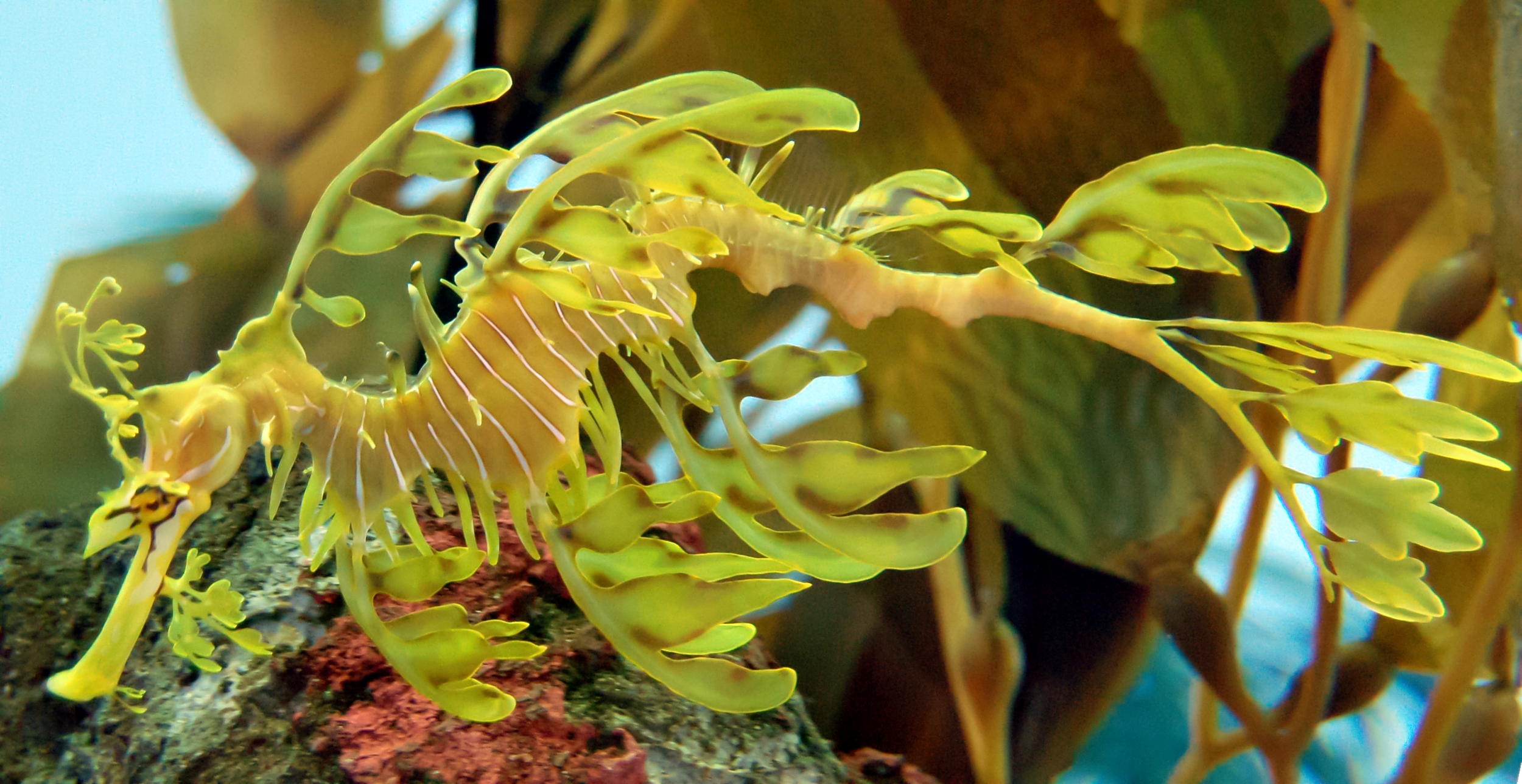
Consider how animals interact with the physical world to avoid becoming a meal. Animal shells are external structures that provide intense physical protection from predators—a portable fortress. Conversely, camouflage is a structural adaptation that allows animals to blend into their surrounding environment, rendering them practically invisible. Both structures solve the exact same survival problem, just through radically different engineering.
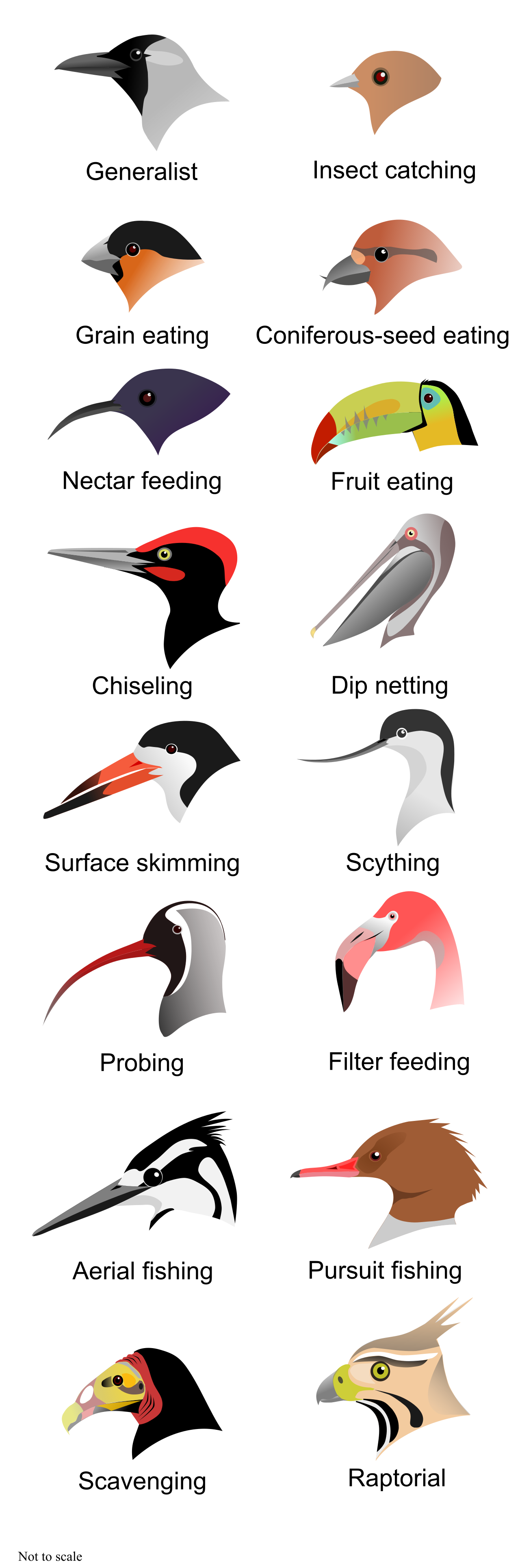
When it comes to securing energy, form matches the food. A bird beak is an external structure whose specific shape is adapted to the bird's primary food source. A hawk’s hooked beak is a pair of meat shears; a hummingbird’s long, needle-like beak is a specialized straw for nectar; a finch’s thick beak is a pair of heavy-duty nutcrackers.
For animals, breathing—the extraction of oxygen for cellular respiration—requires vastly different structures depending on the medium they inhabit:
- Fish gills are internal structures specialized for extracting dissolved oxygen from water.
- Conversely, lungs are internal structures in terrestrial animals responsible for exchanging gases with the atmosphere.
Teaching Tip: When asking students to argue that structures support behavior, do not let them separate the body from the action. An eagle cannot exhibit hunting behavior without the sensory organs to see a mouse, the brain to calculate the dive, and the talons to capture the prey.
To orchestrate these behaviors, an organism needs an information-processing system. Internal sensory organs detect environmental signals—eyes capturing light, ears sensing vibration, noses detecting chemical signatures. But data without processing is useless. The brain is an internal animal structure that processes information received from sensory organs, allowing the animal to make split-second decisions that dictate its survival.
Survival of the individual is only half the biological equation. If an organism lives a long, healthy life but leaves no offspring, its genetic line ends. Therefore, living organisms possess internal and external structures that facilitate reproduction.
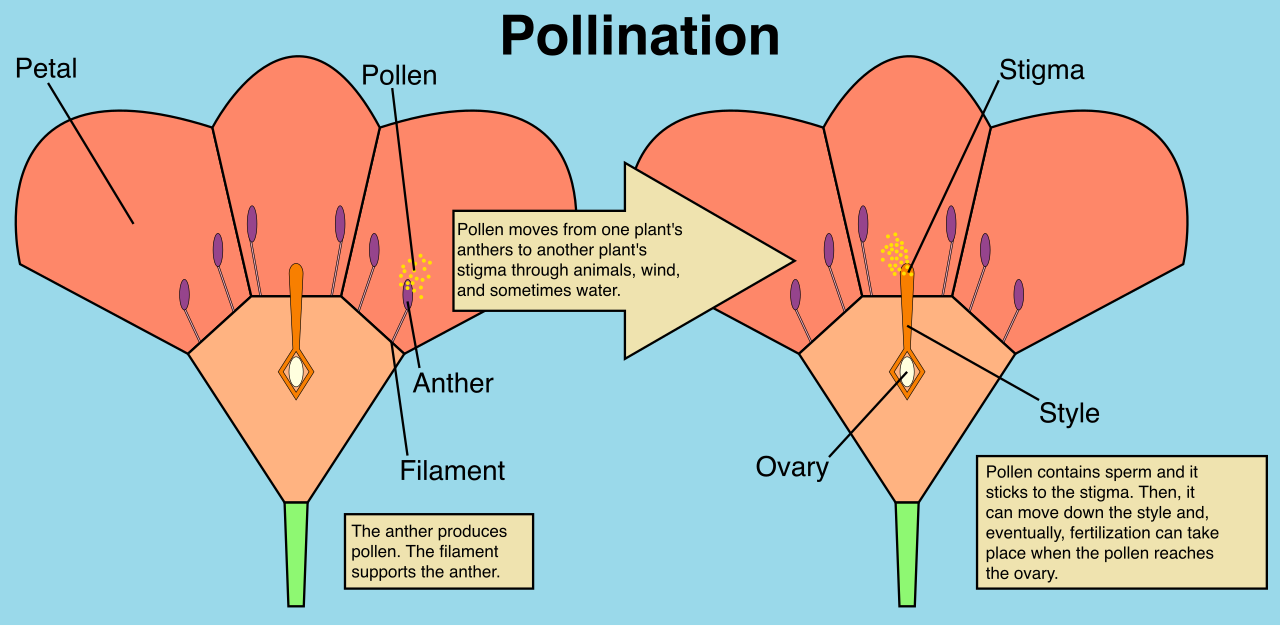
In the plant kingdom, the structures of reproduction are brightly advertised or cleverly hidden. Flowers are external plant structures containing the reproductive organs of angiosperms (flowering plants), often utilizing bright colors or sweet nectar to bribe insects into aiding their reproduction. In contrast, cones are the reproductive structures of gymnosperm plants (like pine trees), utilizing the wind and hardy geometry to protect and distribute their seeds.
Parenting: Behaviors That Defy the Odds
Once offspring are created, the overwhelming challenge is keeping them alive in a hostile world. Many animal species exhibit specific parenting behaviors designed to increase offspring survival rates. In your classroom, mapping these behaviors allows students to see patterns in how species protect their young when they are most vulnerable.
Some animals engineer secure environments. Many bird species construct nests to shield eggs and hatchlings from predators. Beyond physical protection from a hungry snake, bird nests provide thermal insulation to protect offspring from extreme weather conditions.
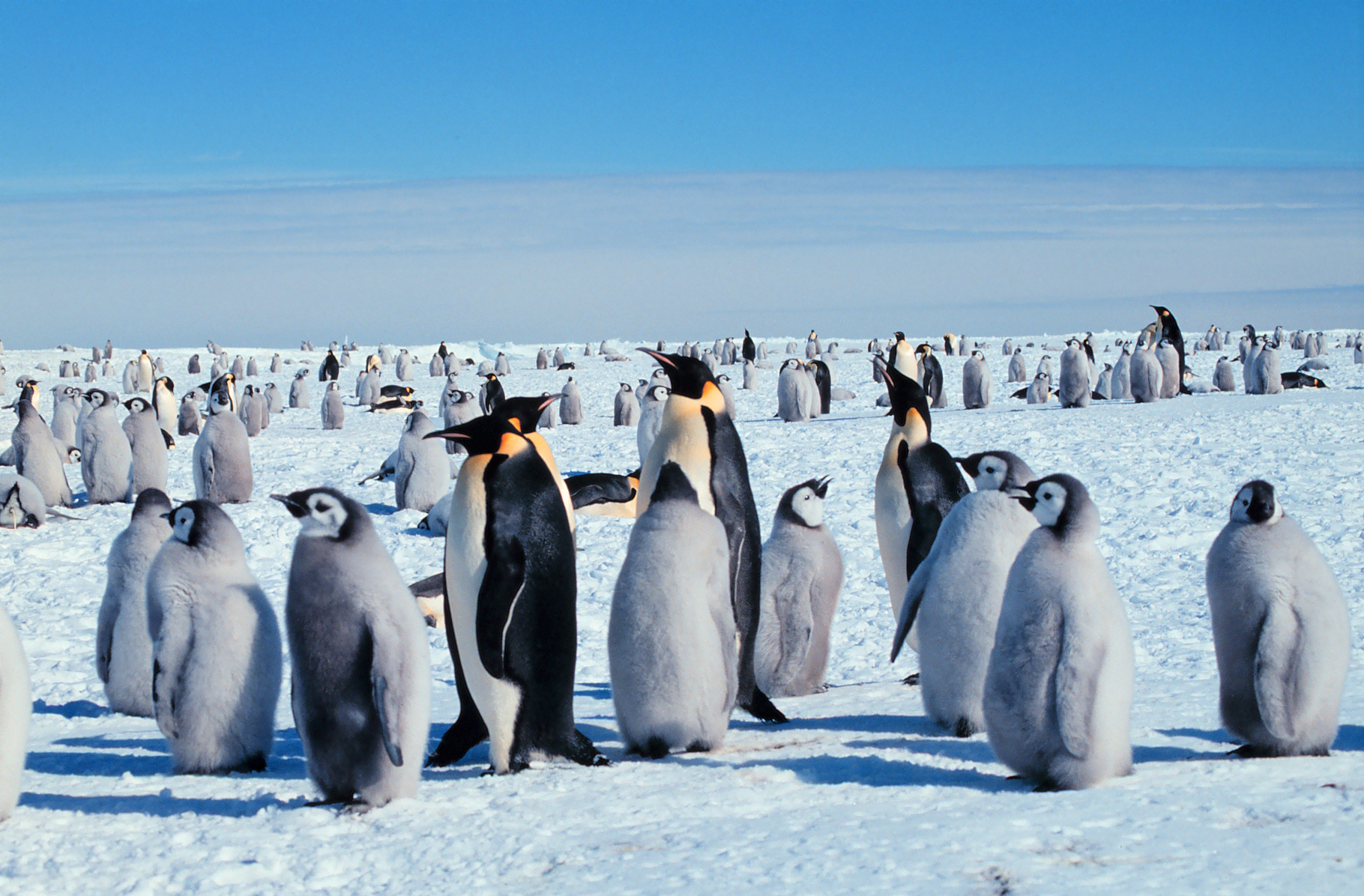
In extreme environments, the parents themselves become the insulation. Emperor penguin parents huddle around their chicks to provide body heat in freezing environments. It is a behavioral adaptation strictly dedicated to the thermal survival of the next generation.
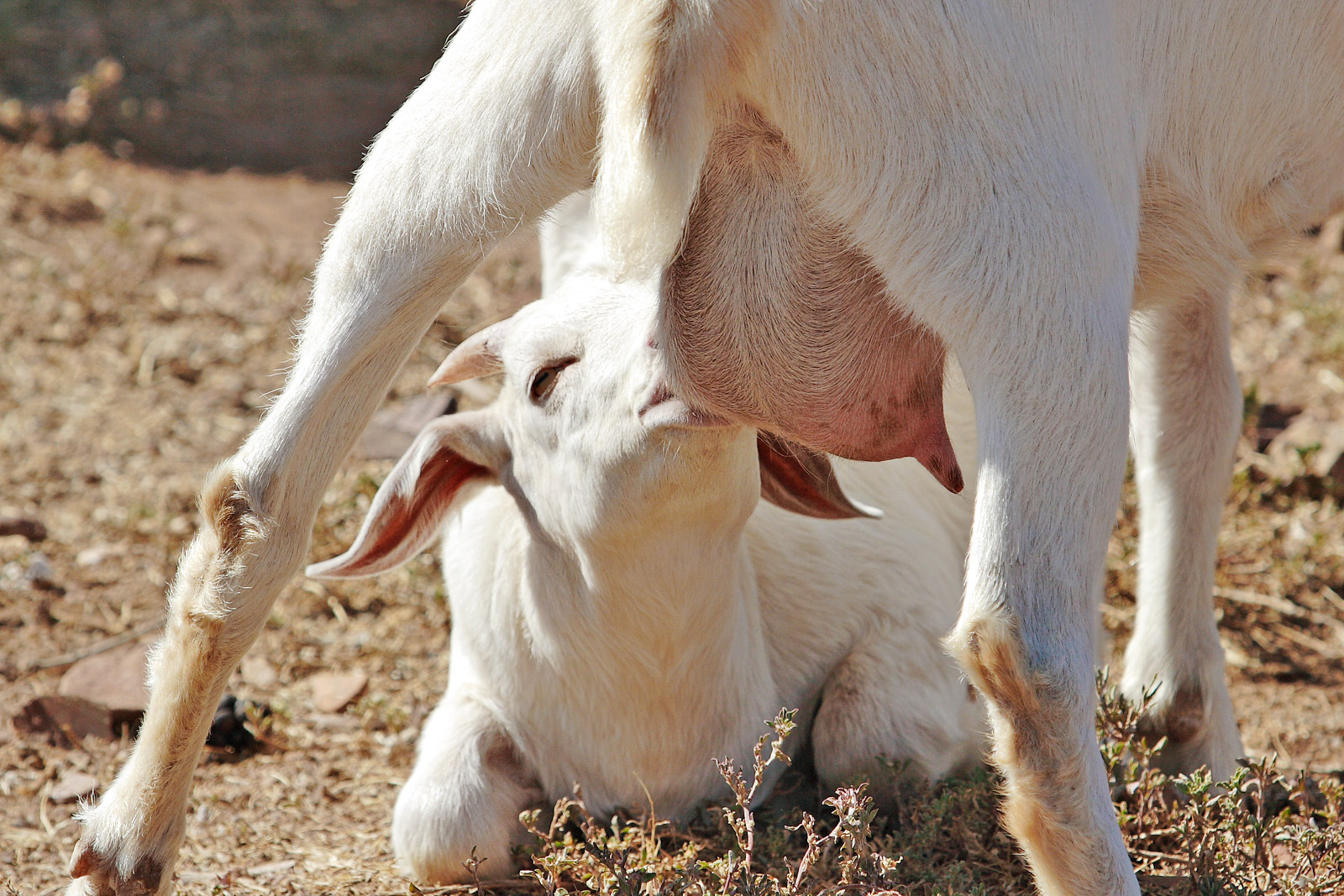
Nutrition is another massive hurdle. Mammalian mothers produce milk to provide essential nutrients to newborn offspring, an incredible biological investment where the mother’s own body synthesizes the perfect, specialized food for her young. Communication plays a vital role here as well; offspring of many animal species vocalize to signal hunger to the parents, creating an auditory feedback loop that triggers maternal or paternal feeding behaviors.
Finally, some survival skills must be taught. Adult cheetahs bring live prey to their cubs to teach the cubs hunting skills. The parent behaves as a scaffold, providing a safe, controlled environment for the offspring to practice the behaviors they will need to survive on their own.
Every organism, no matter how brilliantly adapted, operates on a biological timer. A biological life cycle encompasses the developmental stages an organism passes through during its lifetime.
When teaching this, you must ground your students in the absolute constants. The universal stages of every biological life cycle are birth, growth, reproduction, and death.
Pedagogical Warning: A common elementary student misconception is failing to recognize death as a natural stage of the biological life cycle. Textbooks and classroom activities often draw a circle connecting an adult back to a baby, inadvertently implying that the adult turns into the baby, or simply omitting death entirely to spare children’s feelings. As a teacher, you must gently but scientifically model that death is the inevitable conclusion of an individual's cycle, making the reproductive stage critical.
The Elasticity of Time
While the stages are universal, life cycles vary significantly in duration and specific stages among different species.
Students sometimes mistakenly believe that an organism's life cycle must take a long time. Because children view time through the lens of human years, they assume all animals live for decades. You must stretch their understanding of time in both directions:
- On the fleeting end of the spectrum, the adult lifespan of some mayfly species lasts for only a single day. Their entire adult existence is a frantic, 24-hour dash strictly for reproduction.
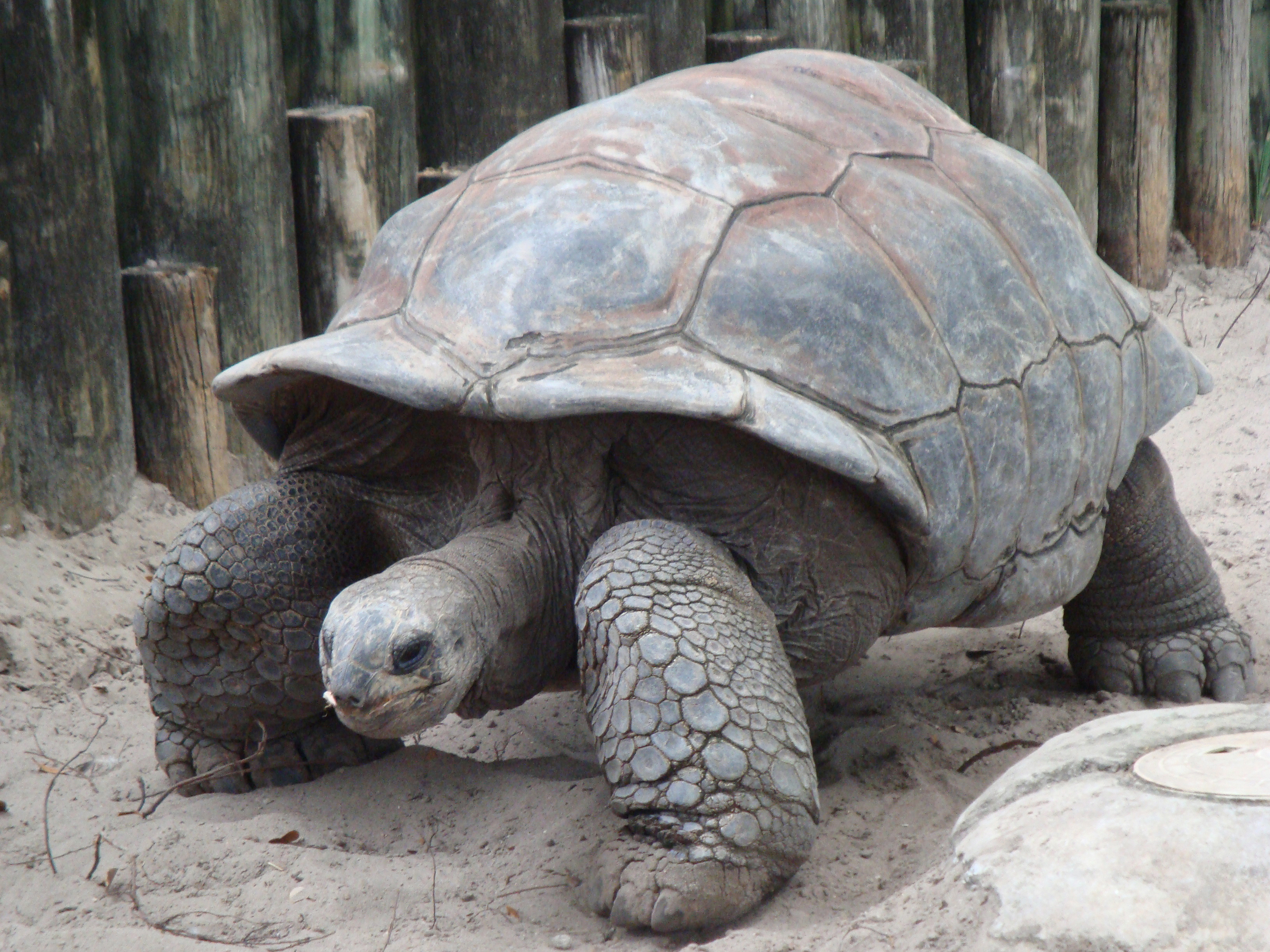
- On the expansive end, some species of giant tortoises have life cycles spanning well over one hundred years.
The journey from birth to adult is rarely a straight line of simple "getting bigger." Many organisms undergo profound transformations, literally rebuilding their internal and external structures to suit different life stages.
Metamorphosis in the Animal Kingdom
In the insect world, life cycles are categorized by how radically the organism changes.
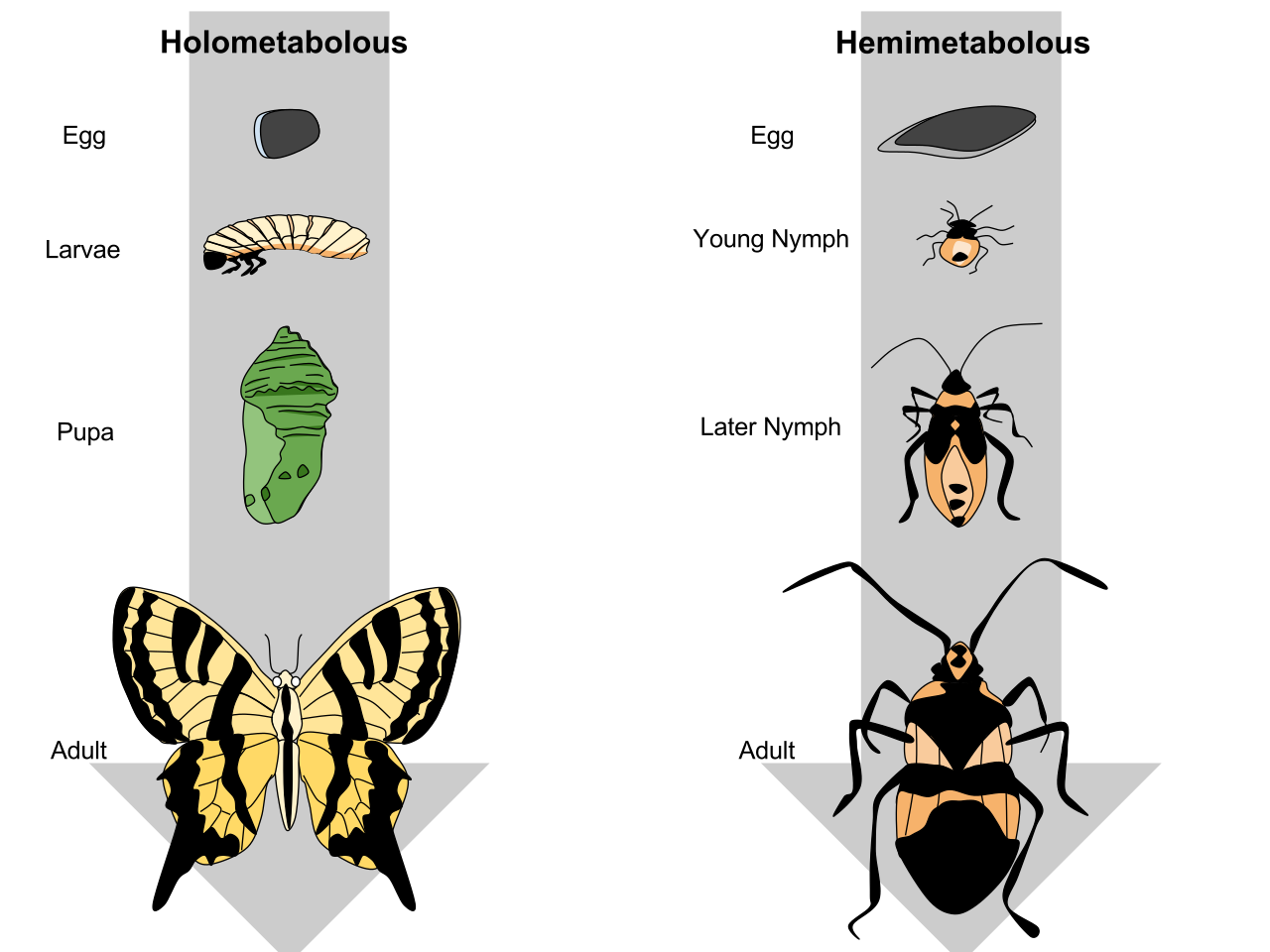
The life cycle of a butterfly involves four distinct stages known as complete metamorphosis. This process is characterized by total biological reconstruction; complete metamorphosis involves a drastic anatomical change between the larval stage and the adult stage. A caterpillar (larva) does not look, act, or eat like a butterfly (adult). The four stages of a butterfly life cycle are egg, larva, pupa, and adult.
Conversely, incomplete metamorphosis consists of three life stages: egg, nymph, and adult. In this cycle, the nymph hatches looking like a miniature, slightly unformed version of the adult, gradually molting and growing wings. A grasshopper is an example of an insect that undergoes incomplete metamorphosis.
| Feature | Complete Metamorphosis | Incomplete Metamorphosis |
|---|---|---|
| Number of Stages | 4 | 3 |
| Stages | Egg, Larva, Pupa, Adult | Egg, Nymph, Adult |
| Anatomical Change | Drastic, total reconstruction | Gradual scaling and maturation |
| Example Organism | Butterfly | Grasshopper |
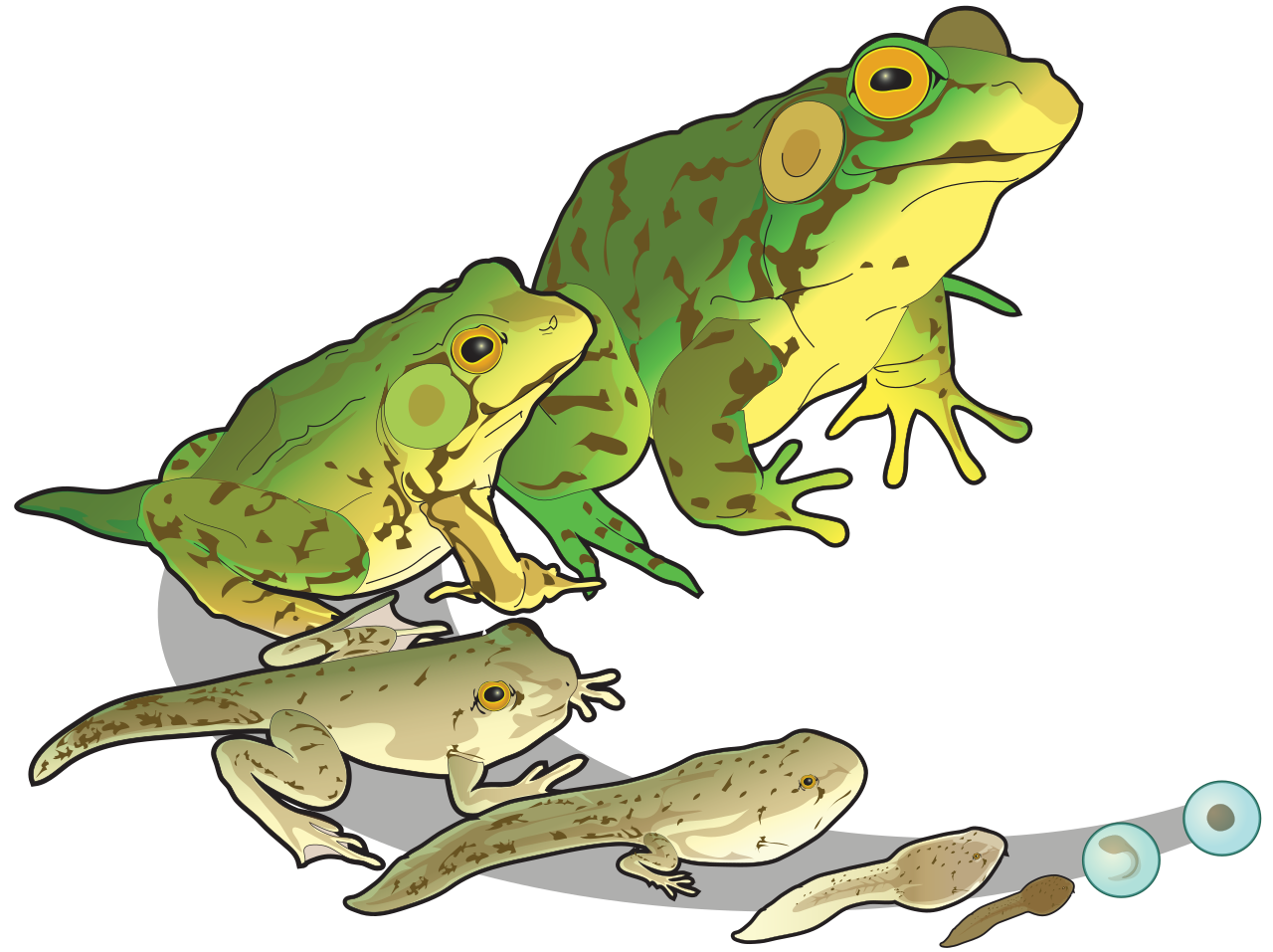
Amphibians undergo their own spectacular metamorphosis, often bridging two entirely different environments. The life cycle of a frog includes an aquatic tadpole stage with gills. During this stage, the frog operates essentially as a fish. But as it matures, internal structures are dismantled and rebuilt: adult frogs possess lungs for breathing atmospheric air, alongside powerful legs adapted for terrestrial movement. The life cycle demands completely different survival structures at different stages.
Mammalian Exceptions
While insects and amphibians undergo massive structural changes, mammals generally follow a more direct path of growth. Most mammal species give birth to live young. However, biology is full of rule-breakers. Monotremes are a unique group of mammals that lay eggs. The platypus and echidna remind students that biological categories are human attempts to organize nature, and nature occasionally colors outside the lines.
_Scottsdale.jpg)
The Varied Origins of Plant Life
Plant life cycles also possess incredible diversity. The life cycle of a flowering plant typically begins with the germination of a seed. As the plant matures, it requires an external mechanism to mix genetics. Pollination is a necessary event for sexual reproduction in flowering plants, often requiring the wind or animal pollinators to move pollen from one flower to another.
However, because students plant lima beans in paper cups in early grades, a conceptual rigidity sets in. Students often incorrectly assume that all plants grow exclusively from seeds. You must deliberately introduce them to the rest of the botanical world:
- Ferns and mosses reproduce by releasing spores, utilizing an ancient evolutionary strategy entirely distinct from seed production.
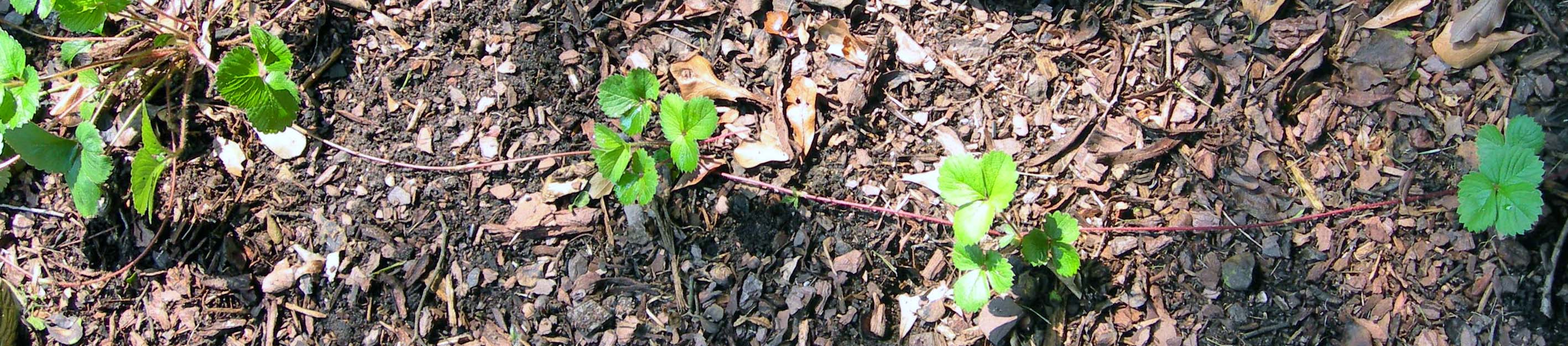
- Furthermore, not all plants require sexual reproduction to spread. Some plants can reproduce vegetatively from cuttings or runners. A strawberry plant sending out a runner to clone itself, or a piece of a succulent falling off and rooting into a new plant, proves that life finds multiple pathways to continuity.
Why does any of this matter for a future teacher? Because teaching plant and animal life cycles requires emphasizing the cyclic nature of species survival.
When you teach your students about the hook of an eagle's beak, the desperate huddle of emperor penguins, or the fleeting, one-day life of a mayfly, you are teaching them about biological economics. The individual organism uses its structures to buy time. It buys enough time against predators, starvation, and weather to reach maturity.
But individual survival always has an expiration date. Reproduction ensures the continuation of a species despite the eventual death of individual organisms. That is the profound, beautiful truth of biology you must impart. Every structure, every learned behavior, and every complex stage of metamorphosis exists so that life can throw its genetic material forward into the future, ensuring the cycle begins again.