Ecosystems and Energy Transfer
Not sure you’re ready?
Take the ~3-minute readiness diagnostic and see where you stand.
A third-grade student places a potted bean plant on the classroom windowsill, waters it diligently, and waits for it to "eat" the dirt just as a dog eats kibble from a bowl. Weeks later, the soil level remains exactly the same, yet the plant has doubled in size. To teach elementary science is to stand at the intersection of a child’s intuition and the profound mechanical truths of nature. Children observe the world constantly, building internal models of how life works. Often, those models are brilliantly logical, yet fundamentally flawed.
To correct these misconceptions, an educator must master not just the biological facts, but the architecture of the concepts themselves. We must look at an ecosystem—which consists of all living and nonliving things interacting in a specific area—and dismantle it into its component gears. Living organisms depend heavily on the nonliving components of the ecosystem for survival; without the foundational nonliving trio of air, water, and soil, life simply cannot operate.
Let us examine the invisible engines of the natural world, the interdependent relationships that bind organisms together, and the cognitive leaps your students must make to understand the flow of energy and matter.
If you ask an eight-year-old what a plant eats, the almost universal answer is "dirt." This is arguably the most pervasive misconception in elementary biology: the belief that plants obtain their food directly from the soil. Because children see us placing plants in soil and adding fertilizer, they naturally equate soil with food.
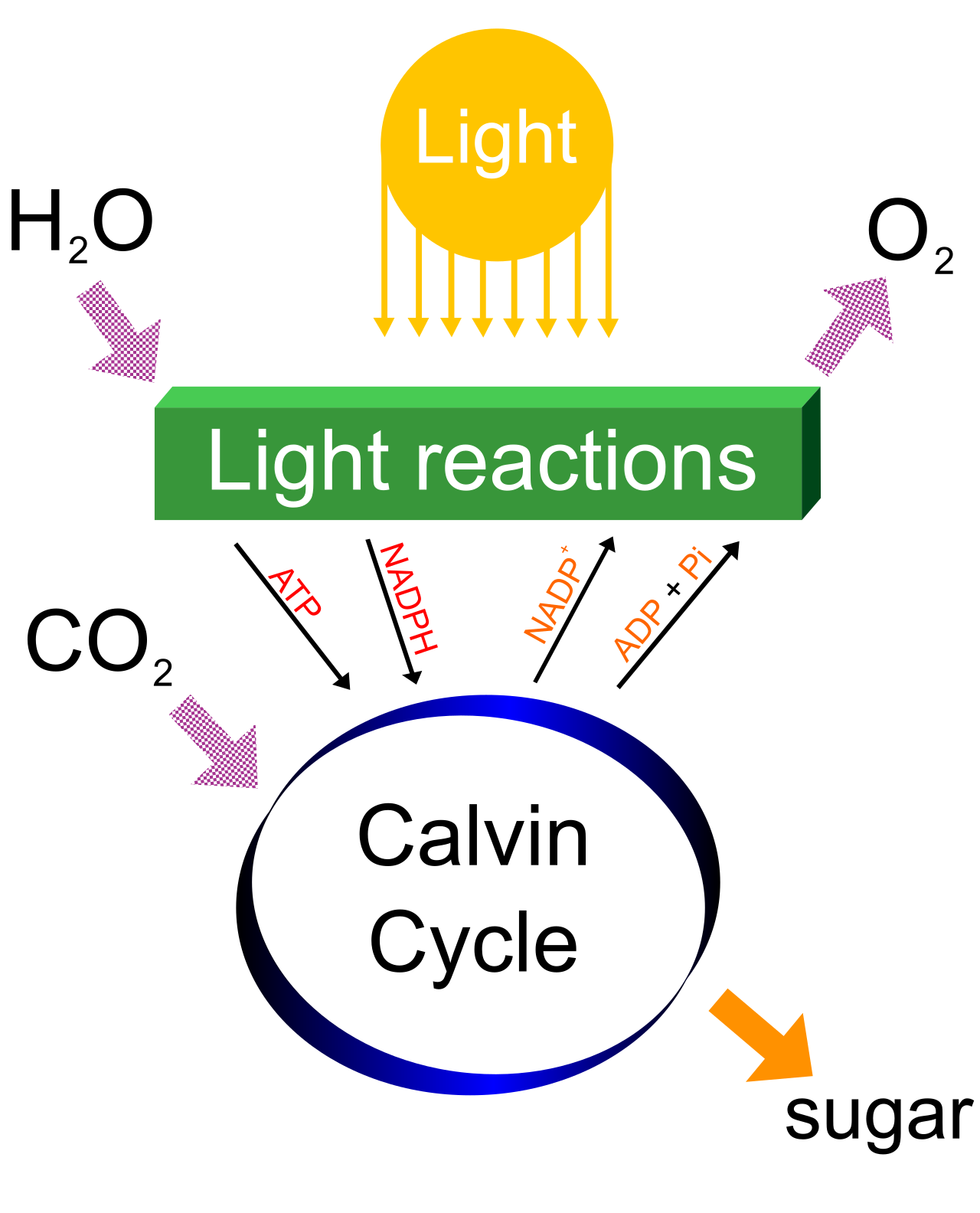
To teach the biology of plants, we must dismantle this assumption. Plants are highly self-sufficient chemical factories. To grow, plants require water, plants require sunlight, and plants take in carbon dioxide from the air. By combining these three ingredients, plants use sunlight, water, and air to create their own food.
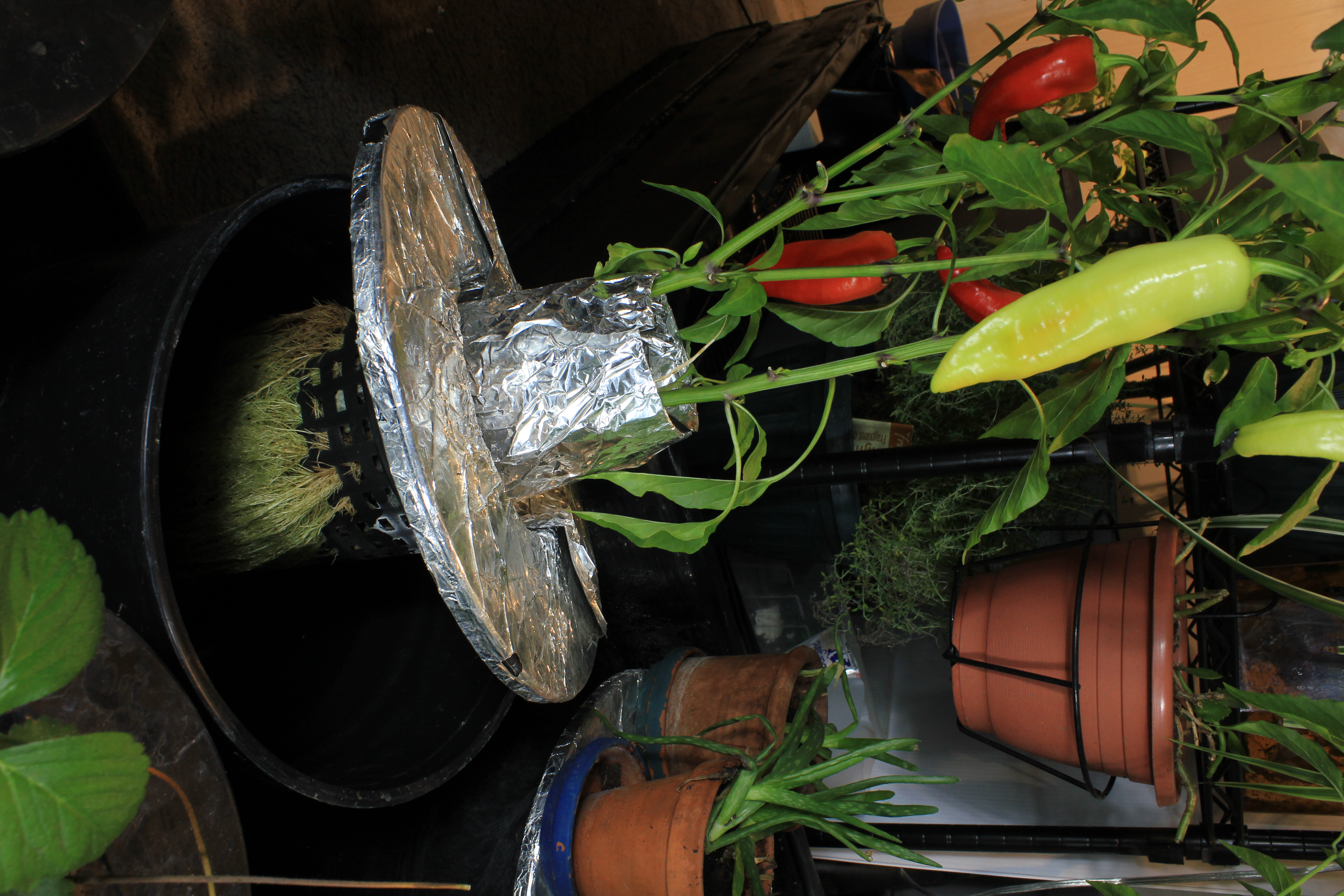
How do we prove to a skeptical student that soil is merely a structural anchor and a reservoir, not the food itself? We remove it from the equation. Plants can grow entirely without soil if water and necessary nutrients are provided. The process of growing plants in water without soil is called hydroponics. Showing students a thriving hydroponic root system suspended purely in nutrient-rich water is a definitive pedagogical tool for shattering the "soil is food" misconception.
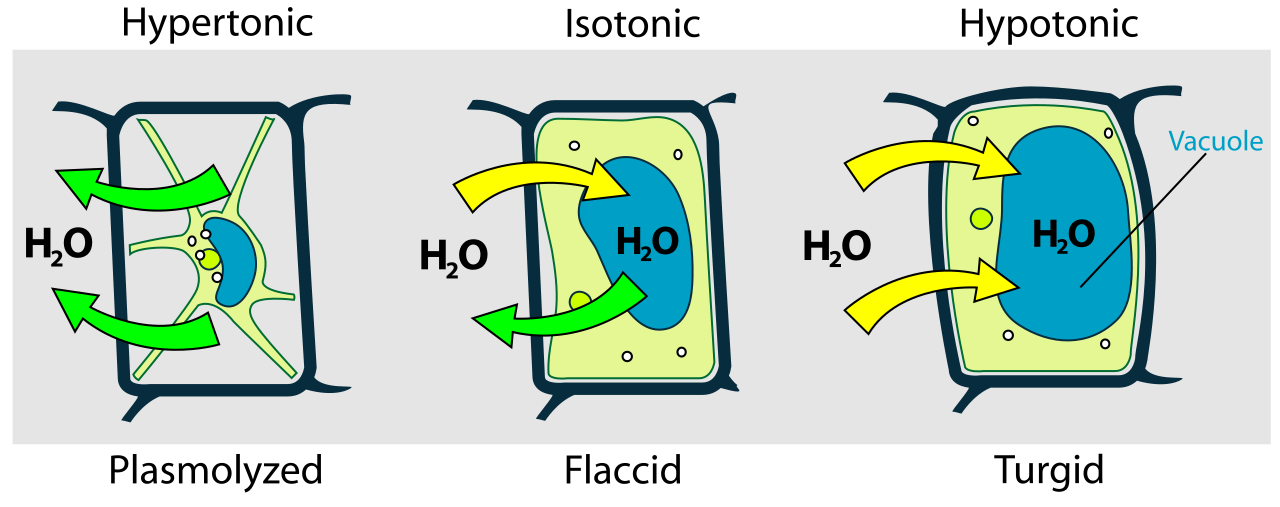
As a teacher, you must also guide students to investigate whether plants need sunlight and water to grow by observing physical symptoms of distress. Plants communicate their deficits clearly if you know how to read them:
- Yellowing leaves often indicate a plant is not receiving enough sunlight. Without adequate light, the plant's chlorophyll-producing machinery slows down, draining the green color.
- Wilting leaves typically indicate a plant is not receiving enough water. Plant cells rely on internal water pressure to remain rigid and upright.
Plants have a fundamental evolutionary problem: they are rooted to the ground. They cannot walk across a meadow to find a mate, nor can they walk their offspring to a safe new home. Because of this immobility, they must outsource their transportation.
This introduces the concept of interdependent relationships, which occur when multiple species rely on each other for survival.
Pollination
Pollination is the transfer of pollen from the male part of a flower to the female part. Because they cannot move, many plants depend on animals for pollination. Bees and butterflies are common animal pollinators that operate essentially as flying couriers.
But animals do not pollinate plants out of charity. The mutually beneficial relationship between a pollinating bee and a nectar-producing flower is a classic example of interdependence. The plant must entice the courier. To do this:
- Animals are attracted to flowers by sugary nectar (the caloric reward).
- Animals are attracted to flowers by brightly colored petals (the visual billboard).
- Animals are attracted to flowers by strong scents (the chemical beacon).
When the animal lands to feed, the mechanics of pollination take over. Pollen sticks to the bodies of animals while the animals feed on flower nectar. When the animal finishes feeding and flies away, the animal deposits pollen onto a new flower when moving between plants.
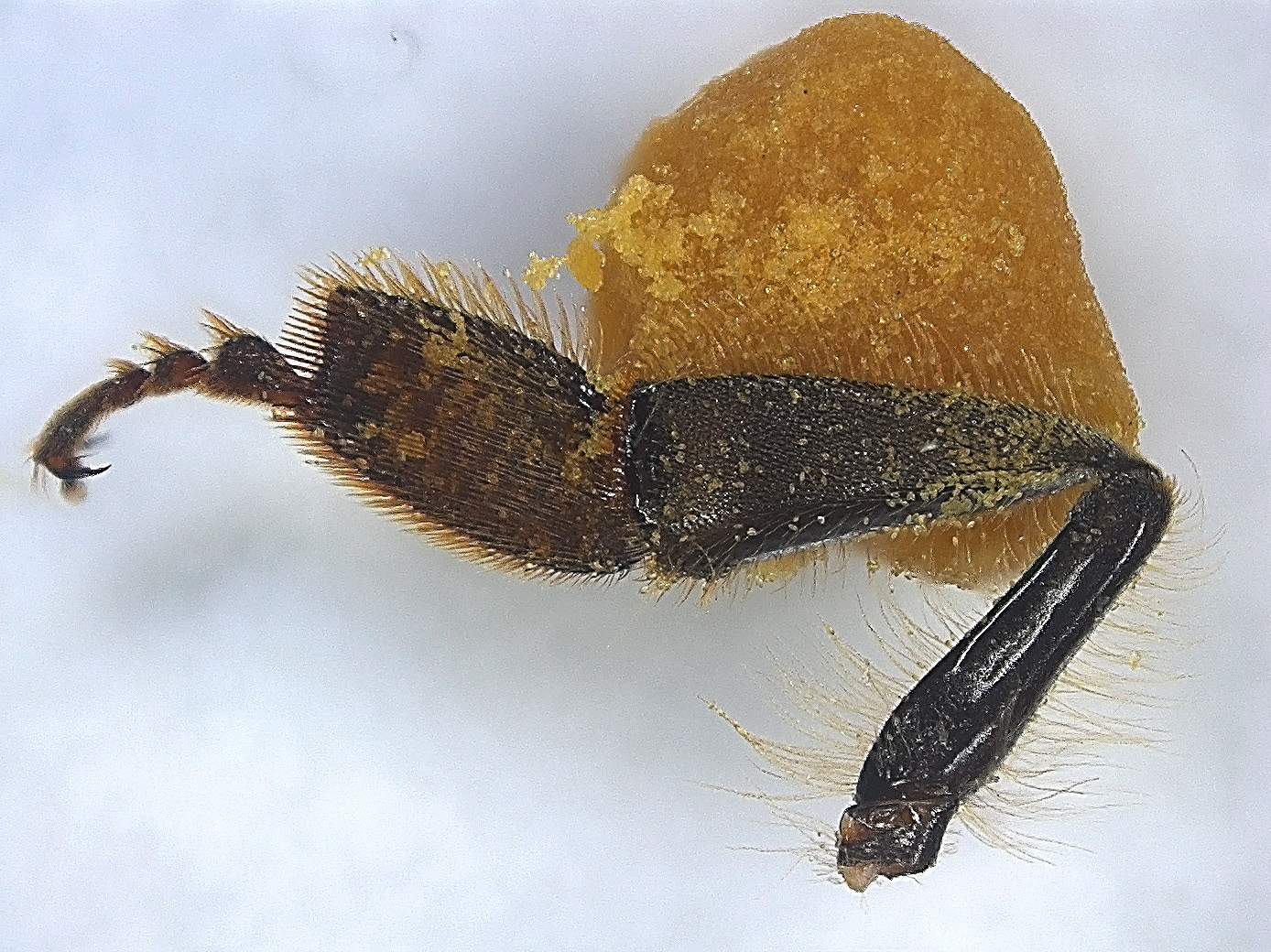
Teaching Application: Mimicking Pollination To help students visualize this invisible process, elementary students can mimic pollination by using fuzzy pipe cleaners to transfer colored powder between paper flowers. The pipe cleaner represents the hairy legs of a bee; the colored powder is the pollen. As they "fly" their pipe cleaners from one paper flower to the next, they immediately see how cross-contamination occurs by design.
Seed Dispersal
Once pollination is successful and a seed forms, the plant faces its second problem: eviction. Seed dispersal is the movement of seeds away from the parent plant.
Why must the seed leave? Because moving seeds away from the parent plant reduces competition for sunlight and water. If a massive oak tree drops all its acorns directly beneath its own canopy, the seedlings will be starved of light and choked of water by their own mother.
Nature utilizes both living and nonliving transport systems for this:
- Wind can disperse lightweight seeds (like dandelion tufts) over long distances.
- Water can disperse buoyant seeds like coconuts over long distances across oceans.
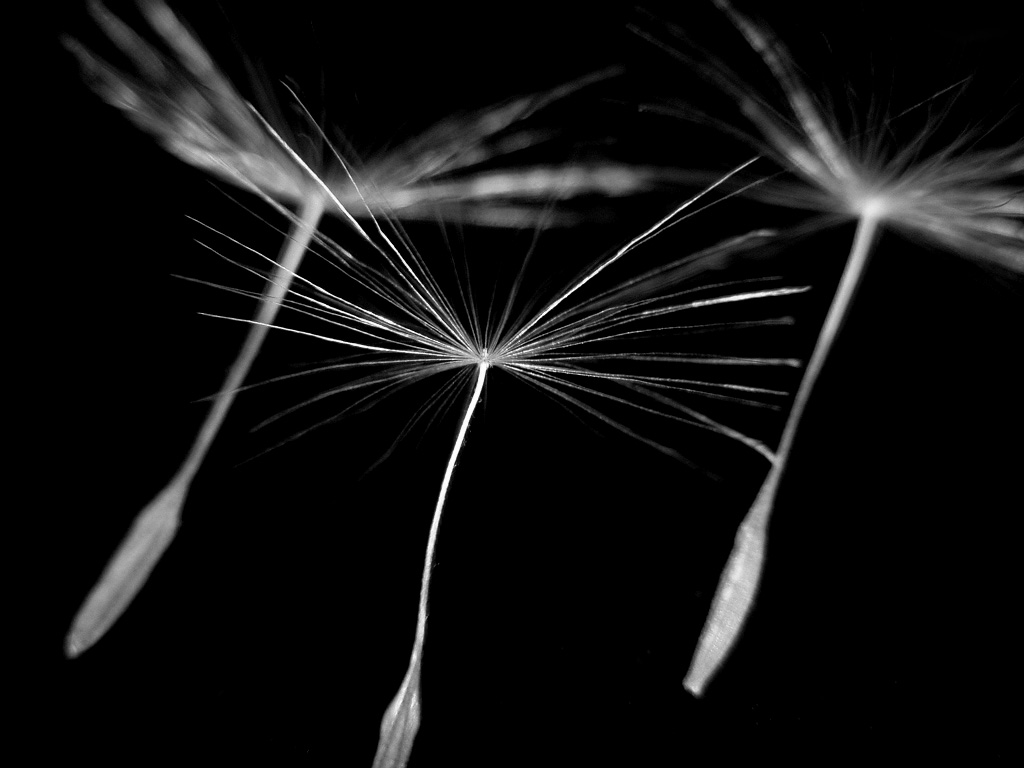
However, animals remain the most sophisticated transport mechanisms, utilized in two distinct ways:
1. Internal Transport (The Digestive Route) Some seeds are enclosed in sweet fruit to encourage animals to eat the fruit. The plant is paying for transportation with a sugar-rich meal. The seeds eaten by animals pass through the animal digestive tract unharmed due to tough outer coatings. Eventually, the seeds eaten by animals are deposited in a new location through animal feces, which conveniently acts as a ready-made fertilizer packet.
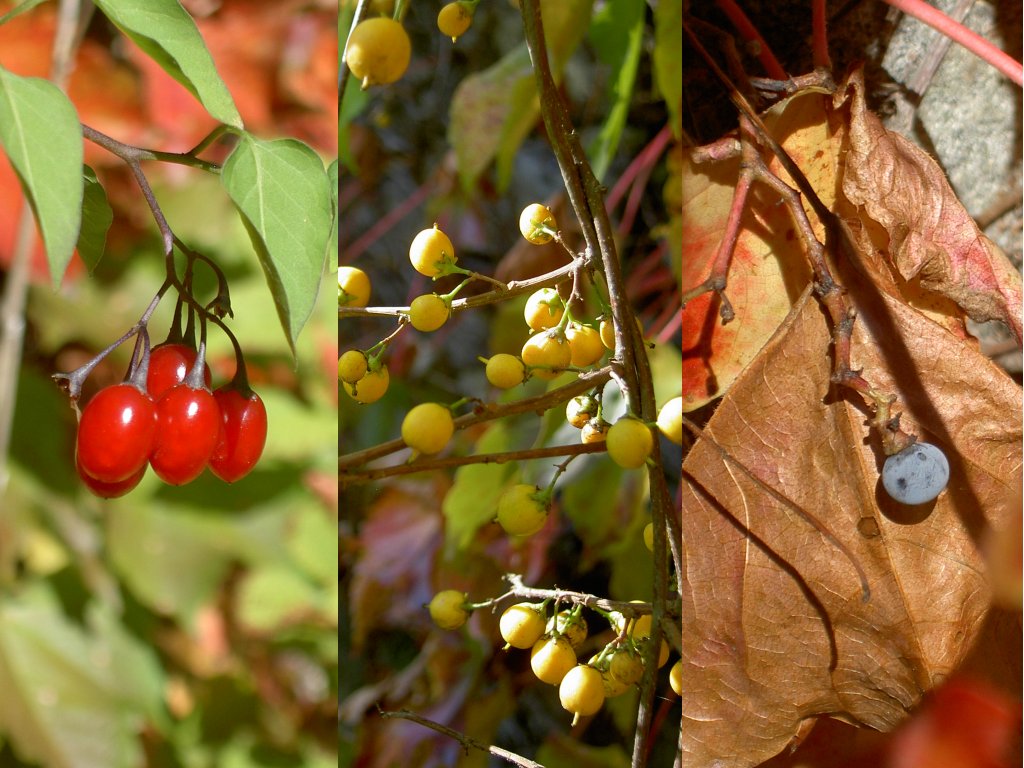
2. External Transport (The Hitchhiker Route) Some plant seeds have tiny hook-like structures. These hook-like structures on seeds allow the seeds to attach to animal fur for transportation. The animal brushes against the plant, the burr catches on a passing leg, and it falls off miles away when the animal scratches itself.
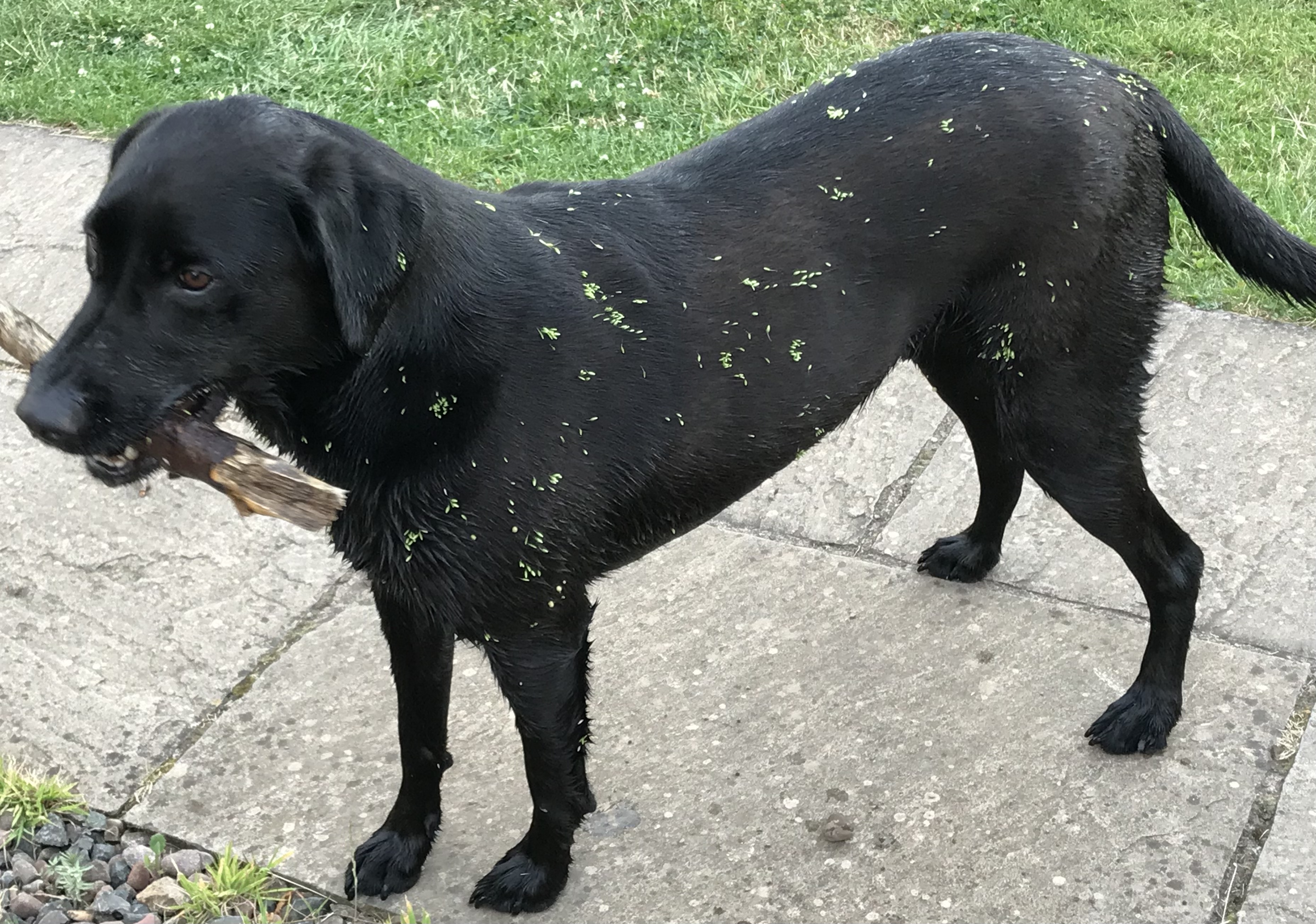
Teaching Application: Mimicking Seed Dispersal Elementary students can mimic seed dispersal by wearing fuzzy socks to walk through a grassy field. Upon returning to the classroom, inspecting the socks will reveal dozens of tiny hitchhiking seeds clinging to the fuzz, perfectly demonstrating how hook-like structures exploit animal fur for free travel.
To understand an ecosystem at a macro level, students must understand food chains, which represent the flow of energy and matter in an ecosystem.
It all begins in the sky. The sun is the initial source of energy for most ecosystems.
From there, organisms are categorized by how they acquire their fuel:
- Producers are organisms that make their own food. Utilizing the sun, plants are classified as producers.
- Consumers are organisms that obtain energy by eating other organisms. Because they cannot photosynthesize, animals are classified as consumers.
Food chains map a highly specific sequence of events. Matter moves from plants to animals when animals consume plants. Subsequently, matter moves between animals when one animal consumes another animal. The carbon, the nitrogen, the physical atoms that once made up the grass become the deer, and then become the wolf.
What happens when the wolf dies? Or when a tree falls in the forest? If nothing intervened, the world would be buried under mountains of dead organisms, locking away all the essential building blocks of life.
Enter the cleanup crew. Decomposers are organisms that break down dead plants and animals. They come in several forms:
- Fungi (like mushrooms) are common decomposers in many ecosystems, breaking down complex wood and organic matter.
- Earthworms act as decomposers by consuming dead plant matter and passing it through their systems.
- Bacteria act as microscopic decomposers, performing the invisible chemical disassembly of life.
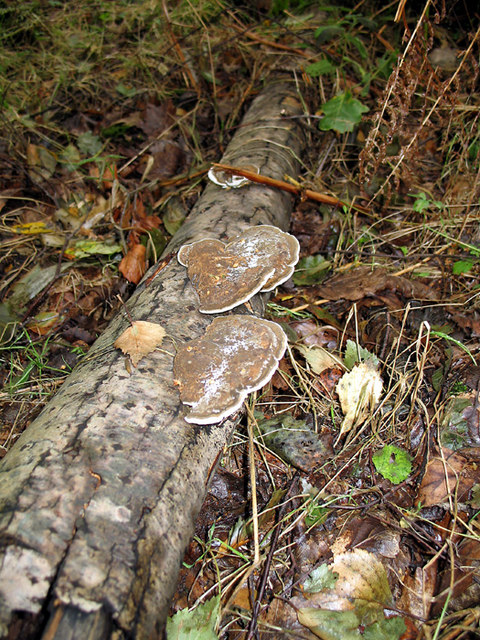
Correcting the Great Disappearing Act
A common student misconception is that decomposers make dead matter disappear completely. Children look at a rotting apple on the ground over a period of weeks; it shrinks, turns black, and eventually "vanishes." To a child, the matter has simply ceased to exist.
You must correct this illusion. Decomposers do not destroy matter; they disassemble it. Decomposers return essential nutrients back into the soil environment. Once those nutrients are in the soil, plants absorb the soil nutrients released by decomposers through plant roots.
The Ultimate Distinction: The Flow of Energy vs. The Cycling of Matter
We arrive at the most vital, structural difference in ecosystem science—a distinction that frequently traps both students and novice teachers.
We know that matter is continuously recycled within an ecosystem. The atom of carbon breathed in by a fern is eaten by a caterpillar, metabolized by a bird, broken down by bacteria upon the bird's death, returned to the soil, and absorbed by a new fern. The physical stuff of the universe operates in a closed loop.
Because matter cycles, a common student misconception is that energy continuously cycles through an ecosystem in the same way that matter recycles.
It does not.
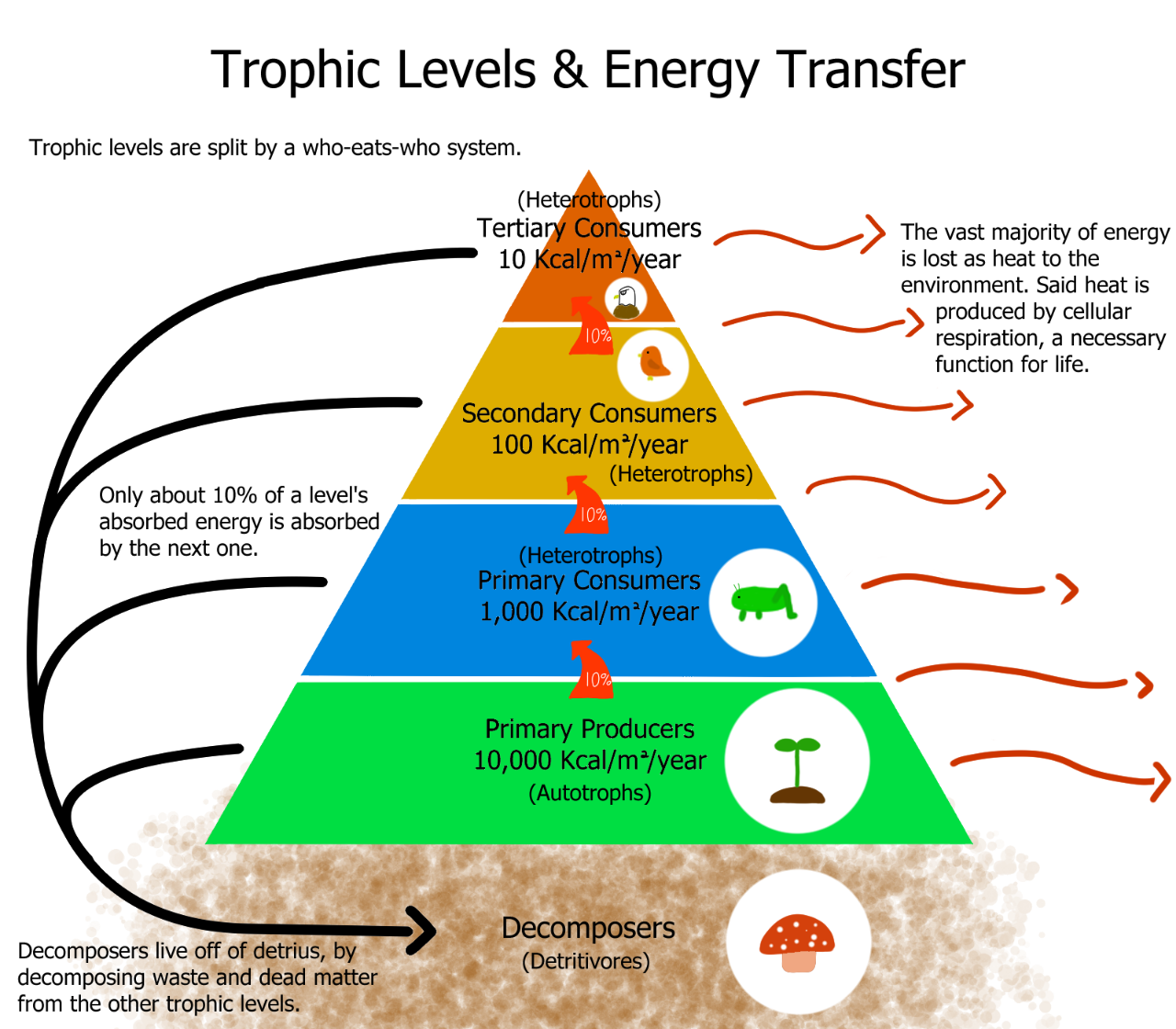
While matter loops infinitely, energy flows in a single direction through an ecosystem. Energy enters the system as radiant light from the sun. It is captured by producers, transferred to consumers, and eventually, as organisms live, move, and digest, that energy is lost to the environment as heat. A wolf cannot absorb the body heat radiating off a deer to power itself; it must consume the deer's flesh. Energy enters, cascading down the food chain, and exits. It never loops back to the sun.
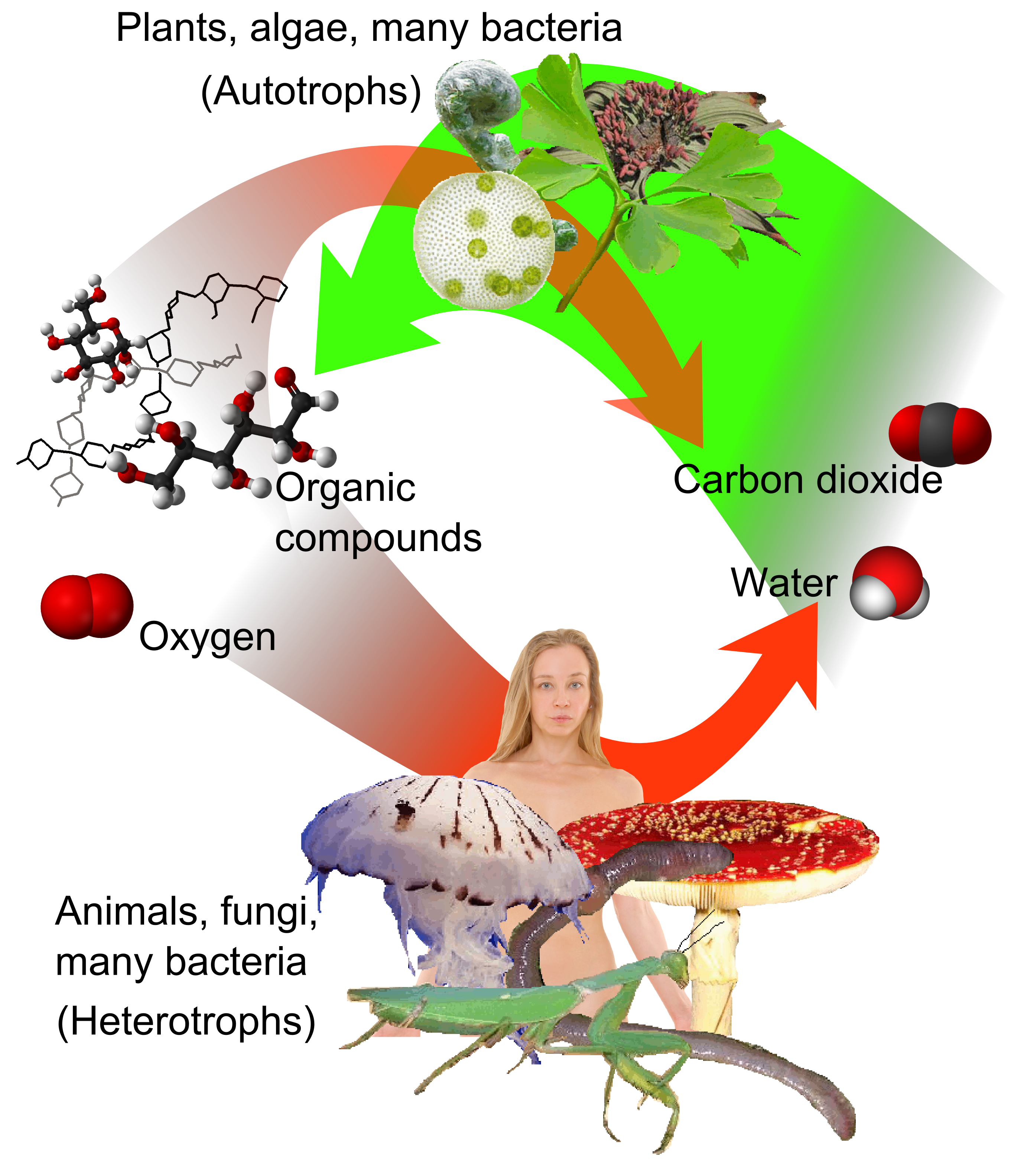
By mastering these mechanisms—how matter circles the drain of life while energy flows steadily forward, how flowers bribe bees, and how plants spin thin air into physical form—you equip yourself to do more than just deliver facts. You gain the ability to step into a classroom and fundamentally upgrade how your students perceive the very machinery of life.