Matter and Energy Flow in Organisms
Not sure you’re ready?
Take the ~3-minute readiness diagnostic and see where you stand.
Place a sealed glass terrarium on a classroom windowsill, and to the untrained eye, it appears to be a static display. In reality, it is a roaring engine of atomic exchange. Inside that sealed glass, water vapor rises and falls, invisible gases are inhaled and exhaled, and light from a star 93 million miles away is actively being captured and woven into physical matter. Teachers can use sealed terrariums to model the continuous flow of matter in a closed system, providing a perfect microcosm of Earth itself.
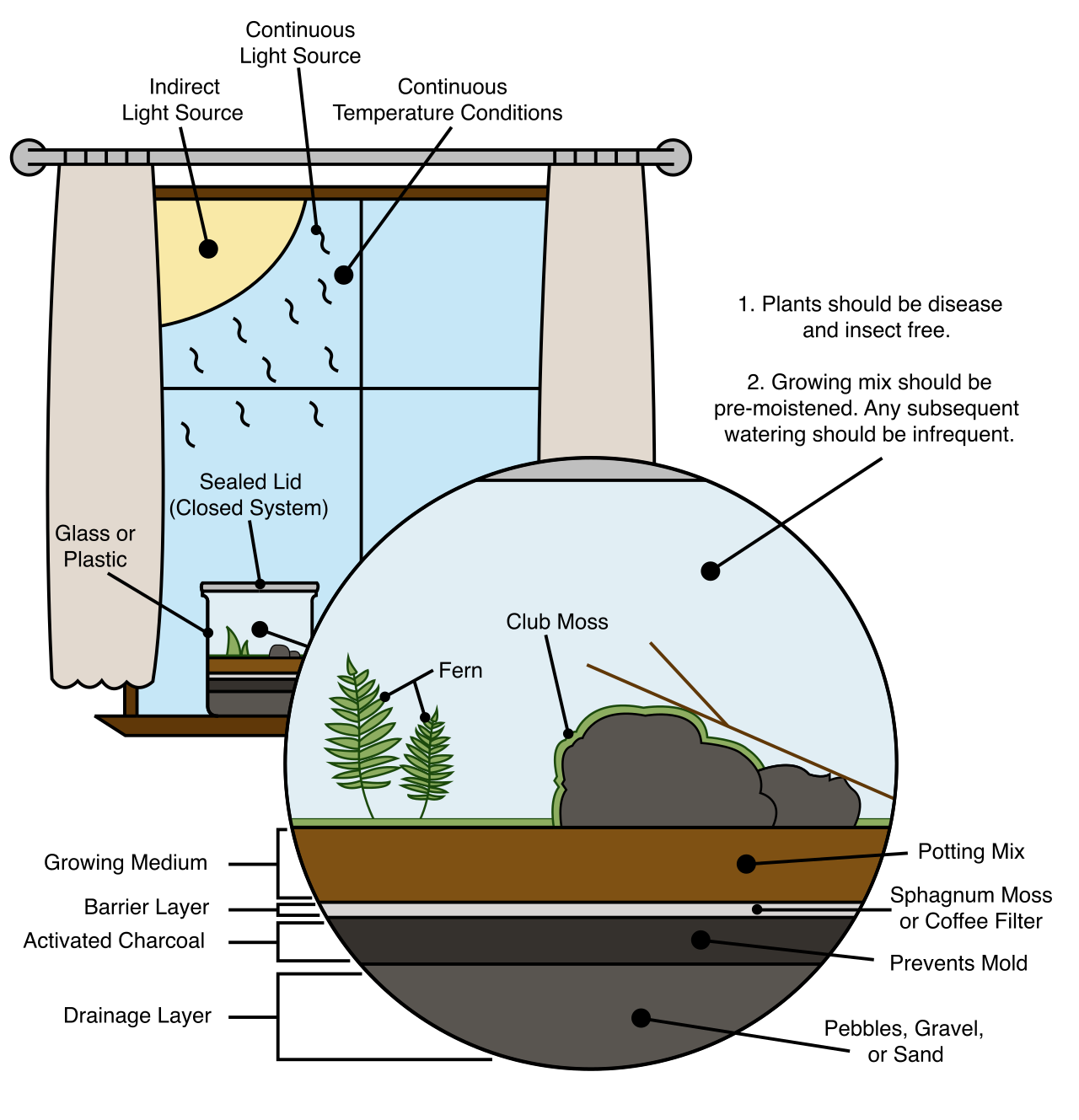
To teach elementary science effectively, you must see the world not as a collection of static objects, but as an ongoing dance of matter and energy. Your students will come to you with intuitive—but incorrect—assumptions about how this dance works. Your job is to dismantle those misconceptions and reveal the hidden, mechanical beauty of how organisms survive, process information, and utilize energy from the sun.
To understand life, we must begin with absolute biological mandates. All living organisms require water to survive, and all living organisms require a source of energy to maintain life processes. How they meet these mandates dictates their anatomy and their role in the ecosystem.
Animals meet their hydration needs in two ways: animals obtain water by drinking liquid water, but equally importantly, animals obtain water by extracting moisture from consumed food. Look at a desert tortoise; it rarely drinks standing water, relying instead on the moisture locked inside the cactus pads it eats.
Furthermore, organisms need gases from the air. Animals require oxygen gas from the air to survive. Plants, however, have a more complex relationship with the atmosphere, which is where one of the most profound conceptual leaps in elementary science occurs.
The Illusion of "Plant Food"
Ask a second grader where a massive oak tree gets the "stuff" to build its heavy wooden trunk, and they will almost universally point to the ground. A common elementary student misconception is that plants obtain plant food directly from the soil. They see us pour fertilizer into potted plants, so they assume soil acts like a plant's grocery store.
You must break this illusion. While soil provides essential nutrients and minerals to plants, you must emphatically teach that soil does not provide the primary energy source for plants.
Where, then, does the mass of a giant tree come from? It comes from thin air. Elementary students often struggle to understand that air has mass. However, understanding that air has mass is crucial for students to grasp how plants build physical structures from carbon dioxide.
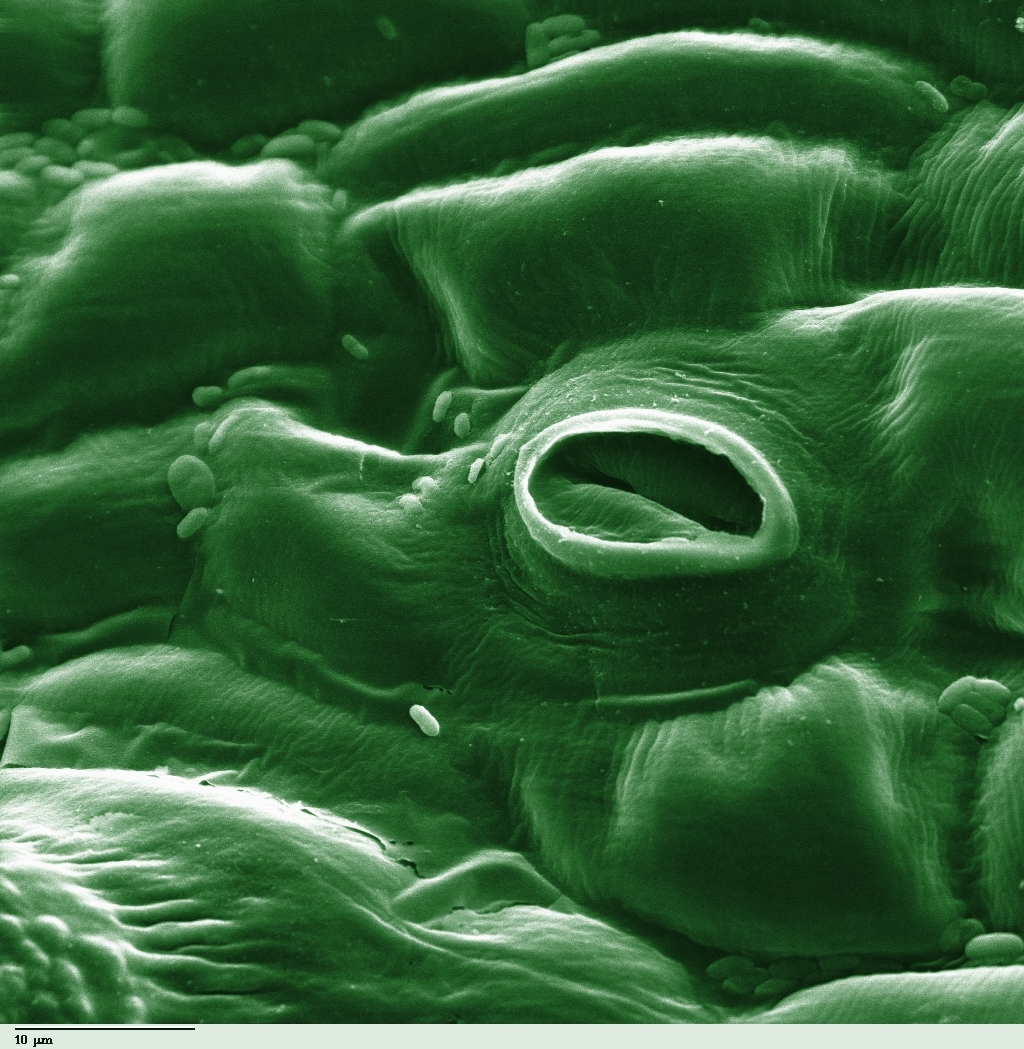
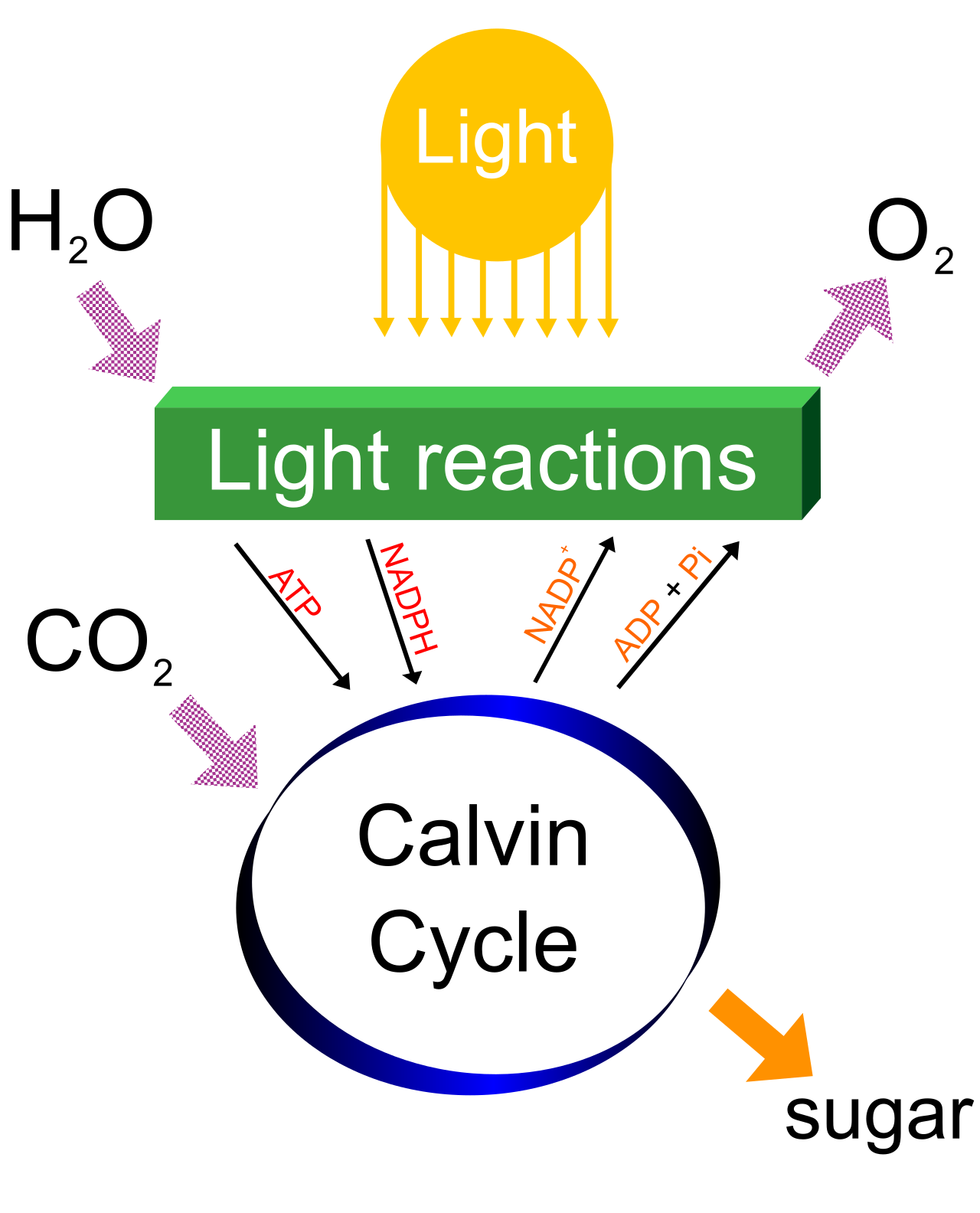
When a plant breathes, plants require carbon dioxide gas from the air for photosynthesis, absorbing it through tiny openings in leaves called stomata. Simultaneously, plants absorb water primarily through root systems. Inside the leaf, the plant uses the water and the carbon dioxide to build actual physical mass. (Water also serves a secondary, crucial purpose: plants require water to maintain structural support, filling their cells to keep the plant from wilting.)
Pedagogical Warning: Students will frequently tell you that plants need sunlight because "they need to stay warm." Elementary students often confuse a plant's need for light with a need for warmth. You must clarify that light is an ingredient in a chemical reaction, not a blanket.
How does a plant turn air and water into matter? By capturing a star. The sun is the primary source of energy for almost all ecosystems on Earth.
Plants capture light energy from the sun and use it as the fuel for a remarkable transformation. The chemical process where plants manufacture food is called photosynthesis. During this process, plants convert light energy into chemical energy. The result of this conversion is sugar. The chemical energy produced by plants is stored in the form of sugars.
The Great Respiration Misconception
Once the plant has built this sugar, what does it do with it? It burns it for fuel. This brings us to a pervasive dual-misconception in elementary classrooms.
Many students believe that plants only photosynthesize (taking in carbon dioxide and releasing oxygen), while animals only respire (taking in oxygen and releasing carbon dioxide). Specifically, a common elementary misconception is that only animals perform cellular respiration, and inversely, a common misconception is that plants breathe in carbon dioxide and do not use oxygen at all.
This is entirely false. The process of cellular respiration takes in oxygen and releases carbon dioxide. Because a plant needs to unpack the chemical energy it just stored in its sugars, plants require oxygen gas from the air for cellular respiration. Therefore, both plants and animals perform cellular respiration to release energy from food. Plants are simply capable of making their own food first.
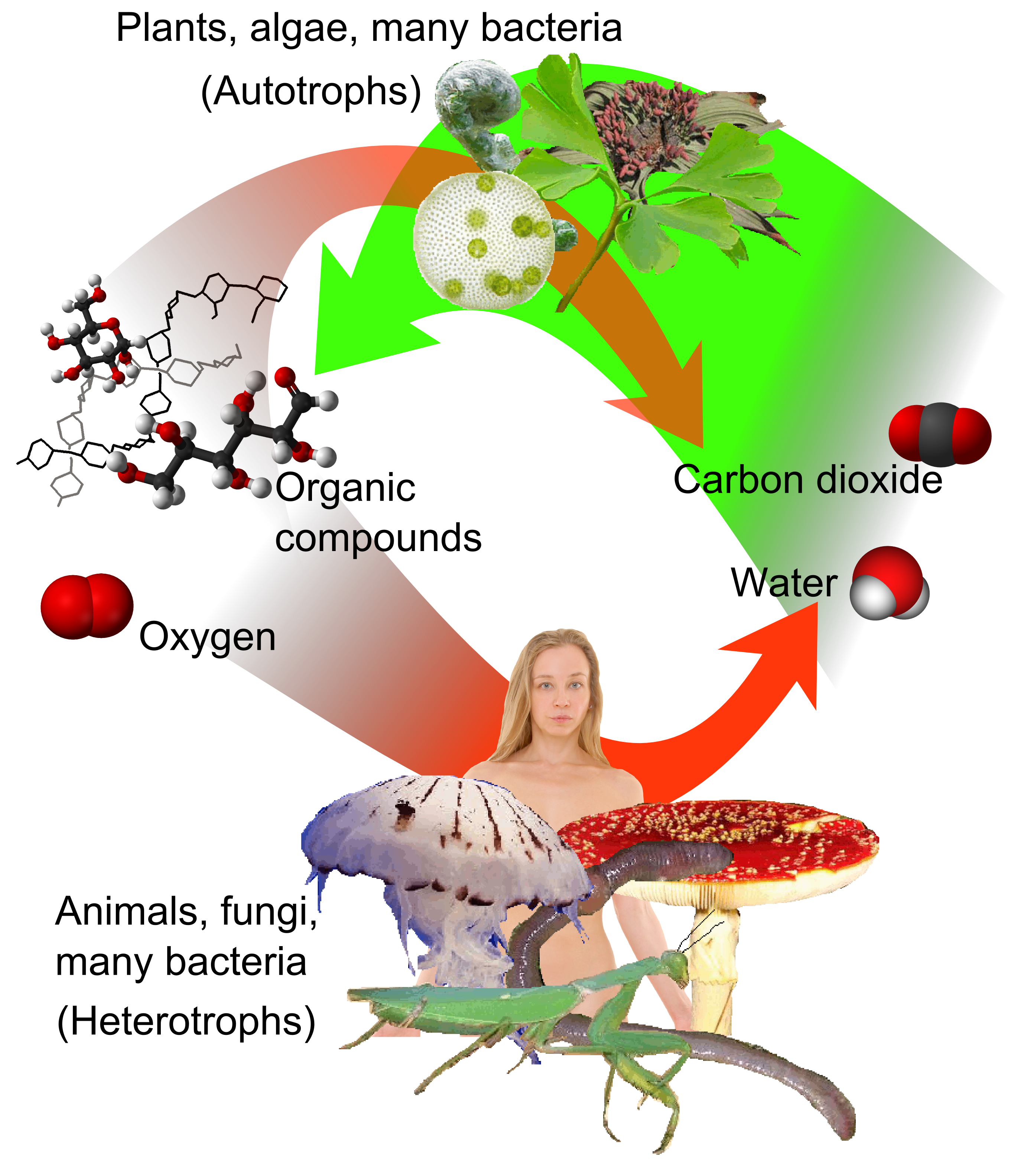
Because animals cannot photosynthesize, animals must consume other organisms to obtain energy. This creates the foundational structure of an ecosystem. Herbivores obtain energy by eating plants, and carnivores obtain energy by eating other animals.
Stop and consider the profound implication of this: when a hawk eats a mouse, the hawk is powered by the grass the mouse ate, which was powered by the sun. Therefore, the energy a carnivore obtains from eating an animal originally came from the sun.
Mapping the Flow: Chains, Webs, and Pyramids
To teach these relationships, we use models. Food chains represent the linear transfer of energy from one organism to another. However, nature is rarely a straight line. Food webs represent the complex and interconnected pathways of energy transfer in an ecosystem, showing how multiple chains overlap.
When drawing these models, students routinely make a logical but incorrect assumption. A common student misconception is that arrows in a food chain point toward the organism being eaten. (e.g., Grass → Cow). They interpret the arrow as "goes into the mouth of."
You must correct this explicitly: arrows in a food chain point in the direction of energy flow. The arrow points away from the grass and toward the cow, because the energy is flowing from the grass into the cow.
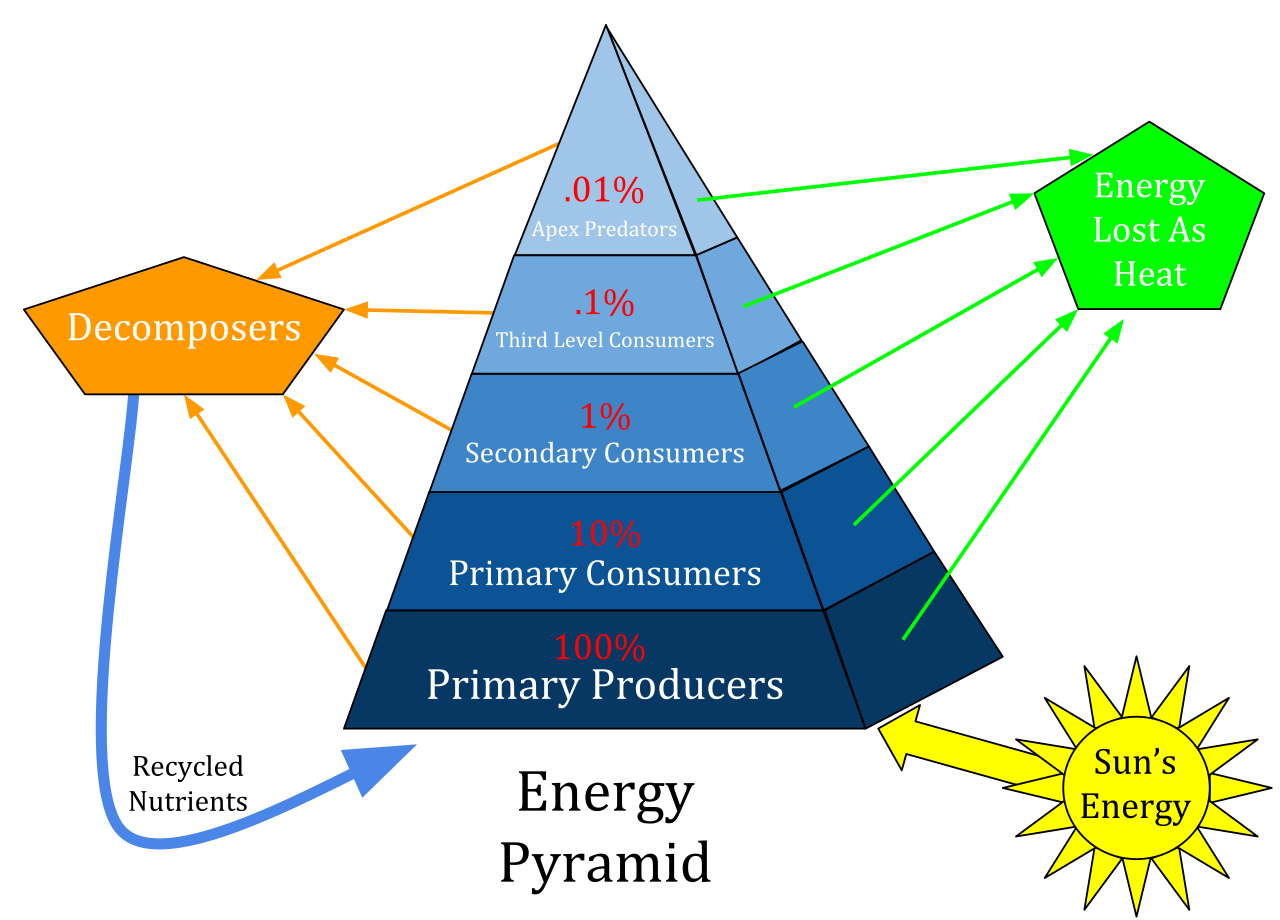
As energy flows from producer to herbivore to carnivore, most of it is lost as heat and metabolic work. The energy pyramid model shows that only about ten percent of energy is transferred to the next trophic level. This is why a forest can support millions of blades of grass, thousands of mice, but only a few hawks.
Completing the Cycle: Decomposers
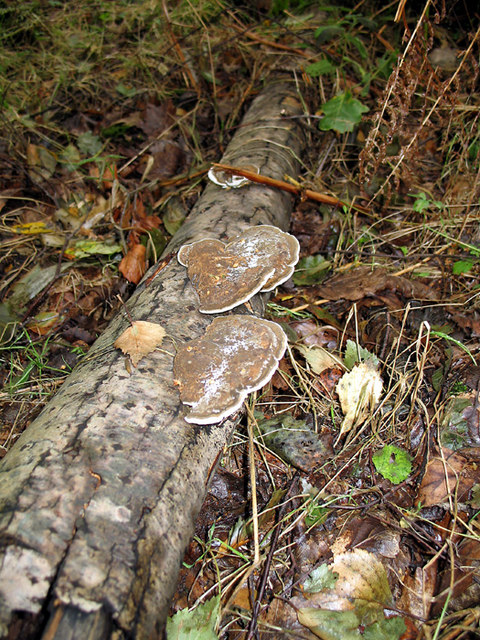
Eventually, all organisms die. If the cycle ended there, the Earth would be buried in waste and starved of resources. Enter the recycling crew. Decomposers break down dead organisms. By doing so, decomposers return nutrients to the soil, preparing the ground for the next generation of plants. Fungi and bacteria are common examples of decomposers. They do not create energy, but they ensure matter continues to flow.
Organisms do not simply exist as passive recipients of energy; they actively navigate their world. To find food, avoid predators, and locate water, animals use specialized sensory receptors to gather information from the environment.
Sensory receptors respond to specific types of stimuli like light or pressure.
- Eyes contain receptors that detect light.
- Ears contain receptors that detect sound waves.
- Skin contains receptors that detect temperature and physical pressure.
The Information Pipeline
How does a wave of light hitting the eye result in an animal jumping out of the way of a predator? Teaching models of sensory processing sequentially include a stimulus, a receptor, a processor, and a response.
- Stimulus & Receptor: A physical event occurs in the environment. The biological magic happens when sensory receptors convert environmental stimuli into electrical signals. The language of the outside world (light, sound) is translated into the language of the body (electricity).
- Transmission: Nerves carry electrical signals from sensory receptors to the brain.
- Processor: The brain processes electrical signals from nerves to interpret the environment.
- Response: Once the brain decides on a course of action, the brain sends signals to muscles to initiate a physical response to a stimulus.
But what if the brain realizes it has seen this predator before? Memory allows animals to store information from past sensory experiences. By tapping into this archive, animals use stored memories to guide future behaviors, such as avoiding a specific color of toxic frog after a previous encounter.
The Emergency Override: Reflexes
Sometimes, sending a signal all the way to the brain and waiting for a decision takes too long. If a child touches a hot stove, waiting for the brain to interpret the pain and formulate a conscious plan to move the hand will result in severe burns.
Nature solved this with an emergency bypass. A reflex is an automatic and involuntary response to a sensory stimulus. When you touch a hot stove, the signal races up the arm, but reflexes often bypass the brain. Instead, reflexes are often processed in the spinal cord to allow for faster reactions. The spinal cord instantly fires a signal back to the arm muscles to pull away, moving the hand before the brain even consciously registers the pain.

By mastering these concepts, you equip yourself to move students beyond memorizing vocabulary. You empower them to look at a terrarium, a towering oak tree, or a diving hawk, and see the invisible, elegant machinery of matter and energy keeping our world alive.