Forces, Motion, and Interactions
Not sure you’re ready?
Take the ~3-minute readiness diagnostic and see where you stand.
The physical world is governed by a hidden architecture of pushes and pulls. When a third-grader watches a kicked ball arc across the playground, it does not return to the blacktop because it "wants" to, but because an unseen interaction with the Earth demands it. When a heavy textbook sits seemingly undisturbed on a desk, it is not experiencing an absence of physics; rather, it is the site of a perfectly choreographed stalemate between opposing forces. Children are natural empiricists—they test these physical rules every time they build a block tower, drag a chair across a rug, or rub a balloon on their hair. The task of the elementary educator is not merely to name these phenomena, but to help students map their intuitive, everyday observations onto a rigorous framework of scientific cause and effect. To teach physics to a child is to reveal the invisible machinery of their everyday reality.
A force is defined fundamentally as a push or a pull acting upon an object. It is the language of physical interaction. To understand how objects behave, we must strip away our assumptions and look at the explicit instructions an object receives from its environment.
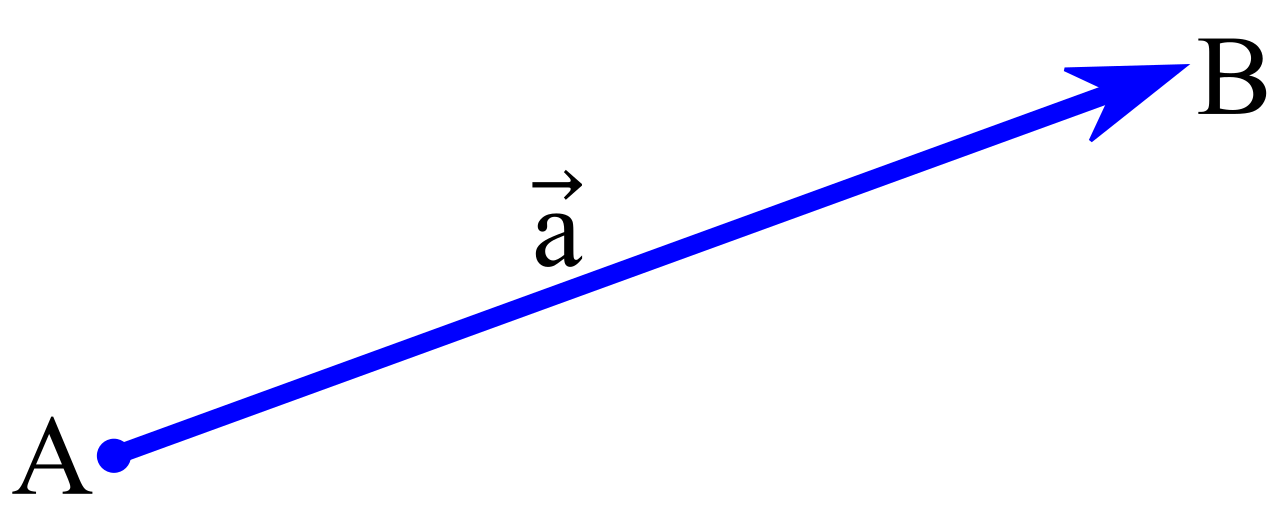
Every force has two absolute characteristics: magnitude and direction.
- Magnitude represents the strength of the force. A stronger push or pull will cause a greater change in an object's motion than a weaker push or pull applied to the same object.
- Direction dictates where the force is applied. The direction of a push or pull determines the direction of the resulting change in an object's motion.
When multiple forces act upon an object simultaneously—which is almost always the case in a messy, real-world classroom—we must determine the net force.
Calculating Net Force
- Net force is calculated by adding individual forces that act in the exact same direction. (If two students push a heavy cart from the same side, their efforts combine).
- Net force is calculated by subtracting individual forces that act in perfectly opposite directions. (If two students pull a cart from opposite sides, the weaker pull subtracts from the stronger one).
One of the most profound leaps in a young student's scientific reasoning is understanding that "stillness" is not the absence of force, but the perfect balance of it.
Balanced Forces
Balanced forces occur when multiple forces acting on an object cancel each other out. This results in a net force of exactly zero.
When forces are balanced, they do not cause any change in the motion of an object. This manifests in two ways, both of which are highly counterintuitive to young learners:
- An object at rest remains at rest when acted upon exclusively by balanced forces. An object remaining perfectly still provides our best observational evidence of balanced forces.
- An object moving at a constant speed in a straight line is experiencing balanced forces. If the thrust of an airplane perfectly matches the drag of the air, it does not speed up or slow down; it glides infinitely at that exact speed.
Unbalanced Forces
Unbalanced forces occur when the net force acting on an object is greater than zero. Unbalanced forces always cause a change in the motion of an object. This is known as acceleration (though in elementary education, we focus on the observable changes).
Unbalanced forces can cause four distinct changes in motion:
- Cause a stationary object to start moving. (An object starting to move from a stationary position provides immediate observational evidence of unbalanced forces).
- Cause a moving object to speed up.
- Cause a moving object to slow down.
- Cause a moving object to change its direction of travel.
| Force State | Net Force | Effect on Motion | Observational Evidence |
|---|---|---|---|
| Balanced | Exactly Zero | No change | Object remains perfectly still OR moves at constant speed in a straight line. |
| Unbalanced | Greater than Zero | Always causes change | Object starts moving, speeds up, slows down, or turns. |
Pedagogical Imperative: The Two Great Motion Misconceptions
As a teacher, you will immediately run into two deeply held, entirely logical—and completely incorrect—student assumptions regarding motion.
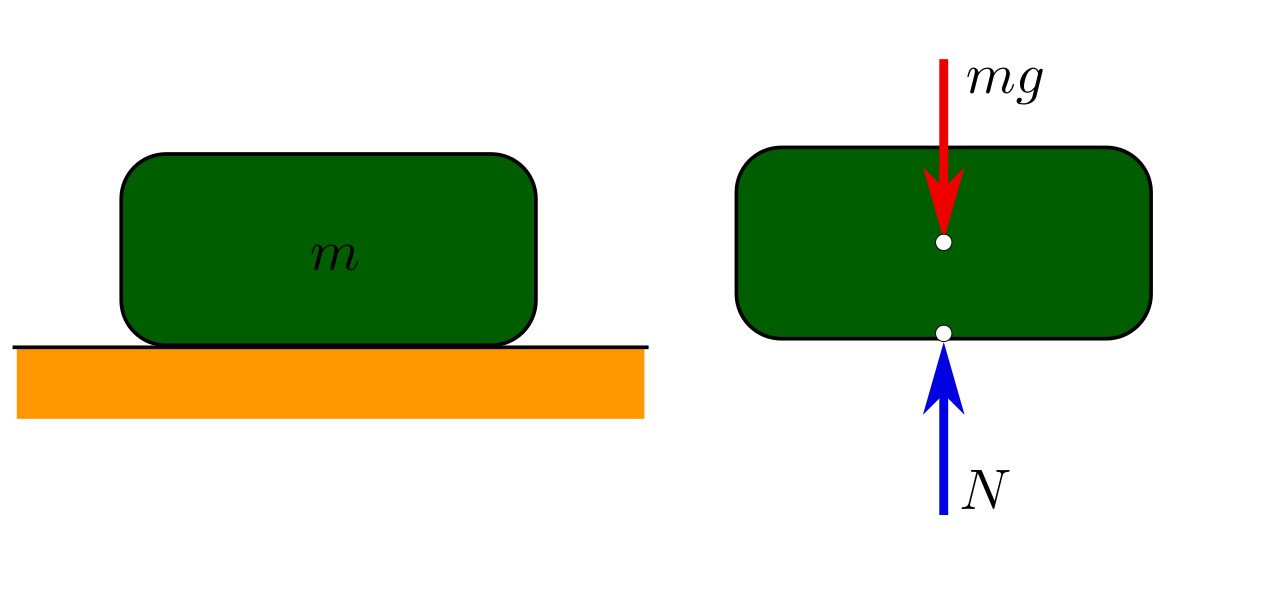
Misconception 1: "Still objects have no forces on them." Many elementary students hold the misconception that completely stationary objects have zero forces acting upon them. They see a resting book and assume "nothing is happening." You must guide them to see the hidden tug-of-war. Gravity is pulling the book down, but the normal force—an upward contact force exerted by a solid surface against a resting object—is pushing back up with the exact same magnitude. The forces are balanced.
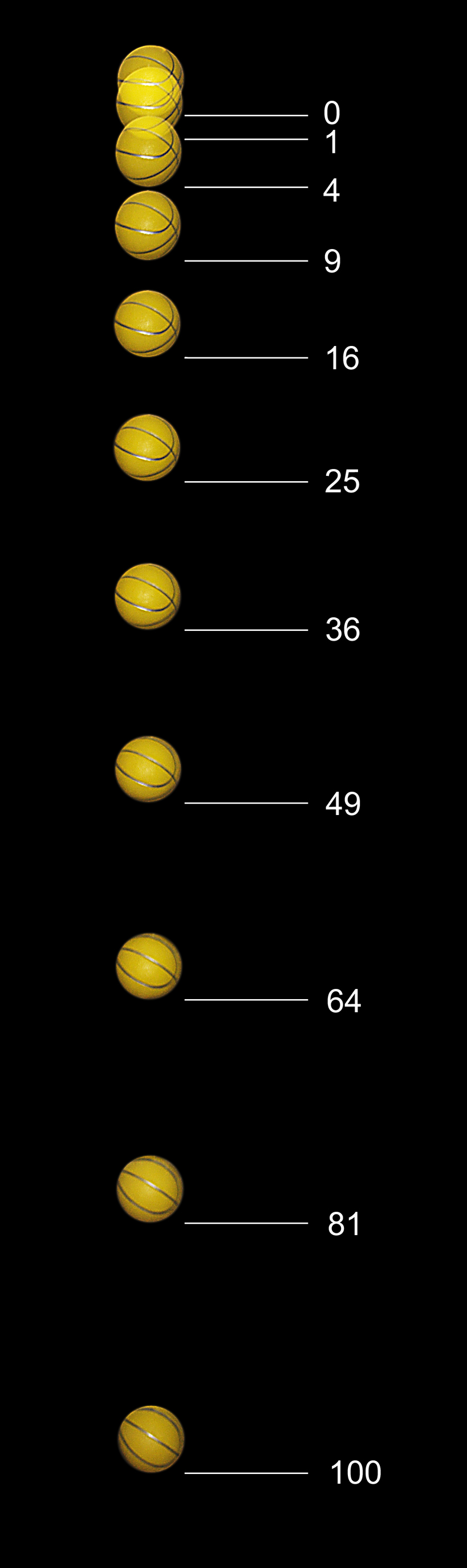
Misconception 2: "You have to keep pushing to keep it moving." Many elementary students hold the misconception that a continuous applied force is required to keep an object moving at a constant speed. Because students live on Earth, where friction ruins everything, a rolled ball eventually stops. They assume the "push" ran out. In reality, the ball would roll forever at a constant speed (balanced forces) if not for the unseen unbalanced force of friction actively pulling it to a halt.
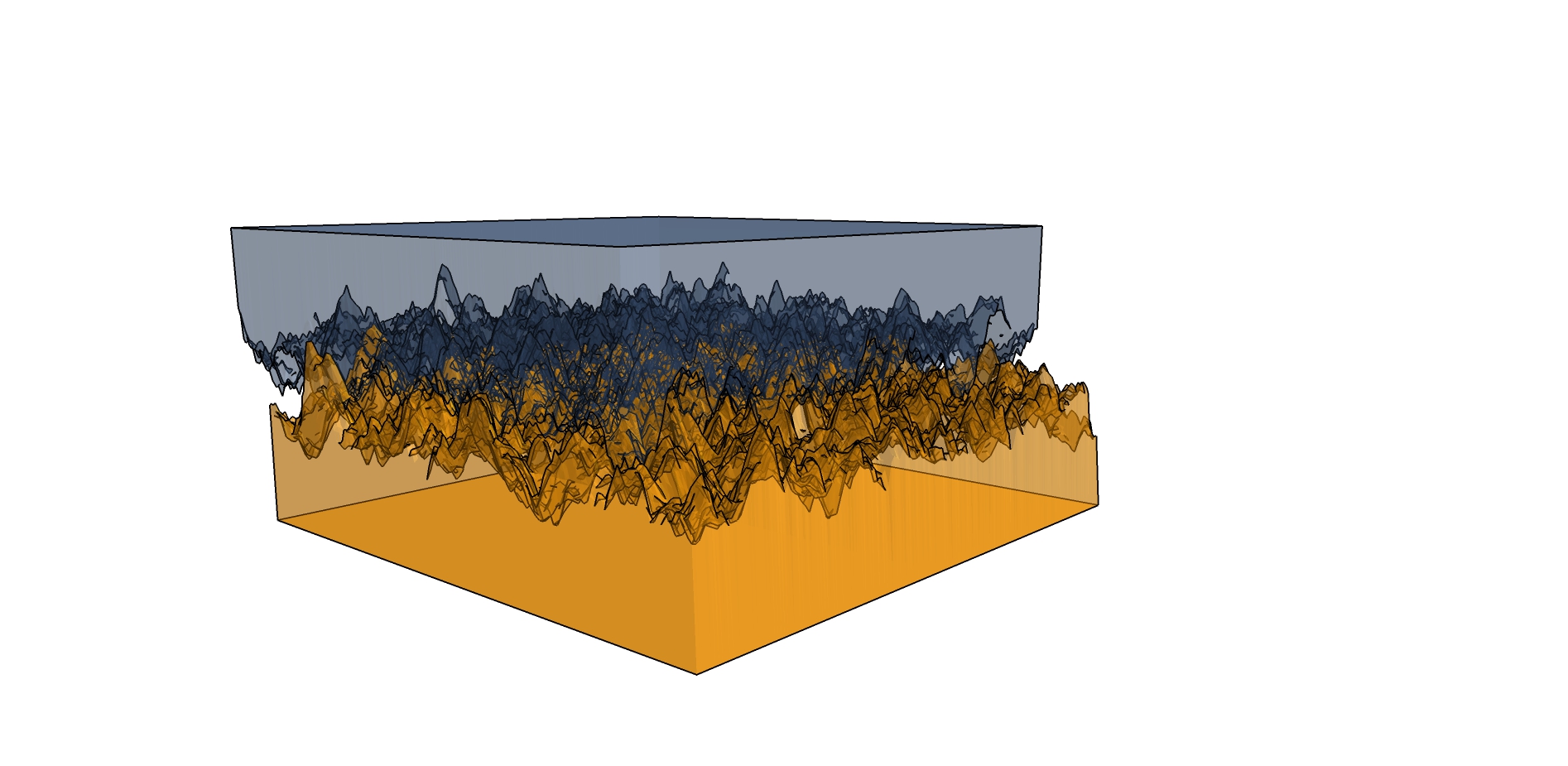
Contact forces require objects to physically touch each other to exert a push or pull.
Friction is a prime example of a contact force. Friction is a force that opposes the motion of an object. When a child slides down a plastic slide, the friction between their clothes and the slide acts in the opposite direction of their movement.
When analyzing interactions, remember that forces rarely act in isolation. When two objects collide, the objects exert forces on each other. If a rolling marble strikes a stationary marble, the first marble exerts a contact force on the second (causing it to speed up), while the second marble simultaneously exerts a contact force back on the first (causing it to slow down or change direction).
We also see contact forces in fluids (liquids and gases). Air resistance is a type of fluid friction that opposes the downward motion of falling objects. As a crumpled piece of paper falls, the physical particles of air push up against it, opposing gravity's downward pull.
We now enter the realm of physics that feels like magic to a young child. Non-contact forces act upon objects over a distance without requiring physical touch. There are three primary non-contact forces you must master: Gravity, Magnetism, and Electrostatic Force.
1. Gravitational Force
Gravity is a non-contact force. Specifically, gravity is an attractive force that pulls any two objects with mass toward one another.
To teach gravity accurately, we must differentiate between two concepts that adults frequently conflate: mass and weight.
- Mass is the measurement of the amount of matter contained within an object.
- Weight is the measurement of the gravitational force pulling on an object. (If you take a student to the moon, their mass remains identical, but their weight decreases drastically because the moon's gravitational pull is weaker).
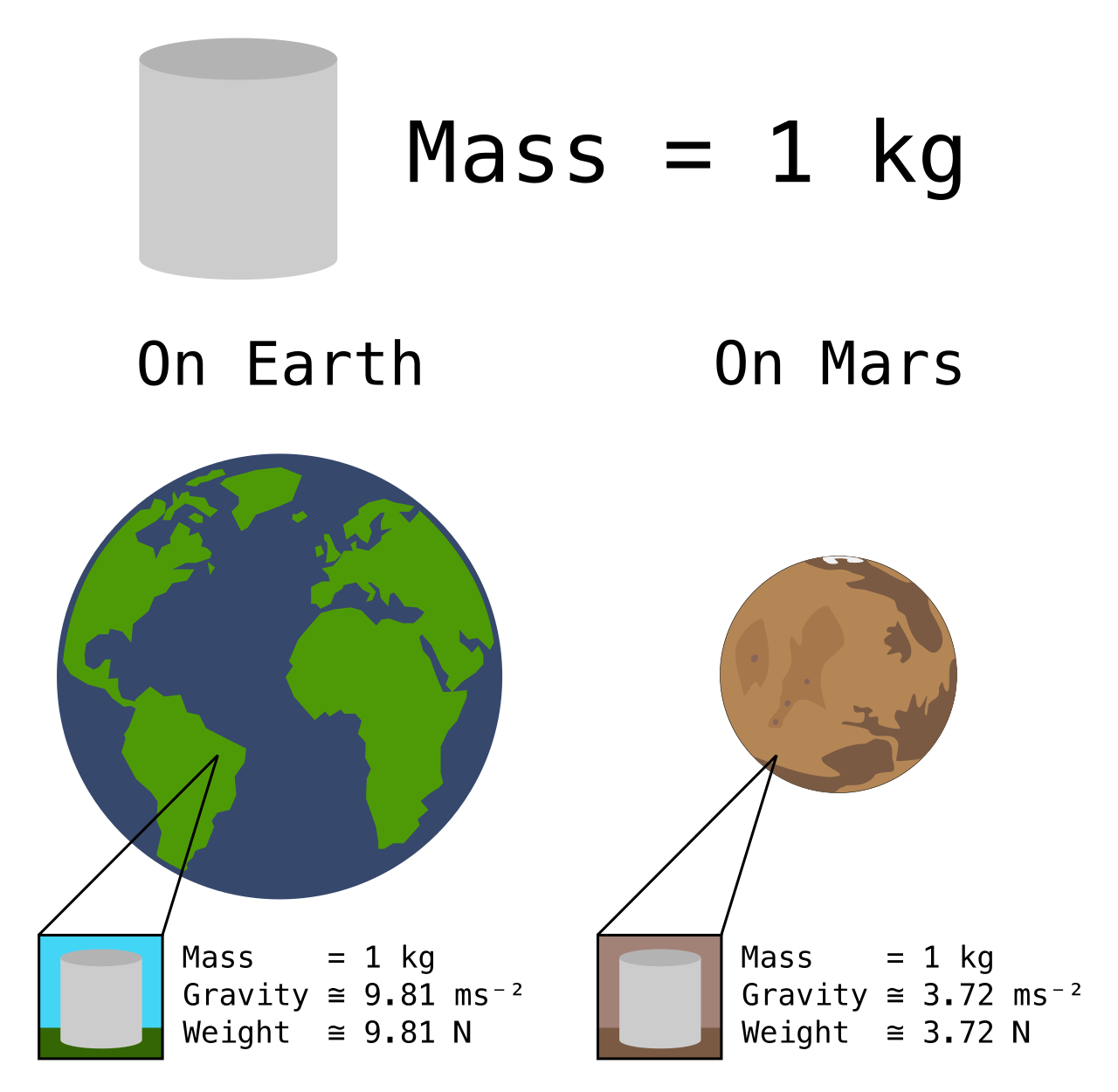
Earth's gravity pulls objects downward toward the center of the planet. The magnitude of this gravitational force depends on two distinct variables:
- Mass: The gravitational force between two objects increases as the mass of the objects increases. Earth is massive, so its pull is incredibly strong.
- Distance: The gravitational force between two objects decreases as the distance between the objects increases.
Misconception 3: "Heavy things fall faster." Many elementary students hold the misconception that heavier objects always fall faster than lighter objects in the absence of air resistance. Because gravity pulls with greater force on a heavier object, students assume it must plummet faster. However, because the heavier object also has more mass, it requires proportionally more force to get it moving. These two factors perfectly cancel out. In a vacuum (absence of air resistance), a bowling ball and a feather hit the ground at the exact same time. It is only the fluid friction of air resistance in our daily lives that makes feathers float slowly.
2. Magnetism
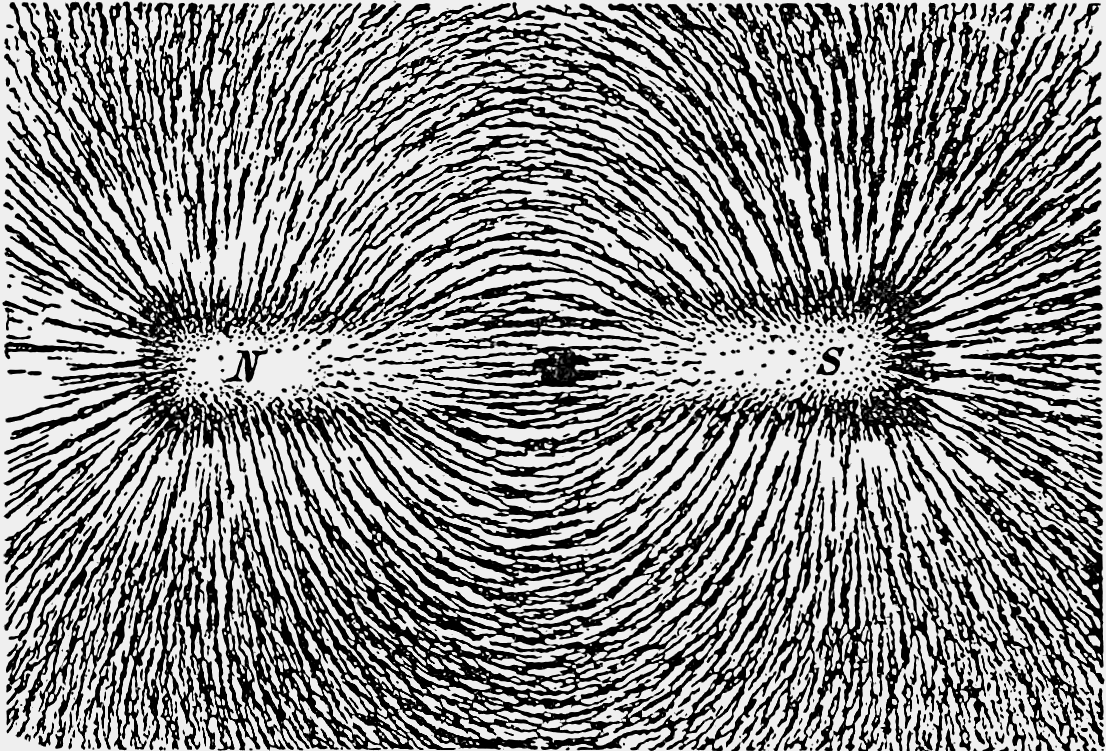
Magnetism is a non-contact force. Every magnet operates through a dipole system: every magnet has a distinct north pole, and every magnet has a distinct south pole.
The behavioral rules of magnetism are beautifully absolute:
- Opposite magnetic poles attract each other (North pulls South).
- Like magnetic poles repel each other (North pushes away North).
- The magnetic force between objects gets stronger as the distance between the interacting objects decreases.
Misconception 4: "Magnets stick to all metal." Many elementary students hold the misconception that magnets will attract any object made of metal. You will see them confidently touch a magnet to an aluminum soda can, a copper penny, or a brass doorknob, only to be confused when it falls. Magnets only attract specific types of metals rather than all metallic objects. Iron, nickel, and cobalt are examples of magnetic materials.
3. Electrostatic Force
Like magnetism, electrostatic force is a non-contact force that acts over a distance, and its strength gets stronger as the distance between the objects decreases.
All matter is made of atoms, which house electric charges. Objects can possess a positive electric charge, a negative electric charge, or a neutral electric charge. The behavioral rules mirror magnetism:
- Opposite electric charges attract each other.
- Like electric charges repel each other.
How do objects acquire these charges? Rubbing certain materials together can transfer electrons (which carry a negative charge). When a student scuffs their rubber-soled shoes across a wool rug, they are physically scraping electrons off the rug and onto their body. Transferring electrons between materials creates an imbalance of electric charge known as static electricity. When the student subsequently touches a neutral metal doorknob, the excess electrons jump to the doorknob—a rapid transfer that the student feels as a sudden, painful shock.

As a teacher, your goal is to transition students from passive observers of their world to active analysts of it. When a student builds a bridge out of Popsicle sticks that collapses, they are no longer just looking at a broken project; they are observing unbalanced forces overcoming the normal force. When they rub a balloon on their sweater and stick it to the wall, they are visualizing electrostatic action-at-a-distance. By mastering the fundamental laws of forces and interactions, you provide your students with the ultimate tool: the ability to decode the physical universe.