Forms of Government and Responsible Citizenship
Not sure you’re ready?
Take the ~3-minute readiness diagnostic and see where you stand.
An elementary classroom is a microcosm of human organization, continuously navigating the tension between order, fairness, and collective decision-making. When a teacher unilaterally dictates the daily schedule, the room operates as a temporary autocracy; when students vote on which book to read during circle time, it briefly transforms into a democracy. For children, the abstract machinery of government is best understood not as distant buildings in a capital city, but as a scaling-up of the rules, roles, and responsibilities they negotiate every day on the playground. To teach civic content knowledge effectively, educators must bridge the gap between these intuitive daily interactions and the formal structures of political power, ensuring students understand not merely what the rules are, but who makes them, how they are balanced, and why every citizen bears a responsibility to the whole.
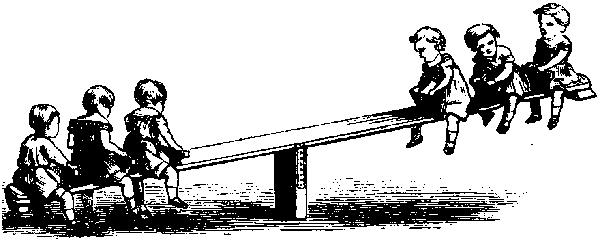
To understand any government, we must ask a fundamental question: Who holds the power? When teaching this concept, it is highly effective to frame it around a continuum of power distribution, moving from the rule of one to the rule of all.
The Rule of One
When power is highly concentrated, we enter the realm of autocracies and monarchies.
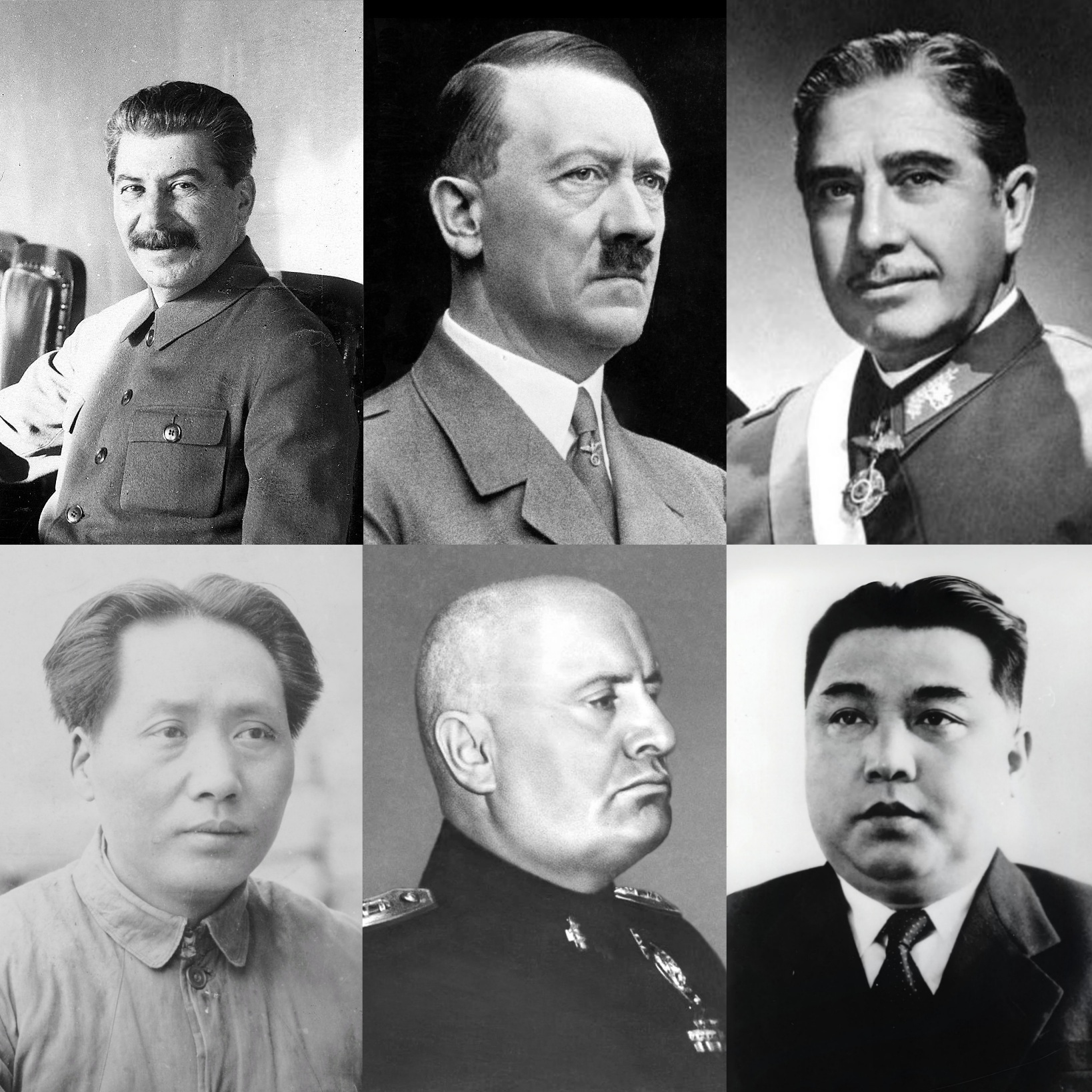
An autocracy is a system of government where one individual holds absolute and centralized political power. A common form of autocracy in the modern world is a dictatorship, which is a type of autocracy where a single leader maintains power primarily through the threat of force. In the classroom, a dictator is the child who controls the playground ball and threatens to pop it if the others do not play by their rules.
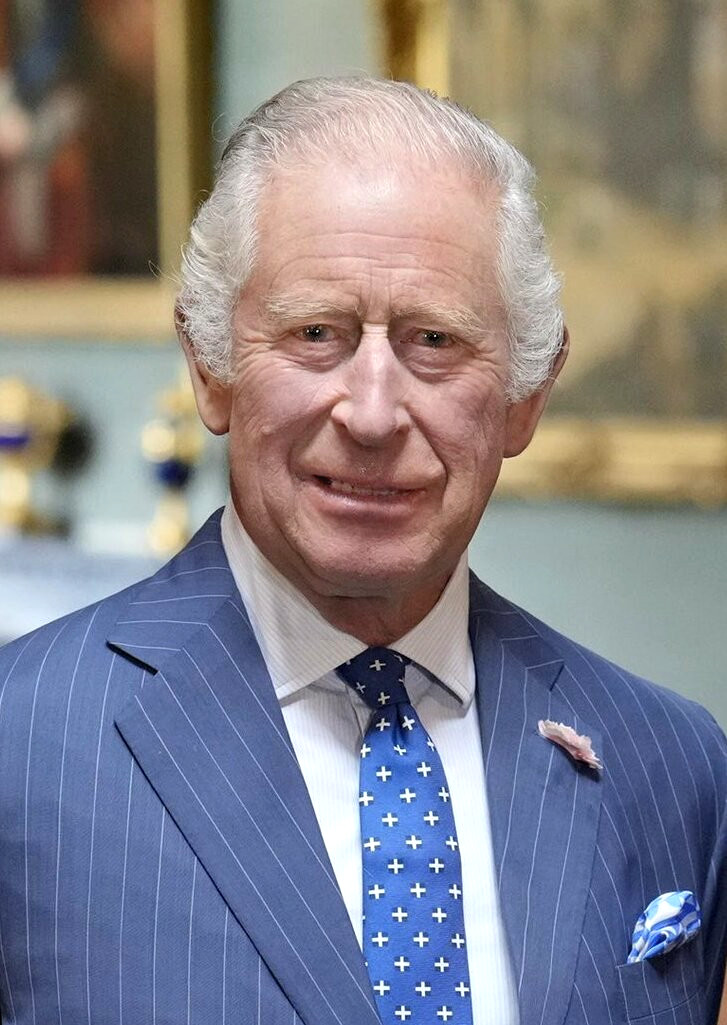
A monarchy, by contrast, is a form of government led by a single hereditary ruler such as a king or queen. The crown passes down through a family lineage. However, not all monarchies are identical:
- In an absolute monarchy, the hereditary ruler holds unrestricted political power over the state and its people.
- In a constitutional monarchy, the hereditary ruler’s power is strictly limited by a legal framework or constitution. The monarch often serves as a symbolic figurehead while an elected parliament governs (as seen in the United Kingdom).
The Rule of the Few
When power broadens slightly but remains exclusionary, we find the oligarchy—a form of government where a small group of individuals holds all political power. This group might be defined by wealth, military strength, or elite status.
A specific variation of restricted power is a theocracy, which is a form of government guided by religious leaders or religious doctrines. In a theocracy, the laws of the state are inextricably linked to the tenets of a specific faith.
The Rule of the Many
Finally, we arrive at systems where power is dispersed among the population. A democracy is a form of government where political power is held by the people. However, democracies operate in different ways, and students often conflate them.
- Direct Democracy: In a direct democracy, citizens vote directly on laws and government actions without intermediaries. If your class votes by a show of hands to decide whether to have recess indoors or outdoors, they are practicing direct democracy. It is highly effective in small groups but mathematically and logistically impossible for a nation of millions.
- Representative Democracy: Because nations are vast, we use a representative democracy, where citizens elect officials to make policy decisions on their behalf. We choose people to do the heavy lifting of governance.
- Republic: A republic is a specific type of representative democracy featuring an elected head of state (like a President) rather than a monarch. The United States is a constitutional republic.
Pedagogical Note: A frequent student misconception is that "democracy" means citizens personally vote on every law, like taxes or speed limits. You must explicitly teach the distinction between direct and representative systems by asking: "Do your parents go to Washington D.C. every day to vote on new rules, or do they vote for someone to go do it for them?"
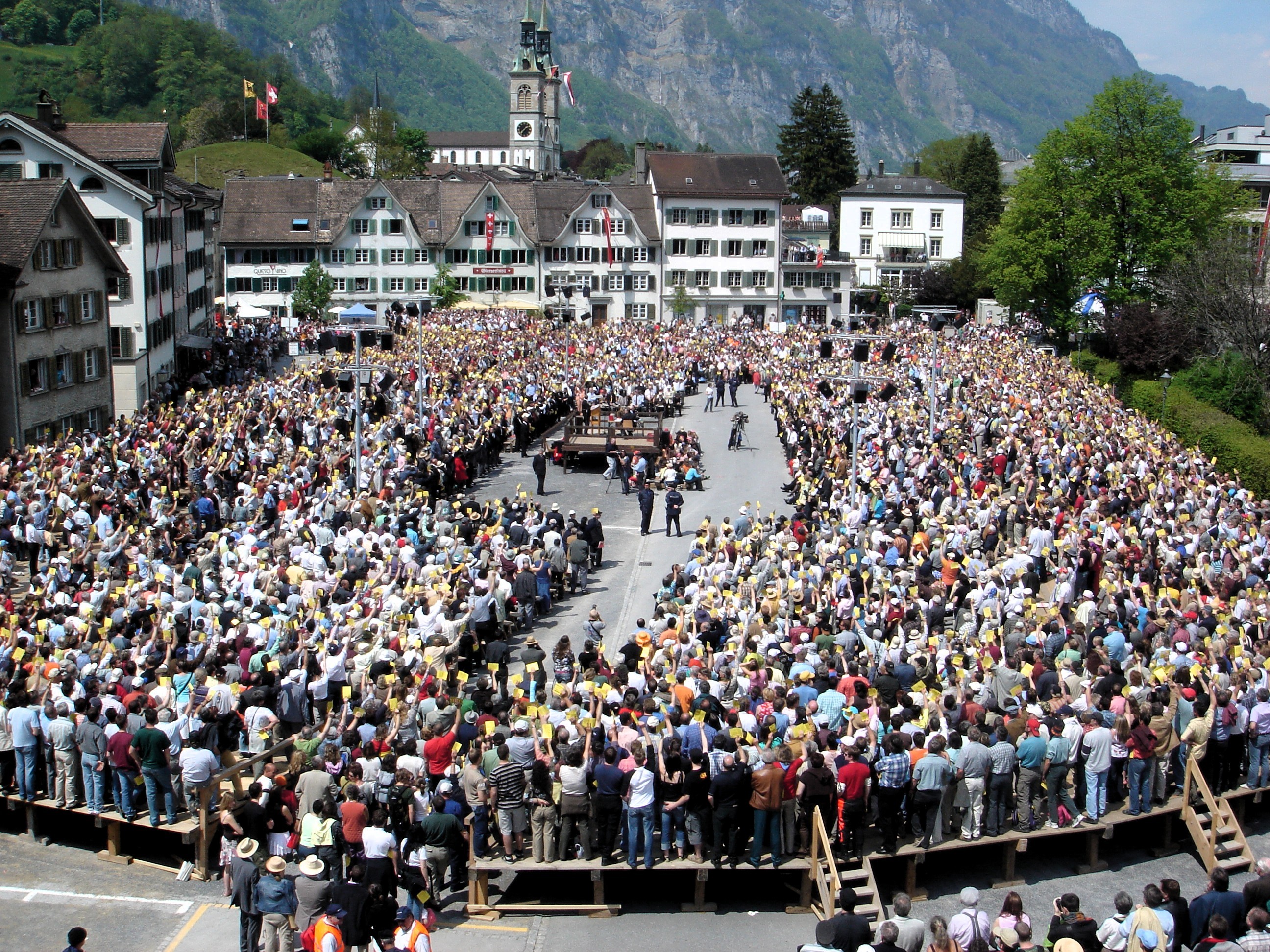
Why do citizens obey the laws passed by a representative democracy? The answer lies in two foundational political principles that are vital for elementary educators to instill.
First is the consent of the governed. This is the political principle that a government's legitimacy stems from the people's approval. The government only has power because we the people lend it to them.
Second is the rule of law, the principle that all individuals and government institutions are equally accountable to the law.
Misconception Alert: Young students often believe the President is "the boss" of the country, akin to an absolute monarch who can do whatever they want. The rule of law is the antidote to this misconception. You must teach that under the rule of law, a police officer, a teacher, a citizen, and the President must all stop at the same red light. No one is above the law.

If a government has the power to make laws, enforce them, and judge them, what prevents the people in charge from abusing that power? The framers of the United States Constitution solved this with a brilliant structural design.
Separation of powers is the division of government responsibilities into distinct independent branches. The primary purpose of the separation of powers is to prevent any single branch of government from accumulating unchecked authority. If you give one person the power to write the rules, enforce the rules, and judge the rules, you have built an autocracy.
The United States federal government is divided into three branches:
- The Legislative Branch: Responsible for writing laws. (Congress: the Senate and House of Representatives).
- The Executive Branch: Responsible for enforcing laws. (The President, Vice President, and federal agencies).
- The Judicial Branch: Responsible for interpreting laws. (The Supreme Court and lower federal courts).
Teaching Analogy: Think of a game of soccer. The committee that writes the official rulebook is the legislative branch. The referee running on the field, blowing the whistle to enforce those rules during gameplay, is the executive branch. The video review board that watches instant replays to interpret exactly what the rulebook means in a confusing situation is the judicial branch.
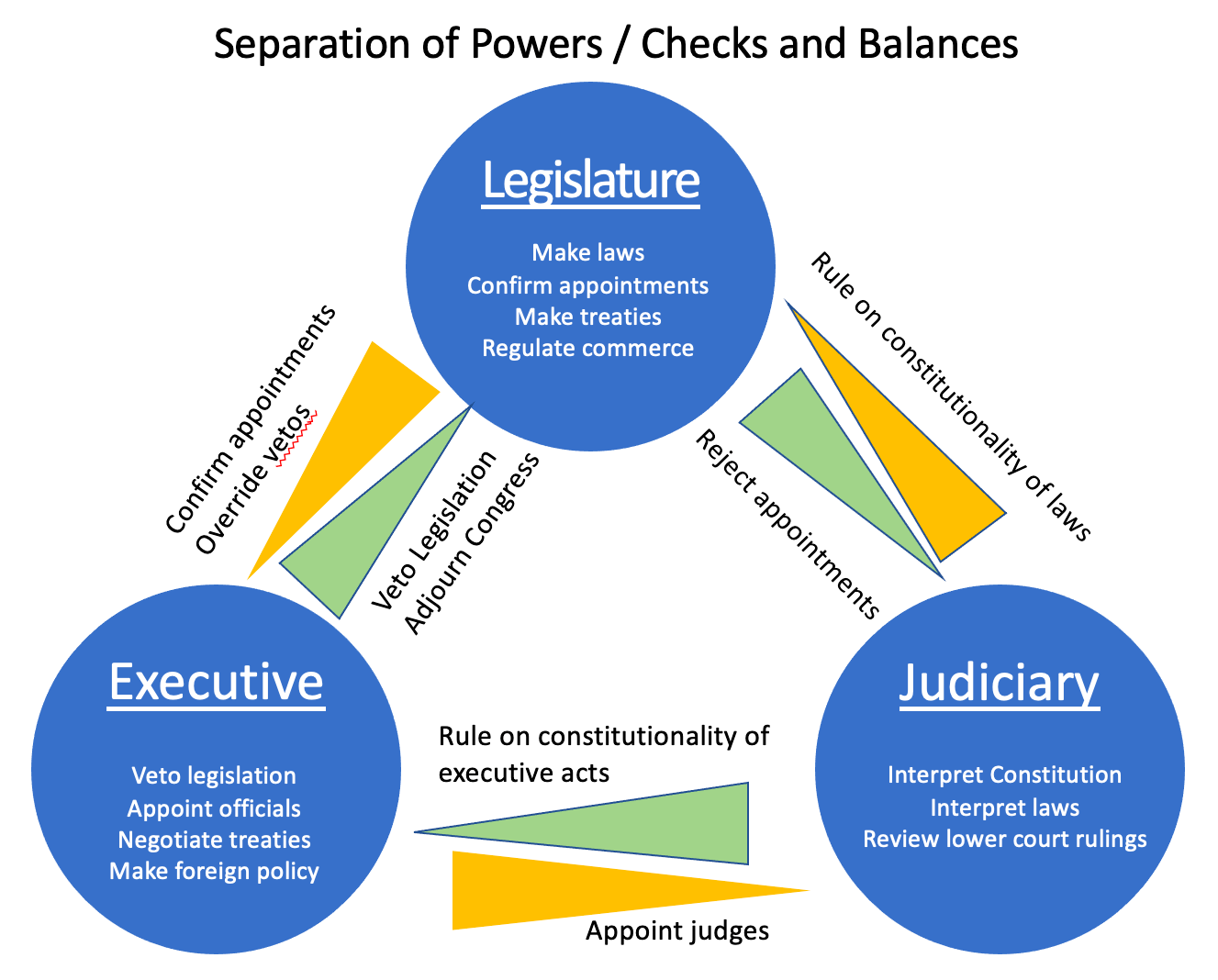
Separating powers is not enough. The branches must also be able to actively push back against one another. Checks and balances is a political system allowing each government branch to amend or veto acts of another branch.
This creates a dynamic, frictional web of accountability. Here is how the branches check one another:
| Actor | Action Taken to Check Another Branch | Target Branch |
|---|---|---|
| Executive | The executive branch possesses the power to veto legislation passed by the legislative branch. | Legislative |
| Legislative | The legislative branch can override an executive veto with a two-thirds majority vote in both chambers. | Executive |
| Judicial | The judicial branch holds the power to declare laws passed by the legislative branch unconstitutional. | Legislative |
| Legislative | The legislative branch possesses the power to impeach members of the executive branch. | Executive |
| Legislative | The legislative branch possesses the power to impeach members of the judicial branch. | Judicial |
| Executive | The executive branch holds the authority to nominate federal judges. | Judicial |
| Legislative | The legislative branch must formally approve federal judge nominations made by the executive branch. | Executive / Judicial |
Notice the beautiful complexity: The President (Executive) nominates a judge, but that judge cannot take the bench unless the Senate (Legislative) formally approves them. Once approved, that judge (Judicial) can declare the President's actions unconstitutional. It is an intricate, brilliant system of interconnected gears.
Government is only half of the civic equation. The other half is the citizen. Elementary students are naturally deeply invested in concepts of "fairness" and "rules," making this the perfect age to distinguish between what citizens must do, what they should do, and what they are freely allowed to do.
Civic Duties: The "Must Do" Obligations
Civic duties are legally mandated obligations that citizens are required to perform under threat of penalty. If you fail to fulfill a duty, you can be fined or imprisoned.
- Obeying laws: Obeying local, state, and federal laws is a mandatory civic duty for all individuals within a jurisdiction.
- Paying taxes: Paying taxes is a legal obligation required to fund public services and government operations. (When a child asks why we pay taxes, explain that it is how we pool our money to pay for things we all share: roads, schools, parks, and fire trucks).
- Jury duty: Serving on a jury when summoned is a mandatory legal obligation for eligible United States citizens.
- Selective Service: Registering for the Selective Service is a legal requirement for most male United States citizens upon turning eighteen years old (keeping a roster in case a military draft is ever needed).

Civic Responsibilities: The "Should Do" Obligations
By contrast, civic responsibilities are voluntary actions that citizens perform to contribute to the common good of their community. There is no legal penalty for ignoring them, but a democracy rots if citizens neglect them.
- Voting: Voting in elections is a voluntary civic responsibility of citizens in a democracy.
- Staying informed: Staying informed about public issues is a voluntary civic responsibility. You cannot make wise choices at the ballot box if you do not know what is happening in your community.
- Community service: Participating in local community service is considered a voluntary civic responsibility.
Pedagogical Note: Write "Must Do" and "Should Do" on the board. Present scenarios to the students: "I decide not to pick up litter at the park." (Responsibility - no one will arrest you, but you should do it). "I decide not to pay for the groceries in my cart." (Duty - you are breaking a law). Distinguishing between duty and responsibility is a highly tested concept on teaching exams.
Constitutional Rights and Protections
In exchange for consenting to be governed and fulfilling our duties, citizens possess immense protections against government overreach. Many of these are enshrined in the Bill of Rights.
- Freedom of speech: Freedom of speech is a fundamental right protected by the First Amendment of the United States Constitution. It allows individuals to express opinions without government censorship.
- Freedom of religion: Freedom of religion is a fundamental right allowing citizens to practice any faith or no faith at all.
- Trial by jury: The right to a trial by a jury of peers is a constitutional protection for individuals accused of crimes. Notice how this right for the accused relies on the civic duty of other citizens showing up to serve on that jury!
The Exclusive Privileges of Citizenship
While many rights (like freedom of speech) apply to anyone residing within the United States, certain rights and benefits are inextricably tied to the legal status of citizenship itself. You must be able to identify these exclusive privileges:
- The right to vote in federal elections is a privilege restricted exclusively to United States citizens.
- Running for federal political office is a right reserved exclusively for United States citizens.
- Obtaining a United States passport is a government benefit available only to United States citizens.
When you step into your classroom, you are not merely teaching children the definitions of "democracy" or "veto." You are initiating them into the grand human experiment of self-governance.
By connecting the abstract mechanisms of the Constitution—the separation of powers, the checks and balances, the rule of law—to the tangible reality of classroom rules and shared community responsibilities, you demystify the adult world. You teach them that paying taxes is just chipping in for the neighborhood's metaphorical playground equipment, that voting is how we practice our consent to be governed, and that the rule of law is the ultimate guarantor of fairness. Mastery of this content allows you to cultivate not just knowledgeable students, but active, responsible citizens.