Geometry and Shape Attributes
Not sure you’re ready?
Take the ~3-minute readiness diagnostic and see where you stand.
Imagine a young child holding a wooden block. They are not merely grasping a toy; they are gripping a physical manifestation of geometric truth. The sharp corners that prick their palms, the smooth planes where their fingers rest, the way the block cannot neatly fit into a circular hole—these are all negotiations with the physical laws of our space. Teaching geometry to young minds is not about handing them a sterile dictionary of shape names to memorize. It is about equipping them to decode the very architecture of the universe they inhabit. As educators, our task is to take the intuitive spatial reasoning a child develops from crawling under tables and stacking blocks, and translate it into a rigorous, illuminating mathematical language.
To build the physical universe mathematically, we must start with nothingness and slowly add dimensions.
Our genesis is the geometric point. A point specifies an exact location in two-dimensional or three-dimensional space, but it has absolutely no physical dimensions—no length, no width, no depth. It is purely a conceptual marker.
When a point begins to move in a perfectly straight trajectory, it creates a geometric line. A line is straight and extends infinitely in two opposite directions without ever ending. Of course, when a child draws a line on a piece of paper, their pencil eventually runs off the page. Pedagogically, this is a profound hurdle: we draw a line segment, which is a restricted part of a line explicitly bounded by two distinct endpoints, but we ask the child to imagine the infinite.
If we fix exactly one endpoint and allow the other end to extend infinitely in a single continuous direction, we create a ray. Think of a ray like a beam of light from a laser pointer—it has a definitive origin point but travels onward forever.

When Lines Meet in the Plane
When we place two geometric lines in the exact same plane, their relationship is governed by how they interact:
- Intersecting lines are straight lines that cross each other at exactly one shared geometric point.
- Perpendicular lines are a special case of intersecting lines that cross to form exactly a ninety-degree angle.
- Parallel lines are straight lines situated in the exact same plane that never intersect. Because they never diverge or converge, the shortest measured distance between two specific parallel lines remains completely constant at all points.
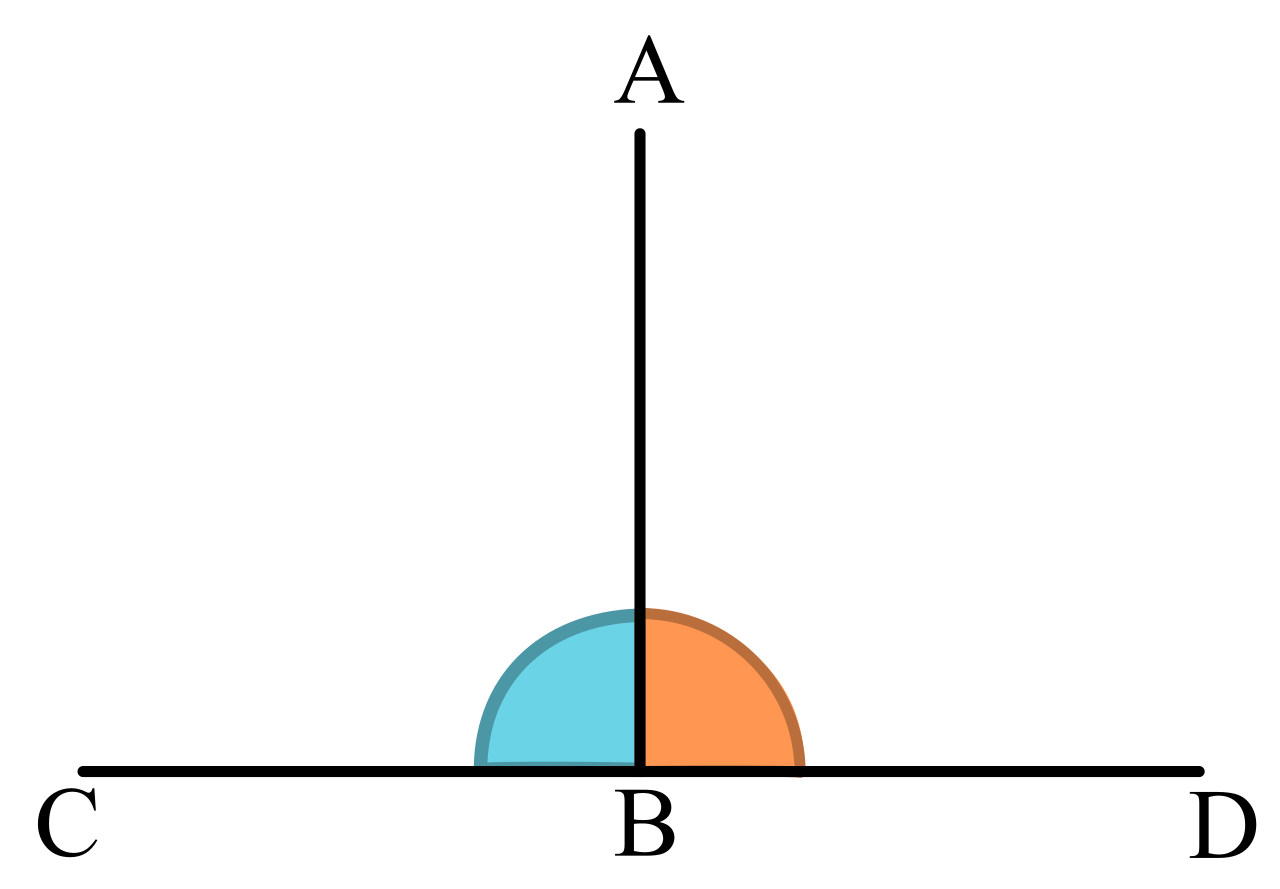
When two separate rays share a single common endpoint, they form a geometric angle. That shared common endpoint connecting the two rays is called a vertex. The way we classify these angles is fundamental to how we will later classify the shapes they build:
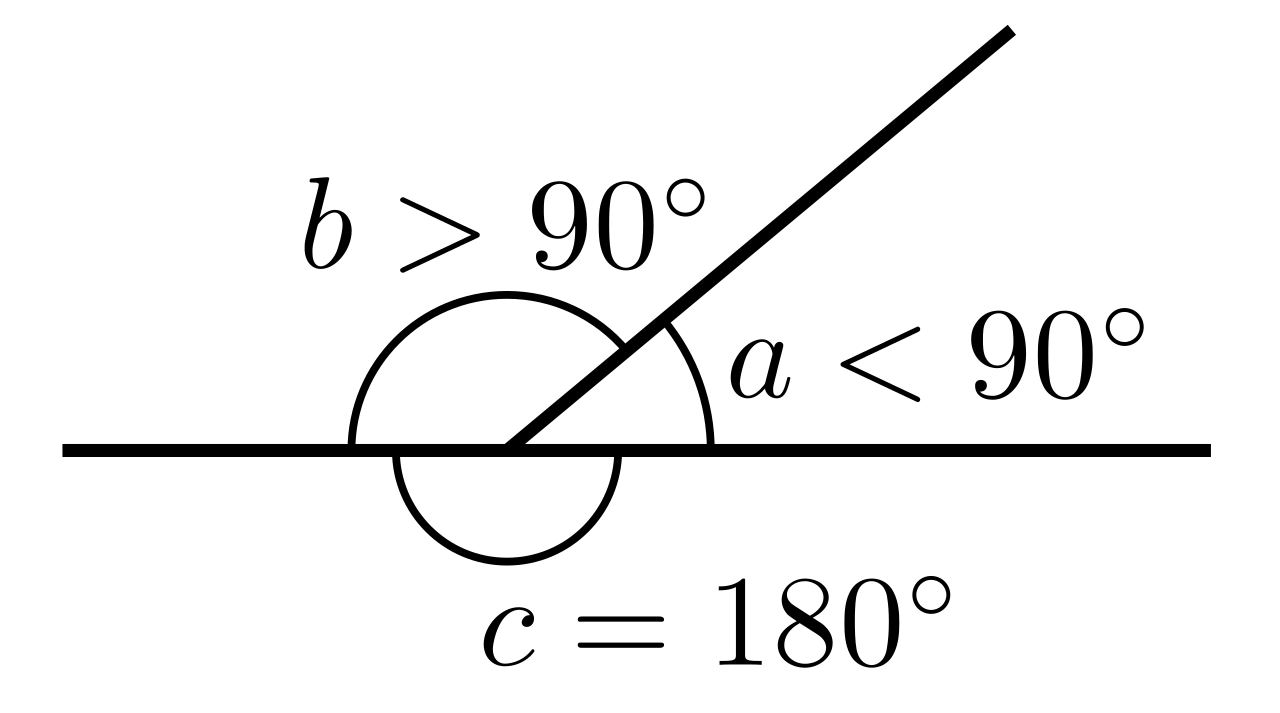
- An acute angle measures strictly less than ninety degrees.
- A right angle measures exactly ninety degrees (the perfectly square corner).
- An obtuse angle measures strictly greater than ninety degrees and strictly less than one hundred eighty degrees.
- A straight angle measures exactly one hundred eighty degrees, appearing visually as a straight line.
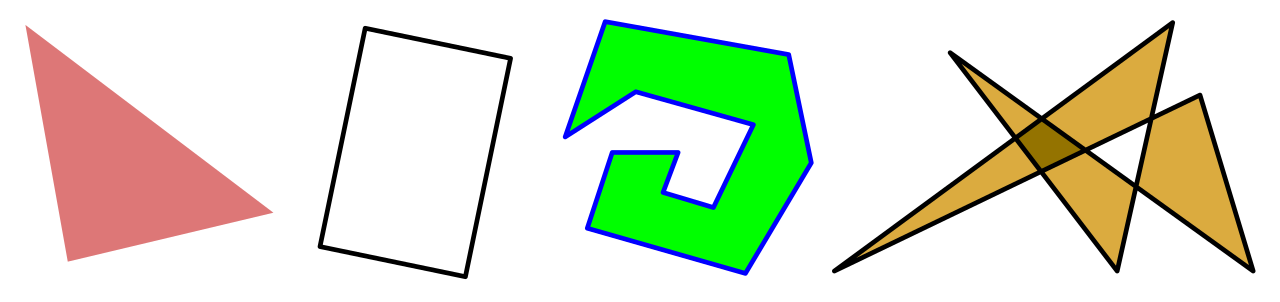
When line segments connect to enclose a space, we transition from lines to figures. But what separates a scribble from a square?
An open geometric figure contains at least one gap in its outer boundary lines. Because of this gap, an open geometric figure cannot mathematically enclose an internal area. If you were to pour water into an open figure, it would spill out.
Conversely, a polygon is a completely closed two-dimensional figure bounded entirely by straight line segments. A valid polygon cannot contain any curved outer lines. A circle, therefore, is not a polygon, nor is a heart shape.
The Educator’s Lens: Defining vs. Non-Defining Attributes
One of the most frequent misconceptions in elementary geometry involves how children identify shapes. If you show a kindergartener a square rotated slightly on its vertex, they will almost always confidently declare it is a "diamond." Why? Because they are relying on non-defining attributes.
- Defining attributes of geometric shapes are mandatory properties strictly necessary to mathematically classify a shape. For example, the total number of straight sides is a defining attribute used to classify a polygon.
- Non-defining attributes are purely visual or spatial properties irrelevant to strict mathematical classification. The visual color of a geometric figure, its overall physical size, and its spatial orientation or rotation are all non-defining attributes.
A large, red, tilted square is still a square because its defining attributes (four equal straight sides, four right angles) remain mathematically intact, despite changes to its non-defining attributes.
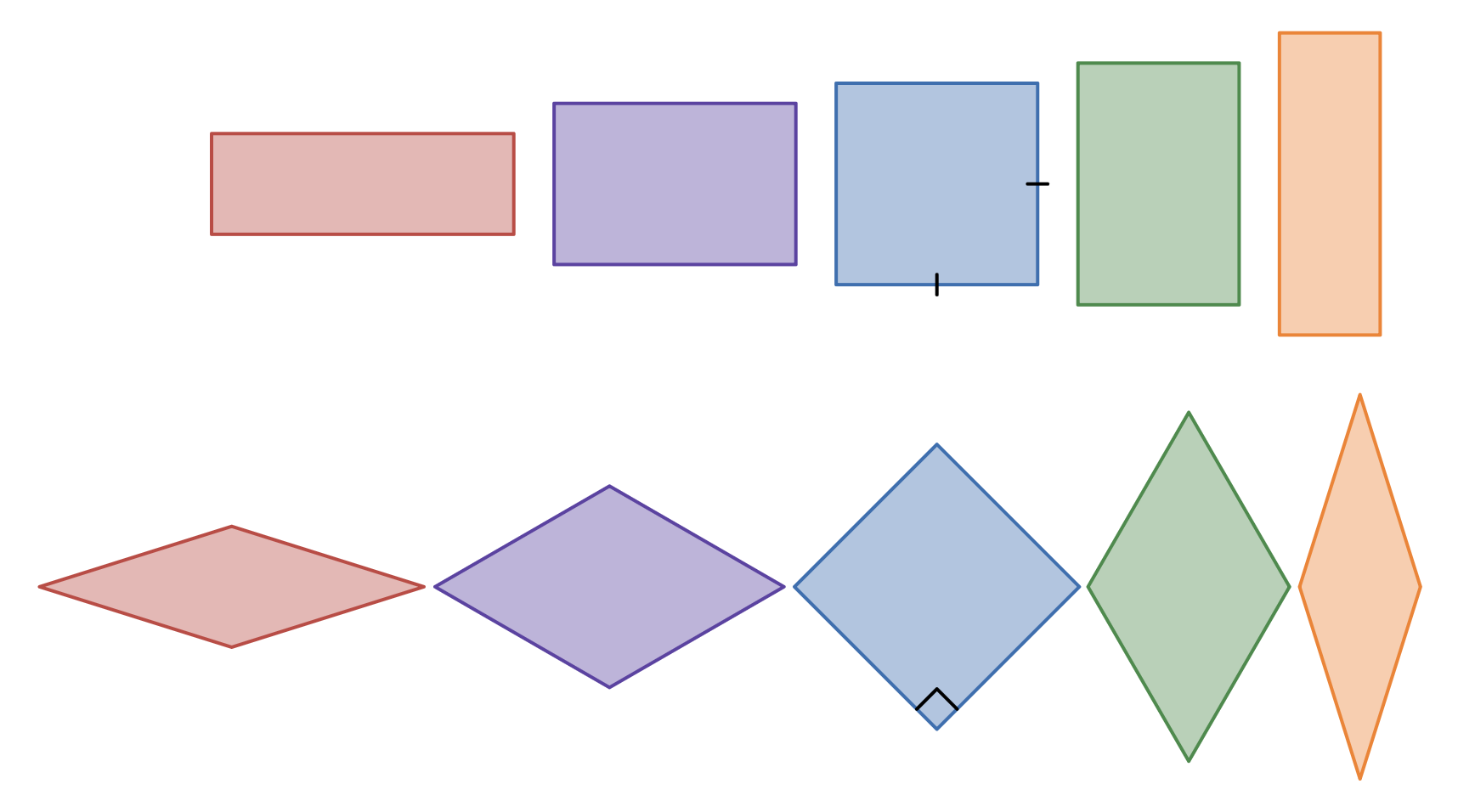
When a polygon boasts absolute uniformity—meaning it must feature individual straight sides that are all of equal length and interior angles that are all of equal mathematical measure—we classify it as a regular polygon.
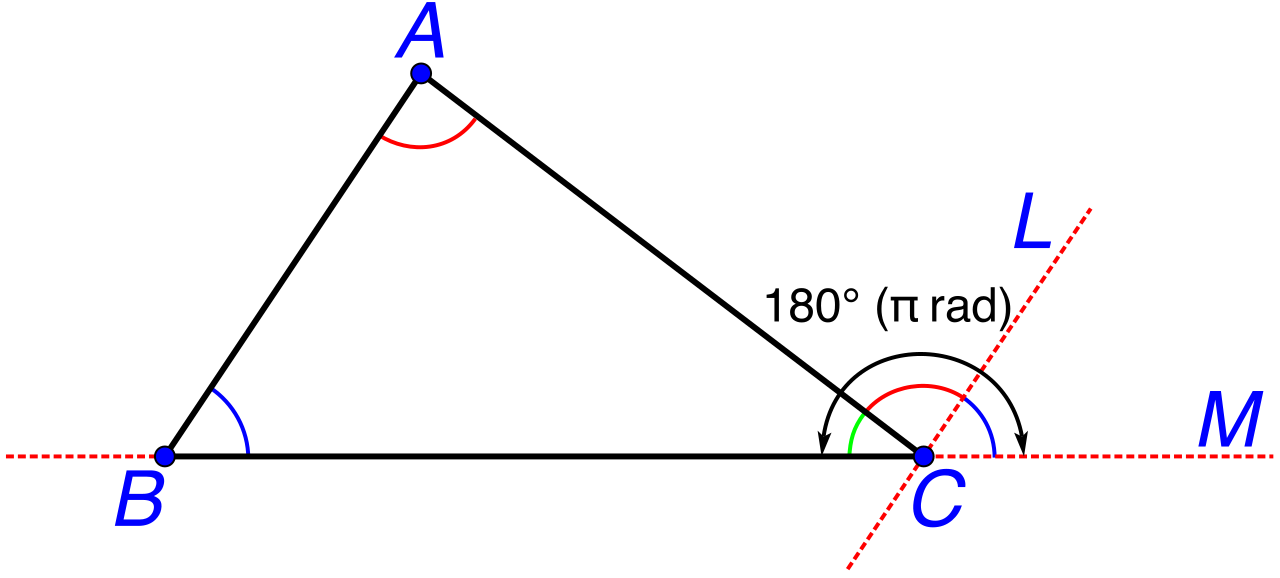
The simplest closed space we can construct requires exactly three straight sides, creating a triangle. A complete triangle naturally contains exactly three interior angles. A magical property of our planar geometry is that no matter how you stretch or skew those three sides, the mathematical sum of the interior angles of any planar triangle is exactly one hundred eighty degrees.
We categorize triangles through two distinct lenses: by their sides and by their angles.
Classifying by Sides:
- An equilateral triangle features exactly three straight sides of mathematically equal length. Because its sides are equal, its angles are forced into equality as well, meaning all three interior angles of a planar equilateral triangle measure exactly sixty degrees.
- An isosceles triangle features at least two straight sides of mathematically equal length.
- A scalene triangle features exactly zero straight sides of mathematically equal length.
Classifying by Angles:
- A right triangle contains exactly one internal angle measuring exactly ninety degrees.
- An obtuse triangle contains exactly one internal angle measuring strictly greater than ninety degrees.
- An acute triangle contains exactly three internal angles that each independently measure less than ninety degrees.
Pedagogical Note: Notice that an equilateral triangle is always an acute triangle, but an isosceles triangle could be acute, right, or obtuse. Helping students map these overlapping categories builds deep logical reasoning.
When we move to four straight sides, we enter the world of the quadrilateral. A complete quadrilateral contains exactly four interior angles, and the mathematical sum of the interior angles of any planar quadrilateral is exactly three hundred sixty degrees.
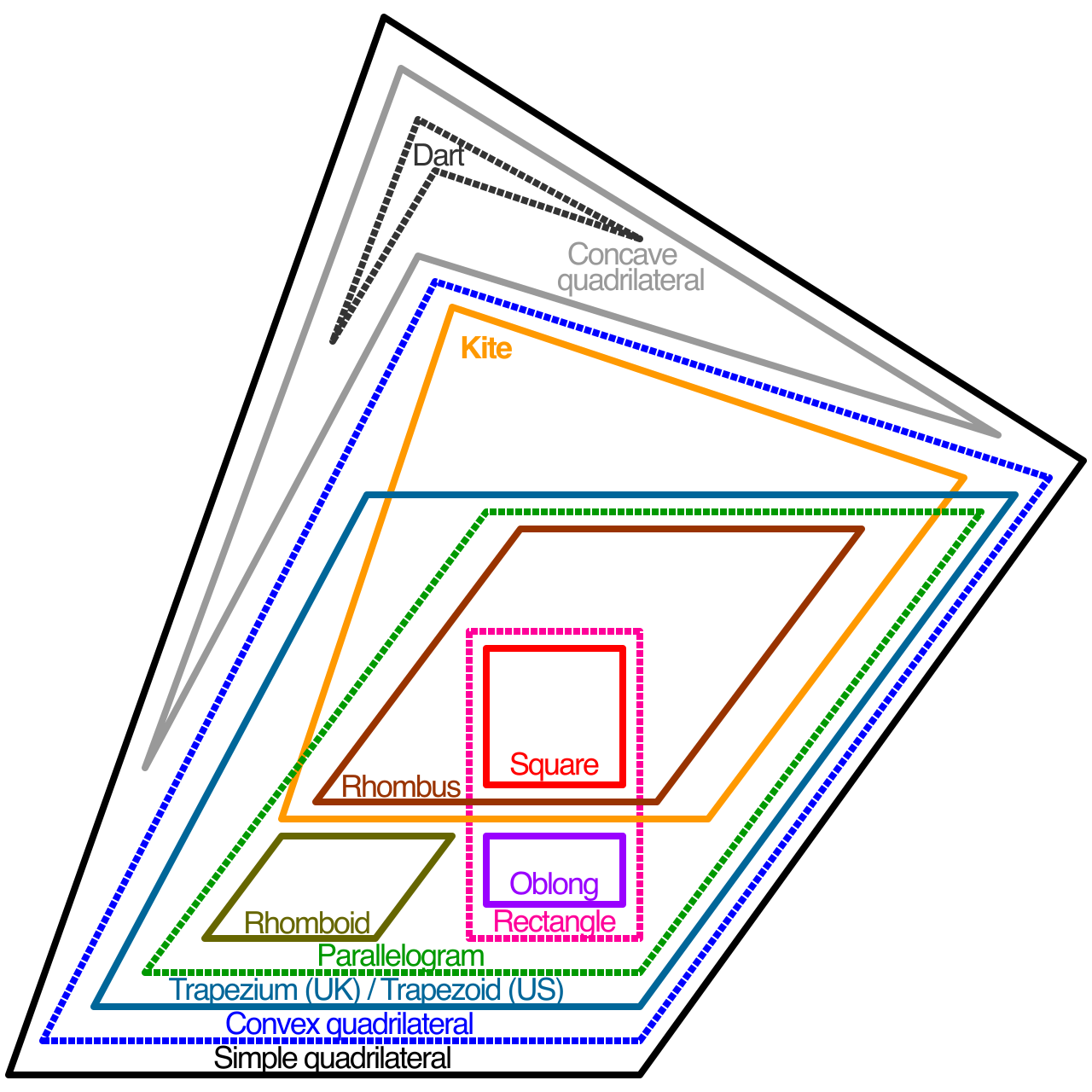
The taxonomy of quadrilaterals is governed by hierarchical geometric classification, which groups individual shapes into broad main categories and specific subcategories based exclusively on shared mathematical attributes. In strict hierarchical classification, all defining properties of a broader geometric category intrinsically apply to its specialized subcategories.
Let us map this hierarchy:
- A parallelogram is a specialized quadrilateral featuring exactly two distinct pairs of parallel opposite sides. Because of this parallel constraint, the opposing straight sides of any valid parallelogram are mathematically equal in length.
- A rhombus is a specialized parallelogram featuring exactly four straight sides of mathematically equal length.
- A rectangle is a specialized parallelogram featuring exactly four internal right angles. (It is important to note that drawing a complete quadrilateral bounded by four internal right angles and unequal adjacent side lengths properly creates a valid rectangle that intrinsically is not a square).
- A square is the ultimate convergence. A square is a specialized rectangle featuring exactly four straight sides of mathematically equal length. Therefore, a geometrically valid square perfectly satisfies all standard defining attributes of a rectangle and perfectly satisfies all standard defining attributes of a rhombus.
- A kite exists somewhat adjacent to parallelograms; it is a specialized quadrilateral featuring exactly two distinct pairs of equal-length adjacent sides.
The Great Trapezoid Debate
As an elementary educator, you will encounter two competing definitions of the trapezoid.
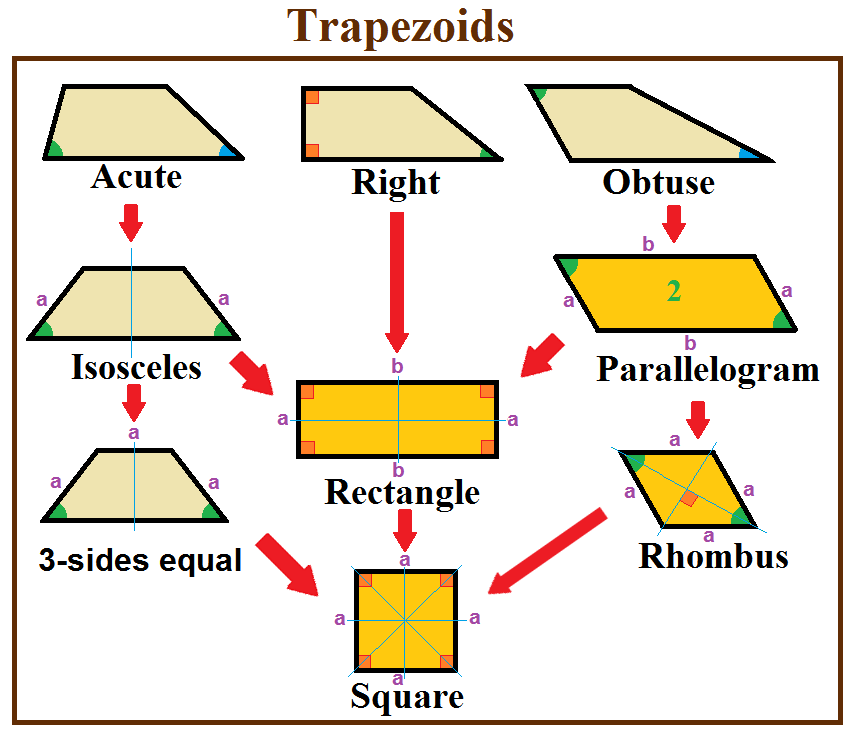
- The Exclusive Mathematical Definition: Classifies a trapezoid as a quadrilateral possessing exactly one pair of parallel opposite sides.
- The Inclusive Mathematical Definition: Classifies a trapezoid as a quadrilateral possessing at least one pair of parallel opposite sides.
Modern mathematics education largely favors the inclusive definition. Why? Because it preserves the elegance of our hierarchical classification. Under the inclusive trapezoid definition, all valid parallelograms are properly classified as trapezoids.
The logic of defining attributes scales infinitely as we add more straight bounding sides to a closed 2D polygon:
- A pentagon is bounded by exactly five straight sides. By definition, a newly drawn two-dimensional geometric figure deliberately closed with exactly five internal mathematical angles must necessarily be a pentagon.
- A hexagon is bounded by exactly six straight sides. Any newly drawn two-dimensional geometric figure deliberately completely closed with exactly six straight connected bounding sides must necessarily be a hexagon.
- An octagon is bounded by exactly eight straight sides.
Geometry is not static; it is highly modular. Young students develop immense spatial mathematical reasoning—which includes the specific cognitive ability to mentally visualize accurately rotating or flipping a given geometric shape—through the physical manipulation of shapes.
- Composing geometric shapes involves cleanly joining two or more smaller two-dimensional figures without physical overlap to actively create a larger continuous figure. For example, two identically sized right triangles can be structurally composed to completely form a single valid rectangle. Similarly, two identically sized mathematical squares can be structurally composed side-by-side to perfectly form a single rectangle.
- Decomposing geometric shapes involves perfectly breaking a larger two-dimensional figure into two or more smaller mathematical figures without leaving internal gaps. If you hand a student a paper rectangle, a standard rectangle can be evenly decomposed into two identically sized right triangles simply by drawing a single straight diagonal line directly from corner to opposite corner and cutting along it. In another classic example, a regular hexagon shape can be evenly decomposed into exactly six identically sized equilateral triangles.
When we extrude flat two-dimensional geometry into three-dimensional solid mathematical figures, our vocabulary must adapt to three critical structural components:
- A geometric face is a completely flat, two-dimensional outer surface present on a three-dimensional solid.
- A geometric edge is the straight, one-dimensional line segment located precisely where two flat faces of a three-dimensional solid intersect.
- A geometric vertex on a three-dimensional solid figure is the specific spatial corner point where three or more straight edges intersect.
Consider the classic geometric cube. It is a three-dimensional solid figure containing exactly six identically sized flat square faces. By tracing your fingers along its boundaries, you will find that a complete mathematical cube inherently contains exactly twelve straight outer edges and inherently contains exactly eight spatial outer vertices.
If we relax the requirement for identically sized square faces, we get a rectangular prism, a three-dimensional solid figure featuring exactly six entirely flat rectangular faces.
Not all 3D solids are built from flat polygons, however. The curved shapes in our world present unique attributes:
- A standard mathematical cylinder contains exactly two flat, parallel circular bases, and features exactly one continuously curved outer surface smoothly connecting its two flat circular bases.
- A standard mathematical cone contains exactly one entirely flat circular base and features a single continuously curved outer surface that smoothly culminates in exactly one distinct apex point.
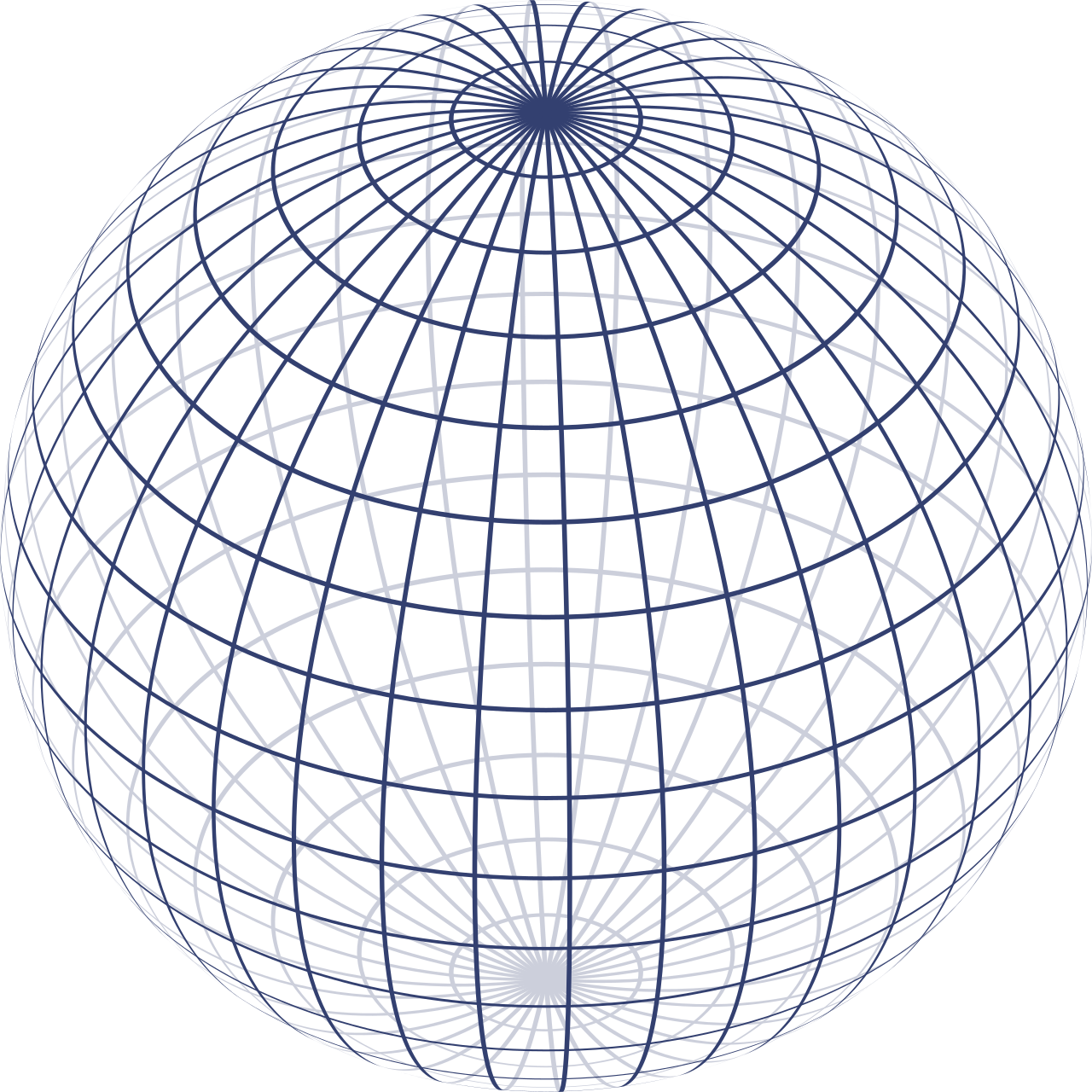
- Finally, the geometric sphere represents total mathematical symmetry. It is a perfectly round three-dimensional spatial shape completely lacking any flat outer faces, straight linear edges, or sharp vertices.
As a teacher, understanding geometry at this foundational level transforms your classroom. You are no longer merely asking students to match pictures on a worksheet. You are teaching them to look at a soup can, a block, or a kite in the sky, and instantly recognize the invisible, immutable rules of mathematics holding that object together.