The Universe and Its Stars
Not sure you’re ready?
Take the ~3-minute readiness diagnostic and see where you stand.
To the naked eye, the sky is a rotating dome of lights revolving around a stationary Earth. When an elementary student looks upward, their senses confirm the geocentric model of the ancient world. The Sun appears to travel across the sky, the stars seem to vanish in the morning light, and the Moon appears to physically change its shape. The foundational challenge of teaching astronomy is not merely delivering facts about the cosmos; it is methodically dismantling these powerful sensory illusions. A teacher must understand the precise geometry of our spinning, orbiting vantage point well enough to construct physical, observable models that prove our intuition wrong.
The most immediate pattern a child observes is the cycle of day and night. The human brain naturally attributes this change to the movement of the light source, leading to a pervasive common elementary student misconception: that the Sun physically orbits the Earth to create day and night.
To correct this, we must shift the student's frame of reference from the sky to the ground beneath their feet. Earth rotates on Earth's axis from west to east. Because we are riding on this spinning sphere, Earth's daily rotation causes the Sun, Moon, and stars to appear to move across the sky from east to west. It is this continuous rotation that causes the predictable daily pattern of day and night, not the transit of the Sun.
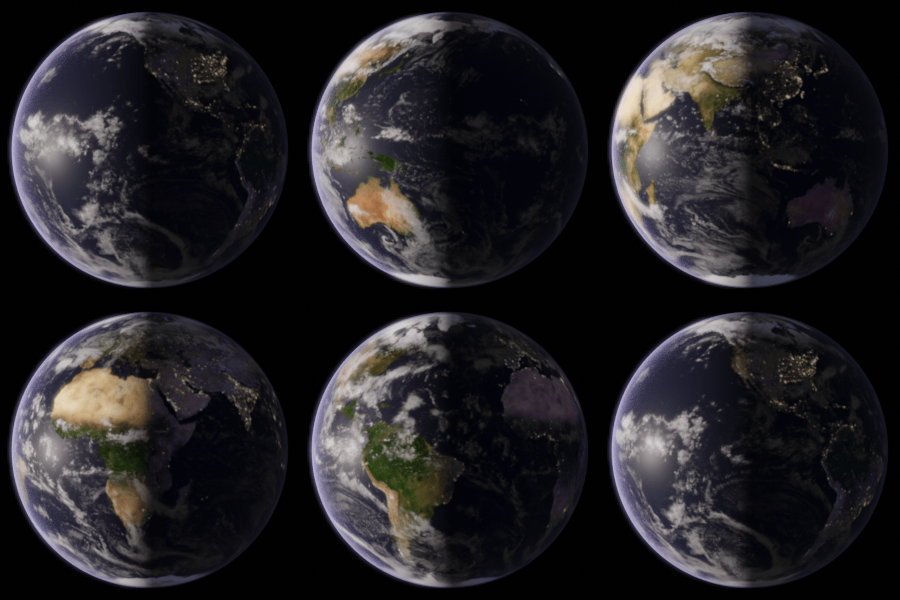
Modeling Rotation Through Shadows
You cannot feel the Earth spinning, but you can track its rotation by watching how sunlight interacts with objects on the ground. The length and direction of shadows cast by objects on Earth change in a predictable pattern throughout the day.
- Sunrise and Sunset: When the Sun is lowest in the sky, sunlight strikes objects at an extreme angle. Therefore, an object's shadow is longest at sunrise and sunset.
- Solar Noon: As the Earth continues to rotate, the Sun's apparent position rises. An object's shadow is shortest at solar noon when the Sun reaches the highest point in the sky for that specific day.
Pedagogical Application: We do not simply tell students that the Earth rotates; we let them track it. Students can use shadow length measurements taken at different times of the school day to accurately model the Sun's apparent daily movement. By staking a stick in the schoolyard and tracing its shadow every hour, the abstract concept of planetary rotation becomes a concrete, measurable geometric curve on the pavement.

When children look at the night sky, they see thousands of tiny, faint points of light. When they look at the daytime sky, they see one massive, blindingly bright orb. It is entirely logical for them to categorize the Sun and the stars as two completely different types of celestial objects.
The breakthrough in astronomical understanding comes from grasping a simple truth: The Sun is the closest star to Earth.
Apparent Brightness vs. Actual Luminosity
Why does the Sun look so radically different from the stars in the night sky? It is purely an effect of distance. The apparent brightness of a star depends on the star's actual luminous output and the star's distance from Earth.
If you place two identical light sources at different distances, the closer one will dominate your vision. In astrophysics, this means that stars located closer to Earth generally appear brighter to observers than identical stars located farther away.
The Sun appears much larger and brighter than other stars because of the Sun's close proximity to Earth. In reality, our Sun is an entirely average star. Many stars in the universe are vastly larger and more luminous than the Sun. However, space is unfathomably vast. The immense distance between Earth and other stars makes massive stars appear as tiny points of light in the night sky.
Pedagogical Application: Students can use flashlights and objects of different sizes placed at varying distances to physically model why closer stars appear brighter. If you place a small flashlight one foot from a student's face and a massive spotlight at the far end of the football field, the small flashlight dominates their field of vision. This physical model translates directly to the Sun-star relationship.
The Illusion of the Daytime Sky
Because the Sun dominates our sky so thoroughly, it creates another powerful common elementary student misconception: that stars disappear or cease to exist during the daytime.
The truth is that stars are present in the sky during the daytime. They never leave. So why can't we see them?
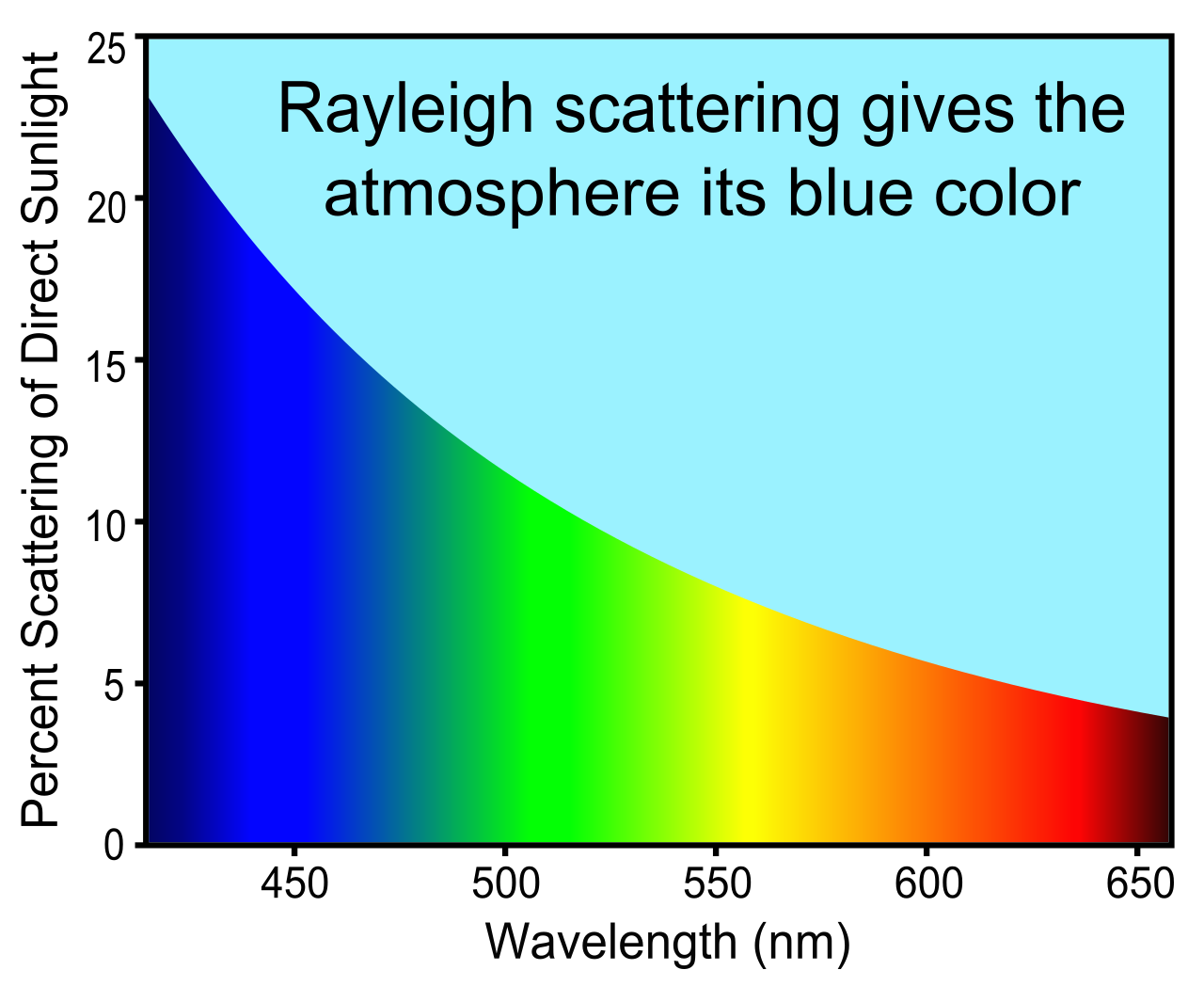
Our atmosphere is filled with gases and particles. When the intense light of our nearby Sun hits the atmosphere, it scatters in every direction (a phenomenon known as Rayleigh scattering, which makes the sky blue). The intense brightness of the Sun scatters in Earth's atmosphere to hide other stars from view during the daytime. The stars are still shining, but their distant, faint light is entirely drowned out by the scattered glare of our local star.
While rotation dictates our day, revolution dictates our year. Earth orbits the Sun in a predictable, roughly circular path.
As Earth makes this annual journey around the Sun, our nighttime vantage point—the side of the Earth facing away from the Sun—points toward entirely different sections of the galaxy. Because of this shifting perspective, Earth's orbit around the Sun causes different constellations to be visible in the night sky during different seasons. Orion dominates the winter sky, while Scorpius commands the summer, serving as a cosmic calendar proving our orbital motion.
The Anchor of the Sky: Polaris
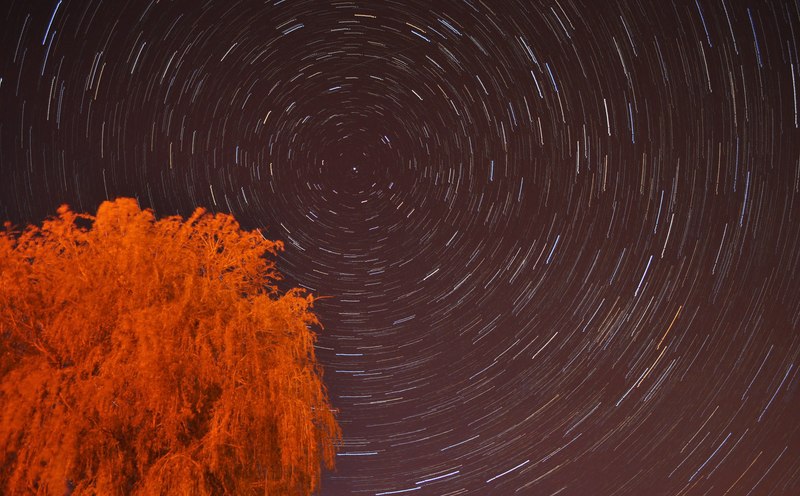
Amidst all this movement—the daily spinning and the yearly orbiting—one point in the sky refuses to move. The North Star, known as Polaris, appears stationary in the night sky.
If you leave a camera shutter open pointing north, all the stars will drag circular light trails across the image, rotating around a single unmoving dot. Polaris appears stationary because Polaris aligns almost perfectly with Earth's northern axis of rotation. Imagine spinning a basketball on your finger; the equator of the ball moves rapidly, but the very top center point simply spins in place. Polaris sits directly above our planetary "center point."
The Mechanics of the Seasons
Why do we experience winter and summer? If you ask an elementary student, you will likely encounter a deeply ingrained common elementary student misconception: that Earth experiences summer because Earth moves physically closer to the Sun.
This makes intuitive sense to a child—if you want to get warmer, you step closer to the campfire. However, remember that Earth orbits the Sun in a roughly circular path. Our distance from the Sun barely changes at all throughout the year.
The true mechanism is axial tilt. Earth's seasons are caused by the tilt of Earth's rotational axis relative to Earth's orbital plane. Earth leans at a 23.5-degree angle. As we orbit the Sun, that tilt remains fixed in space (pointing toward Polaris).
- When the Northern Hemisphere is tilted toward the Sun, sunlight hits the ground more directly, and the days are longer. This is summer.
- When the Northern Hemisphere is tilted away from the Sun, sunlight hits the ground at a shallow angle, and the days are shorter. This is winter.
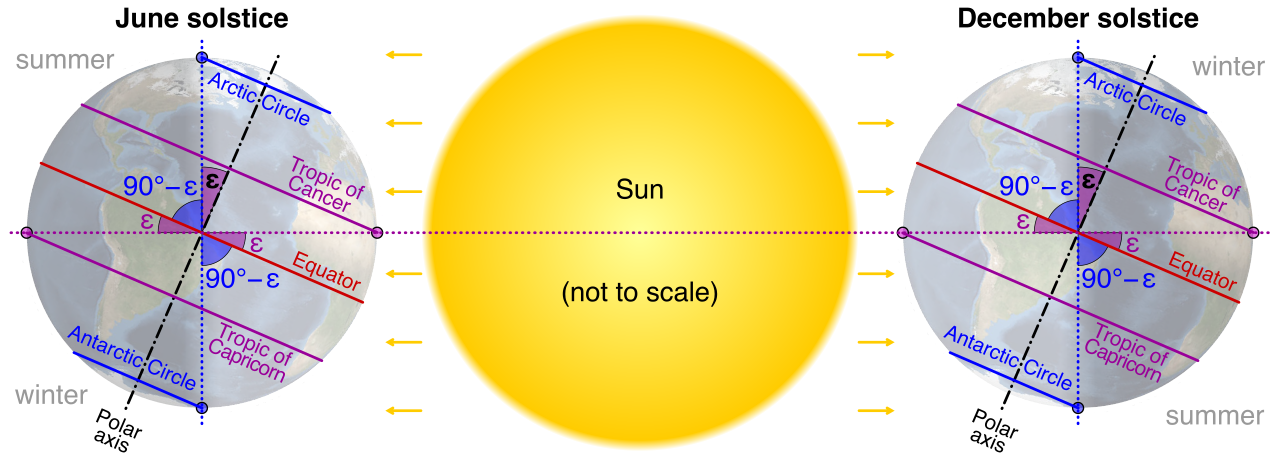
Because of this tilt, our perspective of the Sun changes over the year. The apparent path of the Sun across the sky reaches a higher maximum elevation in the summer and a lower maximum elevation in the winter.
Finally, we look to our closest neighbor. The Moon presents a dramatic visual puzzle: it seems to grow, shrink, and occasionally vanish.
A lunar month is the time it takes the Moon to cycle through all Moon phases, and this lunar month is approximately 29.5 days long. Throughout this period, the observable phases of the Moon follow a predictable, repeating cycle.
To understand lunar phases, you must first establish an absolute rule of planetary illumination: Half of the Moon's spherical surface is always illuminated by the Sun. Just like Earth, the Moon has a day side and a night side.
Because we see the Moon change shape, there is a pervasive common elementary student misconception: that Moon phases are caused by Earth's shadow falling across the Moon. (Earth's shadow does occasionally fall on the Moon, but this is a rare event called a lunar eclipse, lasting only a few hours—not a month-long cycle).
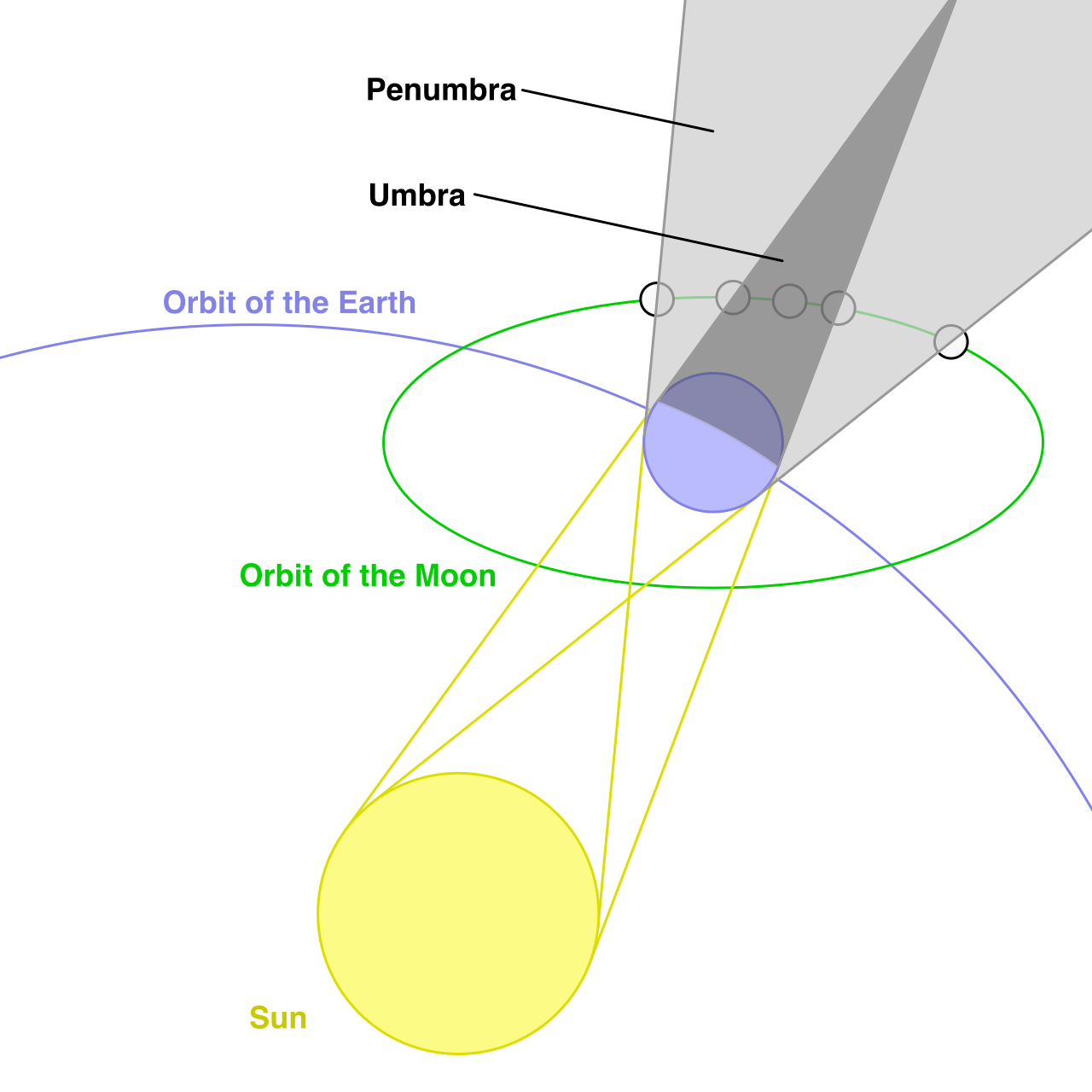
In reality, the Moon's changing shape is entirely an issue of perspective. Moon phases are caused by the changing relative positions of the Moon, Earth, and Sun as the Moon orbits Earth. Because the Moon orbits us, we are looking at the Moon from different angles throughout the month. The phase of the Moon observed from Earth depends entirely on how much of the Moon's illuminated half is visible to a viewer on Earth.
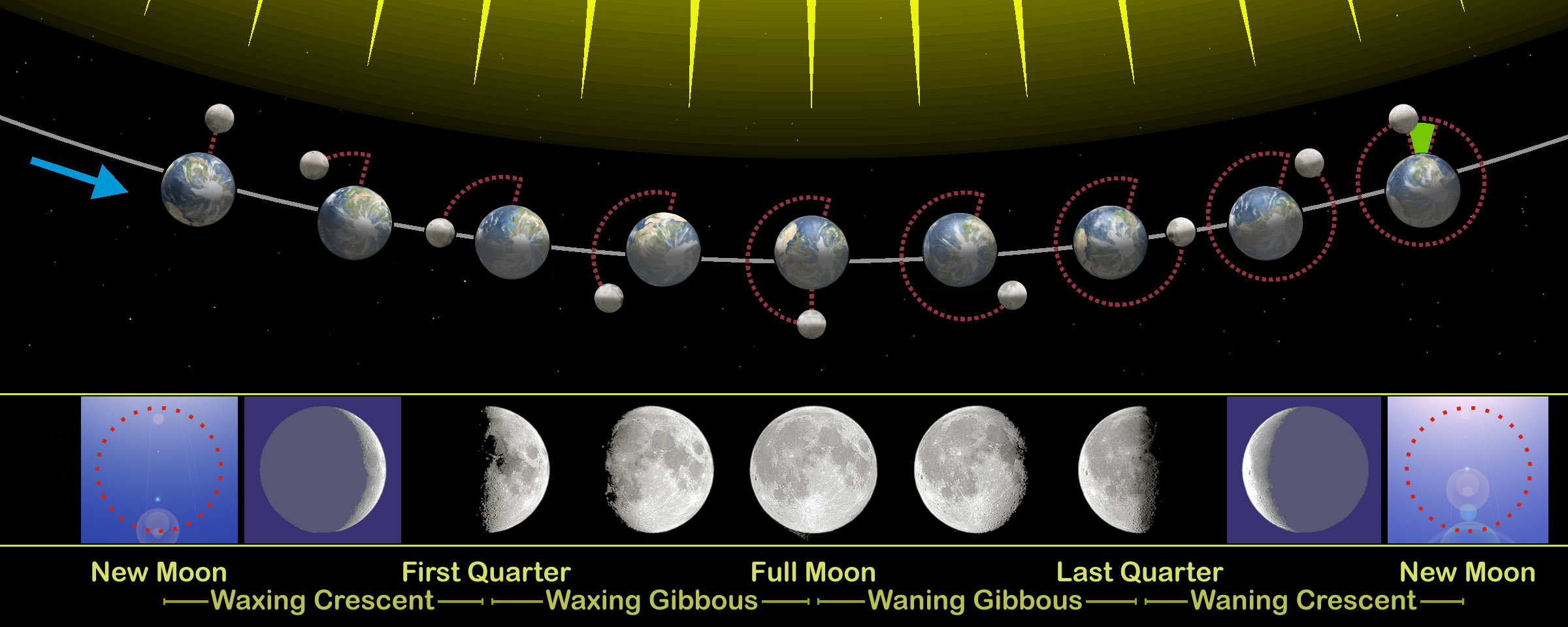
The Vocabulary of the Lunar Cycle
Understanding the geometry allows us to categorize the predictable phases:
| Phase Terminology | Geometric Reality | Visual Result |
|---|---|---|
| New Moon | A New Moon occurs when the Moon is positioned roughly between Earth and the Sun. | We are looking directly at the unilluminated "night" side of the Moon. The Moon appears dark. |
| Waxing | The Moon is moving along its orbit so that more of the day side is revealed to us. | A waxing Moon phase means the visible illuminated portion of the Moon is increasing from night to night. |
| Full Moon | A Full Moon occurs when Earth is positioned roughly between the Moon and the Sun. | We are looking directly at the fully illuminated "day" side of the Moon. The Moon appears as a complete circle. |
| Waning | The Moon is continuing its orbit, moving back toward the Sun, revealing more of its night side to us. | A waning Moon phase means the visible illuminated portion of the Moon is decreasing from night to night. |
Teaching the universe to children is the act of guiding them to trust geometry over their initial perceptions. By modeling distances, tracing shadows, and simulating orbits, we give students the tools to see past the brilliant daytime sky and recognize the vast, spinning, orbiting reality in which we live.