History of Planet Earth
Not sure you’re ready?
Take the ~3-minute readiness diagnostic and see where you stand.
A child picks up a pebble from the playground and assumes it has always been exactly that size, shape, and composition. To an elementary student, the Earth appears as a finished product, a static stage upon which their life unfolds. A common elementary student misconception is the belief that the surface of the Earth has always looked exactly as it does today. Yet, the ground beneath our feet is an active, ongoing construction site. The landscape of the Earth is continuously shaped by a combination of both slow and rapid geological processes. As a teacher, your task is not merely to list geological features, but to help students read the landscape like a history book—to see the invisible forces of time, water, wind, and tectonics that wrote the story of our planet.
Understanding the history of Planet Earth requires bridging the gap between a child's perception of time and the staggering reality of geological time. When we equip students to identify the evidence of these changes—from the shape of a valley to the presence of a seashell fossil on a mountaintop—we give them the tools to decipher the history of the physical world.
_-_path_text.svg)
Elementary students frequently struggle to comprehend the vast scale of geological time. A child’s concept of "ancient" might be the day their parents were born. To make sense of Earth's history, we must categorize geological events by the speed at which they occur, anchoring them to timescales a student can grasp.
Rapid Geological Changes
Rapid geological changes are events that visibly alter the landscape within a human lifetime. Because students can see footage of these events on the news, they are often the easiest to comprehend.
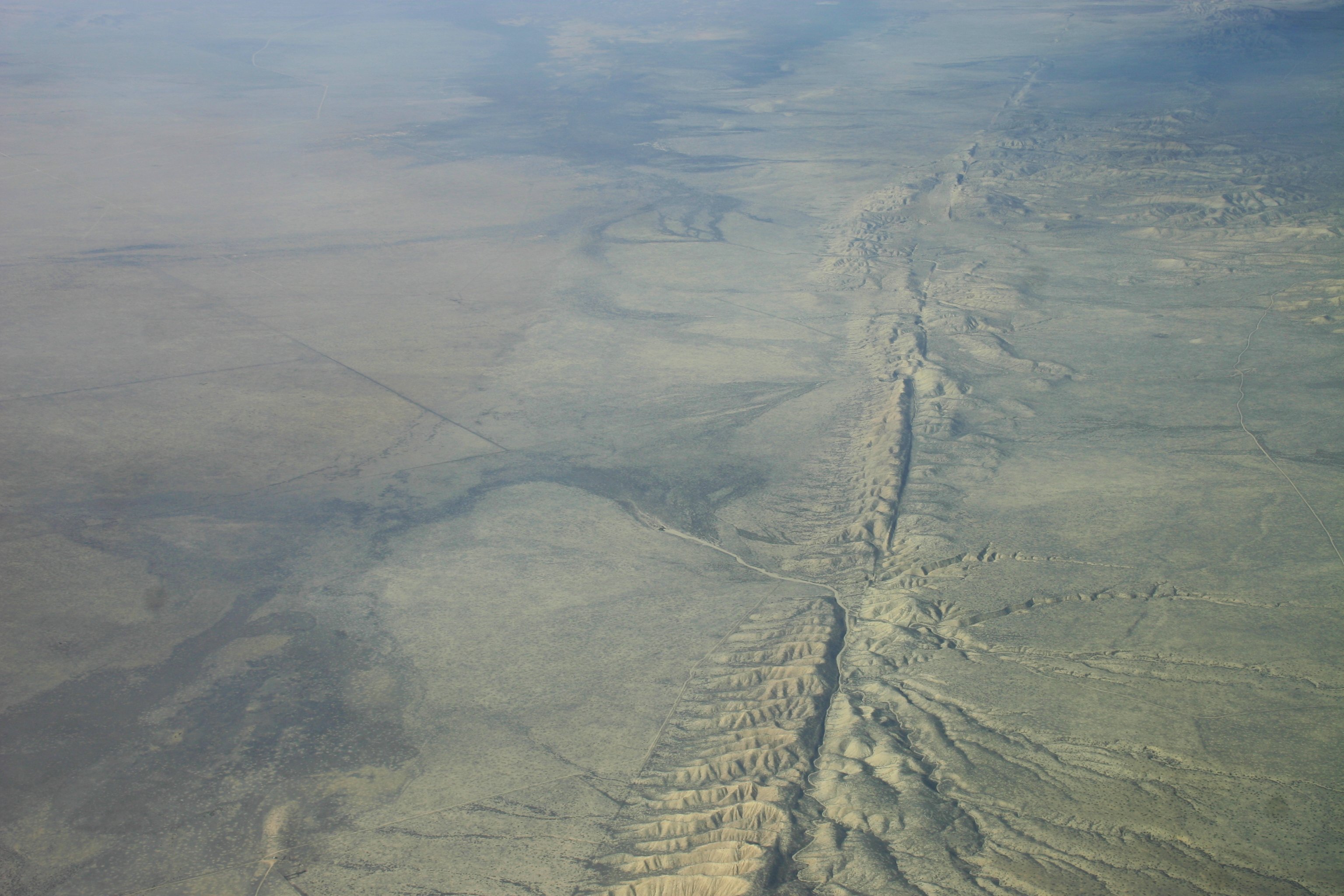
- Earthquakes can cause sudden shifts in the crust of the Earth within seconds or minutes, fracturing rock and displacing ground.
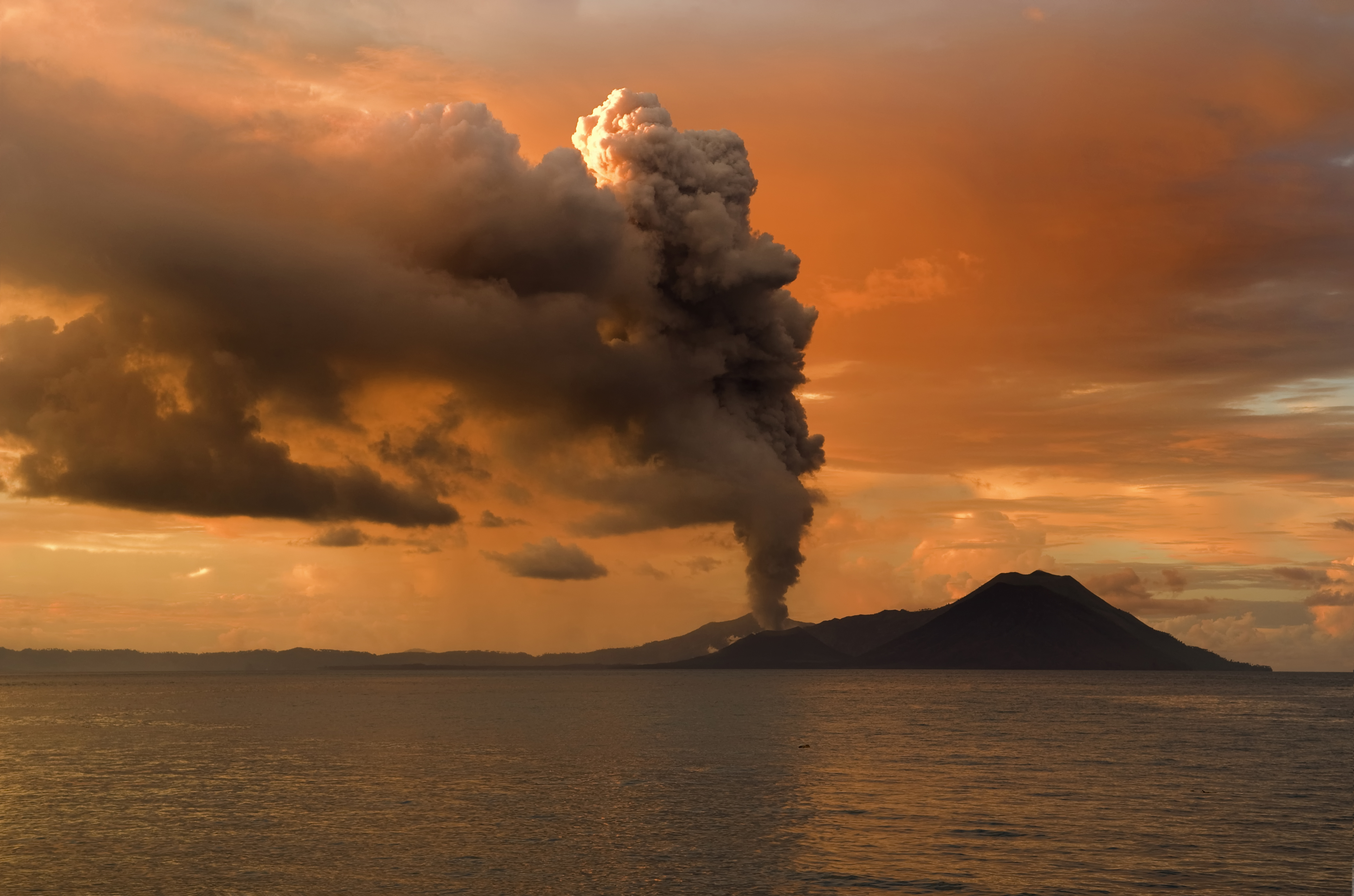
- Volcanic eruptions can drastically change the surface of the Earth in a matter of hours or days, burying existing landscapes under lava or ash and creating entirely new landmasses.
- Landslides rapidly move large amounts of soil and rock down a slope, reshaping hillsides in an instant due to gravity, often triggered by heavy rain or seismic activity.
- Tsunamis can rapidly alter coastal landscapes by depositing large amounts of sand and debris, stripping away vegetation and rearranging shorelines in a single afternoon.
Pedagogical Warning: Because these rapid, dramatic events are highly visible, a common student misconception is that earthquakes and volcanoes are the only mechanisms capable of altering the surface of the Earth. You must intentionally balance instruction by highlighting the silent, invisible power of slow changes.
Slow Geological Changes
In contrast, slow geological changes occur over timescales much longer than a human lifetime. We cannot watch them happen; we can only observe their cumulative results.
- Tectonic Plate Movement: The grandest forces on Earth are the most imperceptible. Tectonic plate movement occurs at an average rate of only a few centimeters per year—roughly the speed at which human fingernails grow.
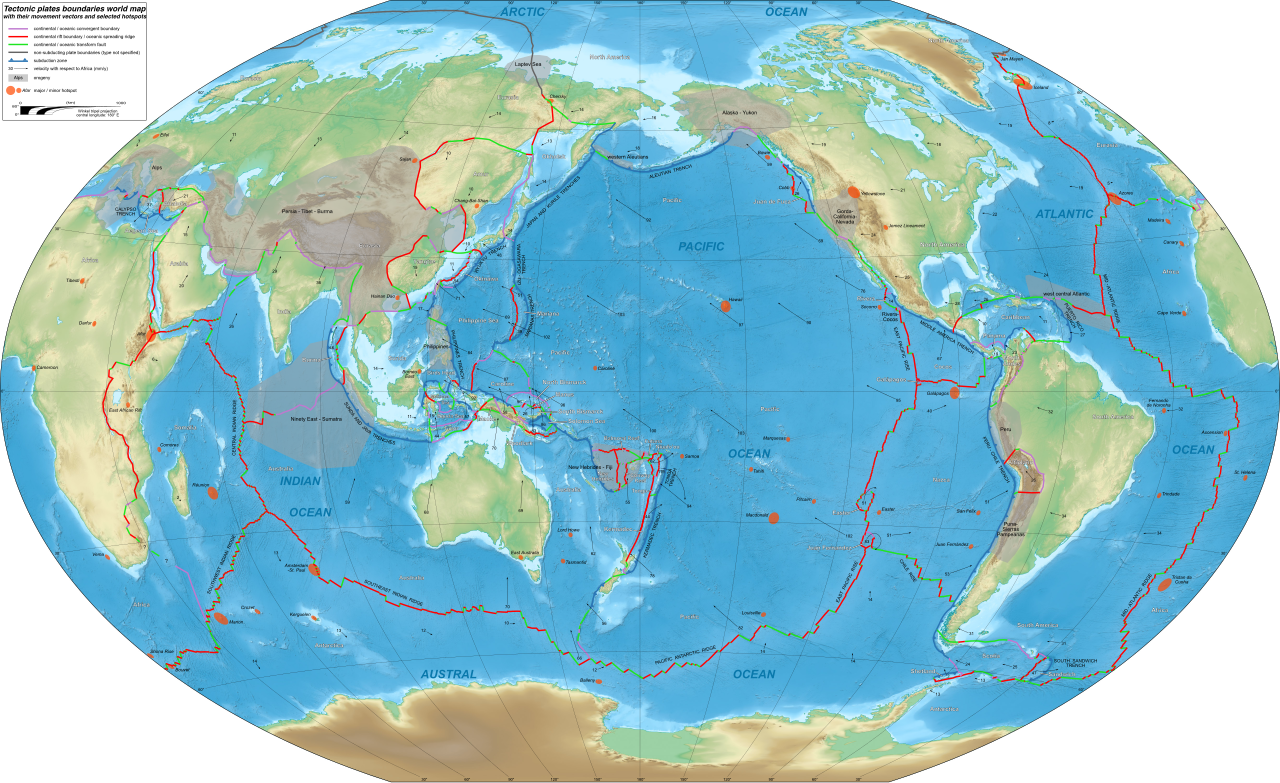
- Mountain Building: Driven by those creeping tectonic plates colliding, mountain building is a gradual process requiring millions of years to complete.
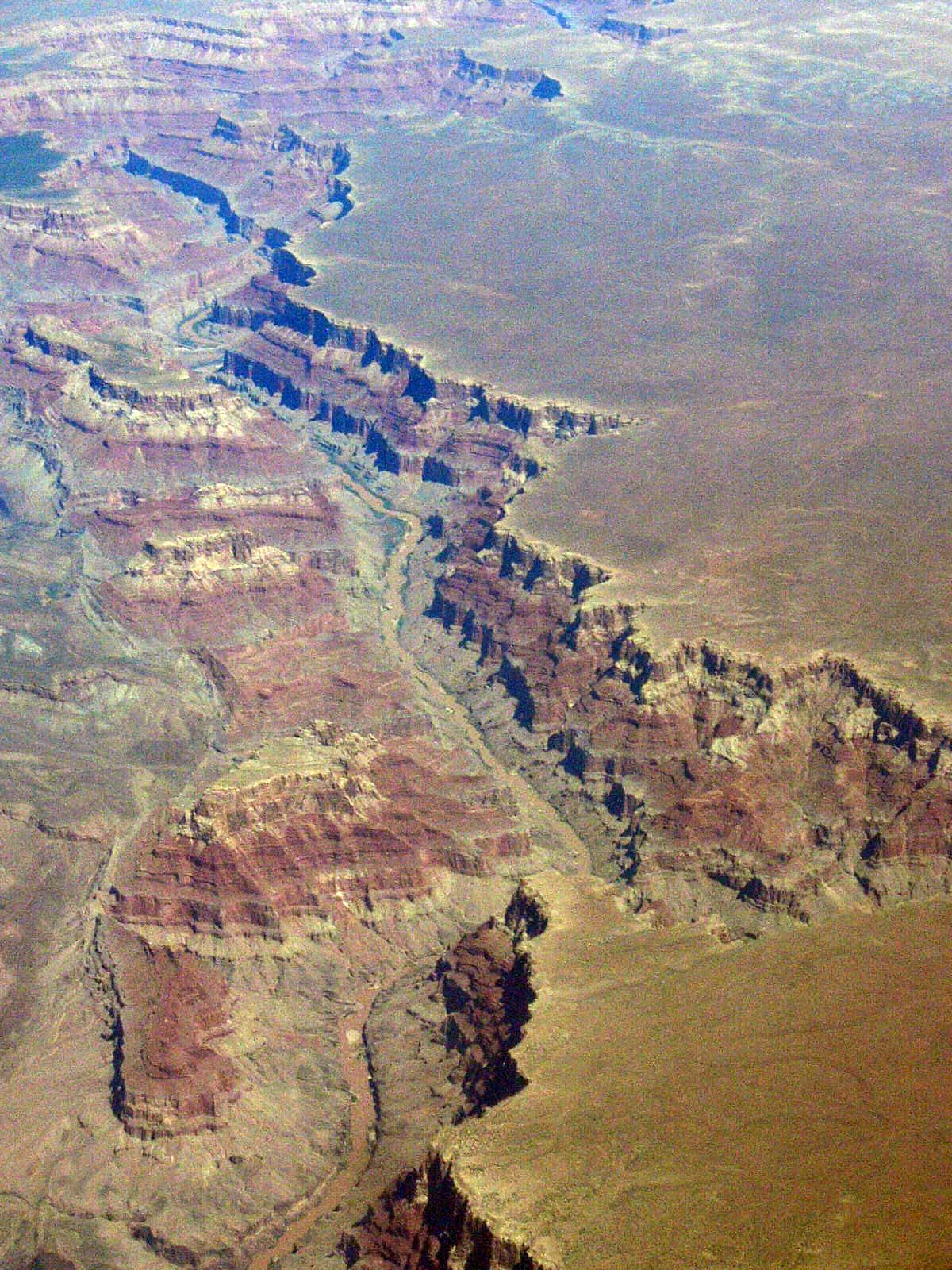
- Canyon Formation: The formation of a canyon by a river is a gradual process requiring millions of years. The Colorado River did not slice the Grand Canyon in a day; it patiently carved it grain by grain over eons.
To understand how mountains are worn down and canyons are carved, students must understand the mechanics of surface processes. Unfortunately, students commonly confuse the physical breakdown of rocks with the transportation of that broken material. Furthermore, students often mistakenly believe that rocks are entirely permanent structures that never undergo physical change.
To clarify this for your students, you must strictly define and separate these three sequential processes:
| Process | Scientific Definition | Teaching Analogy |
|---|---|---|
| Weathering | Specifically refers to the physical or chemical breaking down of rocks into smaller sediments. It breaks down rocks over decades, centuries, or longer timeframes. | Crushing a graham cracker into crumbs with your hands. |
| Erosion | Specifically refers to the transportation of broken-down rock material by wind, water, or ice. It gradually transports soil and rock particles away from their original location. | Blowing the graham cracker crumbs across the table. |
| Deposition | The geological process where transported sediments are added to a landform or landmass. | The crumbs piling up on the floor. |
The Power of Ice: Glaciers
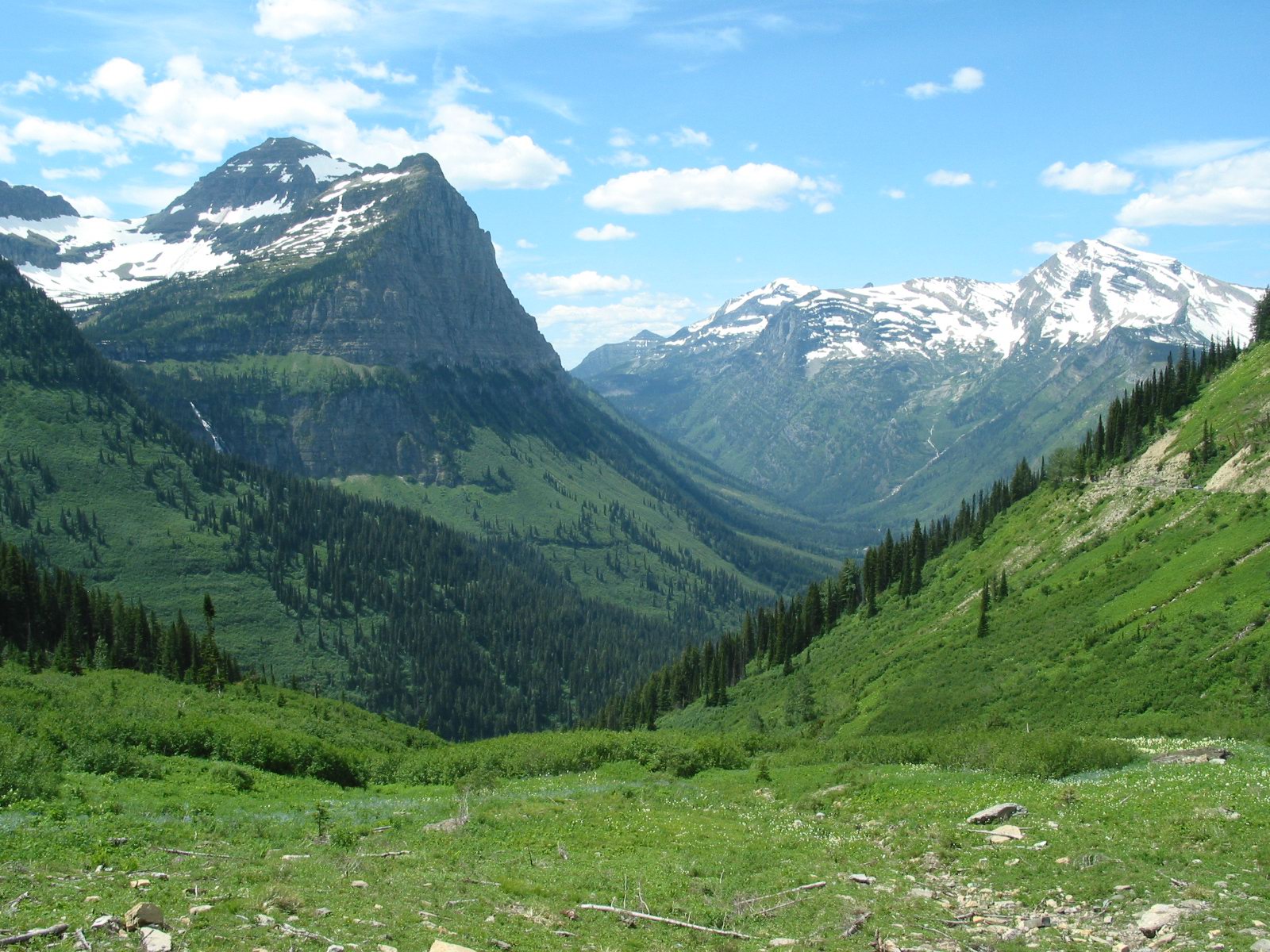
Water and wind are not the only agents of erosion. Ice is one of nature's most powerful bulldozers. Glaciers slowly carve U-shaped valleys out of existing V-shaped river valleys. While a fast-flowing river cuts a narrow "V" deep into the earth, a massive, slow-moving glacier acts like coarse sandpaper, widening the valley into a broad "U" shape.
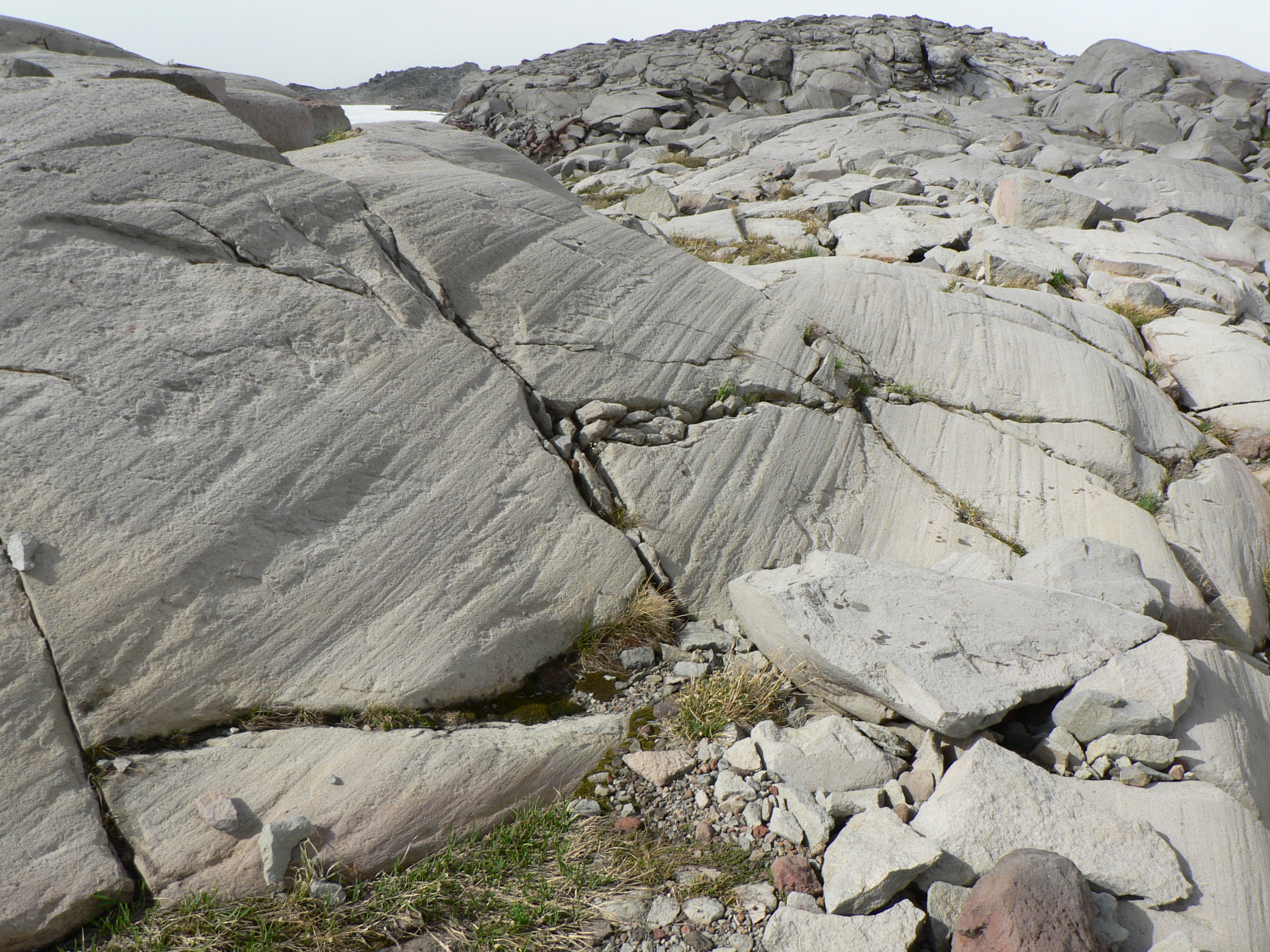
Long after the ice has melted, the landscape retains evidence of its presence. The presence of glacial striations (long, parallel scratches) on solid bedrock provides definitive evidence that a glacier once covered and moved across that specific landscape, dragging abrasive rocks at its base.
How do we know what happened millions of years ago? We rely on a foundational concept of Earth science: the principle of uniformitarianism, which states that the geological processes operating today also operated in the ancient past. If rivers deposit sand at their mouths today, rivers deposited sand at their mouths millions of years ago.
Sedimentary Rocks: Earth's Pages
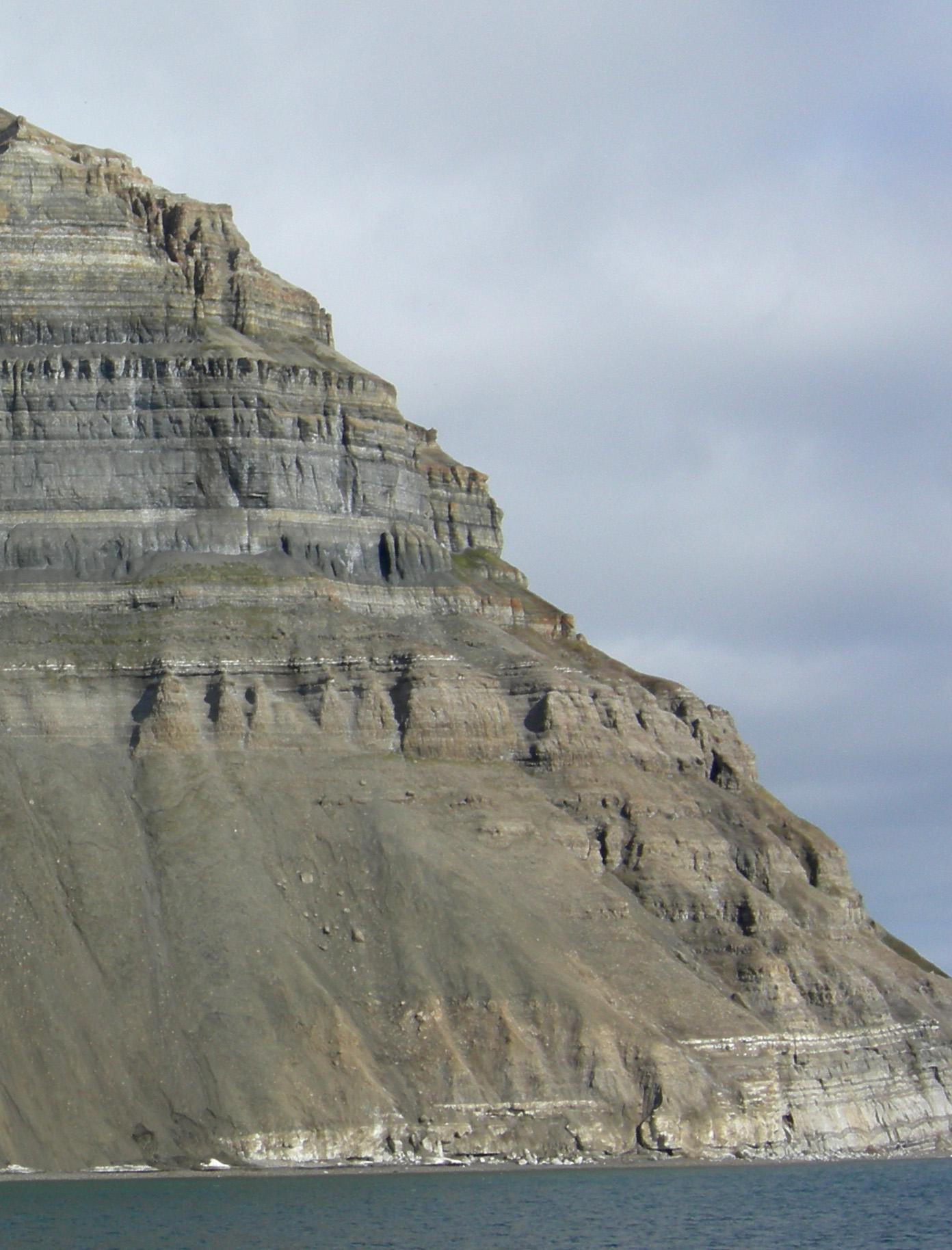
Sedimentary rocks form from the accumulation and compression of mineral and organic particles over long periods. When weathering and erosion transport materials, deposition eventually settles them into layers—often at the bottom of lakes or oceans. Over millions of years, pressure cements these layers into rock.
Sedimentary rock layers provide a chronological record of the sequence of past geological events. We read this record using the principle of superposition, which states that older sedimentary rock layers are located beneath younger sedimentary rock layers. Think of it like a laundry basket: the clothes you threw in on Monday are at the bottom, and the clothes from Friday are at the top.
Instructional Strategy: Using physical models of sediment deposition helps elementary students visualize the extremely slow process of rock layer formation. Pouring alternating layers of distinct colored sand, soil, and gravel into a clear plastic container filled with water over several days allows students to see how sediments settle by density and form distinct, readable strata over time.
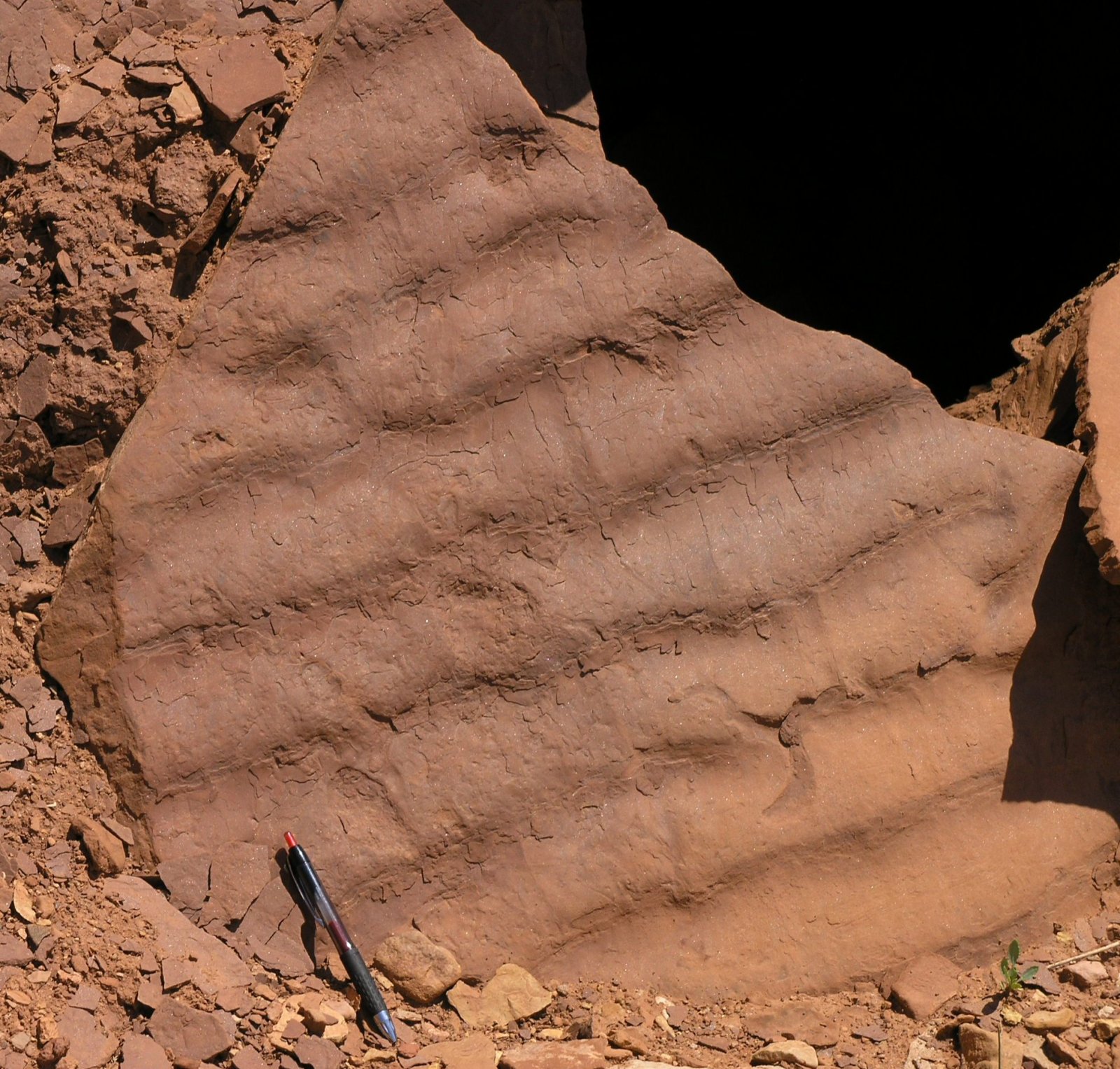
These layers hold specific clues about the environment at the time they were formed. For instance, ripple marks preserved in solid rock provide historical evidence of past water flow in that specific location. What was once the muddy bottom of a shallow stream is now a stone document proving water once flowed there.
As sedimentary rock layers form, they frequently capture the remains of the plants and animals that lived during that time. Fossils are the preserved remains or traces of ancient organisms, and consequently, most fossils are found embedded within sedimentary rock layers. (If they were caught in igneous rock, the heat of the magma would destroy them!)
The Petrification Misconception
Ask an elementary student what a dinosaur bone is made of, and they will tell you it is made of bone. Students often mistakenly think that fossils are actual pieces of old bone rather than minerals that replaced the original organic material.
You must correct this by teaching petrification. Petrification occurs when the organic material of a deceased organism is slowly replaced by environmental minerals. Groundwater carrying dissolved minerals seeps into the porous bone or wood. As the organic material decays, the minerals crystallize, creating a perfect stone replica of the original organism. A fossil is not a bone; it is a rock shaped exactly like a bone.
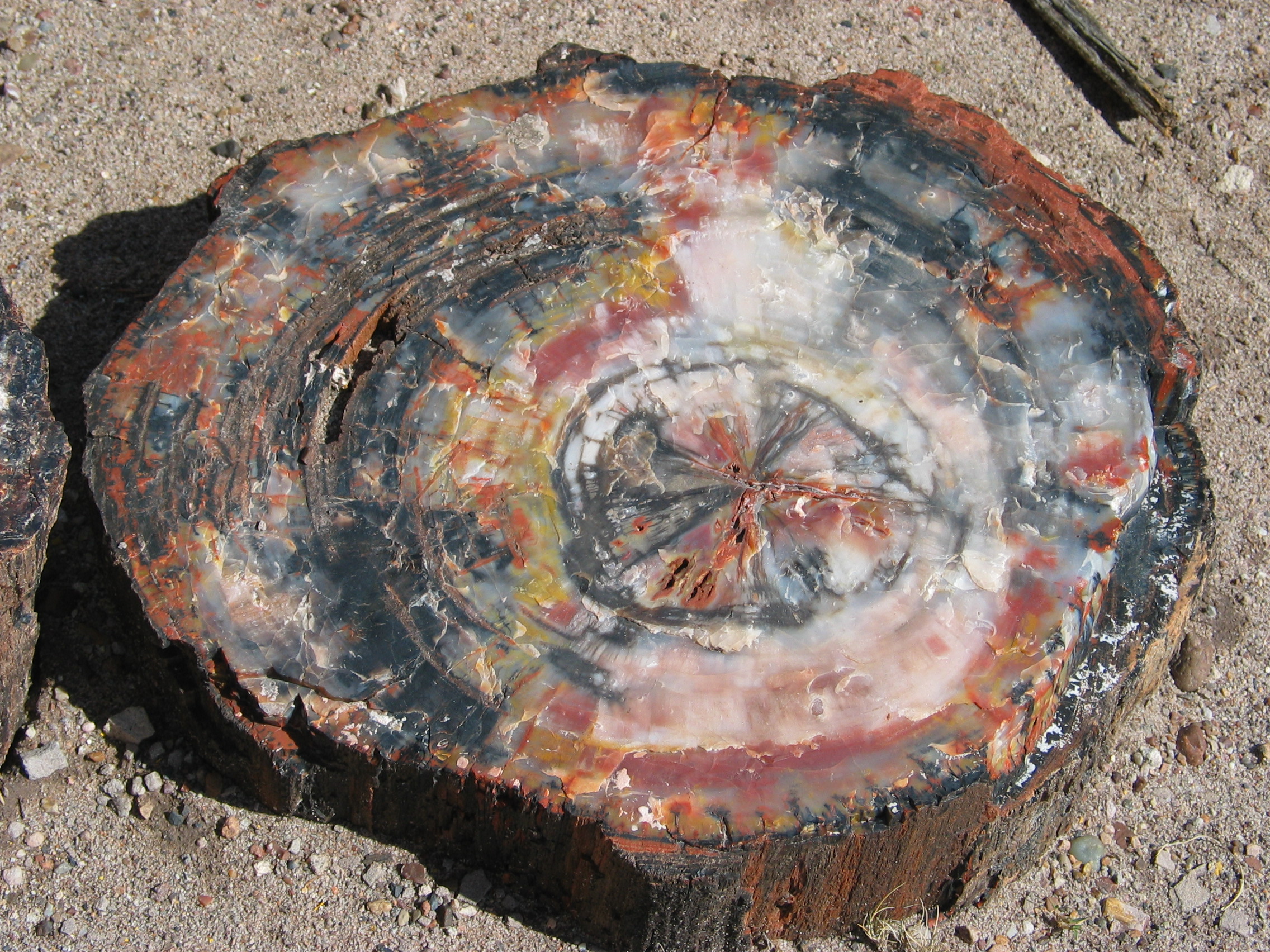
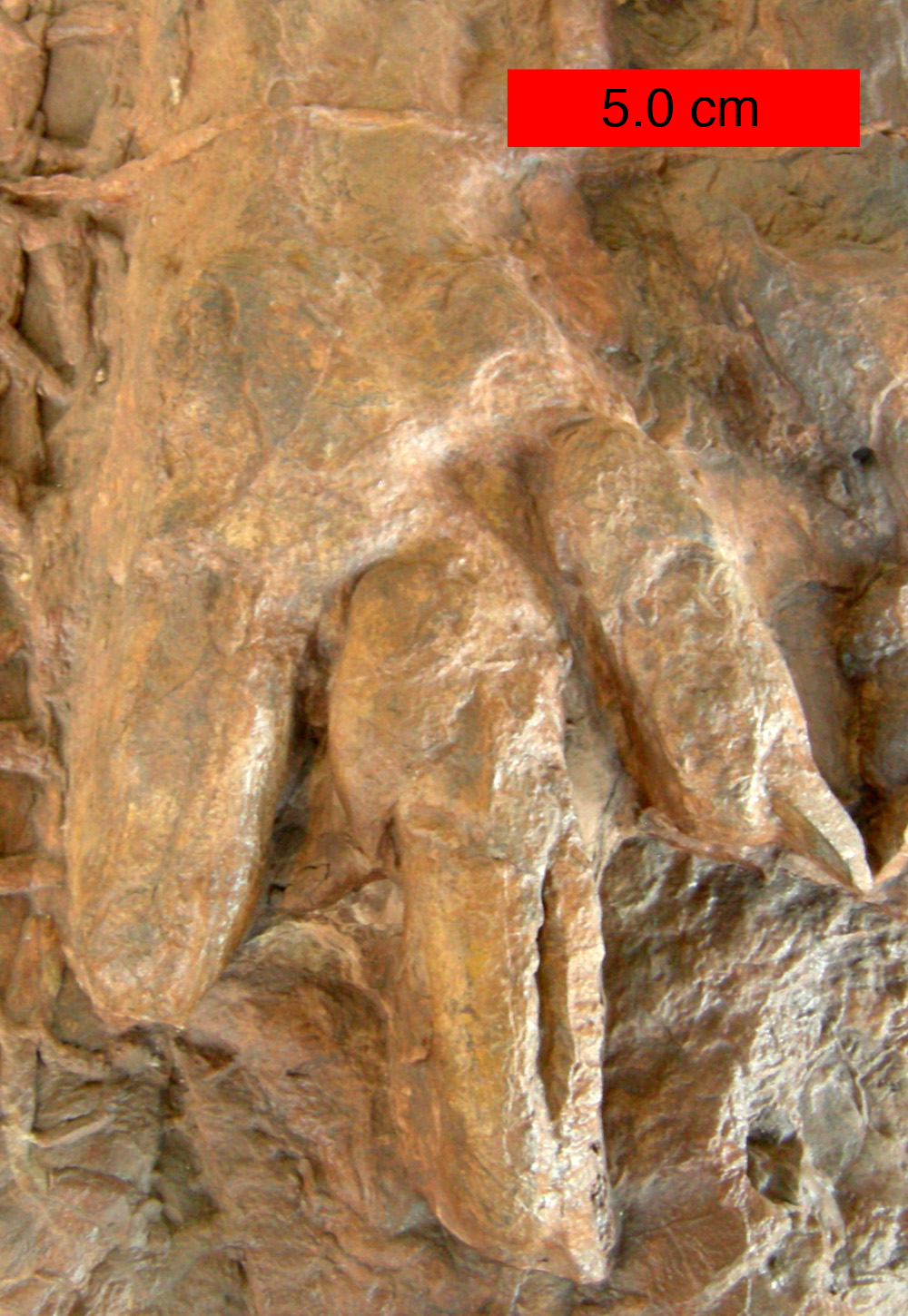
Types of Fossils
Beyond body fossils, the Earth preserves behavioral records. Trace fossils provide geological evidence of an organism's past activity rather than representing the body of the organism itself. Preserved footprints and burrows are common examples of trace fossils, giving us clues about how an animal walked, hunted, or where it sheltered.
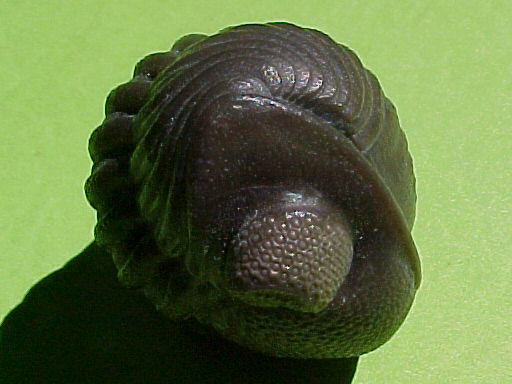
Paleontologists also rely heavily on index fossils. Index fossils are used by scientists to identify the relative age of the specific rock layers containing those fossils. To be useful, an effective index fossil represents an organism that lived for a relatively short geological period while being geographically widespread. If you find a specific trilobite index fossil in a rock layer in North America, and the identical fossil in a rock layer in Australia, you know those two rock layers formed at the exact same time in Earth's history.
By combining our understanding of slow and rapid changes, sedimentary rock layers, and fossils, we can reconstruct the deep history of a landscape. The environment a student stands in today is almost certainly not the environment that existed there millions of years ago.
Differences between fossils located in different rock layers demonstrate how specific environments have changed over geological time. We can prove this by looking at two highly counterintuitive examples that delight and puzzle elementary students:
- Marine fossils in mountains: The presence of marine fossils in high mountainous regions indicates that the area was once covered by a prehistoric ocean. The marine creatures died, settled to the ocean floor, and were fossilized in sedimentary rock. Later, the slow process of tectonic plate collision thrust that ancient ocean floor thousands of feet into the air to form the peaks of mountain ranges like the Himalayas.
- Tropical plants in deserts: Plant fossils found in currently arid regions provide evidence that the local climate was historically wetter. If students find fossilized ferns in the modern-day desert of the American Southwest, they can deduce that the ancient climate must have been a lush, humid environment capable of supporting that vegetation.
When you teach the history of Planet Earth, you are not just teaching a timeline of rocks and bones. You are giving your students a new lens through which to view the world. You are teaching them to look at a mountain and see an ancient ocean floor, to look at a grain of sand and see a weathered boulder, and to understand that the seemingly permanent world around them is, in fact, brilliantly alive with change.