Human-Environment Interaction
Not sure you’re ready?
Take the ~3-minute readiness diagnostic and see where you stand.
Consider a glass of tap water, a cotton shirt, and the concrete beneath a school playground. Every object in a child's daily life is an artifact of a profound, ongoing negotiation between human ambition and planetary geography. When we teach young learners about the Earth, we are not merely asking them to memorize capital cities or color in mountain ranges. We are asking them to understand the mechanics of human survival and ingenuity. To teach geography effectively, you must realize that a map is not a static picture; it is a dynamic record of human decisions, technological leaps, and environmental constraints. We must equip students to see the invisible threads connecting the weather outside their window, the food on their plate, and the structure of the cities they inhabit.
At its core, human-environment interaction examines three fundamental relationships. To understand how we fit into the physical world, we must look at how we depend on it, how we adapt to it, and how we change it.
- Dependence: First and foremost, human-environment interaction examines how humans depend on the natural environment for basic physical survival. We need water to drink, soil to grow food, and raw materials to build shelter.
- Adaptation: When we cannot change the environment, we must change our behavior. Human-environment interaction examines how humans adapt to the physical characteristics of the natural environment. We wear heavy coats in the tundra; we build homes on stilts in floodplains.
- Modification: When adaptation isn't enough, human-environment interaction examines how humans physically modify the natural environment to suit human needs. We blast tunnels through mountains, dam rivers to create lakes, and clear forests to plant corn.
Instructional Insight: Elementary students frequently fail to recognize the specific geographic biome origins of modern grocery store foods. They see food as coming "from the store." As a teacher, you must bridge this gap. You must show them that regional topography heavily dictates the specific types of agricultural crops grown in a local area, just as regional climate patterns heavily dictate those same crops. Oranges require a subtropical climate; wheat requires vast, flat topography.
The Evolution of Geographic Thought: How We View Our Limits
Historically, geographers debated the extent of nature's power over human destiny.
- Environmental determinism is the discredited theory asserting that the physical environment strictly dictates human societal development. This fatalistic view argued that people in tropical climates would inevitably develop a certain type of culture, while those in temperate climates would develop another. We now know human ingenuity is far too dynamic for such a rigid rule.
- Instead, modern geography relies on possibilism. Possibilism is the geographic theory asserting that humans can overcome many physical environmental constraints. Nature provides a range of possibilities, but human choice and technology determine the outcome.
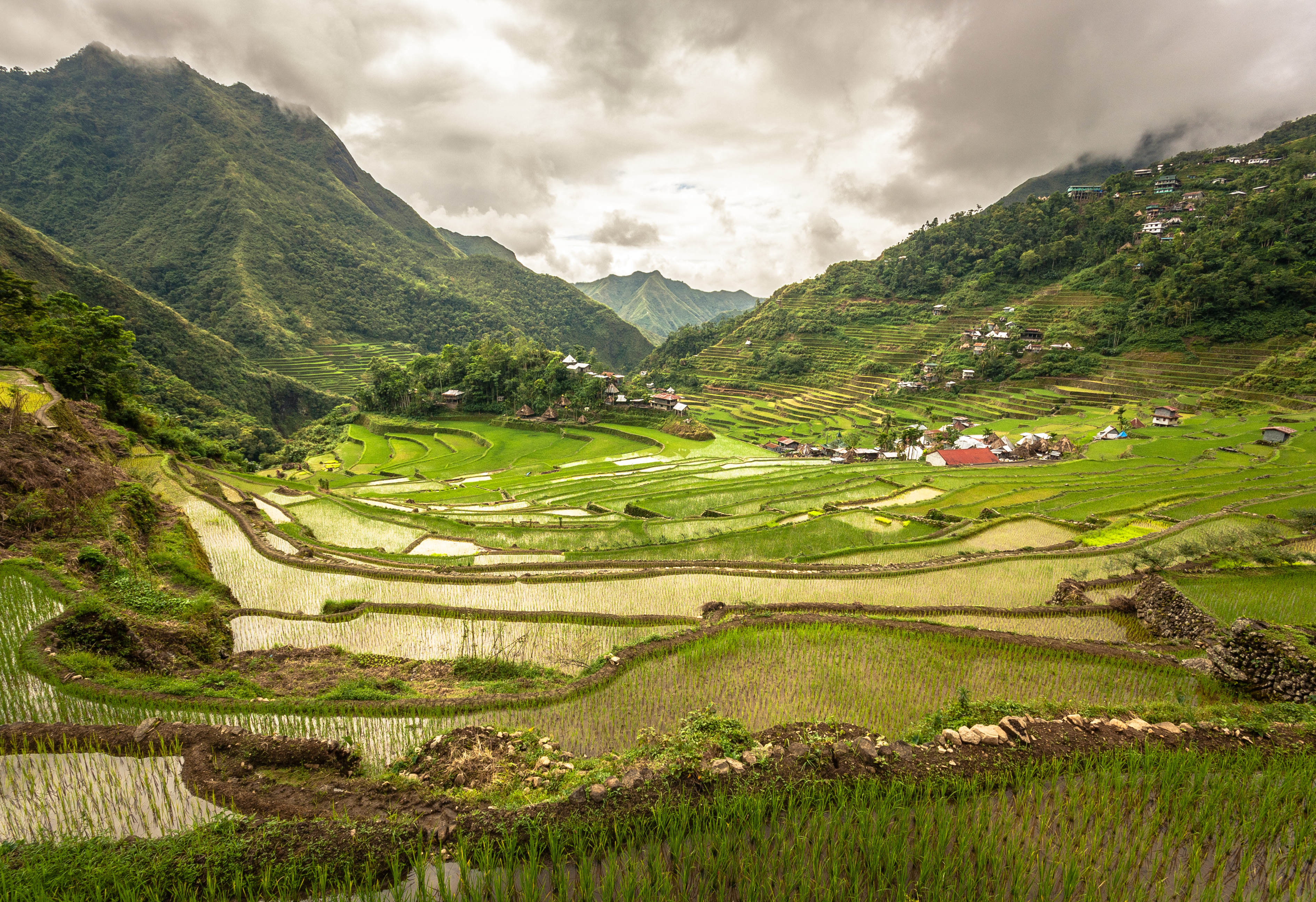
Possibilism in Action: Think of farming. A steep mountain is terrible for agriculture, but humans use agricultural terracing to successfully cultivate crops on steep mountainous slopes, turning mountainsides into giant staircases of arable land. Similarly, irrigation systems represent a direct human modification of the environment to support agriculture in arid regions. We do not accept the desert; we pipe water into it.
Adapting to Scarcity: The Story of Shelter
Historically, building materials were heavy and difficult to transport. Because of this, indigenous housing construction historically relied entirely on locally available natural resources. The Inuit built with ice; the Eastern Woodland tribes built with bark and timber.
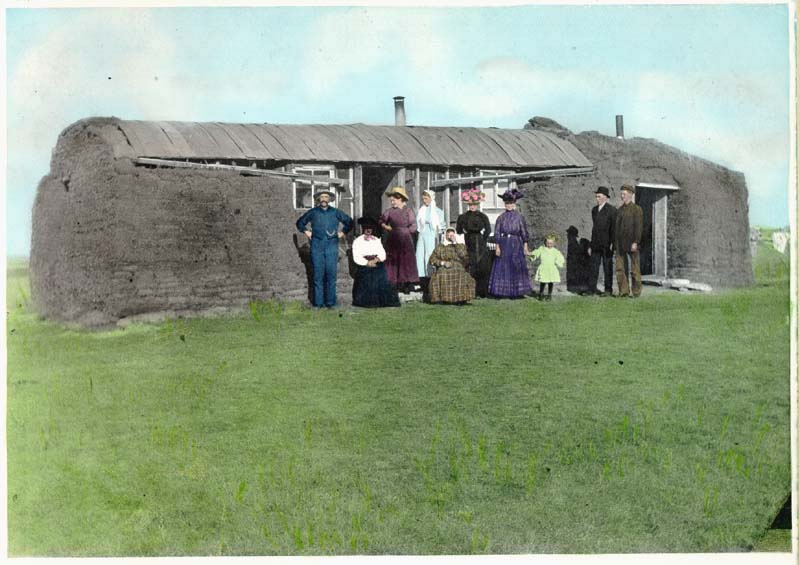
This necessity extended to European expansion as well. For example, when settlers in the United States Great Plains region built sod houses, they did so due to a severe regional scarcity of timber. Without trees to build log cabins, they looked down, cut thick blocks of prairie turf, and built their homes from the earth itself. This is adaptation at finest.
Settlement patterns describe the physical distribution of human populations across a geographic landscape. Why do people cluster where they do?
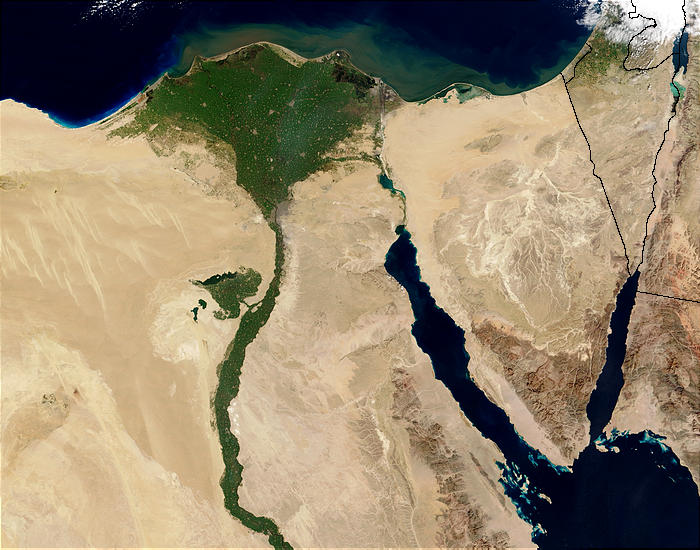
Nature sets the initial parameters. Most early human civilizations developed adjacent to reliable freshwater sources like river valleys (e.g., the Nile, the Tigris-Euphrates). You cannot sustain a civilization without water to drink and irrigate crops. As societies evolved from pure agriculture to commerce, transportation became the new priority. Consequently, proximity to navigable waterways heavily influences the establishment of major trade centers. Look at New York, London, or Shanghai—they are all port cities.
How we measure these populations matters:
- Population density measures the total number of individuals living per unit of geographic area (e.g., 500 people per square mile).
- Carrying capacity defines the maximum population size that a specific environment can sustainably support. If a population exceeds the carrying capacity of its environment—by depleting its groundwater or exhausting its soil—that society will inevitably face a crisis.
The Great Migration: From Farms to Factories
For millennia, humans lived mostly in rural, agricultural settings. However, the Industrial Revolution triggered a massive global shift from rural agricultural settlement to urban settlement. The invention of steam power and factory machinery concentrated jobs in cities, fundamentally altering the geographic distribution of humanity.
When people move, they are responding to two powerful geographic forces:
| Force | Definition | Real-World Example |
|---|---|---|
| Push Factors | Negative geographic conditions driving people away from a specific location. | Drought, famine, persecution, lack of jobs. |
| Pull Factors | Positive geographic conditions attracting immigrants to a new location. | Fertile land, political freedom, booming industries. |
Addressing Misconceptions: Elementary students commonly hold the misconception that human migration is driven exclusively by political conflict. While war is a powerful push factor, students often overlook the physical environment. You must introduce them to environmental migration, which occurs when individuals flee a geographic region due to natural disasters, rising sea levels, or prolonged droughts.
When human beings modify the Earth, we leave a mark. Anthropogenic change refers to any environmental alteration caused directly by human activity. Some of these changes are intentional, but many are unintended consequences of our pursuit of progress.
The Atmosphere: Weather, Climate, and Carbon
To teach climate change, we must first ensure our students understand what climate actually is. Elementary students frequently hold the misconception that weather and climate represent the exact same phenomenon.
You must draw a sharp distinction:
- Weather represents short-term daily atmospheric conditions (e.g., "It is raining today").
- Climate represents long-term regional weather patterns observed over decades (e.g., "The Pacific Northwest experiences high annual rainfall").
- An easy analogy for your students: Weather is the outfit you choose to wear today. Climate is the entire wardrobe you own based on where you live.
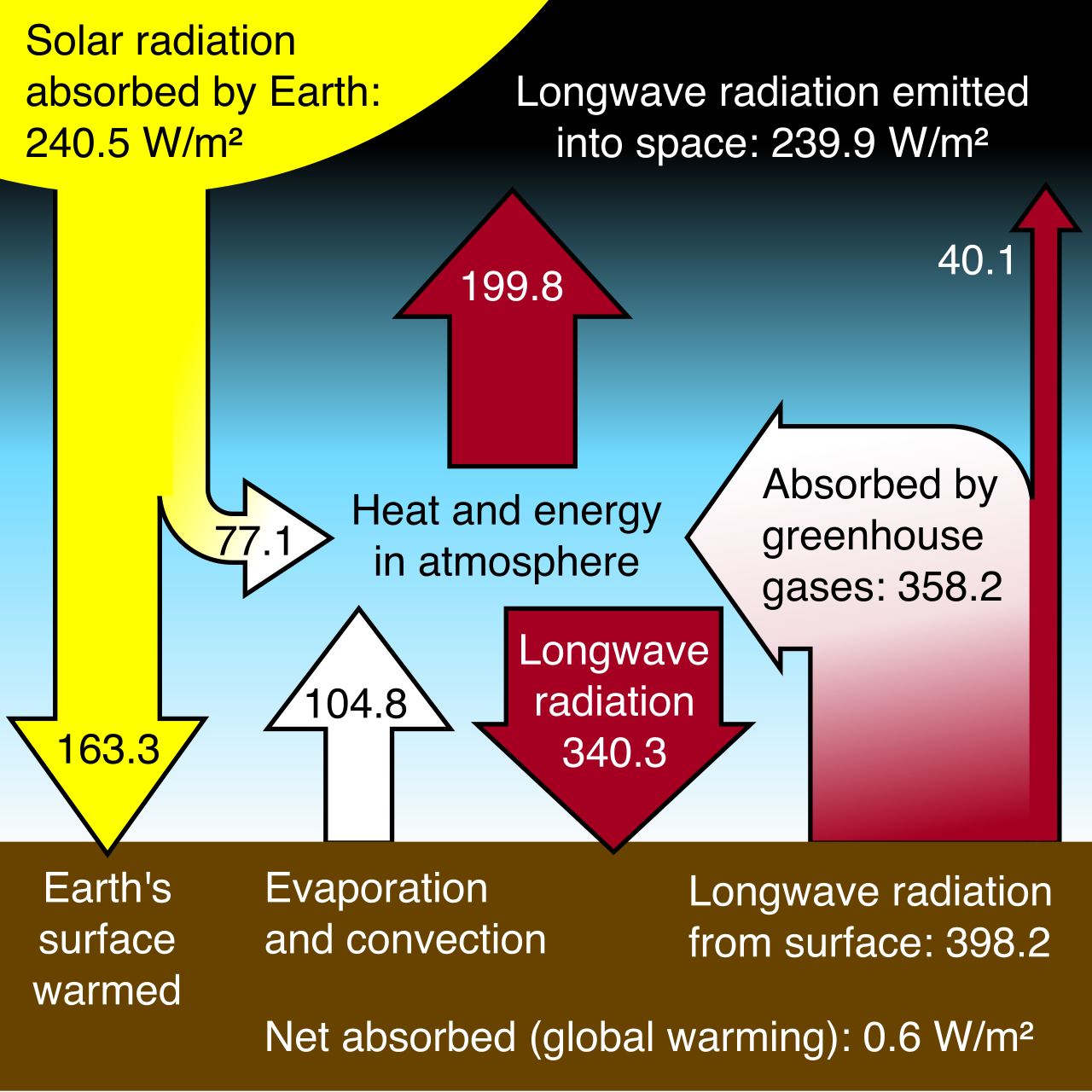
A major driver of modern anthropogenic climate change is our energy consumption. The burning of fossil fuels releases carbon dioxide into the Earth's atmosphere. This invisible gas accumulates, triggering the greenhouse effect, which traps solar heat within the Earth's lower atmosphere.
To compound the problem, we are simultaneously removing the Earth's natural defense mechanism. Deforestation directly reduces the global number of trees available to absorb atmospheric carbon dioxide. A tragic example of this is happening in South America, where the expansive clearing of the Amazon Rainforest is heavily driven by commercial cattle ranching. We are burning the lungs of the Earth to make room for beef.
The Ground Beneath Our Feet: Topsoil and Urbanization
Our interaction with the soil tells a similar story. Consider desertification, which transforms fertile land into arid desert. This tragedy has two distinct catalysts:
- Natural factors: Desertification transforms fertile land into arid desert due to natural factors like severe drought.
- Human factors: Desertification transforms fertile land into arid desert due to human factors like agricultural overgrazing, where livestock strip the vegetation faster than it can recover.
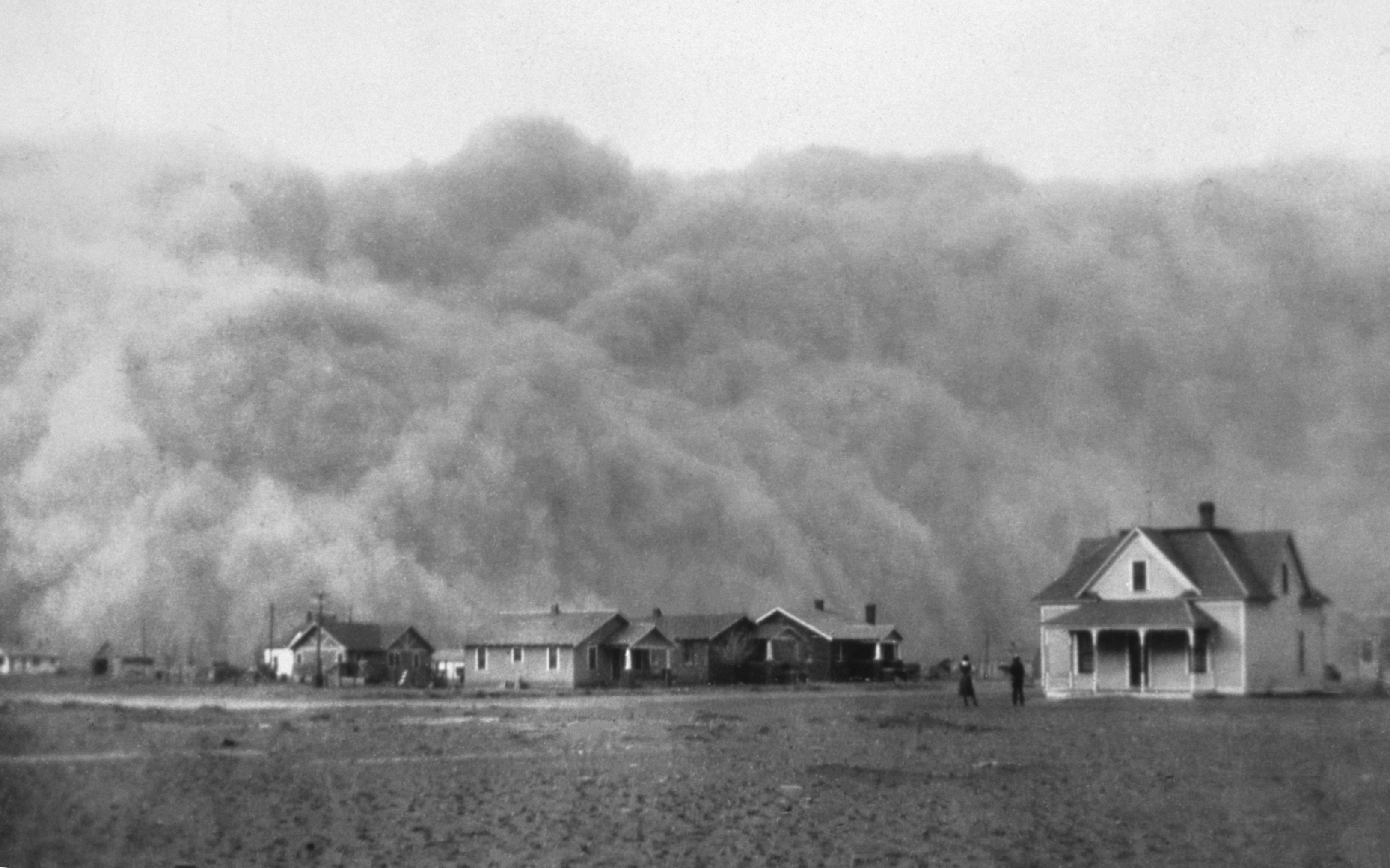
One of the most potent examples to teach your students is the 1930s Dust Bowl in the United States. It was a perfect storm of disaster: it was partially caused by severe multi-year droughts (a natural factor), but it was also partially caused by poor topsoil farming practices (a human factor) that left the dirt unanchored and vulnerable to the wind.
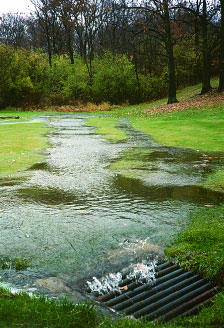
Even when we build thriving cities, we alter the flow of nature. Urbanization increases the total amount of impermeable physical surfaces in a local environment. When you pave over a meadow with asphalt and concrete, the rain can no longer soak into the earth. Therefore, impermeable surfaces like concrete directly increase the risk of rapid surface water flooding. The water has nowhere to go but up.
Our physical survival relies on natural resources, which fall into two fundamental categories:
- Renewable natural resources can be replenished naturally over relatively short periods of time (e.g., solar energy, timber if sustainably harvested, wind power).
- Nonrenewable natural resources exist in entirely fixed planetary quantities (e.g., coal, oil, natural gas). Once we burn a barrel of oil, it is gone forever.
When we extract and process these resources, we often generate pollution. Geographers classify pollution by how it enters the environment:
- Point source pollution originates from a single identifiable source like a factory discharge pipe or an oil tanker spill. You can point your finger directly at the culprit.
- Nonpoint source pollution originates from multiple diffuse environmental sources. Think of agricultural runoff: rain washes fertilizer from thousands of different suburban lawns and farms into a river. There is no single pipe to plug.
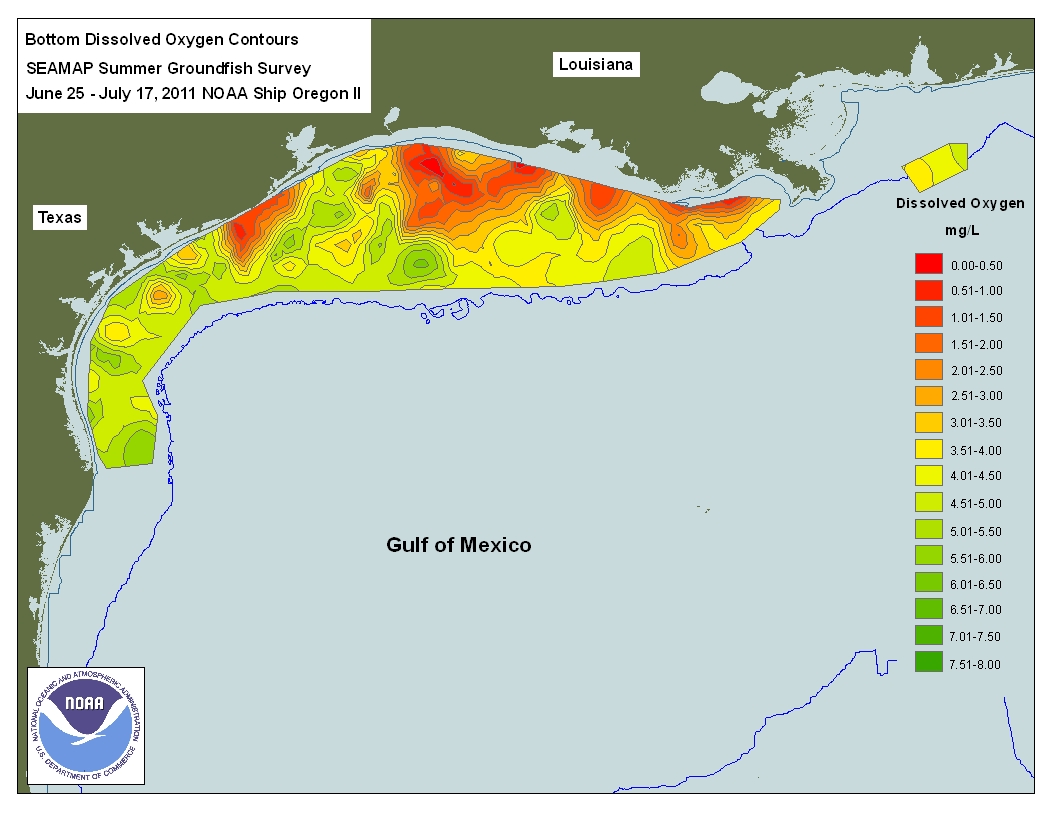
Instructional Insight: Because nonpoint source pollution relies on water and wind currents, elementary students often struggle to understand that localized human actions can harm geographically distant ecosystems. A student in Minnesota might not realize that fertilizer runoff from a local farm travels down the Mississippi River, contributing to a massive "dead zone" in the Gulf of Mexico. Teaching human-environment interaction requires making these invisible, long-distance chains of cause-and-effect visible.
The Imperative of Sustainable Development
If we rely on finite resources and our modifications create cascading impacts on the atmosphere and water supply, how do we move forward? This is where the concept of sustainable development becomes crucial. Sustainable development meets current human needs without compromising the resource needs of future generations. It is the ultimate balancing act of human-environment interaction: taking what we need today while ensuring there is enough left for tomorrow.
In the United States, managing this balance falls under governmental oversight. The Environmental Protection Agency (EPA) is the United States federal agency tasked with protecting the environment and safeguarding human health. They set the boundaries—the regulations on point-source pollution and the standards for air quality—that attempt to guide our incredible capacity for modification toward a sustainable future.
When you stand before your classroom, remember that you are teaching the operators' manual for the planet. By unpacking population patterns, explaining the mechanics of agriculture, and illuminating the invisible web of climate and pollution, you are giving your students the tools to not only understand their world but, eventually, to save it.