Twentieth and Twenty-First Century US History
Not sure you’re ready?
Take the ~3-minute readiness diagnostic and see where you stand.
To understand the United States in the twentieth and twenty-first centuries is to study a nation in perpetual, accelerating motion. History is not a static timeline of isolated dates; it is a kinetic chain of causes and effects. The industrial engines built in the 1800s generated the global wealth, geopolitical friction, and technological leaps that defined the 1900s. For an elementary educator, the challenge is not simply reciting these events, but helping young minds grasp the underlying mechanisms of change. When you teach a ten-year-old about the Great Depression or the Civil Rights movement, you are teaching them how human choices construct the society they navigate today.
We will break down these complex centuries into their fundamental forces: global conflict, economic transformation, the expansion of civil rights, and the digital revolution.
For the first half of the twentieth century, the United States was repeatedly drawn out of its isolationist shell into global wars that reshaped the world order.
World War I (1914–1918)
Though the war in Europe began in 1914, the United States entered World War I in 1917. Why the delay, and what changed? Woodrow Wilson, who served as the United States president during World War I, initially sought to keep America out of the conflict. However, two primary catalysts forced his hand:
- Unrestricted submarine warfare: The German navy's strategy of sinking neutral American merchant ships without warning motivated the United States to enter World War I.
- The Zimmermann Telegram: The interception of the Zimmermann Telegram, a secret communication wherein Germany proposed a military alliance with Mexico against the U.S., pushed the United States toward entering World War I.
The global conflict concluded when the Treaty of Versailles formally ended World War I. Hoping to prevent future global catastrophic wars, Woodrow Wilson proposed the creation of the League of Nations after World War I, an international diplomatic body. However, fearful of being entangled in future European conflicts, the United States Senate rejected joining the League of Nations.
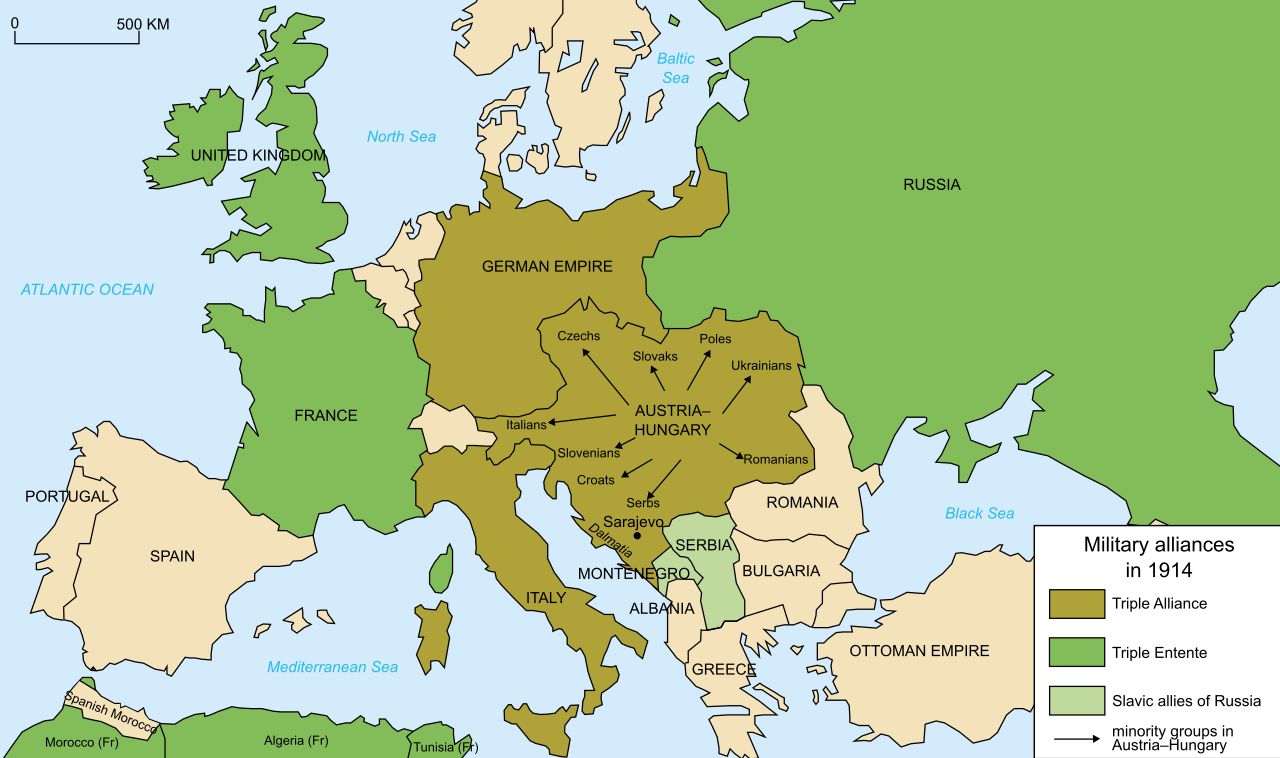
Pedagogical Diagnostic: Alliance Confusion You will quickly notice that elementary students often confuse the alliances of World War I with the alliances of World War II. For instance, they may erroneously assume Japan and Italy were U.S. enemies in WWI, or that Russia was always a formal, unbroken ally. To correct this, utilize visual mapping to separate the "Central Powers vs. Allied Powers" of WWI from the "Axis vs. Allies" of WWII.
World War II (1939–1945)
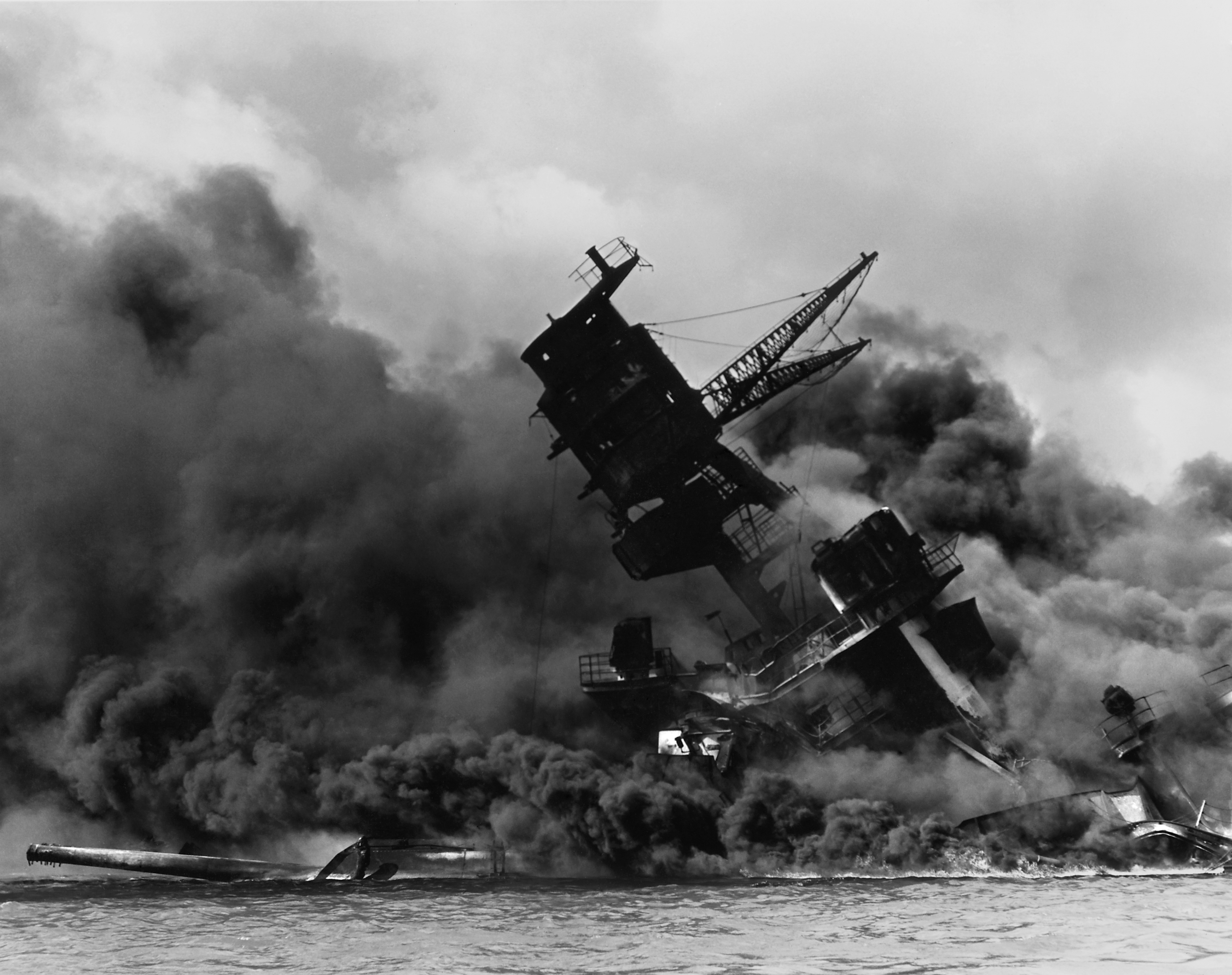
Like WWI, America initially remained formally neutral in World War II. That changed instantly when the Japanese military attacked Pearl Harbor on December 7, 1941. The attack on Pearl Harbor prompted the United States to declare war on Japan, pulling America fully into the conflict.
Franklin D. Roosevelt served as the United States president for the majority of World War II. Under his leadership, American involvement in World War II shifted the domestic economy to massive wartime manufacturing. This pivot changed the American social fabric, as wartime production during World War II created massive factory employment opportunities for women, famously symbolized by "Rosie the Riveter."
Following FDR's death in office, Harry S. Truman served as the United States president at the conclusion of World War II. Facing the prospect of a brutal invasion of the Japanese mainland, Truman made the unprecedented decision to deploy nuclear weapons. The United States dropped an atomic bomb on Hiroshima in August 1945, and days later, the United States dropped an atomic bomb on Nagasaki in August 1945, bringing the war to an end.
Between the two World Wars, the United States experienced an era of profound economic volatility, swinging from the "Roaring Twenties" to the deepest economic collapse in modern history.
The Great Depression
The stock market crash of October 1929 signaled the beginning of the Great Depression. However, a critical teaching moment lies in distinguishing a catalyst from a cause.
Pedagogical Diagnostic: The "Single Cause" Fallacy Elementary students frequently hold the misconception that the 1929 stock market crash was the sole cause of the Great Depression. When a student assumes the entire economy broke just because of Wall Street, you must guide them to see the underlying foundational cracks.
The crash was merely the spark; the dynamite had been piling up for years. The severity of the collapse was driven by several systemic failures:
- Agricultural overproduction contributed to the severity of the Great Depression, as farmers produced more food than the market could buy, driving down prices and bankrupting rural communities.
- Similarly, industrial overproduction contributed to the severity of the Great Depression, leading to unsold factory goods and massive layoffs.
- Furthermore, excessive consumer reliance on credit contributed to the economic collapse of the Great Depression. People had borrowed money they couldn't repay to buy cars, appliances, and stocks.
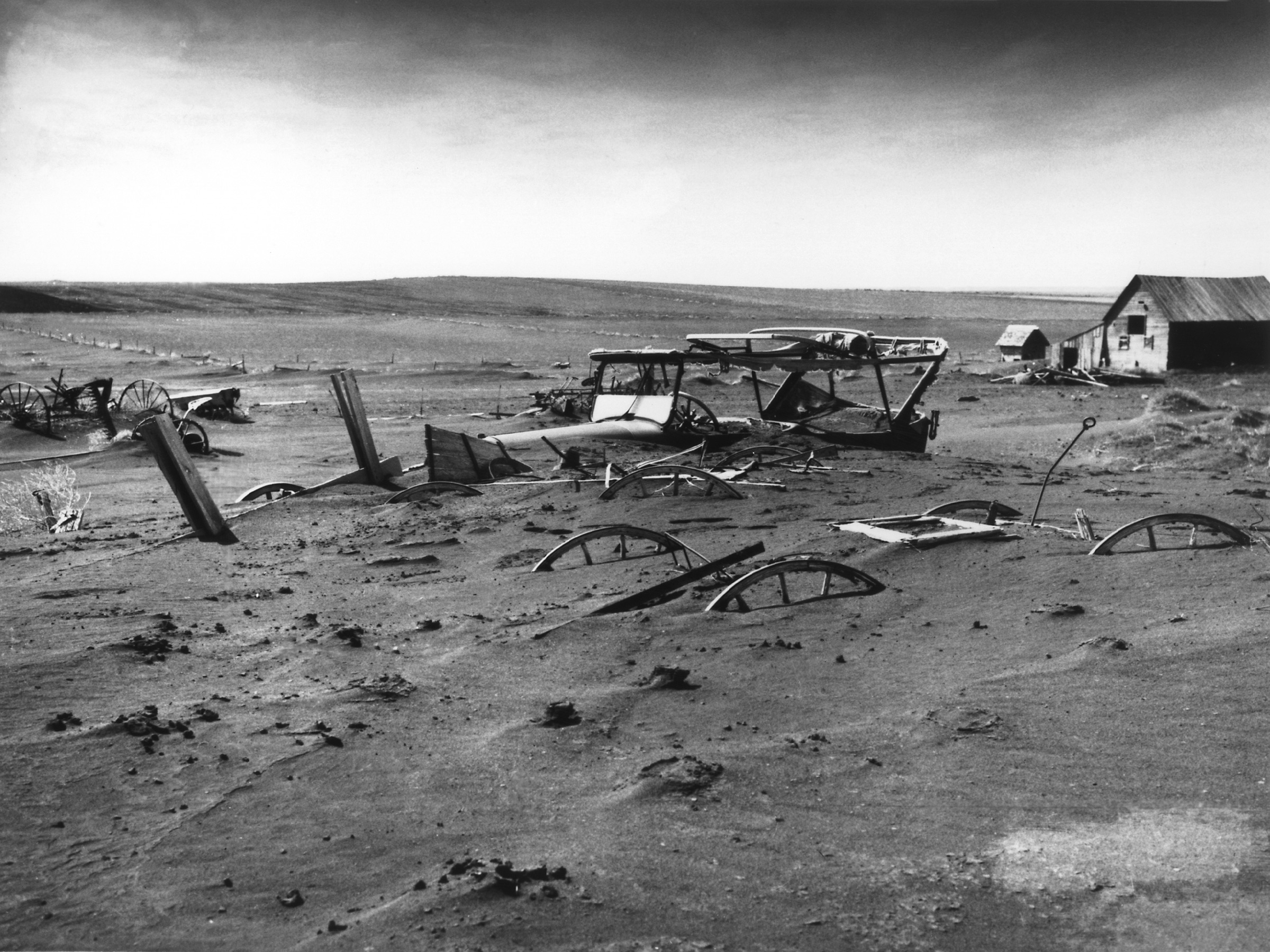
Nature itself compounded the misery. The Dust Bowl exacerbated agricultural devastation across the Great Plains during the Great Depression, turning overworked, drought-stricken soil into massive dust storms. By the trough of the crisis, United States unemployment reached approximately 25 percent in 1933.
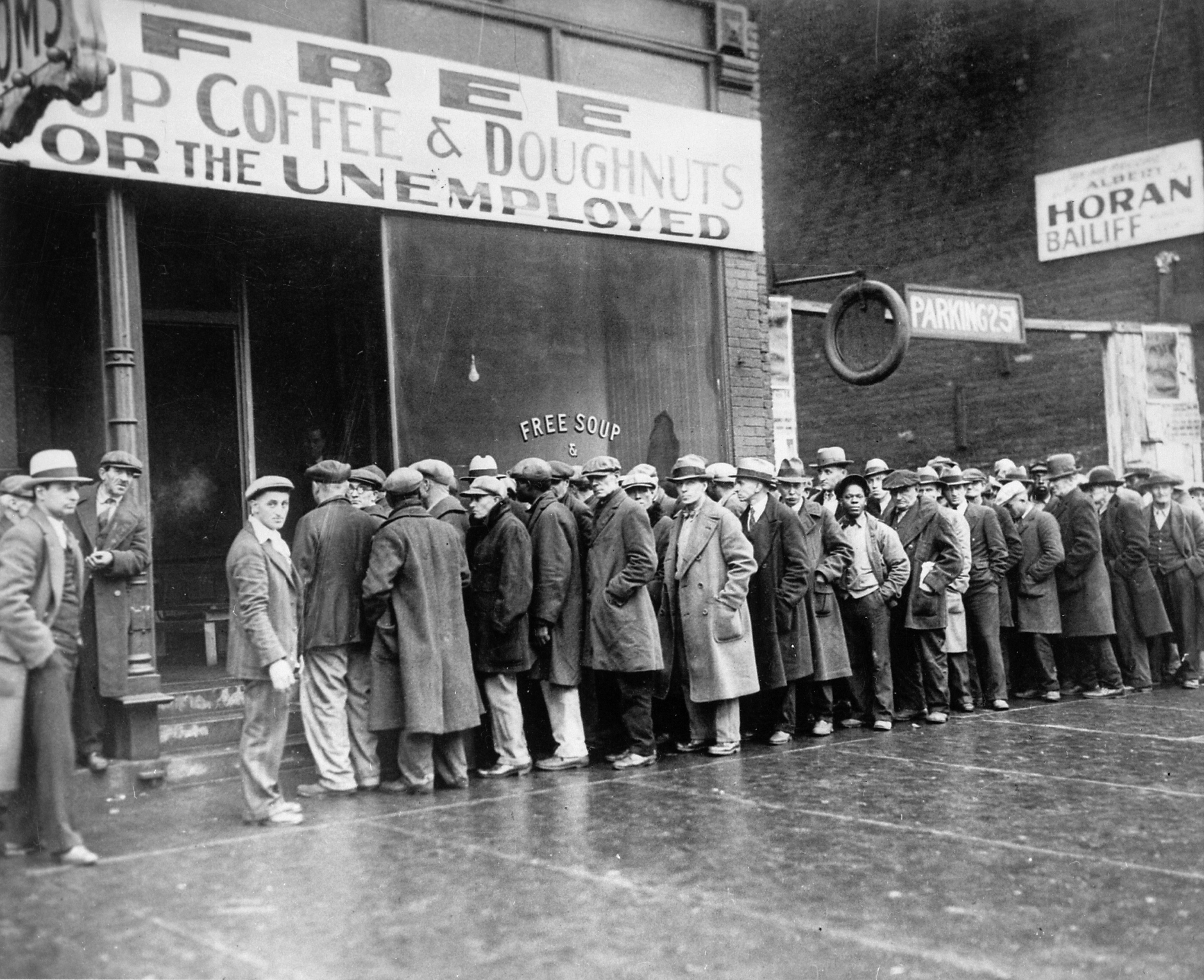
The New Deal
In response to this existential crisis, Franklin D. Roosevelt introduced the New Deal in the 1930s. The New Deal consisted of federal programs designed to provide economic relief during the Great Great Depression.
To teach the New Deal effectively, highlight concrete programs that students can visualize:
- The Civilian Conservation Corps was a New Deal program employing young men in environmental projects, such as planting trees and building national park infrastructure.
- The Social Security Act of 1935 established a system of old-age benefits for workers, creating a financial safety net for the elderly.
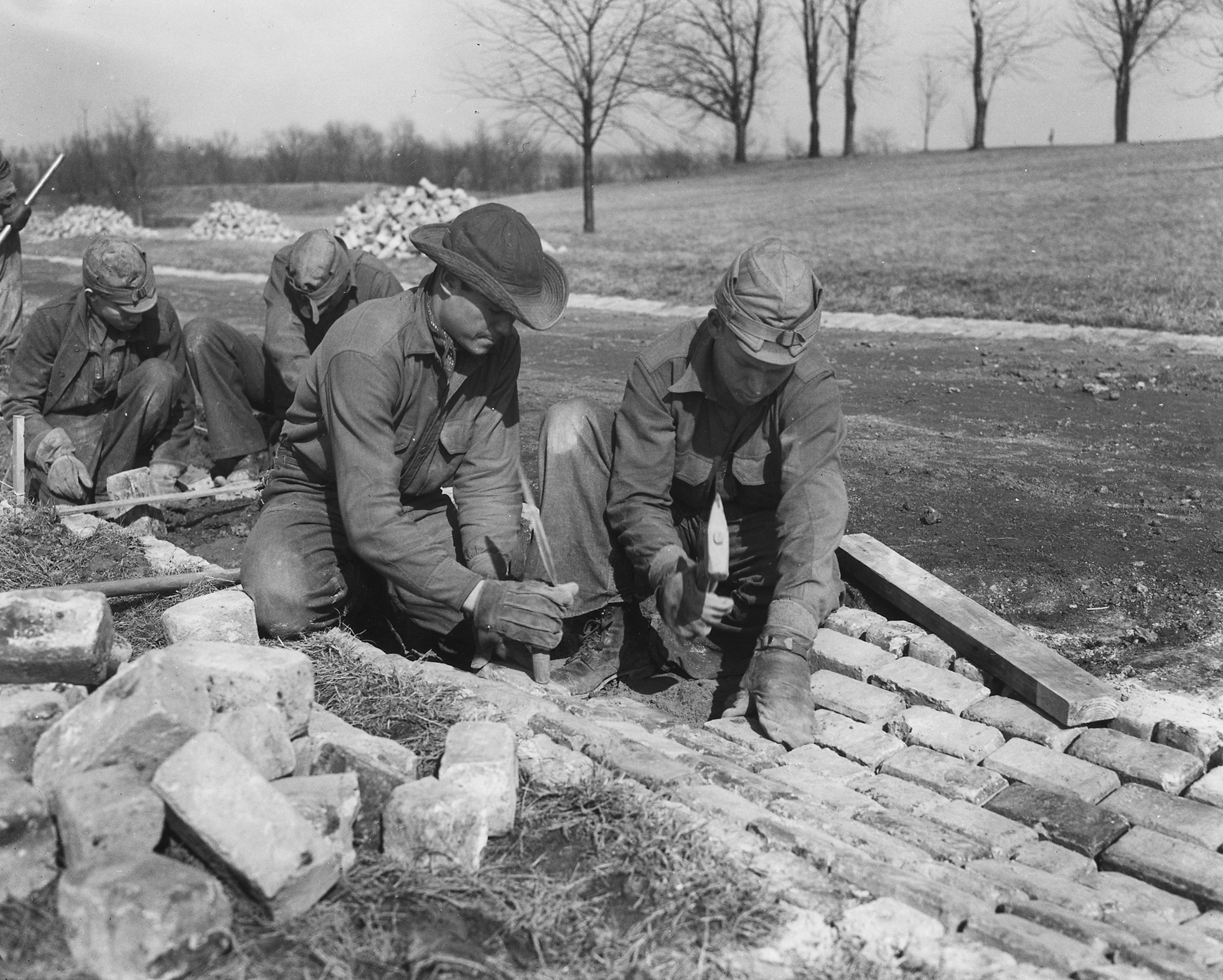
The enduring legacy of these policies is structural: The New Deal permanently expanded the regulatory role of the federal government in the United States economy, transforming the government into an active manager of public welfare.
While the U.S. fought for democracy abroad, marginalized groups waged domestic battles to realize the promises of the Constitution at home.
Women's Suffrage
The fight for women's voting rights was a century-long marathon. Long before the 20th century, Elizabeth Cady Stanton co-authored the Declaration of Sentiments to advocate for women's suffrage at the 1848 Seneca Falls Convention. Alongside her, Susan B. Anthony was a pivotal organizer in the early women's suffrage movement.
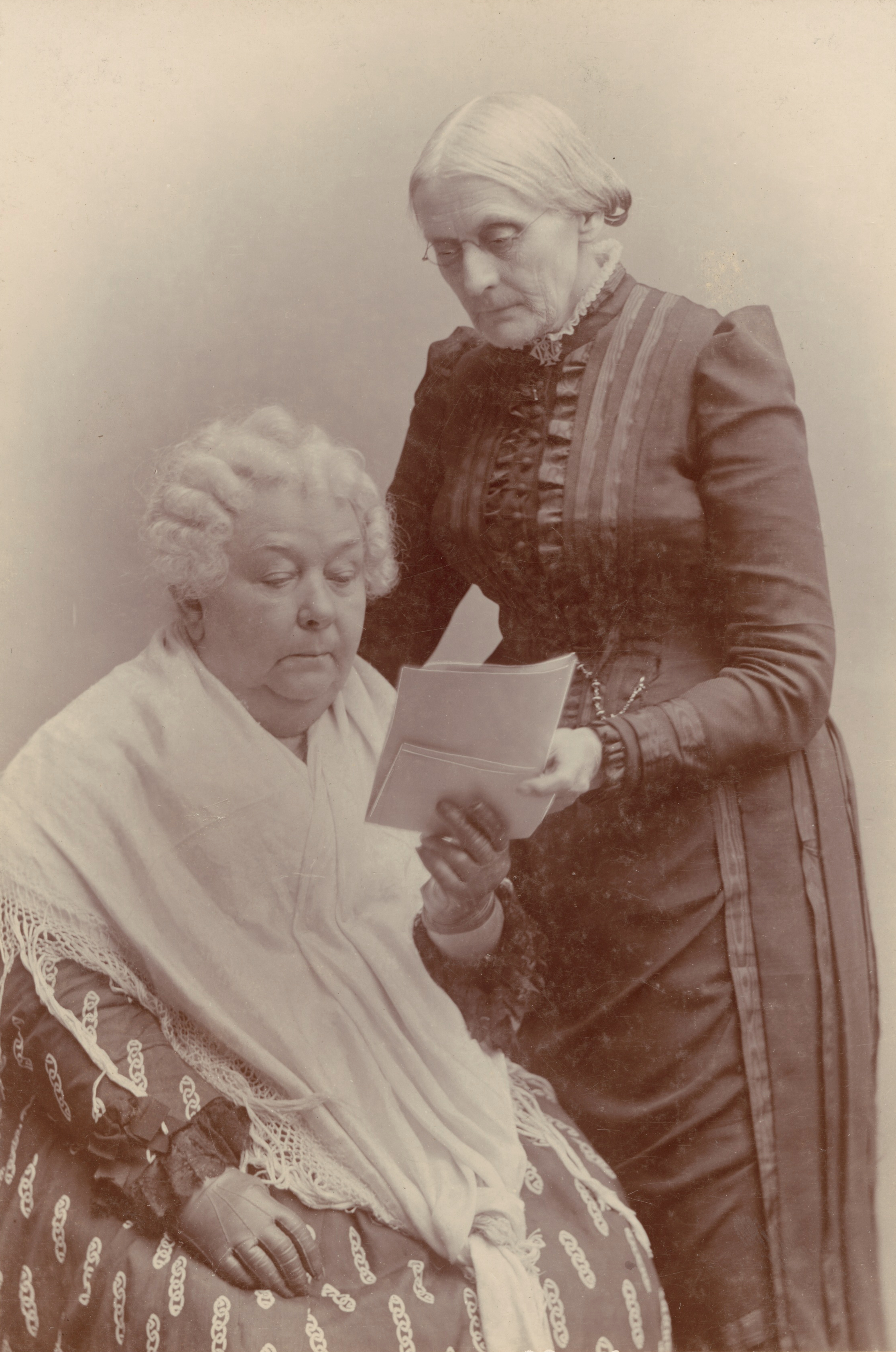
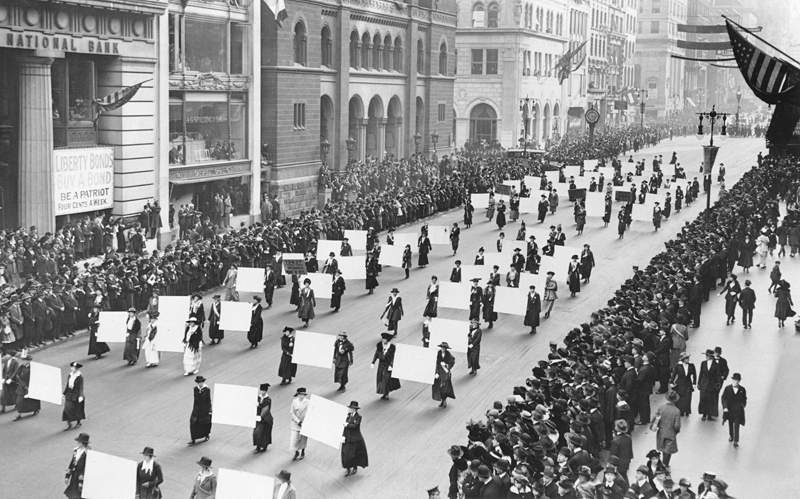
Moving into the 20th century, a new generation of leaders adopted more visible tactics. The women's suffrage movement utilized parades and civil disobedience to secure voting rights, forcing the public and politicians to pay attention. Ultimately, their efforts succeeded when the ratification of the 19th Amendment occurred in 1920. The 19th Amendment to the United States Constitution granted women the right to vote.
Pedagogical Diagnostic: The Illusion of Immediate Equality Elementary students often falsely assume that the 19th Amendment immediately enfranchised all women of color. It is crucial to teach that while the amendment removed gender as a legal barrier, Black, Native American, and Asian American women continued to face severe racial disenfranchisement—such as poll taxes and literacy tests—for decades afterward.
The Civil Rights Movement
The mid-20th century saw a highly organized dismantling of legalized racial segregation. A watershed moment arrived when the Supreme Court case Brown v. Board of Education was decided in 1954. The Brown v. Board of Education decision ruled that racial segregation in public schools was unconstitutional, striking down the "separate but equal" doctrine.
This legal victory catalyzed grassroots action. The Montgomery Bus Boycott began in 1955, functioning as a mass economic protest against segregated transit. The Montgomery Bus Boycott started after Rosa Parks refused to surrender a bus seat to a white passenger.
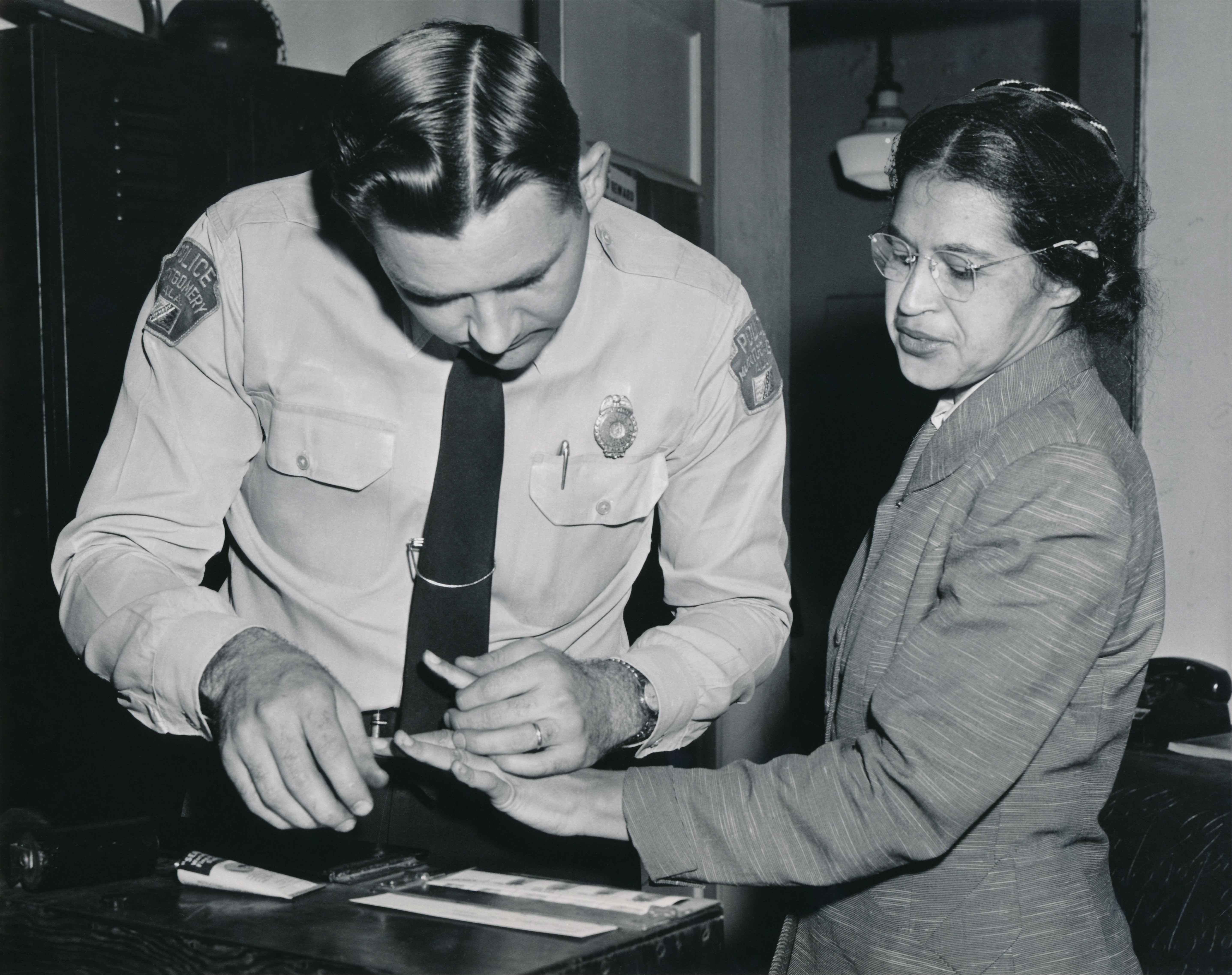
Nonviolent protest was a primary strategy employed by civil rights movement leaders like Martin Luther King Jr., who organized marches, sit-ins, and boycotts to expose the brutal realities of Jim Crow laws. At the 1963 March on Washington, Martin Luther King Jr. delivered the 'I Have a Dream' speech in 1963, galvanizing national support for legislative reform.
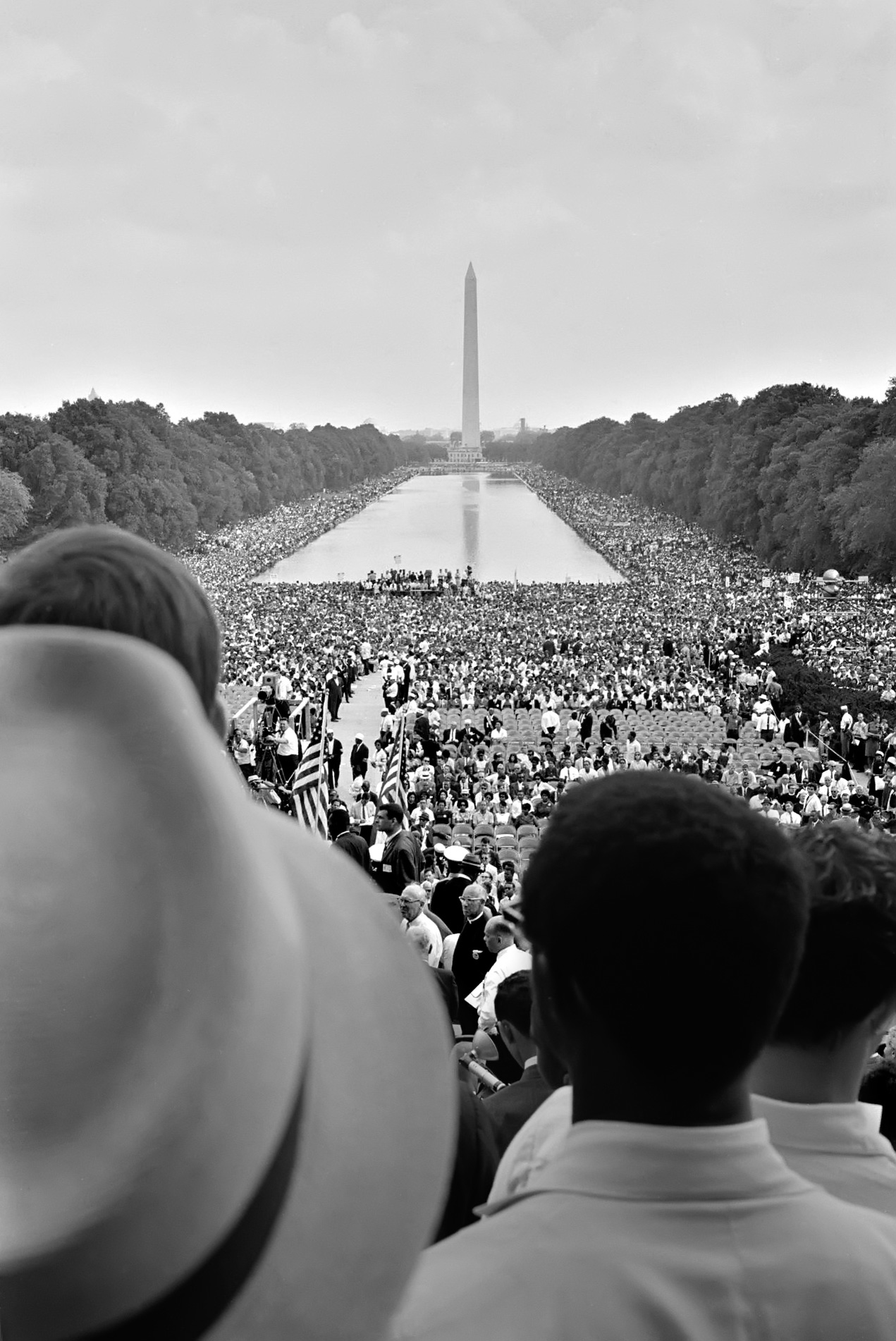
This sustained pressure resulted in two landmark pieces of legislation:
- The Civil Rights Act of 1964 outlawed employment discrimination based on race, color, religion, sex, or national origin, and mandated the desegregation of public accommodations.
- The Voting Rights Act of 1965 banned literacy tests at polling places, providing federal oversight to ensure minority voters were not disenfranchised.
Pedagogical Diagnostic: The "Finished History" Fallacy Elementary students often mistakenly believe the Civil Rights movement ended completely with the passage of 1960s legislation. It is imperative to explain that laws change the rules, but enforcing those rules and changing societal attitudes is a continuous, ongoing process. History is not a book we close; it is a room we still live in.
As the dust of WWII settled, the global power dynamic shifted drastically. The conclusion of World War II established the United States and the Soviet Union as competing global superpowers. Their rivalry sparked the Cold War, which was a period of geopolitical tension between the United States and the Soviet Union from 1947 to 1991.
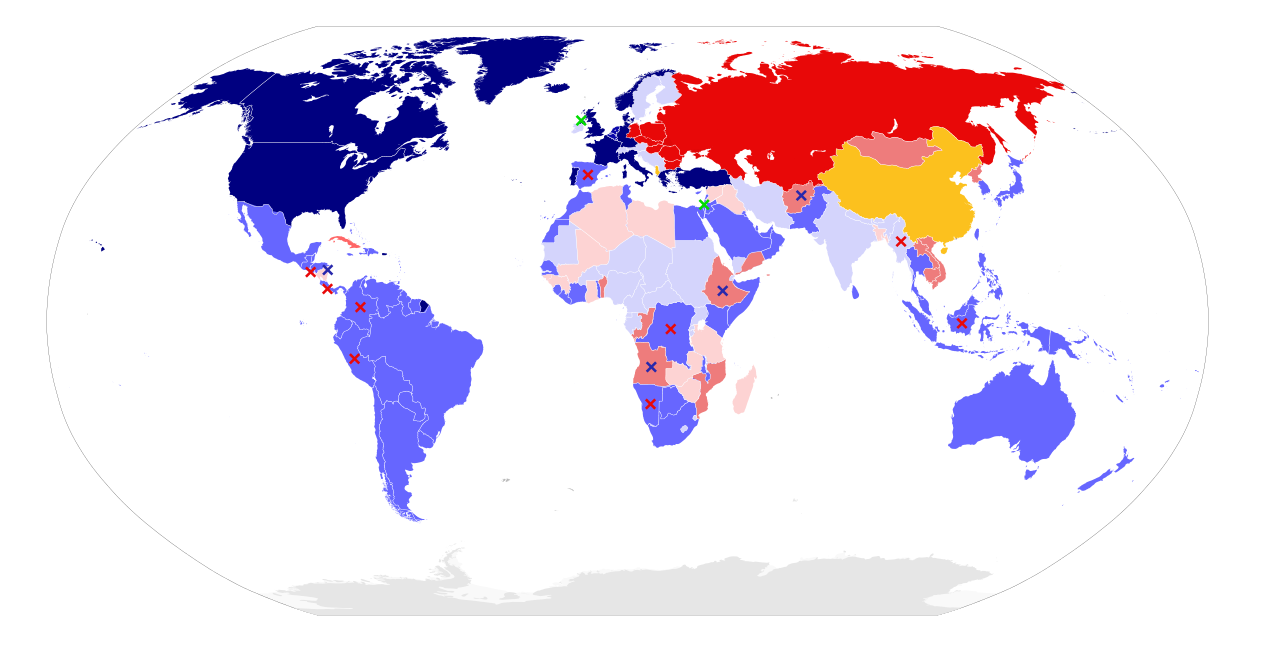
It is called "Cold" because the two nations never directly fought a full-scale war against one another, largely due to the doctrine of Mutually Assured Destruction. Instead, they competed through proxy wars, espionage, and technological races.
The United States policy of containment aimed to prevent the global spread of communism. Think of containment like placing a heavy lid on a boiling pot; the U.S. sought to box the Soviet Union's ideology in. This policy dictated American foreign interventions for decades:
- The United States participated in the Korean War to contain the spread of communism.
- Later, the United States participated in the Vietnam War to contain the spread of communism.
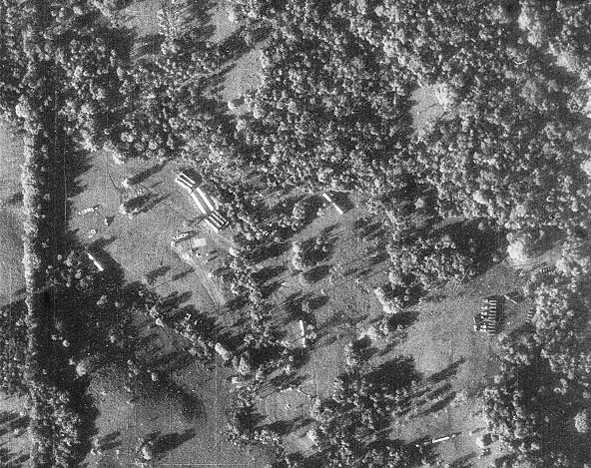
Tensions peaked when the Cuban Missile Crisis of 1962 brought the United States and the Soviet Union close to nuclear war, following the discovery of Soviet ballistic missiles in Cuba, just 90 miles from U.S. shores.
Beyond earthly borders, the Cold War spurred immense technological competition known as the Space Race, culminating when the United States Apollo 11 mission successfully landed astronauts on the moon in 1969.

The scientific advancements born out of Cold War military research—specifically in computing and networking—eventually found their way into the civilian world, sparking a new epoch. The Information Age describes the late-20th-century economic transition toward information technology, shifting the United States from an economy primarily based on traditional industry to one based on data and computing.
The proliferation of personal computers drastically altered global communication, moving computing power from giant government mainframes to desks in everyday homes. The true paradigm shift occurred when the World Wide Web became publicly accessible in 1991, interlinking the globe in a shared digital framework.
This digital infrastructure reshaped the global economy. The Information Age accelerated economic globalization by enabling instantaneous international data transfer, allowing financial markets, supply chains, and cultural exchange to operate at the speed of light.
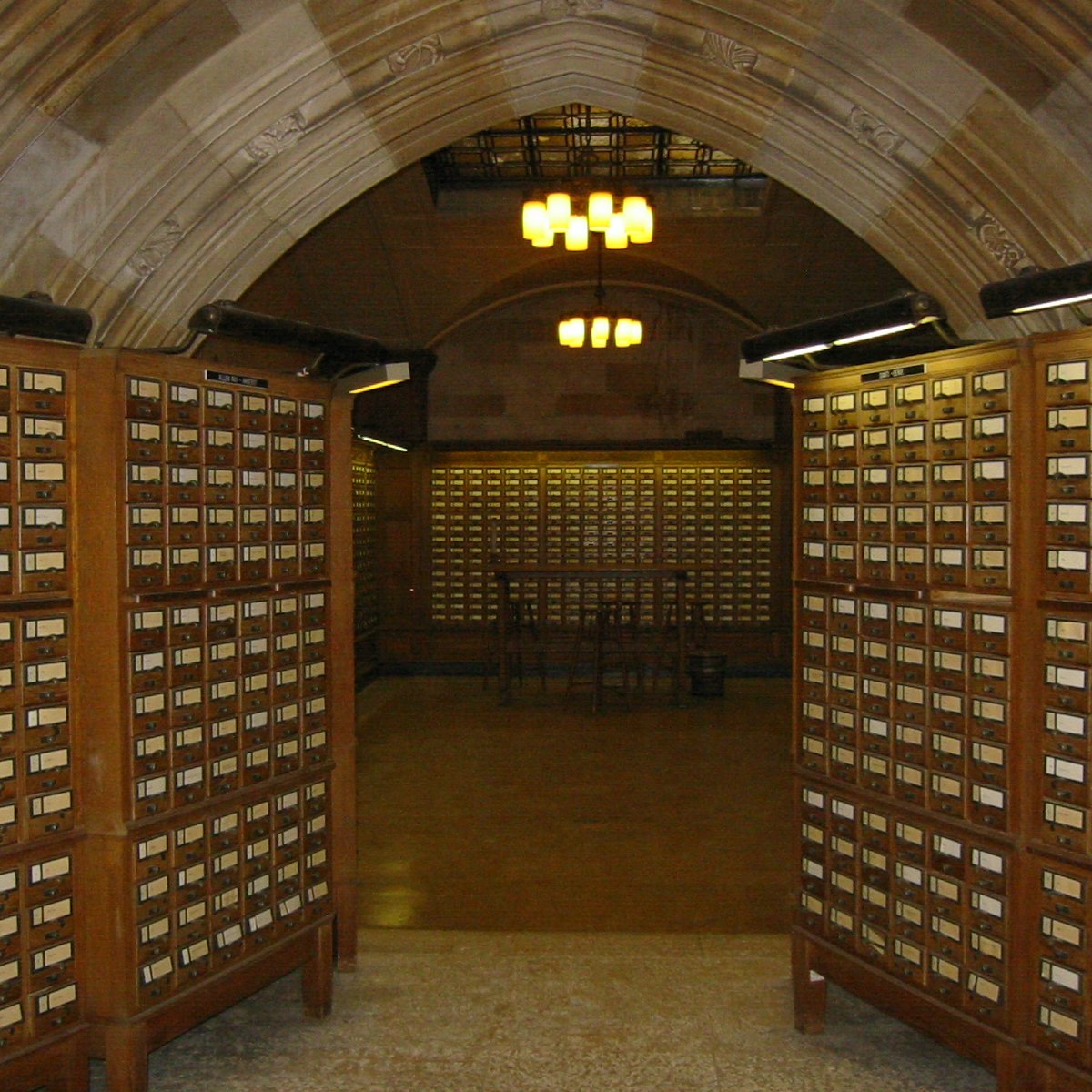
Pedagogical Diagnostic: The "Pre-Internet" Mental Block As an educator today, you face a unique challenge: Elementary students often struggle to conceptualize historical research methods predating the internet. Because they have only lived in a world of instant search engines, you must actively teach them what microfilm, card catalogs, and physical archives are. When discussing historical events, ask students, "How do you think we know this happened if nobody could record it on a smartphone?" This simple question forces them to think critically about primary sources, preservation, and the evolving nature of human memory.
By anchoring these vast historical epochs in concrete causes, human struggles, and relatable technological shifts, you provide your students with the tools to understand not just what happened in the past, but how those events actively govern the mechanics of the modern world.