Operations with Whole Numbers
Not sure you’re ready?
Take the ~3-minute readiness diagnostic and see where you stand.
The shift from performing mathematics to teaching mathematics requires us to open the black box of elementary arithmetic. To an adult, an equation like 34+9=43 is a static, memorized reflex. To a young learner, it is a structural puzzle. When you stand in front of a classroom, your task is not merely to transmit algorithms; it is to construct an intuitive architecture in the minds of your students. You are teaching them how to dismantle quantities, analyze their properties, and reassemble them. To do this effectively, we must understand not just the rules of operations, but the underlying physical realities, spatial models, and logical missteps that define how a child’s brain makes sense of numbers.
Fundamentally, addition combines two or more quantities into a single sum. But children do not naturally think in abstract numbers; they think in physical events. We bridge this gap using specific pedagogical models.
Conceptual Models of Addition
When translating real-world scenarios into arithmetic, students encounter two distinct frameworks:
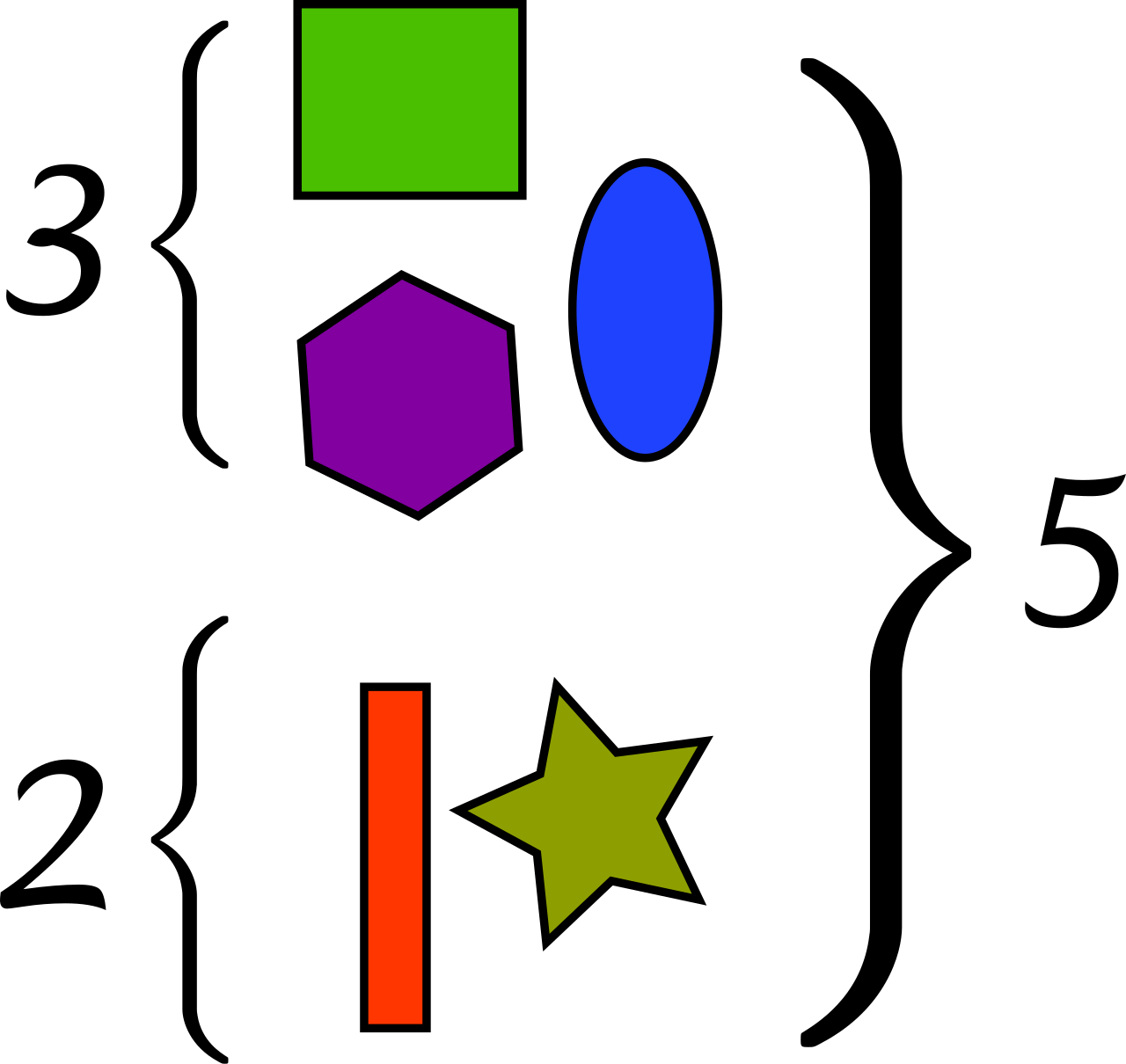
- The Join Model: This is action-oriented. The join model of addition involves a starting quantity, a change quantity, and a resulting quantity. (e.g., A bird has 3 seeds. It finds 2 more. Now it has 5.)
- The Part-Part-Whole Model: This is static. The part-part-whole model of addition involves distinct parts that combine to form a whole without a direct joining action. (e.g., A bowl holds 3 green apples and 2 red apples. There are 5 apples total.)
To help students conceptualize these relationships, we use number bonds, which visually display the part-whole relationship between a primary whole number and its constituent numerical parts (usually drawn as circles branching off a main total). We also use a number line, which represents addition as a physical movement to the right from a starting value, translating numerical quantity into physical distance.

Manipulatives: Making Abstract Base-Ten Concrete
Before a student can truly understand multi-digit addition, they must develop a tactile sense of our base-ten number system.
- Ten-frames help students visualize numbers up to ten to build mental base-ten addition strategies, allowing them to instantly "see" how far a number is from ten.
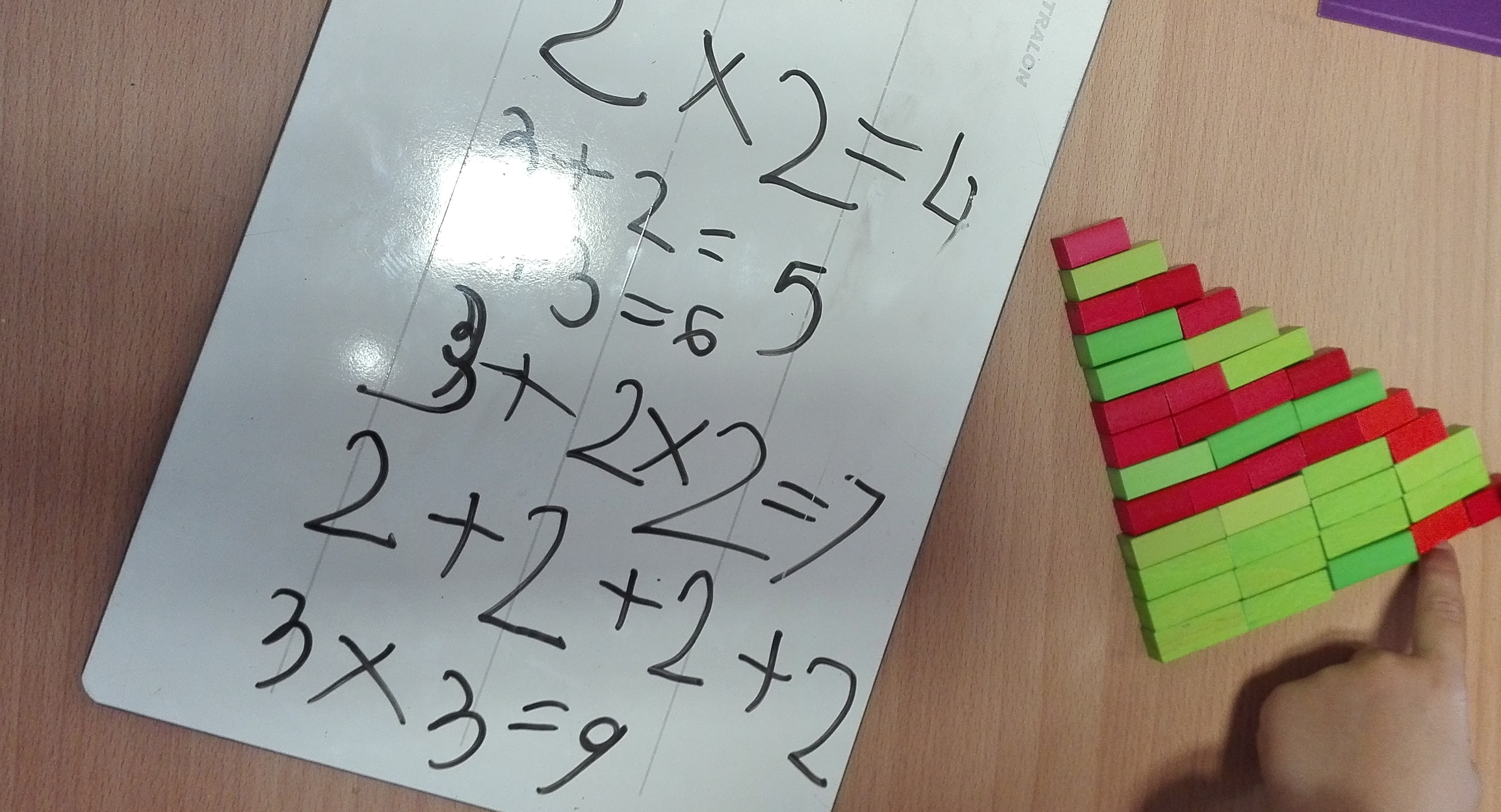
- Cuisenaire rods are colored physical manipulatives used to represent different whole numbers proportionally by length, an elegant tool for showing how smaller numbers nest inside larger ones.
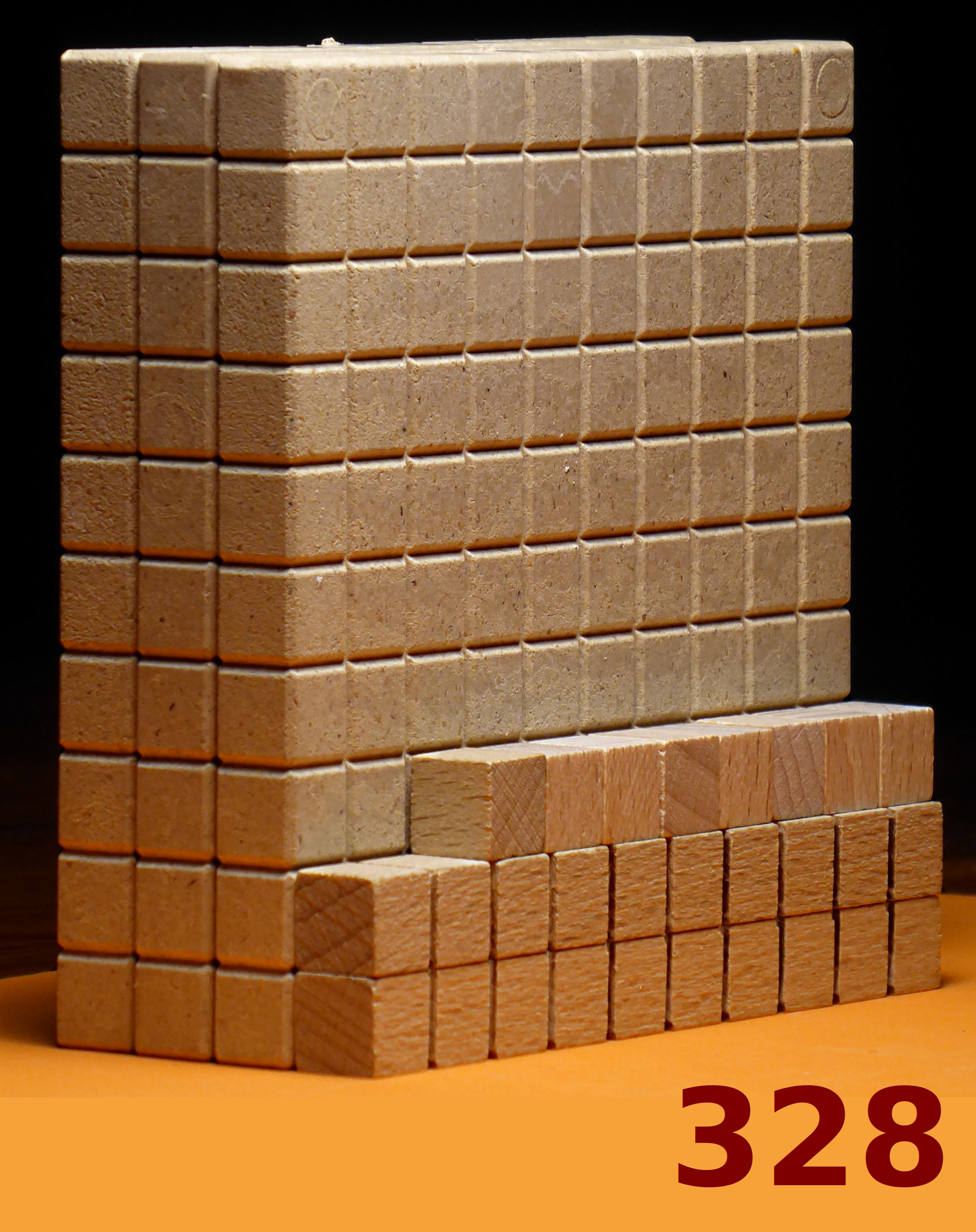
When we move to multi-digit arithmetic, base-ten blocks represent addition by physically grouping individual units into tens and tens into hundreds.
- Base-ten block units specifically represent the ones place in whole number arithmetic.
- Base-ten block rods specifically represent the tens place in whole number arithmetic (composed of 10 units).
- Base-ten block flats specifically represent the hundreds place in whole number arithmetic (composed of 10 rods).
Properties and Algorithms
The beauty of addition lies in its flexibility, governed by ironclad mathematical properties:
The Commutative Property of Addition: States that the order of the addends does not change the sum. Algebraic Representation: The equation a+b=b+a is the algebraic representation of the commutative property of addition.
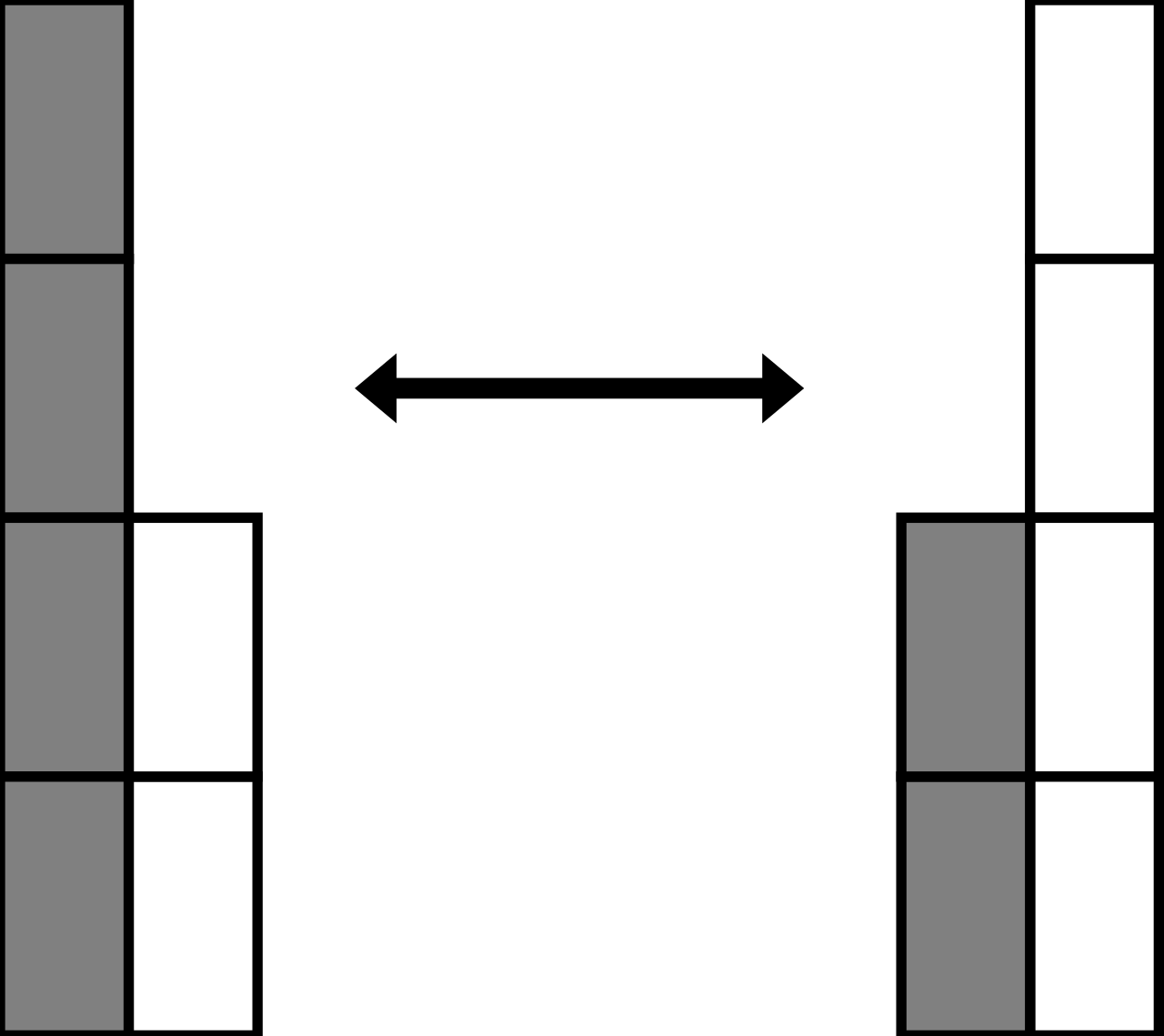
The Associative Property of Addition: States that the grouping of addends does not change the sum. Algebraic Representation: The equation (a+b)+c=a+(b+c) is the algebraic representation of the associative property of addition.
The Additive Identity Property: States that adding zero to any number yields that same original number.
These properties are the gears driving addition algorithms. The standard algorithm for multi-digit addition requires strictly aligning the digits vertically by place value before adding. However, jumping straight to this abstract algorithm often generates profound misunderstandings.
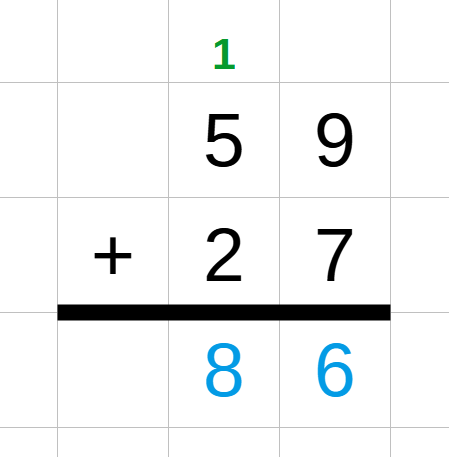
Consider the classic pedagogical scenario: A student writing 34+9=313 exhibits a place value misconception by recording the sum of the ones digit directly next to the tens digit without proper regrouping. They treated the 4+9 as an isolated event (13) and simply wrote it down, blindly sliding the 3 from the tens place down beside it.
To prevent this, teachers introduce foundational algorithms first:
- The partial sums algorithm breaks addends into place value components before adding the separate place values together. (34+12→ Add the tens: 30+10=40. Add the ones: 4+2=6. Total: 46).
- Adding left-to-right is a valid non-standard alternative algorithm that reinforces strong place value understanding, honoring the way we naturally read and process magnitude.
- Compensation is an addition strategy where one addend is increased by a specific amount while the other addend is decreased by that exact same amount. (e.g., changing 29+15 to 30+14 to make the mental math effortless).
If addition is construction, subtraction is deconstruction. Subtraction determines the difference between two quantities. Crucially, addition and subtraction function as inverse operations. We teach this reciprocal relationship via addition and subtraction fact families, which represent all the related valid equations for a specific set of three numbers (e.g., 4+3=7,3+4=7,7−4=3,7−3=4).
Conceptual Models of Subtraction
Subtraction poses a unique challenge because it maps to three highly distinct real-world situations:
- The Take-Away Model: The most intuitive iteration. The take-away model of subtraction involves physically removing a specific quantity from an initial whole.
- The Missing Addend Model: Views a subtraction problem as an addition problem with an unknown part. (e.g., I have $5. I need $8 to buy a book. How much more do I need? The student solves 8−5 by thinking 5+?=8).
- The Comparison Model: Determines the numerical difference in size or amount between two separate quantities. (e.g., Maria has 10 blocks, Leo has 6 blocks. How many more does Maria have?) No action is taken; quantities are simply measured against one another.
Structural Limitations and Misconceptions
Subtraction is rigid. Unlike addition, subtraction operations do not possess the commutative property (5−3=3−5), and subtraction operations do not possess the associative property.
This rigidity clashes with a young learner's instinct. A frequent student misconception in subtraction is always subtracting the smaller digit from the larger digit regardless of top or bottom placement in the algorithm. If a student looks at 52−18 stacked vertically, they will often write 44. Why? They look at the ones column, see a 2 on top and an 8 on the bottom, and apply their internal rule: "Just do 8−2, that's 6." They strip the numbers of their positional value.
To counter this, we rely heavily on place value manipulatives. Regrouping in subtraction involves exchanging one higher-value place unit for ten lower-value place units—physically trading one base-ten rod for ten separate units.
Students can also use mental flexibility to bypass regrouping entirely. Constant difference is a subtraction strategy where both the minuend and subtrahend are adjusted by the same amount to simplify the calculation. If you are solving 61−29, you can add 1 to both numbers, shifting the problem to 62−30, yielding an instant 32 without any regrouping required.
As we progress to multiplication, we transition from additive thinking to multiplicative thinking. At its core, multiplication calculates the total quantity of a specific number of equal-sized groups.
Models and Representations
To unpack multiplication, we use a progression of visual models:
- Repeated Addition: Models multiplication by adding the same starting number a specific number of times.
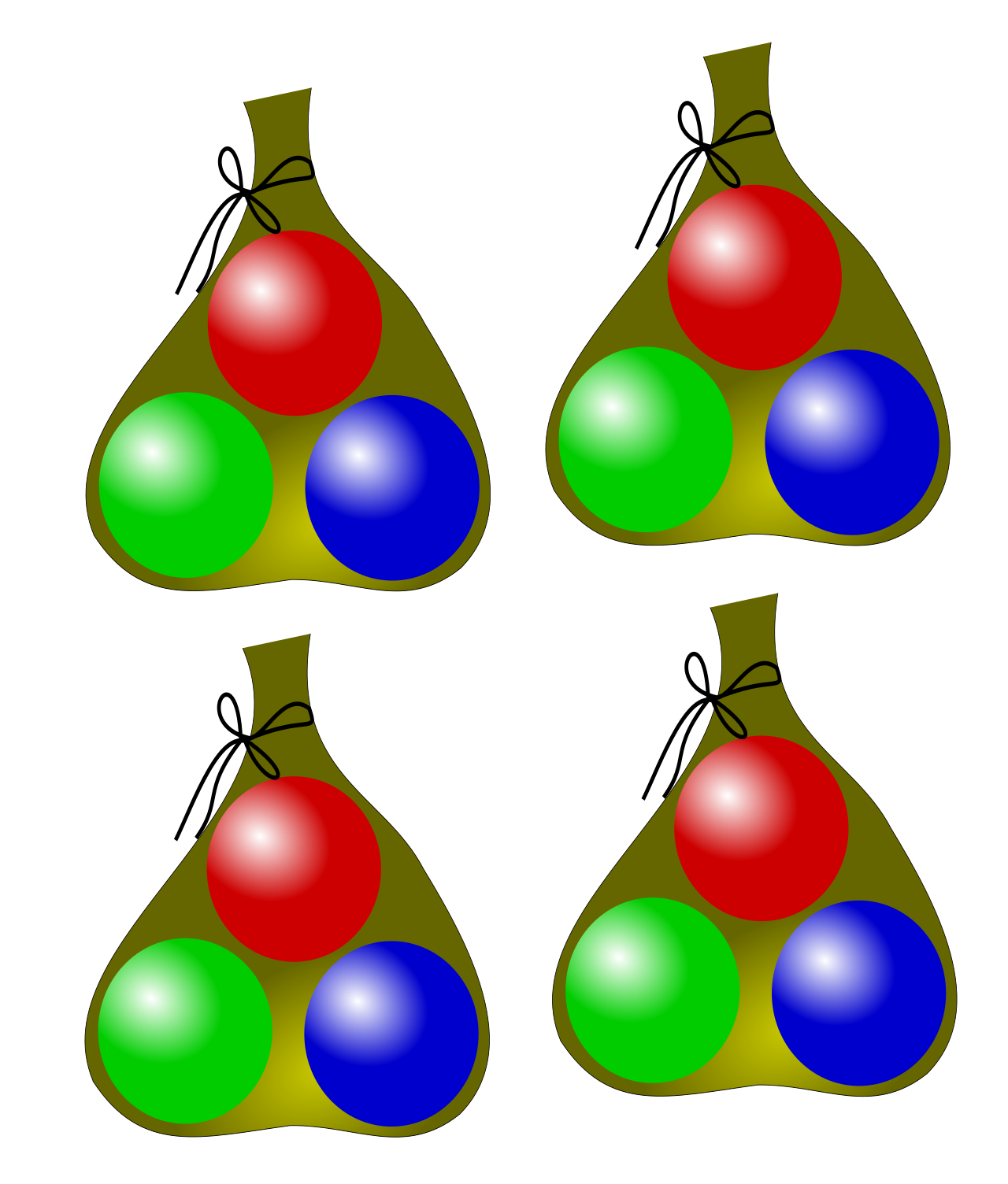
- The Equal Groups Model: Involves a specific number of sets containing an identical number of items per set.
- The Multiplicative Comparison Model: Calculates a new total by multiplying a base quantity by a scaling factor. (e.g., A dog weighs 10 pounds. A wolf weighs three times as much.)
- The Array Model: Represents mathematical factors as distinct rows and columns of individual items.
- The Area Model: Represents multiplication using a rectangle divided into smaller proportional rectangles based on the place values of the factors.
Properties of Multiplication
The mechanics of multi-digit multiplication rely on vital properties:
The Commutative Property of Multiplication: States that changing the sequence of the factors does not change the resulting product. (a×b=b×a).
The Associative Property of Multiplication: States that changing the grouping of factors does not alter the final product. ((a×b)×c=a×(b×c)).
The Multiplicative Identity Property: Dictates that multiplying any real number by one yields the original number.
The Zero Property of Multiplication: Dictates that any number multiplied by zero yields a product of zero.
The Distributive Property of Multiplication over Addition: Asserts that a(b+c) equals (a×b)+(a×c).
Avoiding The Classic Pitfall
The distributive property is the sole reason multi-digit multiplication works, and its absence is the source of the most notorious error in elementary math. A frequent student misconception in multi-digit multiplication is multiplying the tens together and the ones together without cross-multiplying the partial products.
If calculating 23×14, a student might multiply 20×10=200, and 3×4=12, and combine them for 212. They missed the internal "cross-multiplication" (20×4 and 10×3). We eradicate this misconception using the partial products method of multiplication, which calculates the product of each place value pair separately before adding those results together. This is where the Area Model shines—by drawing a 2×2 grid for a two-digit by two-digit problem, students visually guarantee that every place value is distributed and multiplied.
Finally, we arrive at the peak of elementary whole-number operations. Division separates a total quantity into equal groups, or, framed differently, division calculates the exact number of equal groups that can be made from a total quantity.
Because multiplication and division function as inverse operations, a solid grounding in multiplication is a prerequisite.
The Duality of Division
As a teacher, you will constantly navigate two distinct manifestations of division. Understanding the difference between them is vital for analyzing student logic in word problems.
| Model | Also Known As | Definition | Example Problem |
|---|---|---|---|
| Partitive Division | Fair Sharing Division | Involves distributing a known total quantity into a known number of groups to determine the size of each group. | I have 12 cookies to give equally to 3 friends. How many cookies does each friend get? |
| Quotative Division | Measurement Division | Involves distributing a known total quantity into groups of a known size to determine the total number of groups. | I have 12 cookies. I want to put 4 cookies in each bag. How many bags do I need? |
Boundaries and Algorithms
Division operates under strict limitations:
- Mathematical division does not possess the commutative property. (10÷2=2÷10).
- Mathematical division does not possess the associative property.
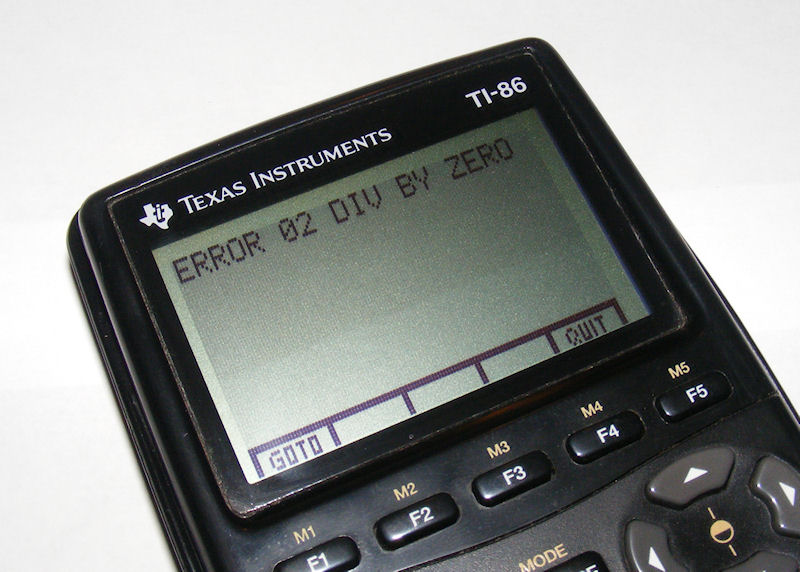
- Most crucially: Division by the number zero is undefined in mathematics. You cannot partition a quantity into "zero groups," nor can you measure how many "groups of zero" make up a physical quantity.
When a quantity cannot be perfectly partitioned, we generate a mathematical remainder, which represents the leftover numerical quantity that cannot be evenly divided into full groups.
To help students conceptualize division and remainders, we use strip diagrams, which visually represent division by showing a total rectangular length partitioned into equal internal segments. Similarly, tape diagrams model mathematical word problems using connected rectangular boxes to represent proportional part-whole relationships.
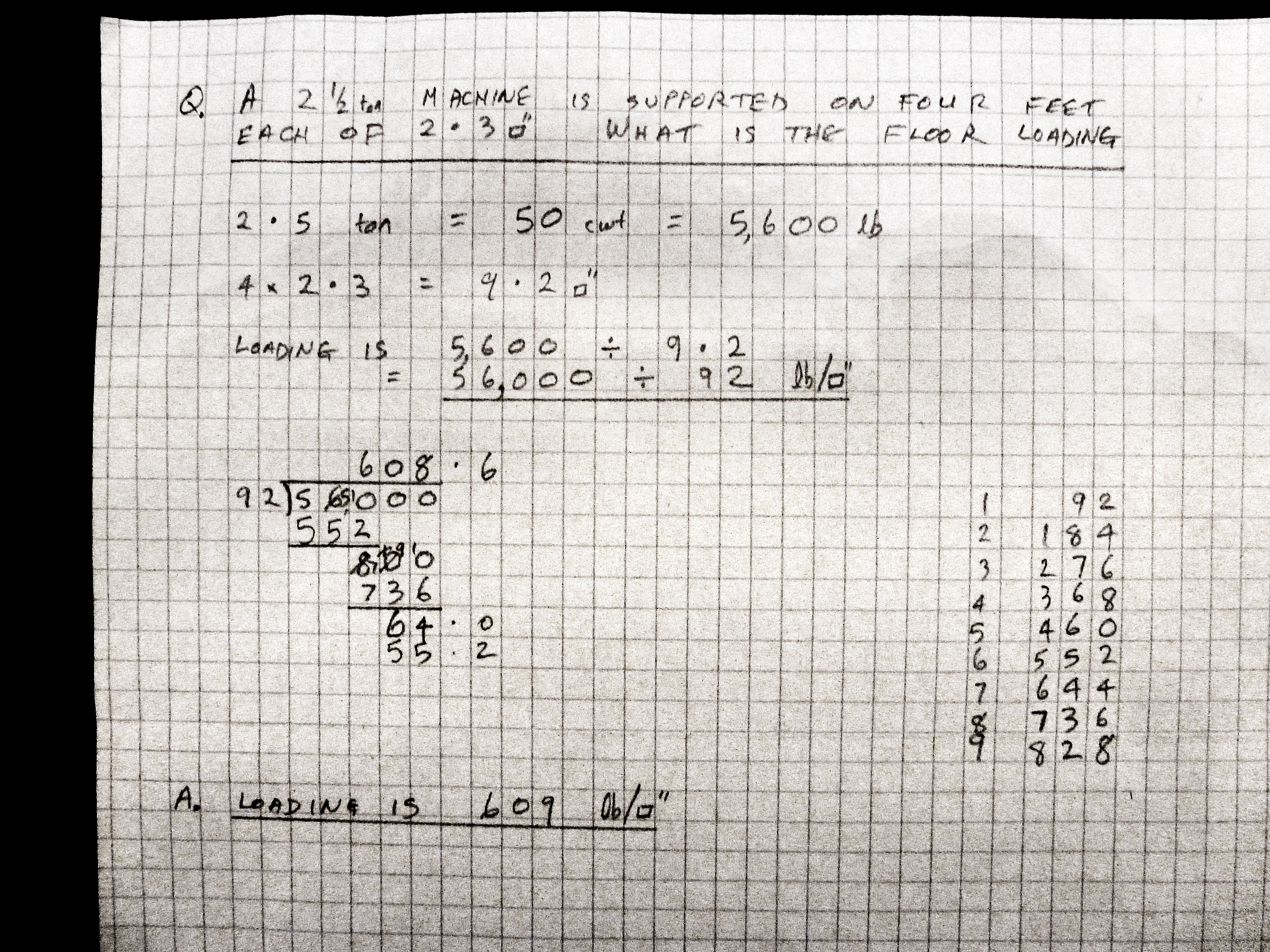
When moving to formal algorithms, long division is notoriously difficult because it hides place value. Instead, we teach the partial quotients method, which involves repeatedly subtracting friendly multiples of the divisor from the dividend until reaching zero or a remainder. This allows a child trying to divide 144 by 6 to say, "I know ten 6s are 60, let me subtract that first," empowering them to chip away at the dividend using mathematical facts they feel confident in.
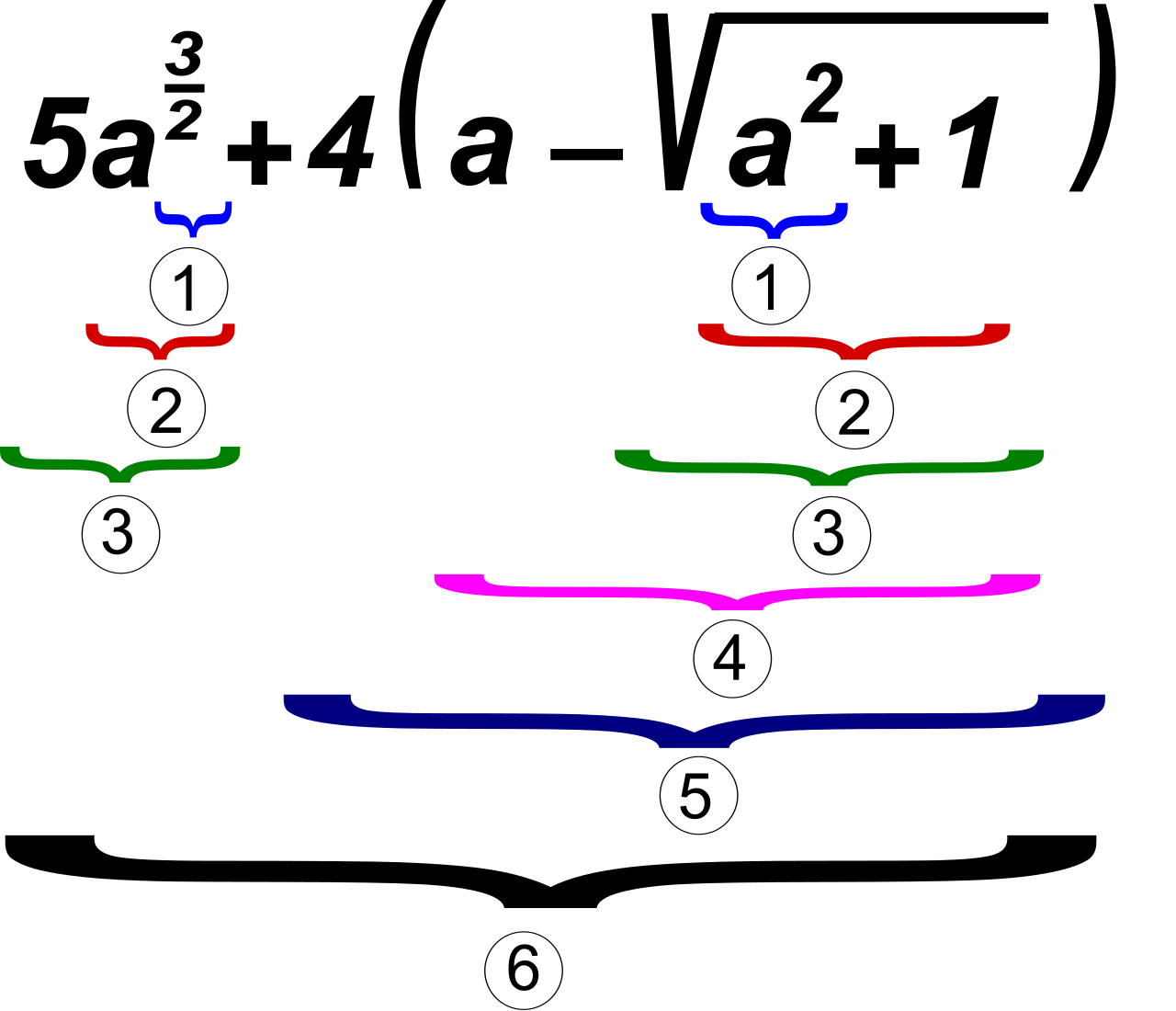
As students master addition, subtraction, multiplication, and division, they eventually encounter expressions containing multiple operations. This introduces a final, vital piece of the architectural puzzle: syntax. The standard mathematical order of operations dictates that multiplication and division are performed before addition and subtraction. This is not a mere convention, but a logical necessity: because multiplication is scaled addition, we must first resolve all the "grouped" scaling before we can tally the final individual pieces.
By deconstructing mathematics in this way—seeing beyond the rigid algorithms to the tactile, logical, and structural realities underneath—you transition from someone who merely does math into someone who can truly teach it.