Research to Build and Present Knowledge
Not sure you’re ready?
Take the ~3-minute readiness diagnostic and see where you stand.
Imagine a third-grade student staring at a stack of library books and a blinking search engine cursor. Left to their own devices, they will likely type a full, conversational question into the search bar, click the very first link they see, and copy the first sentence that looks vaguely related to their topic. Teaching research skills is not merely about showing students where the library is; it is about teaching them the epistemology of the modern world—how we know what we know, how to find it, and how to prove it. For elementary educators, building content knowledge for teaching research means anticipating the cognitive bottlenecks students face when moving from passive readers to active investigators.
Research should not begin with a teacher handing down a rigidly defined topic. True investigation begins with curiosity. Inquiry-based learning frames the research process around student-generated questions. When a student asks, "Why do wolves howl at the moon?" they have a cognitive stake in the answer.
Once the question is posed, the student must navigate the information landscape. To novice readers, a nonfiction book is a dense, impenetrable wall of text. We must teach them to rely on informational text features, the structural signposts that help readers quickly locate specific facts within a text.
Think of a book as a city.
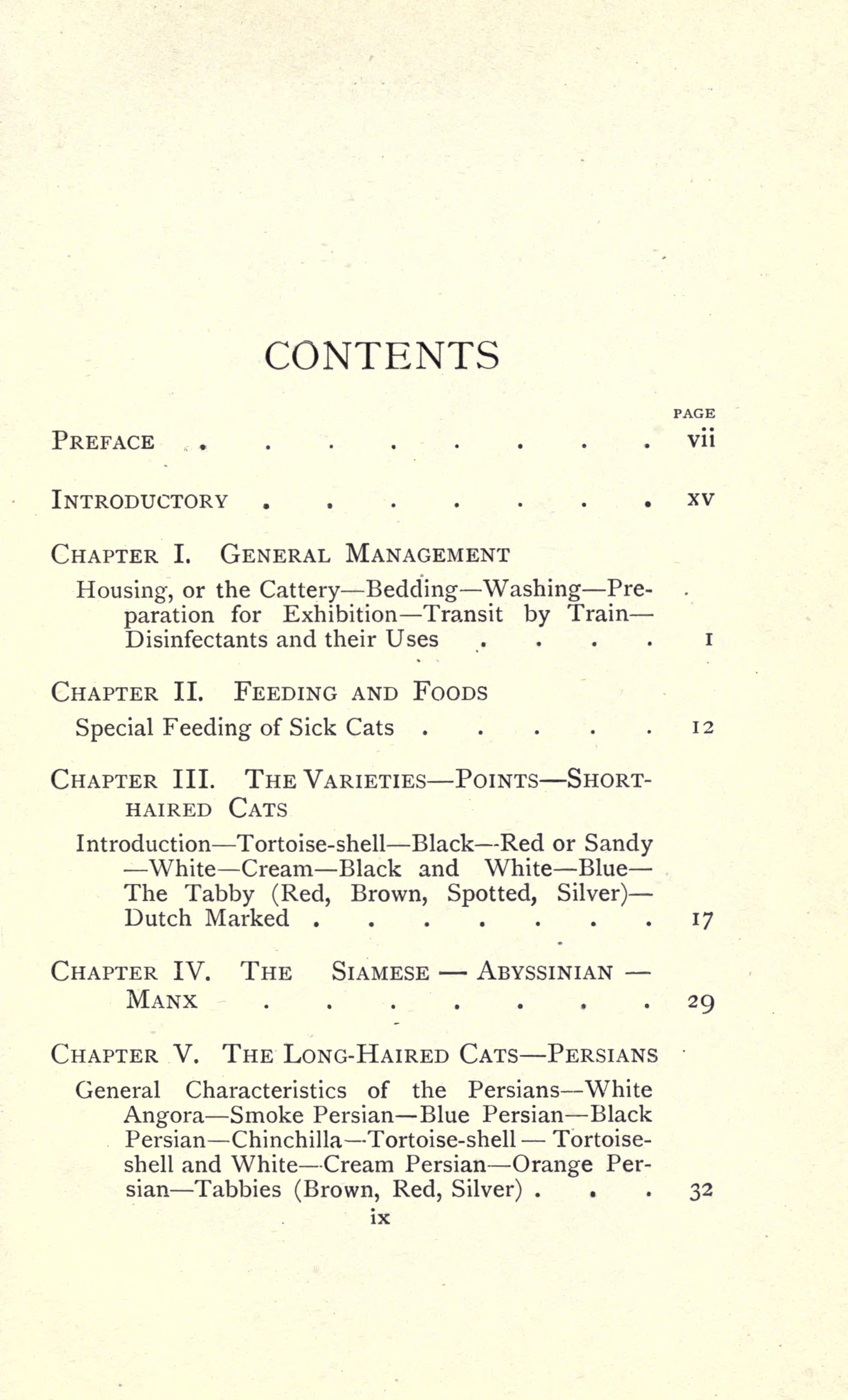
- A table of contents lists chapters or sections and their starting page numbers. It is the macro-blueprint of the city, showing you the distinct neighborhoods.
- An index provides an alphabetical list of topics and their corresponding page numbers. This is the city directory, allowing you to instantly locate a specific street or address, usually found at the back of the book.
- Glossaries define key terms used within a specific text, acting as a translation guide for the specialized language of that neighborhood.
- Headings and subheadings organize text into identifiable topics for easier skimming. They act as street signs, announcing exactly what information resides below them.
Skimming vs. Scanning: A Pedagogical Distinction
Elementary students frequently conflate these two vital reading strategies. As a teacher, you must explicitly model the difference:
- Skimming involves reading quickly to get a general overview of a text. Analogy: Flying over a forest in a helicopter to understand its boundaries and shape.
- Scanning involves reading a text quickly to locate a specific fact or piece of information. Analogy: Walking through that same forest looking exclusively for a specific red mushroom.
Once a student locates a promising section of text, they face their next hurdle: extraction. Selecting relevant information requires students to match text details to their specific research questions. Children are often distracted by fascinating but irrelevant trivia (e.g., finding out a shark's bite force when their research question is about shark habitats).
To prevent students from copying entire paragraphs out of frustration, we must explicitly teach note-taking strategies. These strategies help students extract relevant information without copying text verbatim, reducing cognitive overload and preventing accidental theft of intellectual property.
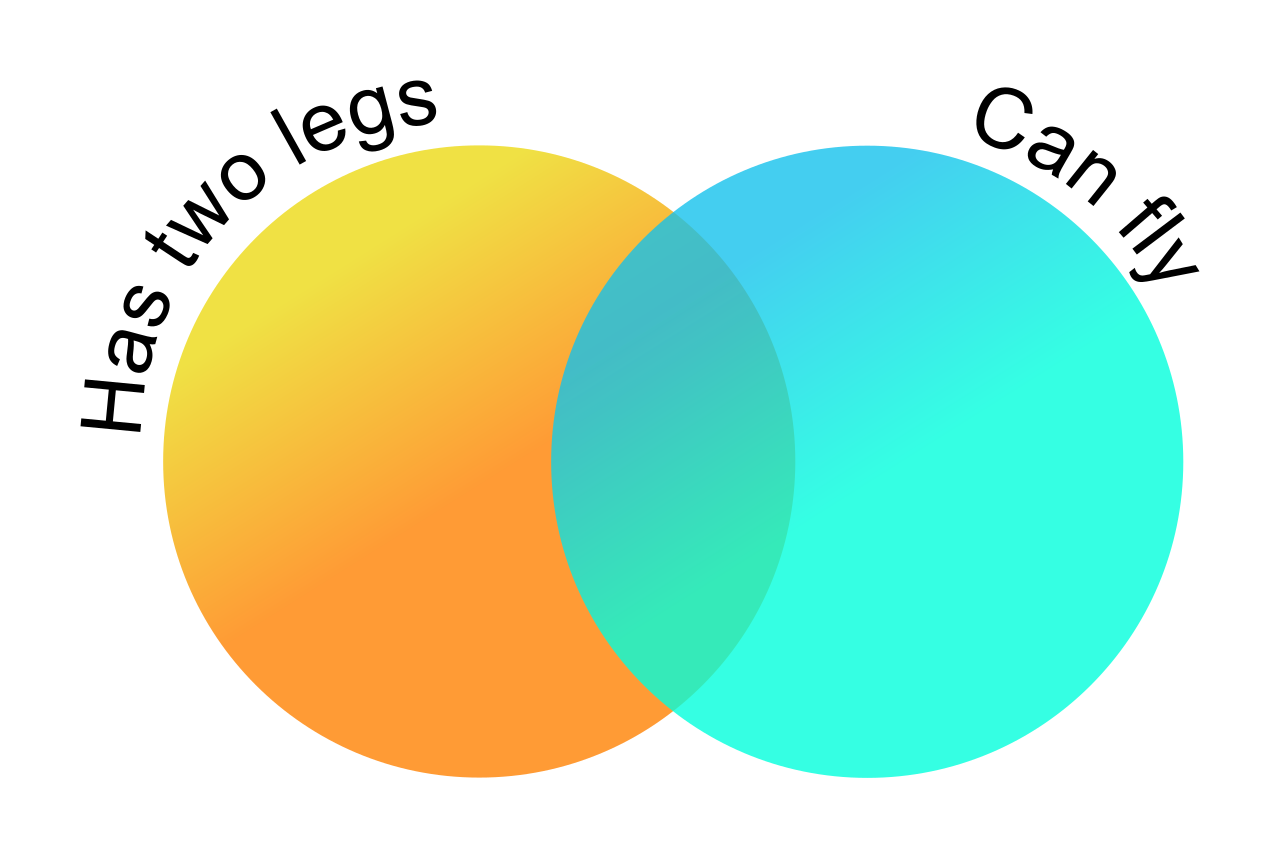
Notes, however, are just raw data. They must be organized. Graphic organizers visually structure information to help students categorize research findings. When students are researching multiple animals, historical figures, or ecosystems, they need to see how these subjects interact. Venn diagrams are highly effective graphic organizers used to compare and contrast information from different texts.
From Summary to Synthesis
Summarizing involves identifying the main ideas and key details of a text in a condensed format. Synthesizing requires readers to combine information from multiple sources to form a new understanding.
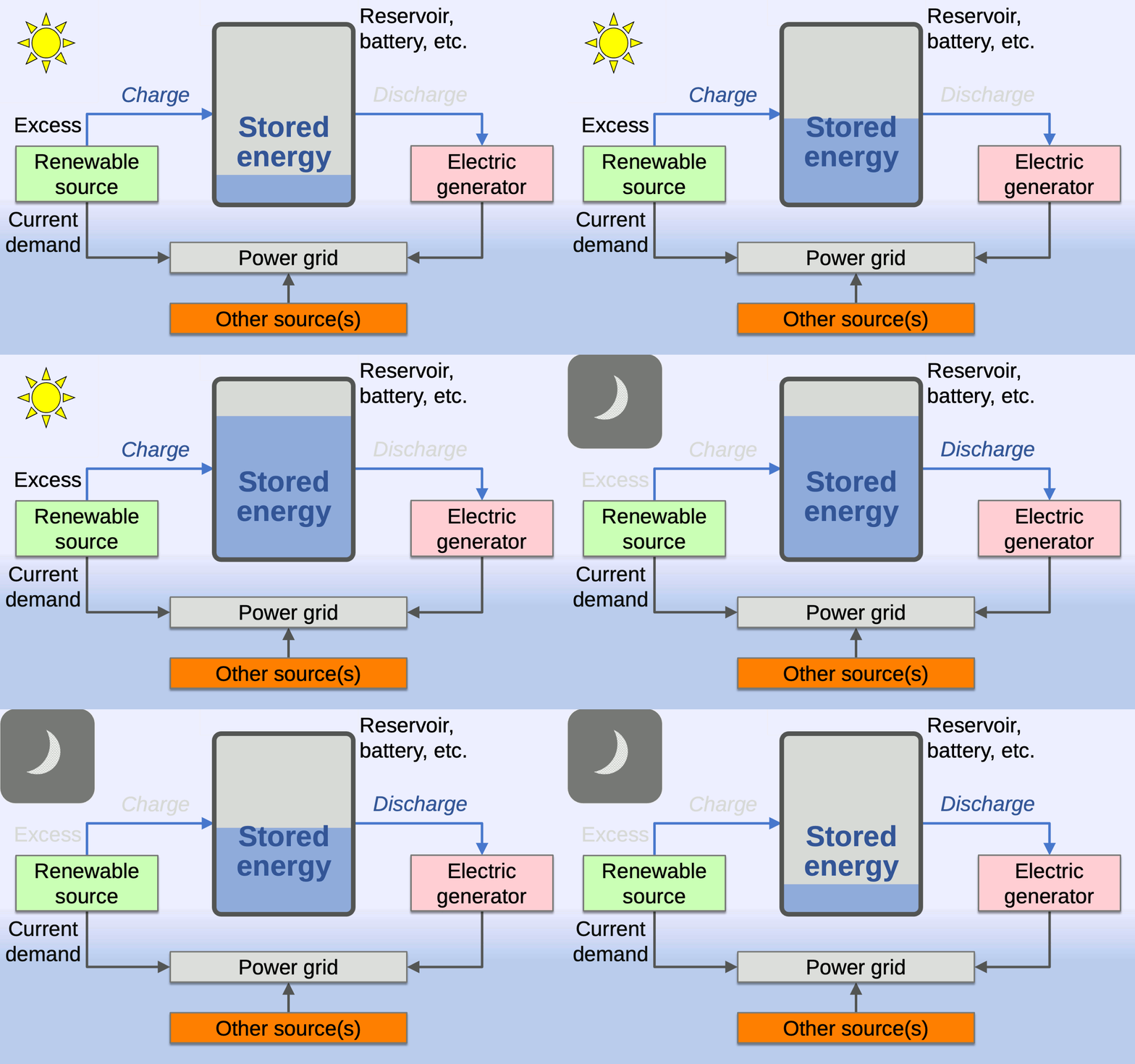
Summarizing is taking a photograph of a landscape. Synthesizing is painting a brand-new landscape using colors borrowed from a dozen different photographs. If a student reads a book about solar energy and an article about wind turbines, a summary merely regurgitates what each author said. Synthesis occurs when the student realizes, “Both texts show that renewable energy relies on weather, which means humans must invent better batteries to store power for calm, cloudy days.”
Every claim a student makes—whether about the American Revolution or the temperament of a fictional character—must be anchored in reality. Textual evidence consists of specific details from a reading that support an analysis or claim.
The type of evidence gathered depends entirely on the nature of the text:
- Analyzing informational texts requires identifying the author's main point and supporting reasons. Students must dissect the logic: What is the author trying to teach me, and what data do they use to prove it?
- Analyzing narrative texts requires gathering evidence about character motivations and plot development. Literary research is still research. When a student claims that the protagonist is "brave," they must point to the exact page where the character confronts a fear to drive the plot forward.
We live in an era of information abundance, which means the primary job of the researcher has shifted from finding information to filtering it.
To help students evaluate sources systematically, educators often rely on the CRAAP test, an acronym used to evaluate sources based on Currency, Relevance, Authority, Accuracy, and Purpose.
Evaluating Authority and Currency
Source credibility depends on the author's expertise and credentials regarding the topic. A blog post about vaccines written by a mechanic lacks the credibility of an article written by a pediatrician. Furthermore, the publication date of a text determines the currency and potential accuracy of the information. A book detailing the map of Europe published in 1988 is entirely inaccurate for a student researching the geography of Europe today.
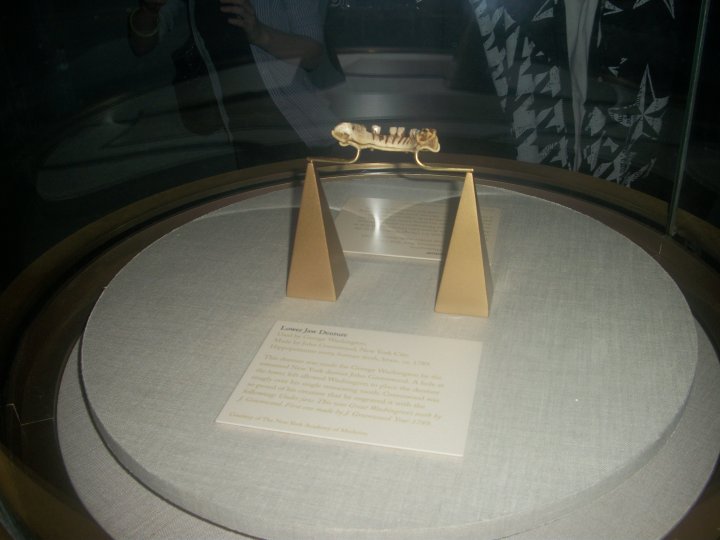
To guarantee accuracy, students must practice cross-checking. Cross-checking involves verifying a fact by finding the same information in multiple independent sources. If only one website claims that George Washington had wooden teeth, cross-checking will quickly reveal it as a myth.
Deciphering the Digital Landscape
Students must understand how internet domains hint at a site's purpose and credibility.
| Domain Extension | Definition & Purpose | Credibility Profile |
|---|---|---|
| .gov | Reserved solely for United States government websites. | Highly reliable; provides official data, statistics, and historical archives. |
| .edu | Reserved for postsecondary educational institutions (colleges/universities). | Highly reliable; backed by academic rigor and institutional research. |
| .com | Represents commercial entities. | Varies wildly; driven by profit motives and marketing goals. |
Because of their strict regulations, websites with .gov or .edu domain extensions are generally considered highly credible sources. Conversely, the .com internet domain extension signifies a business. Consequently, commercial websites may present biased information designed to sell a product or service. A website ending in .com that sells pet food is not an objective source on whether a raw meat diet is best for dogs.
Identifying Bias and Purpose
Bias is a disproportionate weight in favor of or against a specific idea or thing. To detect it, students must first understand why a piece was written. An author's purpose is the primary reason the author wrote the text (to persuade, inform, or entertain). Identifying an author's purpose helps readers evaluate a source for potential bias.
How do we teach a 10-year-old to spot bias?
- Fact vs. Opinion: Distinguishing between verifiable facts and subjective opinions is a foundational skill for identifying bias. ("The temperature is 85 degrees" vs. "It is dreadfully hot outside").
- Vocabulary: Authors often demonstrate bias through the use of loaded language. Loaded language consists of words with strong emotional connotations. If a news article describes a peaceful protest as a "vicious, unruly mob," the loaded words (vicious, mob) reveal the author's intense bias.
Primary vs. Secondary Sources
Researchers look for evidence at varying proximities to the actual event.
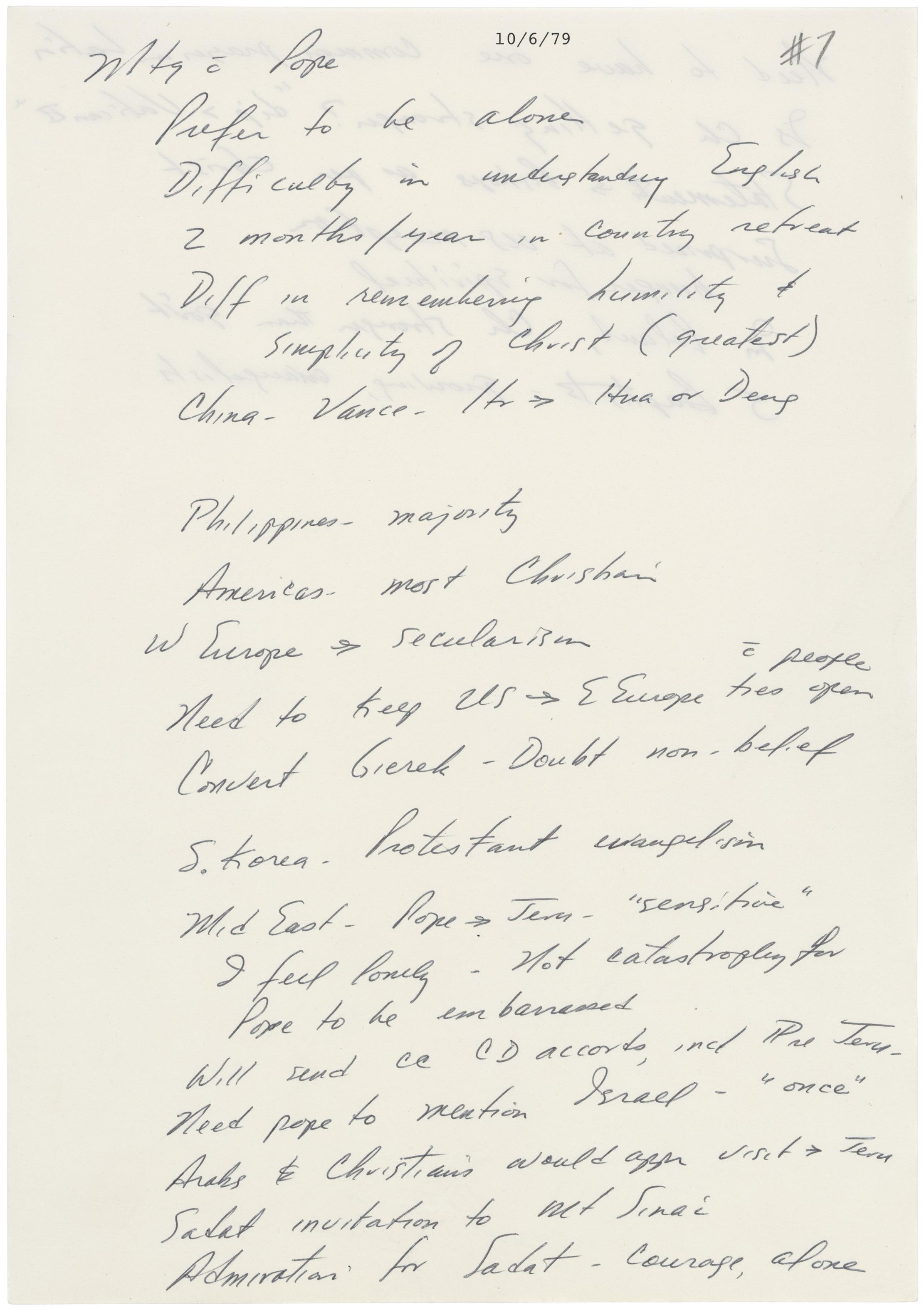
- A primary source is an original, first-hand account of an event or time period. Because they are unfiltered by later historians, diaries, photographs, and historical letters are examples of primary sources.
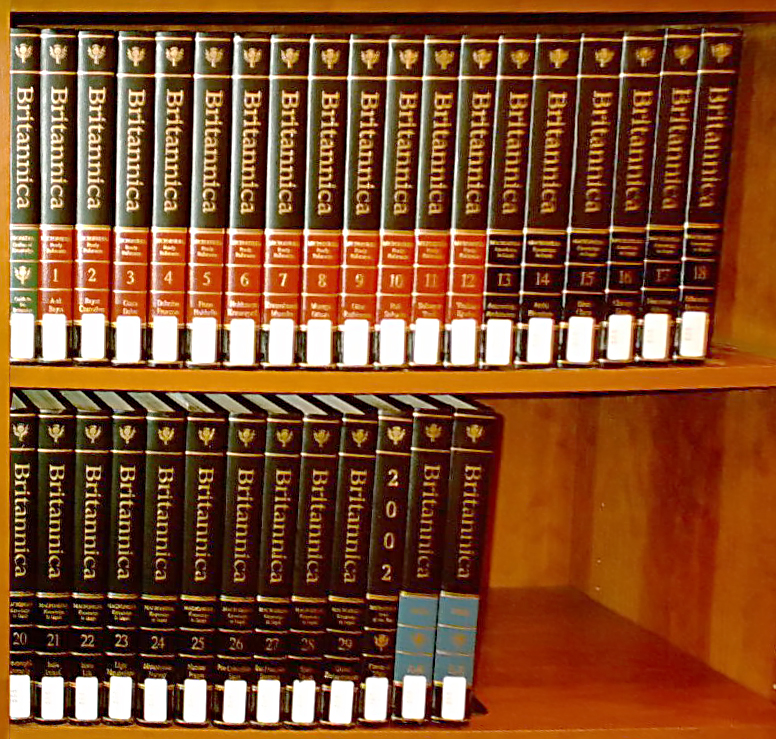
- A secondary source provides interpretation, analysis, or commentary on primary sources. Textbooks and encyclopedias are common examples of secondary sources. They synthesize the diaries and letters to give students a broader view of history.
Finally, we must teach students the ethics of knowledge-sharing. Plagiarism is the act of using another person's words or ideas without giving proper credit to the original creator. Elementary students rarely plagiarize maliciously; they do it because they lack the vocabulary to rephrase complex ideas, or they don't understand the rules of attribution.
When a student uses an external source, a citation attributes a specific piece of information to its original source. There are two primary ways to incorporate this information into their own writing:
- Direct Quoting: Direct quoting requires copying text exactly as written in the original source. To visually signal to the reader that these words belong to someone else, direct quotes must be enclosed in quotation marks.
- Paraphrasing: Paraphrasing requires rewriting information from a source into a reader's own words. Crucial Misconception Alert: Many students believe that if they change the words, the idea becomes theirs. You must explicitly teach that paraphrased information requires a formal citation to avoid plagiarism. The idea still belongs to the original author.
To wrap up their investigation, students compile a bibliography, which is a formatted list of all sources consulted during a research project. This is not just busywork; it is the student leaving a trail of breadcrumbs so that future researchers can trace the origins of their hard-earned knowledge.