Properties of Basic Operations
Not sure you’re ready?
Take the ~3-minute readiness diagnostic and see where you stand.
Imagine you are handed a large box of assorted puzzle pieces and asked to assemble them into a coherent picture. You wouldn't arbitrarily mash pieces together; you would rely on the shapes and edge contours to see what fits, naturally discovering the underlying rules that govern how the pieces connect. Mathematics operates in precisely the same way. The basic operations—addition, subtraction, multiplication, and division—are not arbitrary rituals to be memorized, but physical actions with natural, unbending rules about how numbers can and cannot be manipulated. When we combine numbers, swap their order, or bundle them into groups, we are governed by a hidden geometry of logic. To master arithmetic and algebra for the Praxis Core, we do not need to memorize a litany of intimidating Latin names like "commutative" or "associative"; we simply need to observe how numbers behave when they are pushed, pulled, and grouped.
To understand how mathematical operations behave, we must first understand what they physically represent. Addition and subtraction are the most fundamental ways we track quantity: putting things together and taking them apart. But what happens when we need to add the same quantity over and over again?
Writing out 5+5+5+5 is tedious. To solve this inefficiency, mathematics developed a shorthand. Multiplication represents the mathematical process of repeatedly adding a specific number a specified amount of times.
Crucial Fact: The mathematical expression 5×4 represents adding the number 5 four separate times.
Multiplication is, at its core, just an engine for rapid, repeated addition. Once we internalize this, the rules governing how numbers can be shuffled and grouped become entirely intuitive.
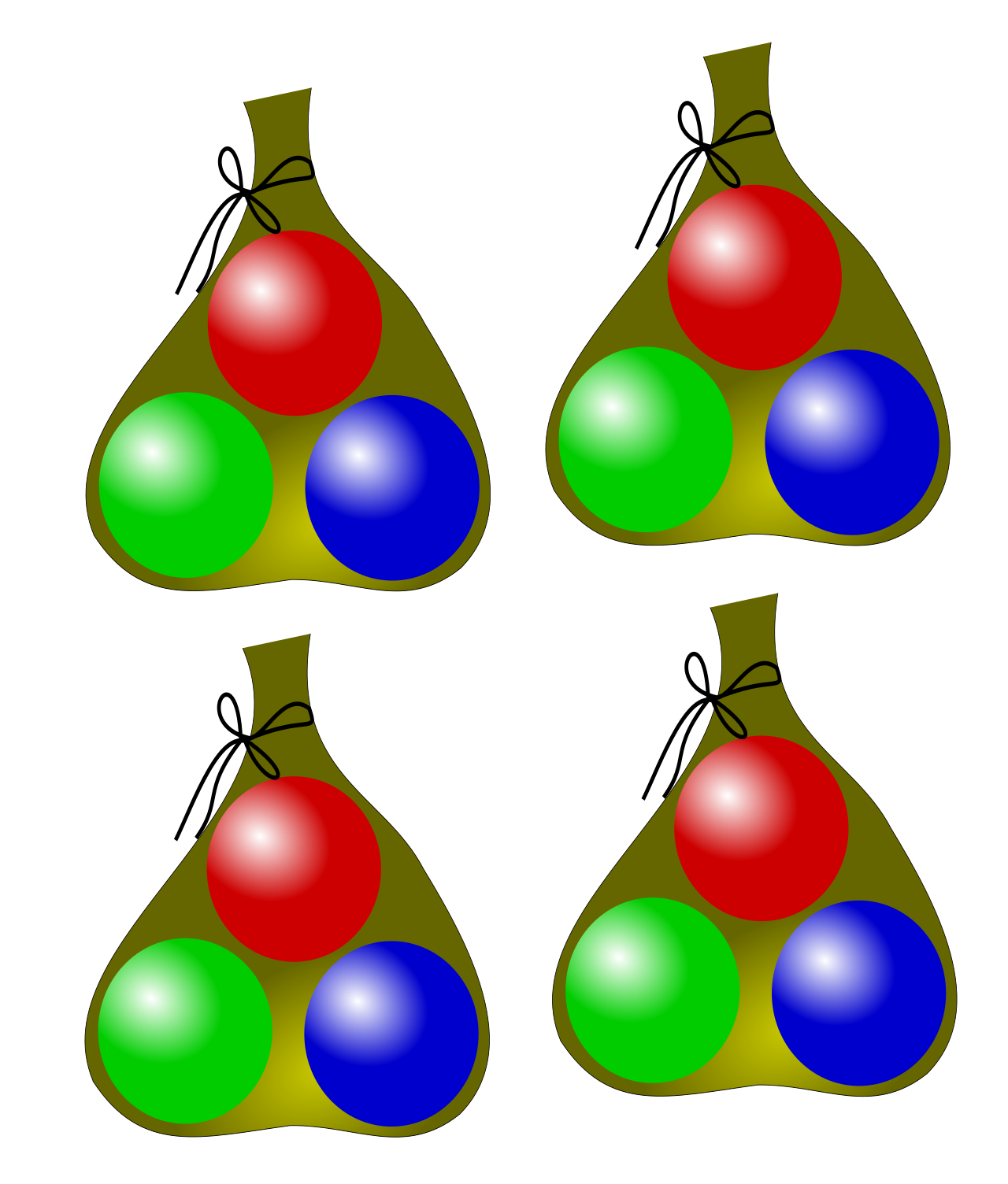
If you pour a cup of water and a cup of oil into a bowl, does it matter which liquid you pour first? The final mixture is exactly the same. Mathematics affords us this exact same freedom, provided we are using the correct operations.
The Flexible Operations: Addition and Multiplication
Because addition is just the pooling of quantities, the sequence in which you pool them is irrelevant. Swapping the order of numbers in an addition problem does not change the final sum. Whether you calculate 3+7 or 7+3, the result is exactly 10.
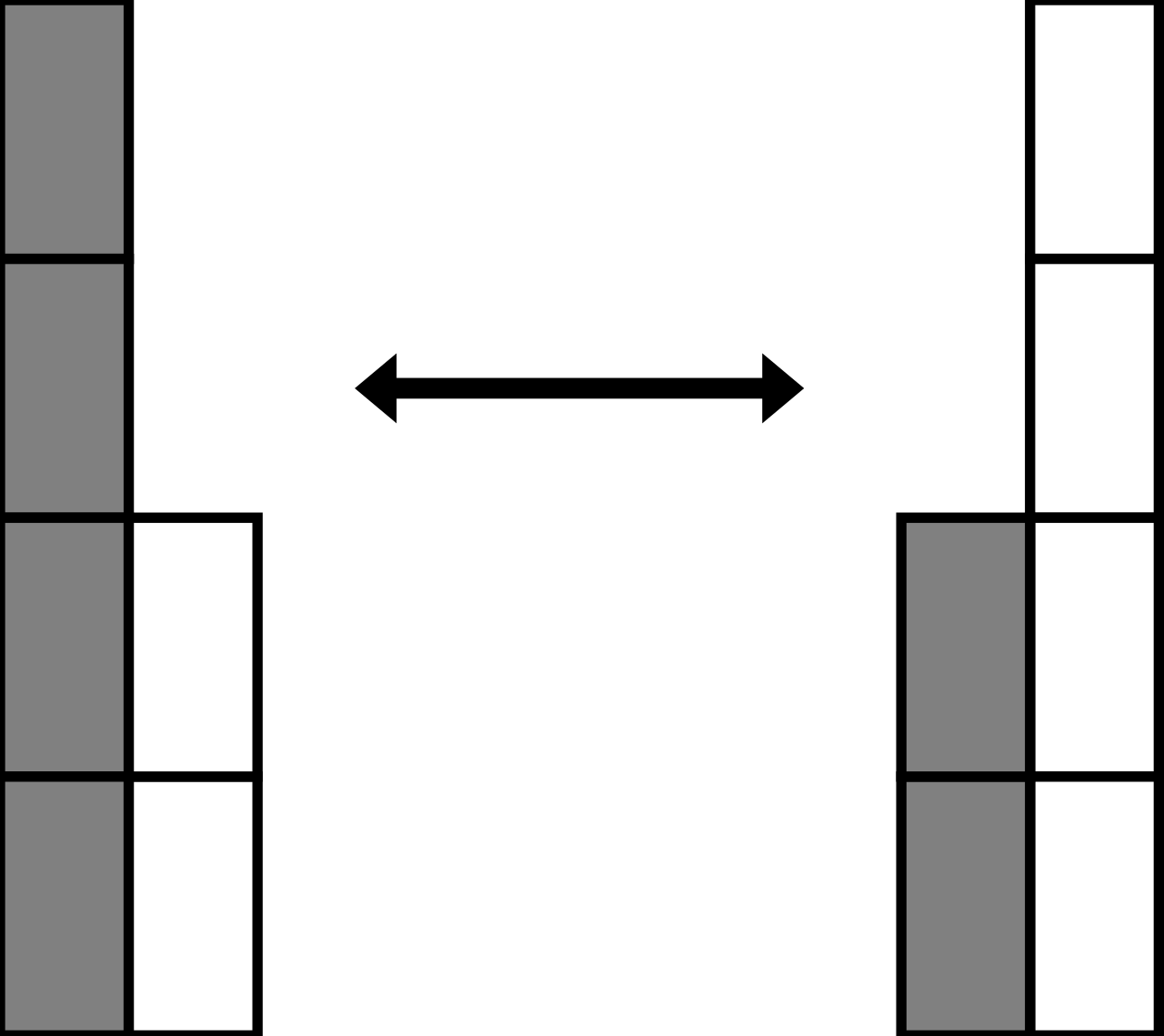
Because multiplication is just repeated addition, it shares this flexibility. If you arrange a marching band into 4 rows of 5 musicians, or 5 rows of 4 musicians, the total number of musicians remains identical. Therefore, swapping the order of numbers in a multiplication problem does not change the final product.
The Rigid Operations: Subtraction and Division
Subtraction and division behave fundamentally differently. They are directional actions—taking away from a pile, or slicing a pile into fragments.
- Swapping the order of numbers in a subtraction problem changes the final result. Having \10andspending$2leavesyouwith$8.Having$2andattemptingtospend$10leavesyouindebt.(10 - 2 \neq 2 - 10$).
- Similarly, swapping the order of numbers in a division problem changes the final result. Slicing 10 pizzas among 2 people gives everyone 5 pizzas. Slicing 2 pizzas among 10 people gives everyone a tiny fraction of a pizza. (10÷2=2÷10).
| Operation | Swapping Order... | Example |
|---|---|---|
| Addition | Does not change the sum | 8+4=4+8 |
| Multiplication | Does not change the product | 6×3=3×6 |
| Subtraction | Changes the result | 12−3=3−12 |
| Division | Changes the result | 12÷3=3÷12 |
Parentheses in mathematics act as a spotlight, telling you: “Look here! Do this first!” But does shifting this spotlight actually change the outcome of the equation? Just like swapping the order, it depends entirely on the operation.
If you are packing three boxes into the trunk of your car, it doesn’t matter if you shove the first two boxes in together, and then add the third, or if you put the first box in, and then shove the last two in together. The total cargo weight is identical. Thus, changing the grouping of numbers being added together does not change the final sum. (2+3)+4=5+4=9 2+(3+4)=2+7=9
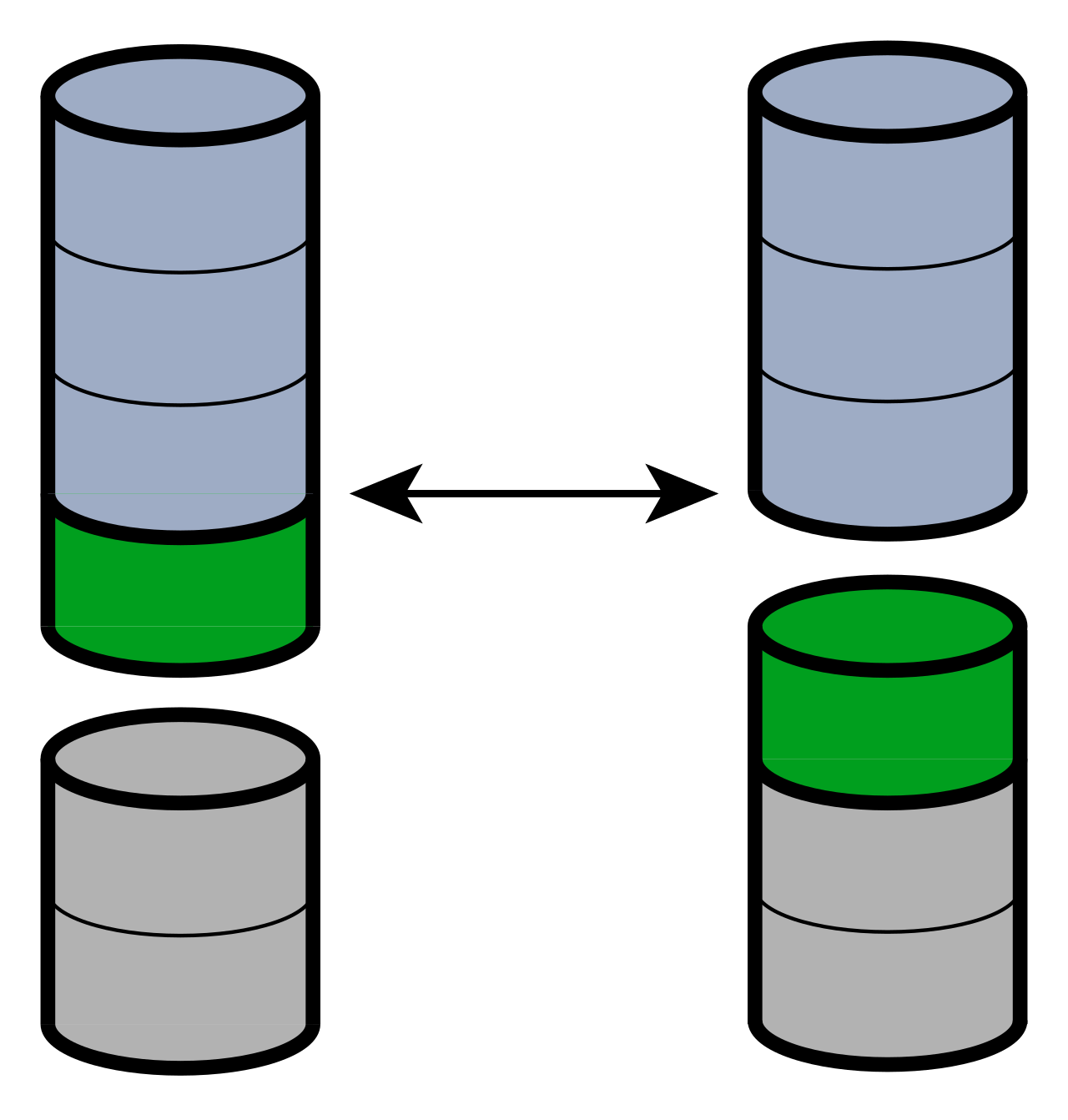
This same principle effortlessly scales up to multiplication. Changing the grouping of numbers being multiplied together does not change the final product. (2×3)×4=6×4=24 2×(3×4)=2×12=24
However, when we introduce subtraction or division, the parentheses become rigid vaults. Shifting them alters the fundamental reality of the math.
- Changing the grouping of numbers in a subtraction problem changes the final result. Notice the drastic difference between (10−5)−2, which equals 3, and 10−(5−2), which equals 7.
- Likewise, changing the grouping of numbers in a division problem changes the final result. (16÷4)÷2=2, but 16÷(4÷2)=8.
What happens when we combine multiplication with a grouped addition or subtraction problem? Imagine you are holding three bags, and inside each bag is one apple and one orange. If you want to calculate your total fruit, you are tripling the apples and tripling the oranges. You distribute the multiplier to everything inside the bag.
This is a foundational concept in algebra:
- Distributing a multiplier across a grouped sum means multiplying each grouped term by the multiplier before calculating the final addition.
- Example: 3×(4+2)=(3×4)+(3×2)=12+6=18.
- The exact same logic applies to subtraction. Distributing a multiplier across a grouped difference means multiplying each grouped term by the multiplier before calculating the final subtraction.
- Example: 5×(10−2)=(5×10)−(5×2)=50−10=40.
The Subtlety of the Negative Sign
One of the most common pitfalls in basic algebra is the solitary negative sign waiting outside a set of parentheses, like this: −(x+4−y).
A negative sign outside of parentheses is not just a dash; it is a hidden −1 multiplying the entire group. Because of how distribution works, multiplying a negative sign across terms inside parentheses reverses the mathematical sign of every individual term inside the parentheses.
Warning: When applying a negative sign across a group, the positive terms become negative, and the negative terms become positive. −(x−3+y) distributes to become −x+3−y.
In the swirling universe of numbers, there are two distinct anchors that help us stabilize equations: Zero and One. They operate as foundational "identities"—meaning they allow numbers to keep their identical, original value under specific conditions.
The Power of Nothing (Zero)
- Adding zero to any numerical value leaves the original value completely unchanged. Whether you have \100andreceivenothing,oryouhavexandadd0,thevalueisunaltered(7 + 0 = 7$).
- However, multiplication views zero as a black hole. Multiplying any numerical value by zero always results in zero. Because multiplication is repeated addition, asking for "zero groups of five" inherently means you possess nothing. (1,492×0=0).
The Power of Unity (One)
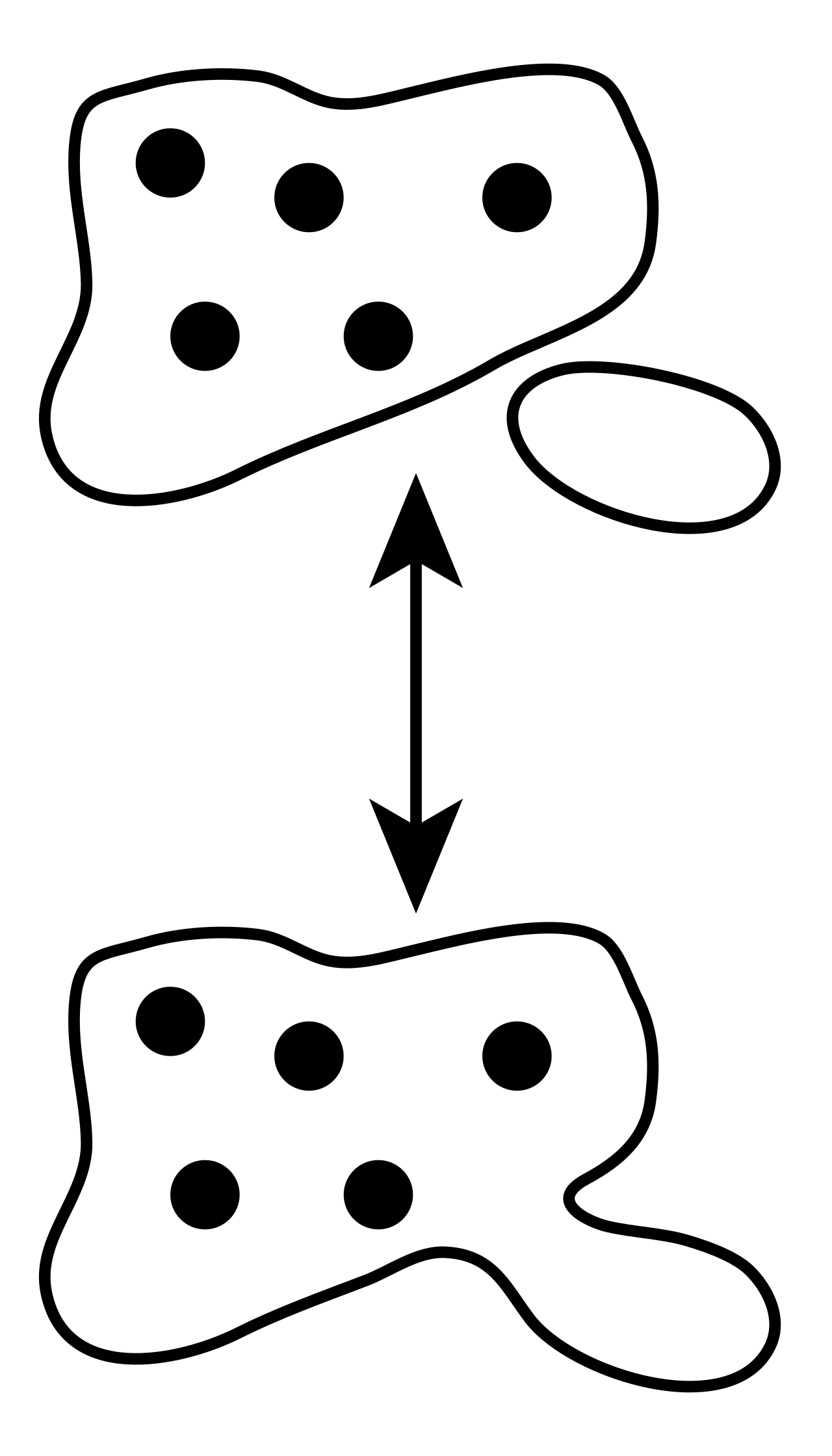
- In multiplication, the number one plays the stabilizing role. Multiplying any numerical value by the number one leaves the original value completely unchanged. (8×1=8).
- Division shares a deep relationship with the number one. Dividing any number by the number one results in the original unchanged number. If you take 12 slices of pizza and divide them into 1 giant group, you still have 12 slices. (12÷1=12).
- Conversely, if you divide a quantity by its exact equal, it reduces down to a single unit. Dividing any non-zero number by itself always results in the number one. (45÷45=1).
Algebra is simply arithmetic where some of the numbers are wearing masks—letters called variables. To simplify algebraic expressions, we must strictly respect the boundaries of distinct mathematical "species."
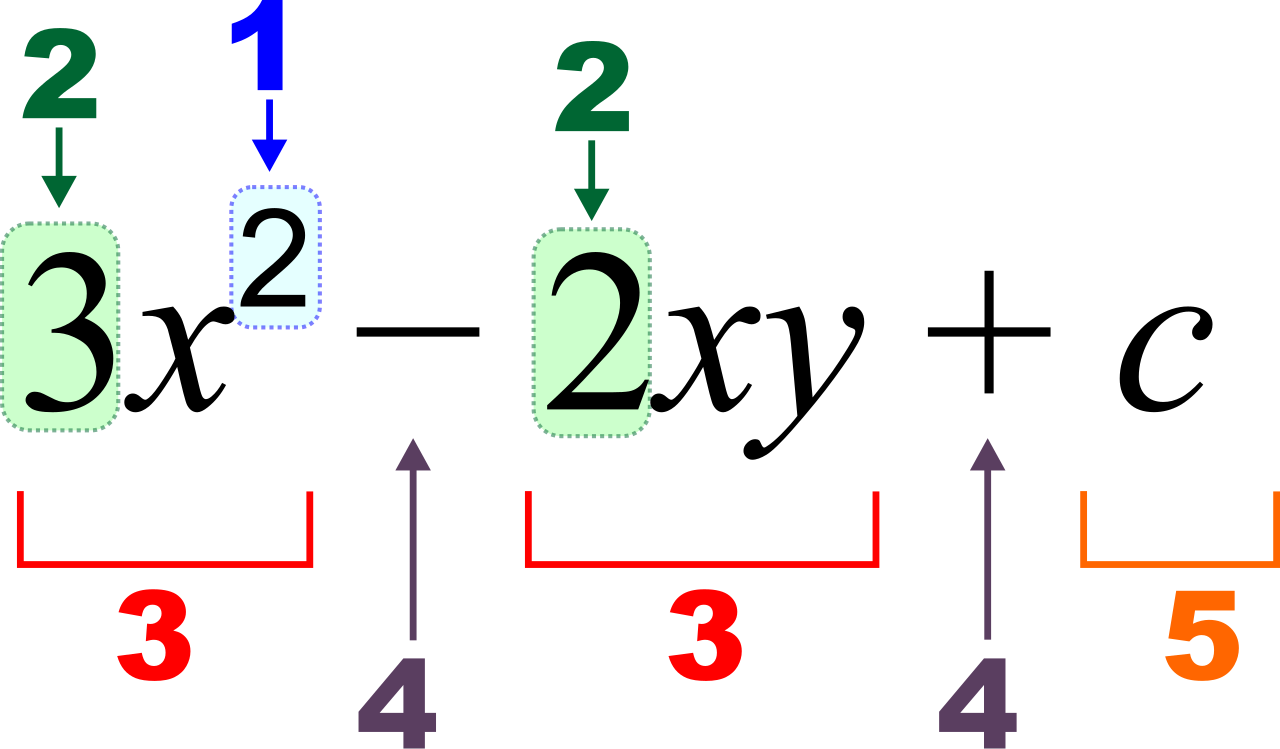
If you have three apples and two oranges, you do not have five "apple-oranges." You simply have three apples and two oranges. Variables work identically. Terms in an algebraic expression can only be added together if the terms share the exact same variable letters.
- You can seamlessly combine 4x+3x to get 7x.
- You cannot combine 4x+3y. They must remain separate.
Furthermore, we must respect geometric dimensions. A line (x) is fundamentally different from a square (x2). Therefore, terms in an algebraic expression can only be added together if the terms share the exact same variable exponents.
- You can combine 5x2+2x2 to get 7x2.
- You cannot combine 5x2+2x.
By recognizing that variables with different letters or different exponents represent fundamentally different objects, you can confidently prune and simplify complex algebraic expressions down to their most elegant, irreducible forms. Mathematics, once again, proves to be less about memorizing disjointed rules, and more about applying logical common sense to the properties of numbers.