Determining Meanings of Words in Context
Not sure you’re ready?
Take the ~3-minute readiness diagnostic and see where you stand.
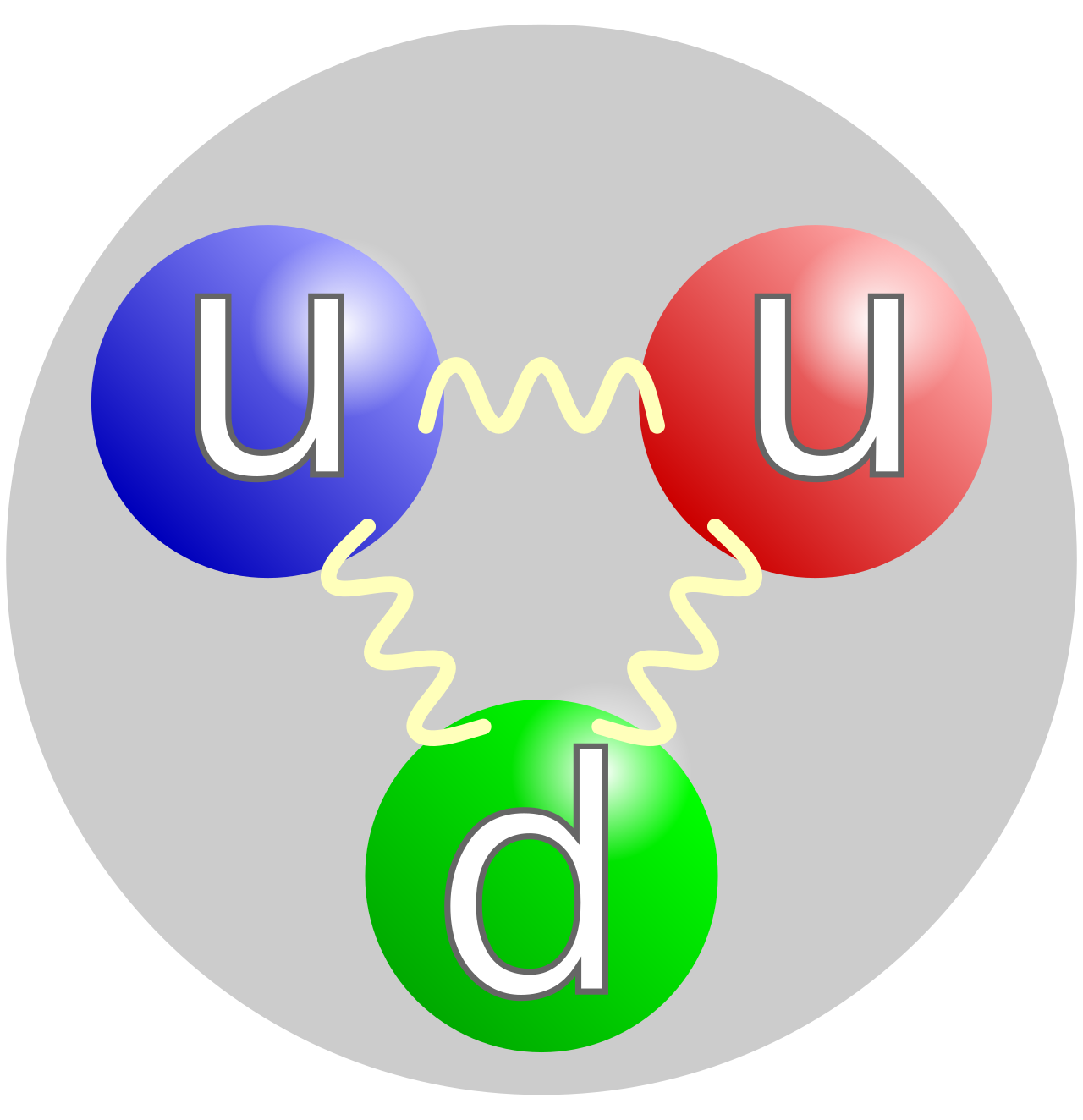
Words behave like subatomic particles: their exact properties cannot be determined until you observe how they interact with the space around them. If a student in your future classroom raises their hand and asks, "What does the word draft mean?", your immediate instinct as an educator will not be to list its two dozen dictionary definitions. Instead, you will ask, "Can you read me the sentence?" This intuitive response cuts to the core of reading comprehension. Meaning is intrinsically tied to environment. For the educator preparing for the Praxis 5713: Core Reading exam, mastering this dynamic relationship between a word and its surroundings is not merely an exercise in vocabulary retention, but a demonstration of the precise textual analysis required to guide future learners through complex material.
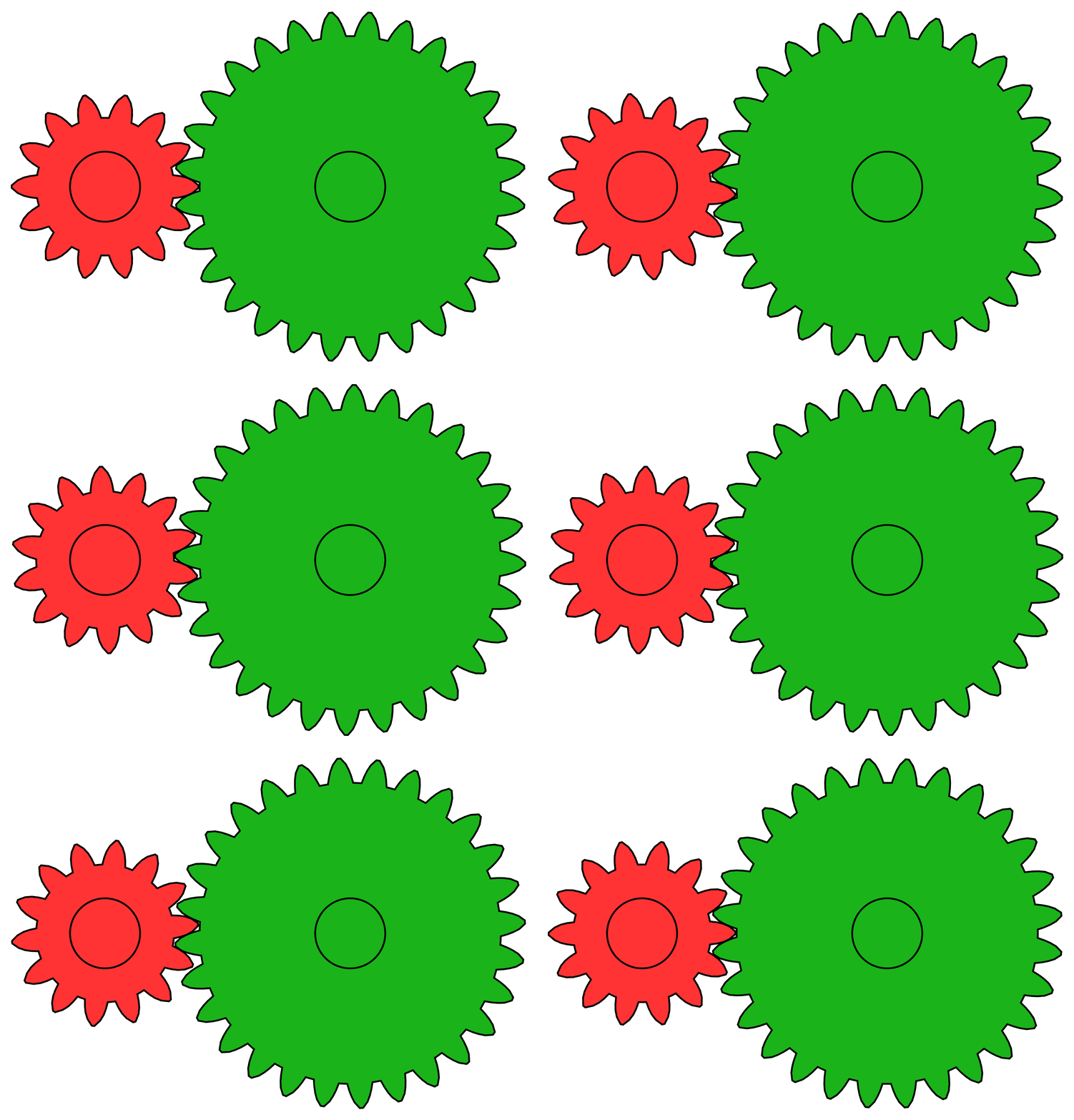
To understand how a machine works, you don't just stare at a single gear sitting on a workbench; you look at how its teeth interlock with the gears adjacent to it. Reading comprehension operates on the exact same principle.
When taking the licensure exam, you must recognize the mechanical weight of this skill. The Craft, Structure, and Language Skills category makes up approximately thirty percent of the Praxis 5713 Core Reading exam. The test-makers are not interested in whether you memorized a stack of obscure flashcards. Instead, the Praxis 5713 Core Reading exam requires test-takers to determine the exact meaning of multi-meaning words based on specific reading passages.
To solve these problems, we rely on a fundamental tool: context clues. Context clues are words or phrases surrounding an unfamiliar word that provide hints about the unfamiliar word's meaning. By reverse-engineering the sentence around an unknown word, we can deduce its purpose with high precision.
The Typology of Context Clues
Not all clues operate the same way. Authors leave different types of breadcrumb trails depending on how they construct their sentences. As an analytical reader, you must identify these structural hints automatically.
| Clue Type | How It Operates | Common Signal Words & Mechanics |
|---|---|---|
| Definition | Definition context clues explicitly state the literal meaning of an unfamiliar word within the sentence. | Punctuation marks like dashes or parentheses frequently enclose definition context clues. |
| Restatement | Restatement clues use transition phrases like in other words to explain a preceding difficult term. | in other words, that is to say, meaning |
| Synonym | Synonym context clues restate an unfamiliar word using a more familiar word with a similar meaning. | similarly, also, equally |
| Antonym | Antonym context clues use contrasting words to hint at the meaning of an unfamiliar word by showing what it is not. | Signal words like although and unlike frequently indicate antonym context clues. |
| Example | Example context clues provide specific instances to illustrate the meaning of a broad or unfamiliar term. | Signal phrases like such as and for instance frequently precede example context clues. |
| Cause-and-Effect | Cause-and-effect context clues hint at a word's meaning by showing the result of an action described by the unfamiliar word. | Signal words like because and therefore frequently indicate cause-and-effect context clues. |
Professor's Tip: When you encounter a challenging vocabulary question on the Praxis, do not immediately panic if the word is foreign to you. Look to the left and right of the word. Is there an although? If so, the word is the exact opposite of the other half of the sentence. Is there a therefore? The word is a logical outcome of the previous clause. The author has already done the heavy lifting; your job is to observe the connections.
English is notoriously efficient, often recycling the same word to perform vastly different jobs. We call these polysemous words—vocabulary words that possess multiple distinct dictionary meanings.
Consider the word strike. A baseball player strikes out; a labor union goes on strike; a miner strikes gold; a thought strikes your mind. In isolation, the word is ambiguous. To resolve this ambiguity, readers must analyze the surrounding sentence structure to determine which definition of a polysemous word applies to a given text.

This requires you to look at syntactic clues. Syntactic clues involve analyzing a word's part of speech to narrow down the word's potential meaning. If you look at the syntax of a sentence and realize the word record is being used as a verb ("to record the data") rather than a noun ("a vinyl record"), you have instantly eliminated half of the incorrect answer choices on a multiple-choice question.
The Substitution Test
When the Praxis exam asks you to determine the meaning of a polysemous word in a passage, it will invariably present you with four answer choices that represent actual dictionary definitions of that word. Only one will be correct for the specific context.
How do we verify the correct choice? We apply a rigorous scientific test. Substituting a potential definition in place of an unfamiliar word helps verify if the proposed meaning makes logical sense in the sentence. Read the sentence in your mind, completely omitting the original word and dropping in the answer choice. If the sentence's internal logic collapses, discard that choice.
Sometimes the surrounding sentence lacks an obvious cause-and-effect or antonym signal. When the external environment doesn't provide enough data, we must turn our magnifying glass to the internal anatomy of the word itself.
Identifying the root of a complex word assists in predicting the word's fundamental meaning before using context clues. If you spot the root bene (good) in beneficent, you already know the word carries a positive valence, even if you do not know the exact definition. Furthermore, a reader can combine prefix analysis with sentence context to deduce the exact meaning of a newly encountered word. If a sentence discusses someone stepping backward, and you see a word beginning with the prefix retro- (backward), your prefix analysis perfectly confirms your contextual hypothesis.
Language is not merely a transmission of literal data; it carries emotional weight and cultural history. To fully master words in context, an educator must navigate the subtleties of human expression.
Denotation vs. Connotation
Every word possesses a clinical definition and an emotional shadow.
- Denotation refers to the strict dictionary definition of a vocabulary word.
- Connotation refers to the emotional associations connected to a specific word.
For example, thrifty and cheap share the same denotation (spending very little money). However, thrifty has a positive connotation of wisdom, while cheap carries a negative connotation of poor quality or selfishness. How do you know which flavor of meaning the author intends? The overall tone of a paragraph helps a reader determine the specific connotation of an ambiguous word. If the author is praising a character's brilliant financial management throughout the passage, the ambiguous word must carry a positive connotation.
Inference Clues
Sometimes an author refuses to hand you a direct synonym or a neat parenthetical definition. Instead, they force you to deduce the meaning from the situation described. Inference context clues require a reader to combine textual hints with background knowledge to deduce a word's meaning. If a passage reads, "The novice gripped the steering wheel with sweaty palms, slamming the brakes at every minor curve while the instructor sighed," you combine the textual hints (sweaty palms, instructor sighing) with your background knowledge of learning to drive to infer that novice means beginner.
Idiomatic Expressions
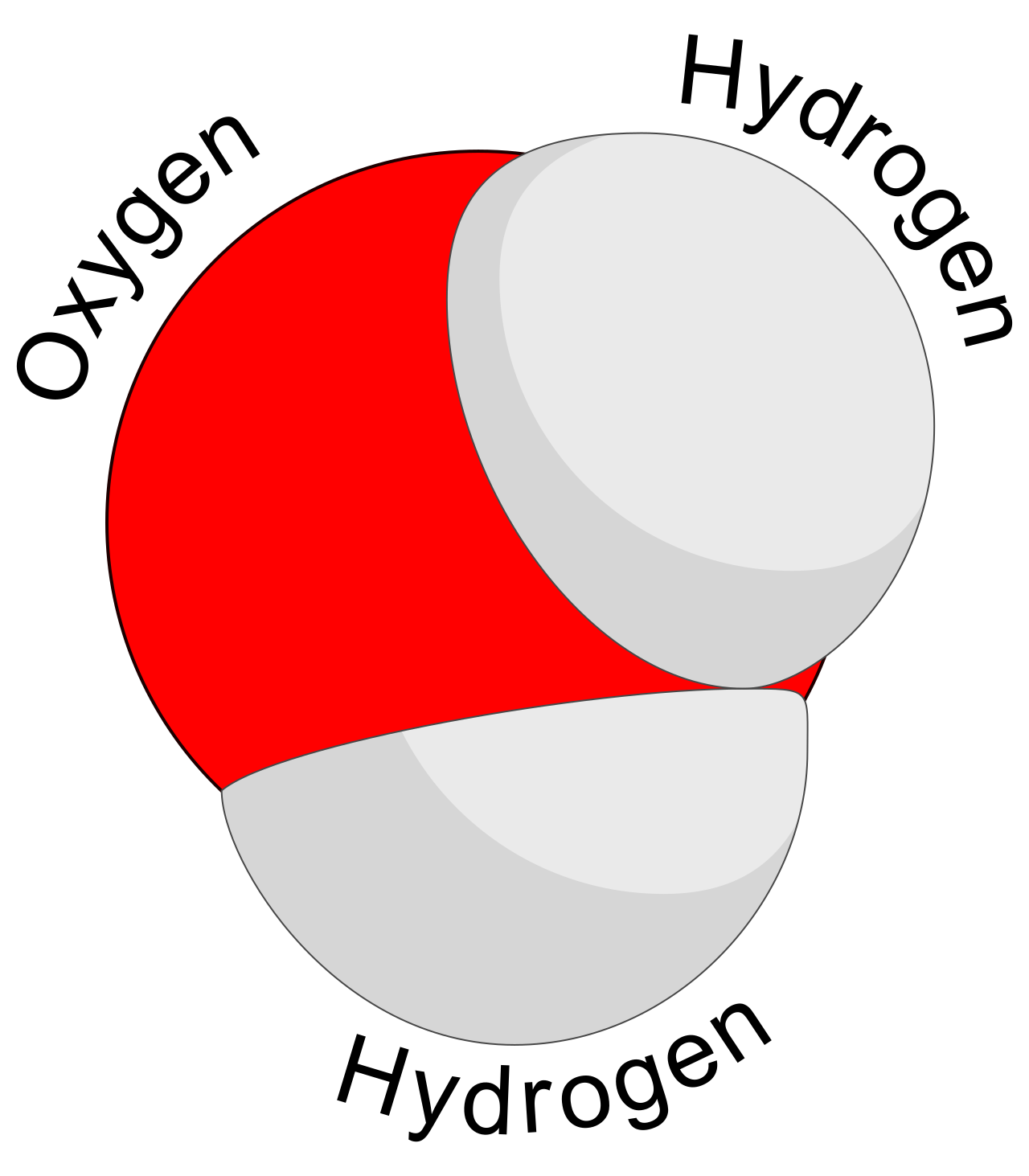
Finally, we must address the ultimate curveballs of the English language: idioms. Think of an idiom as a chemical compound. Water (H2O) is a liquid that puts out fires, even though it is composed of hydrogen (a highly explosive gas) and oxygen (a gas that feeds fire). The compound behaves entirely differently than its individual parts.
Similarly, idiomatic expressions require understanding a phrase as a complete unit rather than defining the individual words. If a passage states a character decided to "bite the bullet", defining the word bite and the word bullet will lead you to an absurd, literal conclusion. You must utilize the surrounding narrative context to recognize the expression signifies enduring an unavoidable hardship.
As you sit for the Praxis 5713 Core Reading exam, approach every vocabulary-in-context question like a detective at a crime scene. Do not let your eye be drawn immediately to the unfamiliar word in isolation. Look to the environment.

- Map the syntactic clues (is it a noun or a verb?).
- Scan for signal words (does because or unlike reveal the word's logic?).
- Check the overall tone to establish the word's connotation.
- Apply the substitution test to prove your hypothesis.
By viewing language as an interconnected system rather than a static dictionary, you will not only conquer this thirty percent of your exam—you will acquire the analytical clarity necessary to teach your future students how to truly read.