Informative/Explanatory Essays: Synthesis
Not sure you’re ready?
Take the ~3-minute readiness diagnostic and see where you stand.
Imagine standing at the front of a classroom, mediating a debate among five leading experts on cognitive development. If you simply let each expert read a ten-minute prepared statement while you stand aside, you are not teaching; you are merely hosting. True pedagogy—and true explanatory writing—requires you to orchestrate the room. You must connect Expert A’s observation to Expert B’s counterpoint, translate their complex jargon into a unified framework, and guide your students to a cohesive understanding. This act of intellectual orchestration is the essence of synthesis. As an educator, mastering this skill is not just about passing a licensure exam; it is the fundamental mechanism you will use to construct lesson plans, evaluate educational research, and teach your future students how to navigate an information-dense world.
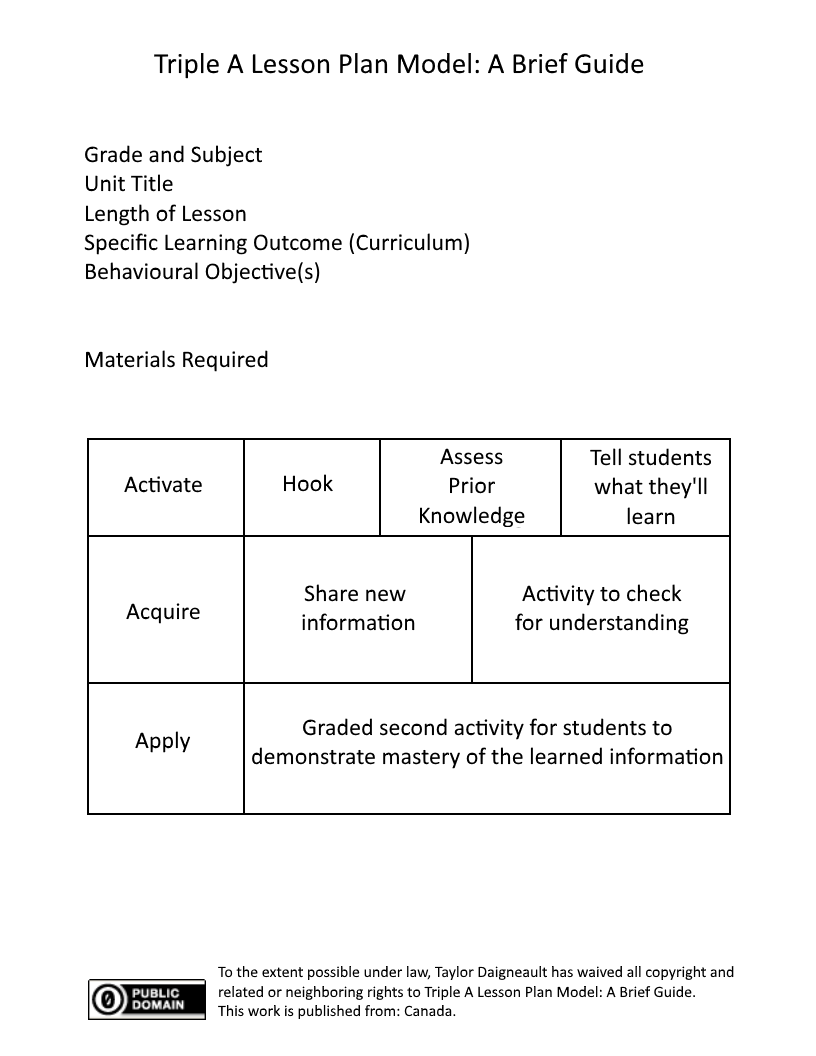
Before we can orchestrate multiple voices, we must build a room to house them. The foundational blueprint of any informative essay is its thesis statement.
An informative essay requires a clear thesis statement establishing the main explanatory topic. However, a thesis is not just a statement of fact; it is a structural blueprint. A thesis statement establishes the central organizational structure of an informative essay, dictating exactly how the subsequent information will unfold.
Once the thesis lays the foundation, we must build the pillars. Logical organization dictates the use of distinct body paragraphs focused on single supporting points. If a paragraph tries to tackle three different ideas, the structural integrity of your argument collapses. To prevent this, each body paragraph must begin with a clear topic sentence connecting directly back to the thesis statement. This ensures that every piece of information you present is firmly tethered to your central explanatory purpose.
You wouldn't design a curriculum based on a random blog post you found on the internet. In academic writing, writers must evaluate source credibility before incorporating external information into an explanatory essay.
How do we measure this credibility? We use a highly systematic heuristic.
The CRAAP test is a widely used evaluation tool measuring a source's Currency (timeliness), Relevance (importance to your needs), Authority (source of the information), Accuracy (reliability and correctness), and Purpose (the reason the information exists).
Once you have verified your sources, you must adopt the correct professional posture. Informative essays demand an objective tone throughout the entire text. As an explainer of facts, your role is that of a clear, unbiased lens. Therefore, an objective tone avoids first-person pronouns (like "I believe" or "In my opinion") and emotionally charged language. You are not writing to persuade the reader to adopt a moral stance; you are writing to map the terrain of a topic clearly and accurately.
When you draw from your credible sources, you are collecting evidence. Evidence in an informative essay consists of direct quotes, paraphrases, and summaries drawn from external texts. Understanding exactly when and how to use these three tools is critical to academic writing.
- Direct Quotations: Sometimes, an author phrases an idea so precisely that you must capture their exact language. Direct quotations must exactly match the wording, spelling, and punctuation of the original source text. Because you are borrowing someone else's exact phrasing, direct quotations require quotation marks to distinguish the borrowed text from the writer's own words.
- Paraphrasing: You use this when an author's specific idea is vital, but their phrasing is too dense or jargon-heavy for your audience. Paraphrasing involves restating an author's specific idea or passage entirely in the writer's own words.
- Summarizing: When you need to provide a macro-level view of a source, you summarize. Summarizing condenses a broad text into a brief overview of the main points using the writer's own words.
Integration: The "So What?" Factor
You cannot simply drop a quote into a paragraph and expect the reader to understand why it is there. Writers must establish context for drawn evidence by using introductory signal phrases (e.g., According to developmental psychologist Jean Piaget...).

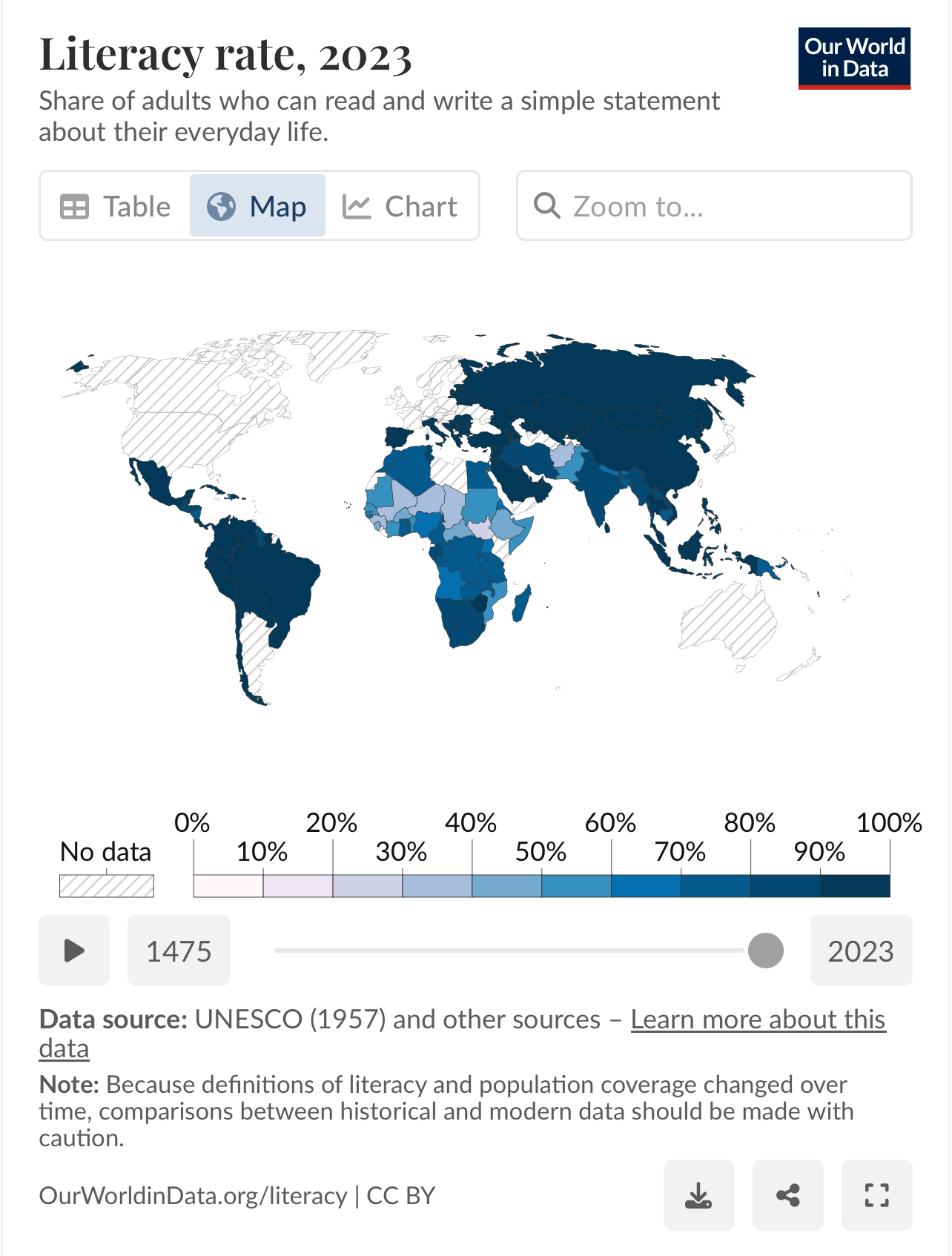
Furthermore, a piece of evidence does not speak for itself. Every piece of drawn evidence requires subsequent analysis to explicitly explain the relevance of the evidence to the essay's thesis. If you quote a statistic about literacy rates, the very next sentence must explain why that statistic matters to your core topic.
The Ethics of Attribution
Whenever you introduce evidence, attribution clarifies the origin of a specific claim by explicitly naming the author or source text. Beyond providing clarity, proper attribution prevents plagiarism when synthesizing multiple sources into a single essay. In the academic world, intellectual property is as real as physical property. Naming your sources is how you pay the rent.
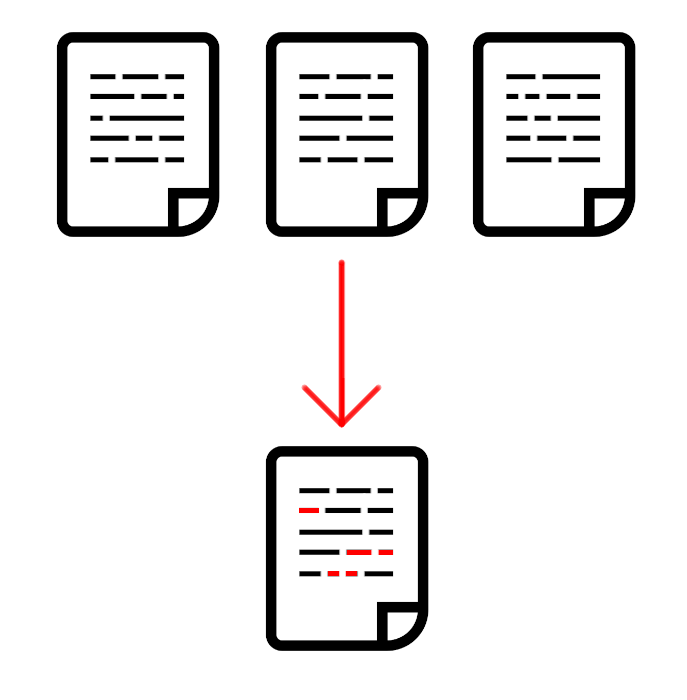
Now we arrive at the highest level of explanatory writing. Synthesis combines ideas from two or more distinct sources to create a unified explanation of a topic.
The greatest mistake novice writers make is the "Stapler Fallacy." They summarize Source A in paragraph one, Source B in paragraph two, and Source C in paragraph three, stapling them together and calling it an essay. A synthesis essay avoids simply summarizing each source sequentially in isolated paragraphs.
Instead, a synthesis essay relies on the writer's original organizational structure to guide the presentation of external source material. Effective synthesis groups information from different sources by common themes rather than by the individual sources. If you are writing about classroom behavioral management, your paragraphs should be organized by themes like "Positive Reinforcement" or "Restorative Justice," not by "Article 1" and "Article 2."
This thematic approach means proper synthesis integrates multiple distinct citations within a single paragraph to support a unified topic sentence.
Handling Harmony and Dissonance
When orchestrating these sources, you must look for the intersections.
- Finding Consensus: Synthesis requires identifying specific points of agreement across different informational sources. When multiple researchers arrive at the same conclusion from different angles, highlighting this agreement strengthens your explanation.
- Navigating Conflict: Synthesis requires identifying specific points of disagreement or contradiction across different informational sources. In the real world, experts disagree. When they do, synthesizing contradictory sources requires presenting multiple perspectives objectively without taking a persuasive stance. You simply map the boundaries of the debate.
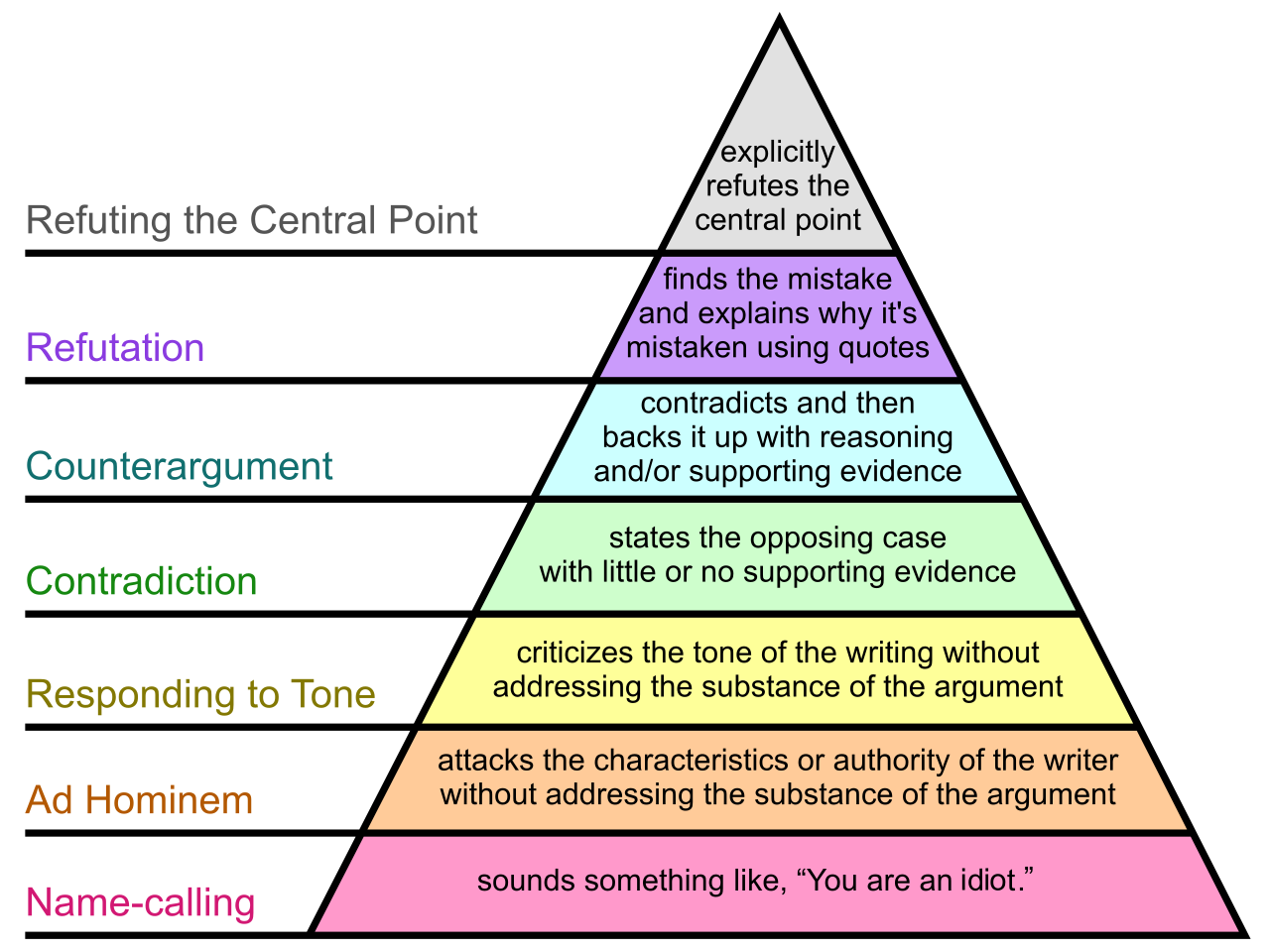
If your thesis is the foundation, and your evidence represents the materials, transition words are the mortar. Transition words establish explicit logical relationships between separate ideas or paragraphs. Without them, your essay reads like a fragmented list.
You must select the exact transitional term that matches the logical relationship you are trying to establish:
| Logical Relationship | Function | Examples |
|---|---|---|
| Continuation | Transitional terms like 'additionally' and 'furthermore' indicate the continuation of a similar idea. | Furthermore, researchers found... |
| Contrast | Transitional terms like 'conversely' and 'nevertheless' indicate a contrast between ideas. | Conversely, the second study showed... |
| Cause-and-Effect | Transitional terms like 'consequently' and 'therefore' indicate a cause-and-effect relationship. | Consequently, school districts altered... |
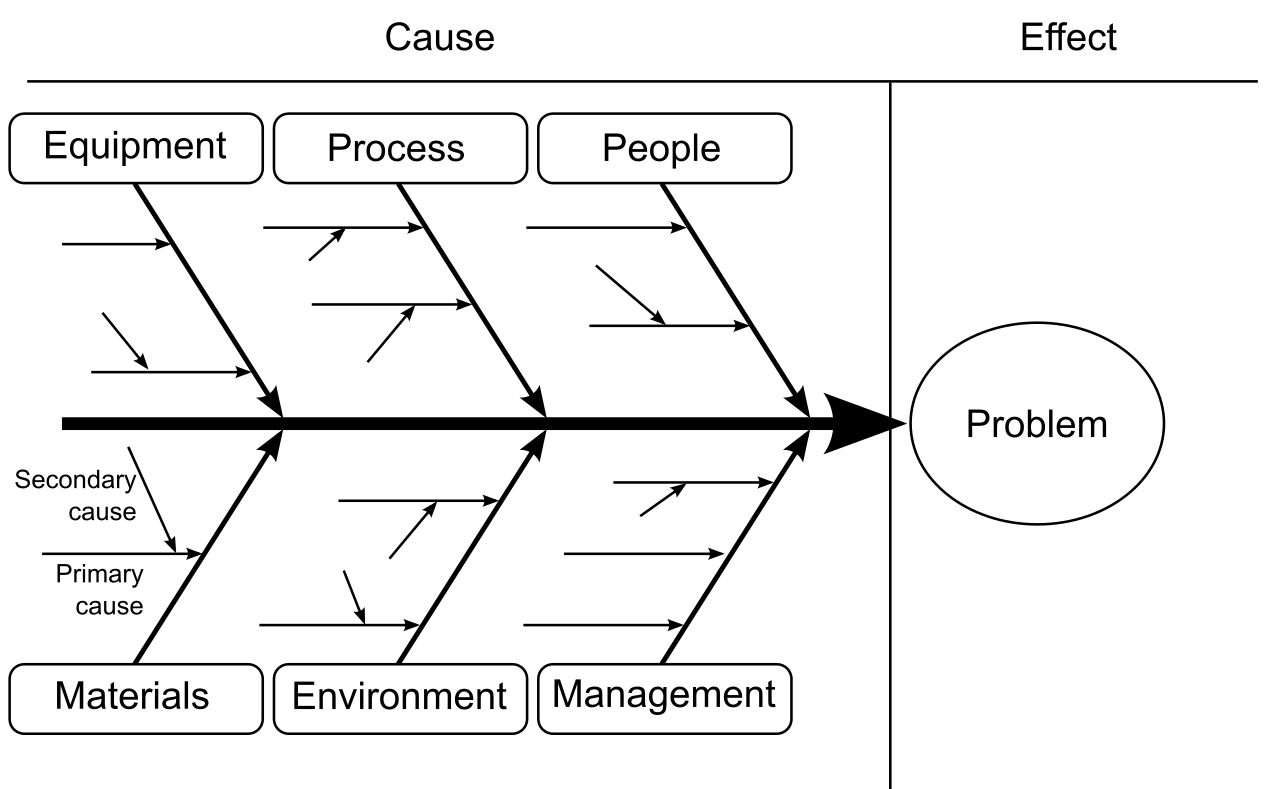
A conclusion is not merely a summary; it is the final impression you leave upon your reader's mind. The conclusion of a synthesis essay restates the main thesis in a new way, ensuring the reader grasps the core message without feeling subjected to rote repetition.
Finally, the conclusion of a synthesis essay highlights the broader implications of the combined source information. It answers the ultimate question: Now that we have synthesized this knowledge, why does it matter to the world?
When you sit down for the Praxis Core exam—or when you sit down to write a comprehensive curriculum guide for your future school district—remember that you are not just regurgitating facts. You are building a bridge of logic, evaluating the integrity of your materials, and orchestrating a complex conversation. You are not just writing; you are teaching.