AWS Global Infrastructure
Not sure you’re ready?
Take the ~3-minute readiness diagnostic and see where you stand.
The "cloud" is not a nebulous vapor hovering above the atmosphere; it is a massive, meticulously orchestrated network of concrete, steel, fiber-optic cables, and silicon sprawling across the globe. When a customer clicks a button on a website, physical electrons must travel through physical wires to retrieve physical data from a server. If that server is on the other side of the planet, the laws of physics dictate that the data will take time to arrive. To understand AWS, you must first strip away the abstraction and look at the physical map.
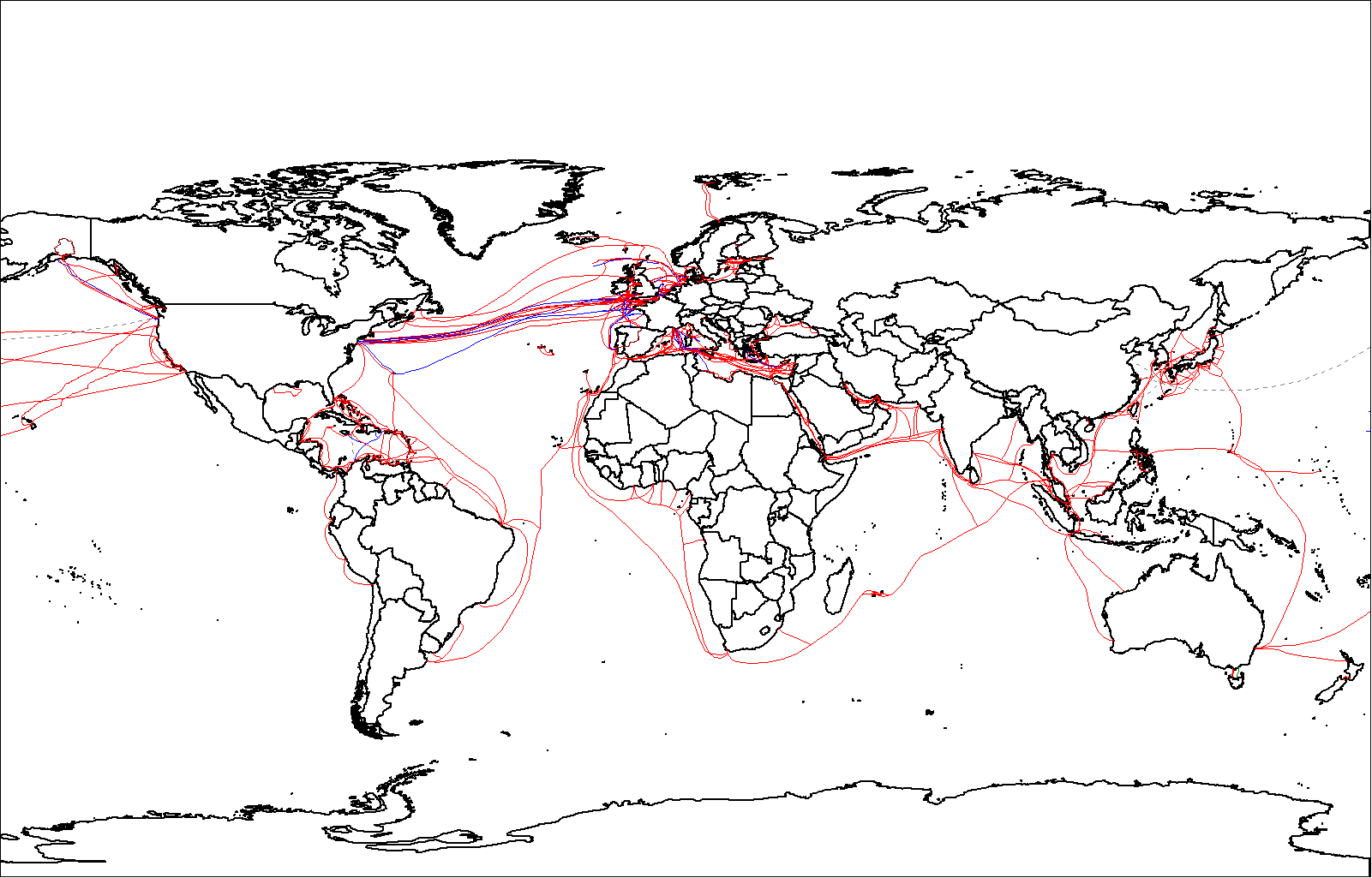
For business professionals—whether you are forecasting budgets, managing global product rollouts, or negotiating data compliance—understanding the AWS Global Infrastructure is not a technical triviality. It is the foundation of how your organization controls risk, ensures legal compliance, and delivers a seamless experience to end-users.
At the highest level of the AWS infrastructure map are AWS Regions. An AWS Region is a specific physical geographical location in the world where AWS clusters data centers. Examples include us-east-1 (Northern Virginia), eu-central-1 (Frankfurt), and ap-northeast-1 (Tokyo).
AWS Regions operate completely independently from one another to maximize fault tolerance. If a catastrophic event were to somehow compromise an entire geographic area, the infrastructure in other Regions remains untouched and fully operational.
Why does a business choose one Region over another? The decision almost always comes down to three operational pillars:
- Minimizing Latency: The speed of light is a hard limit. Selecting an AWS Region physically closer to your end-users minimizes network latency for those users, resulting in faster applications and better user experiences.
- Data Residency and Compliance: This is paramount for legal and finance teams. Data stored in a specific AWS Region is never replicated outside of that AWS Region without explicit customer permission. Customers routinely choose a specific AWS Region to strictly comply with local laws and regulations regarding data residency (such as the GDPR in Europe).
- Disaster Recovery: While a single Region is highly resilient, businesses with zero tolerance for downtime will design for worst-case scenarios. Deploying applications across multiple AWS Regions provides a disaster recovery strategy against a total regional outage.
Business Context: You will never inadvertently violate a country's data export laws simply because AWS decided to move your data for "efficiency." AWS structurally forbids this. You are in absolute control of where your data lives.
If Regions are the cities on the map, Availability Zones are the distinct, isolated city blocks. Each AWS Region consists of multiple isolated and physically separate Availability Zones (AZs). An Availability Zone is permanently tied to exactly one AWS Region.
An AZ is not a single building. An Availability Zone consists of one or more discrete data centers. These facilities are built with a paranoid level of redundancy. Data centers within a single Availability Zone feature redundant power, networking, and connectivity.

The Physics of High Availability
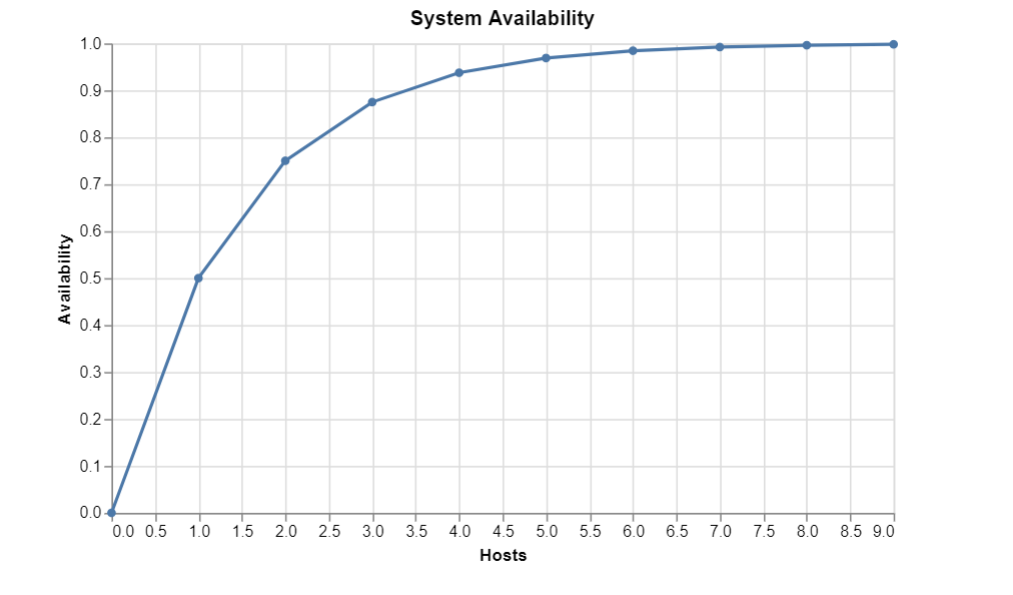
The true genius of the Availability Zone architecture lies in its spacing. Availability Zones within a region are physically separated from each other by a meaningful distance to prevent simultaneous failure. This physical separation protects infrastructure from localized disasters like floods, localized earthquakes, or regional power grid failures.
However, they cannot be too far apart. All Availability Zones within a single AWS Region are interconnected through dedicated and fully redundant high-bandwidth networking. This dedicated networking between Availability Zones provides the low-latency communication necessary for synchronous data replication.
Synchronous replication means that when a user writes data to a database in AZ "A", the database waits until it has instantly mirrored that data to AZ "B" before telling the user the save was successful. If the AZs were hundreds of miles apart, this round-trip would be too slow. AWS balances the geographic risk of a flood with the microscopic physics of latency.
Designing for Fault Tolerance
Distributing application instances across multiple Availability Zones creates a highly available (HA) architecture.
If you are a project manager rolling out an application, you should insist on a Multi-AZ deployment strategy. This strategy provides fault tolerance if a single Availability Zone goes offline. If a hurricane knocks out the power substations feeding one AZ, your application continues running seamlessly from a second AZ within the same Region. The end-user never knows the difference.
| Concept | Scope | Primary Purpose for Business |
|---|---|---|
| AWS Region | Geographic cluster (e.g., Paris) | Data compliance, baseline user latency, global disaster recovery. |
| Availability Zone (AZ) | 1+ Data centers (within a Region) | High availability, protection against localized disasters (floods, fires). |
Regions and AZs are where your heavy lifting is done—where your main databases live and complex calculations occur. But what if you have a massive user base scattered around the globe trying to download images, videos, or static website data?
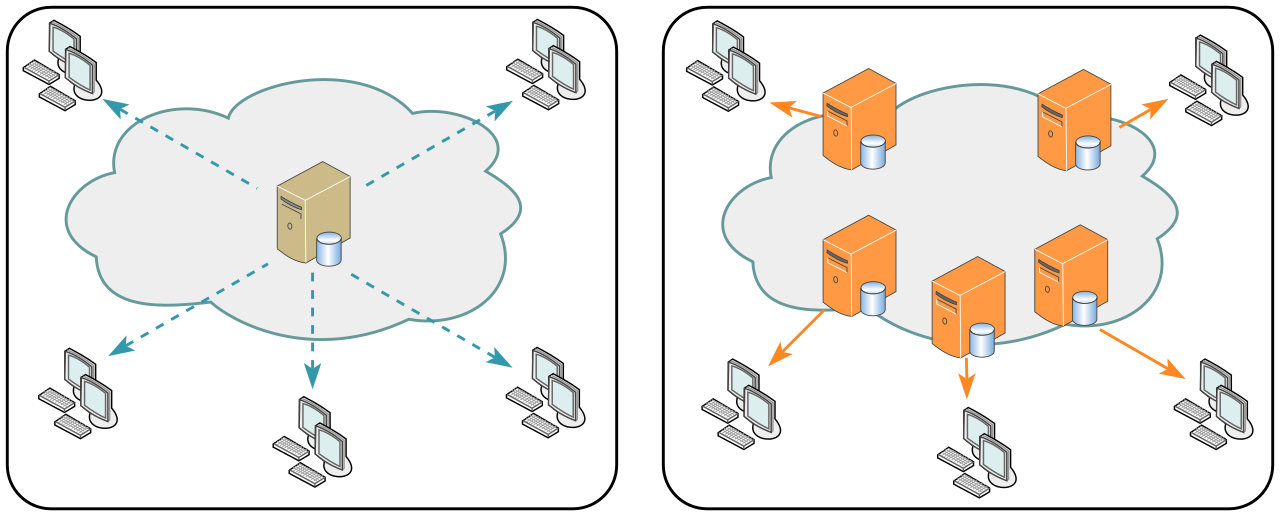
This is where AWS Edge Locations come in. AWS Edge Locations are infrastructure sites designed to cache content physically closer to end-users. While there are a few dozen AWS Regions worldwide, the AWS Global Infrastructure contains a much higher number of Edge Locations than AWS Regions (numbering in the hundreds globally).
Delivering data from AWS Edge Locations significantly reduces network latency for global end-users. Instead of traveling across the ocean to retrieve an image from an AWS Region in London, a user in Sydney downloads a cached copy from a Sydney Edge Location.
Three core AWS services rely fundamentally on the Edge network:
- Amazon CloudFront: AWS's Content Delivery Network (CDN) relies on AWS Edge Locations to cache and distribute web content globally.
- Amazon Route 53: The AWS Domain Name System (DNS) web service utilizes AWS Edge Locations to accelerate DNS query responses, ensuring the fundamental "phonebook" of the internet loads instantly.
- AWS Global Accelerator: This service uses AWS Edge Locations to optimize the routing of user traffic across the AWS global network, bypassing the unpredictable public internet to find the fastest path to your applications.
The Mid-Tier: Regional Edge Caches
Caching everything everywhere is expensive and inefficient. Therefore, AWS utilizes Regional Edge Caches. These facilities are located between Amazon CloudFront origin servers (in your main AWS Region) and AWS Edge Locations.
Think of them as mid-tier distribution warehouses. Regional Edge Caches hold larger libraries of content that are not accessed frequently enough to remain in the smaller, highly localized AWS Edge Locations, but still need to be kept closer to the user than the main Region.
Sometimes, a standard Region is not close enough. Certain modern workloads—like high-frequency financial trading, augmented reality, or hospital life-support systems—require single-digit millisecond latency, or demand that data strictly remain within the physical four walls of a corporate building.
AWS has engineered three specific solutions to physically push the cloud closer to the end-user:
- AWS Local Zones: These facilities place core AWS compute and storage services closer to large population centers and industry hubs (such as Los Angeles or Dallas) that do not currently have a full AWS Region. AWS Local Zones enable applications to achieve single-digit millisecond latency for local end-users.
- AWS Wavelength: Built specifically for the mobile era, AWS Wavelength places AWS compute and storage services directly within the data centers of telecommunications providers. This delivers ultra-low latency for applications running on 5G mobile networks, completely bypassing the broader internet.
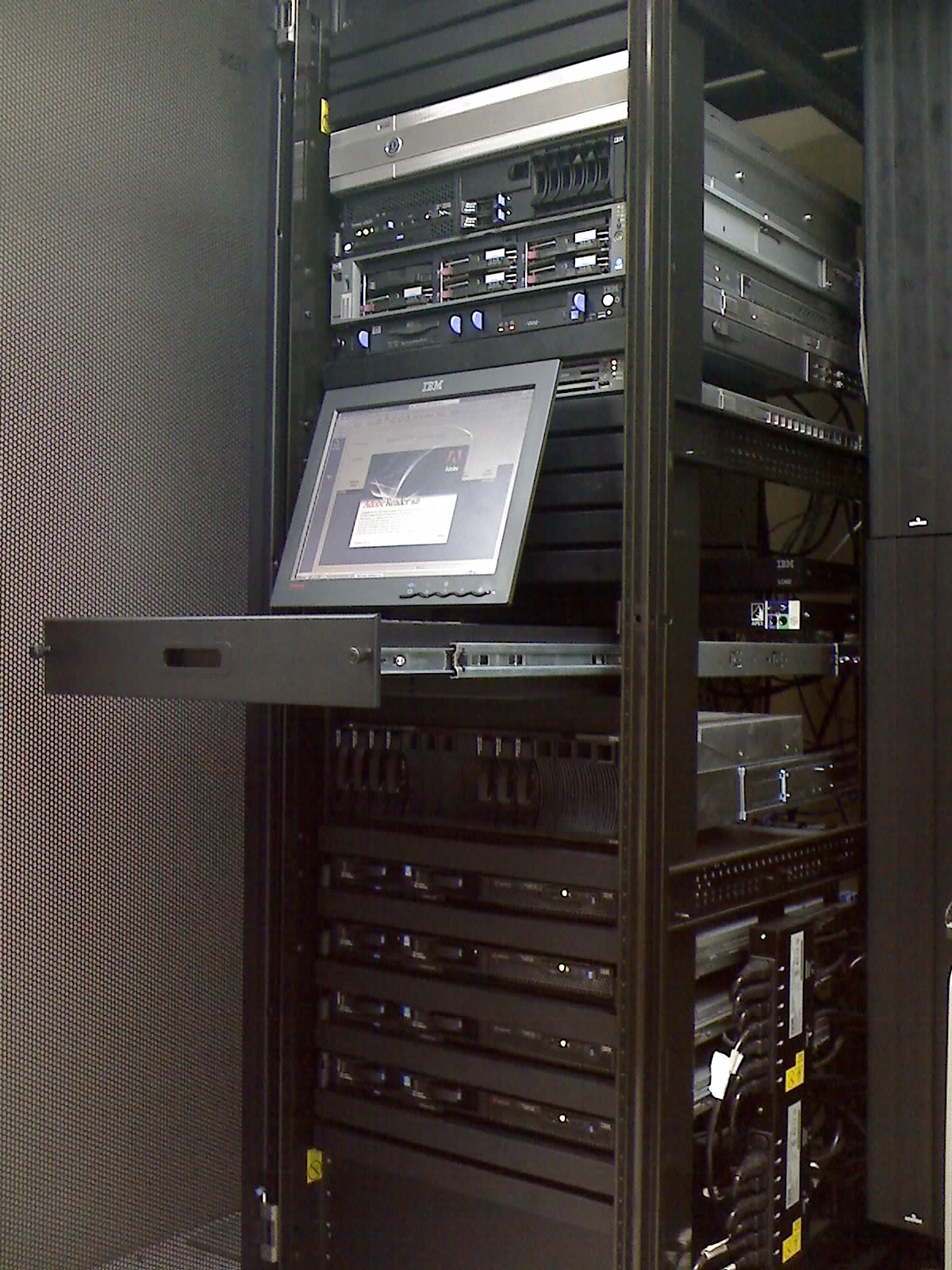
- AWS Outposts: For businesses with strict on-premises requirements (like manufacturing plant floors or highly regulated on-site data), AWS Outposts installs fully managed AWS infrastructure directly into a customer data center or on-premises facility. AWS Outposts allows customers to run native AWS services in local on-premises environments, while the AWS Outposts infrastructure connects seamlessly back to a designated AWS Region for broader service access and central management.
Why this matters for IT Generalists: Outposts bridges the "cloud vs. on-premises" divide. You no longer have to choose between the modern API-driven convenience of AWS and the strict physical data requirements of your organization. AWS physically ships you a rack of servers, installs it, and manages it as an extension of their cloud.
As you string together Regions, AZs, Edge Locations, and Outposts, two fundamental truths govern the entire ecosystem:
First, AWS controls the physical security of all hardware within the AWS Global Infrastructure. Under the AWS Shared Responsibility Model, AWS is responsible for the "Security of the Cloud." You do not need to hire security guards, maintain biometric scanners, or worry about hard-drive destruction protocols at the data center. AWS audits and guarantees this physical layer so your security teams can focus entirely on software and access policies.

Second, the data traversing this vast ecosystem rarely touches the public internet. The AWS global network backbone connects all AWS Regions, Availability Zones, and Edge Locations over a private network. This massive network of redundant 100GbE fiber-optic cables ensures that your data travels with predictable performance, high bandwidth, and exceptional security from end to end.