Other In-Scope AWS Services
Not sure you’re ready?
Take the ~3-minute readiness diagnostic and see where you stand.
A global supply chain does not operate as a single, fragile monolith. If a storm delays a cargo ship, the warehouses do not spontaneously combust, and retail stores do not instantly lock their doors. Instead, the system relies on buffers, independent actors, and asynchronous communication to ensure that a localized delay does not trigger a systemic collapse. In cloud computing, we apply this exact principle to software architecture. By breaking monolithic applications into specialized, autonomous components, organizations can build resilient systems where the failure of one piece does not ripple through the entire infrastructure. This architectural philosophy is realized through a specific set of AWS services designed to integrate applications, equip developers, and seamlessly extend the cloud’s reach to end-users and physical devices.

In the early days of software, applications were built as tightly integrated monoliths. If the component responsible for processing payments crashed, the component responsible for a user's shopping cart crashed alongside it.
Modern cloud architecture solves this through decoupling.
Decoupling is the architectural practice of separating application components so they can operate independently. Decoupling application components ensures that a failure in one component does not cascade to other components.
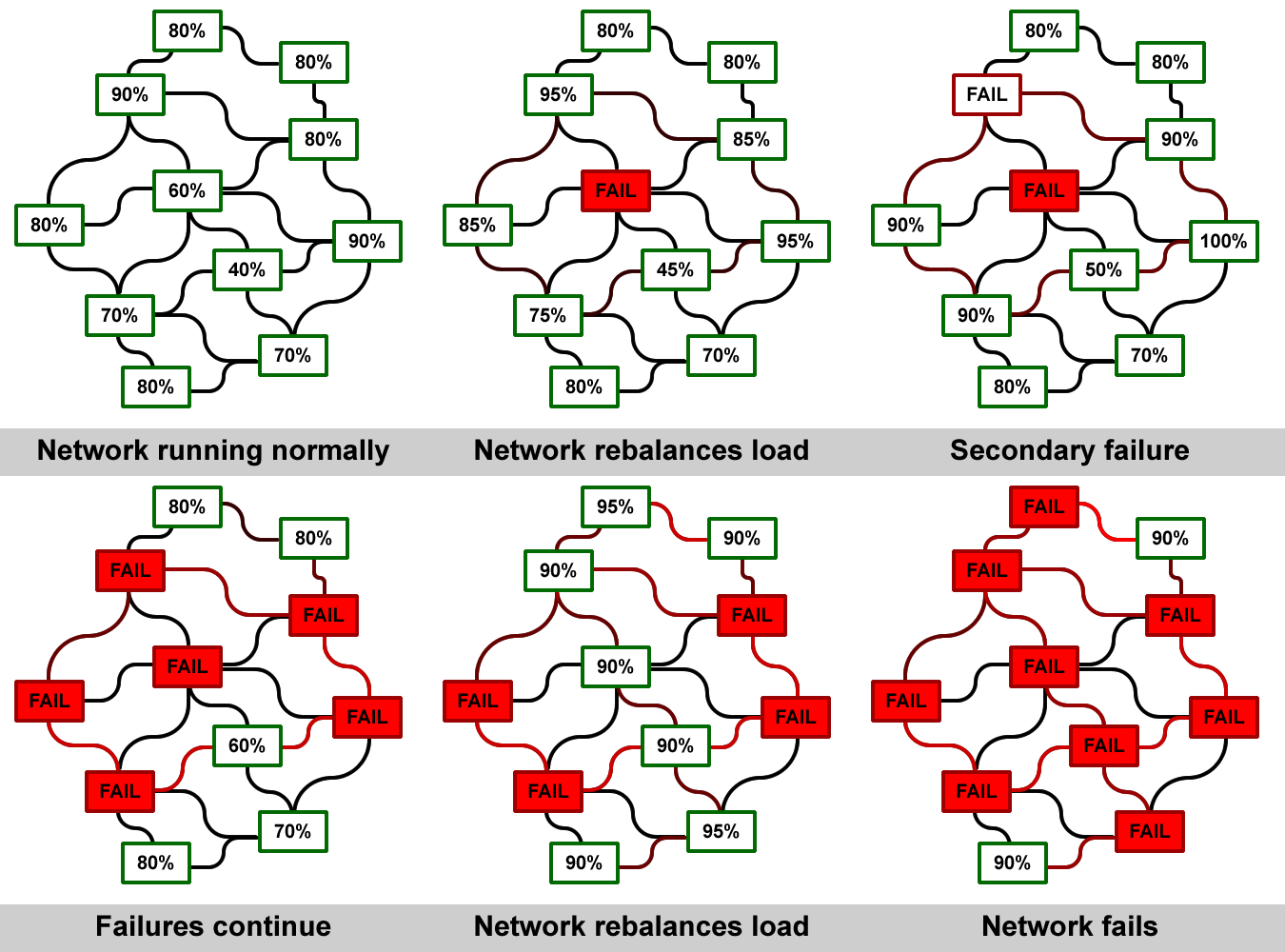
AWS provides several tools to facilitate this communication without forcing components to depend directly on one another.
Amazon SQS (Simple Queue Service)
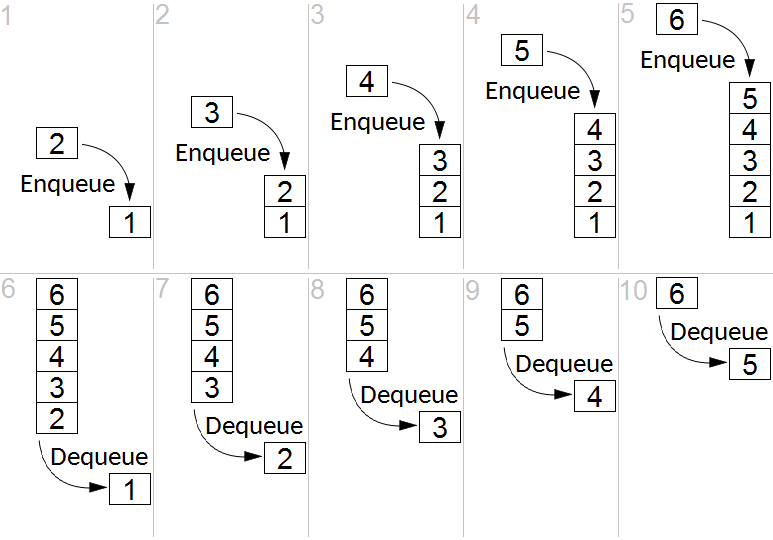
Imagine a busy restaurant kitchen. If waiters hand orders directly to the chef, the waiters must stand there until the chef is ready to take the next ticket. Instead, they place tickets on a metal rail. The rail acts as a buffer.
Amazon SQS provides a fully managed message queuing service for decoupling application components. It acts as that metal rail. SQS allows one component to send a message into a queue, and another component to retrieve it when ready. Crucially, Amazon SQS operates as a pull-based messaging system where receivers request messages from the queue.
Depending on your business needs, SQS offers two primary queue types:
- Standard queues: Designed for maximum throughput, offering best-effort ordering.
- FIFO (First-In-First-Out) queues: Designed for strict message ordering and exactly-once processing, crucial for financial transactions where sequence matters.
Amazon SNS (Simple Notification Service)
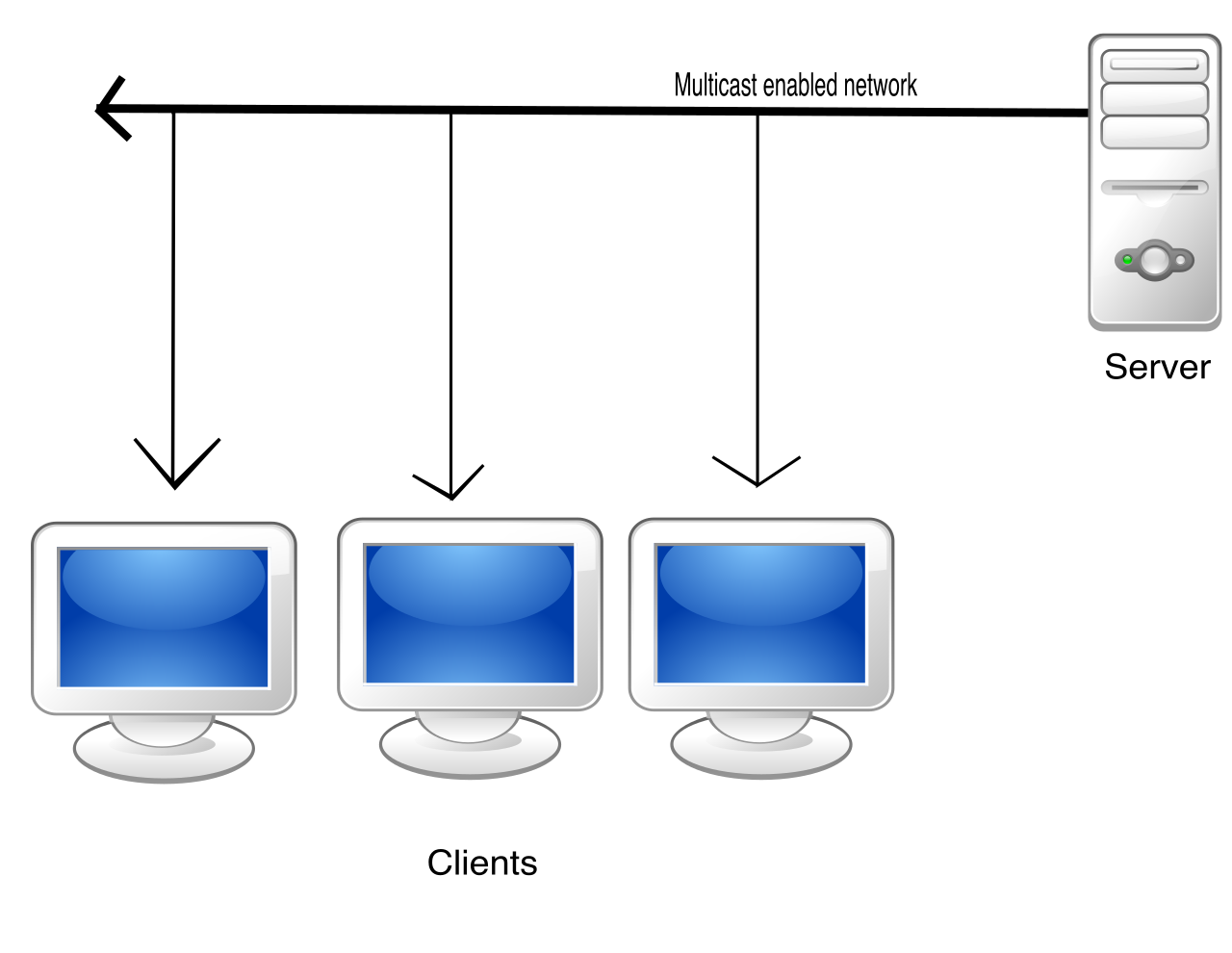
While SQS is like an inbox you must check (pull), SNS is like a radio broadcaster.
Amazon SNS provides a fully managed publish-subscribe (pub/sub) messaging service. Unlike SQS, Amazon SNS operates as a push-based messaging system where messages are actively sent to subscribers. When an event occurs, SNS "pushes" the notification out simultaneously to multiple destinations. Amazon SNS delivers messages to subscribers via SMS, email, and mobile push notifications, as well as to other AWS services like SQS or Lambda.
| Feature | Amazon SQS | Amazon SNS |
|---|---|---|
| Model | Pull-based (Polling) | Push-based (Pub/Sub) |
| Primary Use | Buffering tasks, decoupling workloads | Broadcasting alerts, parallel fan-out |
| Delivery | Receivers pull messages | Pushed to SMS, Email, Mobile Push, HTTP |
Amazon EventBridge and AWS Step Functions
As systems grow, they require more sophisticated ways to route information and coordinate tasks.
Amazon EventBridge is a serverless event bus service used to connect application components. Think of it as the central nervous system of your cloud architecture. It detects changes (events) in your environment and routes them to the appropriate target. Remarkably, Amazon EventBridge ingests event data from AWS services, custom applications, and third-party software-as-a-service (SaaS) platforms, allowing disparate systems (like your AWS database and your third-party customer support software) to react to one another instantly.
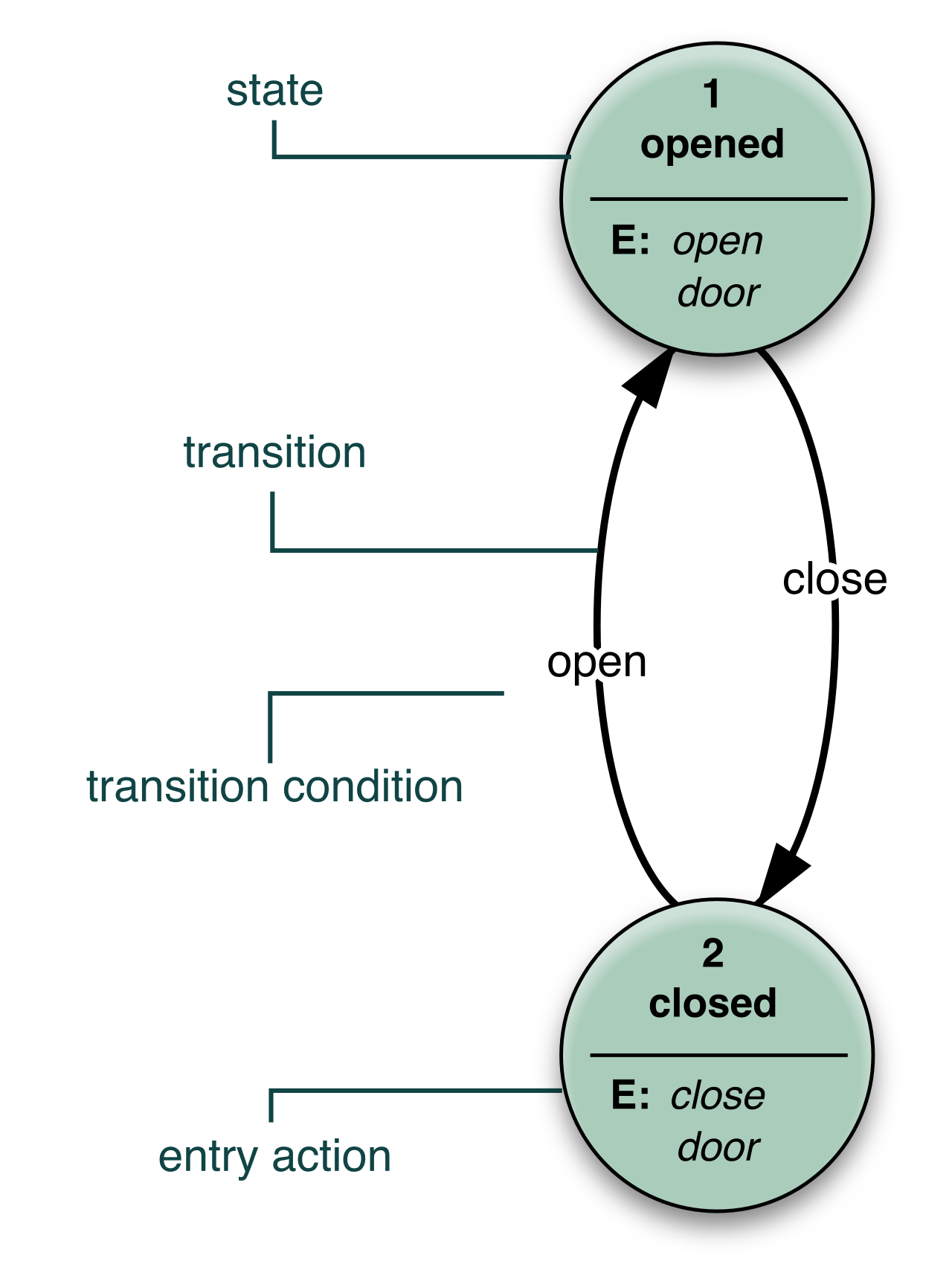
Sometimes, rather than just reacting to events, you need to conduct a highly structured, multi-step business process—like a complex order fulfillment sequence that involves checking inventory, billing a credit card, and scheduling shipping. AWS Step Functions provides a serverless visual orchestration service. By replacing complex code with visual state machines, AWS Step Functions coordinates multiple AWS services into multi-step serverless workflows, making it easy to track the status of a process and handle errors gracefully.
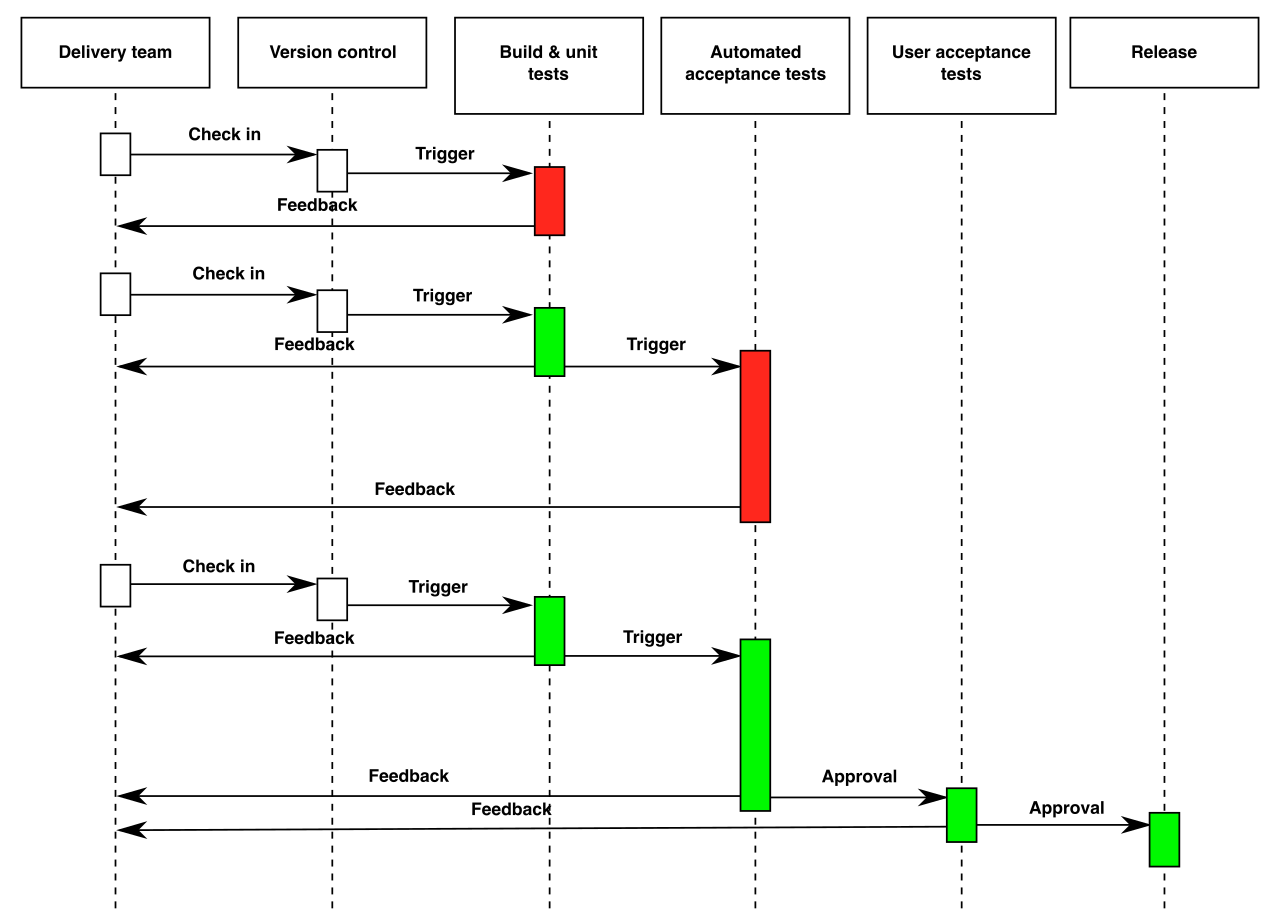
To business leaders, writing software might seem like magic. In reality, it is a highly structured manufacturing process. Developers write code, test it, package it, and deploy it. AWS provides a suite of fully managed services to automate this pipeline—commonly known as Continuous Integration and Continuous Delivery.
- AWS CodeCommit: Software begins as text code, which must be tracked and protected. AWS CodeCommit provides a fully managed source control service that hosts secure Git-based repositories. It is the highly secure vault for your organization's intellectual property.
- AWS CodeBuild: Raw code must be transformed into a functional program. AWS CodeBuild is a fully managed continuous integration service. Much like the factory floor, AWS CodeBuild compiles source code into ready-to-deploy software packages and inherently automates the execution of software tests to ensure quality before anything is shipped.
- AWS CodeArtifact: Modern software relies heavily on pre-built software packages (libraries). AWS CodeArtifact is a fully managed artifact repository service. It allows organizations to securely store, publish, and share software packages internally, ensuring developers are using safe, approved components.
- AWS CodeDeploy: Once software is built and tested, it must be installed on servers. AWS CodeDeploy automates software deployments to compute services like Amazon EC2, AWS Fargate, and AWS Lambda. This removes the human error of manual installations.
- AWS CodePipeline: To tie all these steps together, AWS CodePipeline provides a fully managed continuous delivery service. Acting as the assembly line supervisor, AWS CodePipeline automates release pipelines for fast and reliable application and infrastructure updates, coordinating the flow from CodeCommit to CodeBuild to CodeDeploy.
Developer Workspaces and Diagnostics
Developers also need environments to write and troubleshoot code without spending hours configuring local hardware.
- AWS Cloud9 provides a cloud-based integrated development environment (IDE) accessible through a web browser. A developer can securely write and run code from any computer in the world.
- AWS CloudShell provides a browser-based, pre-authenticated command-line shell directly within the AWS Management Console. It requires no local software installation, giving IT staff instant access to manage their AWS resources.
When complex, decoupled applications (microservices) go wrong, finding the problem is like finding a needle in a haystack. AWS X-Ray helps developers analyze and debug production distributed applications. By acting like a diagnostic dye injected into a patient's bloodstream, AWS X-Ray traces user requests to identify performance bottlenecks and errors in microservices architectures.
Businesses must securely equip their remote workforce without shipping expensive, hard-to-manage laptops around the globe. AWS solves this by moving the desktop into the cloud.
Amazon WorkSpaces is a fully managed desktop virtualization service. It provisions persistent cloud-based Microsoft Windows or Amazon Linux desktops for remote users. "Persistent" means the desktop remembers your saved files and wallpaper between sessions, acting exactly like a traditional physical computer, but accessed securely from anywhere.
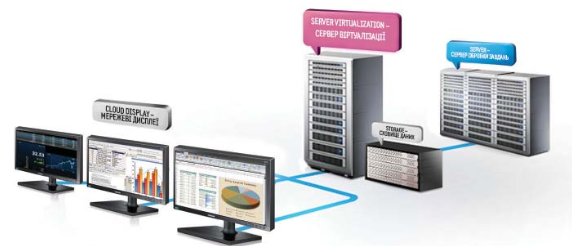
Conversely, sometimes you don't need a full desktop; you just need access to a specific, resource-heavy application. Amazon AppStream 2.0 provides a fully managed application and desktop streaming service. It streams the pixels of an application to the user, similar to how Netflix streams video. Amazon AppStream 2.0 delivers non-persistent desktop applications securely to a user web browser. When the user logs off, the environment is destroyed, leaving zero local data footprint—a massive security benefit.
Customer Engagement
Beyond internal employees, businesses must communicate seamlessly with customers.
- Amazon Connect is an omnichannel cloud contact center service. It allows a business to set up a globally scalable customer service call center in minutes, complete with intelligent chatbots and voice routing, without installing any physical telecom hardware.
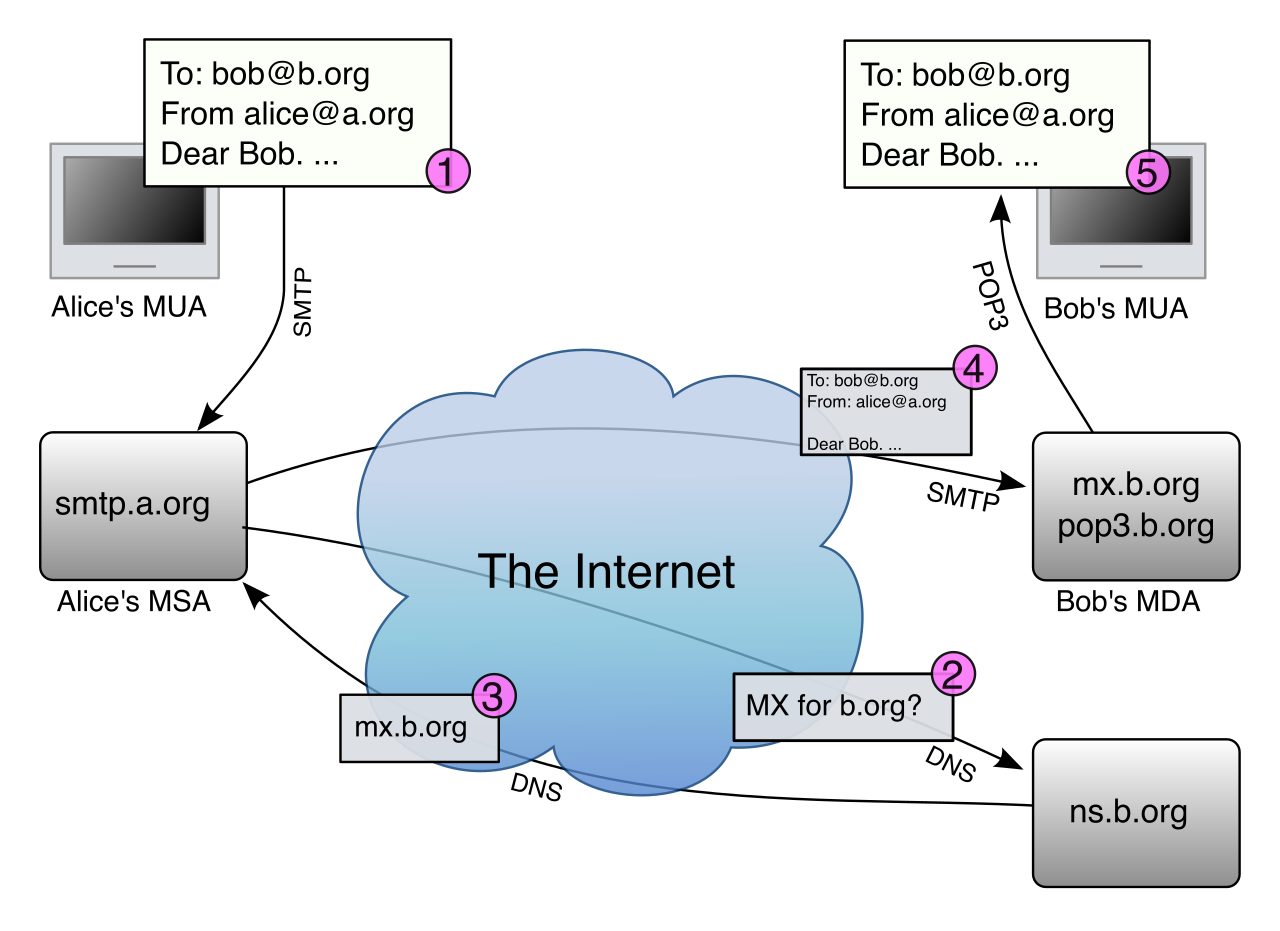
- Amazon SES (Simple Email Service) is a cloud-based email sending service designed to send marketing, notification, and transactional emails. Whether it is a password reset link or a monthly newsletter, SES handles the heavy lifting of high-volume email delivery.
The physical boundaries of cloud computing extend far beyond AWS data centers, reaching all the way to a user's smartphone or a sensor on a manufacturing floor.
Building for Web and Mobile
Developers creating customer-facing interfaces need specialized tools that bridge the gap between user interfaces and complex backend databases.
- AWS Amplify provides a set of tools and services for front-end web and mobile developers to build full-stack applications. It drastically reduces the time it takes to set up user authentication, data storage, and backend logic. Furthermore, AWS Amplify provides fully managed web hosting for static websites and web applications, ensuring high availability without managing web servers.
- Modern mobile apps often need to pull data from multiple different databases to render a single screen. AWS AppSync provides a fully managed GraphQL API service. Rather than forcing the app to make a dozen separate requests, AWS AppSync simplifies application development by securely connecting applications to multiple distinct data sources through a single, elegant query.
The Internet of Things (IoT)
Consider a smart agricultural operation with thousands of moisture sensors spread across hundreds of acres. These devices need to send data to the cloud, but they have limited battery power and intermittent internet connectivity.
AWS IoT Core is a managed cloud service that connects Internet of Things devices to AWS cloud applications. It acts as the grand central station for billions of devices, where AWS IoT Core securely routes messages between connected devices and AWS services.
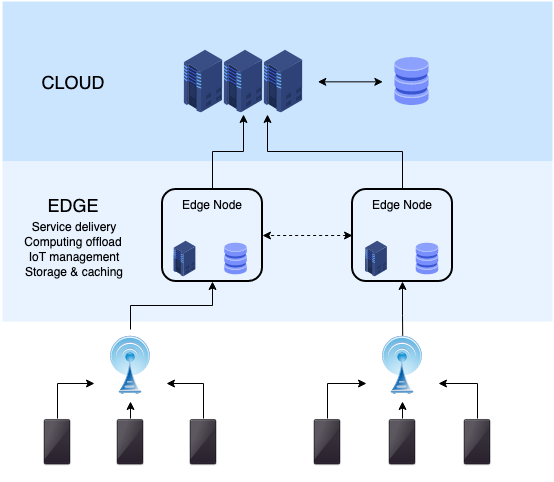
But what happens if a tractor loses internet connectivity? It cannot wait for a cloud server to tell it to stop before hitting a fence. It needs localized intelligence. AWS IoT Greengrass is an open-source edge runtime and cloud service. It pushes cloud capabilities directly onto the physical device. AWS IoT Greengrass enables local device processing of generated data while retaining cloud connectivity for management. This means the device can make split-second autonomous decisions locally, and then sync its data back to AWS IoT Core once the internet connection is restored.
Through these varied services—from microscopic code pipelines to global fleets of IoT sensors—AWS provides the exact specialized tools required to build, orchestrate, and deliver modern business value on a massive scale.