Business succession planning
Not sure you’re ready?
Take the ~3-minute readiness diagnostic and see where you stand.
The structural integrity of a physical bridge relies not merely on its daily load-bearing capacity, but on engineered fail-safes designed to hold the span aloft when a primary support suddenly gives way. A closely held business requires the exact same structural foresight. When a founding partner dies, becomes disabled, or retires, the sudden vacuum of capital and leadership can instantly collapse the enterprise. Business succession planning is the engineering of these financial fail-safes. As financial planners, you must precisely structure these transitions so that surviving owners can maintain control, departing owners or their grieving families receive fair value, and the IRS does not confiscate the life's work of the founders through avoidable taxation.
At the foundation of any multi-owner succession plan is the buy-sell agreement. Stripped to its core, a buy-sell agreement is a legally binding contract stipulating how a partner's share of a business may be reassigned upon death or departure.
Think of it as a prenuptial agreement for business partners. Without it, the death of a partner means the surviving owners suddenly find themselves in business with the deceased partner's spouse or children—individuals who may demand immediate cash distributions but possess zero operational expertise. To prevent this, the buy-sell agreement establishes a pre-agreed mechanism to force the sale of those shares out of the estate and into the hands of the surviving owners, typically funded by life insurance.
The exact architecture of this agreement dictates the tax consequences, the administrative complexity, and the ultimate wealth of the survivors. You must master the two primary frameworks: the cross-purchase and the entity-purchase.
The Cross-Purchase Agreement: Individual Empowerment and the Math of Complexity
In a cross-purchase buy-sell agreement, the owners act directly. Each business owner purchases a life insurance policy on every other owner. When tragedy strikes, the surviving owners in a cross-purchase agreement use life insurance death benefits to purchase the deceased owner's business interest directly from their estate.
Why go through the hassle of owners holding policies on one another? The answer is a profound tax advantage: a cross-purchase agreement provides surviving owners with a stepped-up income tax basis in the acquired business interest.
Why This Matters: Imagine a business founded by Alice and Bob, each contributing $50,000 (their initial tax basis). Today, the business is worth $10 million. If Alice dies, Bob receives $5 million in tax-free life insurance proceeds and uses it to buy Alice's half from her heirs. Because Bob personally purchased those shares with cash, his tax basis steps up from his original $50,000 by the $5 million he just paid, bringing his new basis to $5,050,000. When Bob eventually sells the entire company, he will save over $1 million in capital gains taxes because of this step-up.
However, the cross-purchase agreement carries a fatal flaw when applied to larger partnerships: exponential complexity.
The required number of life insurance policies for a cross-purchase agreement is calculated using the formula N×(N−1), where the variable N represents the total number of business owners.
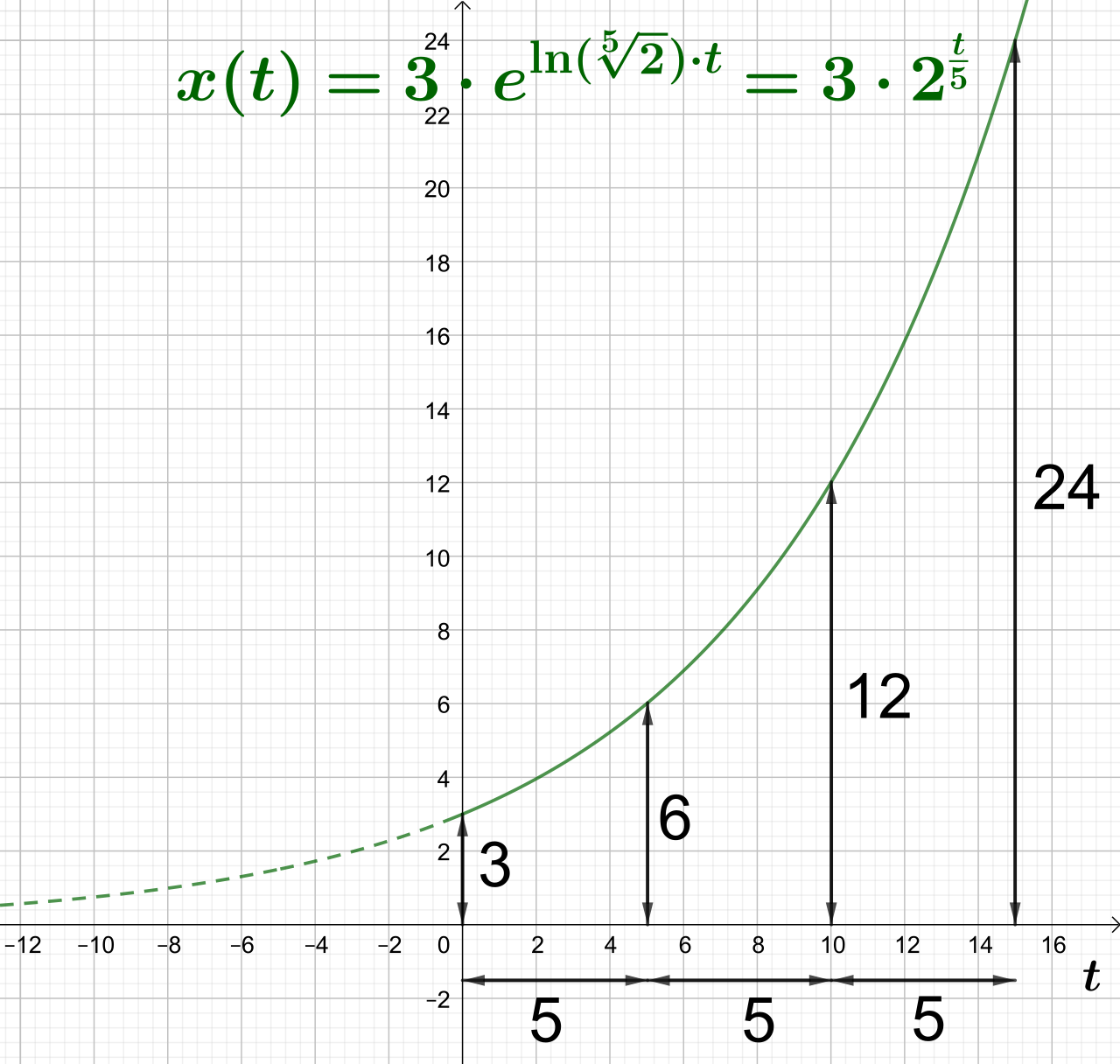
If you have two owners, you need 2×(2−1)=2 policies. Highly manageable. But watch what happens as the firm grows. A medical practice with six partners requires 6×5=30 separate life insurance policies! Administratively, it becomes a nightmare to ensure all partners are diligently paying their premiums. Furthermore, you must remember that life insurance premiums paid by individual owners for a cross-purchase agreement are not tax-deductible.
The Entity-Purchase Agreement: Simplicity at a Cost
To solve the exponential policy bloat of the cross-purchase, we can shift the purchasing burden to the company itself. An entity-purchase buy-sell agreement—which is also known as a stock redemption agreement—requires the business entity to purchase life insurance policies on each owner.
When an owner dies, the mechanics change: in an entity-purchase agreement, the business uses life insurance death benefits to redeem the deceased owner's ownership share.
This completely neutralizes the N×(N−1) problem. An entity-purchase agreement requires exactly one life insurance policy per business owner. Therefore, entity-purchase agreements minimize the total number of life insurance policies needed for businesses with more than three owners. A six-partner medical practice now requires only six policies, all paid centrally by the accounting department.
But in taxation, every convenience extracts a toll.
First, just like the cross-purchase, life insurance premiums paid by a business for an entity-purchase agreement are not tax-deductible. Second, and far more damaging, surviving owners do not receive a stepped-up income tax basis in the acquired shares under an entity-purchase agreement.
If the business redeems Alice's shares, Bob goes from owning 50% of the outstanding stock to 100% of the remaining outstanding stock. He owns the whole company, but because he didn't personally purchase Alice's shares, his tax basis remains hopelessly anchored at his original $50,000.
Finally, planners must be wary of corporate structure. Death benefits received by a C corporation from an entity-purchase life insurance policy can increase the corporation's alternative minimum tax (AMT) liability, potentially eroding the cash intended to buy out the grieving family.
Side-by-Side: Cross-Purchase vs. Entity-Purchase
| Feature | Cross-Purchase | Entity-Purchase (Stock Redemption) |
|---|---|---|
| Purchaser of Policy | Individual Owners | The Business Entity |
| Number of Policies | N×(N−1) | N (Exactly one per owner) |
| Tax Basis for Survivors | Receives a stepped-up basis | No stepped-up basis |
| Premium Deductibility | Not tax-deductible | Not tax-deductible |
| Best Used For | 2-3 owners (maximizes tax efficiency) | 4+ owners (minimizes administrative chaos) |
The Wait-and-See Agreement: Built-In Flexibility
What if a business transition is years away, and the owners are unsure which structure will be most tax-advantageous when a triggering event finally occurs? The solution is a hybrid.
A wait-and-see buy-sell agreement gives the business entity the first option to purchase the departing owner's shares. If corporate funds are tight, or if the surviving owners desperately want the stepped-up tax basis, a wait-and-see agreement allows surviving owners to purchase the departing owner's shares if the business entity declines its primary purchase option. This defers the cross-purchase versus entity-purchase decision until the moment the transaction must actually occur.
Death is not the only exit. A far happier succession problem is the business owner who simply wishes to retire. Often, an owner's wealth is entirely locked up in their company. They need liquidity, but selling to a hostile private equity firm or a ruthless competitor might destroy the culture they spent decades building.
Enter the ESOP. A business owner can use an Employee Stock Ownership Plan to create a liquid market for their closely held business shares, rewarding the very employees who helped build the firm.
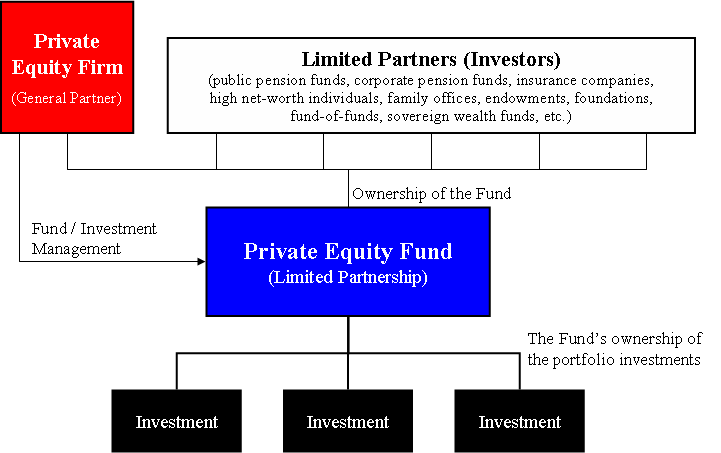
Legally, an Employee Stock Ownership Plan is a qualified defined contribution retirement plan. Unlike a traditional 401(k) that diversifies across the broad stock market, an Employee Stock Ownership Plan invests primarily in the qualifying employer securities of the sponsoring company. The company makes tax-deductible contributions to the ESOP trust, which the trust then uses to buy the retiring owner's shares.
The Magic of the Section 1042 Rollover
If you understand the intricacies of an ESOP, you can offer business owners one of the most powerful tax deferral mechanisms in the entire Internal Revenue Code: the Section 1042 rollover.
Internal Revenue Code Section 1042 allows a business owner to defer capital gains taxes on shares sold to an Employee Stock Ownership Plan. Imagine an owner selling their life's work for $20 million and legally paying zero capital gains tax at the time of the sale.
However, this is not a loophole; it is a highly engineered legislative incentive, and unlocking it requires inputting a precise combination of factual criteria:
- The Corporate Structure Requirement: Section 1042 capital gains deferral is strictly limited to the sale of C corporation stock to an ESOP. Consequently, Section 1042 capital gains deferral is strictly prohibited for the sale of S corporation stock to an ESOP. (S corps can have ESOPs, but they cannot utilize the 1042 rollover).
- The Holding Period: A selling owner must have held the business stock for at least three years prior to an Employee Stock Ownership Plan sale to qualify for a Section 1042 rollover.
- The 30 Percent Threshold: The sale must be substantial. An Employee Stock Ownership Plan must own at least 30 percent of the corporation's outstanding stock immediately after a sale to qualify for a Section 1042 rollover.
- The Reinvestment Imperative: The seller cannot simply take the cash and buy a yacht. A business owner must reinvest the Employee Stock Ownership Plan sale proceeds into qualified replacement property (QRP) to defer capital gains taxation.
- The Timing Window: Qualified replacement property must be purchased within a strict 15-month period beginning 3 months before the ESOP sale and ending 12 months after the sale.
- The Nature of the Property: You cannot buy real estate or municipal bonds. Qualified replacement property consists strictly of securities issued by domestic operating corporations (e.g., stocks or bonds of U.S. companies like Apple or Johnson & Johnson that actually produce goods or services, not passive holding companies).
When the owner eventually sells the qualified replacement property, the deferred capital gains tax becomes due. If they hold the QRP until death, their heirs receive a stepped-up basis, effectively erasing the capital gains tax forever.
Sometimes a retiring owner wishes to pass the business to key employees or family members who lack the capital to secure a traditional bank loan. In these scenarios, the owner must act as the bank.
The Standard Installment Sale
An installment sale allows a business owner to transfer a business interest in exchange for periodic payments over a predetermined timeframe. The buyer gets the business today; the seller gets a stream of income for their retirement.
Taxation is handled sensibly. An installment sale requires the seller to recognize capital gains proportionally as principal payments are received over the term of the note.
The Imputed Interest Trap: You cannot grant your child a 0% interest loan on a business sale to avoid taxes. The interest rate charged on an installment sale must equal or exceed the Applicable Federal Rate (AFR) to avoid imputed interest taxation. If you charge less than the AFR, the IRS will tax you as if you had collected that minimum interest anyway.
The primary danger of an installment sale is obvious: an installment sale exposes the selling business owner to the credit risk of the buyer defaulting on future payments. If the new owners mismanage the company and go bankrupt, the retiring owner's income stream evaporates.
The Self-Canceling Installment Note (SCIN)
A standard installment note is an asset of the seller. If the seller dies before the note is fully paid, the remaining balance is included in the seller's gross estate, potentially triggering massive estate taxes.
If the seller's health is questionable, we can augment the transaction. A Self-Canceling Installment Note (SCIN) cancels the remaining balance of the promissory note upon the death of the seller.
Because the legal obligation to pay vanishes the moment the seller's heart stops, a Self-Canceling Installment Note successfully removes the remaining unpaid value of the business interest from the seller's gross estate for estate tax purposes.
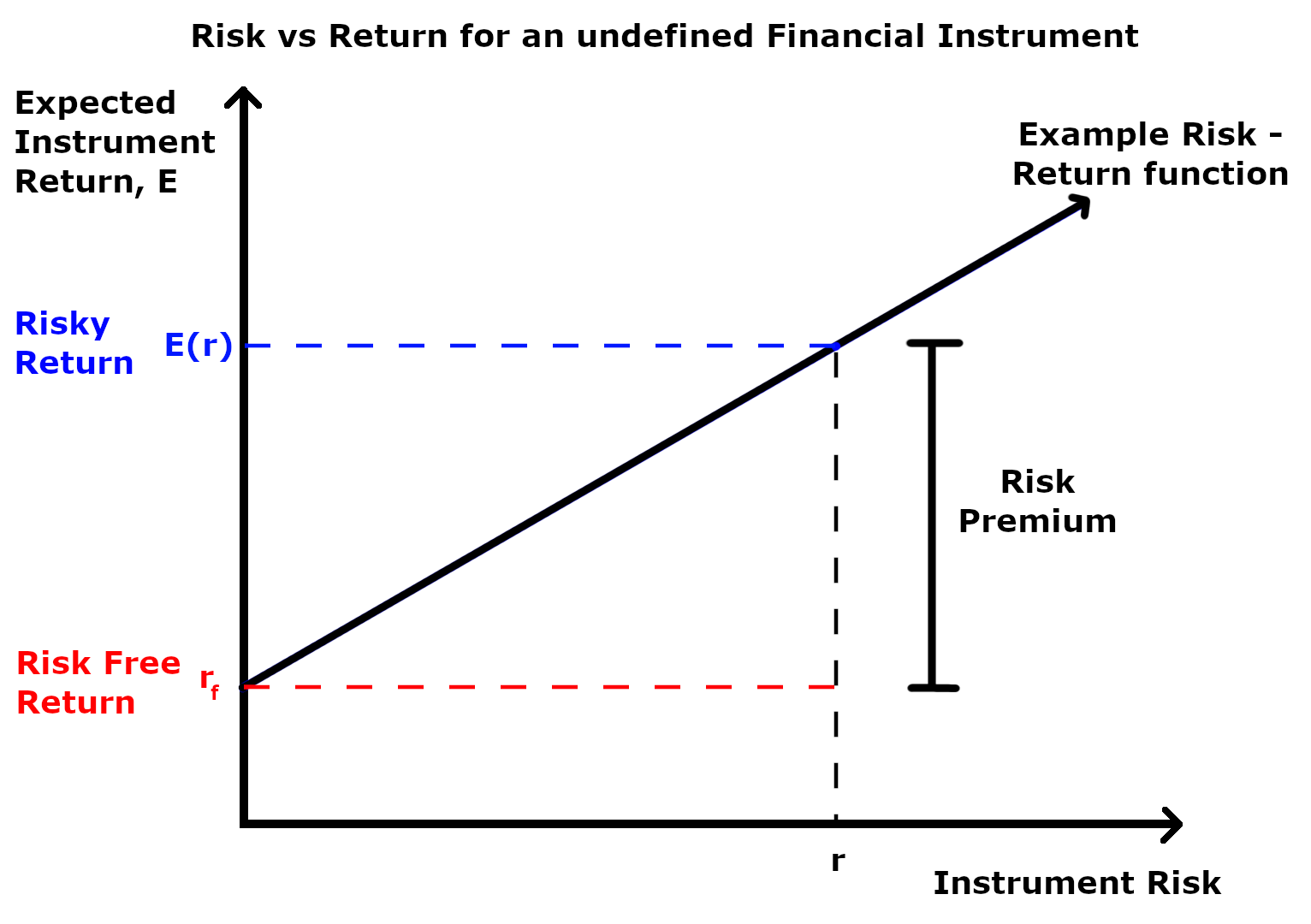
Naturally, the IRS does not let you give away this immense advantage for free. Because the buyer might receive a massive windfall if the seller dies early, the transaction must be economically balanced. The buyer in a Self-Canceling Installment Note must pay a risk premium in the form of a higher purchase price or a higher interest rate than a standard installment note.
The Private Annuity
Finally, we arrive at the private annuity. While an installment sale is a closed-end contract (e.g., "pay me for exactly ten years"), a private annuity transfers a business interest in exchange for an unsecured promise to make fixed payments for the remainder of the seller's life.
Whether the seller lives for two more weeks or forty more years, the payments must continue.
Because the payment obligation terminates completely upon the seller's death—leaving nothing behind to be inherited—a private annuity avoids estate taxes on the business interest entirely. However, the tradeoff is steep. It is purely an unsecured promise. The seller cannot retain a security interest (like a lien) on the business; if they do, the IRS will void the annuity treatment.
Business succession is not merely the drafting of contracts; it is the calibration of risk, taxation, and human behavior. As you evaluate these scenarios on the exam and in your practice, always ask yourself: Who is holding the risk? Who is paying the tax? And what happens when the unexpected inevitably occurs? Understand the underlying mechanics of these strategies, and the correct answers will reveal themselves logically.