Estate and incapacity planning documents
Not sure you’re ready?
Take the ~3-minute readiness diagnostic and see where you stand.
A brilliantly optimized financial portfolio is a delicate machine, functioning flawlessly only as long as its creator is present and capable of operating it. The moment a client suffers cognitive decline or passes away, this carefully constructed engine is thrust into a legal vacuum. Without explicit, preemptive instructions, the state steps in, applying crude, generalized statutory formulas to dismantle and distribute a lifetime of accumulated wealth. Estate and incapacity planning documents serve as the vital overrides to this default system. They are the strict architectural blueprints that allow a client's specific intentions to govern their wealth and their physical body when they can no longer speak for themselves. For a financial planner, mastering the precise mechanics of these documents is not a peripheral administrative task; it is the ultimate act of wealth protection.
At the foundational level of estate transfer lies the will—a legal document outlining the distribution of an individual's assets after death. The person who creates and executes this document is known as the testator. Because a will only speaks when the testator is permanently silenced, the law requires a human proxy to carry out its instructions. This proxy is the executor, the person named in a will to administer the estate of the deceased, settle debts, and distribute the remaining assets.
If a client fails to create this blueprint, they suffer intestacy, which is the legal state of dying without a valid will. The consequences of this failure are absolute: the assets of an individual who dies intestate are distributed according to state intestacy laws. The state essentially drafts a will for the deceased, prioritizing spouses and blood relatives through rigid hierarchical formulas, entirely ignoring the client's actual desires, philanthropic goals, or the specific needs of un-adopted dependents.
The Mathematics of Validity: Intent and Capacity
For a document to successfully override the state's intestacy laws, it must meet strict legal thresholds. The threshold begins with the mind of the testator.
First, there must be testamentary intent—the present and unmistakable desire of the testator to direct the disposition of property upon death. A draft document labeled "Thoughts on my estate" lacks this intent; it is merely an exploration, not an execution.
Second, the client must possess testamentary capacity, which is the legal ability of an individual to make a valid will. Do not confuse this with generalized contractual capacity; testamentary capacity is specifically measured at the exact moment the will is signed. In most U.S. states, the age of majority for executing a valid will is 18 years. Beyond age, the psychological requirements of testamentary capacity rest on three indispensable pillars:
- Understanding the Assets: The testator must understand the nature and extent of the assets being distributed. They do not need to know the exact penny-value of their brokerage account, but they must fundamentally grasp what they own.
- Recognizing the Heirs: The testator must recognize the natural objects of the testator's bounty. These are the family members or individuals who would typically be expected to inherit the estate. If a client disinherits a child, the courts want to ensure the client actively made that choice, rather than forgetting the child existed due to dementia.
- Comprehending the Outcome: The testator must understand the legal effect of executing a will—that this document will legally bind the transfer of their wealth upon their death.

Forms of Execution
Assuming capacity and intent are present, the mechanics of the document itself must hold up to scrutiny. A valid formal will requires the physical signature of the testator and must be signed by at least two witnesses in most U.S. jurisdictions. These witnesses serve as human fail-safes, ready to testify to the testator's intent and capacity.
However, the law makes rare exceptions for less formal structures:
- Holographic will: A will entirely handwritten and signed by the testator. While lacking witnesses, the intimate nature of the handwriting itself serves as a proxy for authenticity in jurisdictions that permit them.
- Nuncupative will: An oral will spoken in the presence of witnesses, typically during a final illness. Planners must be exceptionally cautious here: many U.S. states do not recognize the legal validity of nuncupative wills due to the immense potential for fraud.
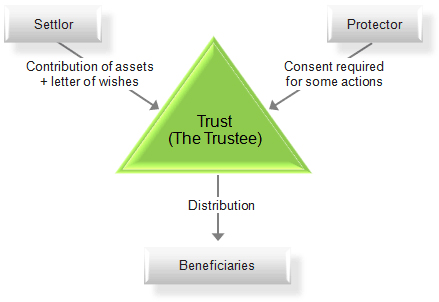
Modern estate plans frequently bypass probate entirely by using trusts. In these sophisticated architectures, the will serves merely as a safety net. A pour-over will directs the transfer of a deceased person's remaining probate assets into a pre-existing trust, ensuring that any stray assets left outside the trust during life are "poured" into it at death.
Modifying the Blueprint
Life is dynamic; relationships and asset structures evolve. When a client needs to alter their will, they use a codicil—a legal document that modifies, amends, or revokes portions of an existing will.
Crucial Rule: A codicil must meet the exact same legal execution requirements as an original will. A client cannot simply cross out a paragraph on their original will and initial it. If a formal will required a physical signature and two witnesses, the codicil modifying it requires the exact same rigor.
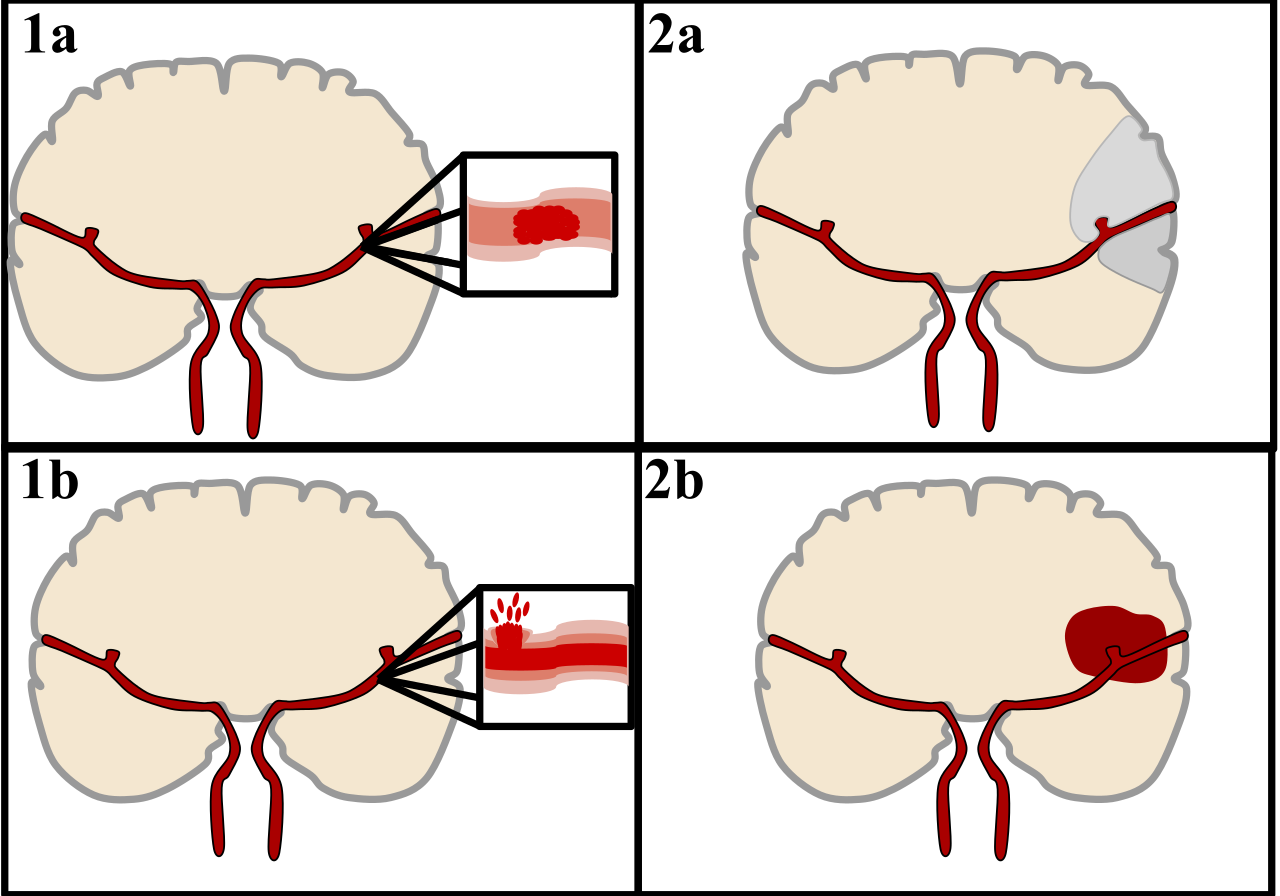
A will solves the problem of death. It is entirely useless for the problem of cognitive or physical decline. If a client suffers a severe stroke and survives, their wealth is trapped. To prevent this, we use a power of attorney, a legal document granting an agent the authority to act on behalf of a principal (the person who grants authority). The authorized agent is known legally as the attorney-in-fact (who need not be an actual lawyer).
Defining the Scope and Lifespan of Power
When drafting this delegation of authority, planners must carefully define the mathematical boundaries of the agent's power. A general power of attorney grants the agent broad authority over the principal's financial affairs, allowing them to do almost anything the principal could do—sell property, trade securities, or access safe deposit boxes. Conversely, a limited power of attorney restricts the agent's authority to specific tasks or defined timeframes (e.g., "sign closing documents for my house in Florida next Tuesday").
But the central flaw of historical agency law was durability. Under common law, an agent's power was tethered to the principal's mental competence. A non-durable power of attorney automatically ceases to be effective if the principal becomes incapacitated. For a financial planner dealing with elder care, a non-durable document is functionally useless when it is needed most.
The modern solution is the durable power of attorney, which remains legally effective even if the principal becomes incapacitated. This is arguably the single most important document for an aging client, because a durable power of attorney prevents the need for a court-appointed financial conservator during the principal's incapacity. Without it, the client's family must endure a public, expensive, and emotionally draining court process simply to pay the client's mortgage from their own checking account.
The Trigger: Springing Powers
Some clients are deeply uncomfortable handing over broad financial control while they are perfectly healthy. The compromise is a springing power of attorney, which only becomes effective upon the occurrence of a specified triggering event.
Most commonly, a springing power of attorney uses the medical incapacity of the principal as the triggering event. However, "incapacity" cannot be left to subjective interpretation. Medical incapacity for a springing power of attorney typically requires a formal determination by one or more physicians before the attorney-in-fact is legally activated.
Regardless of how or when a power of attorney is activated, it faces one absolute, non-negotiable boundary: All powers of attorney automatically terminate upon the death of the principal. An attorney-in-fact cannot write a check to pay for the principal's funeral the day after they die; at the moment of death, the executor of the will immediately assumes control.
Just as wealth requires an architect during incapacity, so does the physical body. An advance healthcare directive is a primary estate planning document outlining a person's medical care preferences in the event of incapacity. This broad umbrella typically encompasses two distinct, vital mechanisms: instructions and delegations.
The Instructions: The Living Will and DNR
A living will is the instruction manual. It is a legal document specifying the life-sustaining medical treatments an individual wishes to receive or refuse (such as artificial hydration, feeding tubes, or mechanical ventilation).
Two critical limitations define a living will:
- It only takes effect when the individual is terminally ill or in a persistent vegetative state.
- A living will does not appoint a surrogate decision maker for healthcare choices; it merely states the patient's own binary preferences regarding end-of-life care.
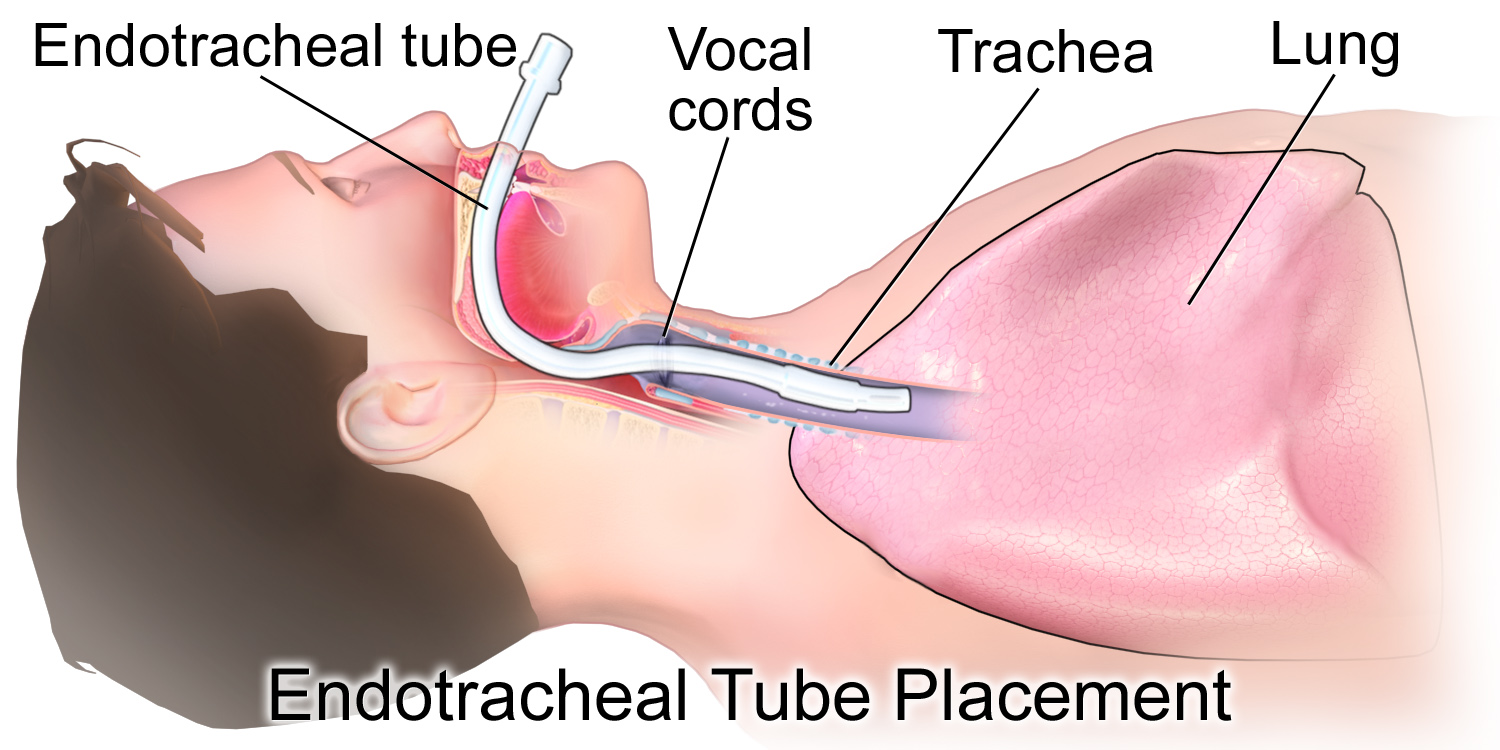
For acute emergencies, clients may also utilize a Do Not Resuscitate order (DNR). While a living will deals with prolonged terminal scenarios, a DNR is highly specific and immediate: it strictly instructs healthcare providers to withhold cardiopulmonary resuscitation if the patient's breathing or heartbeat stops.

The Delegation: The Healthcare Proxy
Because a living will cannot foresee every medical permutation, a client needs a human advocate. A healthcare proxy is a legal document designating an agent to make medical decisions on behalf of an incapacitated principal. You will frequently see this document referred to by its alternate name: a healthcare proxy is legally synonymous with a durable power of attorney for healthcare.
The power of the proxy lies in its adaptability. A healthcare proxy agent possesses the authority to make medical decisions not explicitly covered in the principal's living will. If a client requires an experimental surgery or a specific rehabilitation protocol, the proxy has the legal standing to authorize it.
The Information Bottleneck: HIPAA
Even with a perfectly drafted healthcare proxy, the agent faces a massive federal roadblock: the Health Insurance Portability and Accountability Act (HIPAA). A HIPAA authorization allows explicitly designated individuals to access a patient's protected health information.
Why does this matter to the CFP® professional? Because a healthcare proxy agent requires a valid HIPAA authorization to effectively review the principal's medical records. An agent cannot make an informed, life-altering medical decision if doctors are legally barred from showing them the patient's charts, test results, and prognoses. Therefore, a comprehensive estate plan always pairs the healthcare proxy directly with a HIPAA waiver.

By mastering the precise execution, limitations, and interconnectedness of wills, powers of attorney, and healthcare directives, a financial planner elevates their practice from merely projecting wealth to actively shielding a client's dignity, autonomy, and legacy.