Financing strategies and debt management
Not sure you’re ready?
Take the ~3-minute readiness diagnostic and see where you stand.
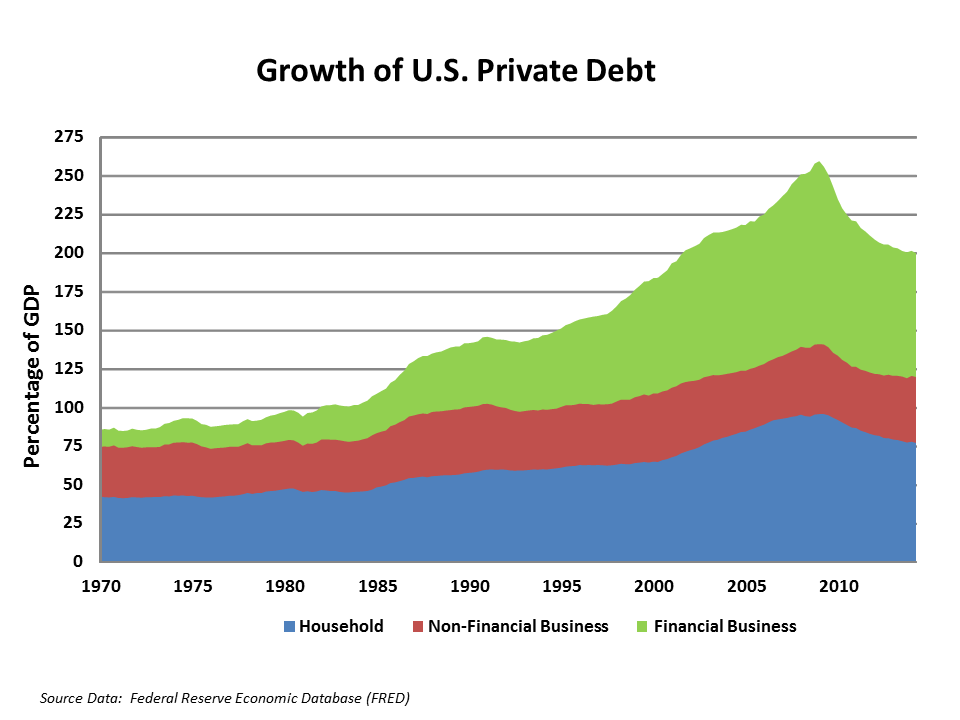
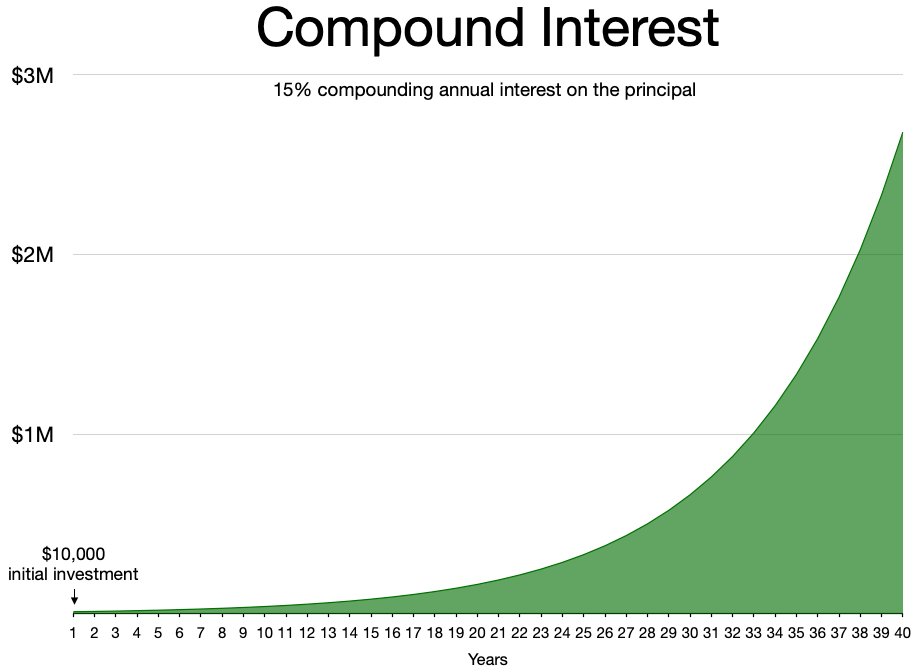
Debt is the financial equivalent of physical leverage: applied with precision, it multiplies an individual’s capacity to build wealth; applied recklessly, it acts as an immense gravitational force, collapsing a balance sheet under the weight of compounding interest. When you evaluate a client's financial position, you must view their liabilities not merely as numbers on a page, but as carrying loads on the structural integrity of their lifetime cash flow. Your task as a financial planner is to assess the tensile strength of that cash flow, structure their liabilities efficiently, and formulate a precise mathematical and behavioral strategy to eliminate restrictive debt.
To determine if a client’s cash flow can support their borrowing, we use a specific set of diagnostic metrics. Think of these financial ratios as stress tests for household liquidity. If a client exceeds these benchmarks, the underlying structure is at risk of failure during economic shocks.
The Housing and Consumer Debt Ratios
We measure debt capacity primarily through three ratios. Lenders rely on these metrics to assess default risk, and as a planner, you use them to protect your client's financial flexibility.
The Basic Housing Ratio (Front-End Ratio) The basic housing ratio compares a client's monthly housing costs to the client's gross monthly income.
Formula: Monthly Housing Costs ÷ Gross Monthly Income Benchmark: The traditional benchmark for the basic housing ratio is less than or equal to 28 percent.
What exactly constitutes "monthly housing costs"? You must include every required obligation to maintain the home. Monthly housing costs in the basic housing ratio include principal, interest, property taxes, and homeowners insurance (often abbreviated as PITI). Furthermore, if the client lives in a managed community, homeowners association dues are included in the basic housing ratio calculation.
The Broad Housing Ratio (Back-End Ratio) While the basic ratio looks only at the shelter, the broad housing ratio compares a client's total monthly debt obligations to the client's gross monthly income.
Formula: Total Monthly Debt Obligations ÷ Gross Monthly Income Benchmark: The traditional benchmark for the broad housing ratio is less than or equal to 36 percent.
This is the ultimate measure of structural burden. Total monthly debt obligations in the broad housing ratio include housing costs plus auto loans, student loans, and credit card minimums.
The Consumer Debt Ratio Housing debt is generally backed by an appreciating asset. Consumer debt, however, is a direct drain on wealth creation. The consumer debt ratio compares a client's monthly non-housing debt payments to the client's net monthly income.
Formula: Monthly Non-Housing Debt Payments ÷ Net Monthly Income Benchmark: The traditional benchmark for the consumer debt ratio is less than or equal to 20 percent.
Notice the denominator change here. Unlike the housing ratios that use gross income, this ratio requires net income. Net monthly income is calculated as gross income minus income taxes.
The Mechanics of Credit Scoring
Underlying a client's ability to borrow efficiently is their credit score. The FICO score is essentially a statistical algorithm predicting the likelihood of default.
The two most significant factors in this algorithm are directly tied to client behavior:
- Payment history accounts for 35 percent of a FICO credit score calculation. Missing a single payment creates a disproportionate, immediate drop in the score.
- Amounts owed accounts for 30 percent of a FICO credit score calculation.
To optimize the "amounts owed" category, we focus on utilization. The credit utilization ratio measures the amount of revolving credit currently used divided by the total revolving credit limit available. If a client has a total credit limit of $10,000 and carries a $3,000 balance, their utilization is 30 percent. Credit bureaus generally recommend keeping the credit utilization ratio below 30 percent to maintain a strong credit score.
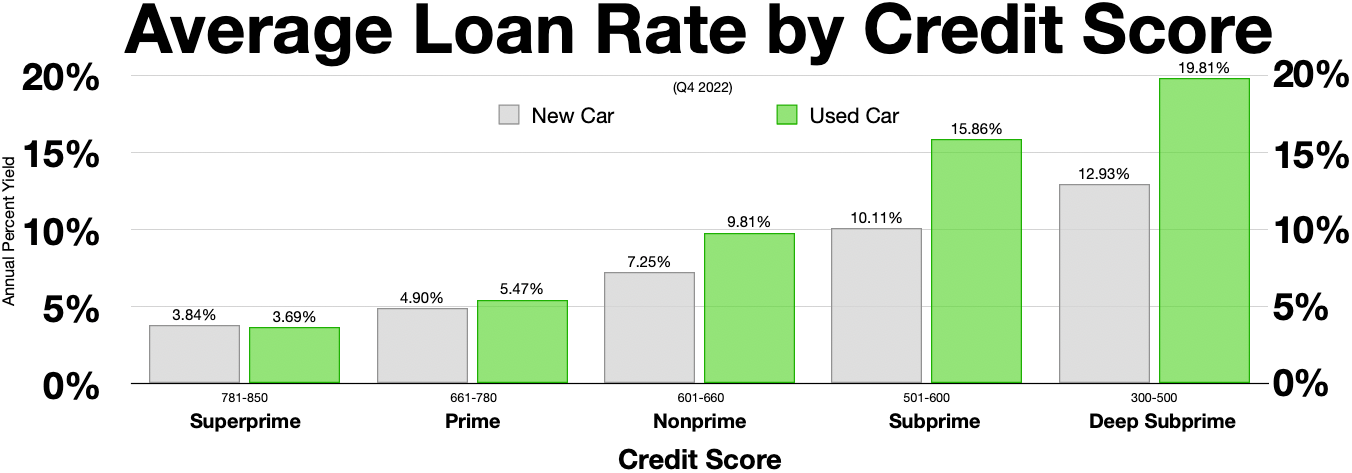
For most clients, a mortgage is the largest liability they will ever assume.
Fixed vs. Adjustable Rates
The fundamental choice in mortgage selection is deciding who bears the interest rate risk: the lender or the borrower.
- A fixed-rate mortgage maintains the exact same interest rate and principal-and-interest payment for the entire life of the loan. The borrower is paying a premium for certainty.
- An adjustable-rate mortgage features an interest rate that fluctuates based on a designated benchmark index (such as the SOFR). Because the borrower absorbs the risk of rising rates, adjustable-rate mortgages typically offer a lower initial interest rate compared to fixed-rate mortgages.
Loan Limits and Programs
The size and backing of the loan dictate the rules of engagement:
- A conforming mortgage loan adheres to the maximum loan limits set by the Federal Housing Finance Agency (FHFA). These loans are eligible for purchase by Fannie Mae and Freddie Mac.
- A jumbo loan is a non-conforming mortgage that exceeds the loan limits set by the Federal Housing Finance Agency. Because they cannot be easily sold to government-sponsored enterprises, lenders typically require stricter underwriting and larger down payments.
Government-backed programs exist to facilitate homeownership for specific populations:
- Federal Housing Administration loans require lower minimum down payments than conventional mortgages (often as low as 3.5%), making them ideal for clients with limited capital.
- Veterans Affairs loans often require zero down payment for eligible military service members and veterans, serving as an incredibly powerful tool for military clients.
Extracting Home Equity
When clients build equity, it becomes a reservoir of capital they can tap into.
- A home equity loan provides a lump sum of money secured by the borrower's equity in the primary residence. This is a fixed-term, fixed-rate second mortgage.
- A home equity line of credit is a revolving credit line secured by the borrower's home equity. This acts like a credit card backed by the house, drawn upon only when needed.
- For older clients facing liquidity constraints, a reverse mortgage allows homeowners aged 62 or older to convert a portion of home equity into cash without making monthly mortgage payments. The loan is repaid when the borrower dies, sells the home, or moves out permanently.
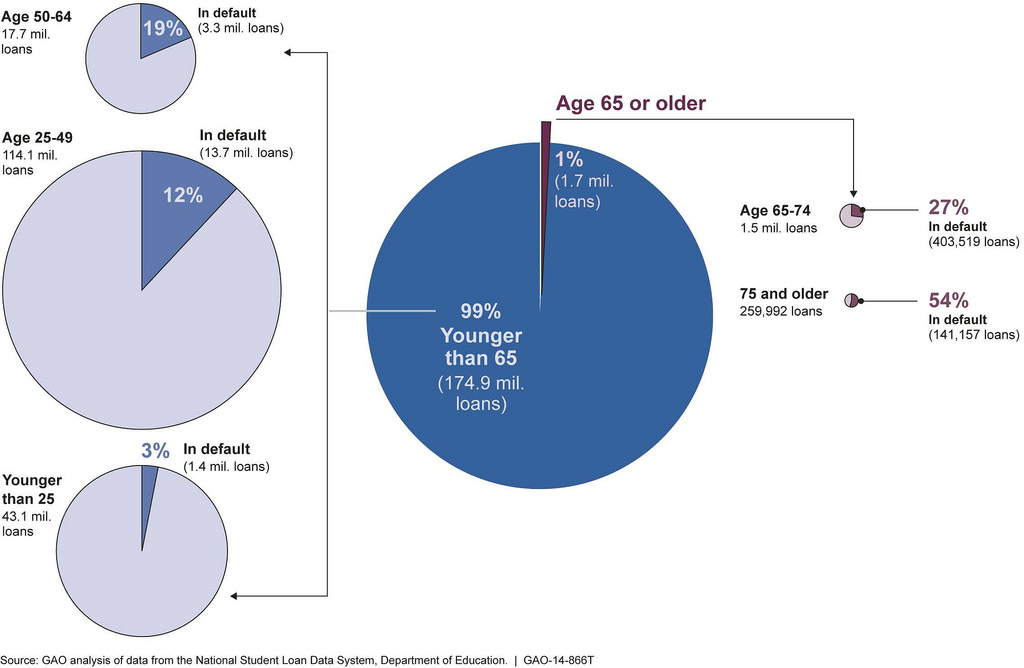
Student loans form a complex matrix of federal and private obligations. Advising clients in this space requires absolute precision, as one wrong move can permanently lock a client out of lucrative forgiveness programs.
Federal vs. Private Loans
The origin of the loan dictates the rules of repayment.
- The federal government pays the interest on Direct Subsidized Loans during a student's half-time or greater enrollment. This subsidy is reserved for undergraduates with demonstrated financial need.
- Conversely, Direct Unsubsidized Loans accrue interest during the student's enrollment in school. The balance grows before the student ever graduates.
- Direct PLUS Loans are available to graduate students and parents of dependent undergraduate students. They carry higher interest rates and origination fees.
- Private student loans are issued by private entities such as banks or credit unions. Because they are governed purely by commercial contracts, private student loans lack the income-driven repayment options associated with federal student loans.
Repayment and Forgiveness Strategies
When a client graduates, they must choose a path through the federal repayment system:
- The Standard Repayment Plan for federal student loans schedules fixed monthly payments over a 10-year period. This minimizes total interest but demands high monthly cash flow.
- Graduated repayment plans for student loans start with lower payments that systematically increase over time. This matches the expected trajectory of a young professional's income.
- Income-driven repayment plans cap federal student loan payments at a percentage of the borrower's discretionary income. This is vital for clients with high debt-to-income ratios.
For clients in public service, the holy grail of debt management is PSLF. Public Service Loan Forgiveness forgives the remaining balance on Direct Loans after 120 qualifying monthly payments under a qualifying repayment plan. However, the employment criteria are strict: Public Service Loan Forgiveness requires the borrower to work full-time for a qualifying government or not-for-profit employer.
Consolidation vs. Refinancing
These two terms are frequently misused by the public, but to a CFP® professional, the distinction is a matter of professional liability.
- Student loan consolidation combines multiple federal education loans into a single Direct Consolidation Loan with one single monthly payment. The interest rate is simply a weighted average; it does not lower the rate, but it keeps the debt within the federal system.
- Student loan refinancing involves taking out a new private loan to pay off existing federal or private student loans. This is done to secure a lower interest rate based on the client's current creditworthiness.
CRITICAL WARNING: Refinancing federal student loans into a private loan permanently eliminates access to federal income-driven repayment plans. Furthermore, refinancing federal student loans into a private loan permanently eliminates access to federal loan forgiveness programs (like PSLF). Refinancing federal loans is a one-way door; once a client leaves the federal system, they can never return.
When a client has multiple debts, how do you sequence their elimination?
First, distinguish the nature of the debt:
- Secured debt requires specific collateral that the lender can legally seize upon borrower default (e.g., a car loan or mortgage).
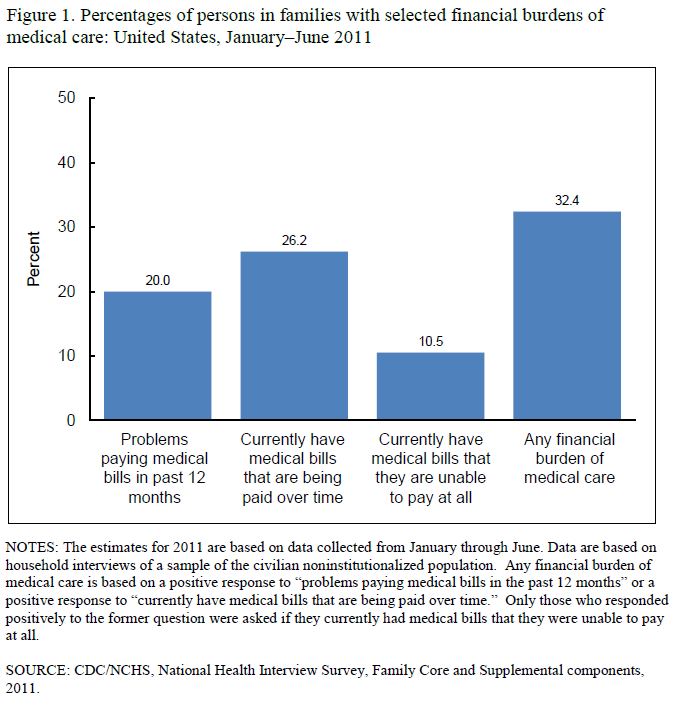
- Unsecured debt is issued entirely on the borrower's promise to pay without any backing collateral (e.g., credit cards or medical bills). Unsecured debt carries higher interest rates to compensate for the lack of collateral.
Avalanche vs. Snowball
To systematically destroy debt, we rely on two primary algorithms. One optimizes math; the other optimizes human psychology.
- The debt avalanche method involves prioritizing debt payments in order from the highest interest rate to the lowest interest rate. You make minimum payments on everything, and channel all excess cash flow toward the highest-rate debt. The debt avalanche method mathematically minimizes the total amount of interest paid over the life of multiple debts.
- The debt snowball method involves prioritizing debt payments in order from the smallest balance to the largest balance. Why do this if it costs more in interest? Behavioral finance. Humans need momentum. By clearing small accounts quickly, the client experiences immediate victories, increasing adherence to the broader financial plan.
Distressed Debt Protocols
Sometimes, the math simply does not work. When a client’s liabilities completely overwhelm their cash flow, you must pivot to distress protocols.
Debt Management Plans (DMP) Before resorting to bankruptcy, consider a DMP. A Debt Management Plan is a formal agreement set up by a credit counseling agency to consolidate a client's unsecured debt payments. The client makes one payment to the agency, which distributes it to creditors. To ensure the plan succeeds, creditors participating in a Debt Management Plan often agree to lower the borrower's interest rate and creditors participating in a Debt Management Plan often agree to waive certain penalty fees.
Bankruptcy When insolvency is absolute, federal bankruptcy law provides mechanisms for relief, albeit with severe consequences.
- Bankruptcy Chapter 7 requires liquidating a debtor's non-exempt assets to pay off existing creditors. This offers a "fresh start" by wiping out qualifying unsecured debt, but it is financially violent. A Chapter 7 bankruptcy remains on a consumer's credit report for up to 10 years, devastating their borrowing capacity for a decade.
- Bankruptcy Chapter 13 requires a court-mandated repayment plan lasting three to five years. The debtor keeps their assets but commits their disposable income to partially repay creditors over the term.
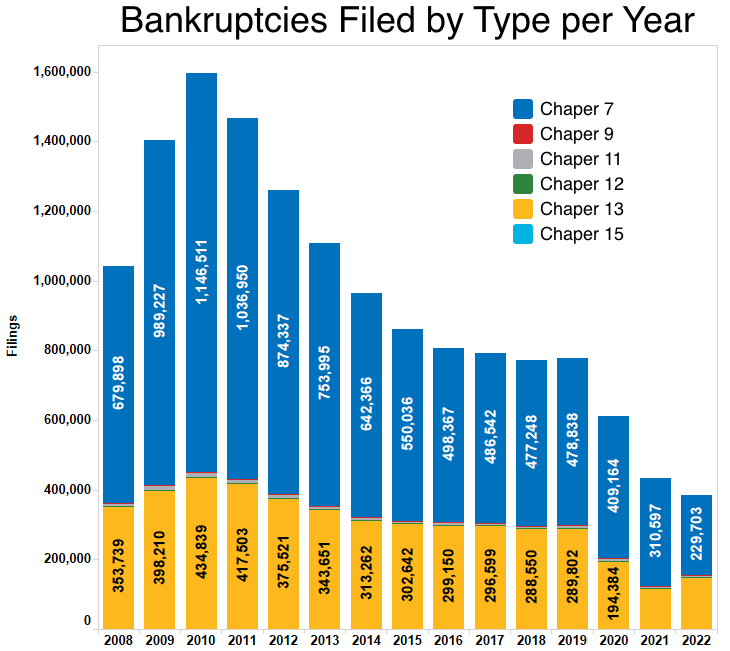
It is crucial to note the limits of bankruptcy protection. Do not advise a client that bankruptcy will wipe the slate entirely clean if their burden consists mostly of education debt. By law, student loans are generally not dischargeable in bankruptcy without proving undue hardship—a notoriously difficult legal threshold to meet.
Mastering these financing strategies allows you to do more than just build investment portfolios; it empowers you to actively de-leverage risk, free up critical cash flow, and architect a truly resilient financial foundation for your clients.