New York Property Insurance Laws & Residual Markets
Not sure you’re ready?
Take the ~3-minute readiness diagnostic and see where you stand.
A homeowner signs a mortgage, secures an insurance policy, and expects to sleep soundly under a newly insured roof. But what happens if the insurer suddenly decides the property’s neighborhood is too risky, or a storm season is looking particularly fierce? Property insurance is fundamentally a promise of financial stability, and the state of New York strictly regulates the timeline and terms of that promise to prevent sudden, arbitrary loss of coverage. As a producer, you are the architect of your client's safety net. You must understand exactly when an insurer can step away from a risk, how much notice they must give, and the safety valves that exist when the private market dries up.
Here is the architecture of New York property insurance law and the state’s residual markets.
Insurance underwriting is essentially a process of discovery. When an insurer first writes a policy, they need time to inspect the property and verify the application. New York recognizes this, but it also places a hard time limit on the insurer's window of indecision.
In New York, an insurer may cancel a homeowners insurance policy for any valid underwriting reason during the first 60 days the policy is in effect. However, they cannot do this silently. A cancellation notice issued during this initial 60-day window must explicitly state the specific reason for the cancellation, allowing the homeowner to understand exactly why they are being dropped.
What happens on day 61? The door locks.
After a New York homeowners policy has been in effect for 60 days, the policy enters a guaranteed three-year required policy period. This structure protects policyholders from arbitrary non-renewal or cancellation after the initial underwriting period. During this three-year block, a New York insurer cannot cancel or non-renew a homeowners policy except for strictly defined statutory reasons. At the end of the three-year required policy period, the lock expires, and a New York insurer may refuse to renew a homeowners policy for any valid underwriting reason.
Statutory Grounds for Mid-Term Cancellation
During the guaranteed three-year period, an insurer can only sever the policy mid-term if the client breaks the fundamental rules of the contract or fundamentally alters the risk. These statutory grounds include:
- Nonpayment of Premium: A New York insurer may cancel a homeowners policy mid-term during the three-year required policy period for nonpayment. However, the law demands absolute clarity: a cancellation notice based on nonpayment must explicitly inform the insured of the exact premium amount due. The client is given a final lifeline—if a New York insured pays the amount due within 15 days of the mailing of a nonpayment cancellation notice, the homeowners policy will not be canceled.
- Fraud or Misrepresentation: Discovery of fraud or material misrepresentation by the insured in obtaining a New York homeowners policy is a valid statutory ground for mid-term cancellation. If the client lied to get the policy, the policy is voidable.
- Conviction of a Crime: The insurer may cancel mid-term if the insured is convicted of a crime arising from acts that increase the insured hazard (e.g., a conviction for running an illegal fireworks manufacturing operation in the basement).
- Hazard-Increasing Acts: Discovery of willful or reckless acts by the insured that increase the insured hazard justifies mid-term cancellation.
- Physical Changes to the Property: Physical changes to a property after policy issuance that render the property uninsurable under the insurer's uniform standards are a valid ground for mid-term cancellation.
Important Exemption: New York heavily protects homeowners in financial distress. A New York insurer cannot cancel a homeowner's insurance policy based solely on a notification from a bank regarding an impending or commenced foreclosure action.
Insurers must give clients adequate time to shop the market if their coverage is changing or ending. The state enforces strict notice timelines based on the type of policy.
| Policy Type | Nonrenewal / Conditional Renewal Notice Requirement |
|---|---|
| Homeowners | Between 45 and 60 days prior to the expiration date. |
| Commercial Property | Between 60 and 120 days prior to the expiration date. |
The Mechanics of Conditional Renewal
Sometimes, an insurer is willing to keep a risk on the books, but only on adjusted terms. A conditional renewal in New York occurs when an insurer offers to renew a policy while changing the limits, reducing coverage, or increasing deductibles.
For instance, an increase in a windstorm deductible upon the renewal of a New York homeowners policy constitutes a conditional renewal. Because this shifts more financial risk back onto the homeowner, the insurer must treat it with the same urgency as a nonrenewal. A New York insurer must provide a written notice of conditional renewal for a homeowners policy between 45 and 60 days prior to the expiration date (or 60–120 days for commercial property).
Premium Finance Agencies
Many commercial clients—and some homeowners—use a premium finance agreement, where a third-party agency pays the annual premium upfront, and the client pays the agency back in installments.
If a New York property insurance policy whose premiums are advanced by a premium finance agreement is canceled, the insurer must return the gross unearned premiums directly to the finance agency, not the policyholder. To ensure the finance agency isn't left holding the bag, a New York insurer must return these unearned premiums to a premium finance agency within 60 days after the effective date of a property policy cancellation.
What happens when a property is simply too close to the coast, or has an older roof, and no voluntary insurer wants the risk? Enter the New York Property Insurance Underwriting Association (NYPIUA).
NYPIUA is the state's residual market mechanism for property insurance. It provides fair access to property insurance for New York residents and businesses that are unable to secure coverage in the voluntary market.
NYPIUA is not a standalone insurance company; it is a joint underwriting association composed of all insurance companies licensed to write fire and extended coverage insurance in New York State. Think of it as a giant, mandatory risk-sharing pool. Every authorized property insurer in New York must participate in NYPIUA as a condition of retaining the insurer's license to write property insurance in the state.
What NYPIUA Covers (And What It Doesn't)
NYPIUA provides basic property insurance policies for buildings, commercial contents, and household furnishings. It is designed to be a safety net, not a luxury policy.
- Basic Coverage: The basic NYPIUA coverage form provides protection against fire, extended coverage perils, and vandalism and malicious mischief.
- Valuation: NYPIUA generally offers property policies on an actual cash value (ACV) basis. It does not inherently provide property coverage on a replacement cost basis.
- Broad Form: Policyholders aren't strictly limited to the absolute basics. NYPIUA offers Broad Form coverage for an additional premium to add protection against perils like falling objects, weight of ice, and accidental water discharge.
The Coastal Hurricane Deductible
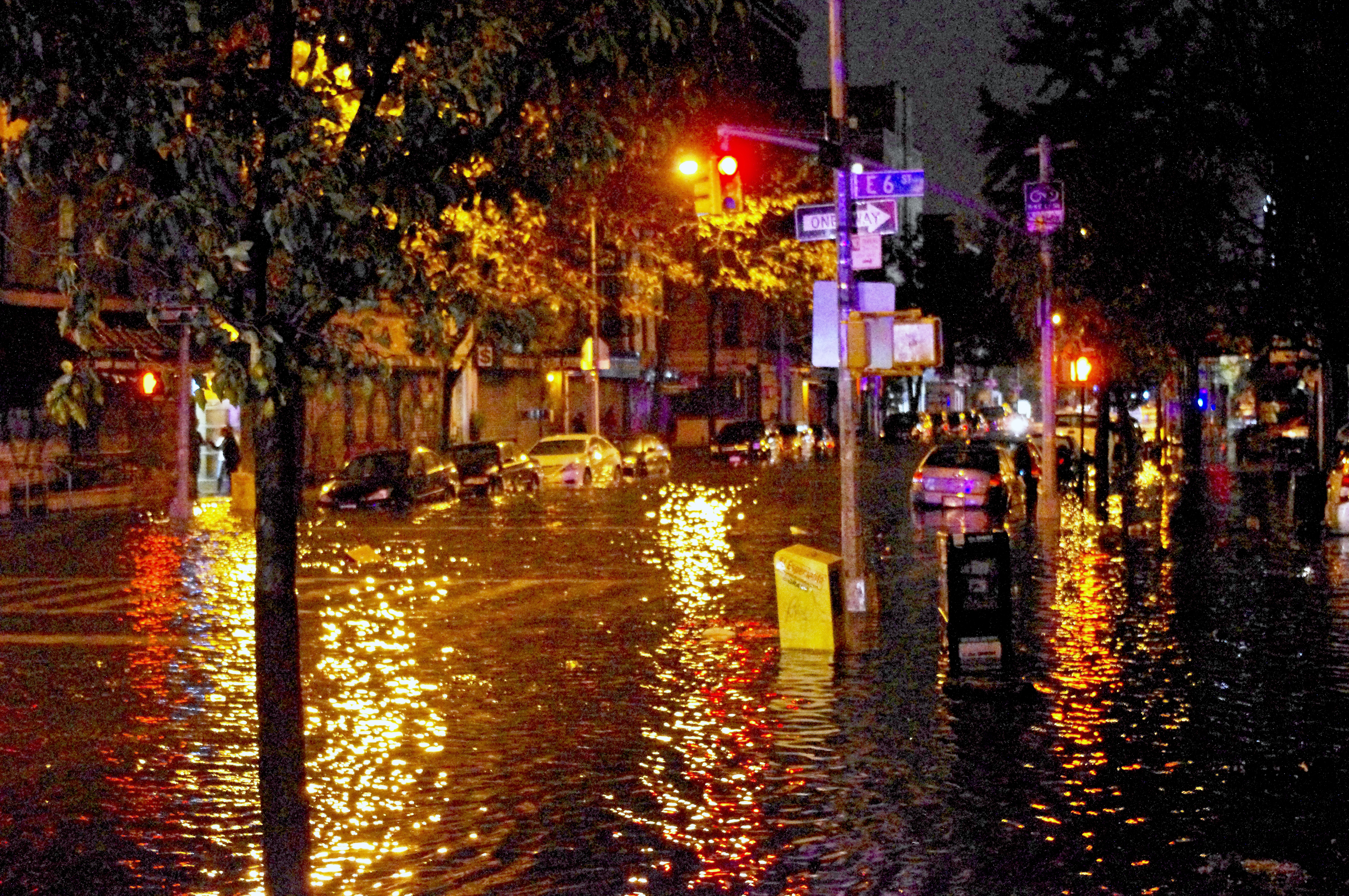
Wind is the enemy of the coastal property market. To mitigate this massive exposure, NYPIUA Broad Form coverage policies for properties in specified New York coastal counties are subject to a mandatory two percent hurricane deductible.
This deductible does not apply to a standard Tuesday afternoon thunderstorm. The NYPIUA two percent hurricane deductible triggers specifically for property losses occurring twelve hours before and twelve hours after a Category 2 or higher hurricane makes landfall anywhere in New York State.
Underwriting and Ineligibility
Even the market of last resort has standards. A property can be deemed uninsurable by NYPIUA if it presents an overwhelming moral or physical hazard:
- Properties in arrears on property taxes or utility bills for two years or more may be deemed ineligible for NYPIUA coverage.
- Vacant or unoccupied properties that do not meet NYPIUA boarding standards or lack an intrusion alarm are ineligible for NYPIUA coverage.
If NYPIUA declines an application or cancels a policy, the applicant isn't entirely out of options. They may submit a written appeal to the NYPIUA appeals committee.
While NYPIUA handles statewide residual risks, New York's coastal shorelines present a unique crisis. To keep coastal homeowners out of NYPIUA whenever possible, the state established the Coastal Market Assistance Program (C-MAP).
C-MAP is a voluntary network of participating insurers designed to help New York coastal homeowners obtain private-market insurance. It was created specifically to address the lack of voluntary insurance availability for residential properties located in close proximity to New York shorelines. Though it is a network of private, voluntary insurers, C-MAP is administered by NYPIUA.
C-MAP Eligibility
To trigger C-MAP eligibility, a homeowner must receive a nonrenewal or cancellation notice for reasons other than nonpayment due to shoreline proximity.
Geography strictly defines eligibility:
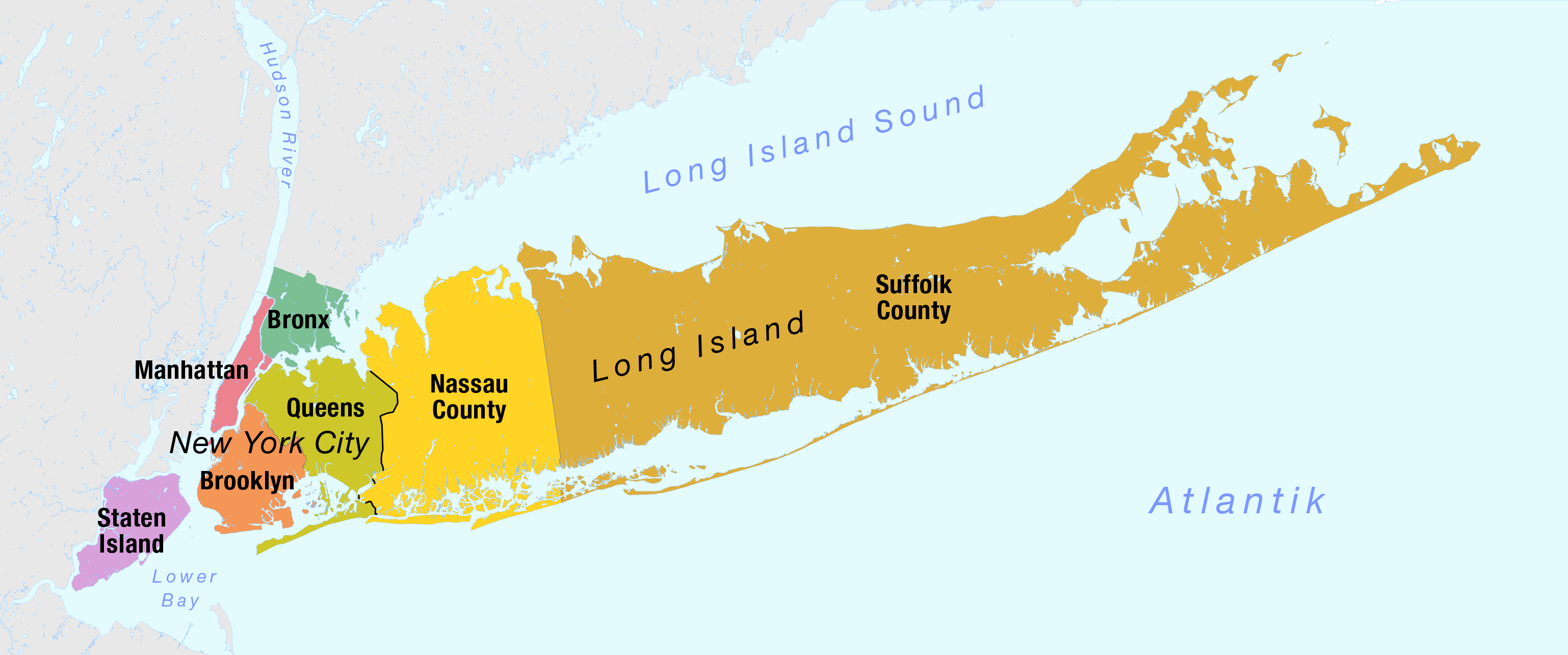
- South Shore & City: C-MAP eligibility extends to properties on the south shore of Long Island, Brooklyn, Queens, and Staten Island that are within one mile of the shore.
- North Shore & Upriver: C-MAP eligibility extends to properties on the north shore of Long Island, the Bronx, and Westchester that are within 2,500 feet of the shore.
Because C-MAP is a vital lifeline, the state mandates awareness. Insurers that issue cancellation or nonrenewal notices for homeowners policies in C-MAP eligible areas must provide written notification about the availability of C-MAP and NYPIUA. The C-MAP notice included with a New York homeowners cancellation or nonrenewal must provide contact information and instructions on how to apply for the market assistance program.
Crucial Distinction: Submission of a C-MAP application does not guarantee that a participating voluntary insurer will agree to issue a coastal property policy. It is an assistance program, not an absolute guarantee of private coverage.
Incentivizing Insurers: The Voluntary Writing Credit Program
Why would a private insurer voluntarily take on coastal risk? To minimize their mandatory losses in the NYPIUA pool.
NYPIUA operates a Voluntary Writing Credit Program to encourage private insurers to write property policies in New York's coastal territories. Insurers participating in this program receive credits that reduce the insurer's mandatory financial participation in the NYPIUA pool. Specifically, an insurer voluntarily writing a policy that replaces an existing NYPIUA policy can apply for a credit against their NYPIUA participation requirements. It is a brilliant systemic incentive: take on a coastal property voluntarily, and we will reduce your share of the state's collective bad-risk pool.
The Wraparound Endorsement
Finally, as an elite producer, you will often encounter clients stuck in NYPIUA who desperately need better coverage—specifically, replacement cost and liability protection, which NYPIUA’s basic fire policy lacks.
The industry solution is an elegant hybrid. New York policyholders can use a wraparound endorsement to combine a voluntary market liability and theft policy with a NYPIUA fire policy to achieve replacement cost coverage. You "wrap" the private market's liability and theft provisions around the NYPIUA property chassis, creating a holistic package that operates much like a standard homeowners policy.
Understanding these mechanisms—from the rigid 60-day underwriting window to the intricate mechanics of C-MAP and wraparound policies—ensures you can navigate your clients through the toughest insurance climates New York has to offer.