Pennsylvania Marketing, Replacement & Suitability Rules
Not sure you’re ready?
Take the ~3-minute readiness diagnostic and see where you stand.
A financial portfolio is governed by the same laws of stress and load as a physical structure. When an engineer modifies the foundation of a skyscraper, they do not casually swap out support columns; they document the structural integrity of the old materials, calculate the load-bearing capacity of the new, and present their findings transparently. As an insurance producer in Pennsylvania, you act as the structural engineer of your client's financial foundation. The state's marketing, replacement, and suitability regulations are not arbitrary bureaucratic hurdles. They are the rigorous engineering standards ensuring that when you build, modify, or replace a client's financial safety net, you do so with uncompromised integrity and absolute transparency.

Before you ever sit across from a client, you communicate with the market at large. Pennsylvania demands absolute precision in how you present yourself and your products.
Pennsylvania requires all insurance advertisements to be truthful and not misleading in fact or by implication. This means omissions can be just as illegal as outright lies. To maintain this transparency, the format and content of an insurance advertisement must clearly identify the actual insurer issuing the policy. You cannot hide behind a generic marketing shell.
Furthermore, you must never borrow the authority of the state to make a sale.
- Insurance advertisements must not use terms like "state approved" to falsely imply an endorsement by the Pennsylvania Insurance Department.
- You cannot use names or titles that misleadingly suggest a connection to a government agency.
There is also a strict rule regarding the Pennsylvania Life and Health Insurance Guaranty Association (the safety net that protects consumers if an insurer goes insolvent). Advertisements must not use the existence of the Guaranty Association for the purpose of selling insurance, nor for the purpose of soliciting insurance. Why? Because selling a policy based on the state's insolvency safety net is like an airline advertising that their planes come with high-quality parachutes. It implies institutional weakness and distracts from the actual merits of the policy.
When your marketing involves picking up the phone, you must operate within strict boundaries. Telemarketing calls for insurance sales must occur strictly between the hours of 8:00 AM and 9:00 PM local time at the consumer's location. Furthermore, insurance producers utilizing telemarketing must strictly comply with the National Do Not Call Registry unless a specific, legally recognized exemption applies.

When a consumer decides to build their financial foundation, they need to know exactly what materials they are buying. Pennsylvania law bifurcates this education into two distinct documents.
Buyer’s Guide: A document that helps consumers understand the basic features of different types of life insurance policies. (Think of this as a general field guide to life insurance—explaining the difference between term, whole, and universal life).
Policy Summary: A document providing specific details and cost indexes about the actual life insurance policy being issued. (This is the specific blueprint for the client's exact policy, complete with their exact premium and benefit numbers).
The Timing Rule: Insurers must generally deliver a Buyer's Guide and a Policy Summary to all prospective purchasers prior to accepting the applicant's initial premium.
The Exception: If a life insurance policy provides a free-look period of at least 10 days, the Buyer's Guide and the Policy Summary may be delivered with the policy instead of prior to the premium payment. Conveniently, the standard minimum free-look period for a new, non-replacement life insurance policy in Pennsylvania is exactly 10 days.
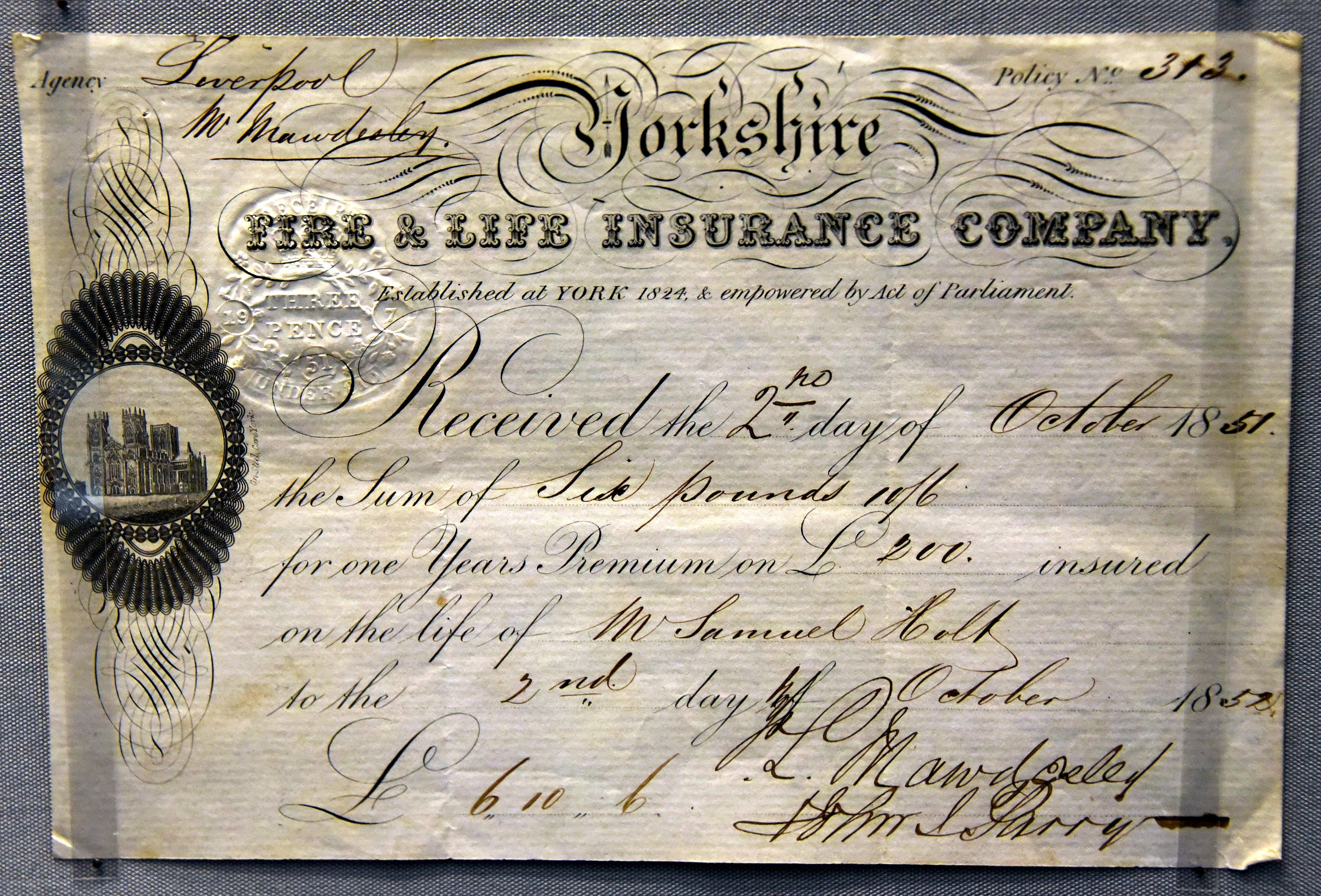
Sometimes, a client already has a foundation, but you recommend swapping it for a new one. This is called a replacement. The fundamental purpose of Pennsylvania replacement regulations is to protect the interests of life insurance and annuity purchasers, aiming to ensure purchasers receive sufficient information to make an informed decision.
A replacement transaction occurs if the purchase of a new life insurance policy causes an existing life insurance policy to be:
- Surrendered entirely.
- Lapsed.
- Converted to reduced paid-up insurance.
- Subjected to substantial borrowing (draining the cash value to fund the new policy).
Duties of the Insurance Producer
When you trigger a replacement, you trigger a cascade of required documentation.
First, the insurance producer must obtain a signed statement from the applicant identifying whether the transaction involves the replacement of existing life insurance or annuities. Similarly, the insurance producer must sign a statement on the insurance application indicating whether the producer knows that a replacement is involved in the transaction.
If a replacement is involved, you must present the applicant with a document explicitly titled "Notice Regarding Replacement of Life Insurance and Annuities".
- This Notice must be provided no later than the time of taking the application.
- The insurance applicant must sign the Notice.
- The insurance producer must sign the Notice.
- You must leave a copy of the Notice with the applicant.
- You must also leave copies of all sales proposals and ledger statements used in your presentation with the applicant, ensuring they have a complete record of what was promised.
Your paperwork duties do not end with the client. You must submit a copy of the signed Notice, alongside a list of all of the applicant's existing life insurance and annuity policies, to the replacing insurer.
The Duel: Replacing Insurer vs. Existing Insurer
Once the application is submitted, two corporate entities are brought into the arena.
The replacing insurer is the insurance company that issues a new policy to substitute an existing life insurance policy. The existing insurer is the insurance company whose policy is being replaced or altered in the transaction.
When the replacing insurer receives the application at their home office, they must send a written communication—a replacement notification—advising of the proposed replacement transaction to each existing insurer within three working days.
Upon receiving this notice, the existing insurer or their producer will likely attempt to save the business. This is called conservation—any attempt to dissuade a policyowner from replacing an existing life insurance policy.
Because conservation is a high-stakes moment where clients can be easily confused, the existing insurer must maintain evidence of all disclosure statements and ledger statements used in any conservation effort. They must maintain these conservation transaction records for at least three years or until the next regular Pennsylvania Insurance Department examination.
The replacing insurer also has strict record-keeping duties. They must maintain copies of the replacement notice and a replacement register for at least three years or until the next regular Pennsylvania Insurance Department examination.
The Safety Valve: Free-Look Periods
Because replacing a policy resets critical timelines (like incontestability periods or surrender charges), Pennsylvania requires extended free-look (right-to-return) periods for replacement policies.
| Transaction Type | Minimum Free-Look Period in PA |
|---|---|
| New, Non-Replacement Life Policy | 10 days |
| Replacement Life Insurance Policy | 20 days |
| Replacement Annuity Contract | 20 days |
| Variable Life Replacement (Same Insurer) | 45 days |
Note: The free-look period for an individual variable life insurance policy issued as a replacement by the same insurer jumps significantly to at least 45 days.
Replacing a health insurance policy carries a unique, immediate physiological risk to the client: the disruption of care. During health insurance replacement, the producer must evaluate whether the new health insurance policy imposes new pre-existing condition waiting periods that harm the client. Swapping a client to a "cheaper" policy is professional malpractice if it means their current medical treatments are suddenly excluded for a year.
When an accident and health insurance policy is being replaced, the producer must provide a specific document titled "Notice to Applicant Regarding Replacement of Accident and Sickness Insurance".
- This must be provided to the applicant prior to the issuance or delivery of the new policy.
- Both the insurance applicant and the insurance producer must sign this Notice.
- The applicant must be given a copy of the signed Notice to retain for their records.
Annuities are complex financial instruments. If an insurance producer recommends one without fully understanding the client's financial topography, it can lock up the client's liquidity when they need it most.

Recognizing this, Pennsylvania adopted the NAIC Suitability in Annuity Transactions Model Regulation with a Best Interest standard, effective June 20, 2022.
The core philosophy is simple but powerful: An insurance producer recommending an annuity must act in the best interest of the consumer under the circumstances known at the time.
- An insurance producer must not place the producer's own financial interest ahead of the consumer's interest.
- An insurance producer must not place the issuing insurer's financial interest ahead of the consumer's interest.
To guarantee this standard is met, Pennsylvania law outlines four distinct obligations the producer must satisfy:
- The Care Obligation
- The Disclosure Obligation
- The Conflict of Interest Obligation
- The Documentation Obligation
The Care Obligation in Action
The care obligation requires the insurance producer to exercise reasonable diligence, care, and skill in making an annuity recommendation. You cannot prescribe a solution without diagnosing the patient.
Therefore, an insurance producer must make reasonable efforts to obtain the consumer's profile information prior to making an annuity recommendation. Consumer profile information is expansive and heavily tested. It includes:
- Age, income, financial situation, and financial objectives.
- Tax status, investment experience, and risk tolerance.
Once this data is collected, the insurance producer must have a reasonable basis to believe the recommended annuity effectively addresses the consumer's financial situation over the life of the product. Finally, you cannot keep your reasoning a secret; the producer must communicate the basis of the annuity recommendation directly to the consumer.
Annuity Training Requirements
Because you cannot operate at a "best interest" standard without profound product knowledge, Pennsylvania mandates baseline education. New insurance producers must complete a one-time, four-credit general annuity training course before selling annuities in Pennsylvania. This guarantees that when you act as the architect of a client's retirement foundation, you possess the requisite knowledge to ensure it will hold weight.