Texas Producer Licensing, Appointment & Continuing Education
Not sure you’re ready?
Take the ~3-minute readiness diagnostic and see where you stand.
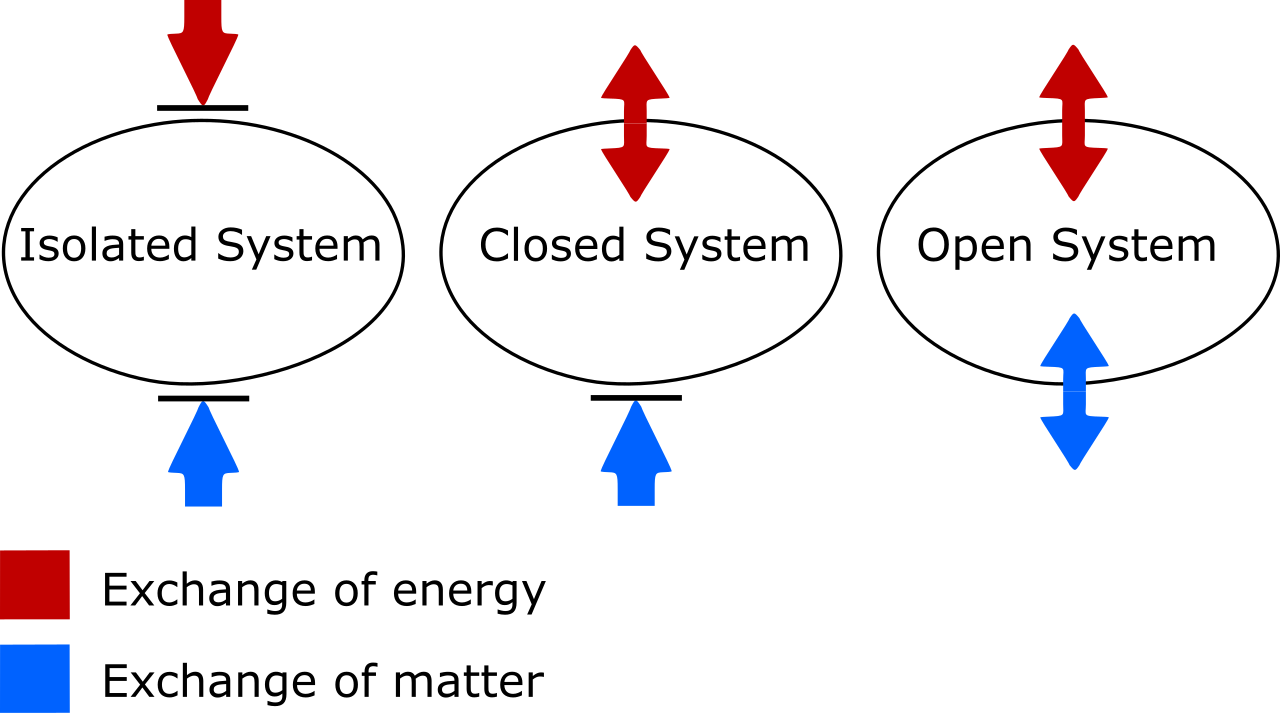
Imagine a financial transaction as a closed thermodynamic system: money flows from the policyholder to the insurer, and risk is transferred back. The entire system collapses without a conduit that conducts this exchange with absolute fidelity. In Texas, the insurance producer is that conduit. The Texas Department of Insurance (TDI) does not simply hand out permission to handle the public's financial security; it engineers a rigid framework of licensing, appointments, and continuous education to ensure every producer is both competent and trustworthy. Understanding this framework is not about memorizing bureaucratic trivia—it is about mastering the rules of engagement that legitimize your right to operate in the Texas insurance market.
Before you can advise a client or bind an insurer to a risk, you must prove to the State of Texas that you possess the baseline knowledge and character required to hold the public trust.
To apply for a Texas insurance producer license, an individual must be at least 18 years old. The application process acts as a filtering mechanism:
- You must submit a completed application to the Texas Department of Insurance.
- You must pay a nonrefundable application fee.
- You must submit fingerprints to TDI for a comprehensive criminal background check. The state verifies your history because you will be handling people's life savings and health security.
- You must pass a rigorous state licensing examination to prove your technical competency.

Once you cross this threshold and secure your license, you are granted a specific "Line of Authority." As a Texas Life and Health insurance producer, you are legally authorized to sell, solicit, or negotiate life insurance, annuities, and accident and health coverage.
Insurance is a national industry, and producers frequently move or do business across state lines. Texas accommodates this reality through a system of reciprocity and clear transitional rules.
Nonresident Licenses
A nonresident producer can obtain a Texas license if their home state awards nonresident licenses to Texas producers on a reciprocal basis. To qualify without taking the Texas state exam, a nonresident producer applicant must hold a valid insurance license in good standing in their home state for the exact same line of authority.
Moving to Texas
If you hold a resident license in another state and permanently relocate to Texas, the clock starts ticking. An applicant moving to Texas has 90 days after canceling their prior resident license to apply for a Texas resident license without taking the state exam. Miss that 90-day window, and you are starting from scratch as a brand-new applicant.
Sometimes, an agency needs a new recruit to start learning the ropes in the field immediately. For this, the Texas Department of Insurance can issue a temporary insurance agent license. Think of this as a learner's permit.
Key Rule of Temporary Licenses An applicant for a temporary Texas insurance license is not required to pass a state written examination. However, this privilege comes with strict limitations to protect the public.
- Sponsorship Required: The applicant must be sponsored by a licensed appointing insurance company or agent, who effectively takes responsibility for the temporary agent's actions.
- Strict Expiration: The temporary license remains valid for up to 90 days.
- No Renewals: A temporary Texas insurance producer license cannot be renewed once it expires. By the end of those 90 days, you must have passed the exam to transition to a permanent license.
Passing your exam and receiving a license from TDI simply means the state says you are qualified to sell insurance. It does not mean you have any products to sell.
A licensed Texas insurance producer cannot act as an agent of an insurer without an active appointment from that insurer. If the license is your driver's license, the appointment is the keys to a specific car.
When an insurer agrees to let you represent them, they must formalize this relationship:
- Creating the Appointment: An insurer must file a notice of appointment with the Texas Department of Insurance within 30 days of the appointment's effective date.
- Terminating the Appointment: If the relationship ends, the insurance company must send written notice of the termination to TDI within 30 days of terminating the agent's appointment.
- Notifying the Producer: After notifying TDI, the insurer must then provide a copy of the appointment termination notice to the insurance producer.
An insurance license is a living document. It requires continuous maintenance to remain valid.
First, TDI must always know who you are and where to find you. A licensed Texas insurance producer must notify the Texas Department of Insurance within 30 days of any change in the producer's legal name, and within 30 days of any change to the producer's residential or business address.
The Expiration Cycle
A Texas individual insurance producer license expires every two years on the last day of the licensee's birth month. To renew a Texas insurance license, a producer must pay a renewal fee and complete all continuing education (CE) requirements.
Continuing Education (CE) Mechanics
The insurance industry evolves rapidly—tax laws change, new medical treatments emerge, and financial products grow more complex. Texas demands that you keep up.
| CE Requirement | Details for Texas Producers |
|---|---|
| Total Hours | 24 hours of approved continuing education every two-year licensing period. |
| Classroom Requirement | At least 12 hours of the required 24 must be completed in a classroom or a classroom-equivalent setting. |
| Ethics Requirement | At least 3 hours must be dedicated to ethics and consumer protection. |
| Carryover Rules | CE hours cannot be carried over from one renewal period to the next. Use them or lose them. |
CE Penalties and Exemptions
If you fail to meet your CE requirements, the state does not immediately revoke your license, but they do penalize you financially. The Texas Department of Insurance imposes a fine of $50 per deficient continuing education hour, up to a maximum fine of $500 in a single renewal cycle.
A producer with an expired license cannot renew the license until all deficient continuing education hours are completed AND all continuing education fines are paid.
The 20-Year Exemption: Texas rewards absolute longevity and consistency. A producer continuously licensed under the Texas Insurance Code for at least 20 years may apply for an exemption from continuing education requirements. However, this 20-year streak of continuous licensure cannot include breaks in licensure greater than 90 days.
If you allow your license to expire, your path back to active status depends entirely on how long you wait. The longer you wait, the steeper the climb.
- Under 90 Days Expired: A producer can renew an expired Texas insurance license within 90 days after expiration by paying the renewal fee plus a late penalty.
- 91 Days to 1 Year Expired: A producer whose license has been expired for between 91 days and one year can obtain a new license without retaking the exam by paying a penalty fee.
- 1 Year or More Expired: If a Texas insurance license has been expired for one year or more, all grace periods vanish. The individual must submit a new application and retake the licensing exam, treating the process as if they had never been licensed at all.
The authority to sell insurance is a privilege, not a right. The Commissioner of Insurance serves as the ultimate gatekeeper and can revoke or suspend that privilege if a producer breaks the public trust.
However, the Commissioner cannot act arbitrarily. Before revoking or suspending a license, the Texas Department of Insurance must provide the licensee with notice and an opportunity for a hearing. This ensures constitutional due process.
If an individual's application is denied, or if their existing license is revoked, the penalty is severe: they cannot apply for an agent license for five years.
Grounds for Disciplinary Action
What triggers a suspension or revocation? The state primarily looks for actions that indicate a producer is financially untrustworthy, dishonest, or operating outside the law:
- Application Fraud: The Commissioner may deny, suspend, or revoke a license if an applicant obtained the license through fraud or misrepresentation, or if a producer intentionally makes material misstatements on the Texas license application.
- Financial Crimes: Misappropriating, converting, or illegally withholding money belonging to an insurer or insured is direct grounds for revocation. If you mix a client's premium payment with your own money, you will lose your license.
- Criminal Record: Conviction of a felony can result in the suspension or revocation of a license.
- Market Conduct: Engaging in unfair trade practices (such as twisting, rebating, or false advertising) is grounds for suspension or revocation.
- Document Fraud: Forging another person's name to an application for insurance can result in immediate disciplinary action.
- Civic Duty: Interestingly, the state leverages your professional livelihood to enforce civic responsibilities. The Commissioner of Insurance can discipline a Texas insurance producer for failing to pay child support.
By mastering these rules, you are not just preparing for a test—you are learning the exact parameters of the legal and ethical framework that will govern your entire professional career in Texas. Keep your appointments active, respect the 30-day reporting windows, stay ahead of your CE, and above all, treat the client's money and trust as sacred.