IP Types and Network Traffic
Not sure you’re ready?
Take the ~3-minute readiness diagnostic and see where you stand.
At the core of modern computing lies a deceptively simple problem: how do we guarantee that an electrical pulse generated in a server rack in Tokyo accurately reassembles as a readable email, a live video frame, or a secure financial transaction on a laptop in New York? The answer is not found in the physical cables, but in the strict choreography of the protocols that govern them. A network support technician does not merely plug in wires; they manage this choreography. To diagnose an application failure or secure a remote connection, one must look past the blinking lights of a switch and understand the exact mechanics of how data is shaped, encapsulated, and directed across the internet.
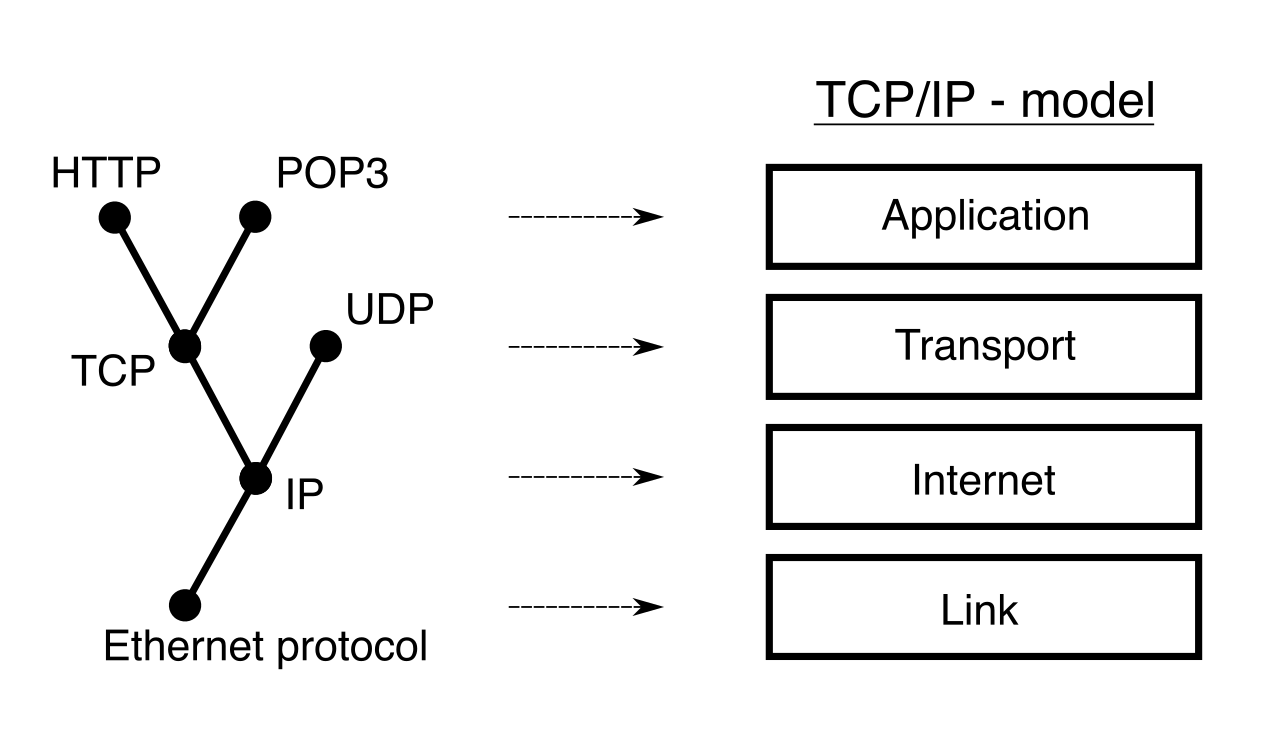
When an application wants to send data, it hands that data down the OSI model. Once it reaches the Transport layer, a fundamental decision must be made: does this data require guaranteed, meticulous delivery, or is speed the absolute priority?
Transmission Control Protocol (TCP): The Meticulous Courier
Transmission Control Protocol operates at the Transport layer of the OSI model and acts as the internet's registered mail system. It is heavily utilized where accuracy is non-negotiable—most notably, Transmission Control Protocol is commonly used for file transfers and web browsing.
To achieve this reliability, TCP invests heavily in setup and maintenance:
- The Three-Way Handshake: Before a single byte of application data is sent, Transmission Control Protocol uses a three-way handshake (SYN, SYN-ACK, ACK) to establish a reliable connection. It sets up a formal session between client and server.
- Acknowledgments: Transmission Control Protocol requires acknowledgments for received packets to guarantee data delivery. If the sender does not receive an acknowledgment within a specific timeframe, it retransmits the data.
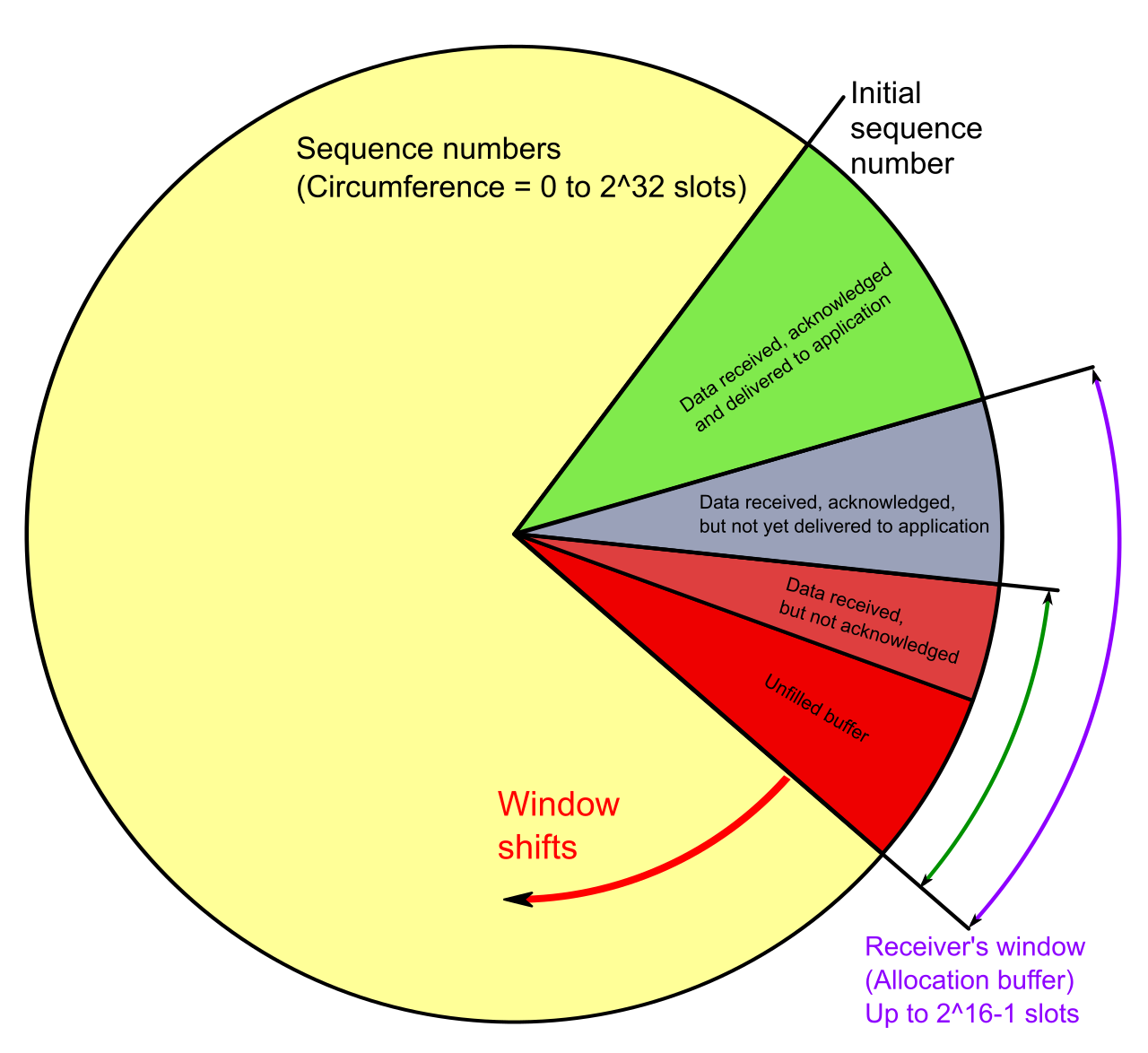
- Sequence Numbers: Because packets might take different paths across the internet and arrive out of order, Transmission Control Protocol uses sequence numbers to ensure packets are reassembled in the correct order at the destination.
- Flow Control: If a high-powered server tries to send data to a struggling legacy switch, Transmission Control Protocol utilizes flow control mechanisms to prevent a sender from overwhelming a receiver with data.
All of this accounting requires extra data. A standard Transmission Control Protocol header adds twenty bytes of overhead to a packet.
User Datagram Protocol (UDP): The Firehose
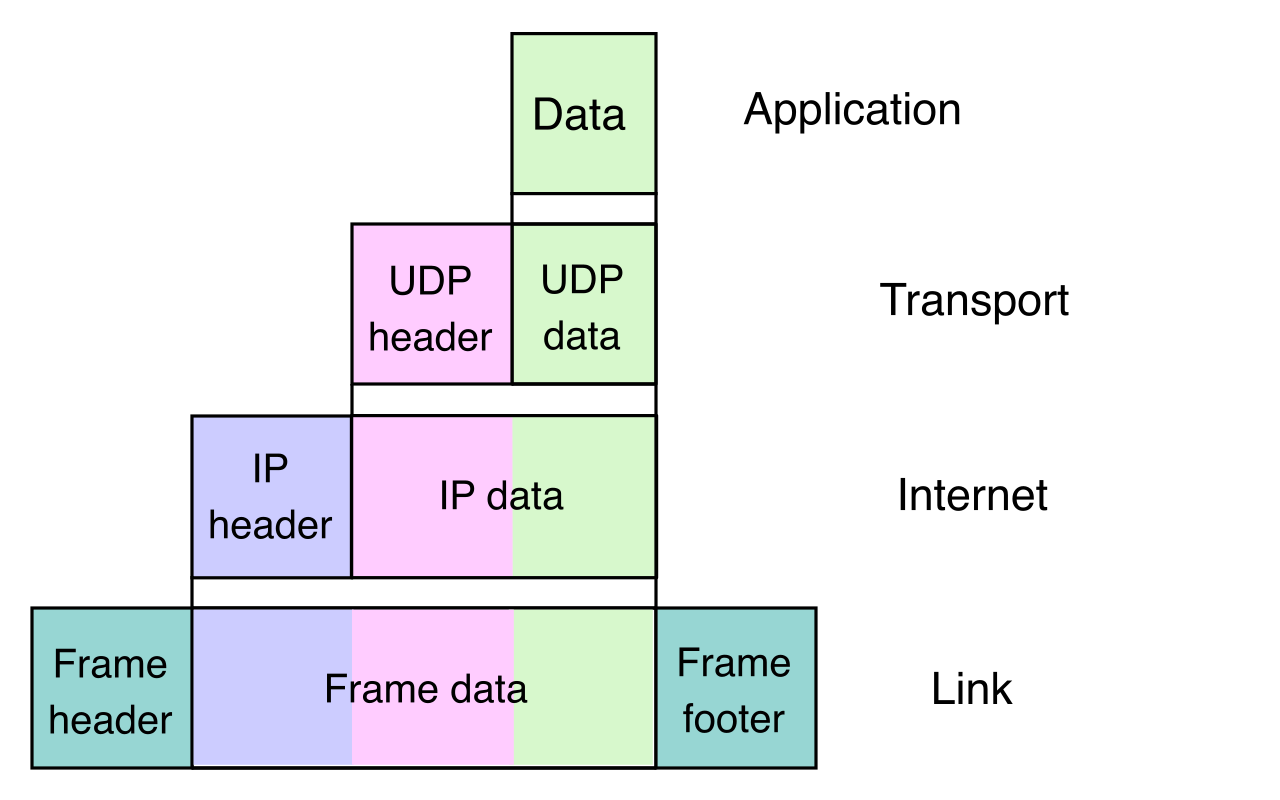
In contrast, User Datagram Protocol operates at the Transport layer of the OSI model but strips away the accounting in favor of raw speed.
User Datagram Protocol is a connectionless protocol that transmits data without establishing a formal session. It simply starts sending. Because there is no session tracking, User Datagram Protocol does not provide guaranteed data delivery and does not use sequence numbers for packet reassembly. If a packet is lost, it is gone forever.
Why use a protocol that drops data? Because in time-sensitive applications, a delayed packet is worse than a dropped packet. User Datagram Protocol is preferred for real-time applications where speed is prioritized over reliability. As an IT professional, you will see User Datagram Protocol is commonly used for voice over IP (VoIP) communications and live video streaming. Missing a single pixel in a video frame is barely noticeable; waiting three seconds for TCP to retransmit it causes a buffering nightmare.
Because it lacks the control mechanisms of TCP, User Datagram Protocol has lower overhead than Transmission Control Protocol. Specifically, a standard User Datagram Protocol header adds exactly eight bytes of overhead to a packet.
Internet Control Message Protocol (ICMP): The Network's Stethoscope
While TCP and UDP carry application data, the network itself needs a way to communicate its own health. Internet Control Message Protocol operates at the Network layer of the OSI model.
Instead of carrying webpages or video streams, Internet Control Message Protocol is used by network devices to send error messages and operational information (such as "Destination Unreachable" or "Time Exceeded"). Crucially, because it operates strictly at the Network layer, Internet Control Message Protocol does not use transport layer port numbers.
Every network technician relies on ICMP daily through two foundational utilities:
- ping: The ping utility relies on Internet Control Message Protocol echo request messages to test network reachability. When the destination receives the request, the ping utility relies on Internet Control Message Protocol echo reply messages to confirm network reachability.
- traceroute: When you need to see the exact hops a packet takes, the traceroute utility uses Internet Control Message Protocol messages to identify the network path taken by packets.
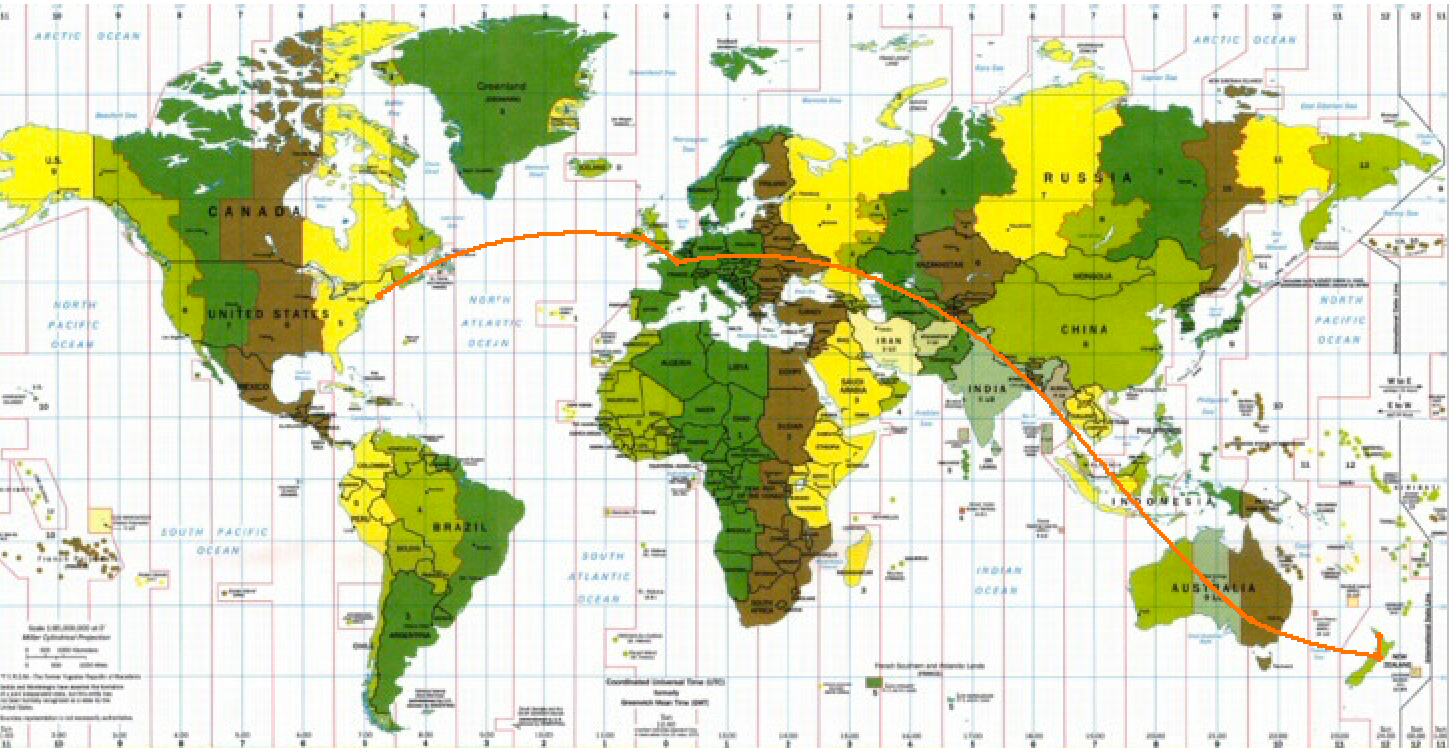
Understanding how protocols operate is only half the battle; we must also understand the shape of the traffic. Network communication is defined by how many receivers are intended for a single transmission.
Unicast Unicast traffic flows from a single transmitting device to a single specific receiving device. It is a private, one-to-one conversation. Most standard web browsing traffic utilizes unicast communication.
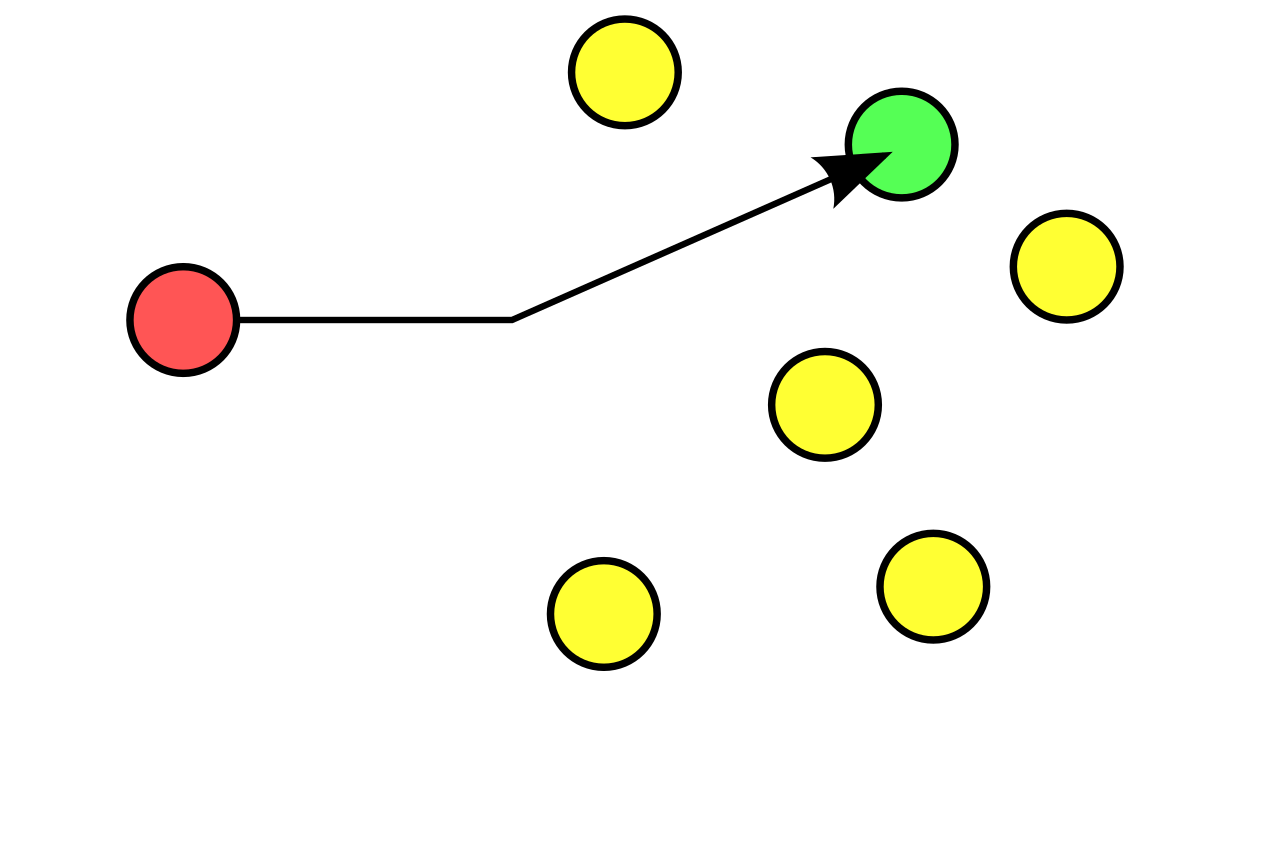
Broadcast Broadcast traffic flows from a single transmitting device to all devices on the same local network segment. Think of this as shouting into a crowded room. Because broadcasts consume resources on every host that hears them, routers do not forward broadcast traffic to other networks by default; they contain the "shouting" to the local subnet. In legacy systems, the IPv4 address 255.255.255.255 represents the limited broadcast address for a local network.
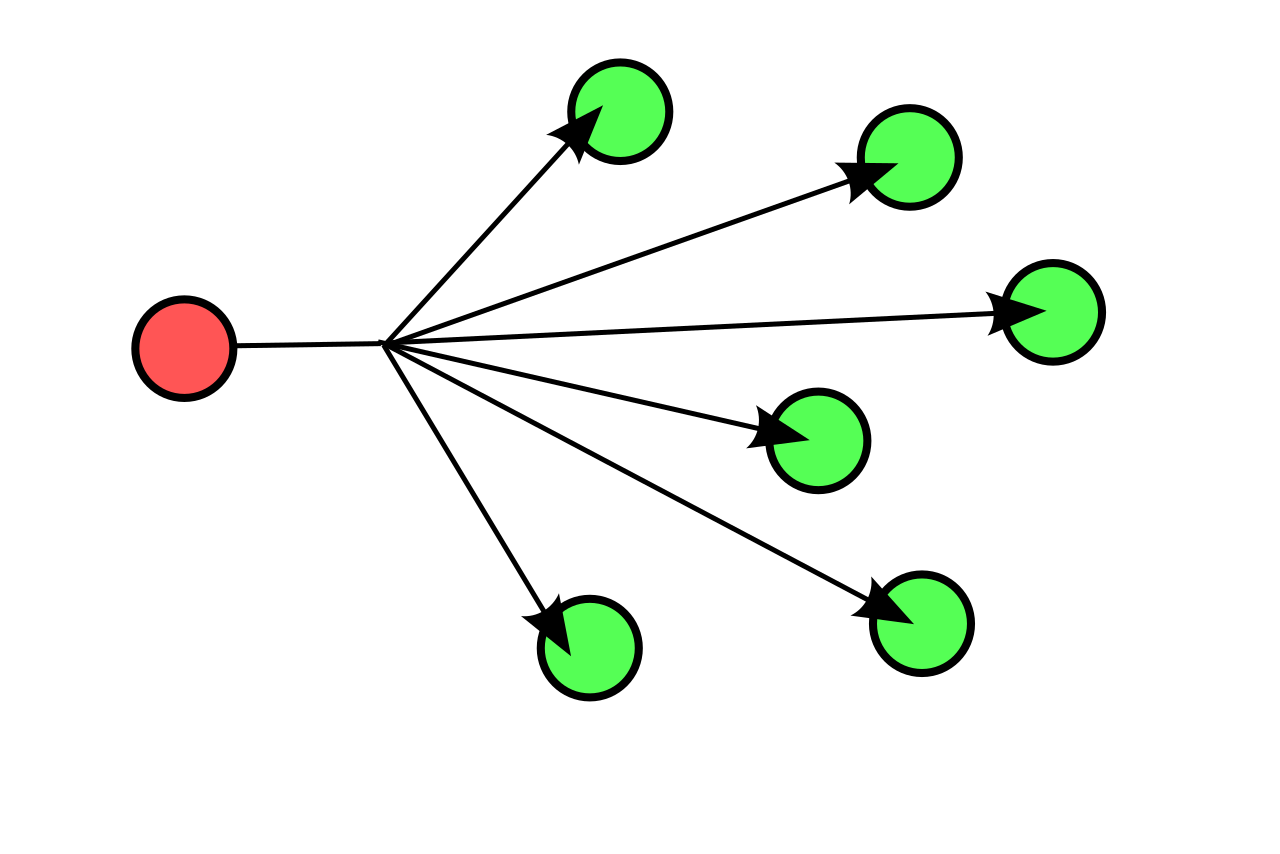
Multicast What if you want to stream a corporate CEO's video address to 500 employees, but you don't want to consume the bandwidth of sending 500 individual unicast streams, nor do you want to broadcast it to devices that don't need it? You use multicast. Multicast traffic flows from a single transmitting device to a specific group of subscribing receivers. It works like a radio station: multicast communication allows a single packet transmission to reach multiple destinations simultaneously, but only if they have tuned into the frequency. IPv4 uses the Internet Group Management Protocol (IGMP) to manage multicast group memberships. It is so efficient that IPv6 uses multicast traffic to replace the broadcast functionality found in IPv4 entirely.
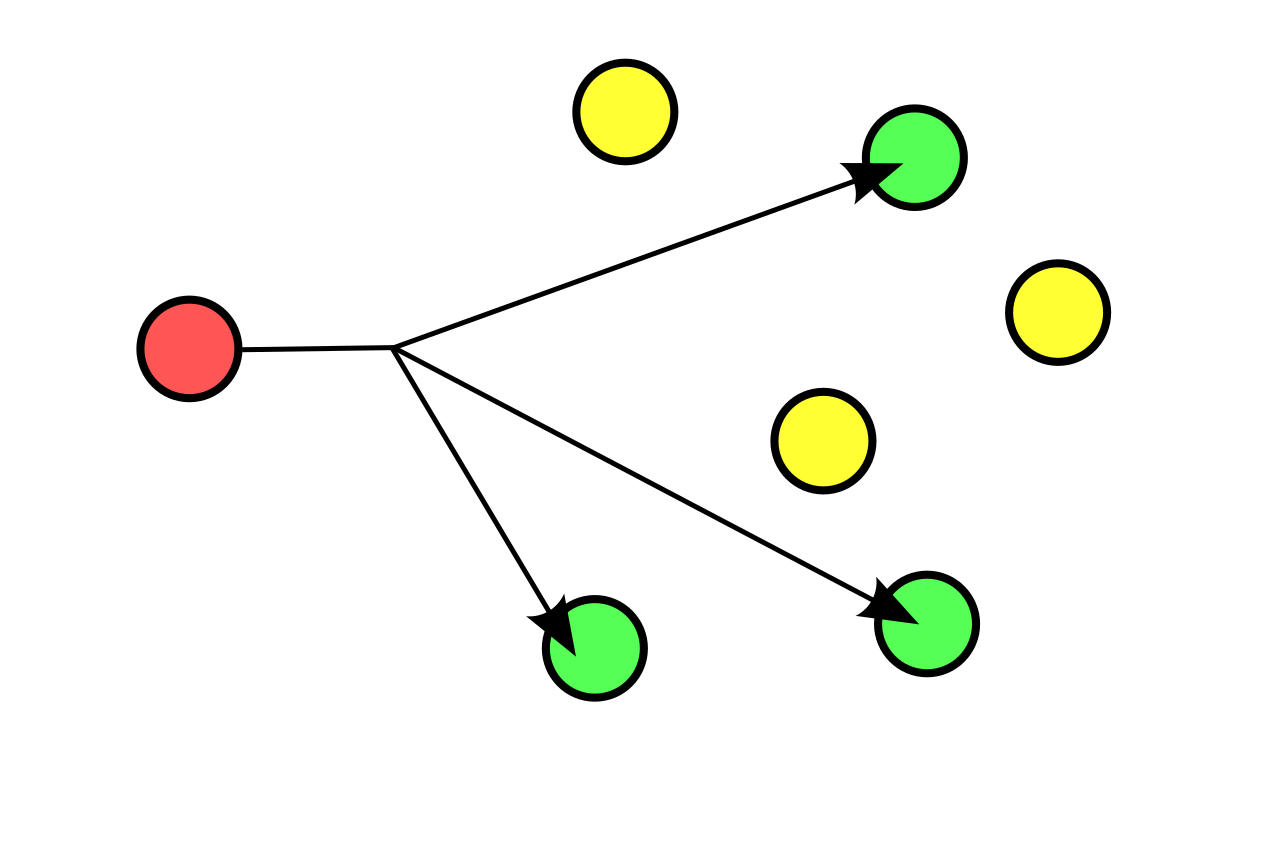
Anycast If you dial an emergency number like 911, you don't care which specific operator answers; you just want the closest available operator. Anycast works the same way. Anycast traffic flows from a single transmitting device to the topologically nearest receiver within a group of devices. To make this work, Anycast receivers within a specific group share the same destination IP address. Because it automatically routes users to the nearest geographical server, Anycast routing is commonly used by Content Delivery Networks (CDNs) to optimize response times, and is commonly used by Domain Name System (DNS) root servers to optimize response times.
When connecting distinct physical networks over the public internet, routing standard packets isn't enough. We have to encapsulate data into tunnels.
Generic Routing Encapsulation (GRE): The Universal Envelope
Generic Routing Encapsulation is a tunneling protocol originally developed by Cisco. It acts as an envelope. Generic Routing Encapsulation encapsulates network layer protocols to create virtual point-to-point links over an IP network.
GRE is incredibly flexible. Unlike many other tunneling protocols, Generic Routing Encapsulation can encapsulate multicast traffic and can encapsulate broadcast traffic. This is vital if you are running routing protocols like OSPF between two remote sites, as OSPF relies on multicast.
However, GRE has a massive security flaw: the envelope is transparent. Generic Routing Encapsulation natively lacks data encryption capabilities. Anyone inspecting the traffic on the public internet can read the contents. Therefore, Generic Routing Encapsulation is frequently combined with IPsec to create secure Virtual Private Network (VPN) tunnels. GRE handles the complex routing of multicast/broadcast traffic, while IPsec provides the armor.
Internet Protocol Security (IPSec): The Armored Convoy
Internet Protocol Security operates at the Network layer of the OSI model to secure data communications. IPSec is not a single protocol, but a massive suite of security controls that can operate in two distinct modes depending on your topology:
- Internet Protocol Security Transport mode encrypts only the payload of an IP packet, leaving the original IP headers intact. This is often used for host-to-host communications.
- Internet Protocol Security Tunnel mode encapsulates and encrypts the entire original IP packet, adding a brand new IP header. This is the standard mode used for site-to-site VPNs.
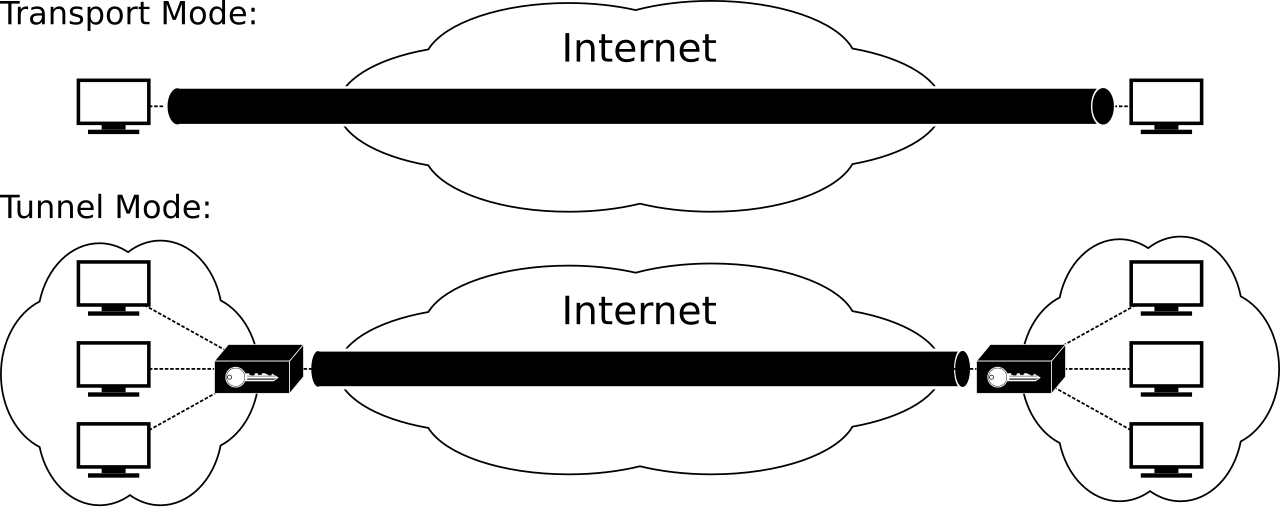
To make these secure modes function, IPSec relies on three core protocol components working in tandem:
1. Authentication Header (AH)
Authentication Header is a core component protocol of the Internet Protocol Security suite. Its primary job is to prove the packet has not been tampered with and comes from a legitimate source.
- Authentication Header provides data integrity for IP packets (via hashing).
- Authentication Header provides data origin authentication for IP packets.
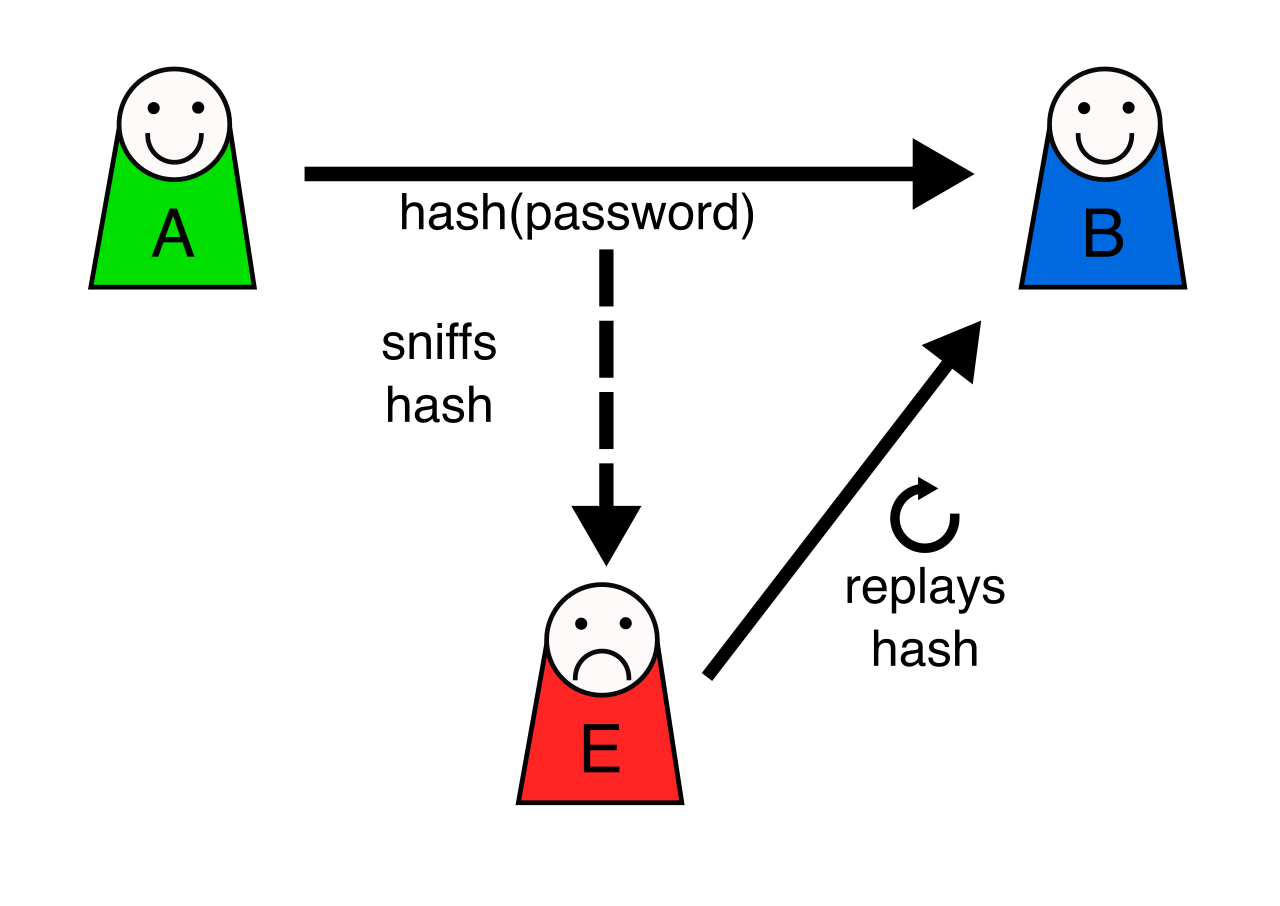
- Authentication Header utilizes sequence numbers to protect against replay attacks, preventing a hacker from capturing a valid packet and resending it later to spoof authentication.
- Crucial limitation: Authentication Header does not encrypt the data payload. It is an anti-tamper seal, not a lockbox.
2. Encapsulating Security Payload (ESP)
To actually hide the data, IPSec uses ESP. Encapsulating Security Payload is a core component protocol of the Internet Protocol Security suite.
- Encapsulating Security Payload provides confidentiality by encrypting the data payload of an IP packet.
- Like AH, Encapsulating Security Payload provides data integrity for the encrypted payload.
- Encapsulating Security Payload provides authentication for the encrypted payload.
3. Internet Key Exchange (IKE)
Before AH and ESP can do their jobs, the two endpoints must agree on how they are going to secure the traffic. They need a secure way to establish rules and exchange keys. Internet Key Exchange is a protocol used within the Internet Protocol Security suite.
- Internet Key Exchange authenticates IPsec peers.
- Internet Key Exchange negotiates cryptographic keys for IPsec sessions.
IKE operates in a highly structured two-step process:
- Internet Key Exchange Phase 1 establishes a secure communication channel between IPsec peers. Think of this as building a secure, bulletproof tent over the negotiators so they can talk privately.
- Once Phase 1 is up, Internet Key Exchange Phase 2 negotiates the IPsec Security Associations (SAs) used to secure data traffic. Inside the safe tent, the negotiators agree on exactly which encryption algorithms and keys to use for the actual data flowing over ESP or AH.
Mastering these protocols transforms a network from a confusing jumble of wires into a logical, controllable highway. By recognizing when to use TCP's reliability versus UDP's speed, when to route via Unicast or Anycast, and how to securely bridge networks using GRE and IPSec, you move from simply monitoring the network to truly engineering it.