Legal System, Courts and Precedent
A client walks into your office with a dispute worth £8,000, another with a criminal charge that could mean prison, and a third seeking judicial review of a council's housing decision. Before you can advise any of them, you must answer a prior question: which court, and which judge, actually has the power to decide? The architecture of the courts of England and Wales is not administrative trivia — it is the map that determines where a case starts, who it binds, and how far it can be appealed. Understanding that map, and the doctrine that makes decided cases binding on future ones, is the foundation on which every other area of practice sits.
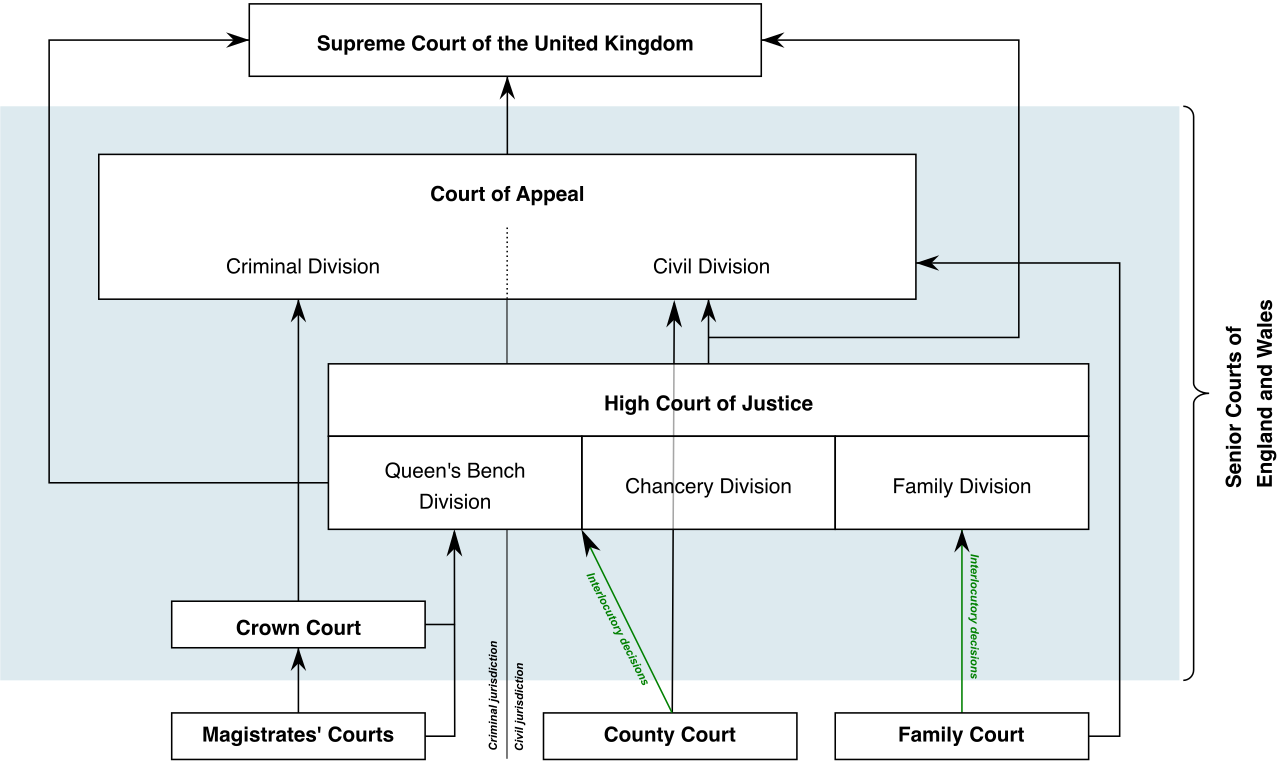
England and Wales operates a single, layered court structure that handles both civil and criminal work, with specialist tribunals sitting alongside it. The hierarchy matters for two connected reasons: it fixes rights of appeal, and it fixes precedent — a court is generally bound by the decisions of the courts above it.
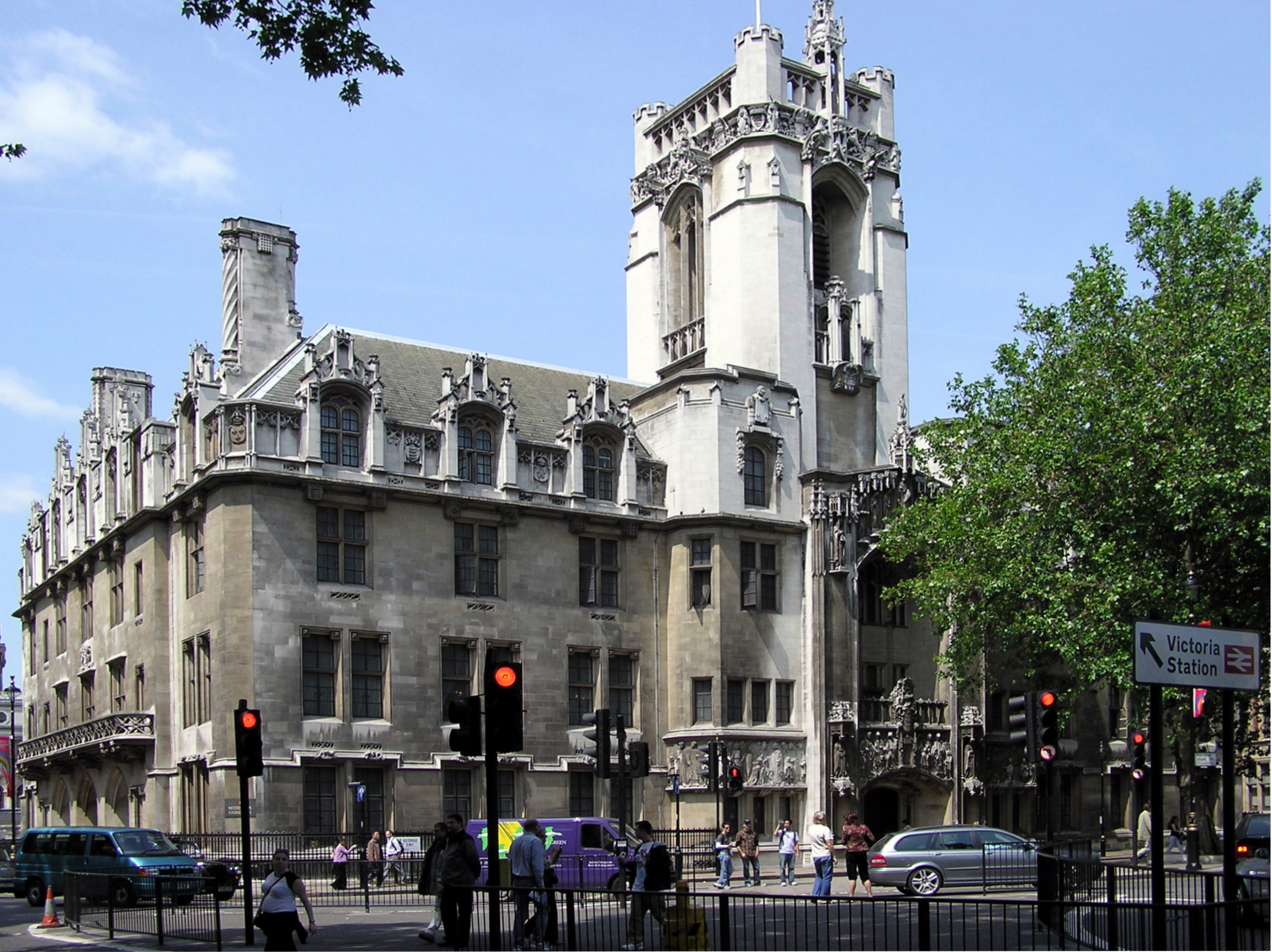
The UK Supreme Court
At the apex sits the UK Supreme Court, the final appellate court for civil cases from England, Wales, Northern Ireland, and Scotland, and for criminal cases from England, Wales, and Northern Ireland (Scottish criminal appeals stop at the High Court of Justiciary). It began operating in October 2009, replacing the Appellate Committee of the House of Lords — the "Law Lords" — as the final court of appeal.
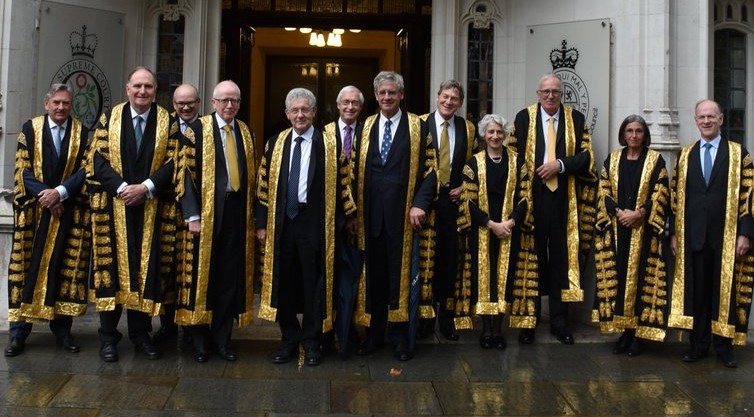
The Constitutional Reform Act 2005 created the UK Supreme Court and established the Judicial Appointments Commission.
Why bother physically relocating the final court of appeal out of the legislature? Because a court that sits inside the upper chamber of Parliament, staffed by judges who are also legislators, blurs the line between making law and interpreting it. Moving the judicial function into a separate building with separate judges reinforced the constitutional principle of the separation of powers between the judiciary and Parliament — a structural statement that judging is not legislating.

The Supreme Court is composed of 12 Justices, one of whom serves as President. A closely related but distinct body — the Judicial Committee of the Privy Council — hears final appeals not from courts of England and Wales, but from certain Commonwealth countries and UK overseas territories. Because it is not part of the domestic hierarchy, its decisions are not binding on courts of England and Wales, though — often staffed by the same Justices applying the same reasoning — they can be highly persuasive.
The Court of Appeal
Below the Supreme Court sits the Court of Appeal, split into two divisions that never overlap in function:
| Division | Head | Hears appeals from |
|---|---|---|
| Civil Division | Master of the Rolls | High Court, County Court, certain tribunals |
| Criminal Division | Lord Chief Justice | Crown Court, against conviction or sentence |
The Lord Chief Justice is also head of the judiciary of England and Wales as a whole — the senior judicial office beneath which every other judicial appointment sits.
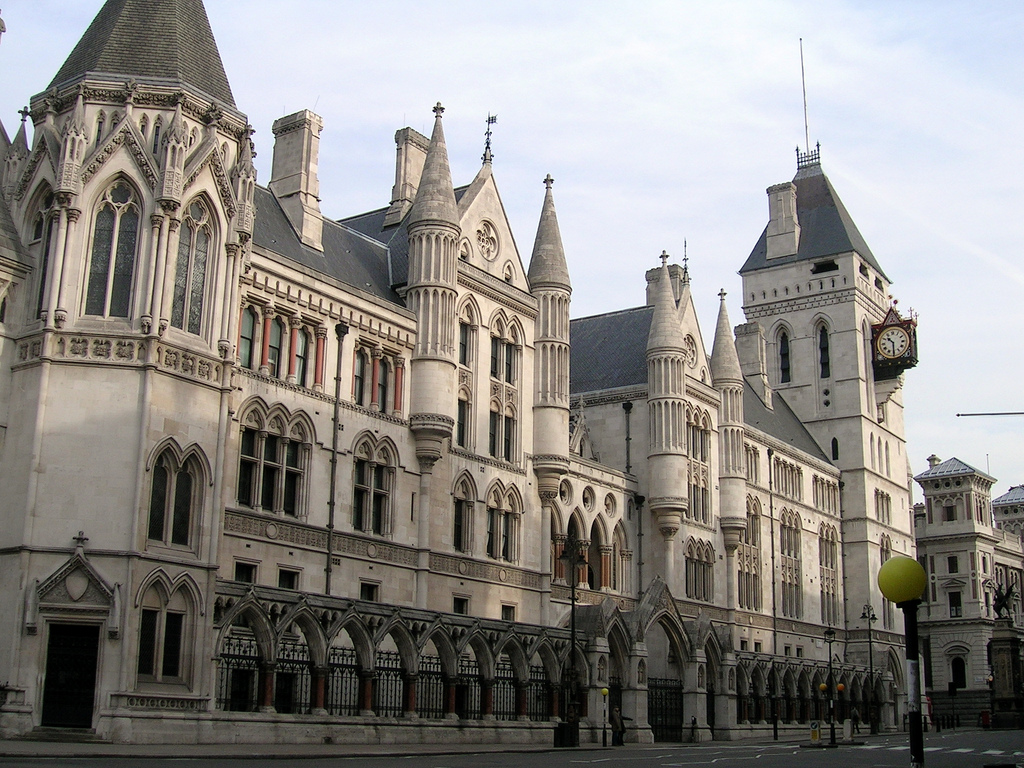
The High Court of Justice
The High Court sits at first instance for civil claims that exceed the jurisdiction of the County Court — the higher-value, higher-complexity end of civil litigation — and is organised into three divisions, each with its own specialist gravity:
- King's Bench Division (KBD) — contract, tort, and general civil claims, plus specialist courts including the Commercial Court and the Administrative Court. The Administrative Court is where a claimant seeks judicial review of a decision made by a public body — precisely the kind of claim your third client above would need.
- Chancery Division — property, trusts, insolvency, probate, and intellectual property.
- Family Division — complex family law matters, including wardship and international child abduction.
When two or more High Court judges sit together — typically to hear an appeal by way of case stated or a judicial review application — they form a Divisional Court. This matters for precedent: a Divisional Court's decisions bind single High Court judges sitting alone, even though, as we'll see, High Court judges are not strictly bound by each other's individual decisions.
The Crown Court, County Court, and Magistrates' Court
The Crown Court tries indictable and either-way criminal offences before a judge and jury, and also hears appeals from the Magistrates' Court against conviction or sentence — heard, in that appellate role, by a judge sitting with lay magistrates rather than a jury.
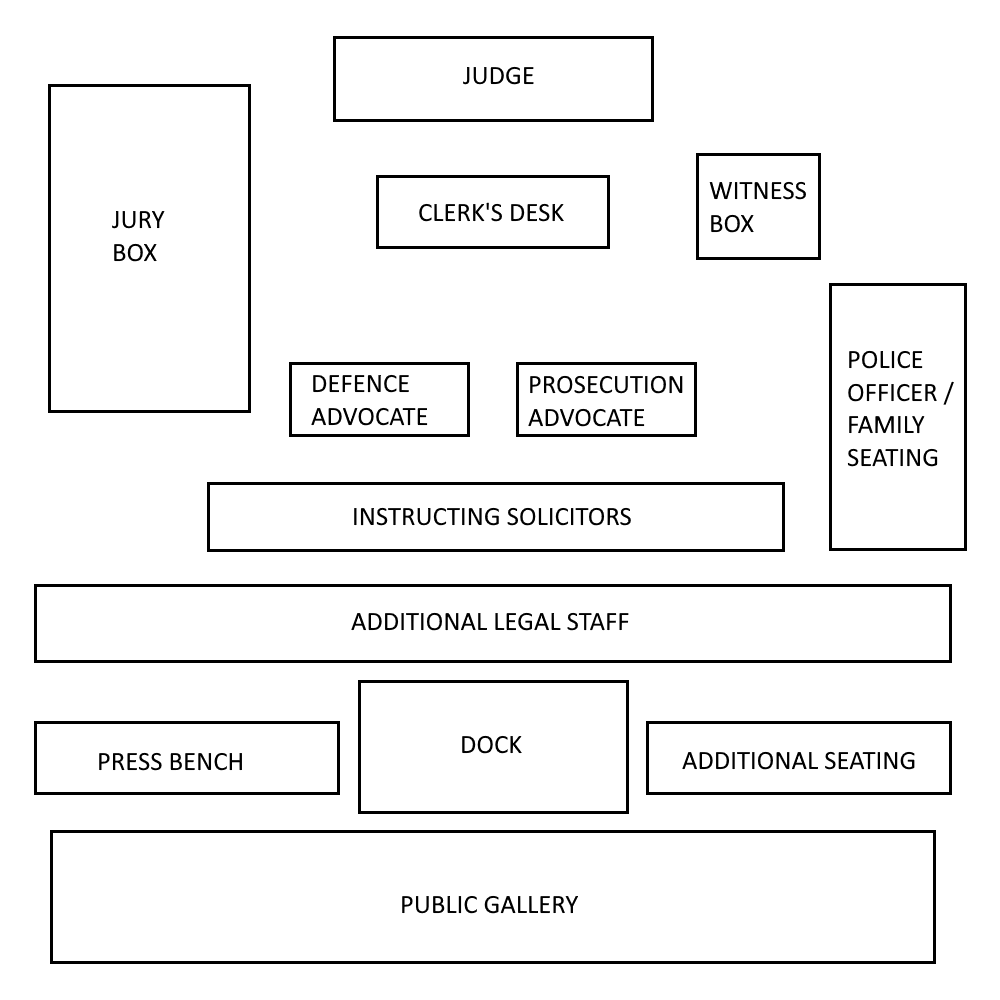
The County Court handles most civil claims — contract, tort, property disputes — at first instance, occupying the volume end of civil litigation below the High Court's threshold.
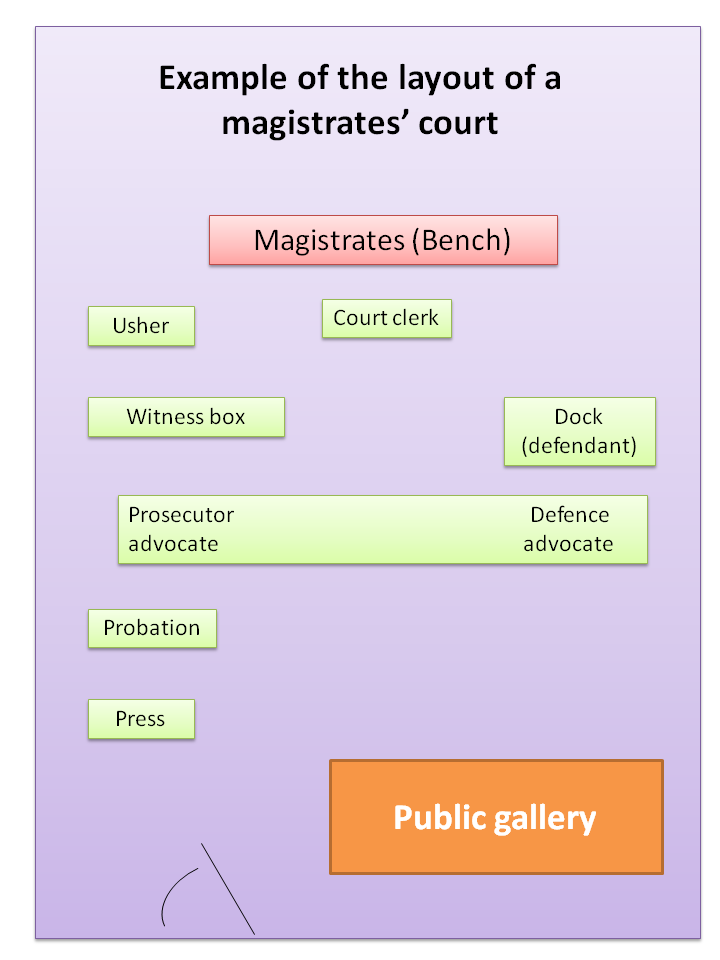
The Magistrates' Court tries summary criminal offences and conducts the summary trial of either-way offences where the defendant elects magistrates' trial or the court retains jurisdiction. It also carries some civil and family jurisdiction, including certain licensing matters.
Specialist Courts and Tribunals
Several courts and tribunals sit outside — or run parallel to — this ordinary hierarchy:
- The Family Court is a single unified tier dealing with most family proceedings: divorce, financial remedy, child arrangements.
- The Coroner's Court investigates the cause of death in cases of sudden, violent, or unexplained death, or death in state custody.
- Employment Tribunals hear first-instance claims such as unfair dismissal and discrimination, structurally separate from the ordinary civil courts.
- The First-tier Tribunal and Upper Tribunal hear specialist statutory appeals — tax, immigration — again outside the ordinary court structure. Appeals from the Upper Tribunal generally proceed to the Court of Appeal, which is where the tribunal system rejoins the mainstream hierarchy.
Judicial appointment in England and Wales is designed to be insulated from political patronage. The Judicial Appointments Commission selects candidates on merit through an independent, non-political process; judges of the Supreme Court, Court of Appeal, and High Court are then formally appointed by the monarch on the recommendation of the Lord Chancellor, following that selection.
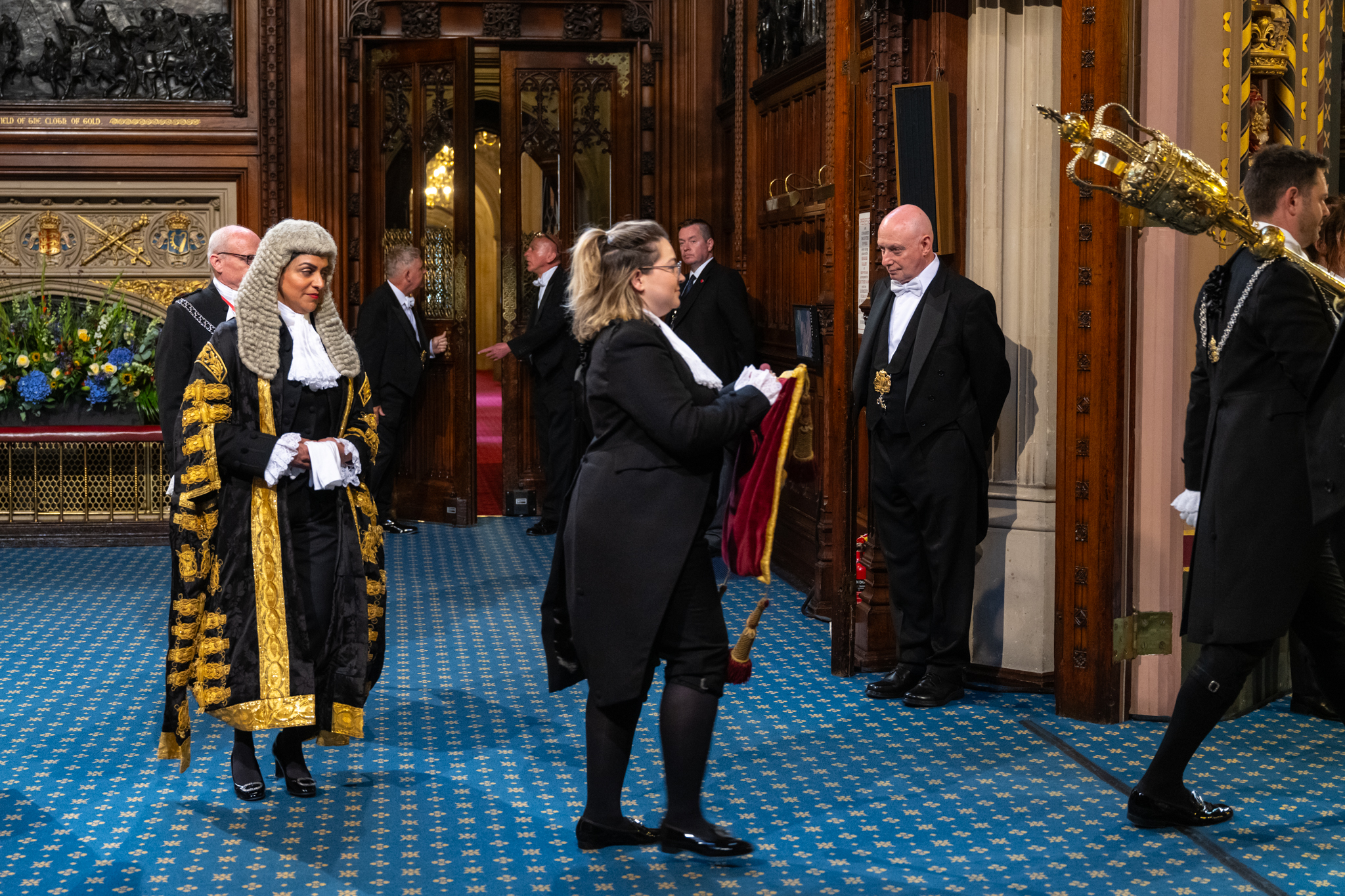
Judicial rank, from senior to junior, tracks the court hierarchy closely:
Lord and Lady Justices of Appeal (Court of Appeal) → Puisne judges (High Court) → Circuit judges (Crown Court and County Court, more serious matters) → District judges (County Court and Magistrates' Court, less complex matters)
Two further categories sit alongside this ladder rather than on it. Recorders are part-time judges who sit mainly in the Crown Court and County Court while continuing to practise as barristers or solicitors — a foothold on the judicial career path without leaving practice. Lay magistrates (Justices of the Peace) are unpaid volunteers who try the majority of criminal cases in the Magistrates' Court, usually sitting as a bench of three; by contrast, District Judges (Magistrates' Courts) are salaried, legally qualified judges who sit alone, doing similar work through a completely different professional route.
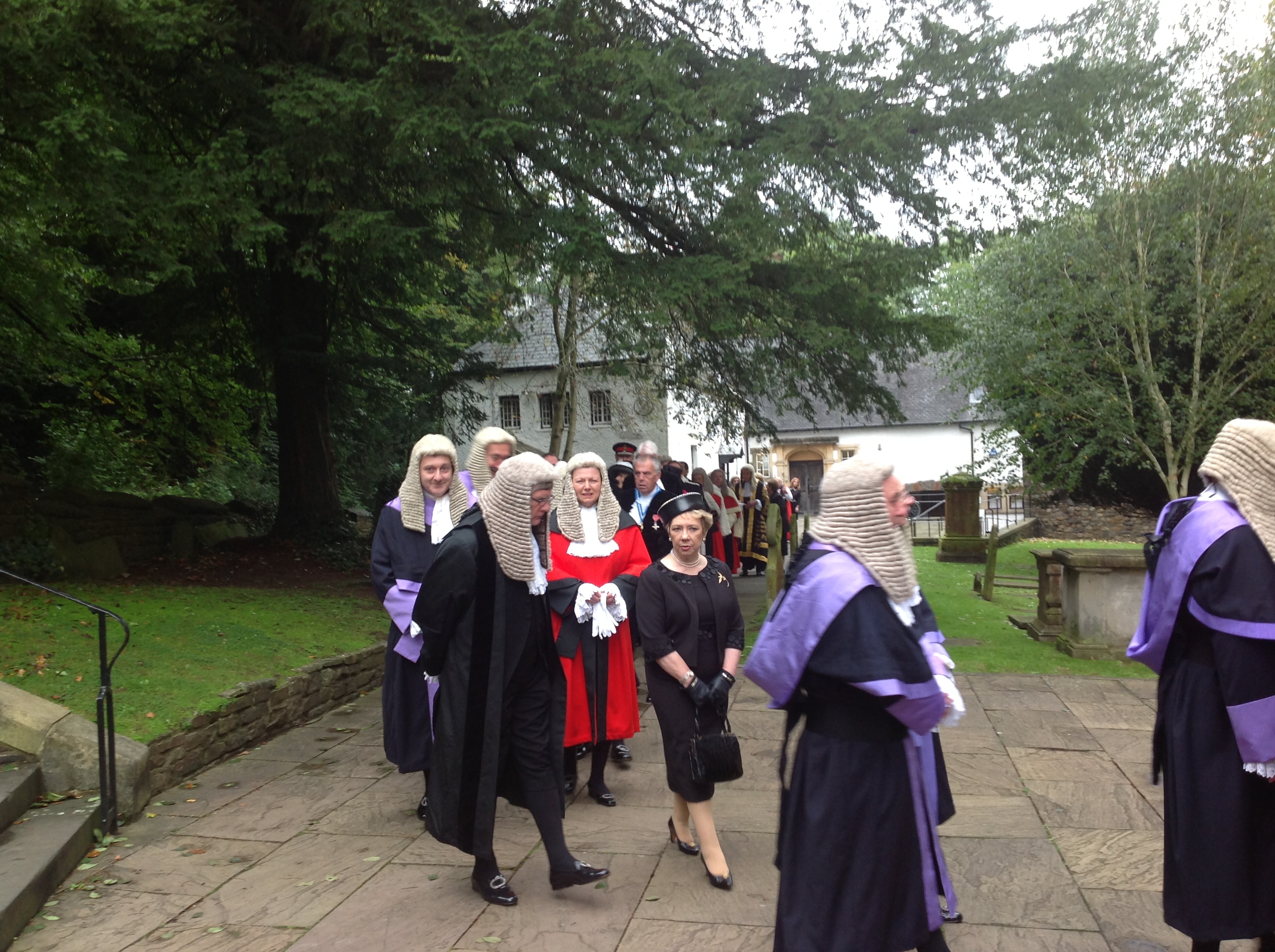
Underpinning all of this is judicial independence: judges must decide cases free from interference by the executive, the legislature, or outside parties. Security of tenure for senior judges — the practical inability to remove them for making an unpopular decision — is the mechanism that protects that independence. A judge who could be sacked for an inconvenient ruling is not deciding cases independently at all.
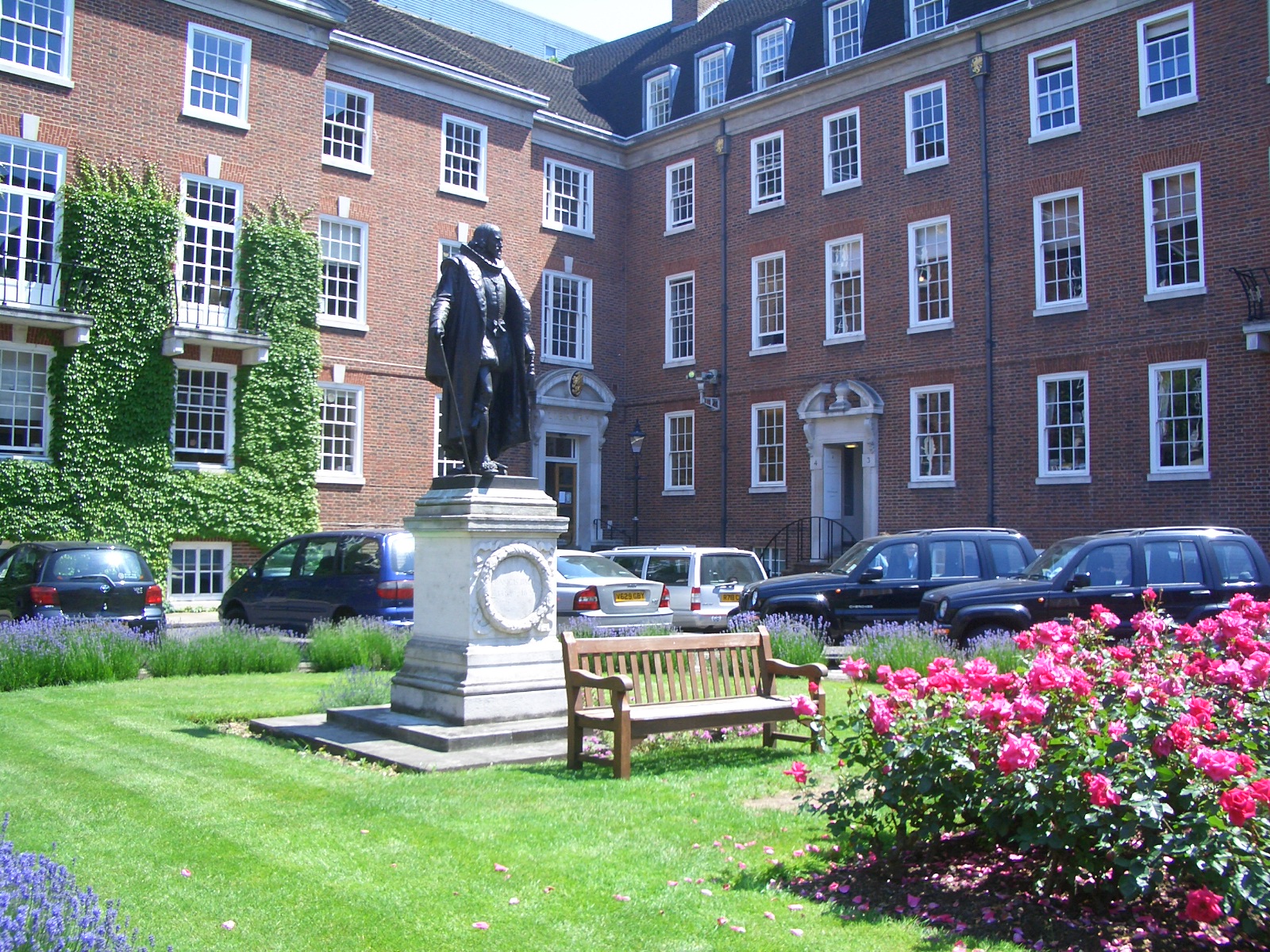
A right of audience is the right to appear and conduct proceedings in a court on behalf of a client, and it is regulated by the Legal Services Act 2007, which governs the provision of legal services in England and Wales generally.
The default position differs sharply by profession:
- Solicitors automatically hold rights of audience in the County Court, the Magistrates' Court, and the Family Court for most proceedings — but not automatically in the higher courts (Crown Court, High Court, Court of Appeal, Supreme Court). A solicitor who wants to appear there must obtain Higher Rights of Audience through additional qualification, becoming a solicitor-advocate.
- Barristers traditionally hold rights of audience in all courts of England and Wales upon call to the Bar and completion of pupillage.
- Authorised litigators and other authorised persons under the 2007 Act may also be granted rights of audience by an approved regulator.
For a newly qualified solicitor, this is not abstract: it is the difference between confidently advising a client that you can run their County Court trial yourself, and needing to instruct counsel — or pursue Higher Rights — before you can stand up in the Crown Court on their behalf.
The Basic Idea
Stare decisis — Latin for "to stand by things decided" — is the doctrine requiring courts to follow the legal reasoning of relevant earlier decisions in later cases with materially similar facts. It operates in two directions:
Vertical stare decisis: a court must follow the binding decisions of courts above it in the hierarchy. Horizontal stare decisis: the extent to which a court is bound by its own previous decisions, or those of courts of equivalent standing.
![The headnote of Wilkinson v Downton [1897], the kind of law report from which later courts must extract the binding ratio decidendi while treating the rest as non-binding obiter.](https://cdn.theonlyever.com/lectures/topic-images/2b7fbf1c0d304a866cc578071b880b72c8ebc8cd2ba838ae779924adb5cd796d.png)
The doctrine only bites on part of a judgment. The ratio decidendi — the legal principle or rule that formed the basis of the court's decision — is the part capable of binding later courts. Everything else a judge says, however eloquent, is obiter dicta: persuasive but not binding. A dissenting judgment — the opinion of a judge who disagrees with the majority — has no binding effect either, though it too may be persuasive, and has occasionally shaped the law decades later.
For a precedent to bind a later court, two conditions must both be satisfied: the earlier decision must come from a court of equal or higher standing, and the material facts of the later case must be sufficiently similar to those of the earlier one. This is precisely the skill SQE1 tests in scenario questions — identify the deciding court's rank, isolate the ratio, then compare facts.
How Each Court Treats Its Own Past Decisions
This is where the hierarchy from the first section becomes operationally important.
The Supreme Court is generally bound to follow its own previous decisions and those of the House of Lords — but with a crucial escape hatch. The 1966 Practice Statement, announced by Lord Gardiner LC on 26 July 1966 on behalf of the House of Lords, allows the House of Lords (and now the Supreme Court) to depart from a previous decision of its own when it appears right to do so.
The Practice Statement recognised that too rigid an adherence to precedent may lead to injustice in a particular case and unduly restrict the proper development of legal principles — a direct acknowledgment that a doctrine built for certainty can, taken too far, entrench error.
The Supreme Court exercises this power to depart from its own past decisions sparingly, precisely because the whole value of the doctrine — legal certainty — would evaporate if the final court reopened settled points routinely.
The Court of Appeal is generally bound by its own previous decisions, as established in Young v Bristol Aeroplane Co Ltd (Court of Appeal Civil Division, 1944). That case carved out three specific exceptions:
- Where two of its own past decisions conflict, the Court of Appeal may choose which one to follow.
- The Court of Appeal must refuse to follow its own past decision if that decision cannot stand with a later decision of the Supreme Court or House of Lords.
- The Court of Appeal need not follow its own past decision if it was reached per incuriam — decided without the court considering a relevant statute or binding precedent that would have affected the outcome.
The Criminal Division applies these exceptions with additional flexibility, because a defendant's liberty may be at stake — a rare case where the doctrine's rigidity is deliberately softened by the stakes involved.
It might seem tempting for the Court of Appeal to borrow the Supreme Court's 1966 flexibility for itself. In Davis v Johnson, the House of Lords shut that door: it confirmed the Court of Appeal remains bound by its own decisions and expressly rejected extending the Practice Statement's flexibility down to that level. Certainty at the intermediate appellate court, the House of Lords held, mattered more than case-by-case flexibility.
The High Court occupies a middle position: it is not strictly bound by its own previous decisions at the same level, but will normally follow them to promote certainty. Decisions of the High Court do, however, bind the County Court, the Magistrates' Court, and the Crown Court, which sit below it.
The Crown Court, County Court, and Magistrates' Court create no binding precedent at all. The Crown Court's decisions are not reported in a way that could bind other courts, and the County Court and Magistrates' Court simply sit at the bottom of the hierarchy — first-instance workhorses, not sources of law.
The Mechanics of Escaping or Creating Precedent
Several distinct techniques let courts navigate around — or create — binding authority:
- Distinguishing: a court avoids an otherwise binding precedent by identifying material differences in the facts of the current case. This is available to any court, at any level, and is the everyday escape valve.
- Overruling: a higher court, in a later and different case, states that a legal principle from an earlier case was wrongly decided.
- Reversing: a higher court overturns the decision of a lower court in the same case, on appeal.
The distinction is easy to blur but important to keep straight: overruling operates on a legal principle established in a separate case; reversing operates on the outcome of the very case under appeal.
- Original precedent is created when a court decides a point of law for which no previous binding authority exists at all — genuinely new legal ground.
- Persuasive precedent covers a wider set of sources a court may consider but is never obliged to follow: obiter dicta, decisions of lower courts, decisions of the Judicial Committee of the Privy Council, and decisions of courts in other common law jurisdictions. A court may adopt the reasoning, but nothing compels it to.
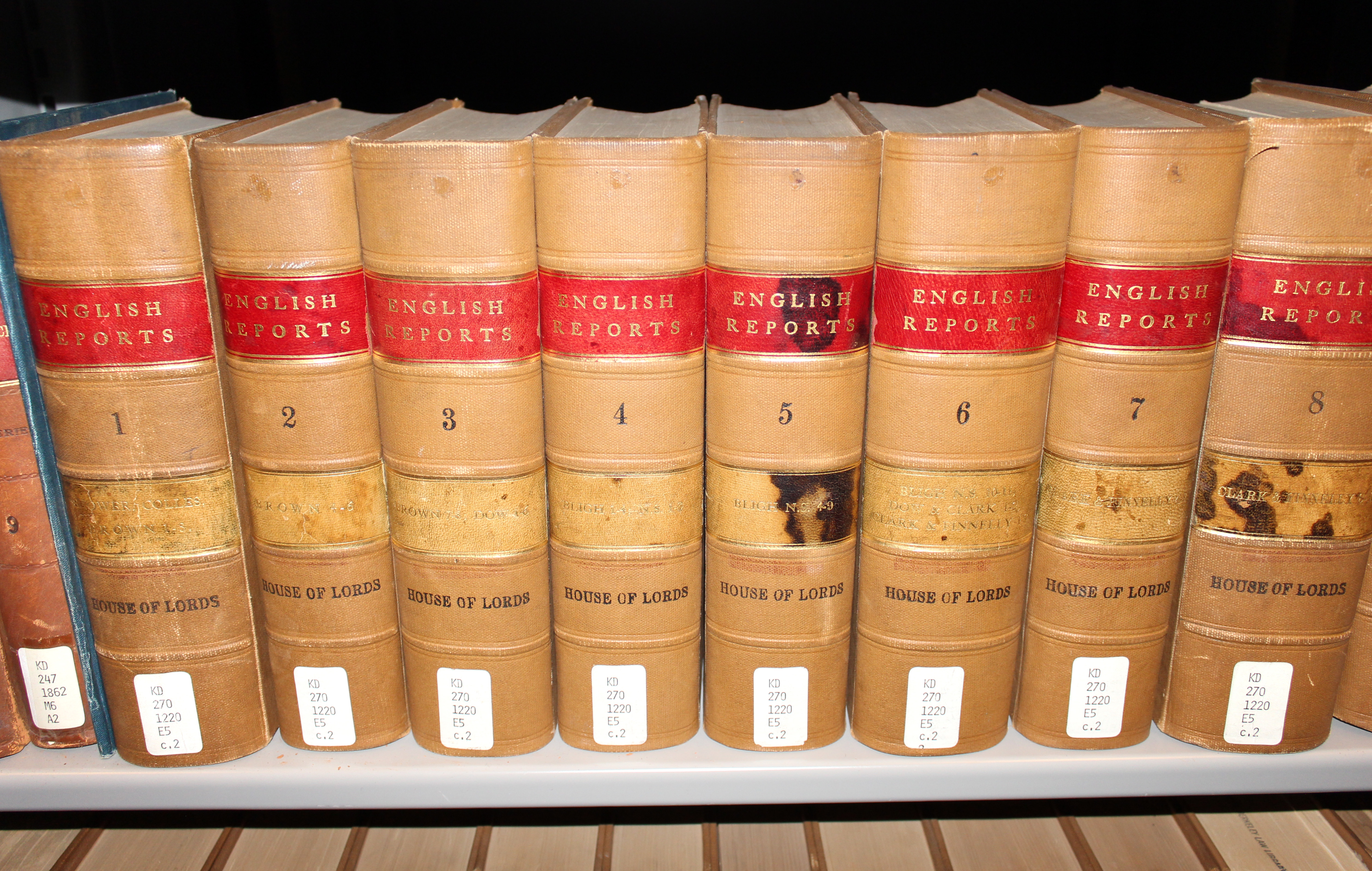
None of this machinery works without accurate and comprehensive law reporting — courts must be able to identify the ratio decidendi of earlier cases, which is only possible if those decisions are recorded and accessible in the first place. And precedent interacts directly with statutory interpretation: once a court interprets a statutory provision, that interpretation itself becomes a precedent binding on lower courts — the doctrine doesn't just apply to common law reasoning, it locks in how legislation is read.
Why the Doctrine Exists — and Its Cost
Stare decisis promotes certainty, consistency, and predictability in the application of the law: a solicitor can advise a client on the likely outcome of a dispute because the answer doesn't depend on which judge happens to hear it. But the same feature that produces certainty can produce rigidity — a binding precedent may perpetuate an outdated or unjust rule until a court with the power to depart from it, or overrule it, actually does so. The 1966 Practice Statement exists precisely because that tension was judged too costly to leave unaddressed at the very top of the hierarchy.
Applying Precedent to a Scenario
SQE1 tests this doctrine through applied scenarios, not abstract recall. The method is always the same three steps:
- Identify the deciding court and its position relative to the current court in the hierarchy — is it above, below, or the same level?
- Isolate the ratio decidendi of the earlier case, rather than mistakenly treating obiter dicta as binding.
- Compare the material facts of the earlier and current cases to decide whether the precedent applies squarely, or can be distinguished.
Get any one of those three steps wrong — mistake obiter for ratio, mistake a persuasive source for a binding one, or overlook a material factual difference — and the resulting advice on how a client's case will be decided is unreliable. That is precisely why this structure, tedious as a bare list of courts might seem, is the scaffolding for everything else you will advise on.