Legislation, Separation of Powers, and Rule of Law
Picture a client who has just been refused entry to a nightclub by a police officer acting on a whim, or a business whose licence has been revoked by a minister overnight with no warning and no right of reply. Whether either scenario amounts to a legal wrong — and who can fix it — depends entirely on the constitutional architecture examined here: the separation of powers, the rule of law, and the machinery by which Parliament and the Senedd turn political decisions into binding law. These are not abstract theory questions for SQE1. They are the analytical scaffolding a solicitor uses every time a client asks "can the state actually do that to me?"

The separation of powers is a constitutional theory that divides state power among three institutions: the legislature (which makes primary legislation), the executive (which implements and administers the law), and the judiciary (which interprets the law and resolves disputes). The French political philosopher Montesquieu developed the modern version of this theory in his 1748 work The Spirit of the Laws, arguing that liberty depends on preventing any single body from accumulating all three functions. The logic is simple and still bites today: a body that both makes the rules and judges compliance with them has no external check on its own conduct.

Why this matters to a client: if the person who wrote the rule, the person who enforces it, and the person who judges disputes about it are all the same actor, there is no independent forum in which the client can contest an abuse of power. Separation of powers is what creates that independent forum.
The United Kingdom, however, exhibits only a partial rather than a strict separation of powers. The clearest example is the fusion of the executive and the legislature: government ministers sit in Parliament as both members of the executive and members of the legislature, creating direct functional overlap between those two branches. A solicitor advising on the legitimacy of a government policy therefore cannot assume Westminster-style checks operate the way a US-style "co-equal branches" model would suggest — in the UK, the executive typically commands a majority in the legislature that scrutinises it.
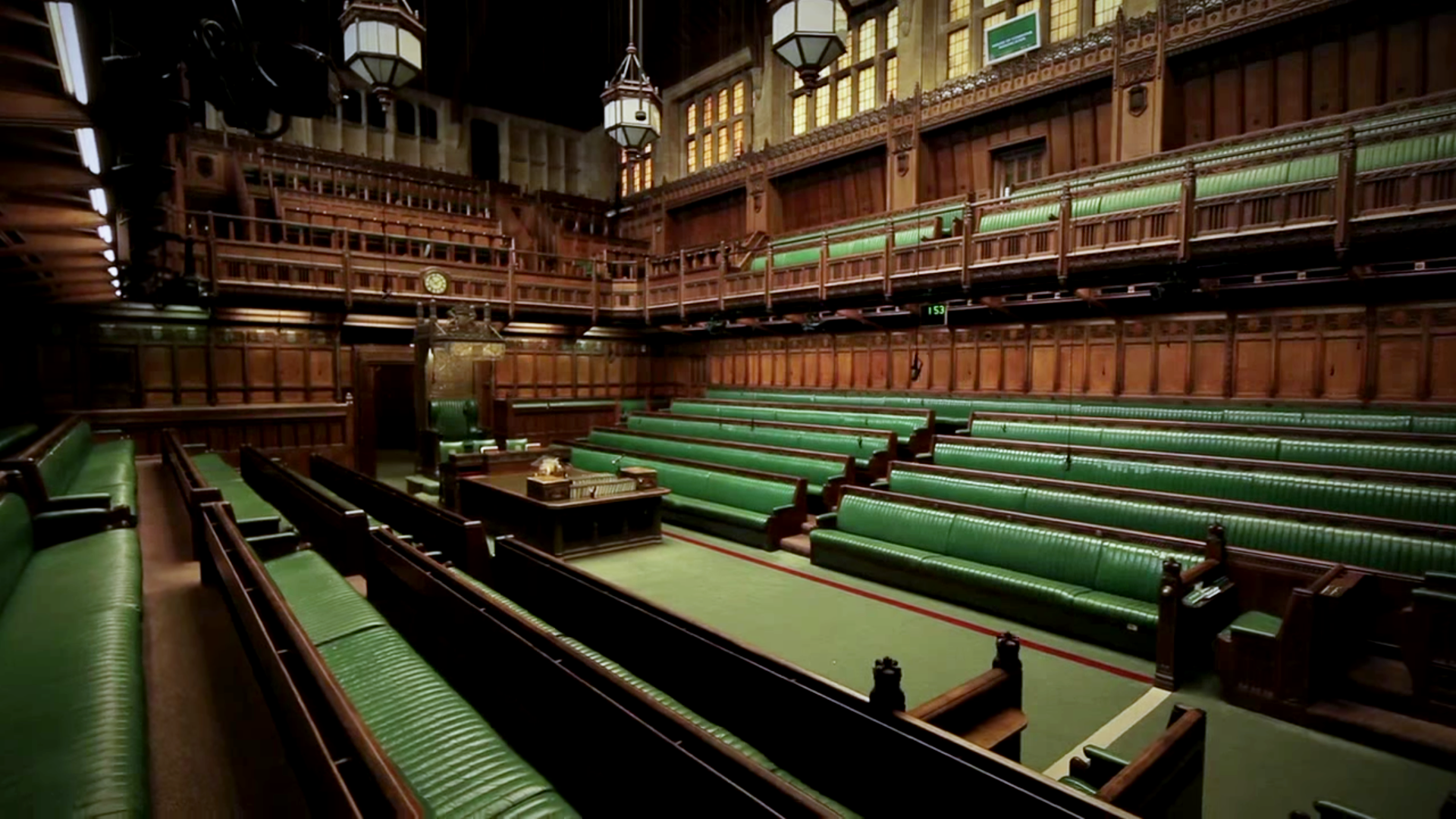
Where the UK constitution polices this overlap more rigorously is at the boundary between the judiciary and the other two branches, through the principle of judicial independence.
The Historical and Statutory Roots of Judicial Independence

The seed of judicial independence in England predates any modern statute. In Prohibitions del Roy (1607), Chief Justice Sir Edward Coke held that the monarch personally could not adjudicate legal disputes — only judges trained in the law could exercise judicial power. This was a direct rebuff to King James I's claim that he could decide cases himself, and it established the principle that legal expertise, not sovereign authority, is the legitimate basis for judicial power.
Four centuries later, the Constitutional Reform Act 2005 (CRA 2005) modernised and entrenched that principle for the current era:
| CRA 2005 provision | Effect |
|---|---|
| Section 1 | Confirms the Act does not adversely affect the existing constitutional principle of the rule of law |
| Section 3 | Places ministers under a statutory duty to uphold the continued independence of the judiciary |
| Removal of the Lord Chancellor's judicial role | Stripped the Lord Chancellor of the role of head of the judiciary |
| Transfer to the Lord Chief Justice | The Lord Chief Justice became head of the judiciary of England and Wales |
| Creation of the Supreme Court of the United Kingdom | Began operating on 1 October 2009, replacing the House of Lords' Appellate Committee (the Law Lords) as the UK's final court of appeal |
| Creation of the Judicial Appointments Commission (JAC) | Selects candidates for judicial office on merit, independent of ministerial control |
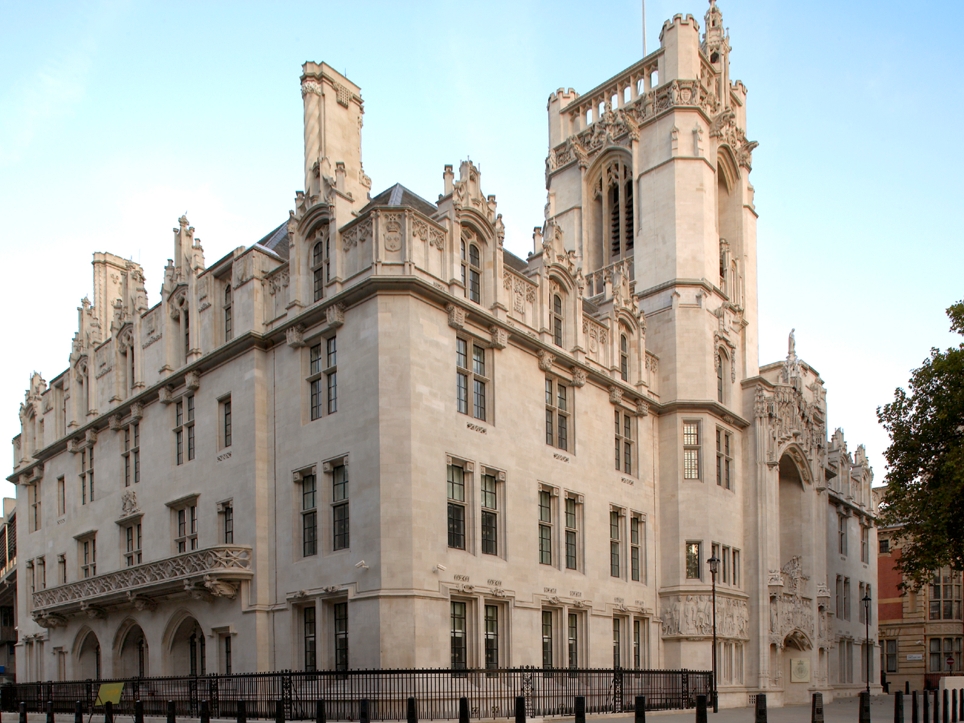
Before 2005, the Lord Chancellor was a genuinely hybrid figure — a cabinet minister, a member of the House of Lords, and effectively the head of the judiciary — the very fusion of powers separation-of-powers theory warns against. The Act's most structurally important move was creating a separate Supreme Court: by removing the UK's final court of appeal from the legislative chamber of the House of Lords, it physically and institutionally separated the judiciary from the legislature, strengthening the separation of powers in a way no prior reform had achieved.
Judicial independence is protected in practice by two further mechanisms a solicitor should recognise:
- Security of tenure: senior judges can only be removed from office following an address by both Houses of Parliament, insulating them from removal for unpopular decisions.
- Judicial immunity: judges are protected from personal civil liability for acts performed in their judicial capacity, so litigants cannot intimidate a judge with the threat of a personal lawsuit over a ruling.

Together, these features mean judicial independence requires judges to decide cases free from interference by the executive or the legislature — a guarantee that matters enormously to a client who is, say, suing a government department.
If separation of powers is about who holds power, the rule of law is about how that power must be exercised: state power must be exercised in accordance with publicly known and prospectively applied law, not the whim of officials.
Dicey and Bingham: Two Classic Formulations

A.V. Dicey, in his 1885 work Introduction to the Study of the Law of the Constitution, offered the classic formulation, built on three principles:
- No punishment without a distinct breach of law established before the ordinary courts — no arbitrary state power to punish.
- Equality before the law — every person, however powerful, is subject to the same laws and the same ordinary courts.
- Constitutional principles derive from ordinary law and judicial decisions, rather than from a written constitutional code — a distinctly British point, reflecting the absence of a codified constitution.
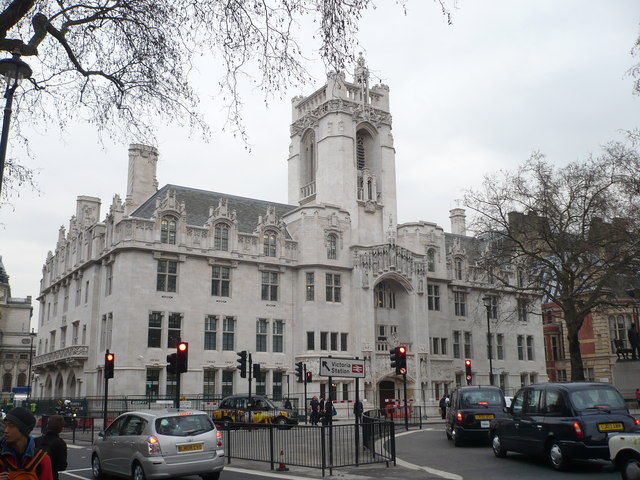
Over a century later, Lord Bingham, in his 2010 book The Rule of Law, reformulated the doctrine for a modern administrative state. His account adds requirements more directly useful to a practising solicitor: laws must be clear, publicly accessible, and prospective rather than retrospective; disputes must be resolved without undue cost or delay through independent courts; and state officials must exercise their powers in good faith, fairly, and for the purpose for which the powers were conferred. Bingham's formulation is explicit that the rule of law prohibits arbitrary discretionary power — a public body cannot simply do as it pleases because no rule forbids it.
Client-facing translation: if a public body has acted outside its legal powers, in bad faith, or for an improper purpose, the rule of law gives the client a route to challenge that — judicial review, the mechanism by which courts supervise the legality of the exercise of public power.
The Rule of Law in Action: Five Cases Every SQE1 Candidate Must Know
| Case | Year | Principle established |
|---|---|---|
| Entick v Carrington | 1765 | Executive officials may not interfere with a person's property or liberty without lawful authority — power must rest on a positive legal source, not merely the absence of a prohibition |
| M v Home Office | 1993 | Government ministers are subject to the contempt of court jurisdiction like any other litigant — the executive is not above the law and must comply with court orders |
| Council of Civil Service Unions v Minister for the Civil Service (GCHQ) | 1985 | Established the three grounds of judicial review: illegality, irrationality, and procedural impropriety |
| R (Miller) v Secretary of State for Exiting the EU (Miller No.1) | 2017 | Triggering Article 50 required parliamentary authorisation through primary legislation; the prerogative cannot alter domestic law or remove statutory rights |
| R (Miller) v The Prime Minister (Miller No.2) | 2019 | Prorogation of Parliament was unlawful because it frustrated Parliament's constitutional functions without reasonable justification |
| A v Secretary of State for the Home Department (Belmarsh) | 2004 | Indefinite detention of foreign terrorism suspects without trial was incompatible with the right to liberty |
Read as a set, these cases trace a single throughline: whenever the executive has tried to act on the strength of its own say-so — searching a home, defying a court order, invoking the prerogative to bypass Parliament, suspending Parliament itself, or detaining people indefinitely — the courts have held that a legal source and lawful process are required. Entick v Carrington supplies the foundational logic; M v Home Office extends it to enforcement against ministers personally; GCHQ supplies the modern doctrinal toolkit; and Miller No.1, Miller No.2, and Belmarsh show the same principle animating the UK's most consequential 21st-century constitutional litigation. The Belmarsh case in particular demonstrates the courts' role in protecting individual liberty against disproportionate executive detention powers — precisely the kind of scenario a solicitor advising on civil liberties or immigration detention will encounter.


Parliamentary sovereignty is the principle that Parliament may make or unmake any law, and no other body may override or set aside an Act of Parliament. A direct corollary is that no Parliament can bind its successors: a later Act can always repeal or amend an earlier one. Where this happens without an express repealing clause, the doctrine of implied repeal applies — where two Acts conflict, the later Act impliedly repeals the earlier one to the extent of the inconsistency. For a solicitor, this doctrine explains why a client cannot rely on an older statute once a later, inconsistent Act has been passed, even absent explicit repeal language.

Primary legislation in the UK Parliament takes the form of an Act of Parliament, produced once a Bill completes its passage through both Houses. Bills come in different flavours that a solicitor should distinguish precisely:
- A Public Bill applies to the general population — the most common type introduced in Parliament.
- A Private Bill affects only a specific individual, organisation, or locality.
- A Private Member's Bill is a Public Bill introduced by a backbench MP rather than by government.
Every Bill must pass through the same five stages in both the House of Commons and the House of Lords before Royal Assent:
- First Reading — formal introduction of the Bill's title, with no debate or vote.
- Second Reading — the first opportunity for the House to debate the Bill's general principles.
- Committee Stage — detailed, line-by-line scrutiny of the text, with amendments possible.
- Report Stage — the whole House considers amendments made (or proposed) at Committee Stage.
- Third Reading — the final debate, focused on tidying the Bill's final text rather than reopening principle.
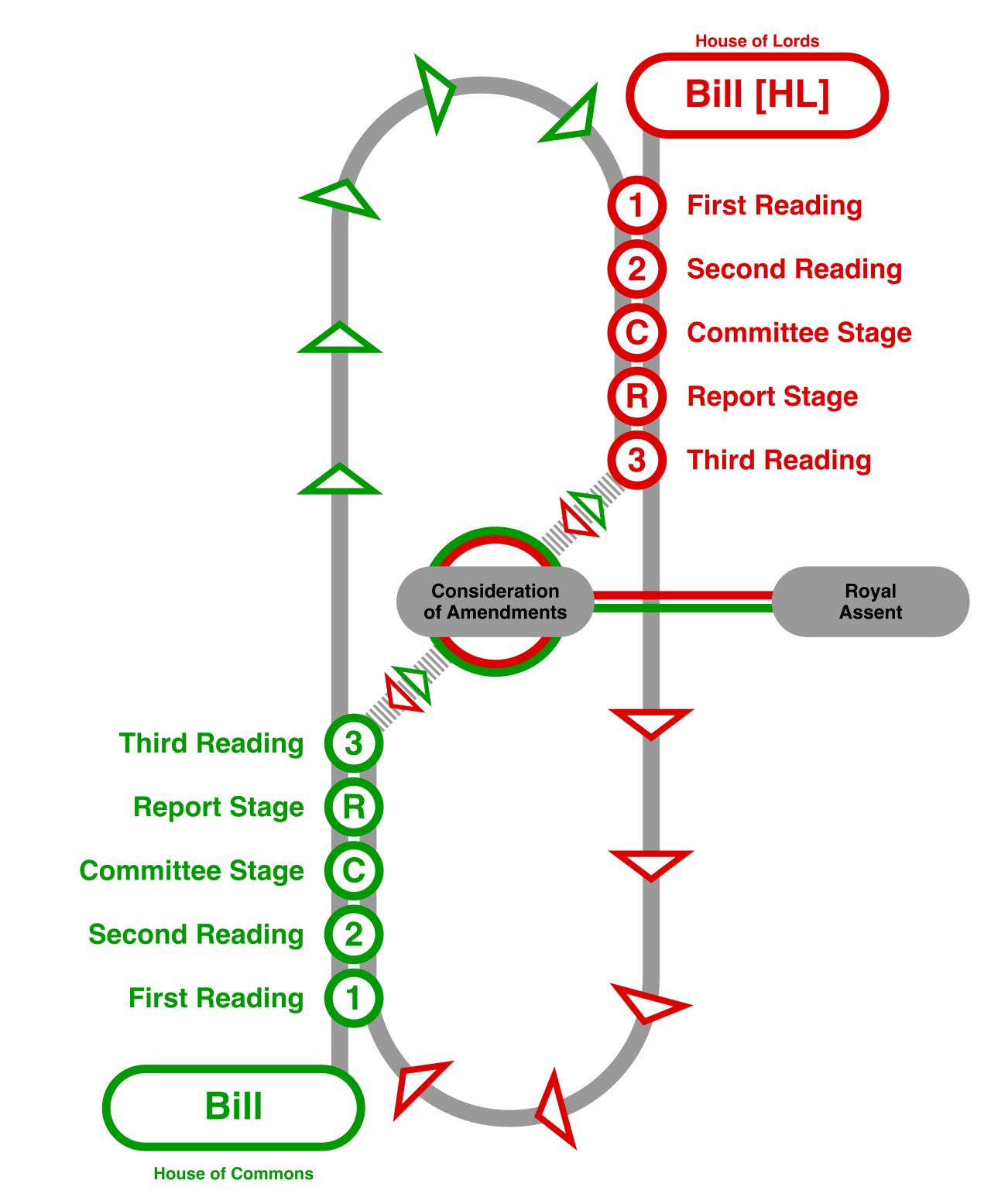
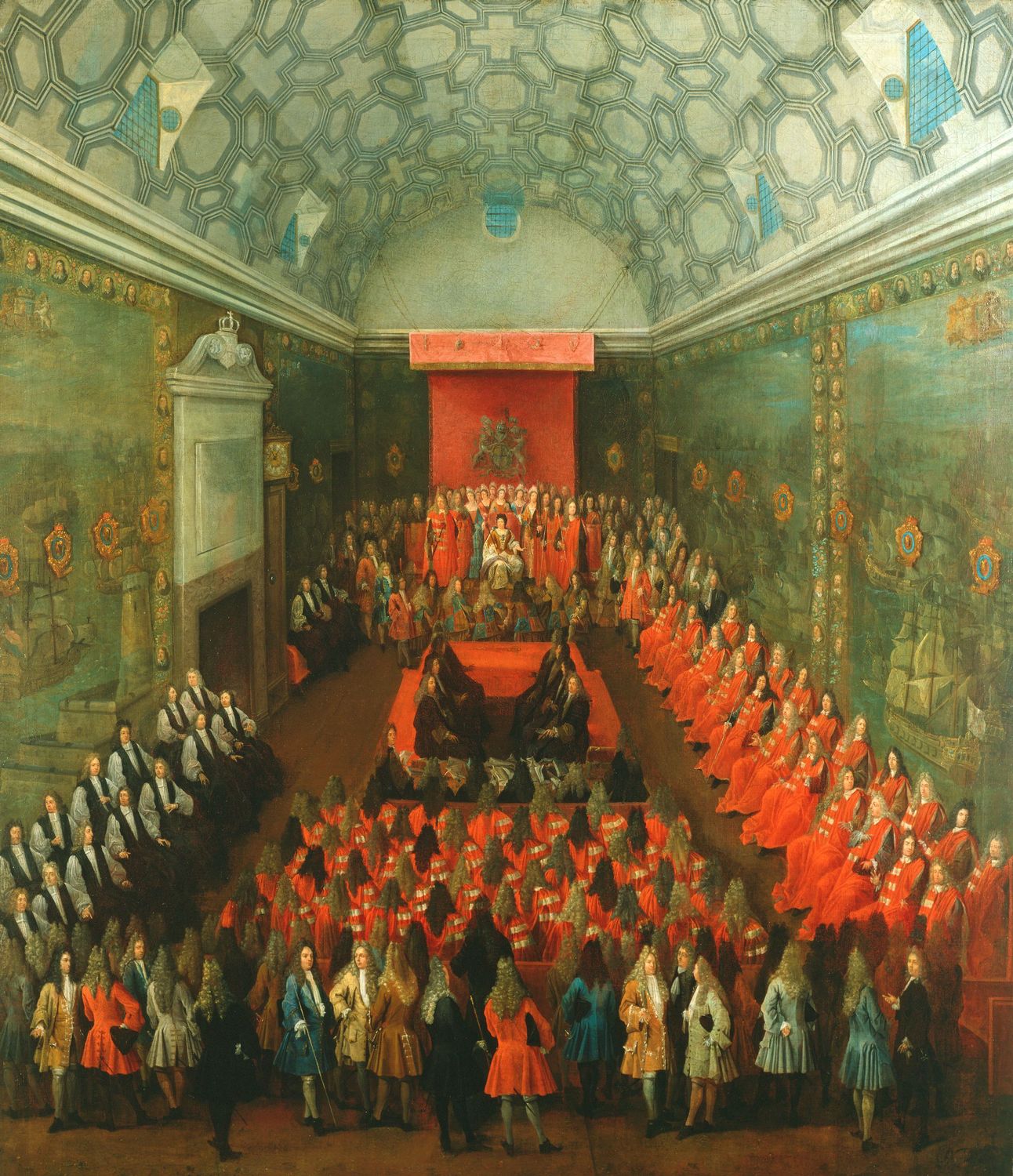
Where the House of Lords amends a Bill, those amendments go back to the Commons for agreement — a process nicknamed "ping-pong", since the Bill can shuttle between the two Houses until both agree on its final text.
When the Lords Can Be Bypassed: The Parliament Acts
The Parliament Acts 1911 and 1949 allow certain Public Bills to become law without the consent of the House of Lords in specified circumstances, reducing the Lords' role to a delaying power rather than an absolute veto over most legislation. The clearest example is a Money Bill: once certified as such by the Speaker of the House of Commons, it can become law under the Parliament Act 1911 without the Lords' consent at all.
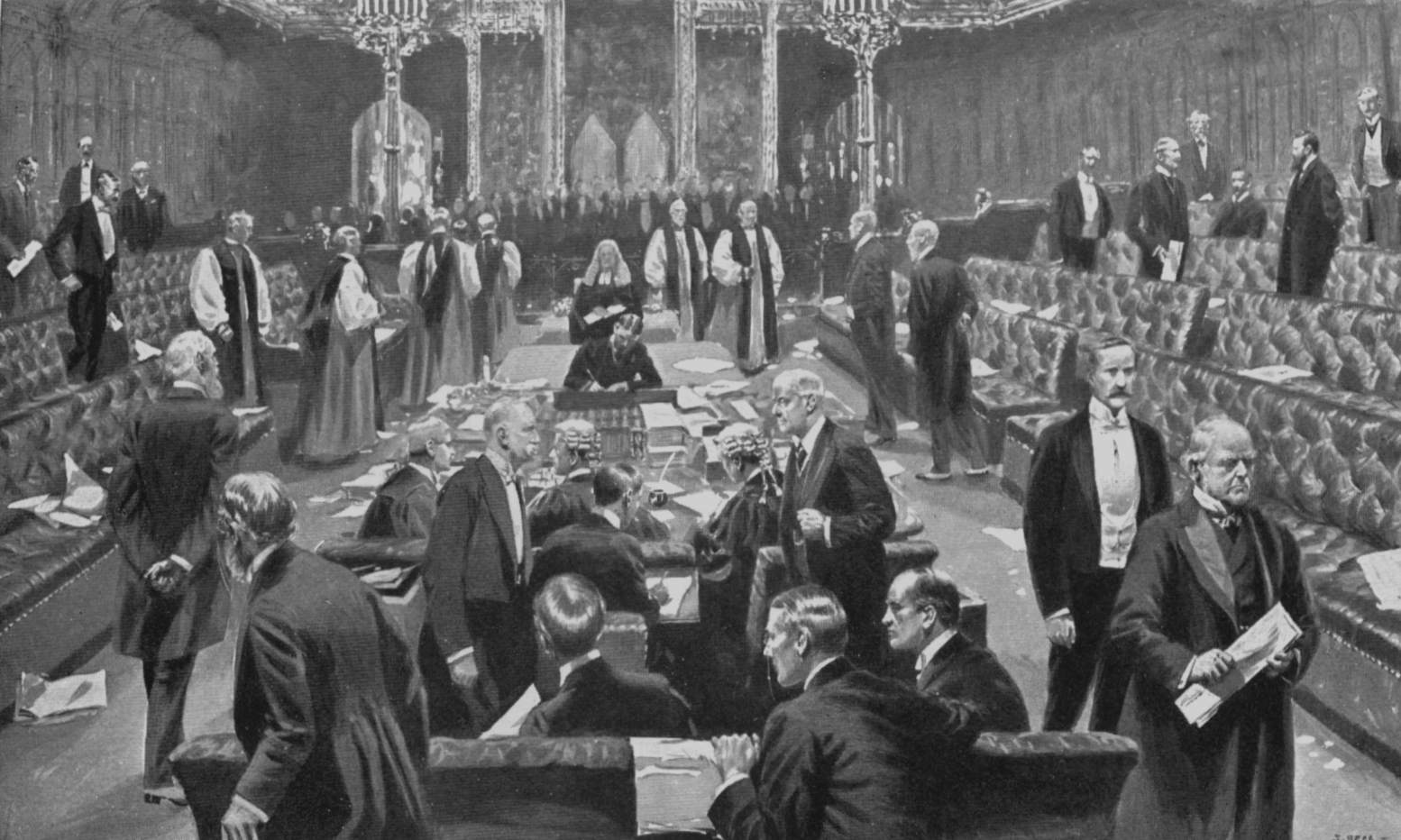
Royal Assent
The final step is Royal Assent — the Monarch's formal approval that transforms a Bill into an Act of Parliament. By constitutional convention, the Monarch grants Royal Assent to any Bill duly passed by Parliament; the last monarch to refuse was Queen Anne, who withheld assent from the Scottish Militia Bill in 1708. This convention is itself a neat illustration of the UK's partial separation of powers: the formal head of state retains a legal power that constitutional convention has rendered effectively obsolete.
Not every rule with the force of law is an Act of Parliament. Secondary legislation — also called delegated or subordinate legislation — is law made by a person or body under powers conferred by an Act of Parliament. The most common legal form it takes is a statutory instrument (SI). The Act that confers the power to make an SI is the enabling Act (or parent Act), and critically, that enabling Act sets the limits of the delegated power — a body cannot use an SI to do more than the enabling Act authorises.
Two parliamentary control procedures govern SIs:
| Procedure | How it works |
|---|---|
| Affirmative resolution | The SI must be actively approved by a resolution of Parliament before it can come into (or remain in) force |
| Negative resolution | The SI becomes law automatically unless a motion to annul it is passed within a set period |
Most SIs subject to parliamentary procedure use the negative resolution procedure — meaning the default in practice favours executive convenience over active parliamentary approval, a point worth flagging for a client concerned about the democratic accountability of a regulation affecting them.
A particularly consequential (and exam-relevant) device is the Henry VIII clause: a provision in primary legislation that allows secondary legislation to amend or repeal an Act of Parliament. Because this inverts the normal hierarchy — subordinate law altering primary law — Henry VIII clauses are politically controversial and heavily scrutinised.

Finally, secondary legislation is not immune from challenge: it can be struck down by judicial review if it exceeds the scope of the power granted by the enabling Act, a principle known as ultra vires ("beyond the powers"). This is the delegated-legislation analogue of the rule-of-law principle seen in Entick v Carrington: power needs a legal source, and exceeding that source renders the exercise unlawful.

Devolution adds a parallel legislative track that SQE1 candidates must be able to navigate alongside Westminster's. Acts of Senedd Cymru are the form of primary legislation made by the Welsh Parliament, under a legal framework first established by the Government of Wales Act 2006 (GOWA 2006). The Wales Act 2017 transformed the model of devolved competence by introducing a reserved powers model: rather than listing what the Senedd can legislate on, the Act lists what is reserved to Westminster, and the Senedd may legislate on any matter not expressly reserved. Under this model, legislative competence is assumed by default unless a subject matter is expressly reserved — the inverse of the conferred-powers approach that preceded it.

The Four Stages of a Senedd Bill

A Senedd Bill passes through four stages before it can proceed to Royal Assent:
- Stage 1 — scrutiny of the Bill's general principles by a committee, followed by a vote on those principles in plenary.
- Stage 2 — detailed consideration of the Bill and its amendments by committee.
- Stage 3 — further consideration of amendments by the full Senedd in plenary.
- Stage 4 — the final vote on the Bill as a whole, with no further amendment possible.
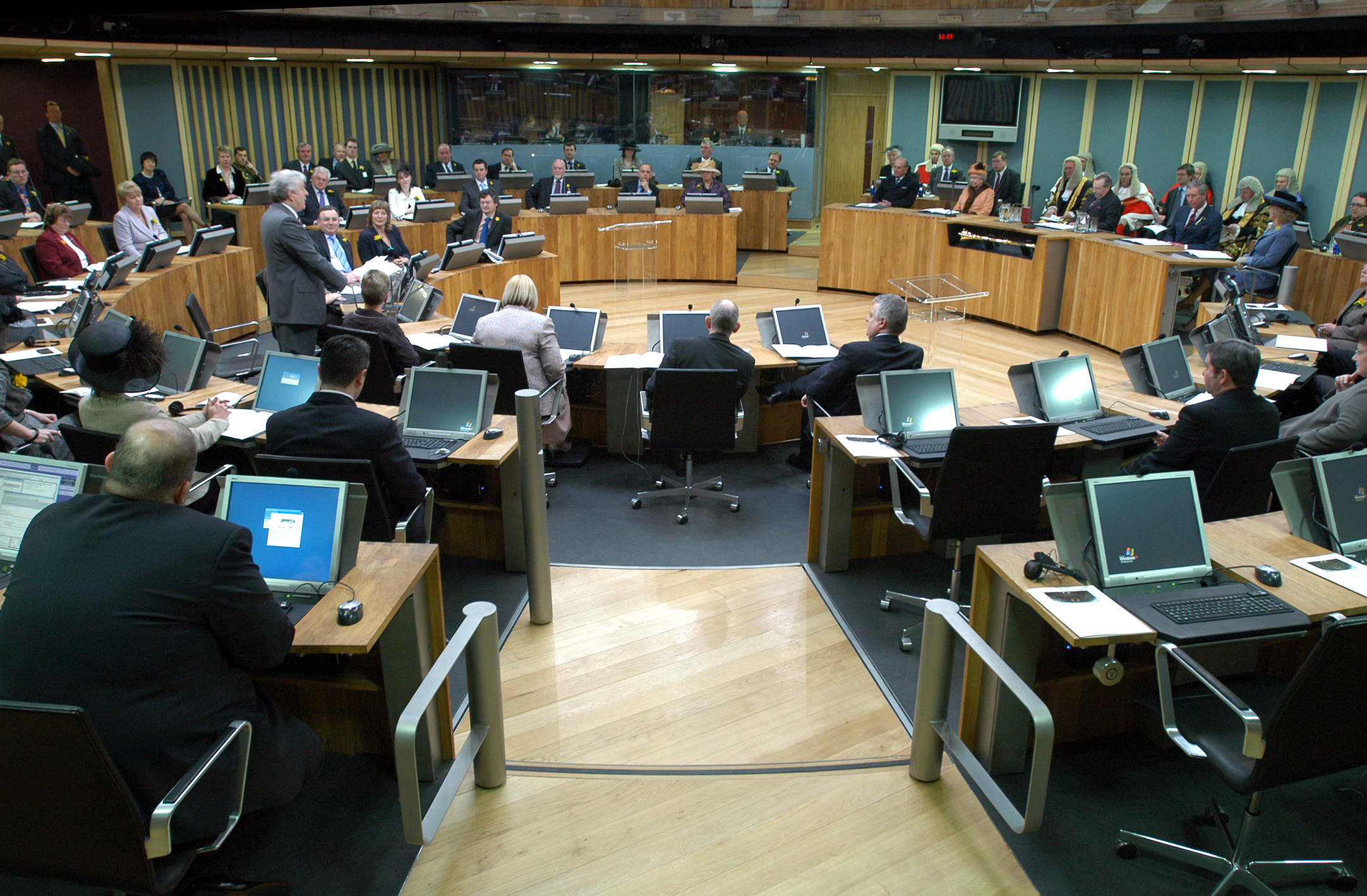
After Stage 4, there is a safeguard mirroring judicial review of ordinary legislation: the Counsel General for Wales or the Attorney General for England and Wales may refer the Bill to the Supreme Court to determine whether it falls within the Senedd's legislative competence. That referral must be made within four weeks of the Bill passing — a strict limitation period under GOWA 2006. If no reference is made, the Bill proceeds to Royal Assent, becoming an Act of Senedd Cymru through essentially the same royal formality that applies to a UK Act of Parliament.
A Senedd Act that falls outside the Senedd's legislative competence — as defined by the scope set out in GOWA 2006 — is simply not law, regardless of whether it was passed through all four stages. Subordinate legislation made under devolved Welsh powers mirrors the Westminster model too, subject to its own affirmative and negative procedures scrutinised by the Senedd rather than Westminster.
For SQE1 purposes, treat these three ideas as layered, not separate: separation of powers distributes state functions across three branches so that no one institution both makes and judges the rules; the rule of law constrains how each of those branches — especially the executive — must exercise whatever power it does hold; and legislative procedure, at Westminster and in the Senedd alike, is the concrete, stage-by-stage mechanism through which the legislature discharges its constitutional function under both principles. A client's question — "was this decision lawful?" — is almost always, at bottom, a question about which of these three layers has been breached.