Public Order and Judicial Review
A march down the high street and a claim in the Administrative Court look like nothing alike, yet both live in the same corner of public law: they are the two great checks on how power is exercised in public — one on the power of the crowd to occupy the street, the other on the power of the state to make decisions that affect it. Public order law asks when the police may condition or stop collective action; judicial review asks when a court may condition or stop a public body's decision. Both are exercises in drawing a line between legitimate control and unlawful interference, and both turn up constantly in SQE1 client scenarios — the protest organiser worried about a police letter, the local resident challenging a council's grant of planning permission.
The Public Order Act 1986 is the main statutory framework governing public processions and assemblies in England and Wales. It builds a graduated ladder of police powers: notice requirements, then conditions, then — for processions only — an outright ban. Understanding why the ladder is graduated this way, and why assemblies are treated more lightly than processions, is the key to the whole topic.
Notice of processions: section 11
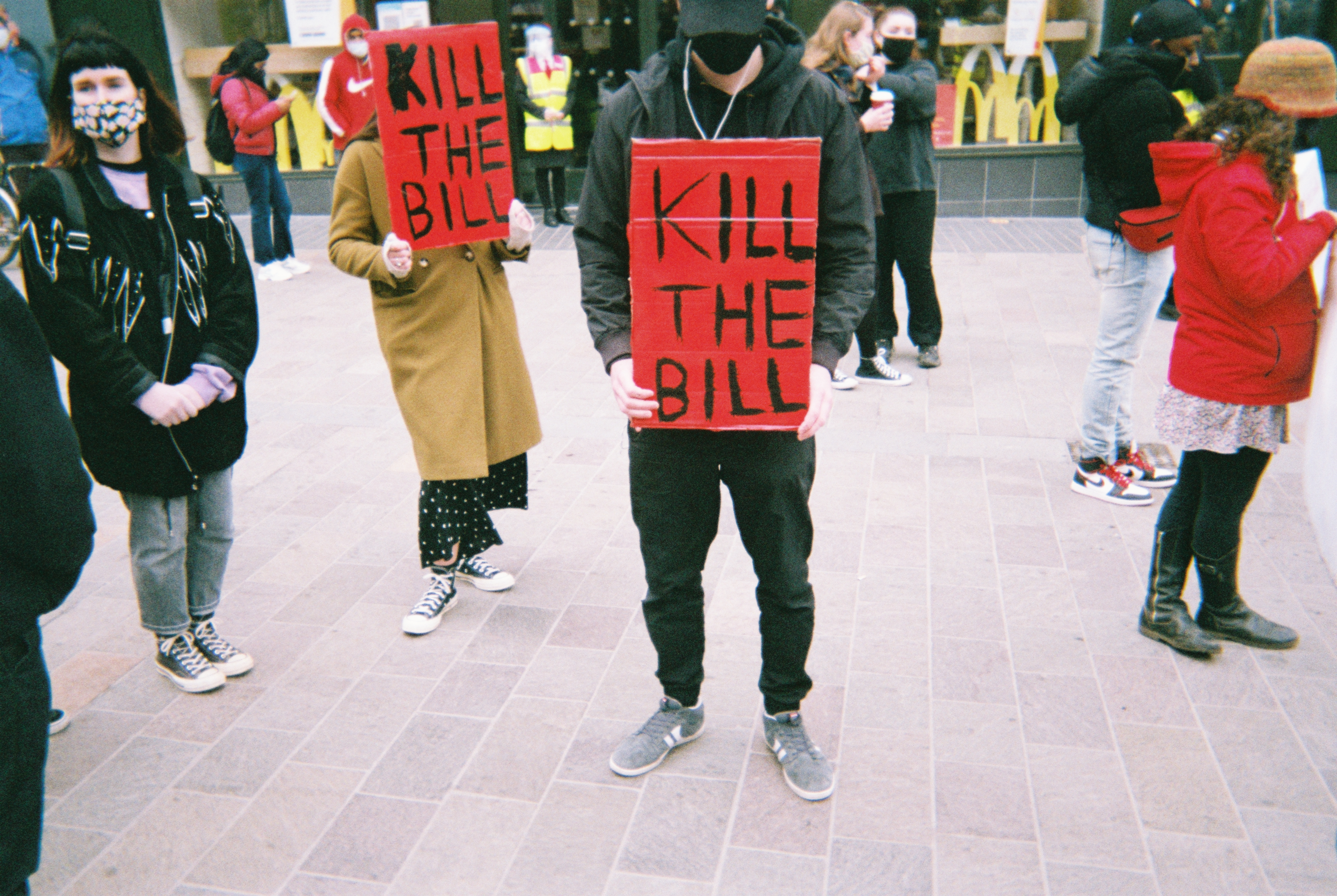
Section 11 requires advance written notice of a public procession where the procession is intended to:
- demonstrate support for, or opposition to, the views or actions of a person or body;
- publicise a cause or campaign; or
- mark or commemorate an event.
The notice must specify the date, the time it is to start, its proposed route, and the name and address of the organiser. It must be delivered to a police station in the relevant police area at least 6 clear days before the procession, where reasonably practicable — a deliberately practical qualifier, since spontaneous marches in response to breaking news cannot always give six days' warning.
Two important carve-outs exist. No notice is required for:
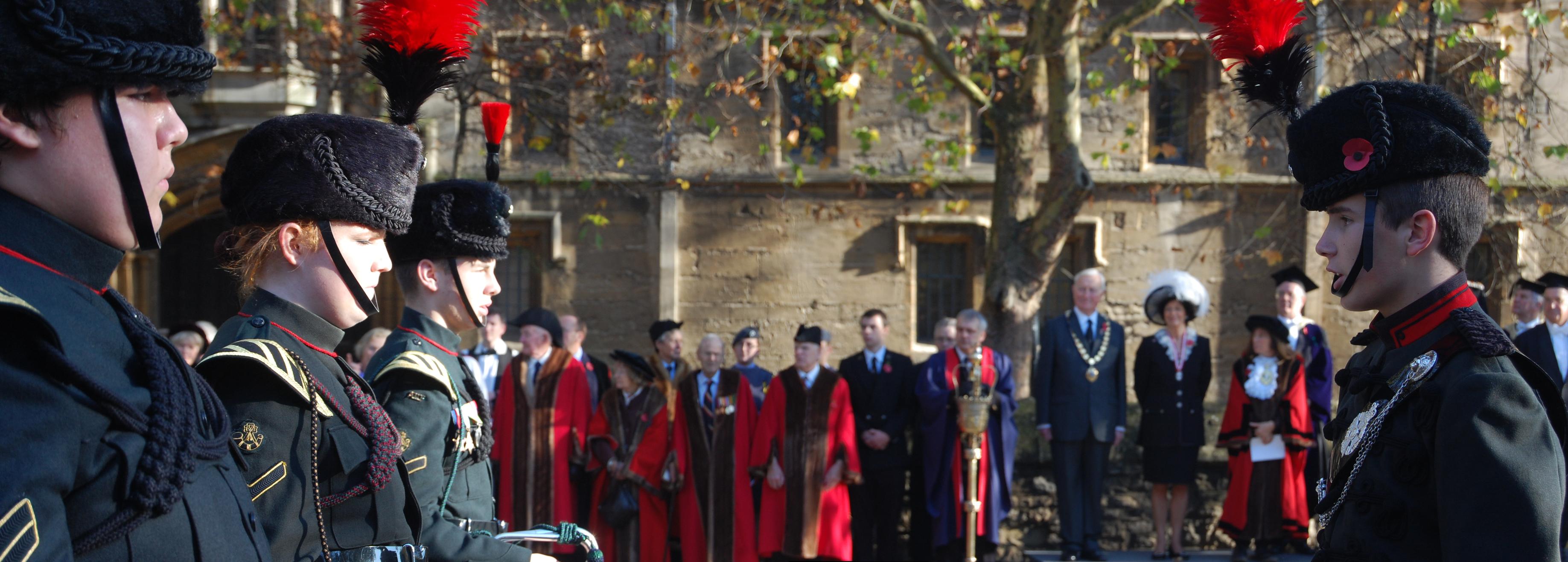
- a procession commonly or customarily held in the area (the annual Remembrance Sunday parade does not need re-notifying every year); or
- a funeral procession organised by a funeral director in the normal course of business.
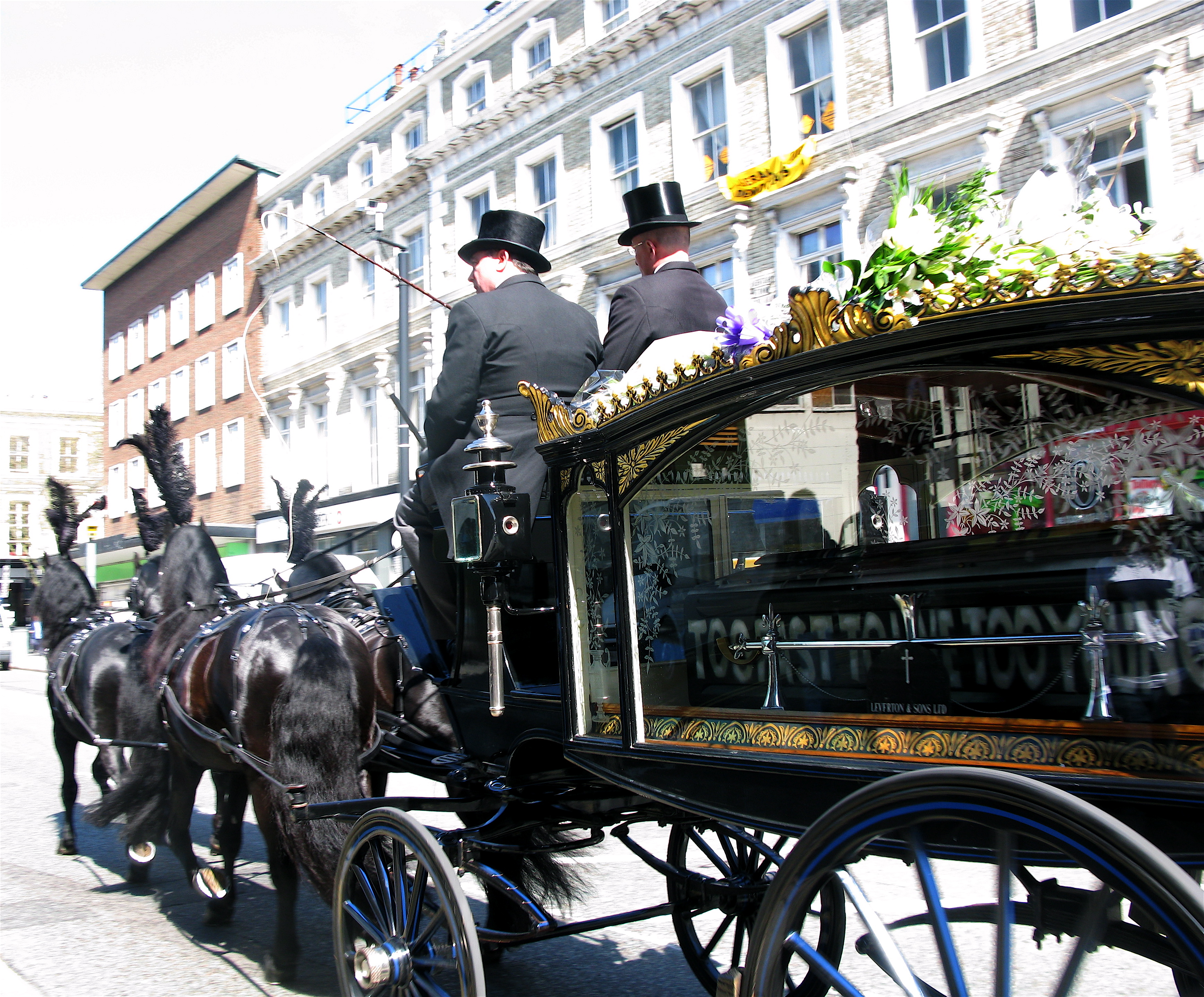
Crucially, failing to give notice is not automatically a crime. An organiser is guilty of a summary offence under section 11 only if they knew or should have known that the notice requirements had not been satisfied — a fault-based offence, not strict liability.
Conditions on processions: section 12
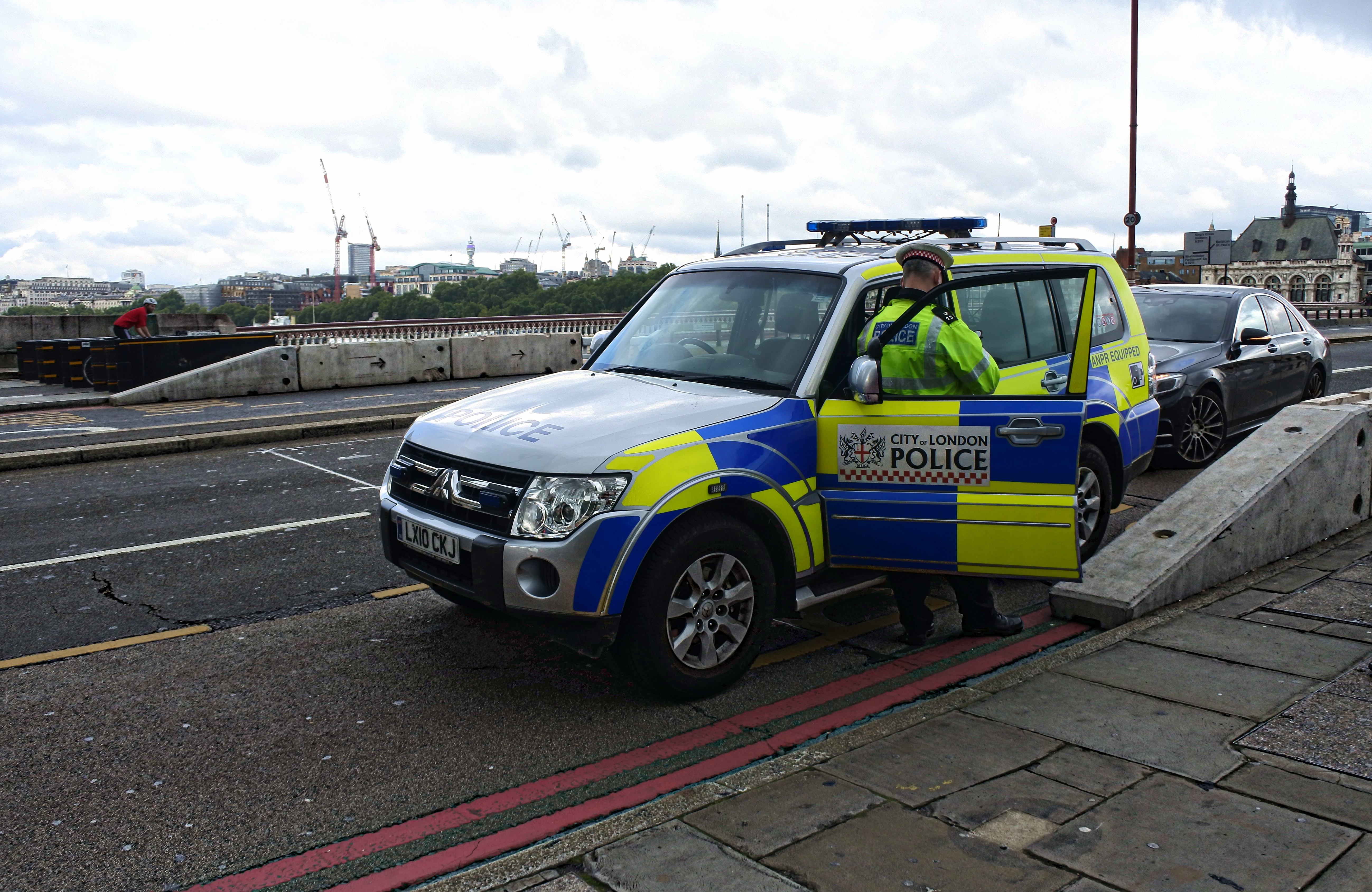
Where a procession is going ahead — noticed or not — section 12 empowers a police officer to impose conditions on it. These can be imposed in advance, in writing, by the chief officer of police, or at the scene by the senior officer present. The conditions typically regulate the route or prohibit entry into a specified public place.

The trigger for section 12 conditions is a reasonable belief that the procession may result in:
- serious public disorder;
- serious damage to property;
- serious disruption to the life of the community; or
- an intent to intimidate others into not doing something they have a right to do.
The Police, Crime, Sentencing and Courts Act 2022 expanded the "serious disruption to the life of the community" limb by allowing noise generated by a procession to count toward it — a significant, and controversial, widening of police discretion that reflects Parliament's response to noisy, disruptive protest tactics.
Banning processions altogether: section 13
Conditions are the police's scalpel; a section 13 banning order is their sledgehammer. A chief officer may apply for an order banning all public processions, or a class of them, in a district for up to three months, but only where they reasonably believe that section 12 conditions would be insufficient to prevent serious public disorder — a necessity test layered on top of the conditions test.
The consent chain matters for SQE1 scenario questions:
| Location | Consent required |
|---|---|
| Outside London | Relevant local council and the Secretary of State |
| City of London or Metropolitan Police District | Secretary of State alone |
Section 13 permits banning processions. It does not permit banning public assemblies — a static gathering cannot be banned outright under the Public Order Act, only conditioned. This asymmetry is a favourite examination trap.
Conditions on assemblies: section 14
A public assembly is defined by section 16 as a gathering of two or more persons in a public place wholly or partly open to the air. That threshold used to be twenty — it was the Anti-social Behaviour Act 2003 that lowered it to two, bringing far smaller gatherings within the scope of police conditioning powers.
Section 14 mirrors section 12 for assemblies: a senior officer may impose conditions on the place, maximum duration, and maximum number of participants, on essentially the same grounds (serious disorder, damage, disruption — including noise-based disruption since the 2022 Act — or intimidation). There is no equivalent to section 13 for assemblies, precisely because a static gathering is thought less capable of the kind of escalating disorder a moving procession can generate.
Under both sections 12 and 14, a person who organises or takes part in a procession or assembly and knowingly fails to comply with an imposed condition commits a summary offence.
One-person protests: section 14ZA
Inserted by the Police, Crime, Sentencing and Courts Act 2022, section 14ZA extends conditioning powers to a lone protester. A senior officer may impose conditions where the noise generated by a one-person protest may cause serious disruption to a nearby organisation — recognising that a single, sufficiently amplified protester outside an office can be as disruptive as a crowd.
Breach of the peace and human rights
Beneath all this statutory machinery sits the common law power of breach of the peace, which lets an officer take preventive action independently of the Public Order Act — useful where a situation is deteriorating too fast for the statutory conditions machinery to be invoked formally.
None of these powers operates in a vacuum. Article 10 ECHR protects freedom of expression; Article 11 protects freedom of peaceful assembly and association. Both are qualified rights: they may be restricted only where the restriction is prescribed by law, pursues a legitimate aim, and is necessary and proportionate. Under section 6 of the Human Rights Act 1998, a police officer imposing conditions is a public authority and must act compatibly with these Convention rights — so a solicitor advising a protest client should always test a proposed condition against proportionality, not just against the bare statutory wording.

If public order law is about controlling the crowd, judicial review is about controlling the state. It is the mechanism by which the Administrative Court reviews the lawfulness of a decision, act, or failure to act by a public body.
Judicial review is concerned with the legality of the decision-making process, not the merits of the decision. A court does not substitute its own decision for that of the public body — it only asks whether the public body was entitled, in law, to decide as it did.
This restraint is the conceptual heart of the subject: a judge may think a decision foolish and still refuse to strike it down, because "foolish" is not a ground of review.
Procedure: getting through the door
Judicial review claims are governed procedurally by Part 54 of the Civil Procedure Rules. A claimant cannot simply have a substantive hearing — they must first obtain the permission of the court. At the permission stage, the court screens for three things: is the claim arguable, does the claimant have standing, and has the claim been brought in time.
Time limits (CPR 54.5): a claim must be filed promptly, and in any event not later than three months after the grounds first arose. These are two separate hurdles — bringing a claim within three months does not guarantee it is in time, because the free-standing promptness requirement can still catch a claimant who dawdled even within the three-month window. The court may extend time where there is good reason. A shortened six-week limit applies to challenges to certain planning decisions, reflecting the premium placed on certainty in development projects.
Before issuing, a prospective claimant should ordinarily follow the pre-action protocol for judicial review, sending a letter before claim. Judicial review is treated as a remedy of last resort: a claimant is expected to exhaust suitable alternative remedies, such as a statutory right of appeal, before turning to the courts.
Standing
Section 31(3) of the Senior Courts Act 1981 requires a claimant to have a sufficient interest in the matter. Courts apply this test flexibly: pressure groups and other public-interest bodies can acquire standing where their expertise and the interests of their members justify it. In R v Inspectorate of Pollution, ex parte Greenpeace Ltd (No 2) [1994], Greenpeace was held to have standing to challenge a nuclear reprocessing authorisation because of its expertise on the issue and the direct interests of its local members — a landmark example of standing being granted to a representative body rather than a directly affected individual.
Amenability: who can be reviewed
Only a body exercising a public law function — a public authority, or a private body performing a public function — is amenable to judicial review. A decision of a purely private or contractual nature falls outside it; a client unhappy with a private employer's decision, for instance, needs a different cause of action entirely.
The three grounds of review
In Council of Civil Service Unions v Minister for the Civil Service [1985] (the GCHQ case), Lord Diplock crystallised the sprawling case law into three broad grounds: illegality, irrationality, and procedural impropriety.
Illegality requires a decision-maker to understand correctly, and give effect to, the law regulating its power. It captures several distinct failure modes:
- acting ultra vires — exercising a power the decision-maker does not have;
- taking into account irrelevant considerations;
- failing to take into account relevant considerations;
- exercising a power for an improper purpose other than that for which it was granted;
- unlawfully delegating a power without authority to do so; and
- fettering discretion — rigidly applying a policy without ever considering whether an exception should be made.
Irrationality, established in Associated Provincial Picture Houses Ltd v Wednesbury Corporation [1948] and known ever since as Wednesbury unreasonableness, applies where a decision is so unreasonable that no reasonable decision-maker could have reached it. The threshold is deliberately set high, precisely to stop courts sliding into reviewing the merits — the very thing judicial review is not meant to do.
Procedural impropriety covers a failure to observe basic rules of natural justice or to act with procedural fairness. Its two classic pillars are:
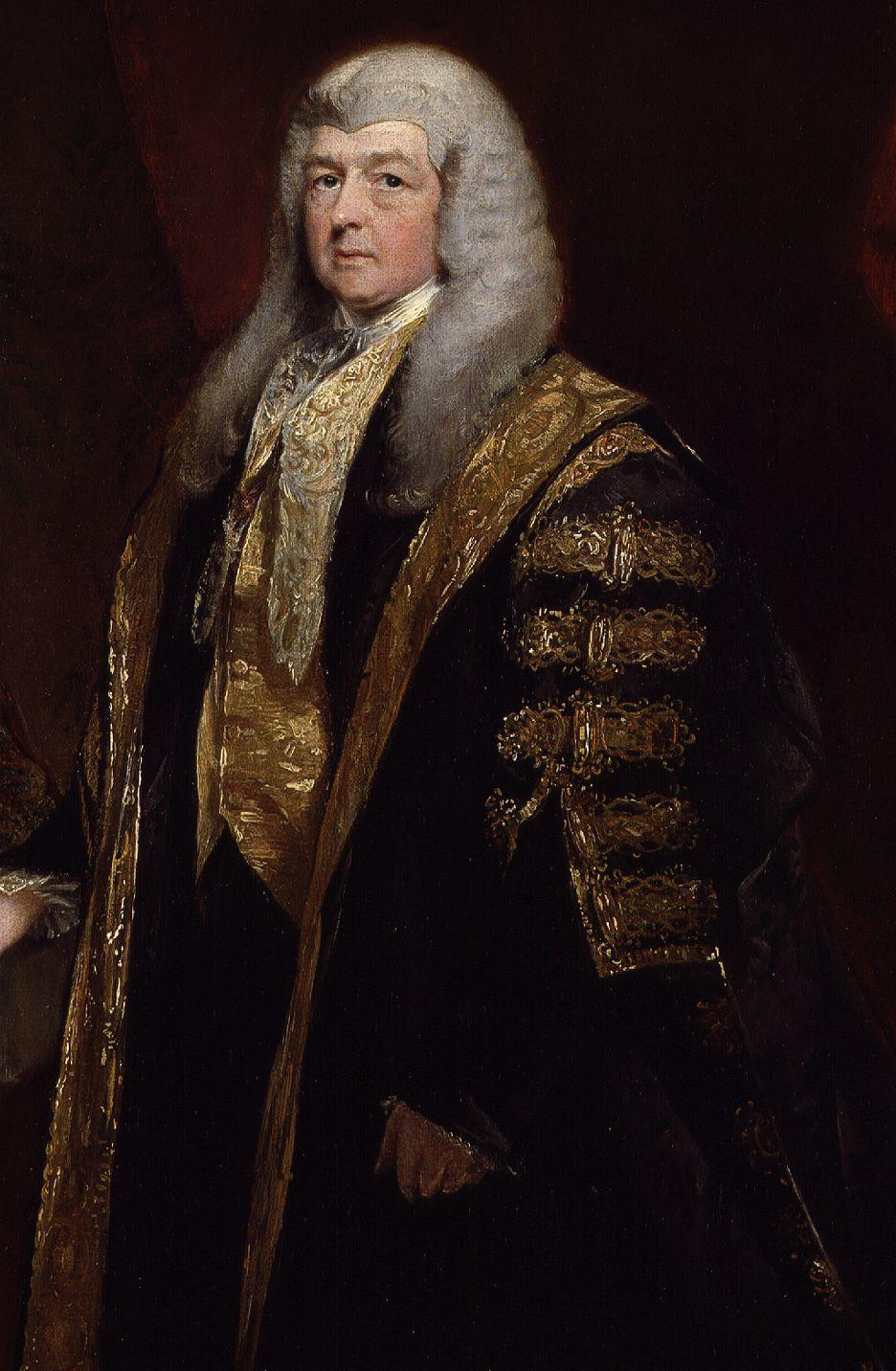
- nemo iudex in causa sua — the rule against bias: a decision-maker must have no personal interest in the outcome; and
- audi alteram partem — the right to a fair hearing: an affected person must be given an opportunity to be heard before a decision is made.
Two further, increasingly important grounds sit alongside Lord Diplock's original three. Legitimate expectation arises where a public body departs, without good reason, from a clear promise or an established practice. It can be substantive (protecting an expectation of a specific benefit or outcome) or procedural (protecting an expectation of being consulted or afforded a particular process). Proportionality is applied with growing frequency, particularly where a Convention right under the Human Rights Act 1998 is engaged — it asks not just whether a decision was reasonable, but whether the interference was no more than necessary to achieve a legitimate aim.
Remedies
Even a successful claimant is not guaranteed relief, because every judicial review remedy is discretionary. The court may decline to grant it even where a ground of challenge is made out. The available remedies are:
| Remedy | Effect |
|---|---|
| Quashing order | Nullifies the unlawful decision |
| Prohibiting order | Prevents the public body acting unlawfully in future |
| Mandatory order | Compels the public body to perform a public law duty |
| Declaration | States the legal position or the parties' rights, without compelling action |
| Injunction | Prevents the public body taking or continuing unlawful action |
Damages are not automatically available; they generally require an accompanying private law or human rights cause of action — judicial review alone will not compensate a claimant financially.
Where claims are heard
Judicial review claims are heard in the Administrative Court, part of the King's Bench Division of the High Court. A claimant refused permission on the papers may request that the refusal be reconsidered at an oral renewal hearing — an important safety valve, since the paper stage is a filter, not a final verdict.
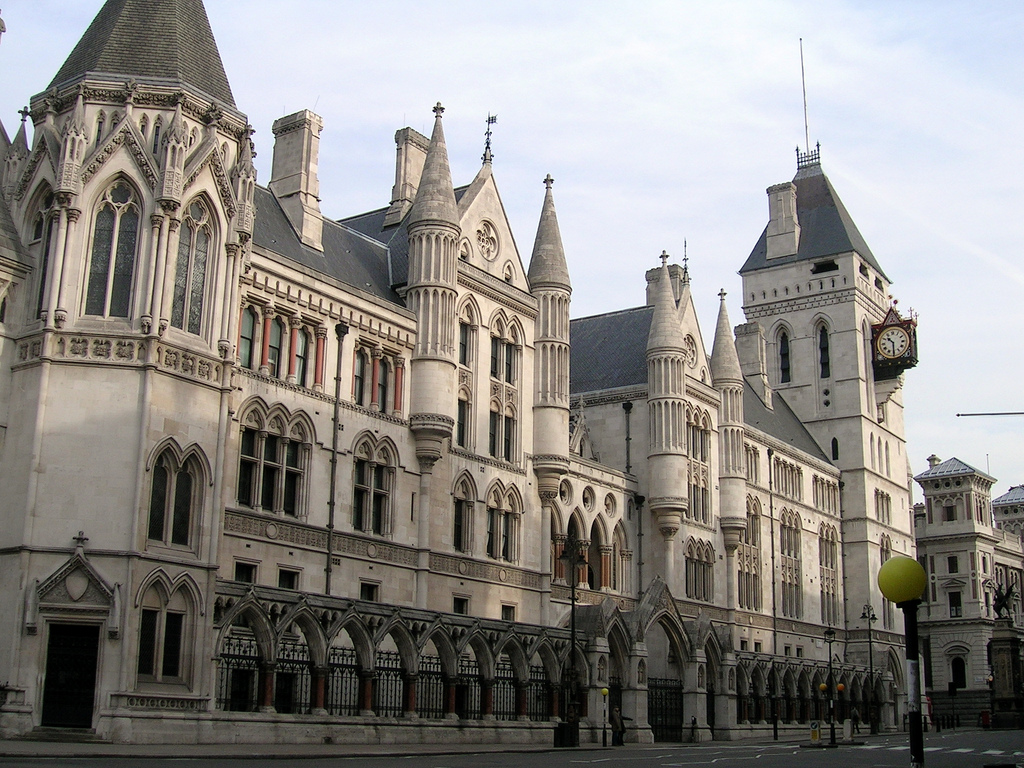
The link between the two halves of this topic is not accidental. A police condition imposed under section 12 or 14, a banning order under section 13, or a refusal to permit a march at all is itself a decision of a public body exercising a public law function — and so it is, in principle, amenable to judicial review. A solicitor advising an organiser served with an unwelcome condition should instinctively ask: did the officer correctly understand the statutory trigger (illegality)? Was the condition so disproportionate that no reasonable officer could have imposed it (irrationality, shading into proportionality under Articles 10 and 11)? Was the organiser given any chance to make representations (procedural impropriety)? That is the applied, scenario-based reasoning SQE1 rewards — not reciting the grounds in the abstract, but running a public order decision through the judicial review framework to test whether the police have stayed inside the law.