Title to Land: Registered and Unregistered
A registered title is a promise. When HM Land Registry enters your name on the proprietorship register, the state is telling the whole world: this person owns this land, and you can rely on that statement without digging through a hundred years of deeds in a solicitor's dusty deed box. That promise, and the narrow set of exceptions to it, is the entire subject matter of this topic — and it is why registered and unregistered land operate as two almost unrelated legal universes sharing the same physical fields and houses.

The Land Registration Act 2002 (LRA 2002) governs the system of registered title to land in England and Wales, and HM Land Registry maintains the register of title on which that system depends. The ambition behind the Act is often described as the mirror principle: the register should reflect all material facts about title, so that a buyer can, in principle, discover everything they need to know by reading the register rather than investigating decades of paper history. The register is open to public inspection, which is what makes that mirror useful — anyone can check it before a transaction.
Every registered title is split into three parts, and a solicitor who cannot instantly say which part contains which information is not ready for practice.
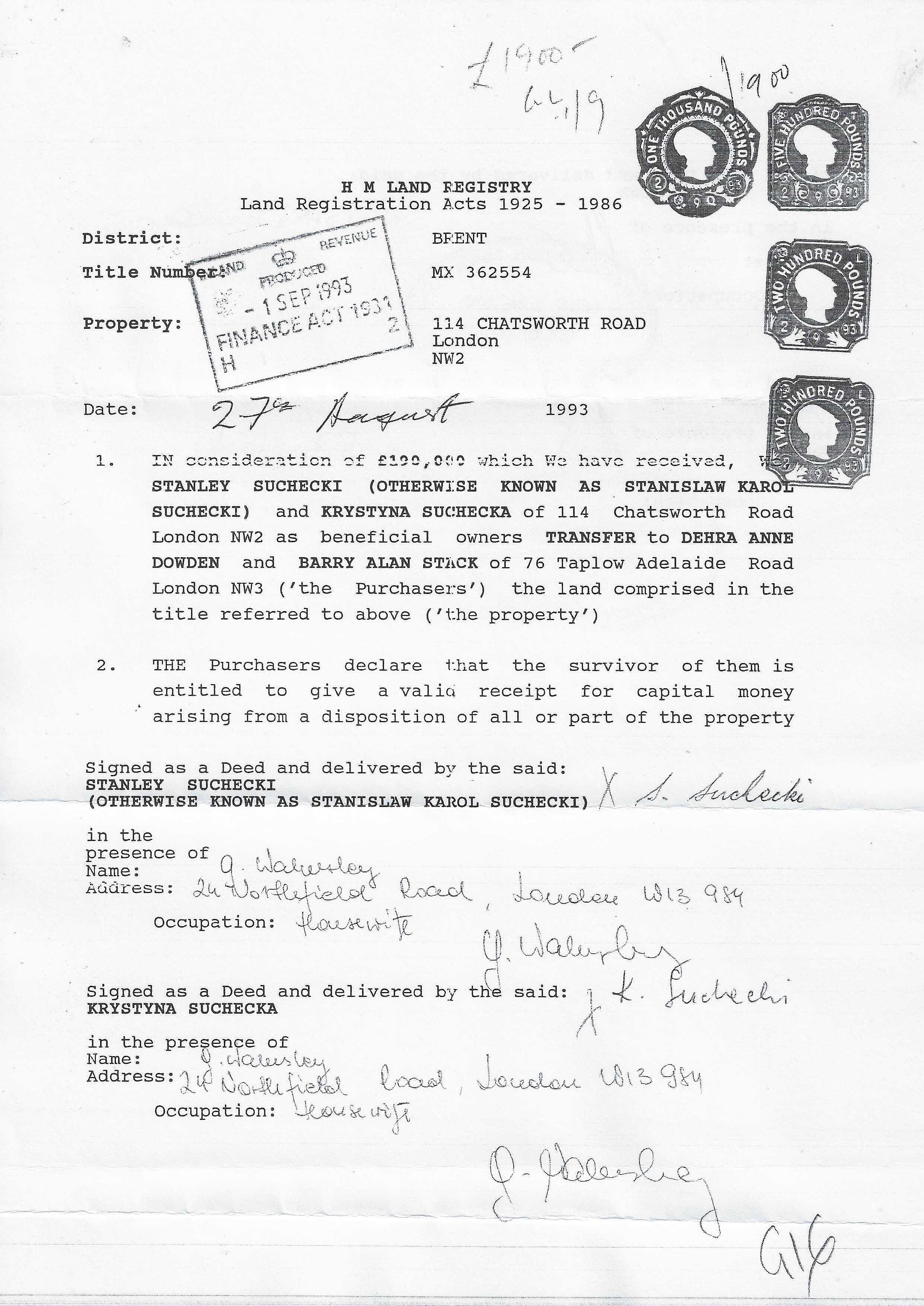
The three registers
- Property register — describes the land and the estate held (freehold or leasehold), and lists rights that benefit the land, such as easements.
- Proprietorship register — names the registered proprietor and states the class of title held.
- Charges register — records burdens on the land: mortgages, restrictive covenants, and notices protecting third-party interests.
A useful shorthand: property register = what you have; proprietorship register = who you are and how good your claim is; charges register = what's weighing it down.
Classes of Title
Not every registered title is equally secure. The Registry grants absolute, possessory, qualified, or good leasehold title, and the differences matter enormously to a purchaser's risk assessment. Absolute title is the gold standard — it guarantees the proprietor's ownership subject only to overriding interests and whatever is actually entered on the register. Possessory title (typically arising from adverse possession without full proof of a paper trail), qualified title (where a specific defect is excluded from the guarantee), and good leasehold title (where the freehold or superior title was not investigated) all carry a corresponding gap in the state's guarantee. When a client asks "is my title good?", the honest answer starts with which class of title they hold.
Most land in England and Wales is now registered, but land can still sit unregistered until a triggering event forces it onto the register. Section 4 of the LRA 2002 sets out these triggers, and they form a checklist every property solicitor runs through on receiving instructions on unregistered land.
The core triggers include:
- A transfer of a qualifying freehold estate — whether for value, by gift, or under a court order.
- The grant of a lease for a term of more than seven years out of an unregistered estate.
- The creation of a first legal mortgage of a qualifying unregistered freehold or leasehold estate.
Crucially, registration is not only compulsory — it is also available voluntarily. An owner of unregistered land may apply for voluntary first registration even where no triggering event has occurred, often to obtain the security and marketability that registered title brings, or ahead of an anticipated sale.
Timing matters here in a way that catches out the unwary. After a triggering event, there is a priority period within which the application for first registration must be completed. Miss it, and the consequence is not a fine or a formality — it is that the legal estate reverts to the transferor. The transferee is not left empty-handed, however: while the legal title has technically bounced back, the transferor holds that reverted legal estate on a bare trust for the transferee, preserving the transferee's beneficial entitlement until the position can be corrected. This is exactly the kind of trap a conveyancer must build a diary system around — the client's equitable interest survives a missed deadline, but the clean legal title does not.
Once land is registered, section 27 of the LRA 2002 takes over, listing the dispositions of a registered estate or charge that must be completed by registration to take full legal effect. The structure of section 27 is unforgiving: a registrable disposition does not operate at law until the registration requirements are met — signing the paperwork is not enough. Until registration happens, the transferee holds only an equitable interest in the land, however solid the underlying transaction looks on paper.
The main registrable dispositions a candidate must recognise on sight are:
- A transfer of the registered estate.
- The grant of a lease for a term of more than seven years.
- The express grant of a legal easement.
- The grant of a legal charge (a mortgage) of a registered estate.
Notice the neat symmetry with the first-registration triggers above — the "more than seven years" lease threshold and the "first legal mortgage" trigger both reappear here, because the Act is drawing the same line between transactions significant enough to demand registration and those that are not.
Priority Under Section 29
Section 29 of the LRA 2002 is the engine room of the registered system, and it is where exam scenarios about competing interests are won or lost. It provides that a registered disposition made for valuable consideration takes priority over any interest affecting the estate that was not protected on the register at the time of registration. Read that carefully: it protects a registered disposition made for value, against interests that were not protected. All three qualifications matter, and each has produced its own body of exam-style scenarios.
"Valuable consideration" is a term of art here: it excludes nominal consideration and marriage consideration. A transfer for £1, or one made "in consideration of marriage," will not earn the purchaser priority under section 29 — the section is designed to protect people who genuinely paid for what they got, not those who received a technical or ceremonial recital of consideration.
Section 29 in one line: pay real money, register your disposition, and you take free of any interest the previous owner's opponents failed to protect on the register — unless that interest didn't need protecting because it overrides.
If you are the beneficiary of an interest in someone else's registered land — a restrictive covenant, an option to purchase, an equitable easement — section 29 tells you exactly what happens if you do nothing: you lose priority to the next purchaser for value. So how do you protect yourself? There are three routes: entry of a notice, entry of a restriction, or qualifying as an overriding interest.
Notices
A notice entered on the charges register records the existence of a third-party interest — a restrictive covenant, an estate contract, an equitable easement, and the like. There are two flavours:
- An agreed notice — entered with the registered proprietor's consent, or on production of sufficient evidence of the interest to the Registry.
- A unilateral notice — entered without the proprietor's consent, useful when the proprietor is uncooperative or unaware.
Because a unilateral notice can be entered unilaterally, the Act also gives the proprietor a route out: they can apply to cancel a unilateral notice, which forces the beneficiary to come forward and justify the underlying interest or lose their protection. This is a pressure valve against notices being used to cloud title without any real substantiated claim behind them.
One subtlety that trips up students: entry of a notice does not guarantee that the underlying interest is valid. A notice merely preserves priority if the interest turns out to be good — it is a placeholder, not a judicial finding. Two parties can still fight out whether the underlying covenant or contract actually exists or was properly created; the notice just ensures that fight happens without the claimant having lost priority in the meantime.
Restrictions
A restriction on the proprietorship register works completely differently from a notice, and conflating the two is one of the most common SQE1-style errors. A restriction limits the circumstances in which a disposition of the registered estate can be registered — it is a procedural control on the Registry's own conduct, not a substantive protection of a third party's interest. The classic use case is ensuring overreaching occurs on a disposition of land held on trust: a restriction might require that no transfer be registered unless the purchase money is paid to two trustees, precisely so that beneficial interests are overreached rather than left dangling.
Notice vs restriction, in one sentence: a notice says "someone claims an interest here"; a restriction says "don't register this kind of transaction unless certain conditions are met." A restriction does not itself protect the priority of a third-party interest — it controls the registration process.
Overriding Interests
The mirror principle would be a beautiful piece of legal architecture if every interest in land actually made it onto the register. It doesn't. Overriding interests bind a registered disposition even though they never appear on the register at all — they are the crack in the mirror, and the LRA 2002 confines them to two schedules precisely to keep that crack as narrow as Parliament could manage.
- Schedule 1 lists unregistered interests that override first registration.
- Schedule 3 lists unregistered interests that override a registered disposition (i.e., a later dealing with already-registered land).
The Schedule 3 categories a candidate must know cold:
- Paragraph 1 — a legal lease granted for a term of seven years or less. Short leases are so common and so obviously discoverable by inspecting the property that Parliament decided registering every one of them would clog the system for no real gain.
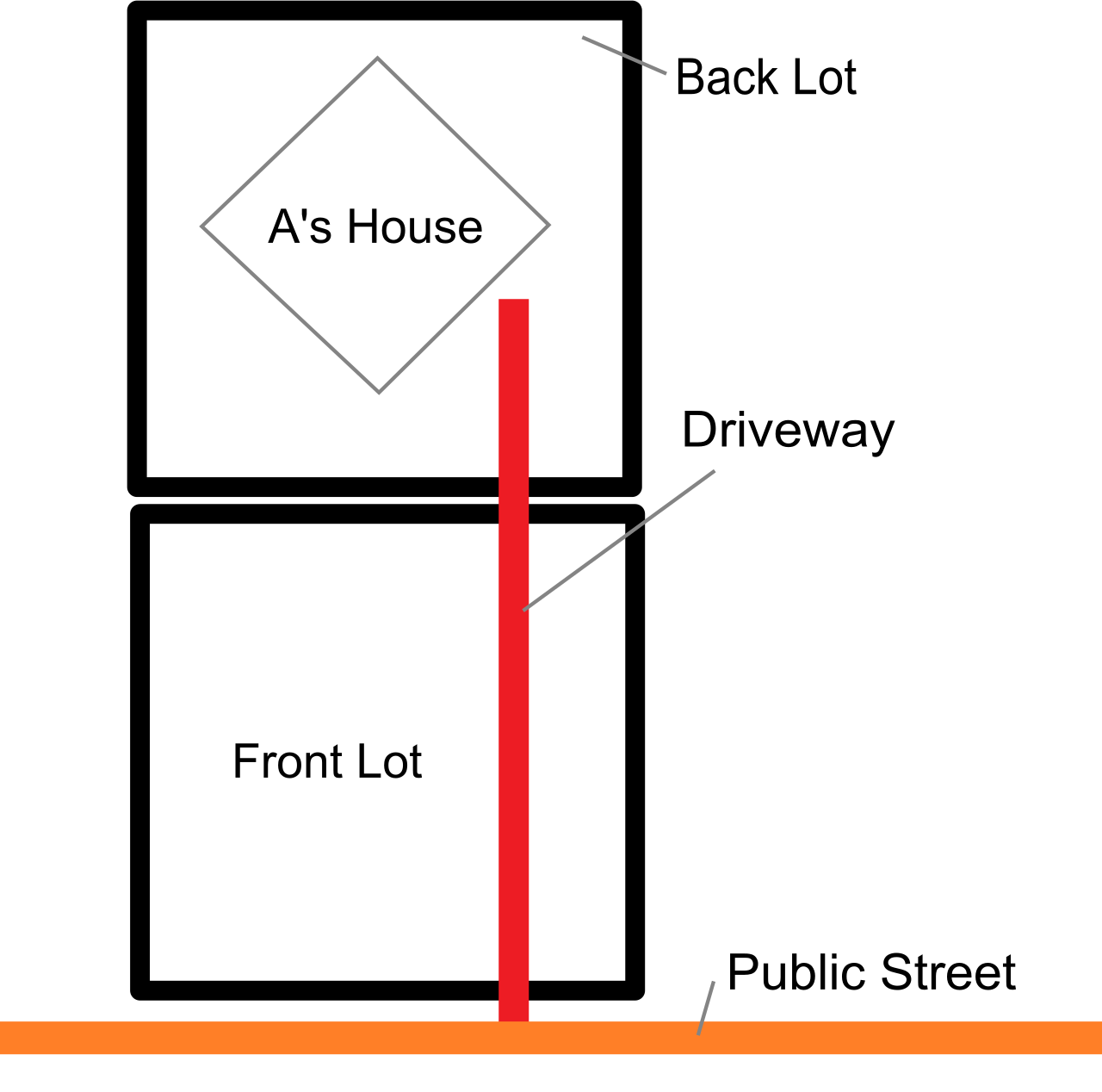
- Paragraph 3 — unregistered legal easements and profits à prendre, however created (express grant, implied grant, prescription, or statute).
- Paragraph 2 — the interest of a person in actual occupation of the land at the time of the relevant disposition. This is the paragraph that generates the richest fact patterns in practice, because "actual occupation" is a question of fact about a real human being living somewhere, not a question of paperwork.
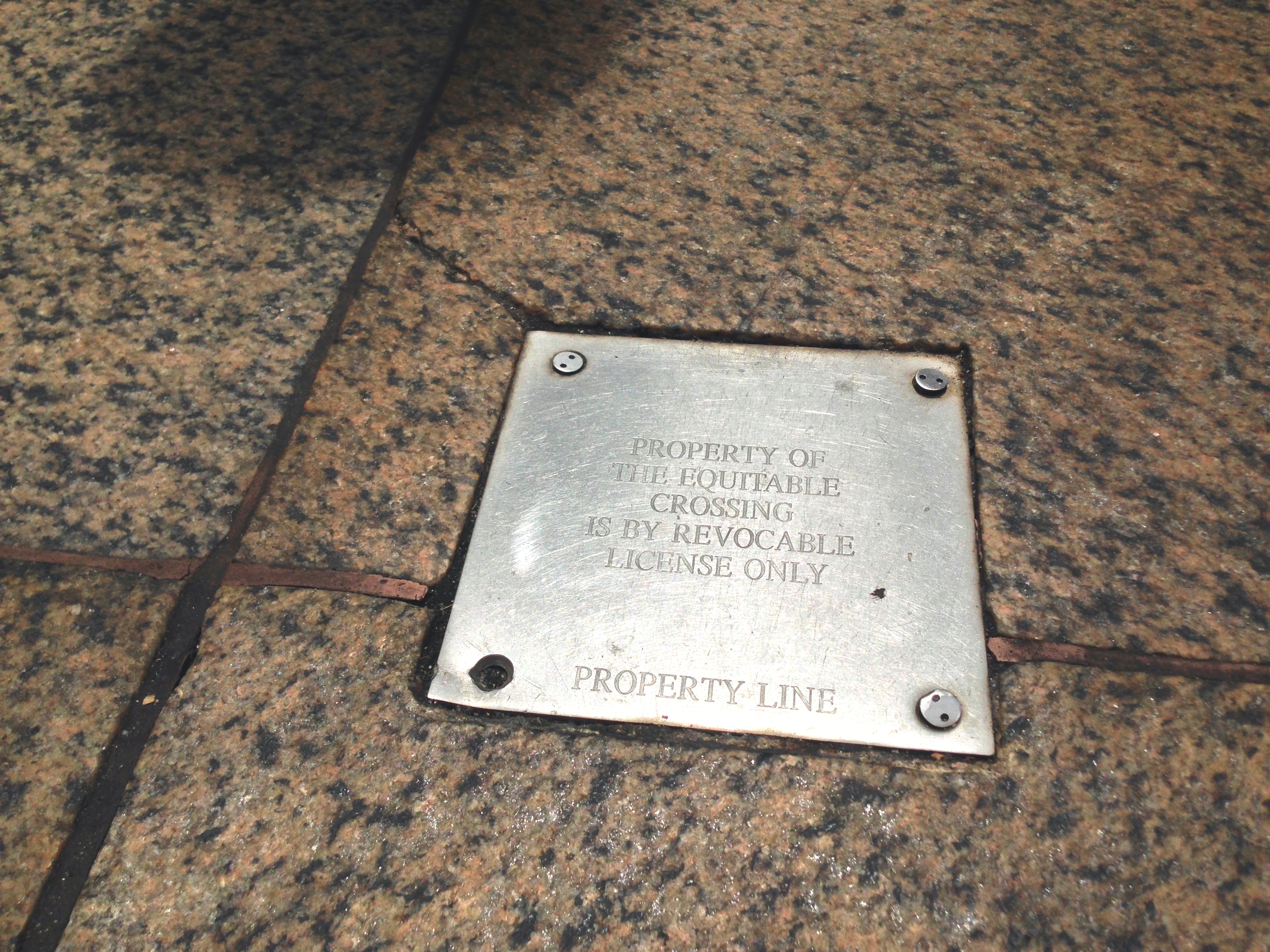
Paragraph 2 comes with two built-in defences for a purchaser, and both matter for client advice:
- The interest will not override if it would not have been obvious on a reasonably careful inspection of the land — unless the purchaser had actual knowledge of it anyway.
- The interest will not override if the occupier failed to disclose it when asked, and could reasonably have been expected to disclose it.
What counts as "actual occupation" in the first place? It requires physical presence on the land that is more than fleeting — not mere legal entitlement, and not a passing visit. The leading illustration, still the anchor case in this area, is Williams & Glyn's Bank v Boland, where the House of Lords held that a wife's presence in the matrimonial home could constitute actual occupation even though her husband was the sole registered proprietor. Her equitable interest under the couple's shared ownership of the purchase money was therefore capable of overriding the bank's registered charge, because she was actually living there when the bank's interest was created. The case is a permanent reminder that "check the register" is not the same as "the property is unencumbered" — a solicitor acting for a lender or buyer must also ask who actually lives here.
Overreaching Cuts Through Occupation
There is one mechanism that can defeat even an occupying beneficiary's Schedule 3 paragraph 2 claim: overreaching. Where land is held on a trust of land, a purchaser can take the land free of the beneficial interests under that trust, provided the purchase money is paid to at least two trustees, or to a trust corporation. When overreaching occurs, the beneficial interests do not vanish — they simply shift from the land to the proceeds of sale, so the beneficiaries still have a claim, just against money rather than bricks and mortar.
The interaction with Boland-style facts is the single most tested pressure point in this area: an occupying beneficiary's interest cannot override a registered disposition under Schedule 3 paragraph 2 where overreaching has taken place. In other words, paying two trustees properly beats even a beneficiary who is standing in the kitchen when the sale completes. A well-drafted restriction (see above) is often exactly what forces that second-trustee payment to happen in the first place — which is why notices, restrictions, and overreaching are not three separate topics but three moving parts of the same protective machinery.
First Registration and Schedule 1
The overriding-interest logic runs in both directions. On first registration of previously unregistered land, existing unregistered interests that qualify under Schedule 1 automatically bind the newly registered title — the act of registering does not wipe away interests that were already validly binding under the old unregistered rules. Registration formalises title; it does not launder it.
Because the register is a state guarantee rather than an infallible oracle, the Act builds in a correction mechanism. The Land Registry may alter or rectify the register under Schedule 4 of the LRA 2002 to correct a mistake — for example, where the wrong person was registered as proprietor. Because rectification can strip a registered proprietor of rights they believed were guaranteed, the Act pairs it with compensation: a person who suffers loss as a result of rectification, or as a result of a mistake that is not rectified, may be entitled to an indemnity under Schedule 8 of the LRA 2002. The mirror principle promises accuracy; Schedule 8 is the insurance policy for when the mirror was, briefly, wrong.
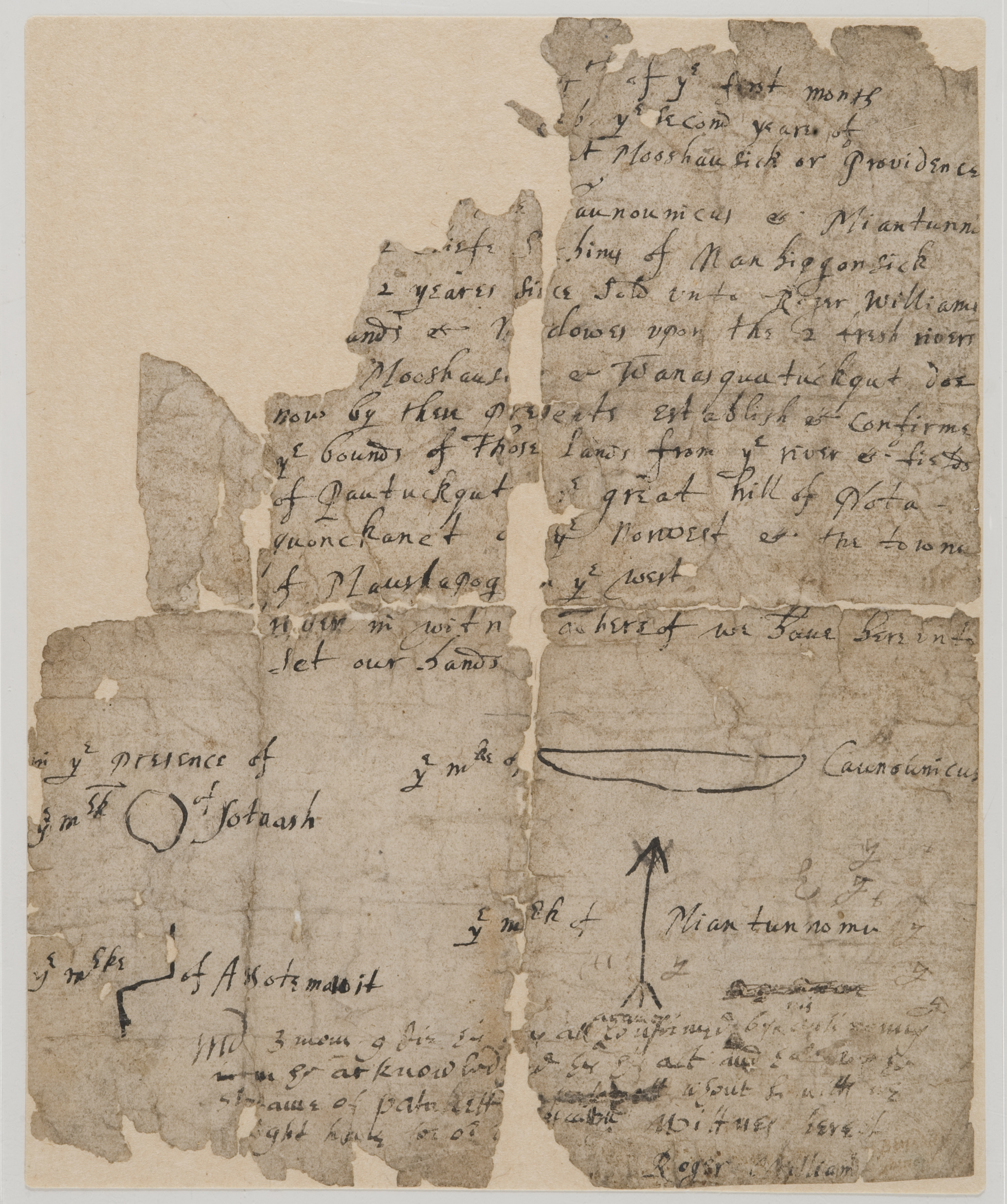
Step outside the registered system and the rules change completely. In unregistered land, there is no state-maintained mirror at all. Title is proved the old-fashioned way: by an unbroken chain of title deeds tracing ownership back to a good root of title. This is conveyancing as detective work rather than a database lookup.
Section 23 of the Law of Property Act 1969 reduced the minimum acceptable length of a root of title to fifteen years (down from the previous thirty), and a good root of title must satisfy three conditions:
A good root of title must:
- Deal with the whole legal and equitable interest in the land being sold.
- Contain an adequate description of the land.
- Cast no doubt on the validity of the seller's title.
Legal Rights, Equitable Rights, and the Doctrine of Notice
Unregistered land runs on a much older organising principle than the LRA 2002's priority rules. Legal rights bind the whole world, full stop, regardless of whether a purchaser knew about them. Most equitable rights, by contrast, are governed by the doctrine of notice: they bind everyone except a bona fide purchaser of a legal estate for value without notice — a figure so favoured by the old courts of equity that they earned the nickname equity's darling.
"Notice" under this doctrine comes in three forms, and a candidate should be able to reel them off without hesitation:
- Actual notice — knowledge the purchaser genuinely has.
- Constructive notice — knowledge the purchaser would have gained through the inquiries and inspections a prudent purchaser would ordinarily make.
- Imputed notice — the actual or constructive notice of the purchaser's solicitor or other agent, attributed to the purchaser themselves. A client cannot outsource an equitable interest into invisibility simply by not personally reading their solicitor's file.
The Land Charges Act 1972: Notice Replaced by a Register
The doctrine of notice, resting as it does on vague standards like "prudent inspection," proved too uncertain for certain categories of equitable interest — so Parliament pulled them out of the doctrine of notice entirely and required them to be registered under the Land Charges Act 1972 instead. Crucially, land charges are registered against the name of the estate owner whose estate is affected — not against the land itself, which is the single biggest structural difference from the registered system's charges register, and a classic exam trap.
The classes a candidate must have memorised:
| Class | What it is |
|---|---|
| C(i) | A puisne mortgage — a legal mortgage not protected by deposit of the title deeds |
| C(iii) | A general equitable charge not falling within any other class |
| C(iv) | An estate contract — including a contract to convey a legal estate and an option to purchase land |
| D(ii) | A restrictive covenant affecting freehold land, created on or after 1 January 1926 |
| D(iii) | An equitable easement created on or after 1 January 1926 |
| F | A spouse's or civil partner's matrimonial home right under the Family Law Act 1996 |
The consequence of failing to register a registrable land charge is severe and, notably, indifferent to fairness: the interest is void against a subsequent purchaser of the legal estate for money or money's worth — and this is true regardless of the purchaser's actual knowledge of the unregistered interest. A purchaser who happens to know all about an unregistered Class C(iv) estate contract can still take free of it if it was never registered. This is a deliberate policy choice to reward the register over subjective fairness, and it is the polar opposite of how the doctrine of notice treats a knowing purchaser.
The flip side is section 198 of the Law of Property Act 1925: registration of a land charge constitutes actual notice of that charge to all persons for all purposes. So registration cuts both ways — fail to register, and you're void against a purchaser no matter how much they knew; register properly, and every subsequent purchaser is deemed to know, no matter how careless their search.
Conducting a Land Charges Search
Because charges sit against names, not land, a purchaser's solicitor must search the land charges register against the names of every estate owner revealed in the chain of title, for the period during which each owned the land. Get a name wrong — a search against "Robert Smith" when the deeds show "Robert John Smith," say — and the search may fail to reveal a registered land charge that nonetheless remains binding on the purchaser. This is precisely why the Act does not leave purchasers stranded: a statutory compensation scheme exists for purchasers who suffer loss through non-discovery caused by searching against an incorrect version of a name, softening what would otherwise be a brutally unforgiving trap for careless conveyancing.
A useful way to hold all of this in your head for FLK1/FLK2 scenario questions is to ask, in order: (1) is this land registered or unregistered? That single fact determines which rulebook applies. If registered, ask (2) has there been a registrable disposition, and was it completed by registration? — governing whether the transferee has a legal or merely equitable interest. Then ask (3) how, if at all, was any competing interest protected — notice, restriction, or overriding status — and (4) did overreaching occur, which can defeat even an occupying beneficiary. If the land is unregistered, the questions change entirely: is the right legal or equitable, and if equitable, is it one of the Land Charges Act classes (register-based, name-indifferent to knowledge) or left to the doctrine of notice (fact-based, turning on what the purchaser actually or constructively knew)? Every SQE1 land law problem question is, underneath its facts, one of these two decision trees.