Following Written Directions
Not sure you’re ready?
Take the ~3-minute readiness diagnostic and see where you stand.
Consider a nurse preparing to establish a sterile field. The protocol dictates washing hands, donning gloves, opening the sterile drape away from the body, and placing instruments precisely within the boundaries. Reversing just two of those actions—opening the drape before washing hands—instantly breaches the field and jeopardizes patient safety. Written directions are a set of instructional statements designed to guide a reader toward a specific physical or logical outcome. In the fast-paced ecosystem of a hospital or clinic, the ability to rapidly decode and execute these statements without error is not a supplementary skill; it is the fundamental baseline of clinical practice.
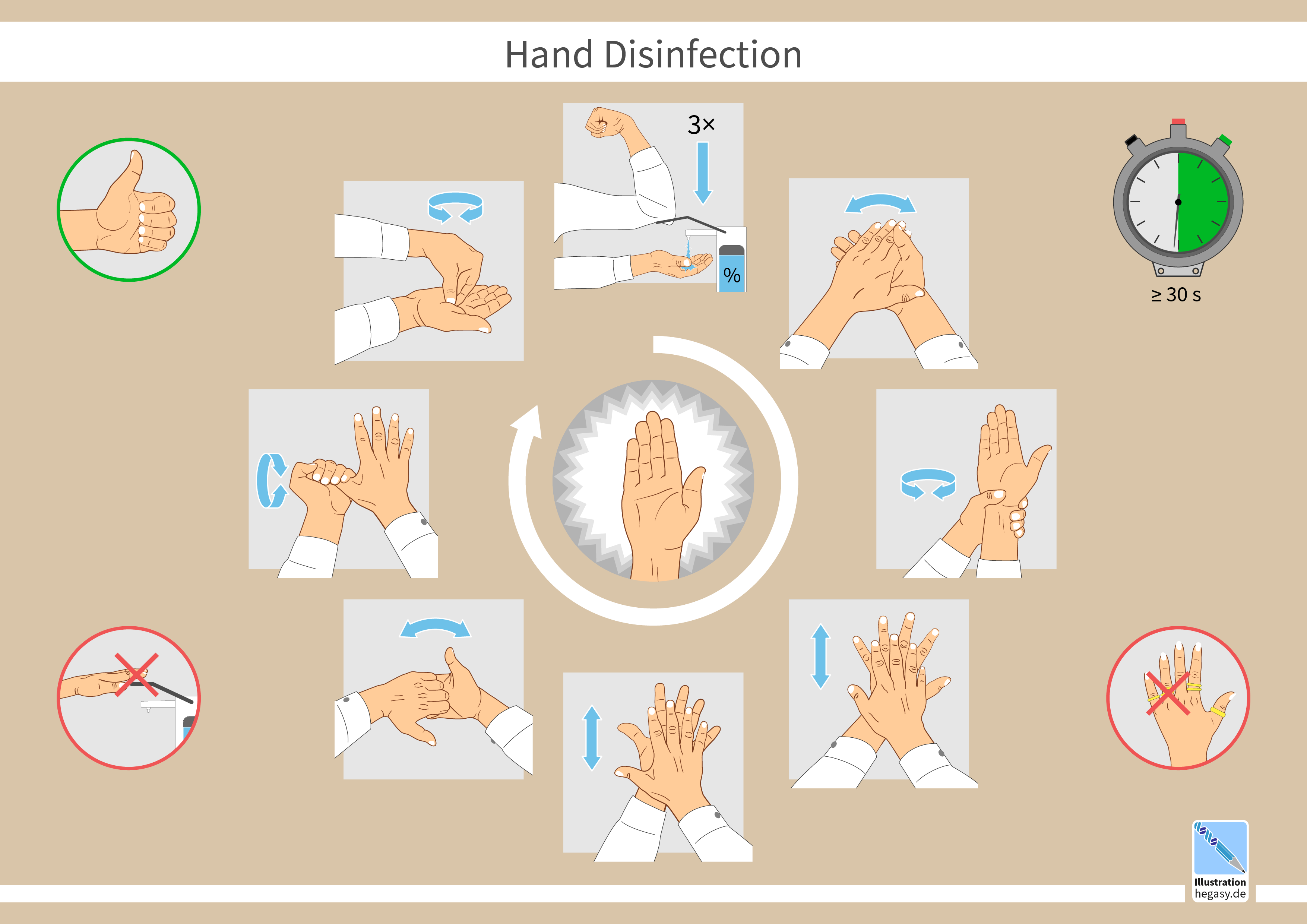
Before we dive into the mechanics of sequential logic, we must establish a cardinal rule for both clinical practice and standardized testing. A critical strategy for successfully following written directions is to read all steps completely before beginning any physical action. You must understand the entire scope of a procedure to ensure you have the correct equipment and constraints in mind.
Equally important for exam purposes: test takers must rely exclusively on the provided text rather than personal prior knowledge when evaluating written directions. Even if you have worked as a nursing assistant for five years and "know" how a procedure is done, if the passage describes it differently, the passage is your only truth.
Directions typically take three structural forms, each communicating a different level of rigidity regarding time and priority:
| Structural Format | Visual Presentation | Purpose and Implication |
|---|---|---|
| Ordered Lists | Sequential numbers (1, 2, 3) or sequential alphabetical letters (A, B, C). | A numbered list of instructions typically implies a strict chronological sequence of required actions. You cannot perform Step 3 before Step 2. |
| Unordered Lists | Bullet points or dashes. | Writers often present non-sequential directions in unordered lists. An unordered bulleted list typically presents instructional items of equal importance without demanding a specific chronological sequence. (e.g., gathering supplies). |
| Prose / Paragraph | Continuous blocks of text. | Writers sometimes embed multi-step directions within a continuous paragraph rather than using a list format. This demands significantly more active reading. |
Crucial Concept: When directions appear in continuous paragraph form, the reader must rely entirely on transition words to determine the correct chronological sequence.
When we decode directions, we are essentially building a mental movie. Evaluating the final result of written directions requires the reader to mentally simulate the exact physical changes caused by each sequential step. To direct this movie, writers use highly specific vocabulary.
Managing Time
Transition words explicitly mark the sequence of chronological steps within a set of written directions.
- Sequential transition words: Words such as first, next, then, afterward, and finally serve as sequential transition words in written directions. They build the basic chain of events.
- Chronological transition terms: Chronological transition terms dictate the strict passage of time between operational steps in a set of directions. Pay close attention to words such as before, during, immediately, and after, which function as chronological transition terms. These words tell you exactly when an action becomes valid.
Managing Space and Tools
It is not enough to know when to do something; you must know where and with what.
- Spatial transition terms: Spatial transition terms specify physical locations or directional movements within a set of instructions. Words such as top, bottom, left, right, above, and below function as spatial transition terms. Imagine applying an EKG lead; spatial precision is everything.
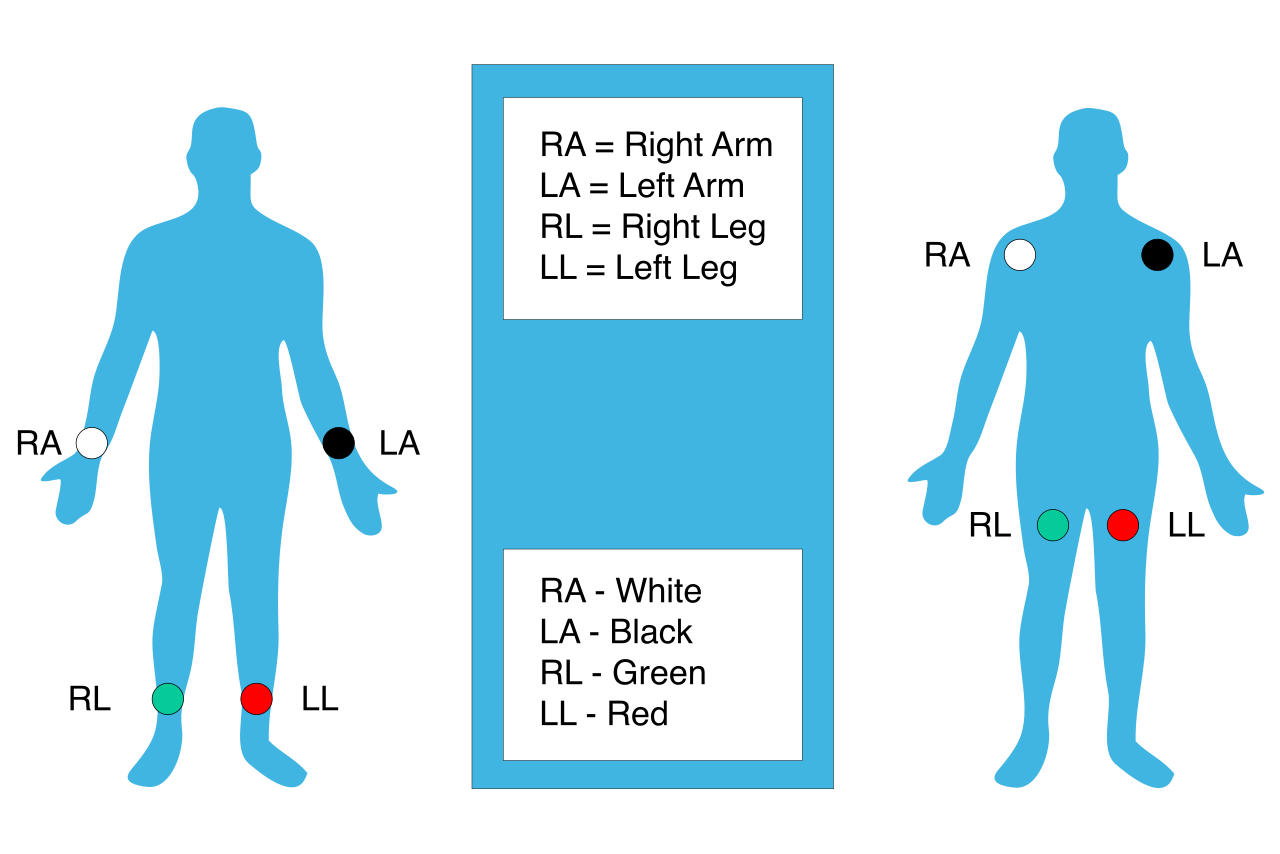
- Material Allocation: As you read, readers must correctly identify the specific tools or specific materials assigned to each distinct step in a sequential process.
Simultaneous Actions and Mathematical Ordering
Sometimes, instructions require multi-tasking. The transition word while indicates two distinct instructional actions must occur simultaneously. (e.g., "Depress the syringe plunger while monitoring the patient's heart rate").
Other times, instructions will group objects and actions together to save space. To decode this, you must understand a very specific academic term. The term respectively assigns specific instructions to multiple objects in the exact mathematical order those objects were initially named.
- Example: "Administer Medication A and Medication B at 0800 and 1200, respectively." This mathematically pairs Medication A with 0800, and Medication B with 1200.

Not all steps are created equal. Some steps serve as the gateway for the rest of the process.
A prerequisite step is a mandatory action that must be completely fulfilled prior to starting the primary sequence of directions. If you are painting a wall, taping the baseboards is a prerequisite step. If you are inserting a catheter, sterilizing the insertion site is the prerequisite.
During execution, certain conditions govern whether a step happens at all. Conditional instructions require a specific environmental circumstance to exist before an action is permitted. Writers communicate this clearly: sentences utilizing if/then phrasing explicitly mark conditional instructions within an informational text.
- Example: "If the patient's systolic blood pressure drops below 90, then withhold the medication."
When an action is absolutely vital, writers will use priority instructions, which dictate the most important actions that must occur before any secondary actions can take place. Because human attention wanders, writers frequently highlight priority instructions using visual formatting cues like bold text, italic text, or all-capital letters. When you see NOTE: or IMPORTANT: in bold, the writer is grabbing you by the collar to ensure you do not miss that step.

In healthcare, knowing what not to do is often more critical than knowing what to do. Therefore, writers frequently place critical safety warnings at the very beginning of a document before listing the operational steps. This ensures the reader is armed with protective knowledge before they ever touch a piece of equipment.
These warnings take a few distinct forms:
- Negative instructions: Negative instructions dictate the specific physical actions a user must actively avoid performing. Words such as never, avoid, and do not serve as explicit vocabulary markers for negative instructions.
- Contraindications: In the medical and chemical realms, we use a stronger term. Contraindications are instructional warnings detailing specific actions a user must strictly avoid performing. Contraindications exist within instructions to prevent critical errors, equipment damage, or personal injury during execution. If a medication lists "concurrent use with blood thinners" as a contraindication, doing so could cause catastrophic harm.
Why are we breaking down text at this microscopic level? Because the ATI TEAS 7 Reading section specifically tests a student's ability to exhibit comprehension of multi-step written directions.
The exam tests your ability to spot when the sequential chain breaks. A logic error in following written directions occurs when a reader performs a subsequent step without fulfilling a required prior prerequisite condition.
When you make a logic error, the physical objective falls apart. Omitting a required step in a set of sequential directions usually prevents the successful completion of the final objective. To evaluate your reading precision, the TEAS will simulate these failures:
- Missing Links: Nursing entrance exams frequently require test takers to identify a deliberately omitted step within a logical sequence of instructions. You will be given a list of actions and asked, "What step is missing between Step 2 and Step 4?"
- Cause and Effect: Nursing entrance exams frequently require test takers to predict the specific physical outcome of skipping a sequential step. You must be able to trace the butterfly effect of a skipped action through to the end of the procedure.

- Unscrambling: Nursing entrance exams frequently require test takers to reorder mixed-up instructions into a correct logical sequence. You will use your knowledge of sequential transitions (first, then, finally) and logical prerequisites to reconstruct the broken procedure.
Ultimately, the final step in a set of written directions frequently describes the intended physical outcome or completion state. Every transition word, conditional if/then, and bolded priority instruction is an architectural support holding up that final outcome. Master this framework, and you will not only conquer the reading section of the TEAS—you will build the foundational mindset required for flawless clinical execution.