Genetics and Mendelian Inheritance
Not sure you’re ready?
Take the ~3-minute readiness diagnostic and see where you stand.
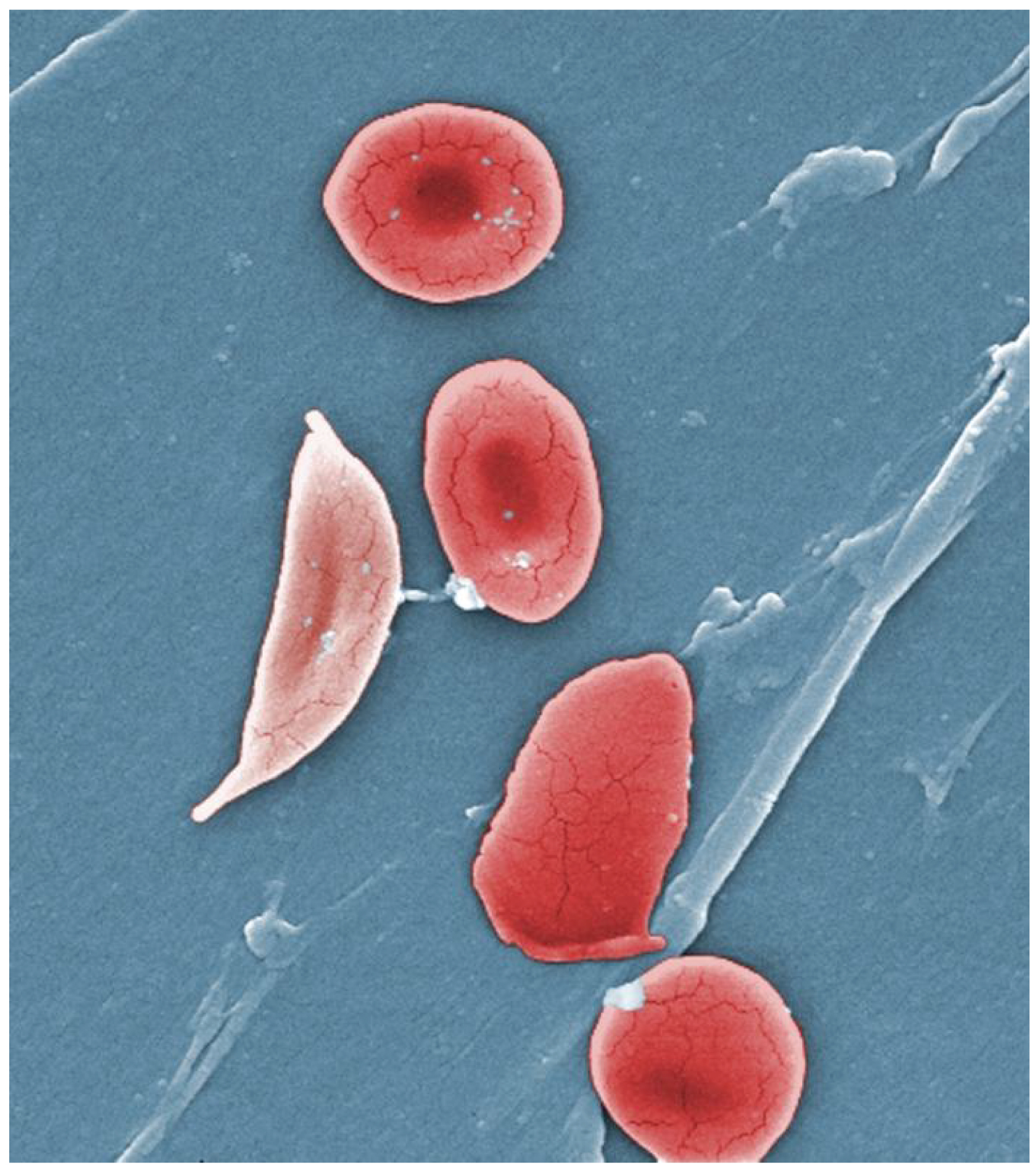
A patient presents to the emergency department with a sickle cell pain crisis. Their symptoms—severe joint ischemia, hemolytic anemia, and organ damage—do not stem from an invading pathogen, a traumatic injury, or an autoimmune cascade. Instead, this entire systemic failure originates from a single substituted letter in a molecular text that is millions of characters long. To understand human physiology, pathology, and pharmacology, you cannot merely look at the gross anatomy; you must look at the source code. You must understand how cellular blueprints are stored, how they are read, and how they are passed from one generation to the next.
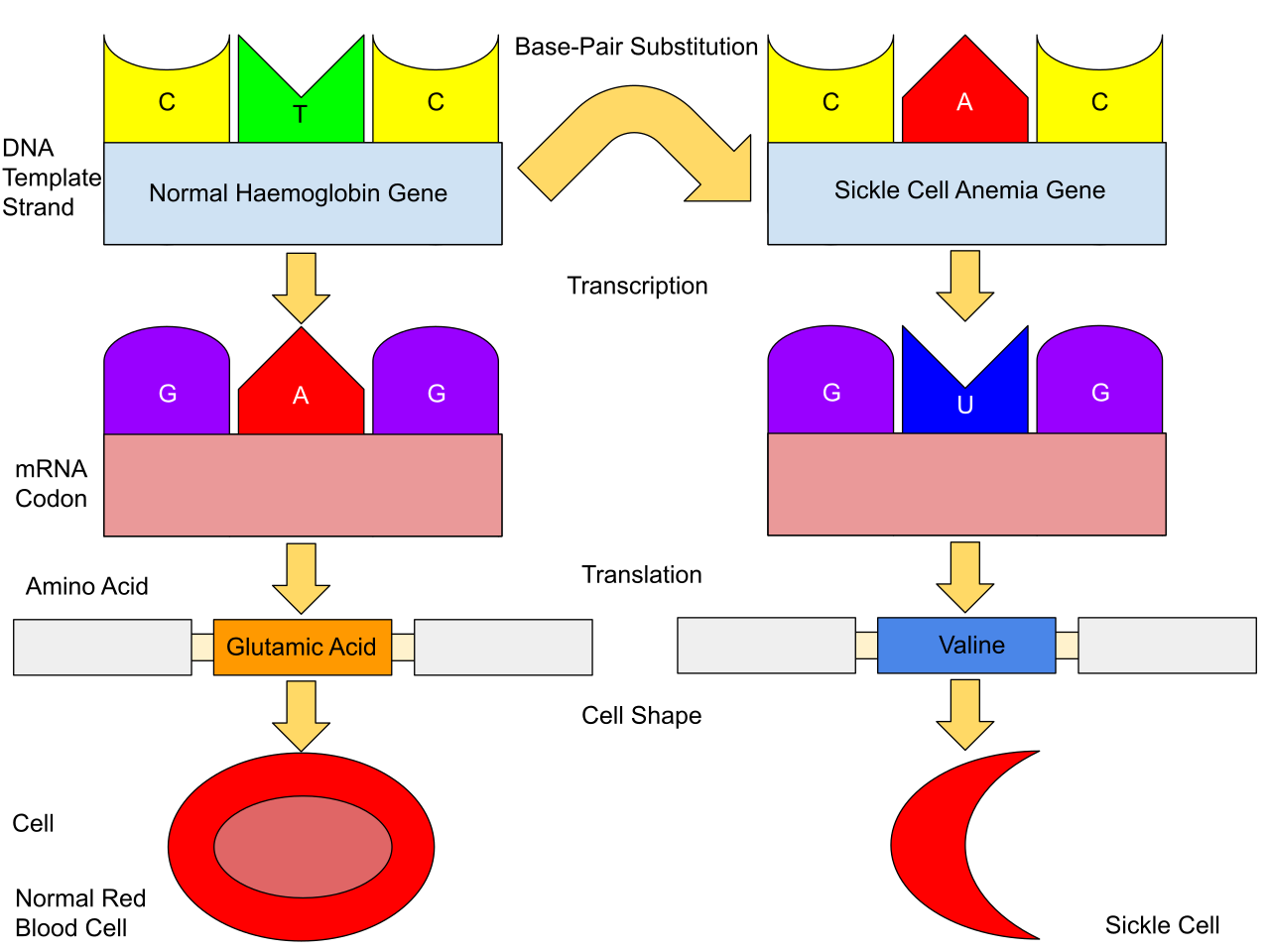
To build a human being, nature relies on polymers called nucleic acids. A nucleotide is the basic structural building block of nucleic acids like DNA and RNA. Think of a nucleotide as a single link in a massive chain.
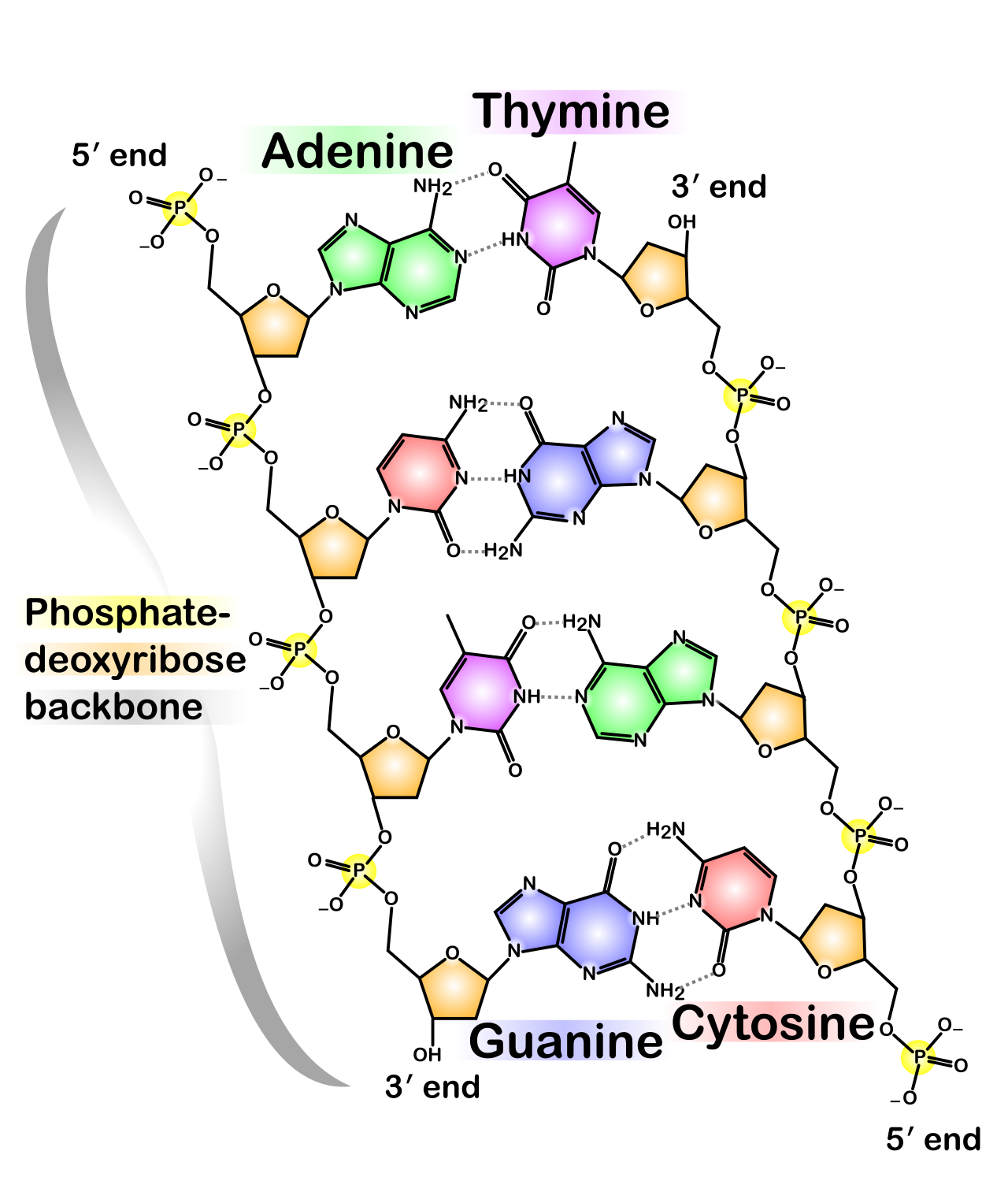
Deoxyribonucleic acid (DNA) is a double-stranded, helical molecule that stores genetic information. It serves as the master blueprint for every protein your body will ever manufacture. A single DNA nucleotide consists of a deoxyribose sugar, a phosphate group, and a nitrogenous base. The sugars and phosphates link together to form the sturdy backbone of the helix, while the nitrogenous bases act as the internal "rungs" of the ladder, storing the actual data.
The four nitrogenous bases found in DNA are adenine (A), thymine (T), cytosine (C), and guanine (G). They do not bond randomly. Because of their chemical shapes, they obey strict complementary pairing rules:
- In a DNA molecule, the nitrogenous base adenine always pairs with thymine.
- In a DNA molecule, the nitrogenous base cytosine always pairs with guanine.
If you know the sequence of one side of the DNA ladder, you automatically know the other. Furthermore, the two complementary strands of a DNA molecule run in opposite directions to each other, a structural property known as being antiparallel.
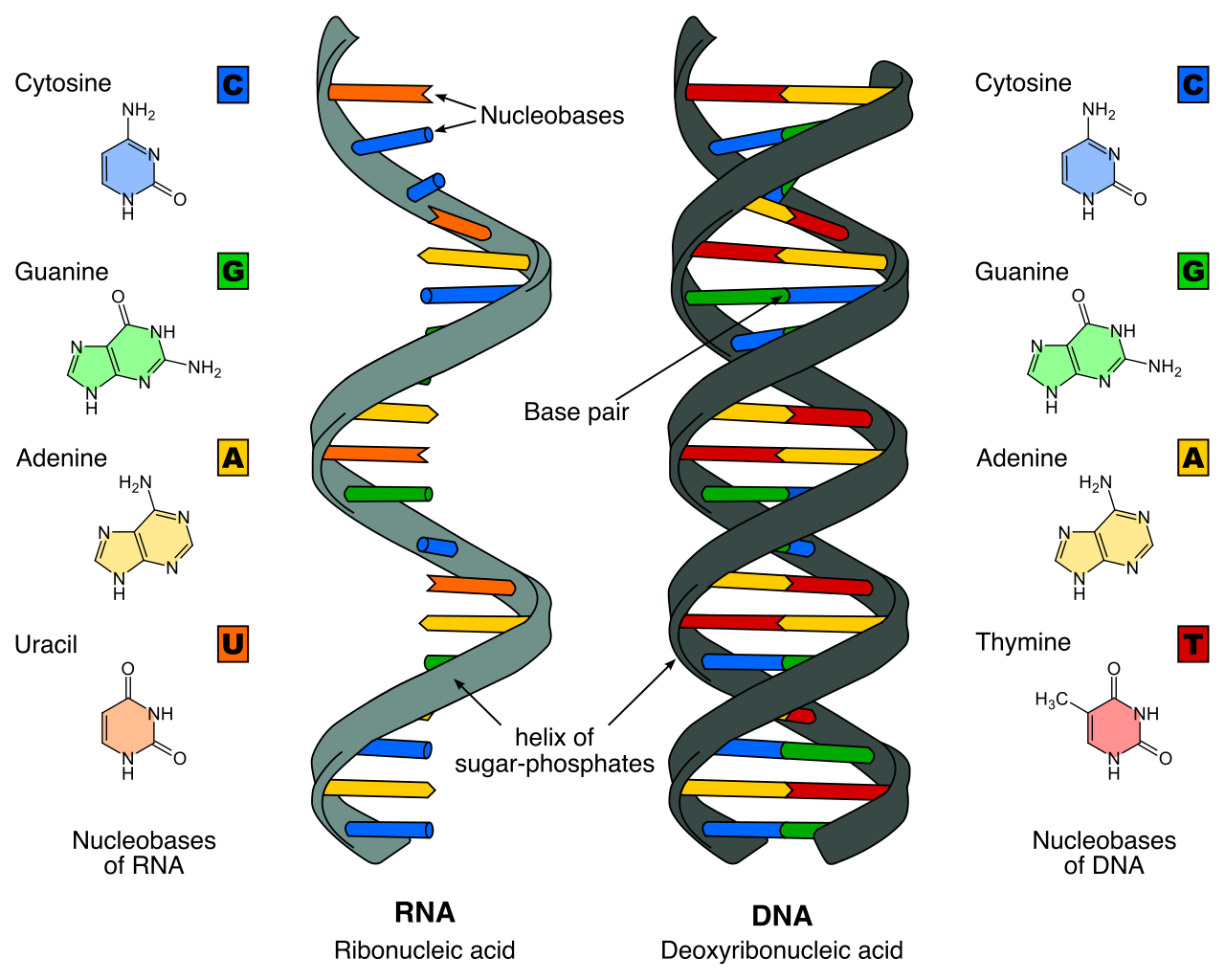
However, DNA is heavily protected and trapped inside the cell's nucleus. To actually build a protein, the cell needs a working copy of the instructions. Enter RNA. Ribonucleic acid (RNA) is typically a single-stranded nucleic acid molecule involved in protein synthesis.
Key Differences in RNA:
- An RNA nucleotide contains a ribose sugar, a phosphate group, and a nitrogenous base.
- The four nitrogenous bases found in RNA are adenine, uracil (U), cytosine, and guanine.
- In RNA molecules, the nitrogenous base uracil replaces thymine and pairs with adenine.
| Feature | DNA | RNA |
|---|---|---|
| Strands | Double-stranded | Single-stranded |
| Sugar | Deoxyribose | Ribose |
| Bases | A, T, C, G | A, U, C, G |
| Base Pairing | A-T, C-G | A-U, C-G |
How does a string of chemical letters turn into the enzymes digesting your breakfast or the hemoglobin carrying your oxygen? The central dogma of molecular biology states that genetic information flows sequentially from DNA to RNA to protein.
This flow happens in three major stages:
1. Replication (Copying the Master File)
Before a cell divides, it must duplicate its operating system. DNA replication is the biological process of creating an identical copy of a DNA molecule. Because eukaryotic DNA is too vital to float freely around the cell, DNA replication occurs exclusively within the nucleus of eukaryotic cells.
2. Transcription (Writing the Memo)
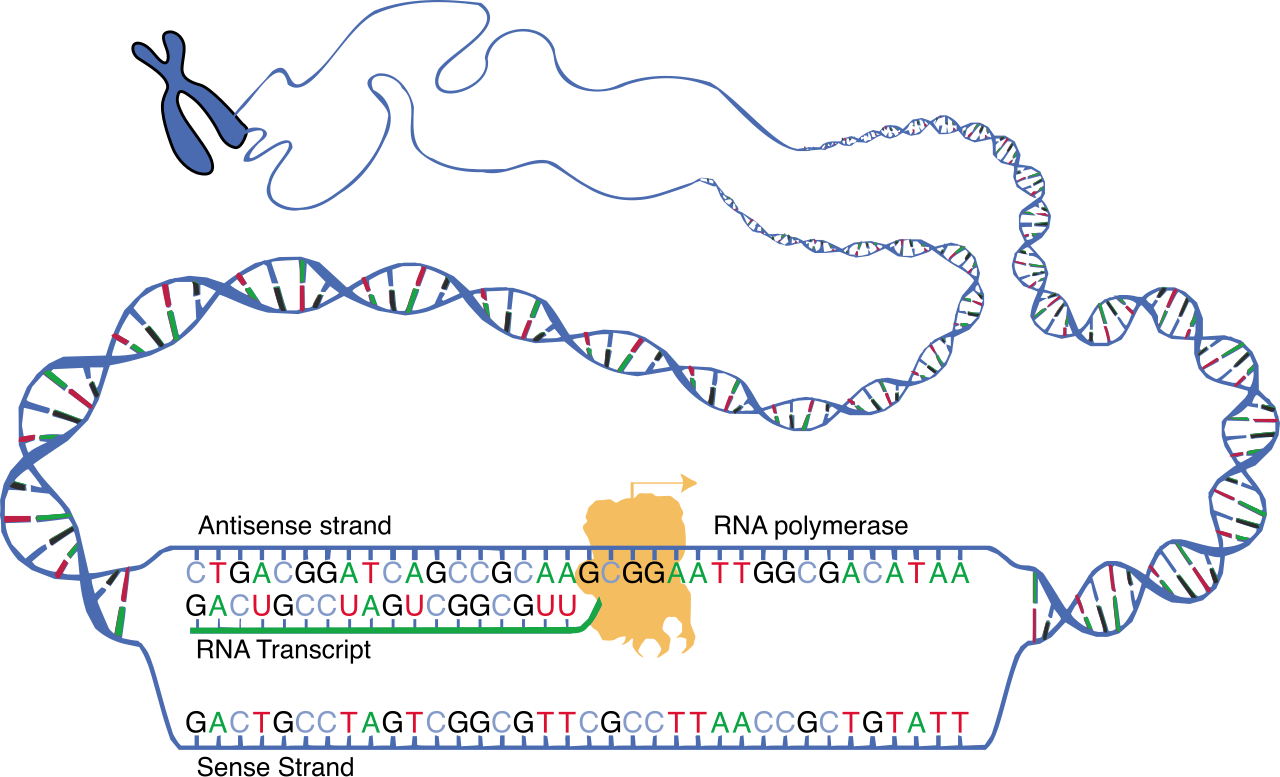
When a cell needs a specific protein, it locates the corresponding gene. A gene is a distinct segment of DNA that contains the instructions for producing a specific protein. The cell opens that segment and reads it.
Transcription is the process of synthesizing a messenger RNA (mRNA) molecule from a specific DNA template. Just like replication, transcription takes place inside the nucleus of eukaryotic cells. Once the mRNA molecule is synthesized, it acts as a chemical memo, exiting the nucleus to deliver its instructions to the manufacturing floor.
3. Translation (Building the Machine)
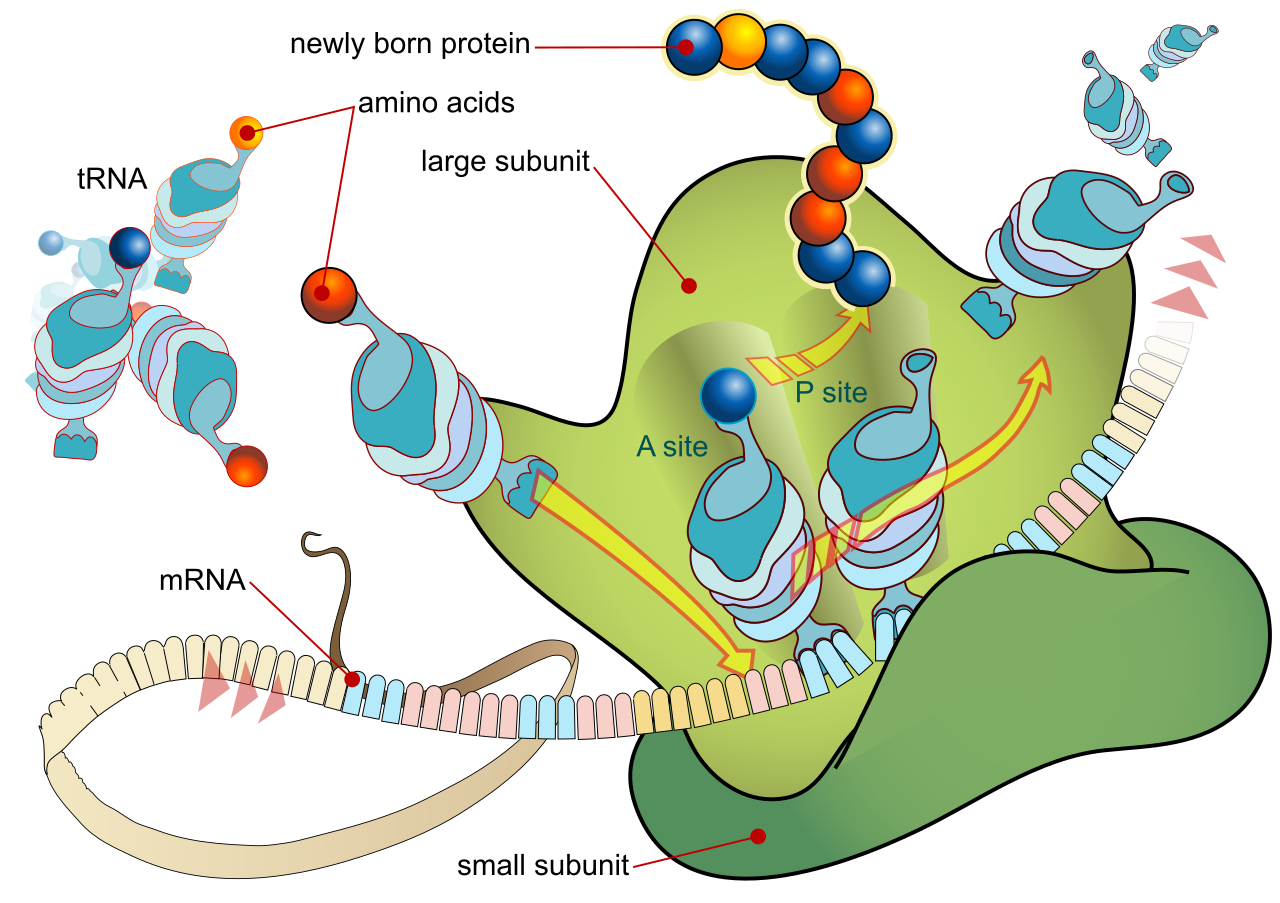
The manufacturing floor of the cell is the ribosome. Translation is the process of synthesizing a protein based on the genetic sequence carried by an mRNA molecule. Consequently, translation occurs at the ribosomes located in the cytoplasm of a cell.
How does the ribosome translate a language of nucleic acids (mRNA) into a language of proteins?
- Amino acids are the fundamental molecular building blocks of proteins.
- The mRNA is read in chunks of three. A codon is a sequence of three consecutive nucleotides on an mRNA molecule that specifies a particular amino acid.
- Transfer RNA (tRNA) molecules physically carry specific amino acids to the ribosome during the translation process. Think of tRNAs as delivery trucks.
- To ensure the correct amino acid is dropped off, the delivery truck must verify the address. An anticodon is a three-nucleotide sequence on a tRNA molecule that is complementary to a specific mRNA codon.
- As the tRNAs drop off their cargo in the correct order, peptide bonds link individual amino acids together to form a polypeptide chain during translation. This chain folds into a functional protein.
We each inherit two copies of every gene—one from our biological mother and one from our biological father. Because of mutations over human history, genes come in slightly different flavors. Alleles are different alternative versions of the exact same gene. For example, the gene for earlobe shape has an allele for attached earlobes and an allele for detached earlobes.
- A genotype is the specific combination of genetic alleles an organism possesses for a given trait. It is the hidden genetic code.
- A phenotype is the observable physical or biochemical characteristic of an organism. It is what we actually see or measure (like brown eyes, or blood type A).
An organism's underlying genotype dictates the organism's expressed phenotype. But what happens when you inherit two different alleles for the same gene? Who wins?
Dominant vs. Recessive Rules
- A dominant allele completely masks the visual expression of a recessive allele in a heterozygous pairing. Dominant alleles are conventionally represented by uppercase letters in genetics (e.g., "A").
- A recessive allele is only expressed in the phenotype when an organism possesses two copies of that specific allele. Recessive alleles are conventionally represented by lowercase letters in genetics (e.g., "a").
Based on the alleles inherited, your genetics fall into one of these categories:
- A homozygous genotype consists of two identical alleles for a specific genetic trait.
- A homozygous dominant genotype consists of two dominant alleles for a specific trait (e.g., AA).
- A homozygous recessive genotype consists of two recessive alleles for a specific trait (e.g., aa).
- A heterozygous genotype consists of exactly one dominant allele and one recessive allele for a specific trait (e.g., Aa). Because the dominant allele is present, the dominant phenotype will be expressed.
When counseling parents on the likelihood of passing on a genetic condition, healthcare professionals rely on probability mathematics established by Gregor Mendel.
Mendel's work gave us two critical laws:
- Mendel's Law of Segregation states that an organism's two paired alleles for a trait cleanly separate during gamete formation. (If you have genotype Aa, your sperm or egg gets either A or a, never both).
- Mendel's Law of Independent Assortment states that alleles governing different traits are distributed to reproductive cells independently of one another. (Inheriting the allele for brown hair doesn't force you to inherit the allele for brown eyes; they sort independently).
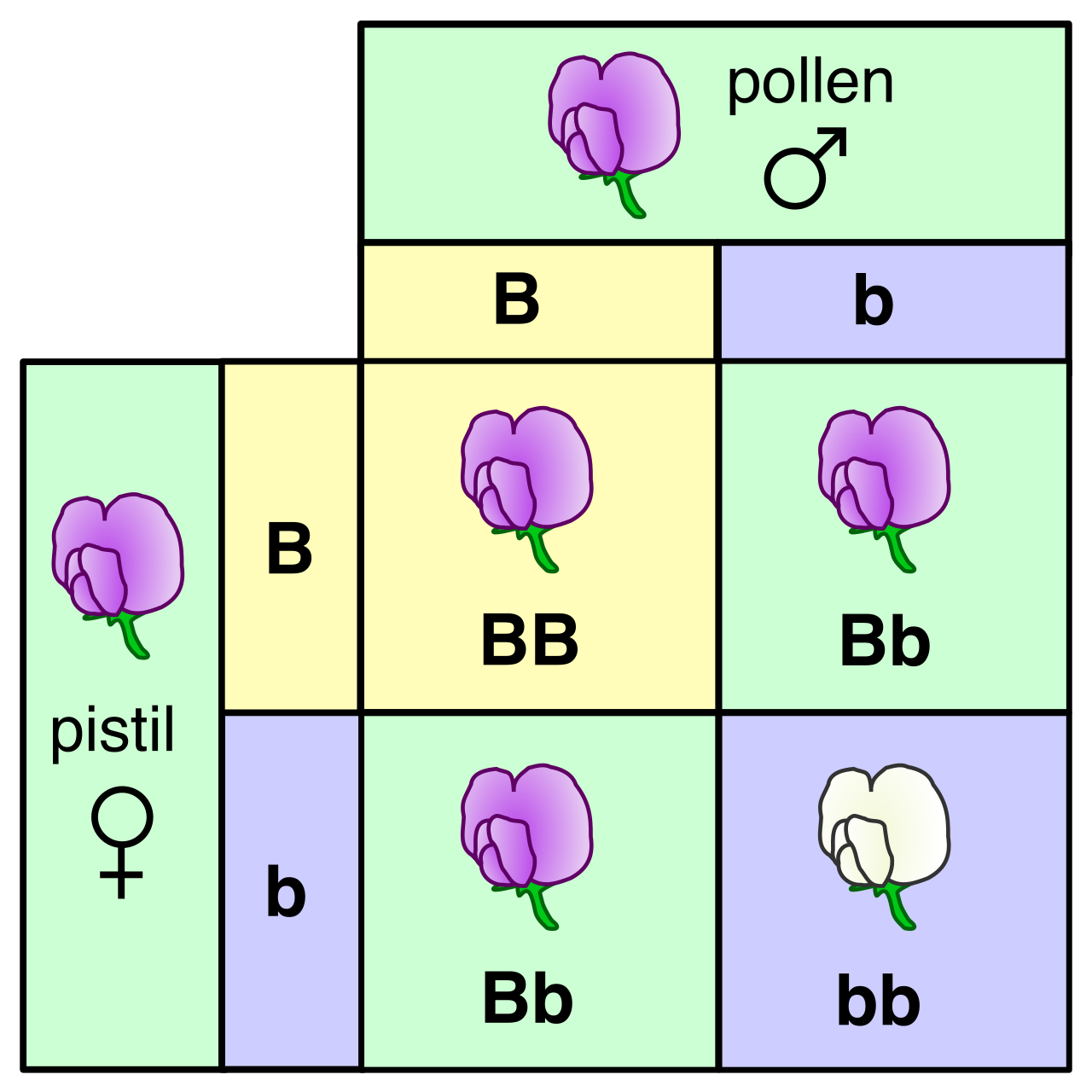
To calculate the odds of inheritance, we use a tool called a Punnett square. A Punnett square is a visual grid used to calculate the statistical probabilities of genotypes among offspring from a genetic cross.
- The letters positioned on the outside axes of a Punnett square represent the separated alleles present in the parents' gametes.
- The inner grid boxes of a Punnett square represent the potential genetic combinations of the offspring.
The Monohybrid Cross
A monohybrid cross analyzes the genetic inheritance pattern of exactly one distinct trait (like assessing only eye color).
Consider a cross between two parents who are both heterozygous (Aa x Aa).
- A genetic cross between two heterozygous parents for a single trait predictably yields a 1:2:1 genotypic ratio in the offspring. (25% AA, 50% Aa, 25% aa).
- Because both AA and Aa produce the dominant trait, a genetic cross between two heterozygous parents for a single trait predictably yields a 3:1 phenotypic ratio in the offspring. (75% display the dominant trait, 25% display the recessive trait).
The Dihybrid Cross
A dihybrid cross evaluates the simultaneous inheritance patterns of two completely different genetic traits (e.g., testing for seed color and seed shape simultaneously).
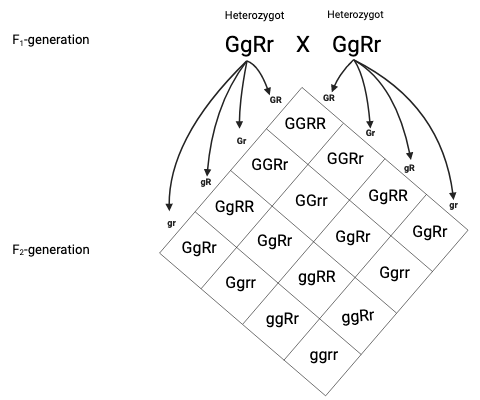
When you cross two individuals who are heterozygous for both traits (e.g., AaBb x AaBb), the math expands into a 16-box Punnett square.
- A dihybrid cross between two individuals perfectly heterozygous for both distinct traits yields a 9:3:3:1 phenotypic ratio.
- 9 will display both dominant traits.
- 3 will display the first dominant and second recessive trait.
- 3 will display the first recessive and second dominant trait.
- 1 will display both recessive traits.
Biology rarely conforms entirely to simple dominant/recessive binaries. In the clinical setting, you will frequently encounter traits that behave differently.
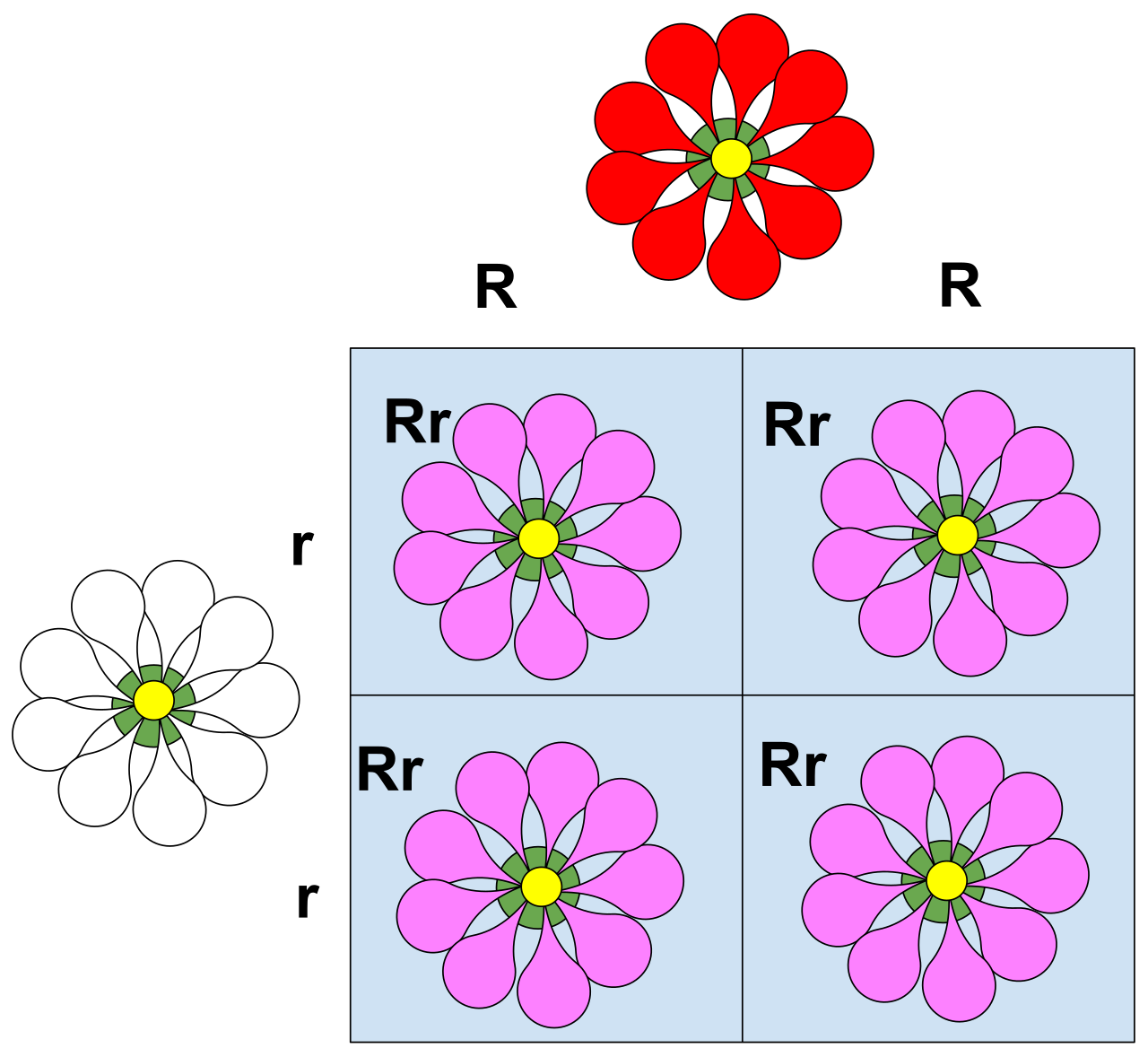
Incomplete Dominance Sometimes, one allele isn't strong enough to completely mask the other. Incomplete dominance occurs when a heterozygous genotype results in a physical phenotype that perfectly blends the two homozygous phenotypes. If a red flower and a white flower cross to produce a pink flower, neither allele achieved total dominance. They blended.
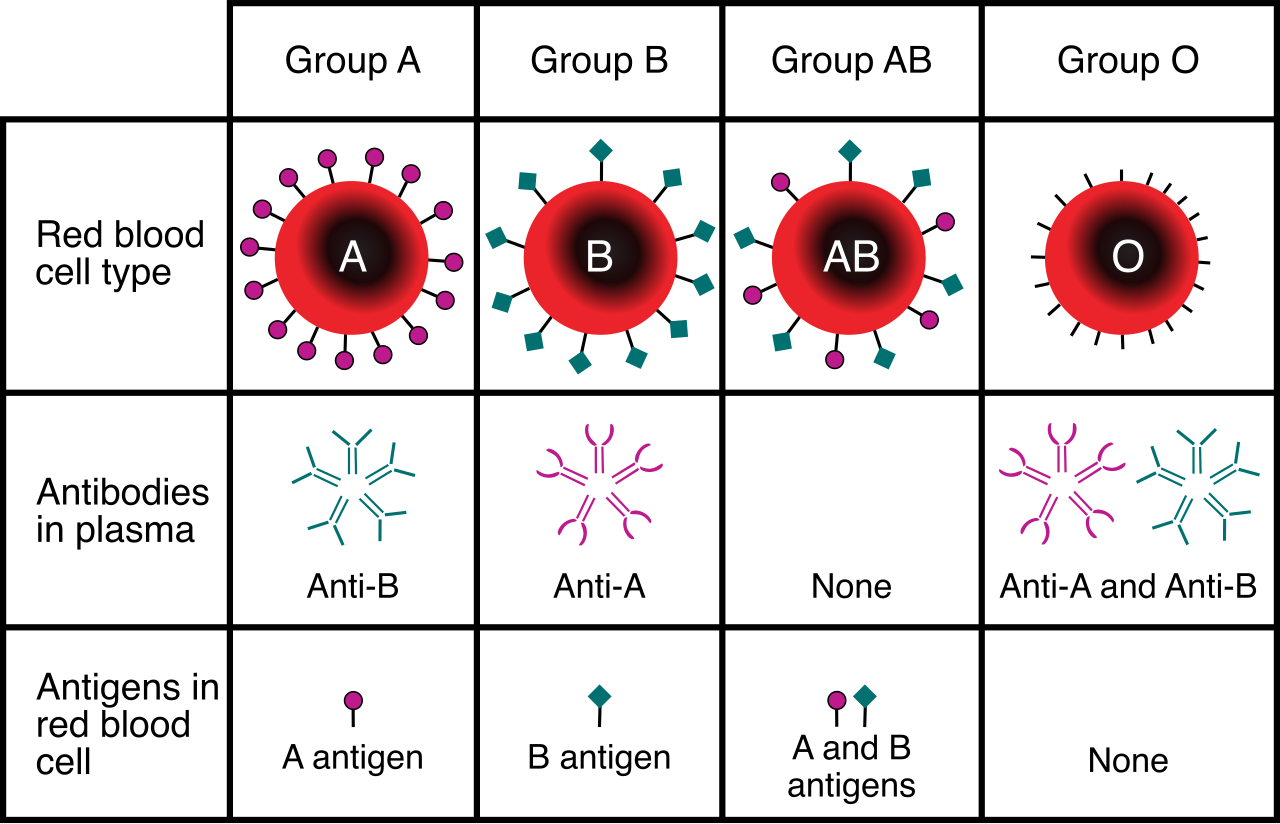
Codominance Other times, both alleles demand to be seen. Codominance occurs when both distinct alleles in a heterozygous genotype are fully and equally expressed in the organism's phenotype.
The most vital clinical example of codominance is human blood typing. If a patient inherits the "A" allele from one parent and the "B" allele from the other, they do not produce a blended halfway-blood type. Instead, their red blood cells display both A antigens and B antigens fully and equally, resulting in Type AB blood. Understanding this is quite literally a matter of life and death during a blood transfusion.
By mastering how DNA stores information, how RNA and ribosomes read it, and how alleles are inherited, you are no longer just memorizing biology—you are learning the engineering principles of the human machine.