Macromolecules and Microorganisms
Not sure you’re ready?
Take the ~3-minute readiness diagnostic and see where you stand.
A living human body is an engineering marvel constructed from trillions of invisible chemical components, simultaneously acting as an ecosystem for microscopic life. As a future healthcare professional, every action you take—from hanging a bag of intravenous nutrition to donning an N95 respirator—is a direct intervention at this microscopic scale. To understand how to heal a patient, or how to stop an outbreak in a hospital wing, you must first understand the fundamental molecular building blocks that assemble life, and the invisible organisms that exploit those same building blocks to cause disease.
If you strip away the water from a human cell, what remains is almost entirely an architecture of macromolecules. Macromolecules are large biological polymers assembled from smaller individual subunits called monomers. Think of monomers as individual Lego bricks. By snapping these individual bricks together, nature builds massive, complex polymers.
How does the body snap these bricks together, or break them apart to use for fuel? It comes down to water.
- Dehydration synthesis reactions build macromolecules by extracting a water molecule to form a covalent bond between monomers. When your body links two glucose molecules together, it pulls a hydrogen atom (H) from one and a hydroxyl group (OH) from the other. H plus OH equals H₂O. Water is removed (dehydration), and the molecules are joined (synthesis).
- Conversely, hydrolysis reactions break down macromolecules into individual monomers by consuming a water molecule. When a patient digests a meal, their body uses water molecules to cleave the chemical bonds holding the food's polymers together, releasing the monomers to be absorbed into the bloodstream.

Nature relies on four major classes of biological macromolecules to build and sustain living organisms: carbohydrates, lipids, proteins, and nucleic acids.
1. Carbohydrates: Fast Fuel and Cellular Architecture
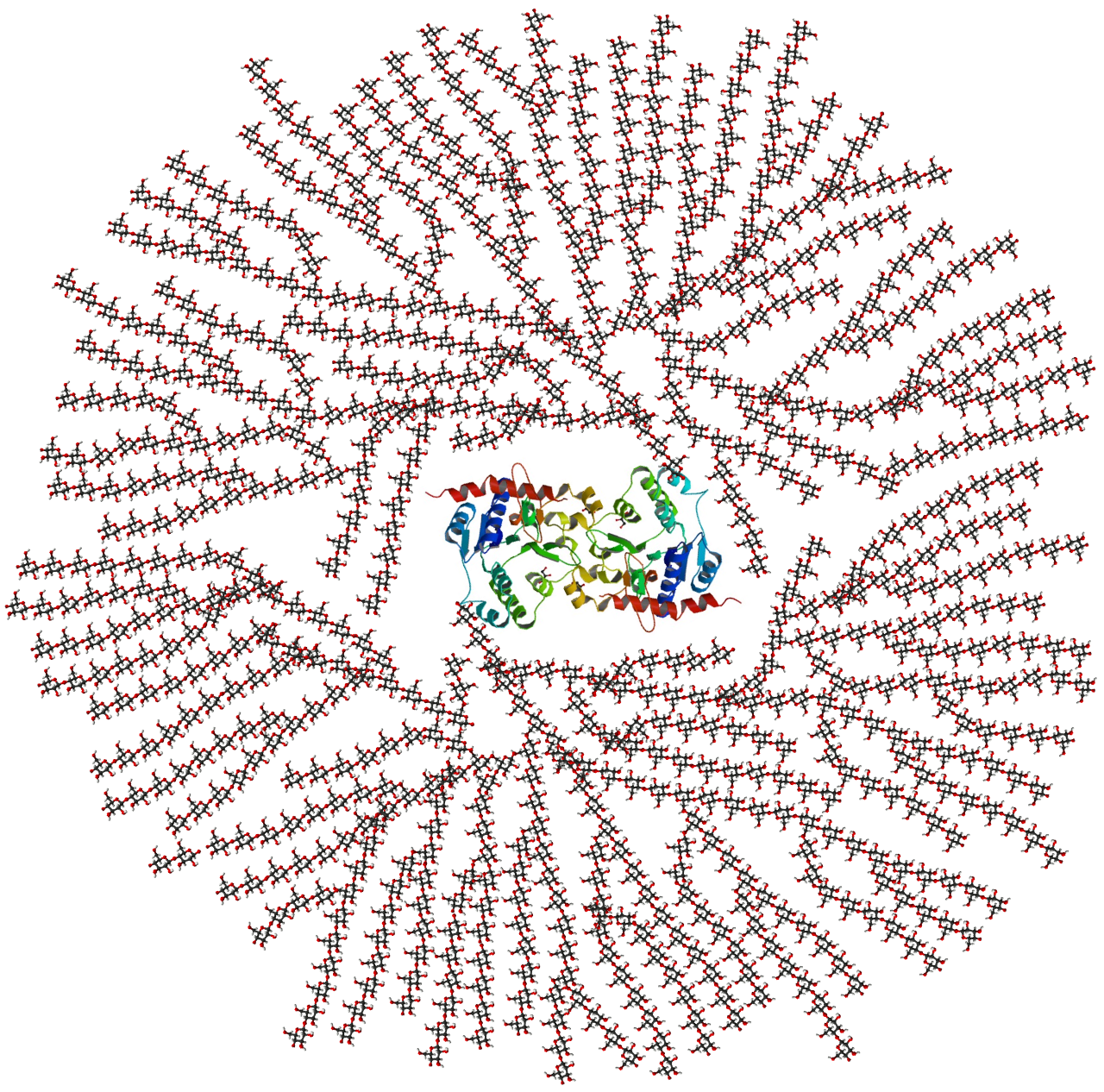
Carbohydrates are composed exclusively of carbon, hydrogen, and oxygen atoms. Biologically, carbohydrates function as readily accessible short-term energy storage molecules, though certain carbohydrates provide structural support to cells.
The monomer unit of a carbohydrate is called a monosaccharide (a single sugar). The most critical of these in healthcare is glucose, a six-carbon monosaccharide used as a primary cellular energy source. When you check a patient's "blood sugar," you are measuring circulating glucose.
Organisms store glucose by linking it into massive polymer chains. The way these chains are structured depends on the organism:
- Glycogen is a highly branched carbohydrate polymer used for energy storage in animal cells. We store this in our liver and muscle tissues to deploy when blood sugar drops.
- Starch is a carbohydrate polymer utilized for energy storage in plant cells. This is the caloric payload in potatoes and rice.
- Cellulose is a structural carbohydrate polymer that forms the primary component of plant cell walls. Because human enzymes cannot break its specific bonds, cellulose passes through our digestive tract intact—we know it clinically as dietary fiber.
2. Lipids: Membranes and Vaults
Lipids are a class of macromolecules characterized by their hydrophobic nature. They are insoluble in water due to their nonpolar hydrocarbon chains. Because blood is mostly water, lipids require special transport mechanisms to move through the body.
There are three primary types of lipids you must understand:
Triglycerides These serve as long-term energy storage molecules in living organisms. Structurally, triglycerides consist of one glycerol molecule chemically bonded to three fatty acid chains. When a patient gains body fat, their body is storing triglycerides in adipose tissue—dense caloric vaults waiting to be opened.
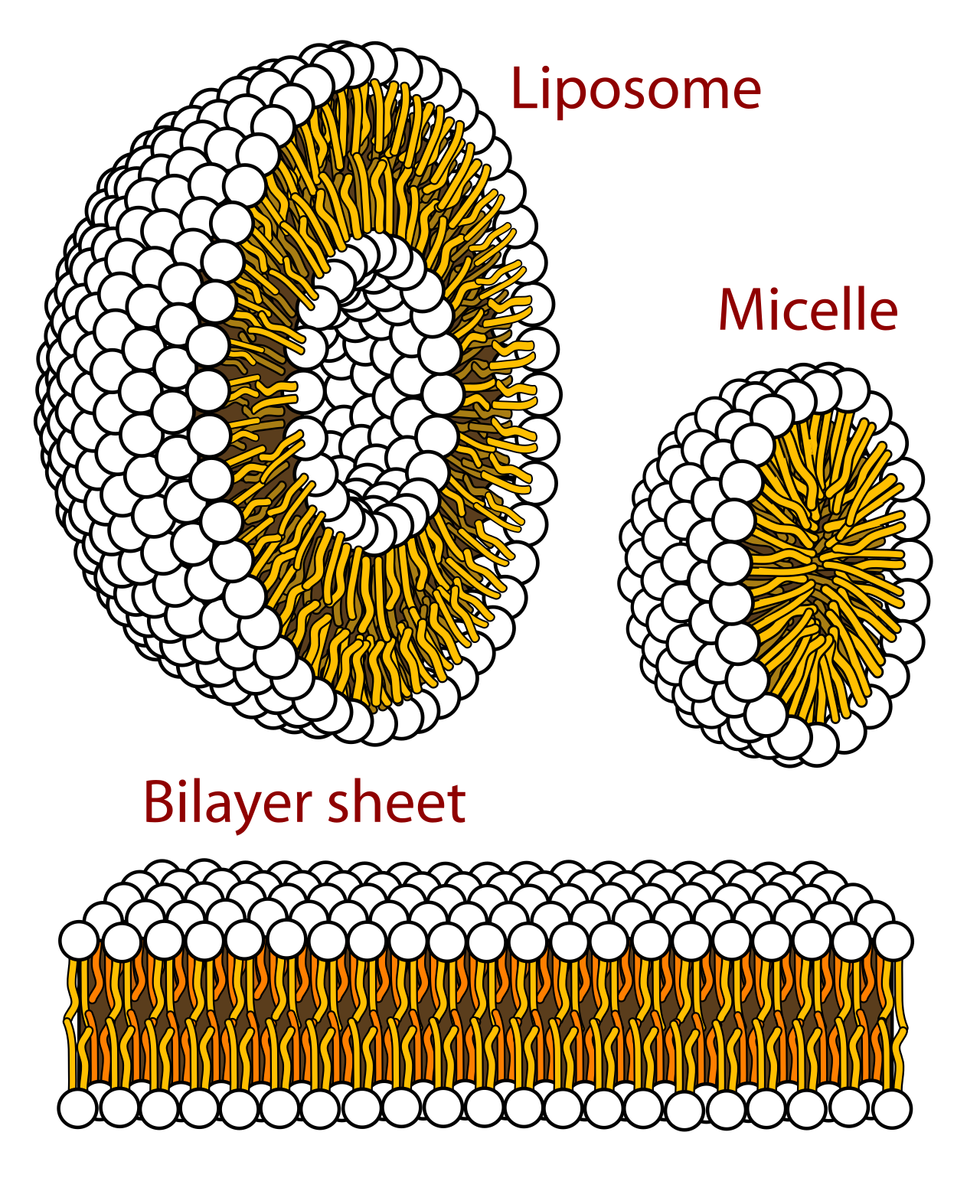
Phospholipids These consist of a glycerol molecule bound to two fatty acids and one phosphate group. This structure is a marvel of physics: the phosphate "head" loves water, while the fatty acid "tails" hate it. Because of this dual nature, phospholipids spontaneously form bilayers that constitute the fundamental structure of cellular membranes. This double-layered oily barrier is what separates the inside of a cell from the outside world.
Steroids Unlike chains of fatty acids, steroids are a class of lipids structured around a framework of four fused carbon rings. A vital example is cholesterol, a steroid lipid that helps maintain the structural fluidity of animal cell membranes. Without cholesterol, our cell membranes would either turn rigidly solid or dissolve into fluid mush depending on our body temperature.
3. Proteins: The Molecular Machines
If carbohydrates and lipids are the fuel and the walls, proteins are the workers. Proteins are biological macromolecules composed of carbon, hydrogen, oxygen, and nitrogen.
The structural monomer of a protein is an amino acid. Through dehydration synthesis, amino acids are linked together by peptide bonds to form long polypeptide chains.
However, a straight chain of amino acids is useless. The chain must fold into a highly complex, origami-like shape. The specific three-dimensional folded shape of a protein dictates its biological function. Just like a key must have a precise physical shape to turn a lock, a protein must have a precise shape to do its job.
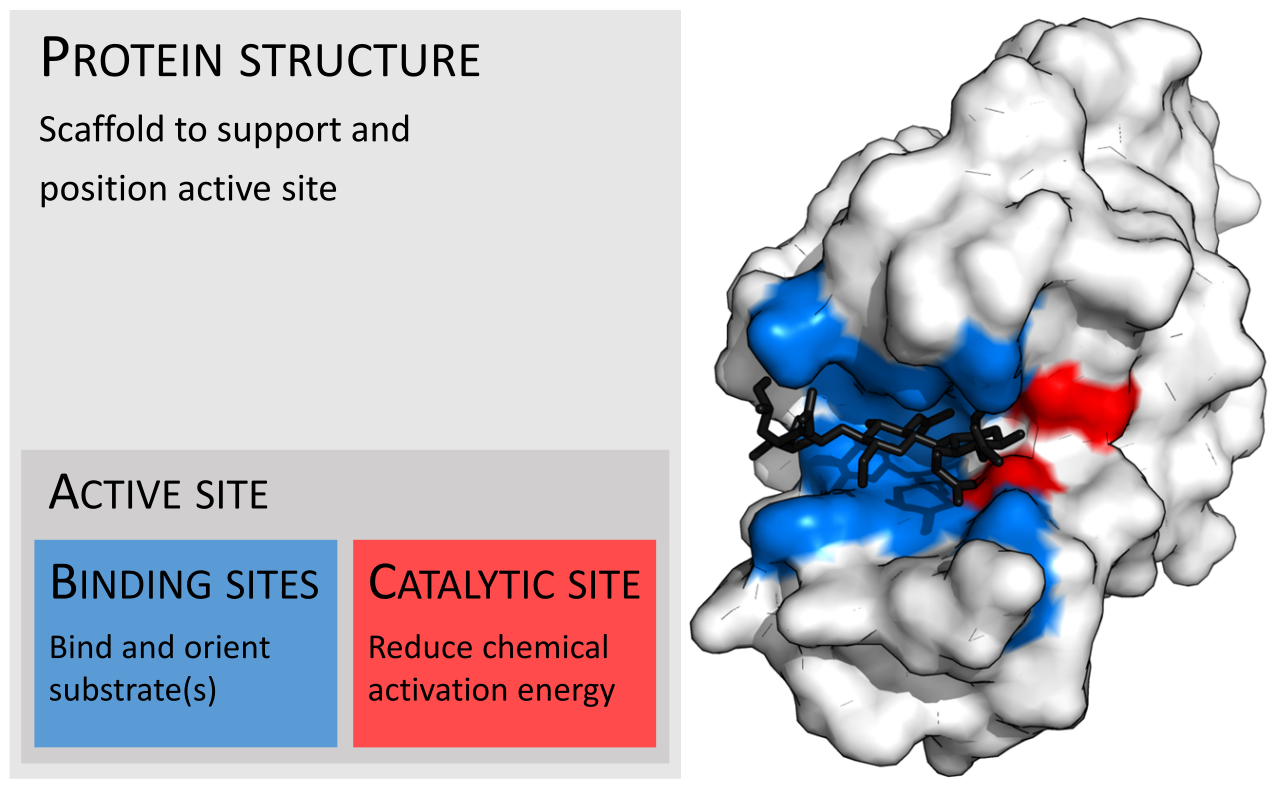
- Enzymes are specialized proteins that accelerate the rate of biochemical reactions. They feature "active sites" perfectly shaped to grasp specific molecules.
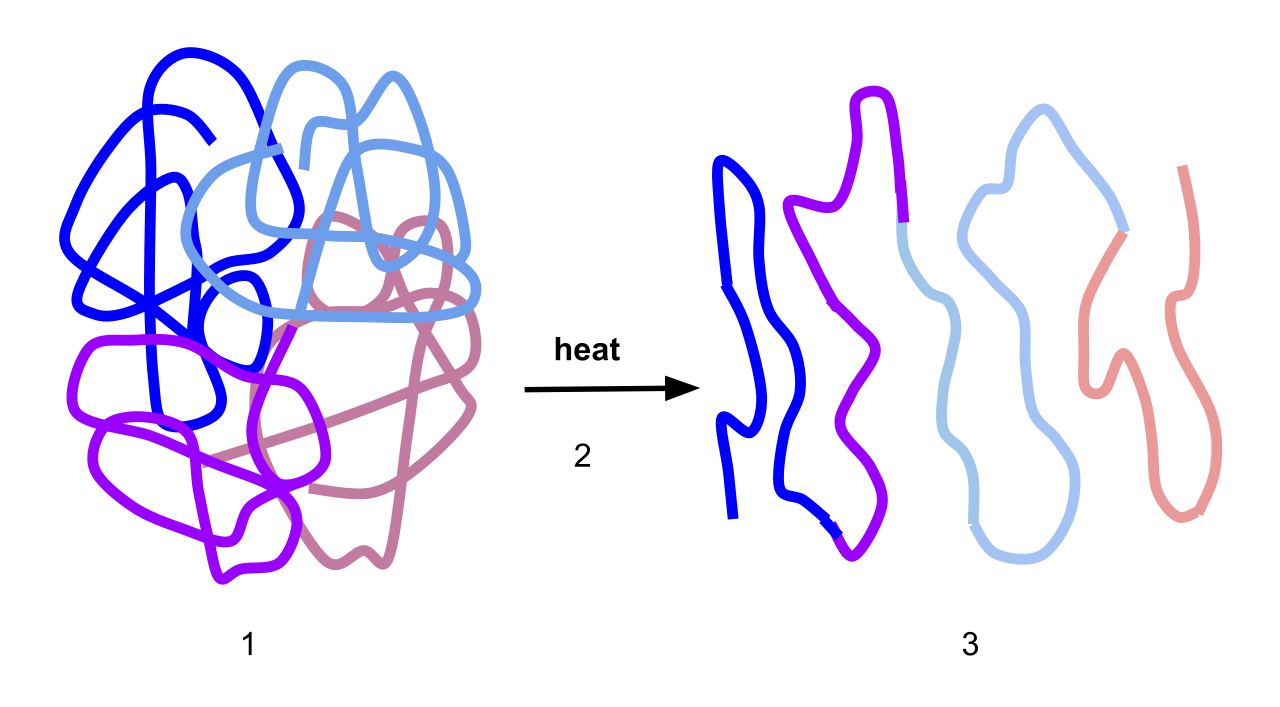
- Protein denaturation is the irreversible loss of three-dimensional structure caused by extreme environmental conditions (such as high heat or extreme pH). Think of frying an egg: the clear, liquid albumin turns white and solid. It can never go back. This is why high fevers are so dangerous; at a certain temperature, the patient's critical cellular proteins literally melt out of shape and stop functioning.
4. Nucleic Acids: The Instruction Manuals
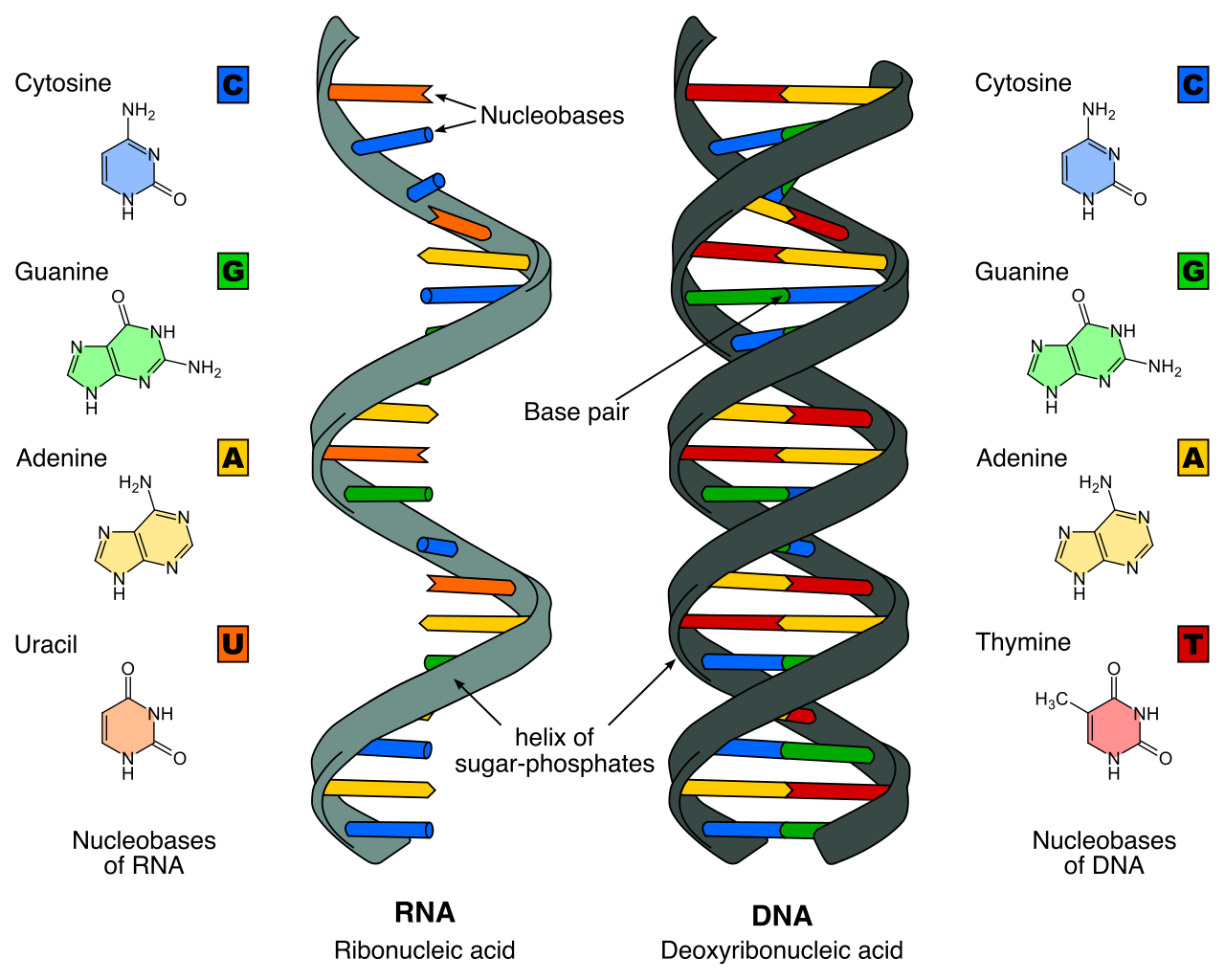
To build all these complex proteins, the body needs an instruction manual. Nucleic acids are macromolecules that store genetic information and facilitate the transfer of genetic instructions to subsequent generations.
The monomer of a nucleic acid is a nucleotide. A single nucleotide contains three parts: a pentose sugar, a phosphate group, and a nitrogenous base.
There are two primary nucleic acids:
- Deoxyribonucleic acid (DNA) is a double-stranded nucleic acid containing the sugar deoxyribose. It is the permanent archival blueprint housed safely in the nucleus.
- Ribonucleic acid (RNA) is a mostly single-stranded nucleic acid containing the sugar ribose. It acts as a disposable photocopy, carrying the DNA's instructions out into the cell so proteins can be assembled.
Now that we understand the molecular building blocks, we must look at how nature packages these molecules into microscopic entities that impact human health. Microorganisms are microscopic living entities that cannot be resolved with the naked human eye.
While many microbes are beneficial, in clinical settings we are primarily concerned with the ones that aren't. We divide these microorganisms into four broad categories: bacteria, viruses, fungi, and protists.
Bacteria
Bacteria are unicellular prokaryotic microorganisms lacking a membrane-bound nucleus. Their genetic material floats freely within the cell. Because they must survive in harsh environments, the cell walls of true bacteria are constructed from a structural polymer called peptidoglycan (a mesh of sugars and amino acids).
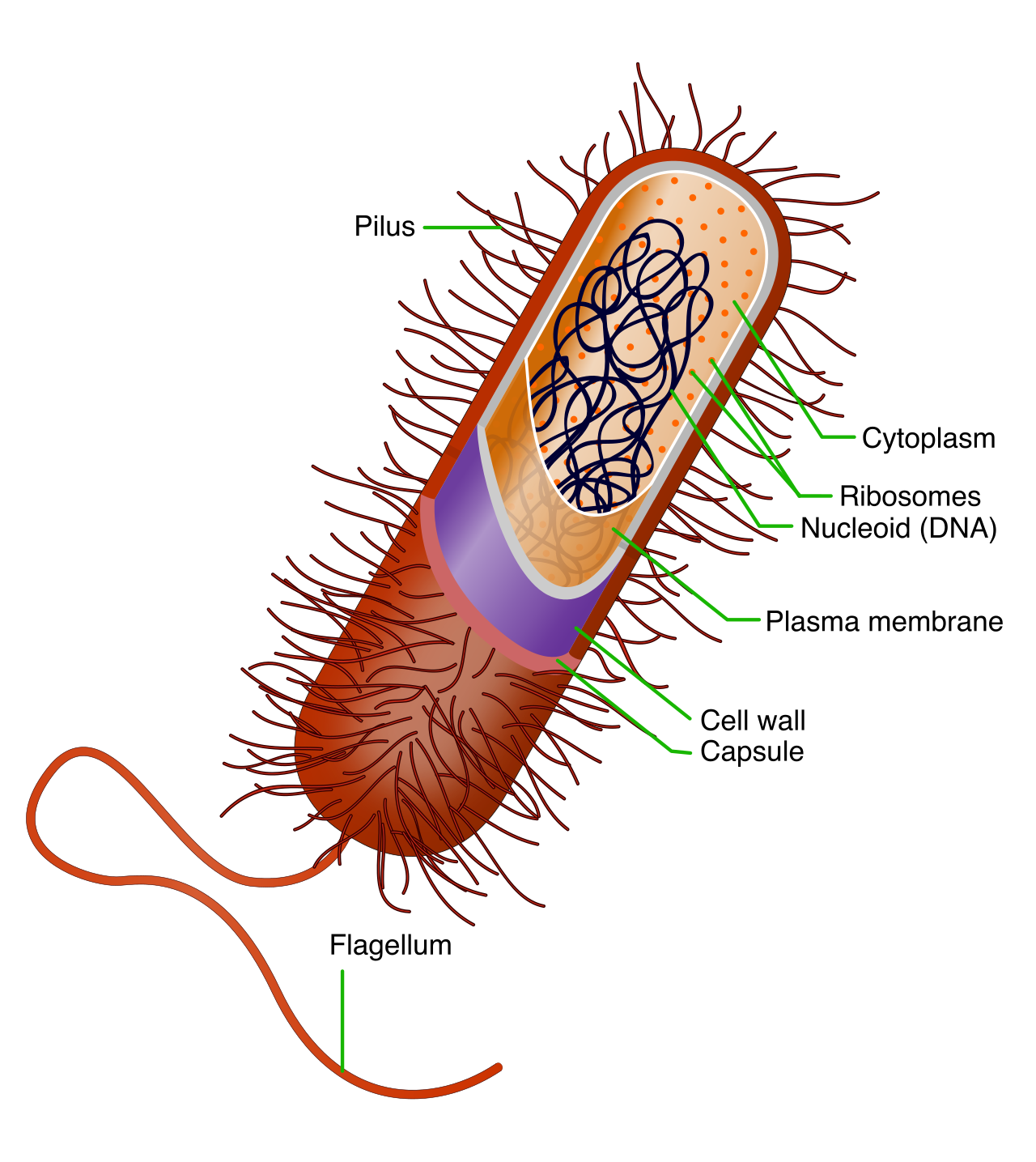
To multiply, bacteria reproduce asexually through a cellular division process called binary fission, simply copying their DNA and splitting down the middle. This allows them to multiply incredibly fast—one cell can become millions overnight.
Viruses
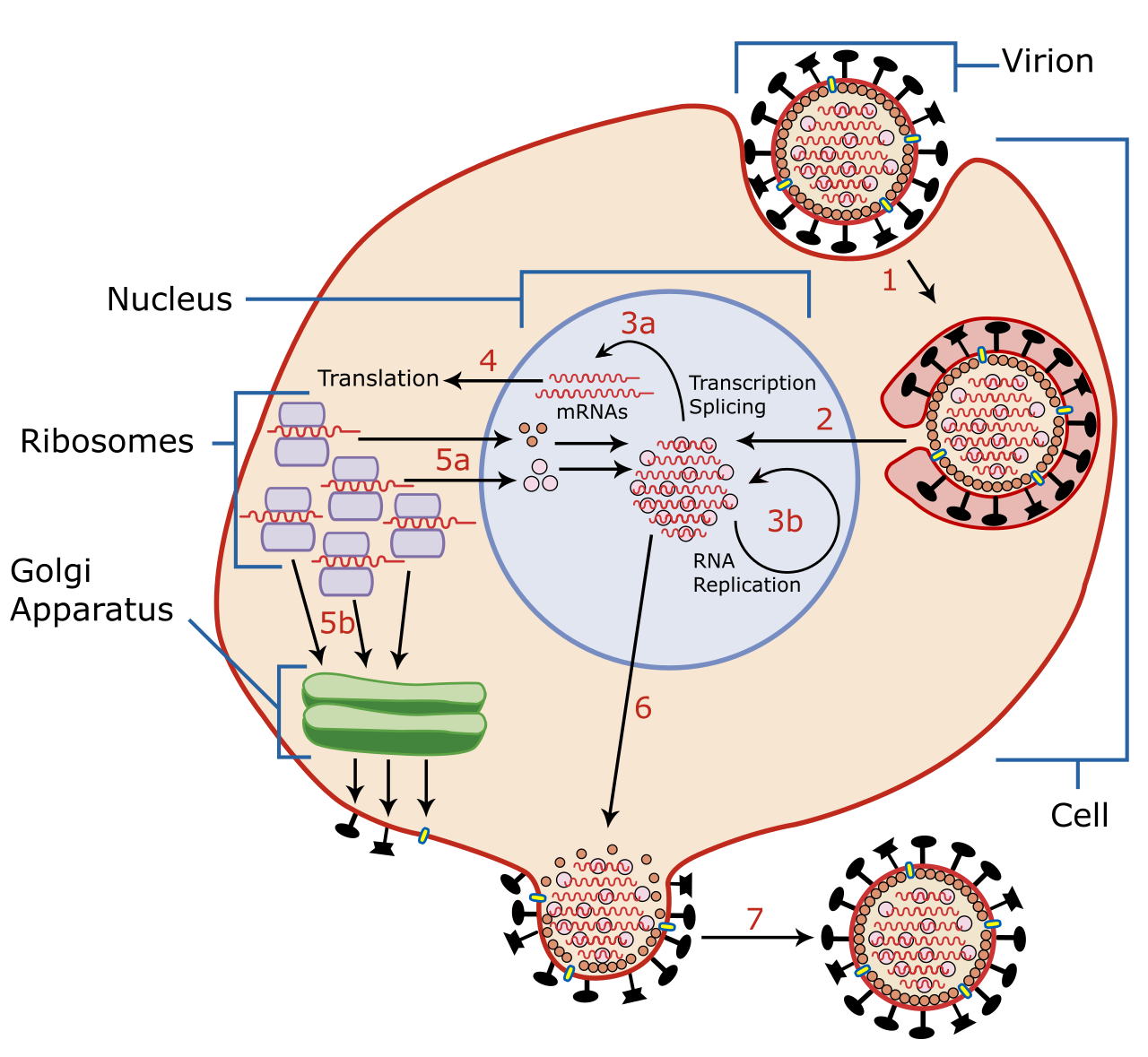
Viruses are non-cellular infectious agents. They are essentially rogue genetic code packed into a delivery vehicle. A single infectious viral particle, known as a virion, consists of a viral nucleic acid core (either DNA or RNA) enclosed within a protective protein shell called a capsid.
Because they lack the machinery to generate energy or build proteins, viruses require an active living host cell to replicate their genetic material. They hijack human cells, turning them into virus-manufacturing factories until the cell bursts. This non-cellular nature is exactly why antibiotics (which destroy bacterial cell walls or bacterial ribosomes) are entirely useless against viral infections like the common cold.
Fungi
Unlike bacteria, fungi are eukaryotic organisms possessing a distinct membrane-bound nucleus. While plants use cellulose for their walls, fungal cell walls are composed of a rigid polysaccharide called chitin (the same substance that makes up crab shells).
Fungi do not photosynthesize; they are heterotrophic organisms that acquire nutrients from their surrounding environment. To eat, fungi digest food externally by secreting extracellular digestive enzymes, then absorb the resulting broken-down liquid.
Fungi come in two main forms clinically:
- Yeasts are specialized unicellular fungi.
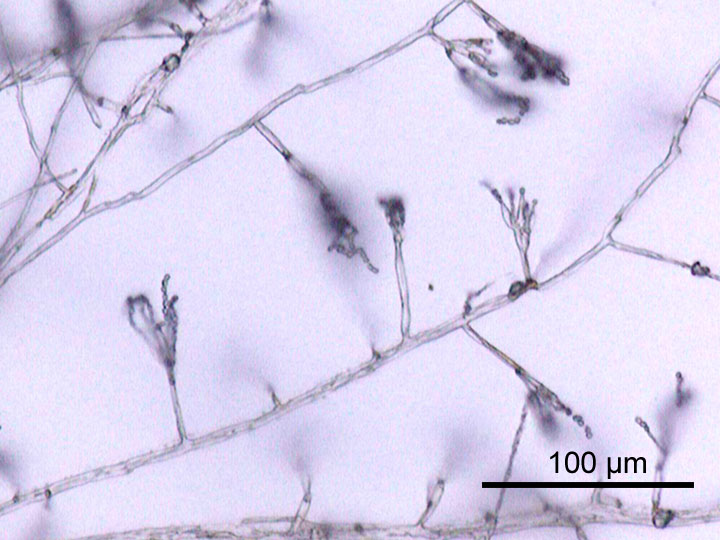
- Molds are multicellular fungi that grow as branching filaments called hyphae.
Protists
Protists are a highly diverse grouping of primarily unicellular eukaryotic organisms. They are essentially the "catch-all" category of eukaryotes that are neither plants, animals, nor fungi. Biologically, protists thrive predominantly in aquatic environments, ranging from harmless pond-water amoebas to devastating blood-borne parasites.
A biological entity's existence doesn't automatically make it a threat. A microbe only becomes a clinical concern when it acts as a pathogen.
Pathogen: Any biological agent capable of inducing disease within a host organism.
When these agents breach our defenses, an infectious disease manifests when a pathogenic agent successfully invades a host and begins multiplying. This leads to cellular damage—either through direct destruction (as in viral replication) or through the release of toxins.
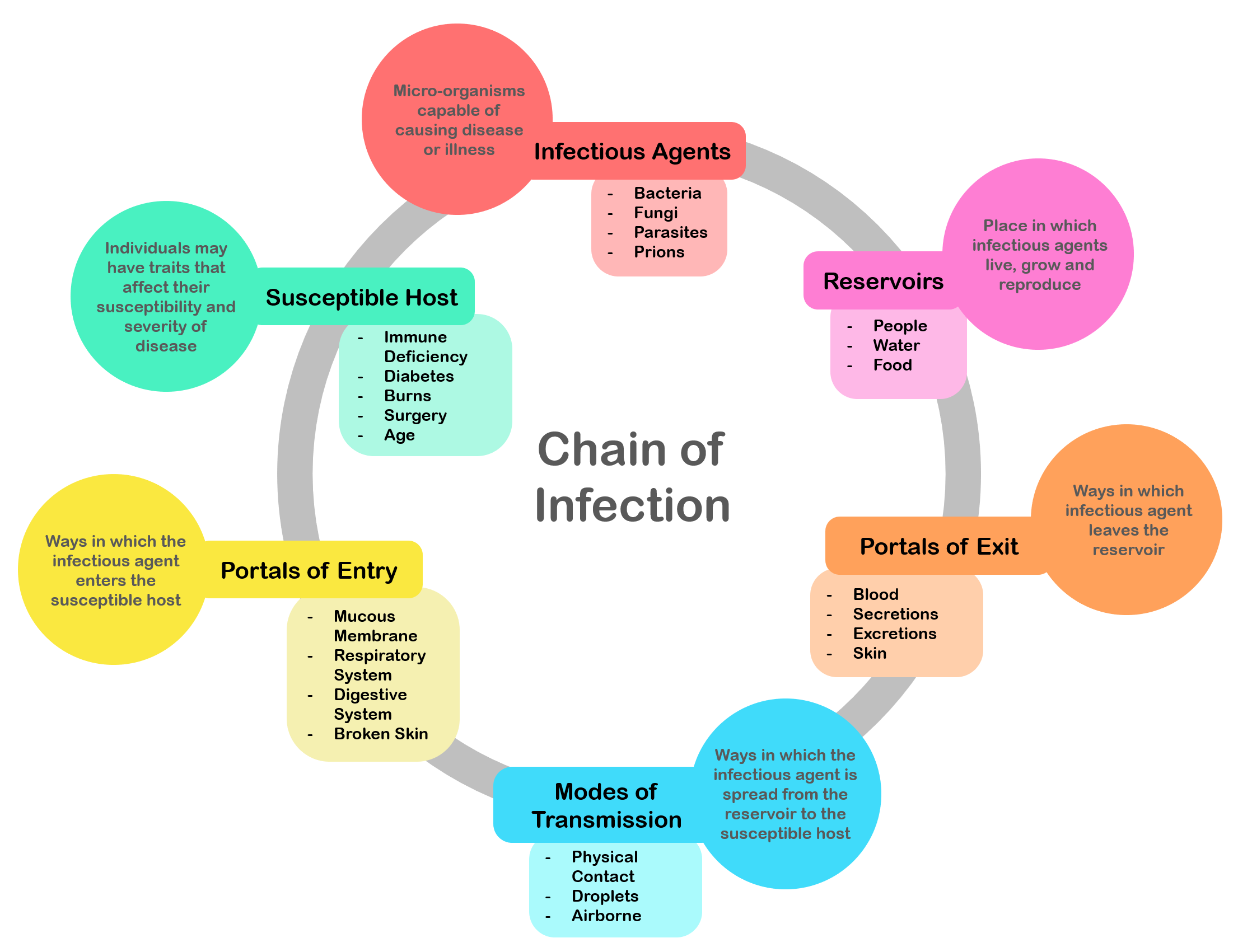
Classifying Common Pathogenic Diseases
As a nurse, understanding the type of pathogen dictates the treatment.
- Tuberculosis is an infectious respiratory disease caused by a bacterial pathogen (treated with months of targeted antibiotics).
- Influenza is a contagious respiratory illness caused by a viral pathogen (prevented by vaccines; antibiotics are useless).
- Ringworm is a superficial skin infection caused by a fungal pathogen (despite the name, there is no "worm" involved; it is treated with topical antifungals).
- Malaria is a severe infectious disease caused by a protist pathogen (Plasmodium, which invades human red blood cells).
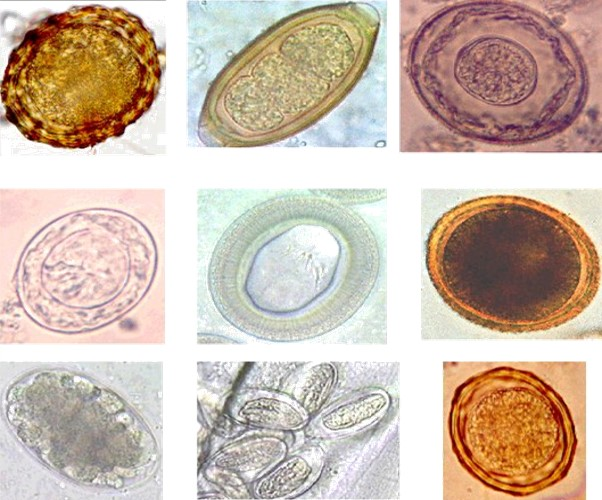
- Helminths are parasitic multicellular worms capable of causing internal human diseases. While adults are visible to the naked eye, their microscopic eggs classify them within clinical microbiology.
Modes of Transmission: How Pathogens Travel
Infection control is about breaking the chain of transmission. To stop a pathogen, you must know how it moves.
Contact Transmission
- Direct contact transmission occurs when an uninfected person physically touches an infected individual (e.g., a nurse turning a patient without gloves).
- Indirect contact transmission involves an uninfected person interacting with a contaminated intermediate surface. A key term here is a fomite—any inanimate object capable of transmitting infectious pathogens. Doorknobs, shared stethoscopes, and unsterilized IV poles are common fomites in hospitals.
Respiratory Transmission
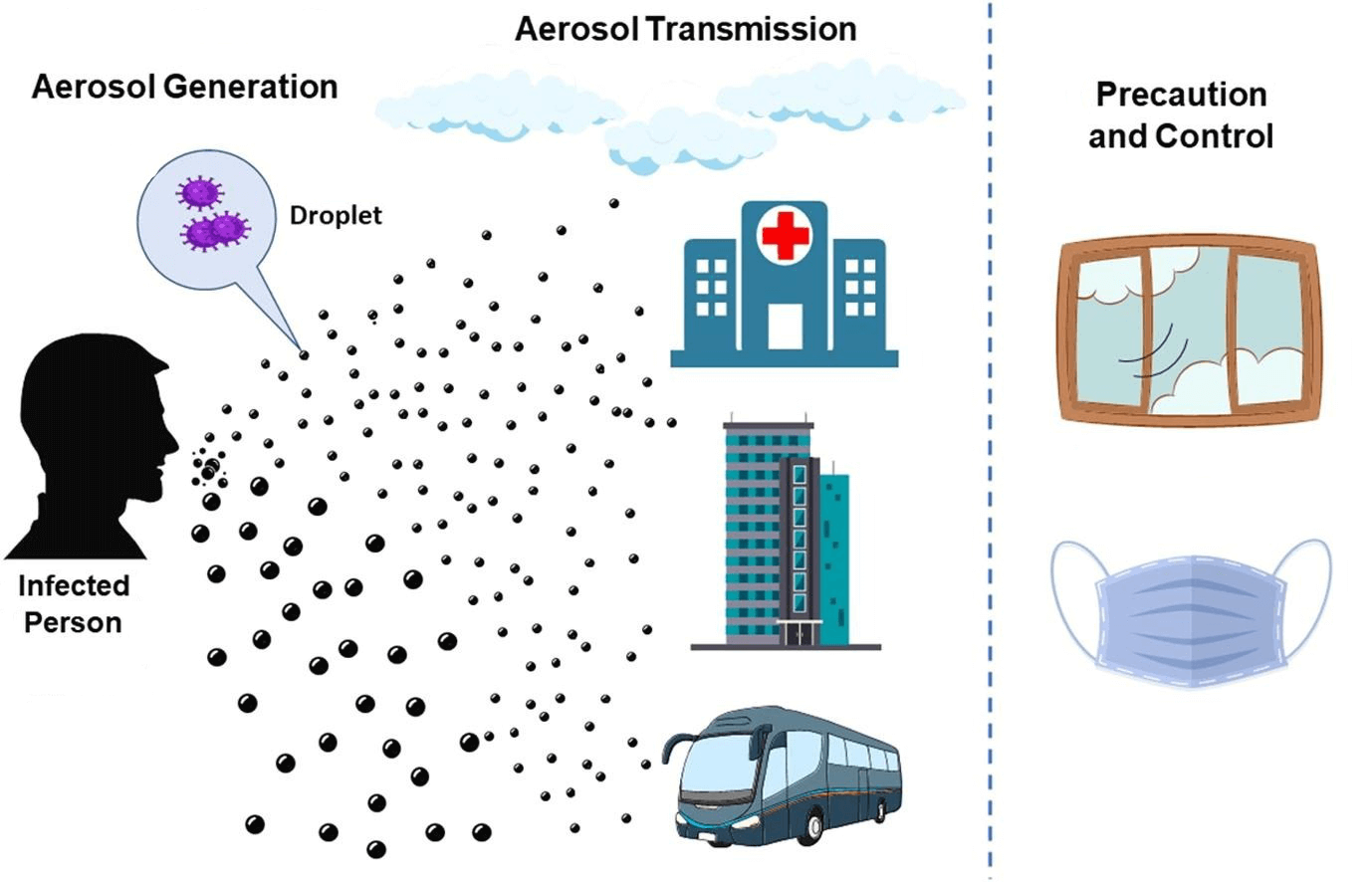
- Droplet transmission happens when infectious respiratory secretions travel a short distance to a susceptible host. When a patient coughs, large, heavy water droplets carrying pathogens fly through the air, usually falling to the ground within roughly 6 feet. Standard surgical masks catch these.
- Airborne transmission is far more dangerous. It occurs when microscopic pathogen-laden particles remain suspended in the air over long periods. These tiny aerosolized particles can float on hospital ventilation currents for hours. This is why tuberculosis requires a specialized negative-pressure isolation room and a tightly sealed N95 respirator.
Environmental & Animal Transmission
- Vehicle transmission takes place when a pathogen is spread through a non-living medium like contaminated water, food, or air. A cholera outbreak from a polluted municipal water supply is vehicle transmission.
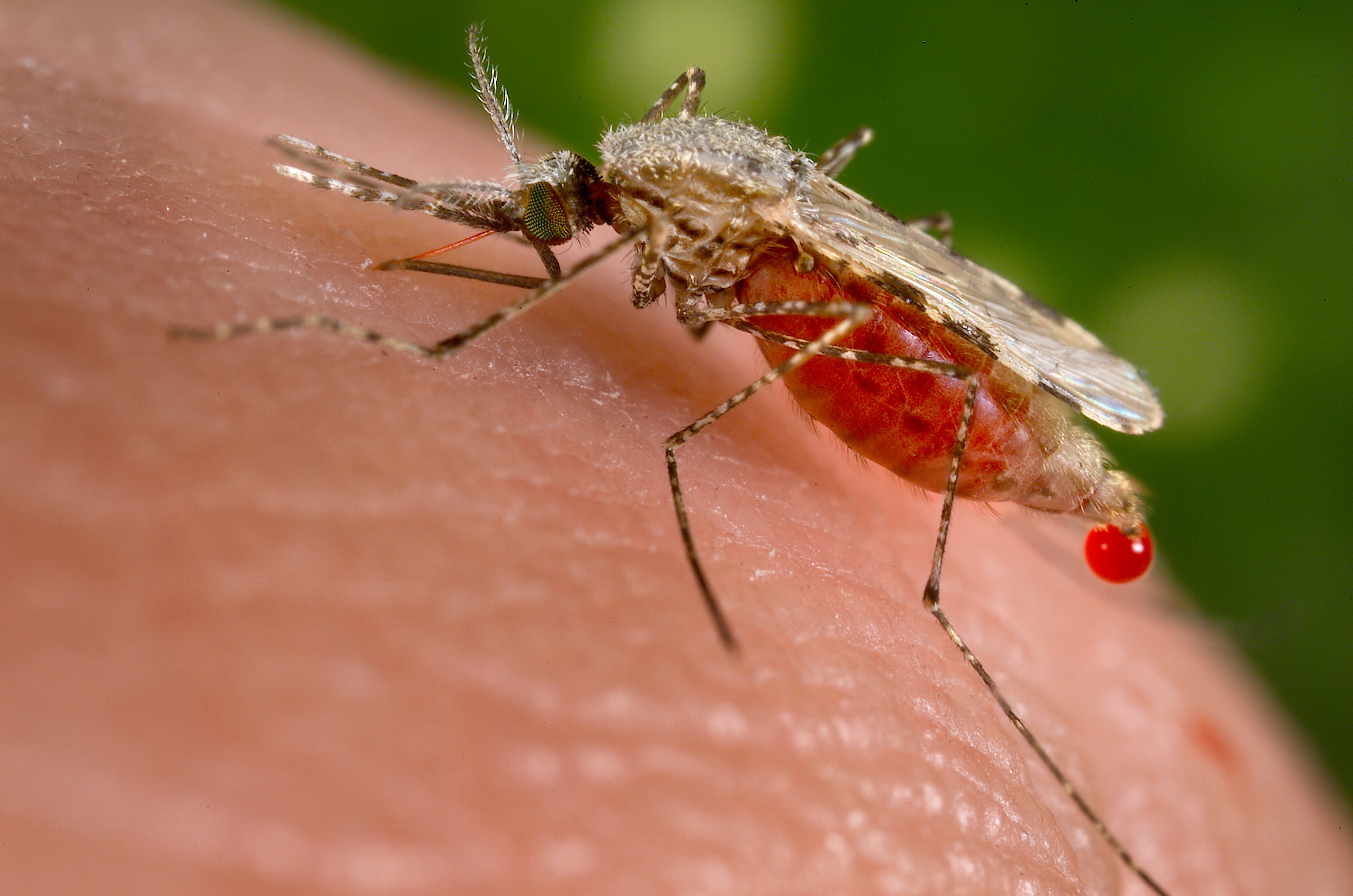
- Vector-borne transmission occurs when a living organism actively carries a pathogen to a new human host. Often, these vectors pierce the skin, injecting the pathogen directly into the bloodstream.
- Mosquitoes are living vectors capable of transmitting infectious agents (like the protist that causes Malaria).
- Ticks act as living vectors for transmitting specific bacterial pathogens (such as the bacteria responsible for Lyme disease).
Why This Matters
When you step onto the clinical floor, you are stepping into a microscopic battlefield. The macromolecules you study—the carbohydrates powering the heart, the lipids sealing the cells, the proteins acting as enzymes, and the nucleic acids holding the blueprints—are the precise targets that microorganisms seek to exploit. By mastering the differences between a virus and a bacterium, or droplet versus airborne transmission, you aren't just memorizing definitions. You are learning the structural vulnerabilities of life itself, and more importantly, how to defend it.