Percentages and Applications
Not sure you’re ready?
Take the ~3-minute readiness diagnostic and see where you stand.
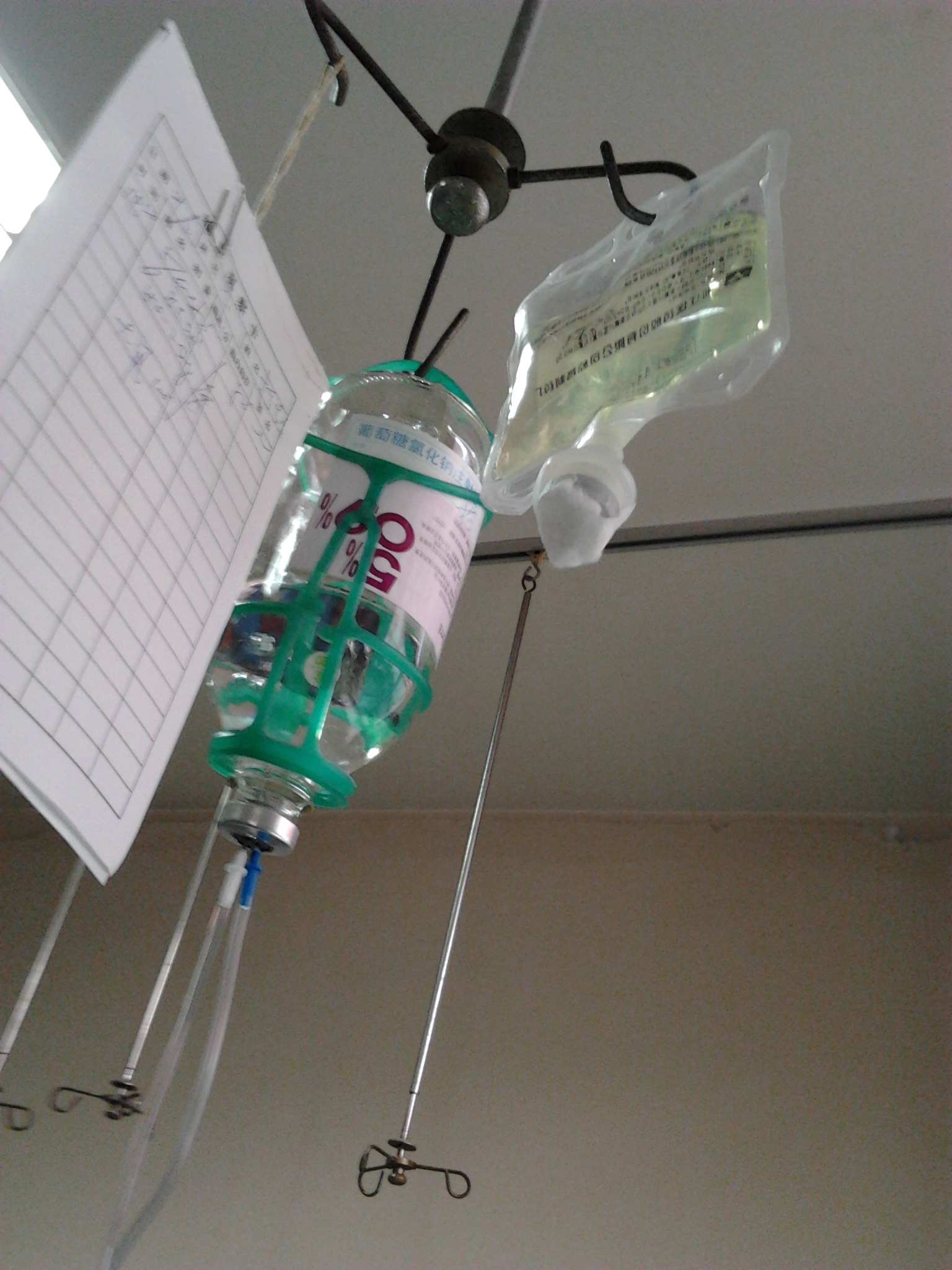
A standard bag of intravenous fluids hanging beside a hospital bed is typically labeled 0.9% NaCl. This is not merely a descriptive label; it is a highly specific mathematical instruction dictating exactly how much sodium chloride is suspended in the water entering a patient's bloodstream. The word percent originates from the Latin phrase per centum meaning "by the hundred." Fundamentally, a percentage represents a specific fractional amount out of a total of 100. By forcing different quantities onto this universal scale of 100, percentages allow us to compare relative values intuitively. Whether a nurse is calculating a drug dosage, a clinic administrator is evaluating medical supply costs, or you are figuring out the tip on a dinner bill, the underlying mathematical mechanics are identical.
To master percentages for the ATI TEAS 7, you must be able to move fluidly between fractions, decimals, and percents. They are simply three different dialects of the same mathematical language.
A fraction tells you exactly what part of a whole you have (e.g., 3 out of 4, or 43). To convert a fraction to a decimal, divide the numerator by the denominator. For 43, dividing 3 by 4 yields the decimal 0.75.
Once you have a decimal, scaling it to a percent—or vice versa—is simply a matter of adjusting its relationship to 100.
- Percent to Decimal: To convert a percent to a decimal, divide the percent value by 100. Because our number system is base-10, dividing a percent value by 100 is equivalent to moving the decimal point exactly two places to the left. (For example, 45% becomes 0.45).
- Decimal to Percent: Conversely, to convert a decimal to a percent, multiply the decimal value by 100. Multiplying a decimal value by 100 is equivalent to moving the decimal point exactly two places to the right. (For example, 0.825 becomes 82.5%).
| Mathematical Format | Conversion Action | Result |
|---|---|---|
| Fraction → Decimal | Divide numerator by denominator (85) | 0.625 |
| Decimal → Percent | Multiply by 100 (move decimal right two places) | 62.5% |
| Percent → Decimal | Divide by 100 (move decimal left two places) | 0.625 |
The primary hurdle in percentage word problems is translating English sentences into algebraic equations. The English language hides mathematical operations in plain sight through two critical keywords:
"Of" translates to multiplication. "Is" translates to an equals sign (=).
Consider the question: "What is 15% of 60?" Translated directly into math: Unknown (x) = 0.15 × 60.
This translation forms the foundation of the percent proportion formula, a universal equation that can solve almost any percentage problem you will encounter. The percent proportion formula states that the part divided by the whole equals the percent divided by 100:
WholePart=100Percent
Depending on which variable is missing, you will encounter three primary scenarios on your exam.
1. Finding the Part
If you know the total amount and the percentage, you are looking for the part. To find the part of a whole, multiply the whole amount by the percent written as a decimal.
- Scenario: A clinic has 120 patients today, and 30% of them require flu shots. How many flu shots are needed?
- Calculation: Part = 120 × 0.30 = 36 patients.
2. Finding the Percent
When you know the part and the whole, you must determine their relative ratio. To find the percent of a whole, divide the part by the whole and multiply the result by 100.
- Scenario: Out of 50 nursing students in a cohort, 42 passed the licensure exam on the first attempt. What percent passed?
- Calculation: 42 ÷ 50 = 0.84. Then, 0.84 × 100 = 84%.
3. Finding the Whole
Sometimes, you are given the fractional piece and its percentage, and you must work backward to find the total. To find the whole amount, divide the part amount by the percent written as a decimal.
- Scenario: A patient loses 15 pounds, which represents 6% of their total body weight. What was their original weight?
- Calculation: Whole = 15 ÷ 0.06 = 250 pounds.
Absolute numbers can be deceiving. A 5-pound weight loss in a 10-pound premature infant is catastrophic, whereas a 5-pound weight loss in a 250-pound adult might be a minor dietary fluctuation. The absolute change is identical, but the physiological impact is radically different.
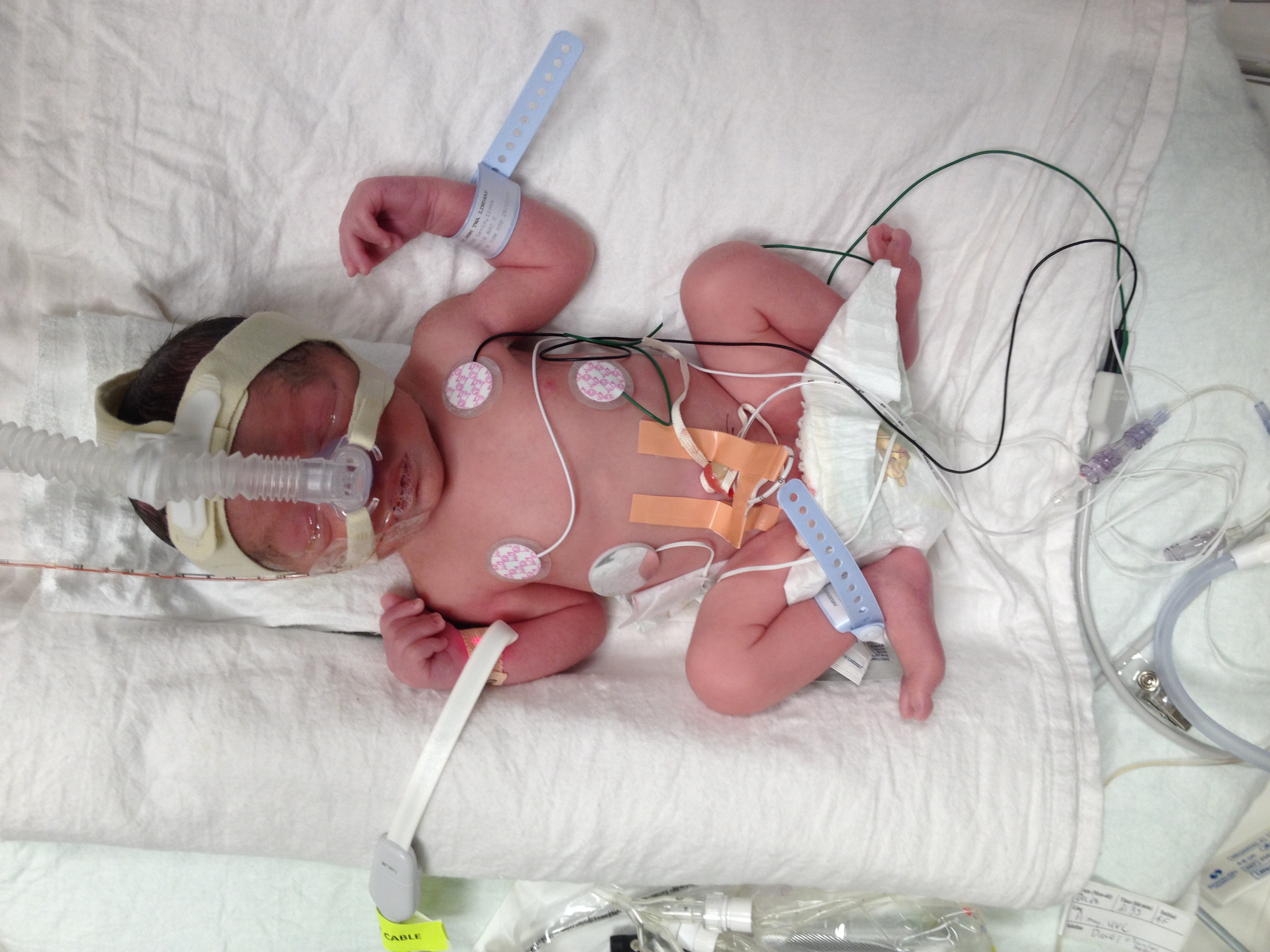
This is why we use percent change. Percent change calculates the relative difference between an original numerical value and a new numerical value.
To calculate the amount of change, find the absolute mathematical difference between the new value and the original value (simply subtract the smaller number from the larger number). Once you have that raw difference, you apply the percent change formula.
The Percent Change Formula: The mathematical formula for percent change is the amount of change divided by the original amount, multiplied by 100.
Percent Change=(Original AmountAmount of Change)×100
There are two directions this change can take:
- Percent Increase: A percent increase occurs when the new numerical value is greater than the original numerical value. (e.g., A patient's heart rate jumps from 80 bpm to 100 bpm. Change = 20. Increase = 8020×100=25%).
- Percent Decrease: A percent decrease occurs when the new numerical value is less than the original numerical value. (e.g., A fever drops from 104 degrees to 98.8 degrees).
Crucial rule: Always divide by the original amount, never the new amount. The original state is your baseline of reality.
Healthcare is not isolated from economics. Whether you are managing inventory for a dental office or budgeting your living expenses during clinical rotations, you must understand applied financial percentages.
Discounts and Sales
A discount is a specific financial reduction applied to the original price of an item or service.
- To find the discount amount, multiply the original price by the discount percent written as a decimal.
- To find the final sale price, subtract the calculated discount amount from the original price.
- Example: A set of scrubs originally costs $40.00 and is on sale for 20% off. The discount amount is $40.00 × 0.20 = $8.00. The final sale price is $40.00 - $8.00 = $32.00.

Markups
Retailers and medical suppliers do not sell items for what they cost to manufacture. A markup is a specific financial amount added to the cost price of goods to generate a profit.
- To find the markup amount, multiply the base cost price by the markup percent written as a decimal.
- To find the final selling price after a markup, add the calculated markup amount to the original cost price.
- Example: A pharmacy purchases a generic medication for a base cost of $15.00 and applies a 40% markup. The markup amount is $15.00 × 0.40 = $6.00. The final selling price is $15.00 + $6.00 = $21.00.
Sales Tax
Sales tax is an additional financial cost calculated as a percentage of the total purchase price, usually mandated by local governments.
- To calculate the sales tax amount, multiply the purchase price by the sales tax rate written as a decimal.
- To find the total cost of a purchase including tax, add the calculated sales tax amount to the original purchase price.
Tips and Gratuity
Similar to tax, a tip or gratuity is an additional payment calculated as a percentage of the initial service cost, given to service workers.
- To calculate the tip amount, multiply the service bill total by the tip percentage written as a decimal.
- To find the total bill including tip, add the calculated tip amount to the original service bill.
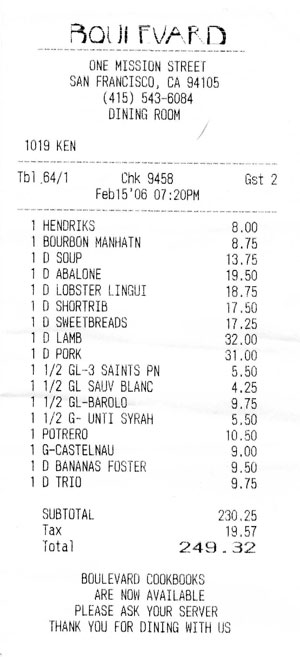
The Independence Rule for Tax and Tip: A common trap on the TEAS exam involves calculating both tax and tip on a single restaurant bill. Remember this strict rule: Sales tax and tip percentages are each calculated independently based on the original pre-tax bill amount. You do not calculate the tip based on the post-tax total. Both the government and the server take their percentages directly from the baseline cost of the food or service.
To close, let us return to the hospital room and the 0.9% NaCl IV bag. In pharmacology and intravenous calculations, medicinal solute concentrations are often expressed as percentages. This is a practical, life-saving application of the part-to-whole relationship you have just studied.
In medical terminology, a percentage solution dictates how much solid solute is dissolved in a liquid solvent. By absolute global convention, a 1% medical solution concentration contains exactly 1 gram of solute in every 100 milliliters of solution.
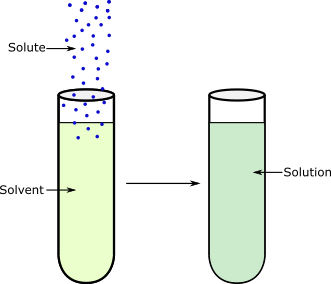
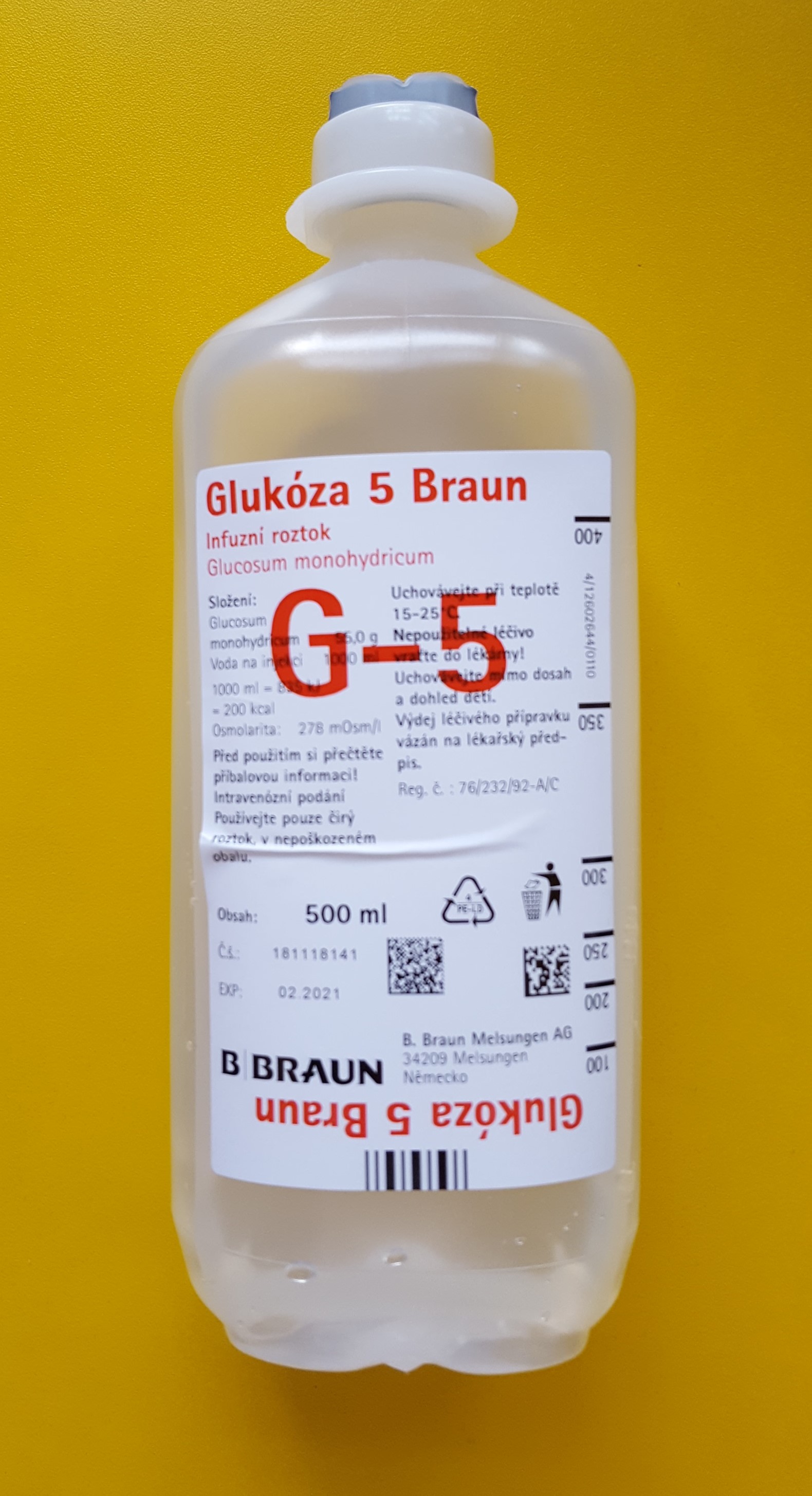
Therefore, if a physician orders a 5% Dextrose solution (D5W), you know mathematically that there are 5 grams of Dextrose dissolved in every 100 milliliters of fluid. If you are administering a 1000 mL bag of this fluid, you can use the percent proportion formula to determine exactly how many grams of sugar the patient is receiving (Part = Whole × Percent → 1000 mL × 0.05 = 50 grams).
Percentages are not abstract math meant to torture students; they are the gears of proportion that keep economies running, doses accurate, and patients safe. Once you can seamlessly translate between fractions, decimals, and percents, and reliably identify the "part" and the "whole," the arithmetic becomes second nature.