Unit Conversion
Not sure you’re ready?
Take the ~3-minute readiness diagnostic and see where you stand.
A physician orders a medication based on a patient's body weight, but the scale reads in pounds, the medication is stocked in grams, and the dosage guidelines are written in milligrams per kilogram. In healthcare, a number without a unit is not just meaningless—it is potentially dangerous. The practice of medicine relies on an unbroken chain of precise measurements translated across different scales. To safely administer a drug, calculate a drip rate, or record an infant's growth, you must speak fluently in multiple systems of measurement and transition between them without error. This translation process is not about changing the physical reality of the quantity; it is about changing the mathematical language we use to describe it.
At the heart of unit conversion is a profoundly simple mathematical technique known as dimensional analysis. Dimensional analysis involves multiplying a given quantity by a series of fractions to convert units.
To use this technique, we rely on a conversion factor. A conversion factor is a mathematical fraction where the numerator and denominator represent the exact same quantity expressed in different units. Because the top and bottom of the fraction represent the exact same physical reality (for example, 12 inches and 1 foot), the numerical value of any valid conversion factor fraction is mathematically equal to one.
The Golden Rule of Conversion Multiplying a measurement by a conversion factor changes the units of the measurement without changing the actual physical quantity. You are simply multiplying by 1.
How do we structure this calculation? In dimensional analysis, the unit to be eliminated must be placed in the denominator of the conversion factor fraction. Conversely, the desired target unit must be placed in the numerator of the conversion factor fraction. This allows us to use basic algebra: units that appear in both the numerator and the denominator during dimensional analysis are mathematically canceled out.
If a patient weighs 150 pounds and we need their weight in kilograms, we multiply by a fraction where "pounds" is on the bottom and "kilograms" is on the top. The pounds cancel out, leaving only the desired metric unit.
Science and medicine operate primarily within the metric system because of its elegant, base-ten architecture. Instead of arbitrary historical measurements, the metric system uses logical base units, modified by prefixes that represent powers of ten.
The foundation rests on three standard measurements:
- The metric base unit for measuring length is the meter.
- The metric base unit for measuring mass is the gram.
- The metric base unit for measuring volume is the liter.
Metric Prefixes
By attaching a prefix to a base unit, we scale it up or down by powers of ten.
| Prefix | Meaning | Mathematical Relationship |
|---|---|---|
| kilo | One thousand times | 1,000 × base unit |
| hecto | One hundred times | 100 × base unit |
| deka | Ten times | 10 × base unit |
| (base) | One | 1 × base unit |
| deci | One-tenth | 0.1 × base unit |
| centi | One-hundredth | 0.01 × base unit |
| milli | One-thousandth | 0.001 × base unit |
| micro | One-millionth | 0.000001 × base unit |
Navigating the Metric Scale
Because the metric system is perfectly aligned with our base-ten number system, converting between metric units does not require complex arithmetic. It merely requires moving the decimal point.
Converting from a larger unit to a smaller unit requires multiplication by the conversion factor. Visually, moving the decimal point to the right converts a metric measurement to a smaller metric unit. For example, converting 2.5 liters to milliliters (moving down three steps on the prefix ladder) means moving the decimal three spaces to the right, yielding 2,500 milliliters.
Conversely, converting from a smaller unit to a larger unit requires division by the conversion factor. Moving the decimal point to the left converts a metric measurement to a larger metric unit.
Here are the fundamental metric facts you must know intimately:
Mass Conversions:
- One kilogram equals 1,000 grams.
- One gram equals 1,000 milligrams.
- One milligram equals 1,000 micrograms. (Note: Micrograms are frequently used in pharmacology for highly potent medications like fentanyl or digoxin).
Length Conversions:
- One kilometer equals 1,000 meters.
- One meter equals 100 centimeters.
- One centimeter equals 10 millimeters.
Volume Conversions:
- One liter equals 1,000 milliliters.
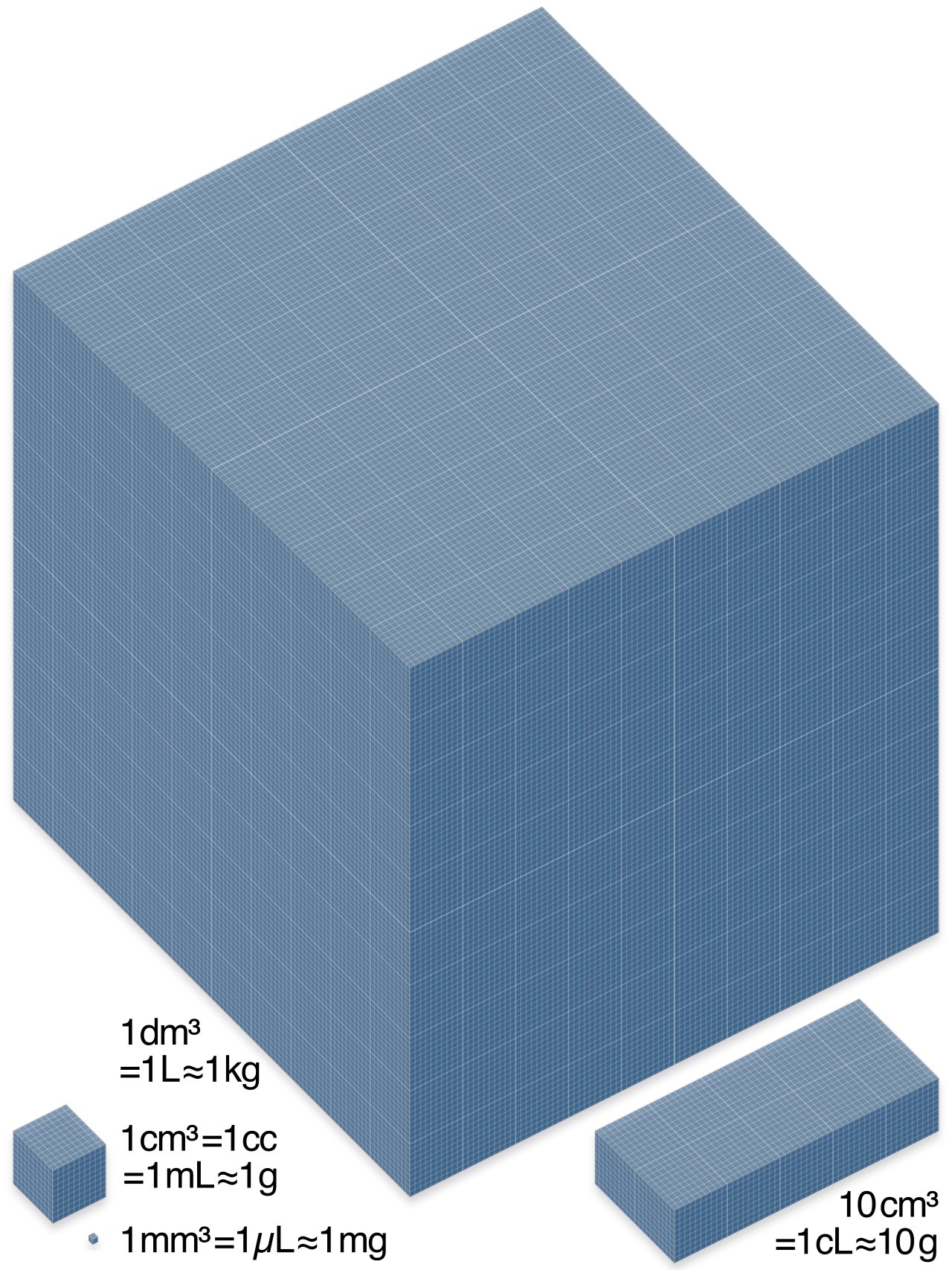
- Crucial Clinical Fact: One cubic centimeter is exactly equal in volume to one milliliter. In a hospital setting, you will often hear 1 mL referred to as 1 "cc" (cubic centimeter). They are physically identical volumes.
While the metric system is universally used in scientific fields, the United States Customary System governs the daily lives of your patients. They will report their weight in pounds, their height in feet and inches, and their daily water intake in cups or gallons.
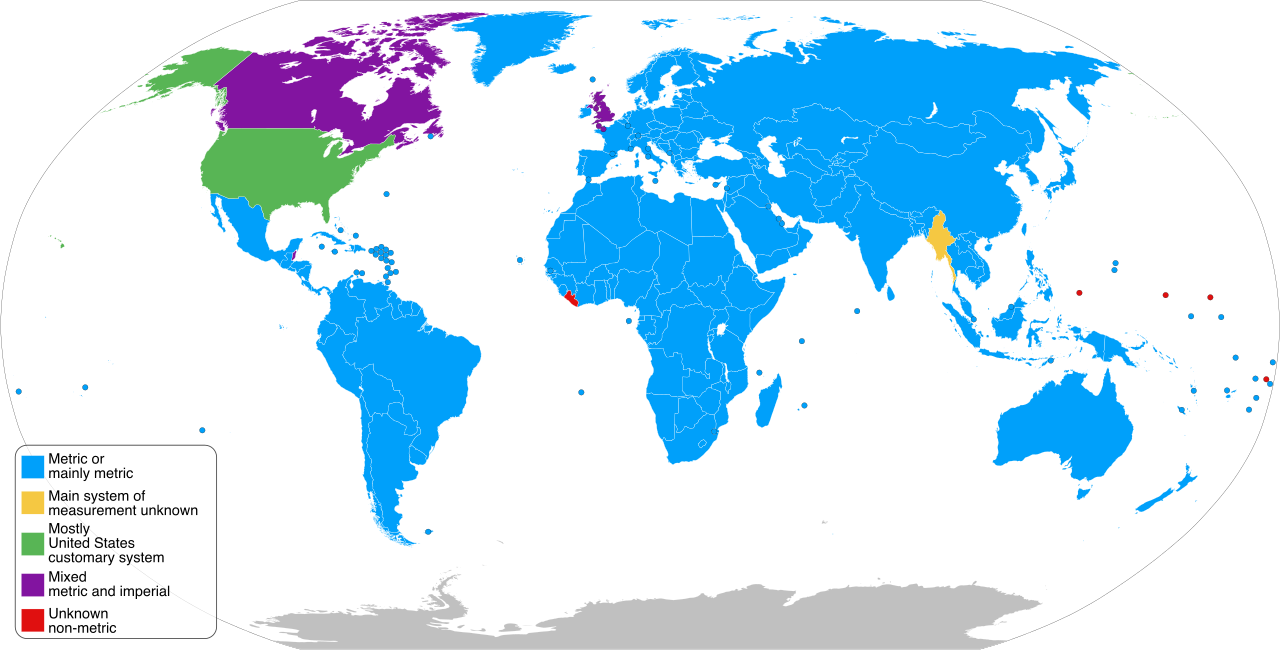
Unlike the metric system, the US Customary system does not scale by a uniform base-ten factor. You must memorize these specific structural relationships.
Length:
Weight (Mass):
Volume:
- One tablespoon equals 3 teaspoons.
- One cup equals 8 fluid ounces.
- One pint equals 2 cups.
- One quart equals 2 pints.
- One gallon equals 4 quarts.
As a healthcare professional, you serve as the translator between the patient's customary world and the clinical metric world. You must know the specific conversion factors that bridge these two systems.
Weight / Mass:
- One kilogram equals approximately 2.2 pounds. (This is the most common bedside calculation for pediatric and weight-based adult dosing).
- One ounce equals approximately 28.35 grams.
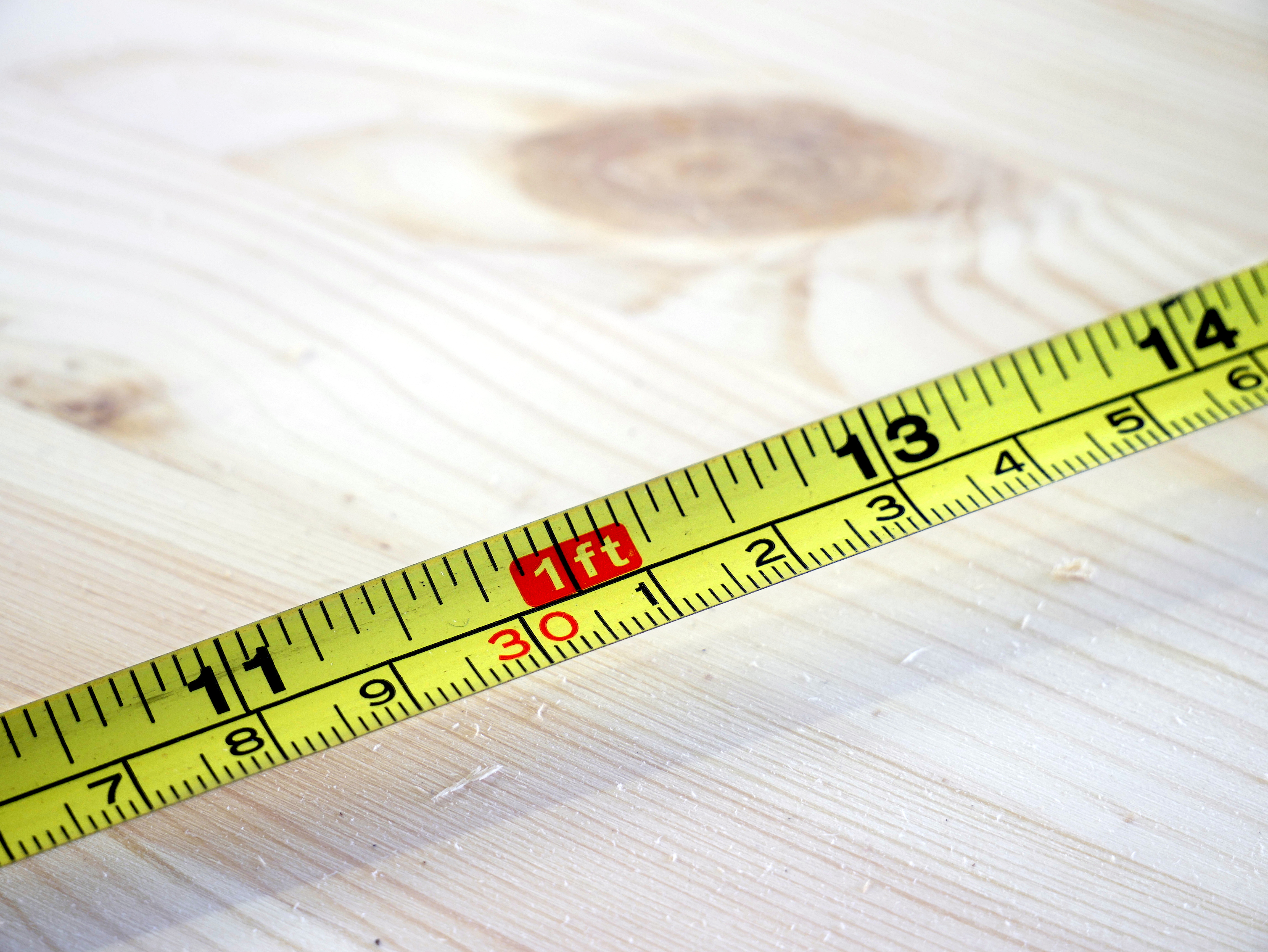
Length:
- One inch equals exactly 2.54 centimeters.
- One meter equals approximately 3.28 feet.
- One mile equals approximately 1.61 kilometers.
Volume (Liquid Capacity):
- One teaspoon equals approximately 5 milliliters.
- One tablespoon equals approximately 15 milliliters.
- One fluid ounce equals approximately 30 milliliters.
- One liter equals approximately 1.06 quarts.
- One gallon equals approximately 3.785 liters.
The principles of dimensional analysis apply to any measurable quantity in the universe, including the flow of time and the exchange of monetary value.
Time Conversion
Medical charting, IV drip rates, and staffing schedules rely heavily on standardized units of time.
- One minute equals 60 seconds.
- One hour equals 60 minutes.
- One day equals 24 hours.
- One week equals 7 days.
- One year equals 52 weeks.
- One standard year equals 365 days.
- One leap year equals 366 days.
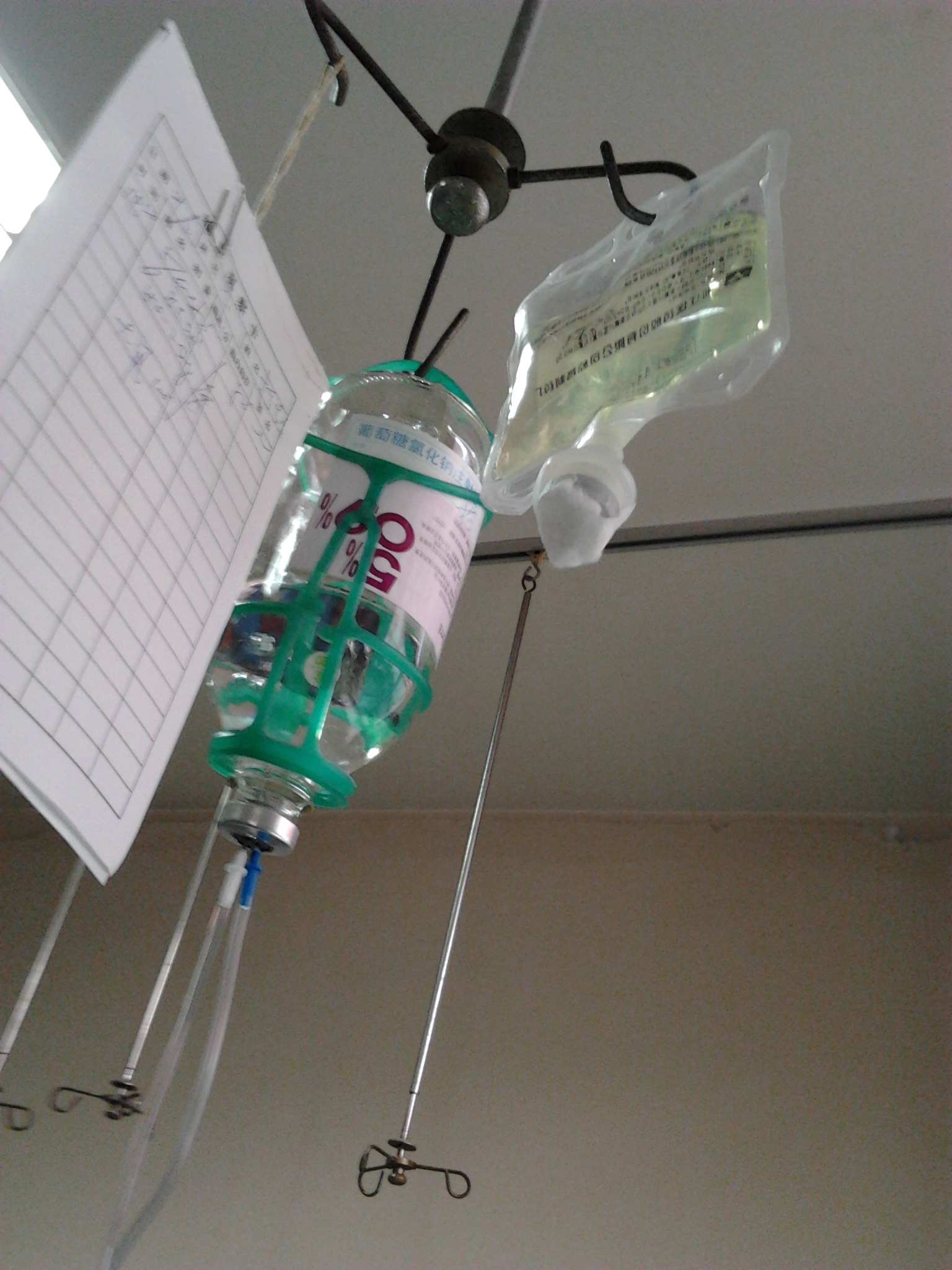
If an IV is ordered at an infusion rate of 120 milliliters per hour, and you need to calculate the drops per minute, you will use these exact time conversion factors in your denominators to cancel out the hours and isolate the minutes.
Financial Conversion
Calculating healthcare costs, insurance deductibles, or pharmacy supplies requires a fluent understanding of US currency.
- One US dollar equals 100 cents.
- One US quarter equals 25 cents.
- One US dime equals 10 cents.
- One US nickel equals 5 cents.
When dealing with international billing or travel nursing, you will encounter foreign exchange rates. Currency exchange rates function as specific conversion factors to translate monetary values between different national currencies. Just like converting pounds to kilograms, you place the currency you wish to eliminate in the denominator and the desired currency in the numerator.
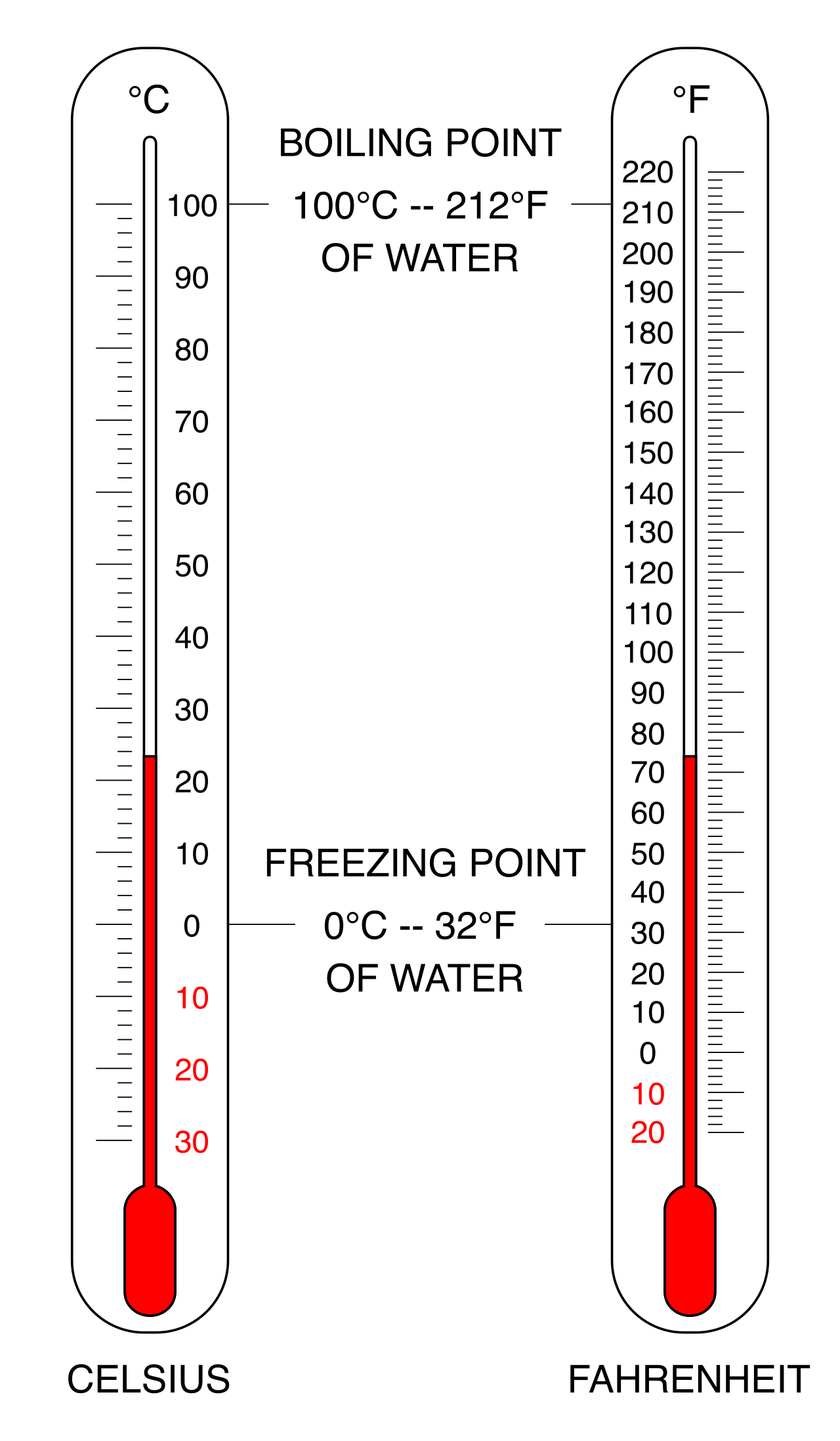
Temperature conversions do not use standard fractional multipliers because the Celsius and Fahrenheit scales do not share the same starting point (zero degrees means something different on each scale). Therefore, we rely on precise algebraic formulas to translate between them.
Temperature Formulas
To convert Celsius to Fahrenheit: F=(C×1.8)+32
To convert Fahrenheit to Celsius: C=(F−32)/1.8
If a patient presents with a fever of 101.5∘F, and the electronic health record requires charting in Celsius, you will subtract 32 from 101.5, and then divide the result by 1.8 to find their core temperature in standard scientific units.
Linear conversions (like inches to centimeters) are simple, one-dimensional calculations. However, physiology often involves surfaces and spaces—such as calculating the Total Body Surface Area (TBSA) of a burn victim, or calculating the cubic volume of a surgical wound.
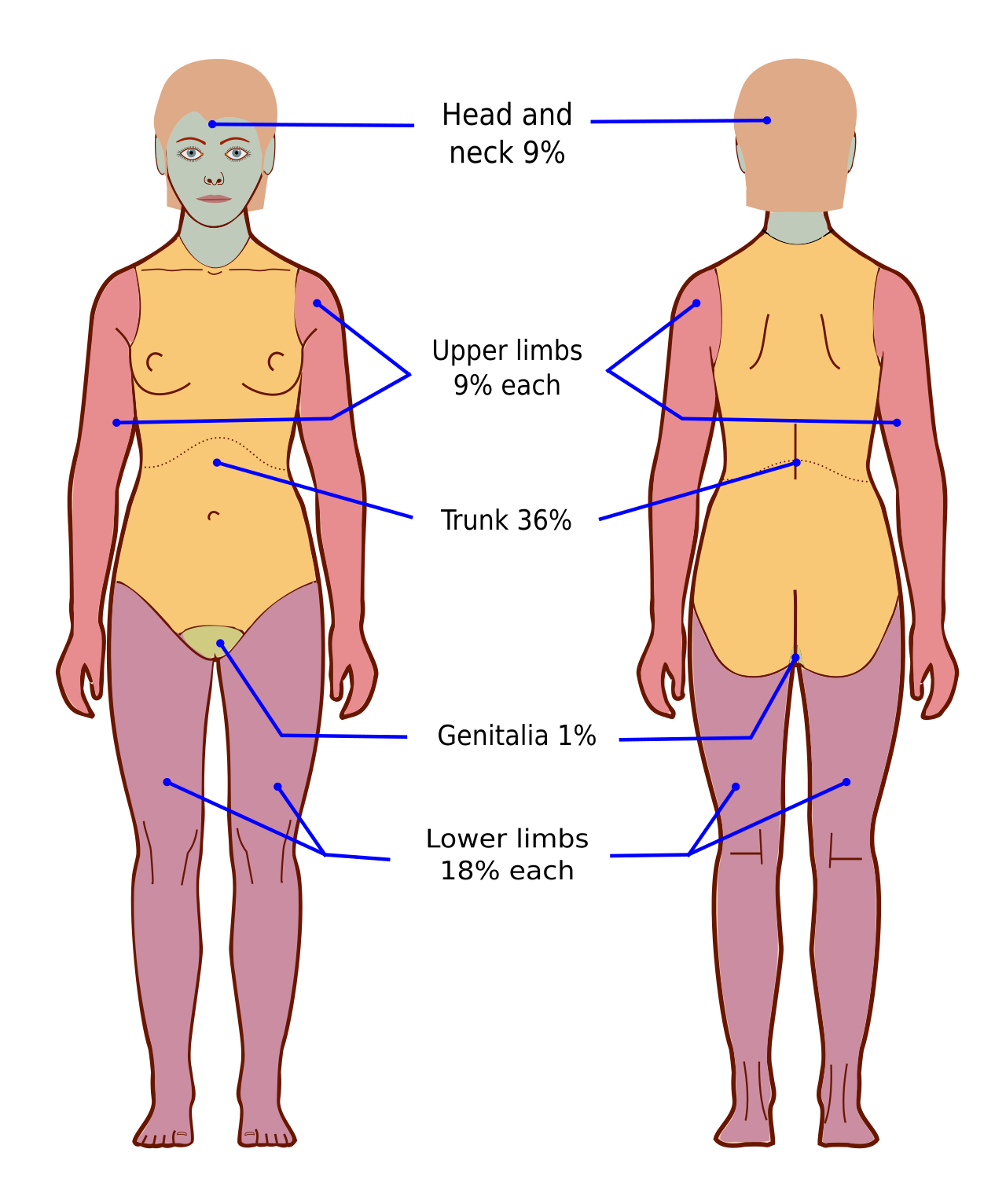
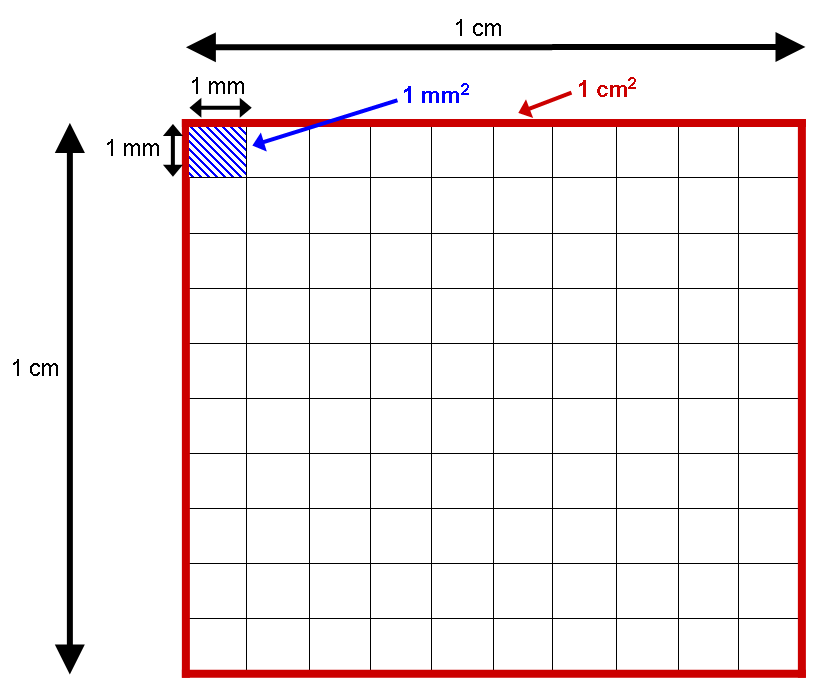
When we move from one-dimensional lines to two-dimensional areas or three-dimensional volumes, the conversion factors must reflect that added dimension.
- Area: Converting square area units requires mathematically squaring the entire linear conversion factor. For example, since 1 yard = 3 feet, calculating 1 square yard requires squaring the 3. Therefore, 1 square yard = 9 square feet.
- Volume: Converting cubic volume units requires mathematically cubing the entire linear conversion factor. Since 1 yard = 3 feet, calculating 1 cubic yard requires cubing the 3 (3×3×3). Therefore, 1 cubic yard = 27 cubic feet.
Understanding this spatial geometry prevents catastrophic errors when scaling up clinical measurements or environmental data. Measurement is not just a mathematical abstraction; it is the framework we use to understand reality, dictate interventions, and ensure the safety of those under our care. Master the conversion factor, and you master the ability to navigate through the quantitative landscape of modern healthcare.