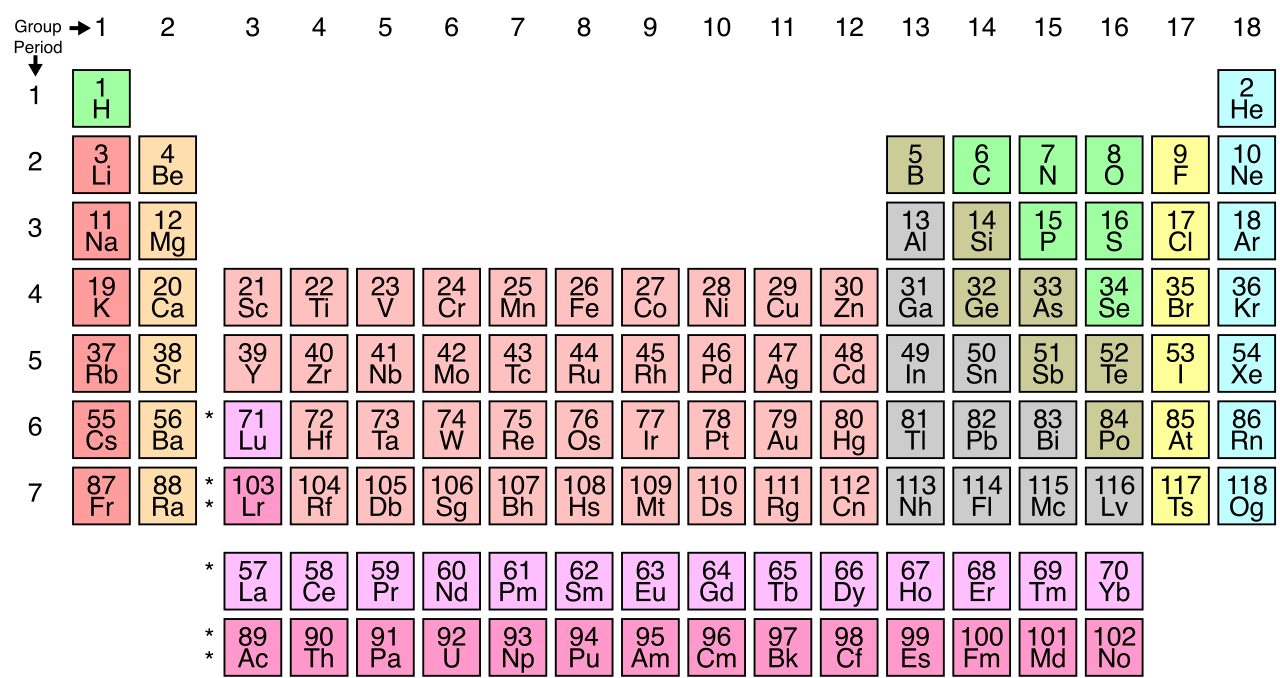
The modern periodic table arranges elements in order of increasing atomic number. However, it is not just a sequential list; it is a grid carefully organized by atomic behavior.
- The horizontal rows on the periodic table are called periods.
- The vertical columns on the periodic table are called groups or families.
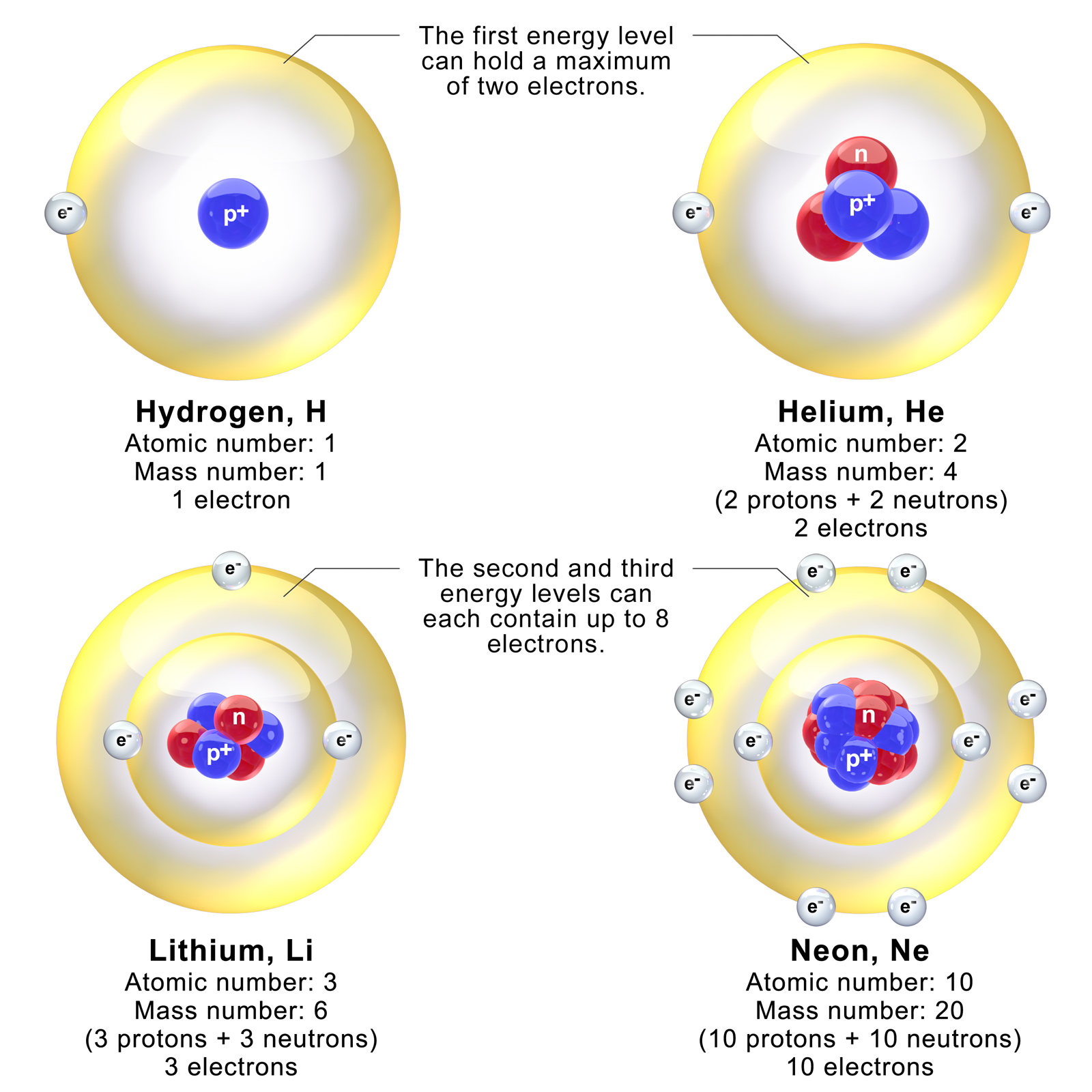
This column structure is the key to predicting chemical behavior: elements within the same group on the periodic table possess the same number of valence electrons. Because they share the same outer electron configuration, elements within the same group on the periodic table exhibit similar chemical properties.
Broad Categories: Metals, Nonmetals, and Metalloids
The periodic table is broadly divided into three territories based on physical and chemical traits.
| Category | Location on Periodic Table | Physical Properties | Chemical Behavior |
|---|---|---|---|
| Metals | Located on the left side and center of the periodic table. | Typically shiny, malleable, and highly conductive of heat and electricity. | Tend to lose electrons during chemical reactions to form positively charged cations. |
| Nonmetals | Located on the far right side of the periodic table. (Exception: Hydrogen) | Typically dull in appearance, brittle, and poor conductors of heat and electricity. | Tend to gain electrons during chemical reactions to form negatively charged anions. |
| Metalloids | Located along a zigzag diagonal line separating metals and nonmetals. | Possess a mixture of physical and chemical properties characteristic of both metals and nonmetals. | Can behave as electron donors or acceptors depending on the reaction. |
Critical Exception: Hydrogen is classified as a nonmetal despite being located on the top left side of the periodic table. It is placed in Group 1 because it has one valence electron, but it behaves as a gaseous nonmetal.
Important Families to Know
Certain vertical columns (groups) have specific names and predictable, extreme behaviors based on how close they are to achieving the octet rule.
- Group 1 elements on the periodic table are known as alkali metals. Alkali metals are highly reactive elements that possess exactly one valence electron. They violently want to lose this single electron to reveal a stable full shell underneath.
- Group 2 elements on the periodic table are known as alkaline earth metals. They possess two valence electrons.
- Group 17 elements on the periodic table are known as halogens. Halogens are highly reactive nonmetals that possess exactly seven valence electrons. They violently want to steal one electron to complete their octet (forming anions like Chloride, Cl−).
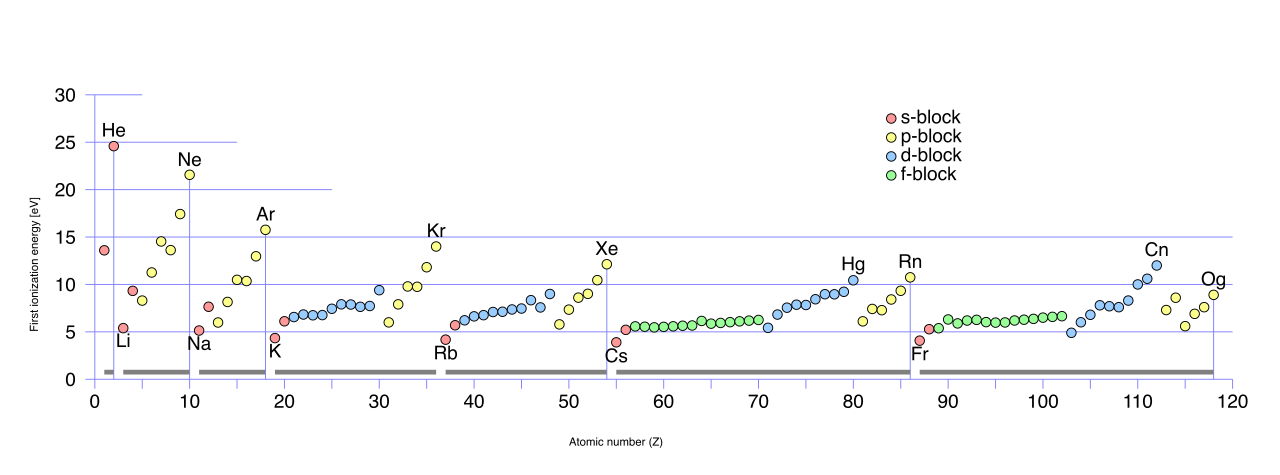
- Group 18 elements on the periodic table are known as noble gases. Noble gases are highly unreactive elements due to possessing a completely full outermost electron shell. They do not need to steal, lose, or share electrons with anyone.