Cellular Metabolism
Not sure you’re ready?
Take the ~3-minute readiness diagnostic and see where you stand.
An intravenous drip of normal saline contains exactly 0.9% sodium chloride dissolved in sterile water, a precise formulation designed to mirror the osmolarity of human blood. The reason a patient’s life can be stabilized by this simple fluid—and the reason they require oxygen masks, glucose monitoring, and fever management—is rooted entirely in the mechanics of cellular metabolism. Every physiological vital sign measured in a clinical setting is a macro-level reflection of microscopic chemical reactions. A respiratory rate tracks the expulsion of metabolic waste; a pulse oximeter measures the delivery of the final electron acceptor needed to synthesize biological energy; a body temperature reading monitors the waste heat of billions of cellular engines. To understand human health, one must first understand the energetic currency that powers it, the metabolic engines that extract it, and the unique chemical properties of the watery medium in which all life occurs.
Before a cell can metabolize fuel, it needs an environment where complex chemistry can occur. Water acts as an excellent solvent for dissolving polar molecules and ionic compounds, making it the fundamental fluid of blood plasma, intracellular cytoplasm, and pharmaceutical solutions.
A water molecule consists of two hydrogen atoms covalently bonded to one oxygen atom (H2O). However, this relationship is not entirely equal. Oxygen is highly electronegative—it pulls the shared electrons toward itself. Because of this unequal sharing of electrons between oxygen and hydrogen, water is a polar molecule. The oxygen atom in a water molecule carries a partial negative charge, while the hydrogen atoms in a water molecule carry a partial positive charge.
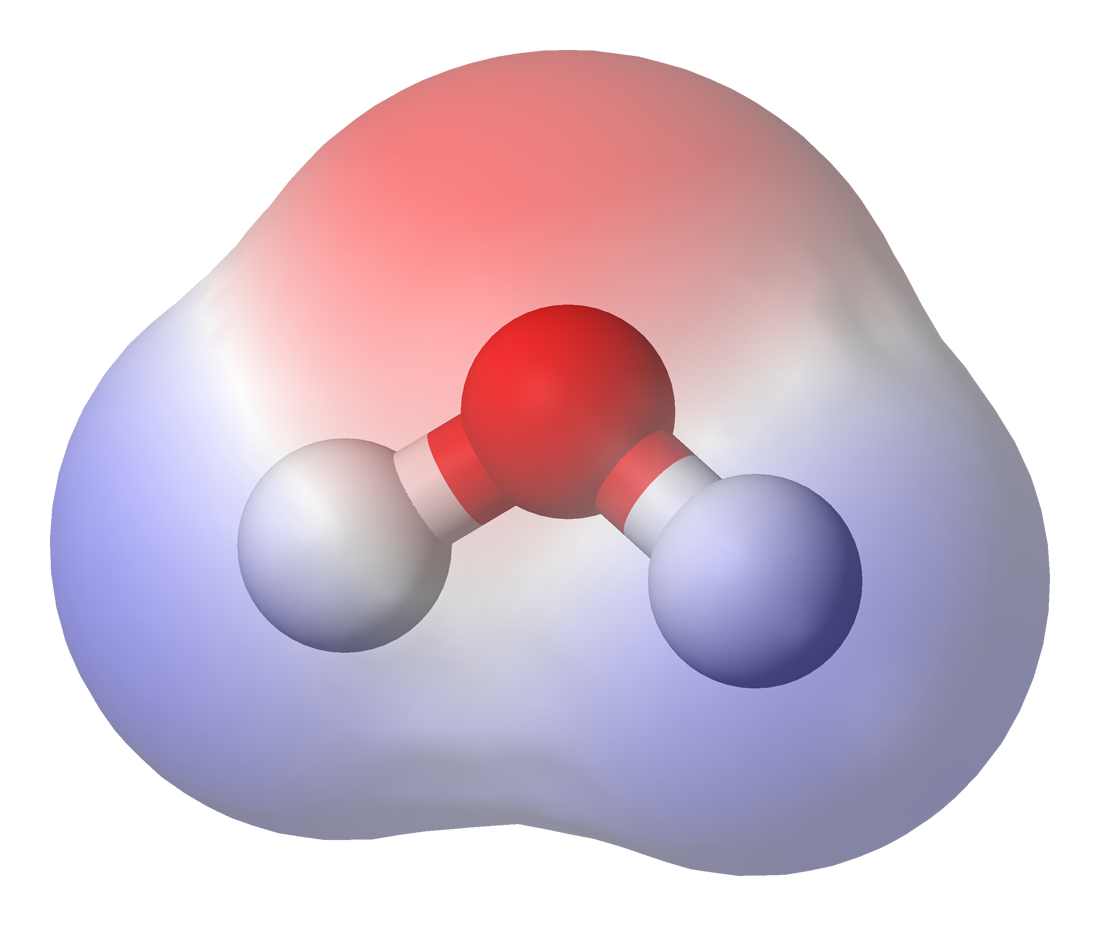
Because opposite charges attract, the polarity of water allows adjacent water molecules to form hydrogen bonds with one another. These bonds are fleeting but immensely powerful in aggregate, giving rise to several unique biological properties:
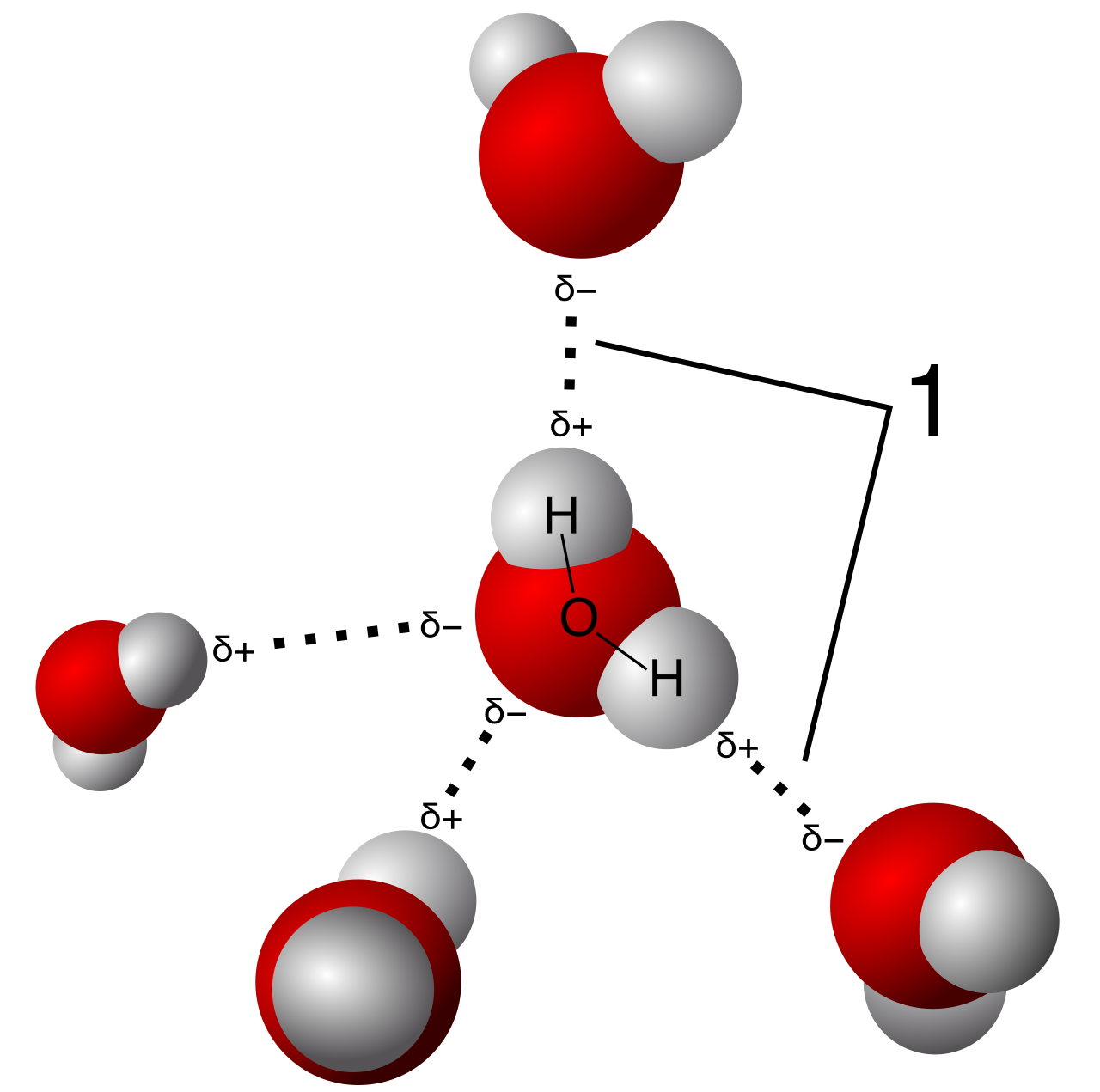
- Cohesion and Surface Tension: Cohesion is the property by which water molecules are attracted to other water molecules. Because they cling together, they resist being pulled apart at the surface. Surface tension is a direct consequence of the cohesive properties of water molecules, creating a microscopic "skin" on fluid surfaces (relevant to the function of surfactant in human lungs).
- Adhesion and Capillary Action: Adhesion is the property by which water molecules are attracted to different substances, such as the glass of a lab tube or the tissues of a biological vessel. Capillary action in plant stems relies on the combined forces of water cohesion and adhesion to pull water upward against gravity.
- Thermal Regulation: Water possesses a high specific heat capacity. A high specific heat capacity allows water to absorb significant heat energy without a large rise in temperature. This buffers human body temperature against rapid fluctuations and is the reason the high specific heat of water stabilizes environmental temperatures for aquatic organisms.
- Evaporative Cooling: Water possesses a high heat of vaporization, meaning it requires a massive amount of energy to turn liquid water into gas. The high heat of vaporization of water facilitates evaporative cooling mechanisms like human sweating. When a feverish patient sweats, the water absorbs their body heat and carries it away as it evaporates.
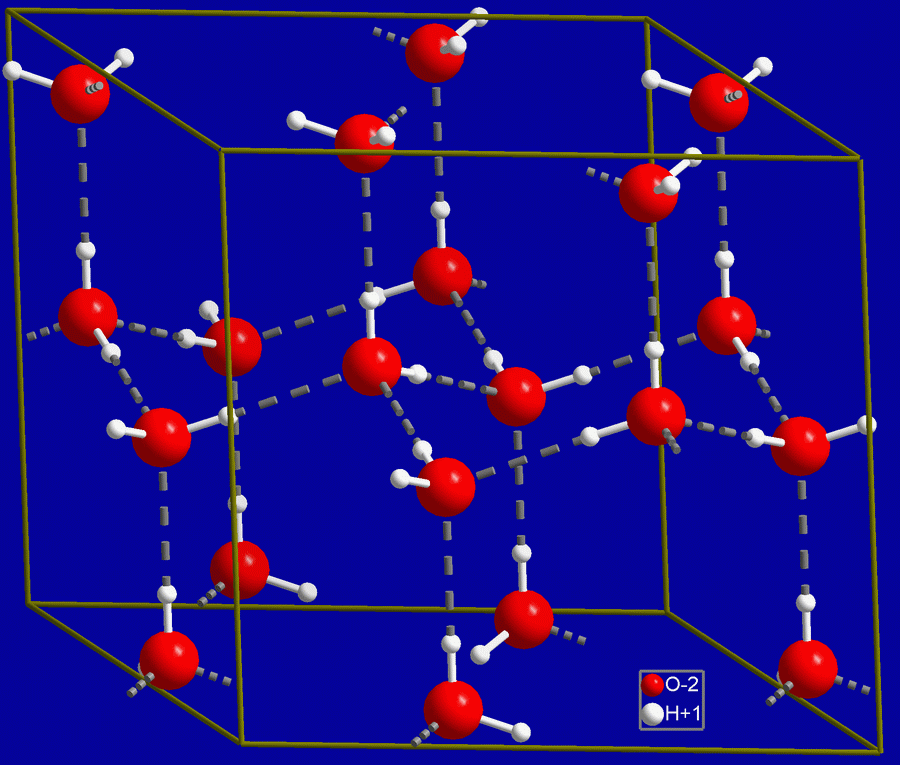
- Density Anomalies: In almost all substances, the solid phase is denser than the liquid phase. However, solid water is physically less dense than liquid water. Ice floats on liquid water due to the rigid, spaced-out lattice structure formed by hydrogen bonds upon freezing. If ice sank, oceans and lakes would freeze from the bottom up, destroying aquatic ecosystems.
When a nurse administers a medication to force a heart muscle to contract, or when an ion pump clears sodium from a neuron, the cell pays for that physical work using a highly specific chemical currency.
ATP stands for adenosine triphosphate. ATP functions as the primary energy currency for all living cells.
If we look closely at the architecture of this molecule, an ATP molecule contains a nitrogenous adenine base, an ATP molecule contains a five-carbon ribose sugar, and most importantly, an ATP molecule contains a chain of three phosphate groups.
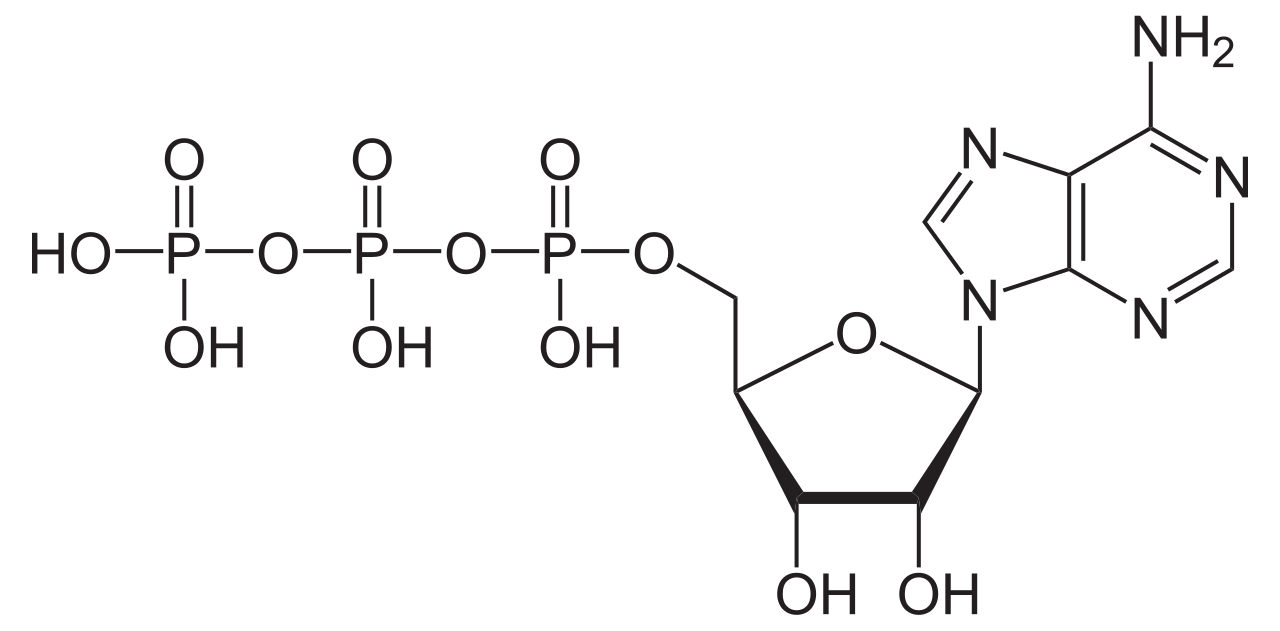
The Spring-Loaded Mechanism: Phosphate groups are highly negatively charged. Because negative charges repel each other, packing three of them tightly together requires a tremendous amount of energy—like compressing a heavy spring. Cellular energy is released when the terminal phosphate bond of an ATP molecule is broken.
Breaking the terminal phosphate bond of ATP transforms the molecule into adenosine diphosphate (ADP), releasing the stored energy to do cellular work. Because cells burn through their supply rapidly, cells continuously regenerate ATP by adding an inorganic phosphate group back to adenosine diphosphate, effectively "recompressing the spring."
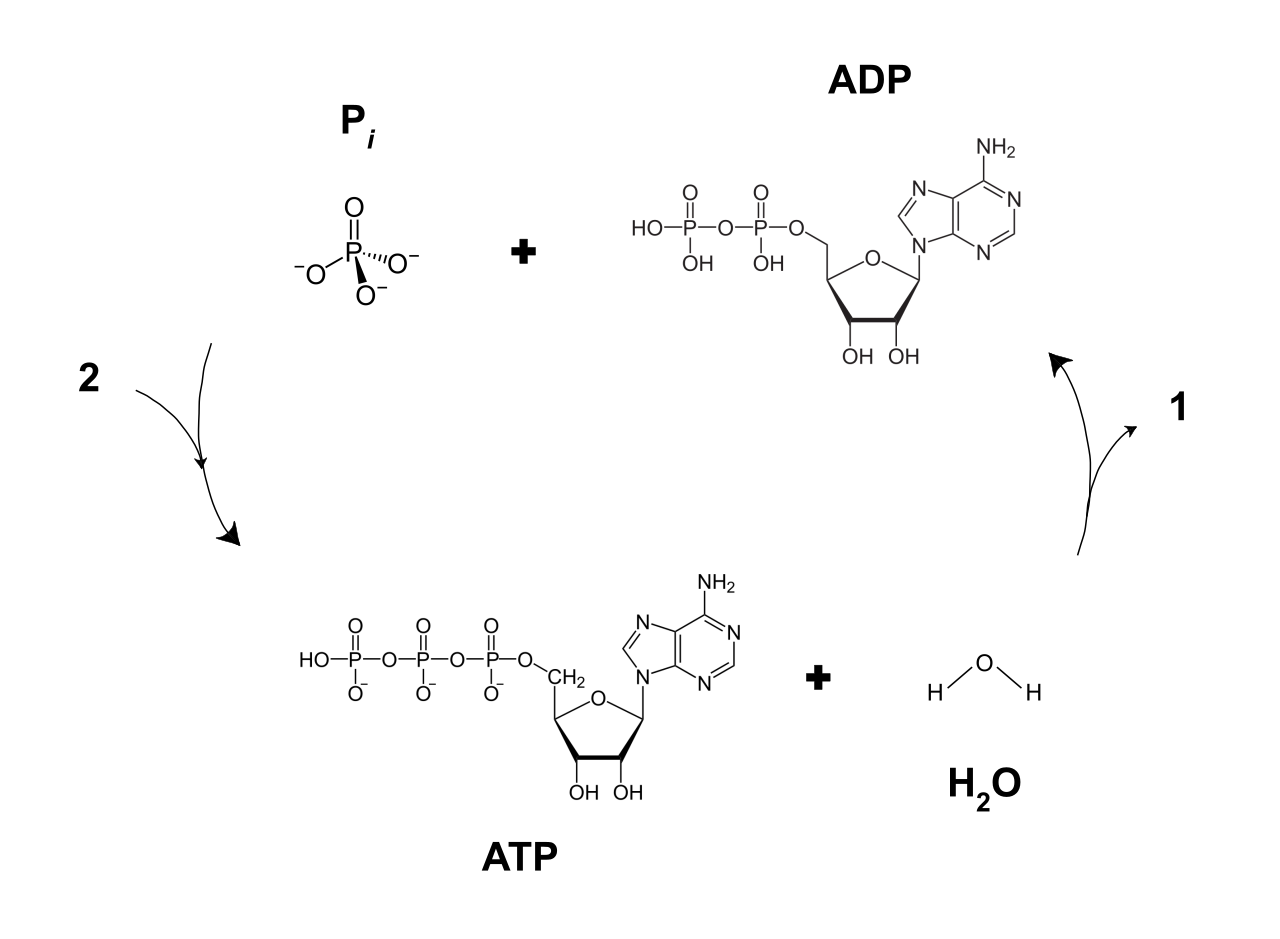
How do our cells find the energy to compress that phosphate spring? They extract it from food. Cellular respiration is the metabolic process by which cells break down glucose to extract stored energy.
When oxygen is present, this process is highly efficient. Aerobic cellular respiration requires the presence of oxygen. To run this metabolic engine, glucose is a required reactant for aerobic cellular respiration, and oxygen is a required reactant for aerobic cellular respiration. As the engine runs, carbon dioxide is a waste product of aerobic cellular respiration, and water is a byproduct of aerobic cellular respiration.
Aerobic cellular respiration is divided into glycolysis, the citric acid cycle, and the electron transport chain. By the end of these three stages, aerobic cellular respiration produces a total of approximately 32 to 38 ATP molecules per glucose molecule.
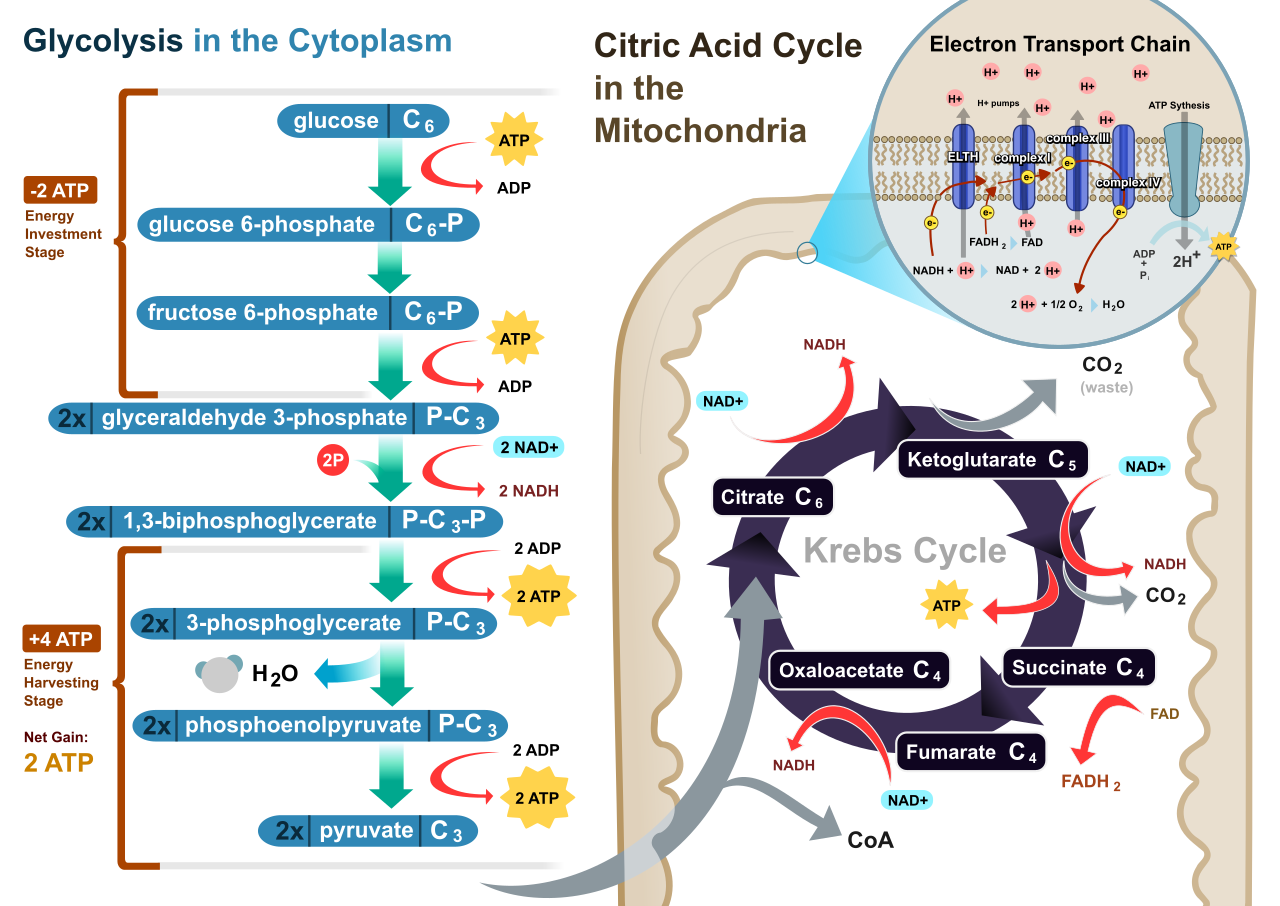
Stage 1: Glycolysis
Glycolysis is the initial stage of both aerobic and anaerobic cellular respiration. It is a universal biological pathway; whether you are a human, a plant, or a bacterium, energy extraction starts here.
Glycolysis occurs in the cytoplasm of the cell. Notably, glycolysis is an anaerobic process that does not require oxygen. During this phase, the cell literally splits sugar. Glycolysis breaks down one molecule of glucose into two molecules of pyruvate. This initial splitting is biologically cheap; glycolysis yields a net gain of two ATP molecules per glucose molecule.
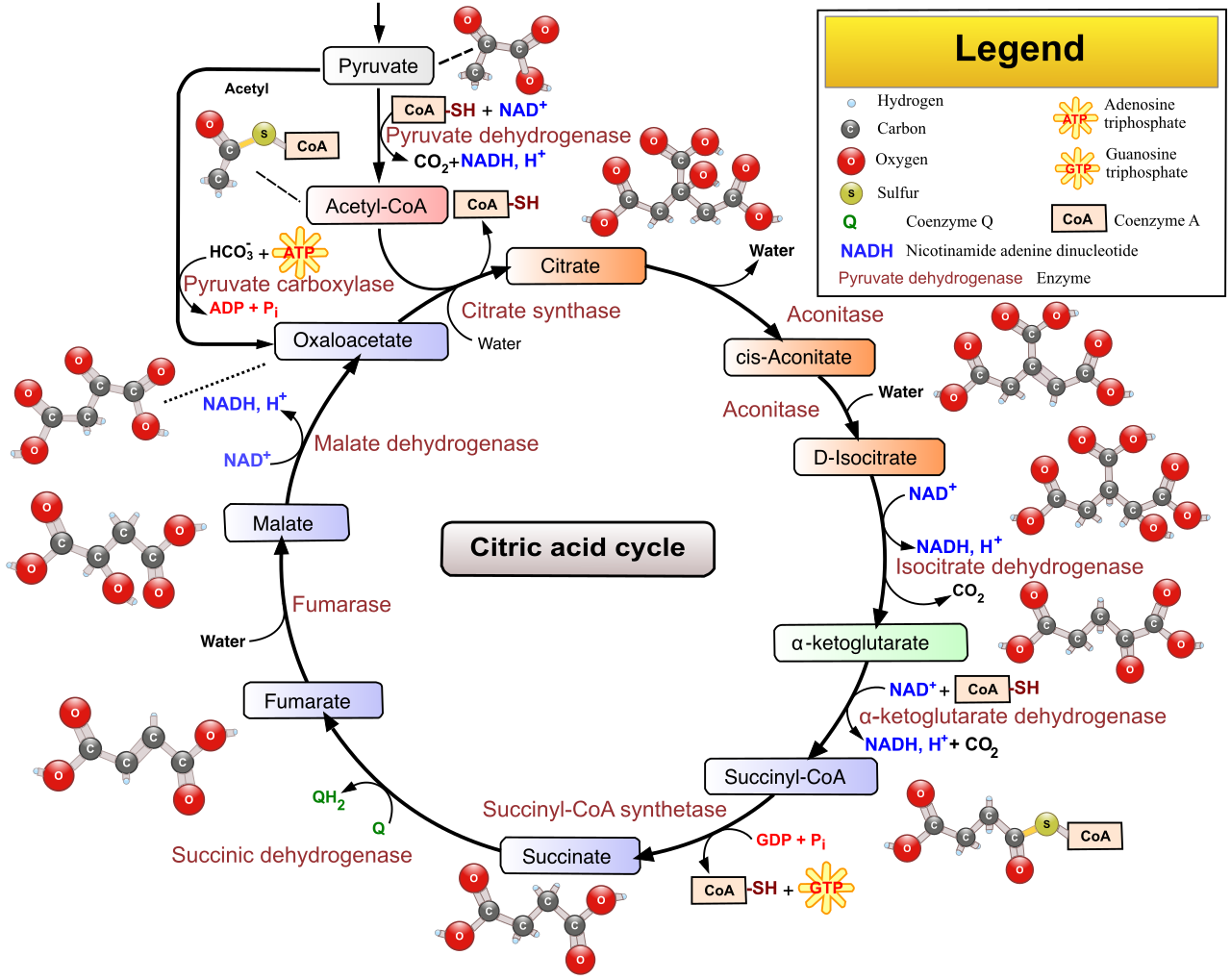
Stage 2: The Citric Acid Cycle (The Krebs Cycle)
The two pyruvate molecules are shuttled deeper into the cell. The citric acid cycle is also commonly known as the Krebs cycle. The Krebs cycle occurs in the matrix of the mitochondria (the innermost fluid-filled space of the organelle).
While the cycle itself doesn't directly consume oxygen, the Krebs cycle is considered an aerobic process because it relies on byproducts requiring oxygen to function. In this cycle, the remnants of glucose are completely dismantled.
- The Krebs cycle produces carbon dioxide as a waste product (which enters the bloodstream and is exhaled by the lungs).
- The Krebs cycle produces ATP for cellular energy (a small amount, usually 2 ATP).
- Crucially, it rips high-energy electrons off the carbon skeleton. To safely transport these volatile electrons, the Krebs cycle produces the electron carrier molecule NADH, and the Krebs cycle produces the electron carrier molecule FADH2.
Stage 3: The Electron Transport Chain
Now we reach the grand finale, the true powerhouse of the cell. The electron transport chain is located in the inner membrane of the mitochondria.
The electron carriers (NADH and FADH2) drop off their high-energy electrons at the membrane. As these electrons fall through a series of proteins, their energy is used to pump protons, creating a massive electrochemical gradient that spins a cellular turbine to generate ATP. The electron transport chain produces the vast majority of ATP during aerobic respiration (about 28-34 ATP).
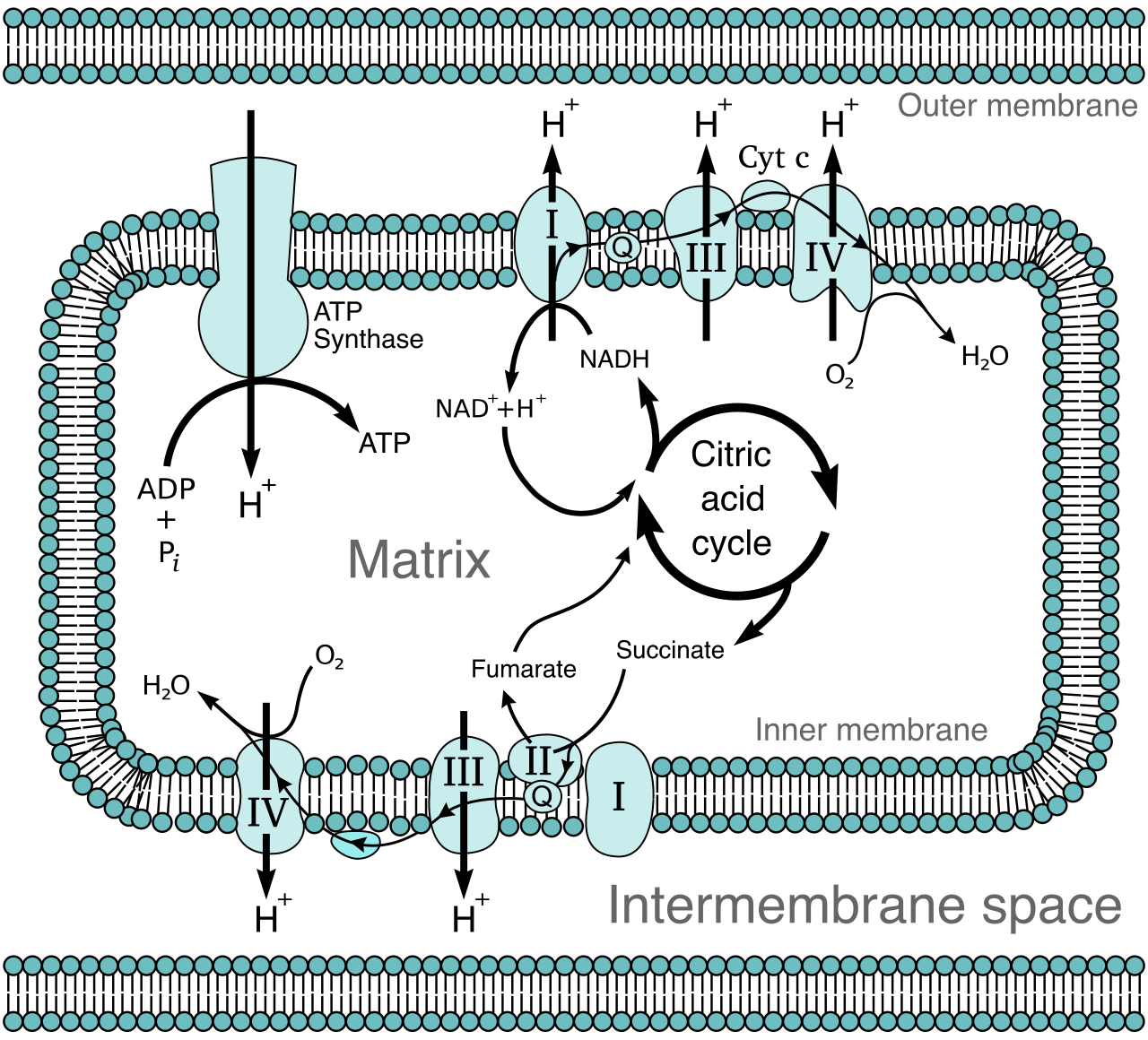
But there is a catch. For the traffic of electrons to keep flowing, something must pull them off the end of the chain. Oxygen acts as the final electron acceptor in the electron transport chain. When oxygen pulls these electrons off the chain, it combines with ambient protons. Consequently, the electron transport chain produces water when oxygen accepts electrons and binds with hydrogen ions.
If a patient is deprived of oxygen, there is no final electron acceptor. The electron transport chain jams up, ATP production collapses, and brain cells begin to die within minutes.
Anaerobic Respiration and Fermentation
What happens when a cell desperately needs energy, but oxygen is unavailable? Anaerobic cellular respiration allows cells to extract energy from glucose in the absence of oxygen.
To keep glycolysis running without oxygen, cells use a backup system. Fermentation is an anaerobic metabolic pathway that follows glycolysis when oxygen is unavailable. Because it bypasses the mitochondria entirely, fermentation yields a total net gain of only two ATP molecules per glucose molecule—a highly inefficient but life-saving stopgap.
There are two primary types of fermentation, defined by their chemical waste products:
- Lactic Acid Fermentation: Lactic acid fermentation occurs in human muscle cells during strenuous exercise. When a patient is sprinting or a trauma victim is experiencing shock and tissue hypoxia, their cells resort to lactic acid fermentation, resulting in the muscle burn associated with intense exertion.
- Alcoholic Fermentation: Alcoholic fermentation occurs in certain microorganisms like yeast. Instead of lactic acid, alcoholic fermentation produces ethanol and carbon dioxide. This process is the biochemical foundation of the brewing and baking industries.
| Stage of Metabolism | Location | Oxygen Required? | Net ATP Produced | Key Byproducts / Notes |
|---|---|---|---|---|
| Glycolysis | Cytoplasm | No (Anaerobic) | 2 ATP | Produces 2 Pyruvate molecules. |
| Krebs Cycle | Mitochondrial Matrix | Yes (Aerobic-dependent) | 2 ATP | Produces CO2, NADH, FADH2. |
| Electron Transport Chain | Inner Mitochondrial Membrane | Yes (Aerobic) | ~28-34 ATP | O2 is final acceptor; produces H2O. |
| Fermentation | Cytoplasm | No (Anaerobic) | 2 ATP (Total) | Lactic acid (humans) or Ethanol+CO2 (yeast). |
A clinical understanding of human metabolism is incomplete without recognizing where our glucose and oxygen come from. They are not created out of nothing; they are synthesized by the natural world. Photosynthesis is the metabolic process by which autotrophic organisms convert light energy into chemical energy.
Photosynthesis occurs within the chloroplasts of plant cells. These organelles are packed with a specialized molecule: chlorophyll is the green pigment responsible for capturing light energy in plants. Specifically, chlorophyll is located in the thylakoid membranes of chloroplasts.
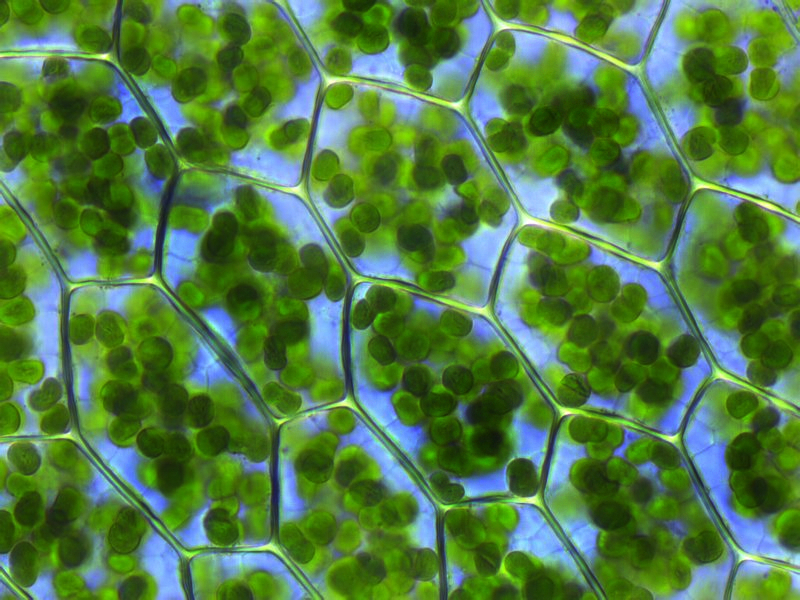
If human respiration is the burning of fuel, photosynthesis is the manufacturing of it. Carbon dioxide is a required reactant in the chemical process of photosynthesis, and water is a required reactant in the chemical process of photosynthesis. Using sunlight as the forge, the plant binds the carbon from CO2 and the hydrogen from H2O.
The end result? Glucose is a primary product of the chemical process of photosynthesis, providing the structural and energetic foundation of the global food web. Meanwhile, oxygen is produced as a byproduct of the chemical process of photosynthesis—replenishing the atmosphere for aerobic organisms like humans.
The process of photosynthesis is divided into the light-dependent reactions and the Calvin cycle.
Phase 1: The Light-Dependent Reactions
Just as respiration starts by dismantling, photosynthesis starts by capturing. The light-dependent reactions of photosynthesis occur in the thylakoid membrane. Because they rely on the direct absorption of photons, the light-dependent reactions of photosynthesis require sunlight to proceed.
The light-dependent reactions of photosynthesis utilize water molecules. The plant actually splits the H2O molecule apart to steal its electrons. Because the water molecule is dismantled, oxygen gas is released during the light-dependent reactions of photosynthesis.
The energy harnessed from the sun and the electrons stolen from water are used to charge up cellular batteries. The light-dependent reactions of photosynthesis generate ATP, and the light-dependent reactions of photosynthesis generate NADPH (a specialized electron carrier, similar to the NADH used in human mitochondria).
Phase 2: The Calvin Cycle
Now the plant has the energy (ATP) and the electrons (NADPH) needed to build sugar. The Calvin cycle is also referred to as the light-independent reactions because it does not require direct photon absorption—it simply runs on the batteries charged in Phase 1.
The Calvin cycle takes place in the stroma of the chloroplast (the fluid surrounding the thylakoids). To construct a sugar molecule, the plant must pull raw carbon from the air. Therefore, the Calvin cycle utilizes carbon dioxide to synthesize glucose molecules. To weld these carbon atoms together into a stable, high-energy glucose molecule, the Calvin cycle uses ATP produced during the light-dependent reactions, and the Calvin cycle uses NADPH produced during the light-dependent reactions.
The Biological Cycle: Look closely at the reactants and products. The waste products of human aerobic respiration (water and carbon dioxide) are the exact required reactants for photosynthesis. The waste product of plant photosynthesis (oxygen) is the exact required reactant for human respiration.
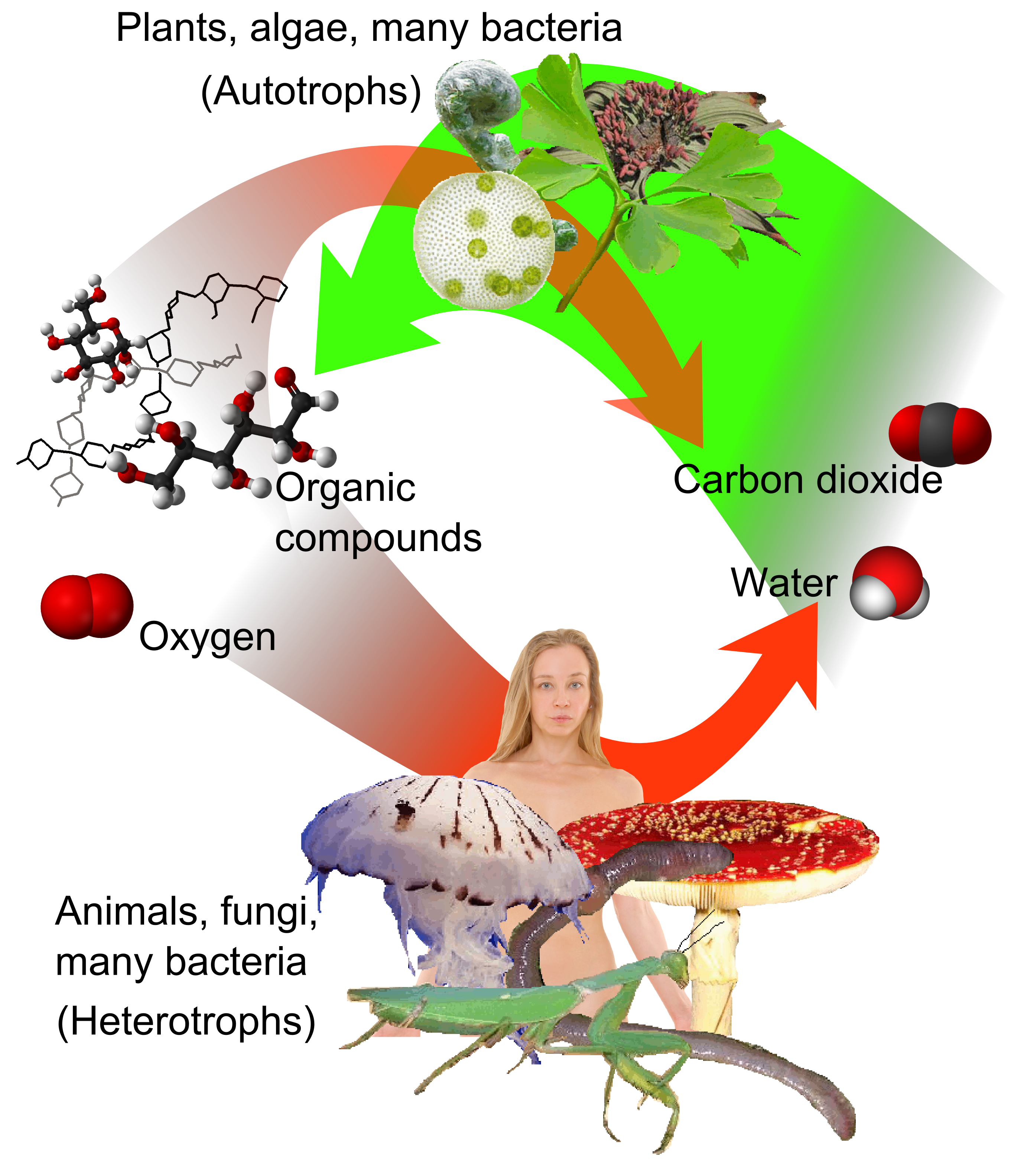
When you monitor a patient's breathing, you are observing their localized role in a massive, planetary cycle of energy transfer—a cycle governed by the polarity of water, the spring-loaded energy of ATP, and the relentless metabolic engines housed within their cells.