Everyday English Vocabulary
Not sure you’re ready?
Take the ~3-minute readiness diagnostic and see where you stand.
In the biological sciences and healthcare, language is a precision instrument. A misunderstood word in a casual conversation is a brief embarrassment; a misunderstood word on a patient’s chart is a clinical error. When you prepare for the HESI A2 vocabulary module, you are not merely memorizing flashcards to pass a gatekeeper exam. You are calibrating the exact terminology you will use to interpret physician orders, prioritize interventions, and document the shifting physiological realities of the human body.
We must approach everyday English vocabulary the way a surgeon approaches their tray of instruments: knowing exactly what each tool does, how it differs from the one next to it, and precisely when to deploy it.
Before we examine specific clinical vocabulary, we must understand how words are constructed and how they behave in their natural habitat: the sentence.
When you encounter an unfamiliar term on an exam or in a medical record, you can often decode its architecture. Recognizing root words provides the core meaning of an unfamiliar vocabulary term. From there, recognizing prefixes helps decipher the beginning modification of unfamiliar vocabulary terms, while recognizing suffixes helps determine the part of speech or ending meaning of unfamiliar vocabulary terms.
But words do not exist in a vacuum. Context clues are surrounding words and sentences that help determine the meaning of an unfamiliar vocabulary word. This is vital because many English vocabulary words have multiple definitions that shift depending on the surrounding sentence context.
Furthermore, you must distinguish between a word's objective reality and its emotional weight. Denotation is the literal dictionary definition of a word. In contrast, connotation is the implied emotional or cultural meaning attached to a word. A patient might be lean (positive connotation) or emaciated (negative connotation), even though the denotation of both relates to low body weight.
The Traps: Synonyms, Antonyms, and Homophones
Standardized exams frequently test your ability to weigh word relationships. Identifying correct vocabulary usage requires distinguishing between synonyms and antonyms.
- Synonyms are words with identical or highly similar meanings (e.g., swift and fast).
- Antonyms are words with opposite meanings (e.g., swift and sluggish).
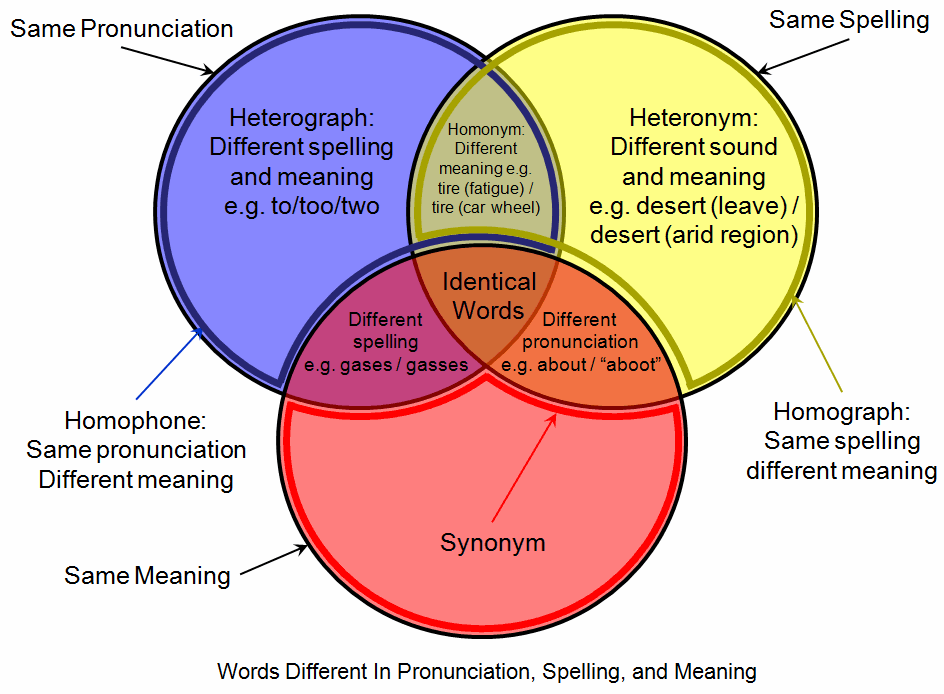
You must also be highly vigilant regarding homophones, which are words that sound alike while having different meanings and spellings. Confusing ileum (a part of the intestine) with ilium (a bone in the pelvis) can drastically alter a clinical narrative.
To document patient care, you must speak the geographic language of the body. Let’s establish the foundational adjectives that denote our biological systems:
- Cardiac refers to or relates to the heart.
- Renal relates to the kidneys.
- Vascular relates to the vessels that carry blood through the body.
- Hematologic relates to blood or blood-forming organs.
- Neurologic relates to the nervous system, while neurovascular relates to the nerves and blood vessels together.
- Gastrointestinal relates to the stomach and the intestines.
- Musculoskeletal relates to the musculature and skeleton together.
- Otic relates to the ear.
We also categorize where things originate. Endogenous refers to something produced or growing within the body (like insulin from the pancreas), whereas Exogenous refers to something produced or originating outside the body (like an injected medication).
Geometry and Location
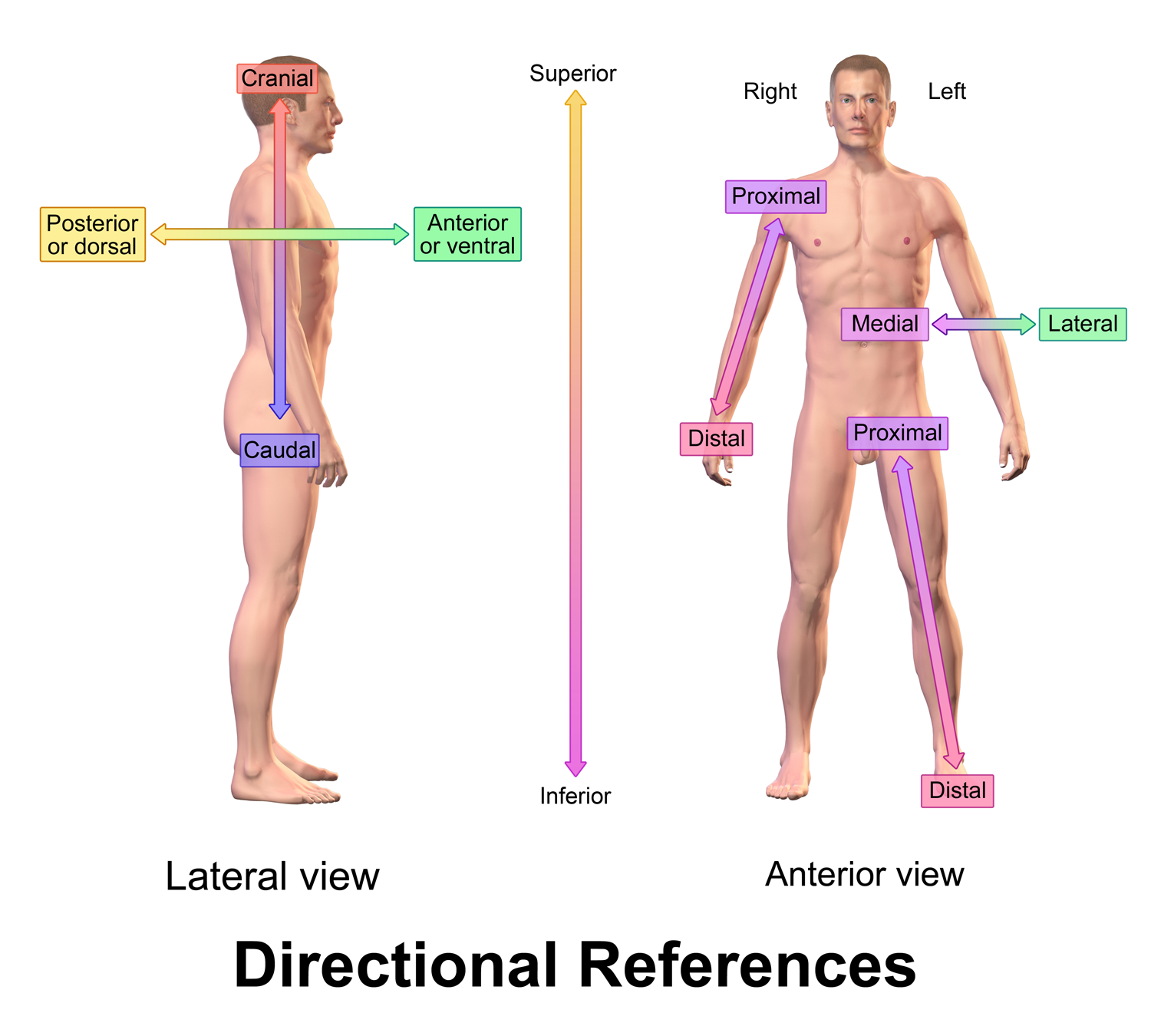
Physical assessment requires exact spatial descriptors. Bilateral means having or relating to two sides (e.g., bilateral breath sounds). Symmetric means made up of exactly similar parts facing each other. If examining a surface, concave describes a surface that curves inward like the inside of a bowl. When navigating the body’s layout, posterior refers to the back or the back of a structure.
When you walk into a room, you begin assessing immediately. You establish a baseline status, which is the relative social, professional, or medical standing of an individual.
What is the patient’s physical and mental state? Fatigue is a state of extreme physical or mental tiredness, while a patient who is lethargic is sluggish, apathetic, and lacking in energy. You must also observe their psychological presentation. The word affect as a noun refers to the appearance of observable emotions (e.g., "The patient presented with a flat affect"). Sometimes, a patient is ambivalent, meaning having mixed or contradictory feelings about something or someone.
Tissue and Trauma
When examining tissues, precise adjectives dictate the intervention. A healthy, untouched area is intact, meaning whole, complete, and not damaged. However, you will frequently encounter trauma, which refers to a severe physical injury or deeply distressing emotional experience.
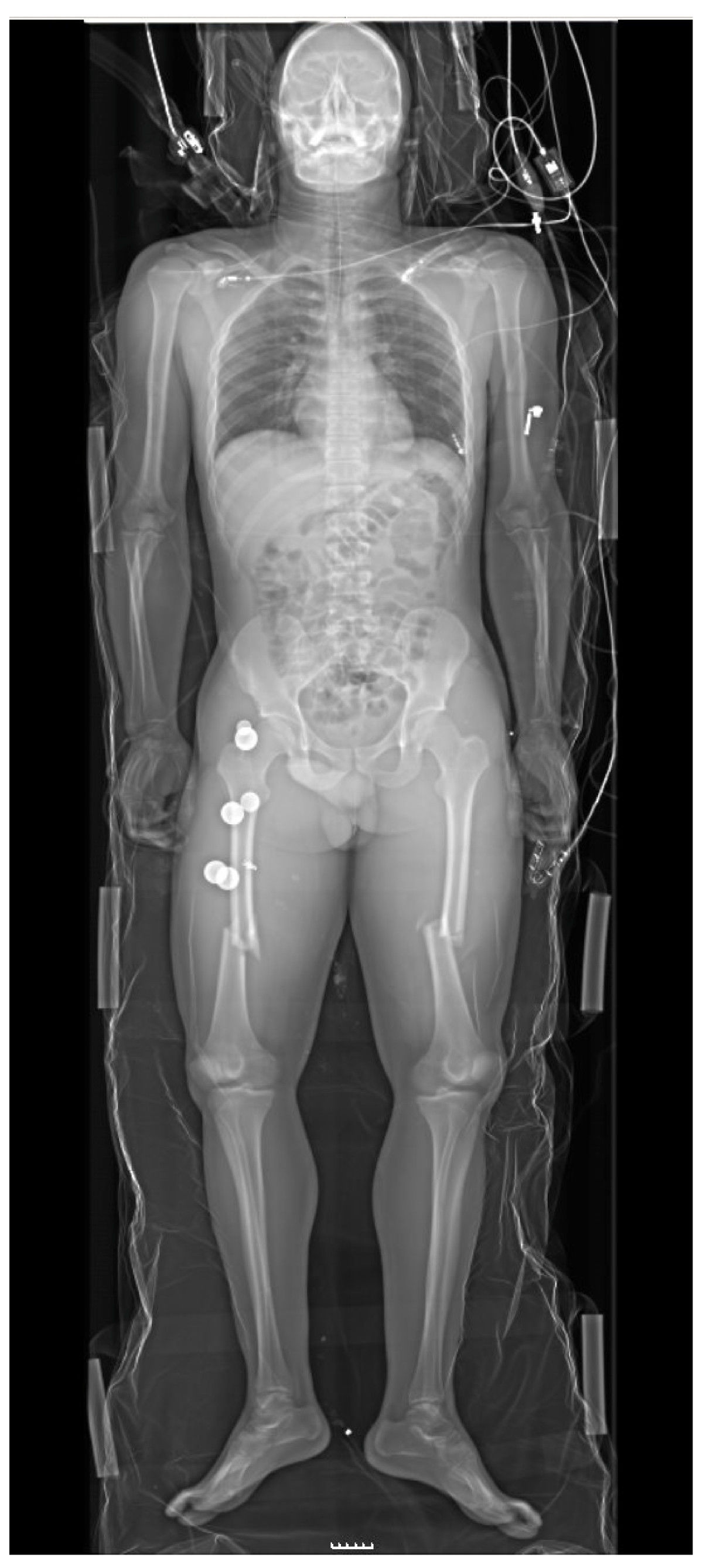
If there is an injury, is it a laceration (a deep cut or tear in skin or flesh)? Is the injury gaping, which describes a wound or hole that is wide open?
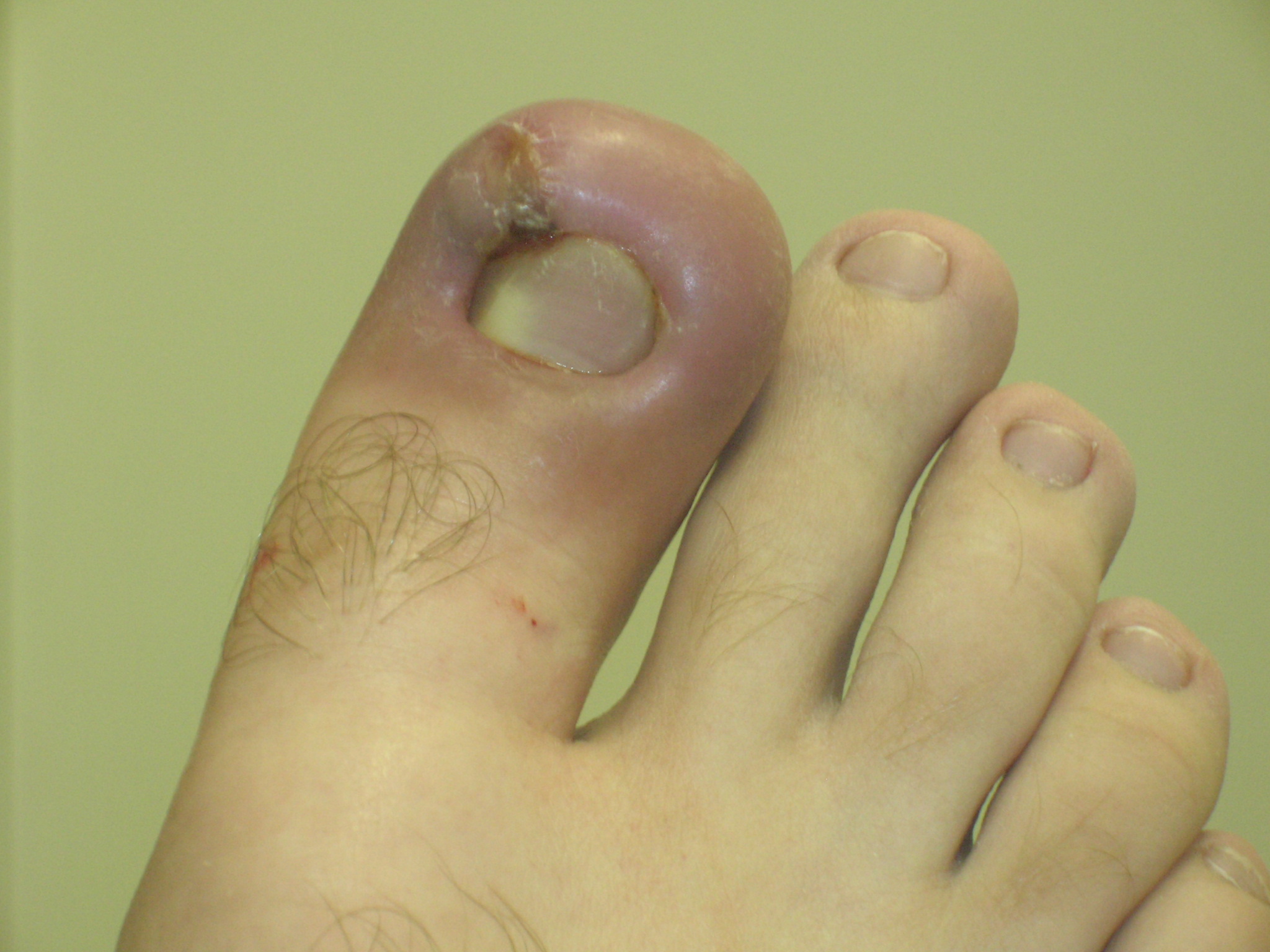
Tissue states indicate underlying mechanisms. A muscle might be flaccid, meaning limp or lacking muscle tone. An abdomen might be distended, meaning swollen or expanded from internal pressure. Tissue that is inflamed describes a body part that is reddened, swollen, hot, and often painful. Functionally, an organ or limb might be impaired, meaning damaged or weakened in function.
The Physics of Fluids and Pipes
Much of healthcare involves managing biological plumbing. The state of vessels and ducts is paramount. Patent describes a vessel or duct that is open and unobstructed. Conversely, occluded means closed, obstructed, or blocked.
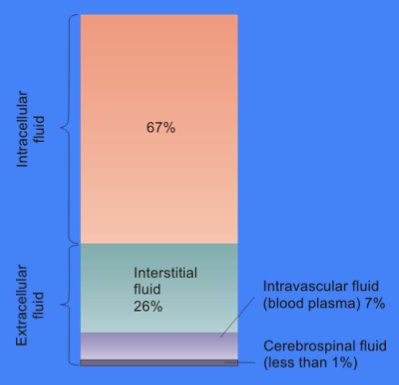
We continually monitor the biological action of breathing, known as respiration, and hydration, which is the absorption of water to maintain bodily fluids. We measure volume, which refers to the amount of space that a substance or object occupies. If fluids are low, there is a deficit, which refers to a shortage or an amount by which something falls short.
Healthcare is a battle against time. The speed and trajectory of a disease dictate the urgency of your response.
- Abrupt refers to an event that is sudden or unexpected.
- Precipitous describes an action done rapidly without careful consideration. Interestingly, due to multiple definitions, precipitous also describes a physical drop that is dangerously high or steep (e.g., a precipitous drop in blood pressure).
- Insidious describes a process proceeding in a gradual and subtle way with harmful effects (like certain cancers or creeping neuropathies).
We must continually track the timeline of a condition. Is it preexisting (existing before a certain time or event)? Is it a primary issue (of chief importance or occurring first in time)? Or is it latent, which describes a dormant condition capable of emerging later? A condition that is continuing and still in progress is ongoing. If it goes away but comes back, it is said to recur, which means to occur repeatedly or periodically.
As professionals, we try to anticipate (expect or foresee an event before it happens). We look for an impending crisis, which describes an event that is about to happen. We watch for an ominous sign, meaning giving the impression that something bad or unpleasant is going to happen, potentially culminating in an outcome that is fatal (an event or condition that causes death).
The Pathology Vocabulary
To understand diseases, we study pathology, which is the scientific study of the causes and effects of diseases. We look at the incidence, which refers to the rate or frequency of occurrence of a disease.
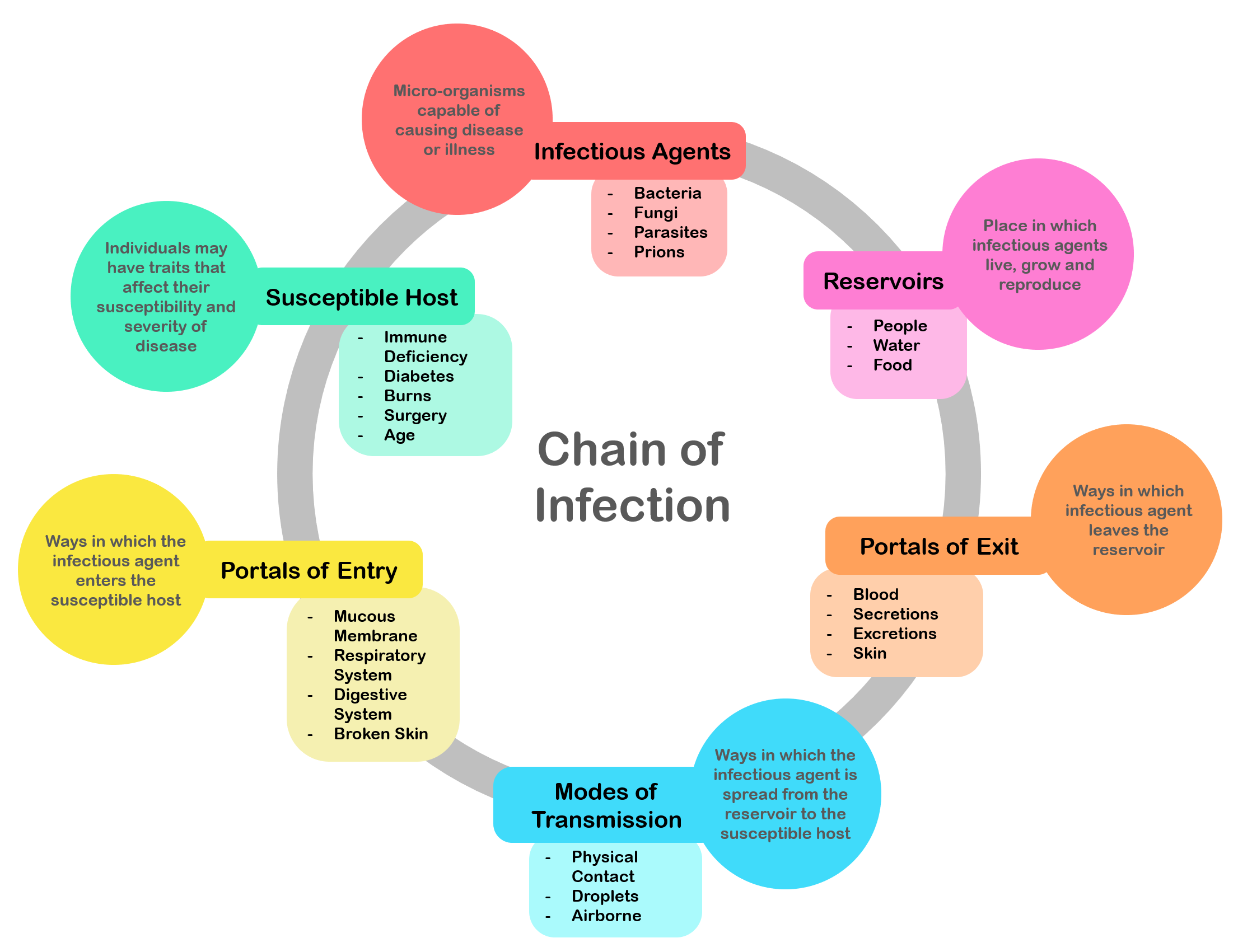
An infection is the invasion of the body by pathogenic microorganisms (where pathogenic means capable of causing disease). We must actively prevent transmission, which is the action of conveying a disease from one person or place to another, largely through proper hygiene—practices conducive to maintaining health and preventing disease.
Certain factors predispose a patient to illness, meaning to make someone liable or inclined to a specified condition. When the disease takes hold, we look for a manifestation, which is an indication or sign that a condition or disease is present. A symptom is a physical or mental feature indicating a condition of disease, and a syndrome is a group of symptoms that consistently occur together. Ultimately, the physician provides a prognosis, which is the forecast of the likely outcome of a disease.
What do we do to the patient, and what do they do in response?
We might need to initiate (cause a process or action to begin) or cease (come to an end or bring to a complete stop) a treatment. Sometimes, a treatment will abate the pain, which means to reduce in amount, degree, or severity. Other times, poor choices might exacerbate a condition, meaning to make a problem or bad situation worse.
Movement and Mechanisms
- Expand means to increase in size, volume, quantity, or scope.
- Depress means to press down or lower the level of something (e.g., depressing the tongue).
- Dilate means to make or become wider and more open.
- Kinetic relates to or results from motion.
- Extension is the act of increasing the angle between two bones.
- To immobilize a broken bone, we might cast it, which means to give a solid shape to a substance.

Intake and Output
A patient must ingest medicine, meaning to take food or liquid into the body by swallowing. We measure how they output. To urinate means to discharge urine from the body, and more broadly, to void means to excrete bodily wastes. We monitor whether their body will retain fluid, meaning to continue to have something or keep possession of it.
If a patient is dehydrated, they need a supplement (something added to make up for a deficiency). The body itself might trigger a compensatory mechanism, meaning offsetting or making up for a deficiency. We must also restrict diets, which means to put a limit on or keep under control, or ask patients to abstain (voluntarily refrain from doing something) from alcohol before surgery.
Sometimes, we need to flush a wound or IV line, meaning to wash out with a rapid flow of water. (Note the shifting context: to flush can also mean to redden in the face).
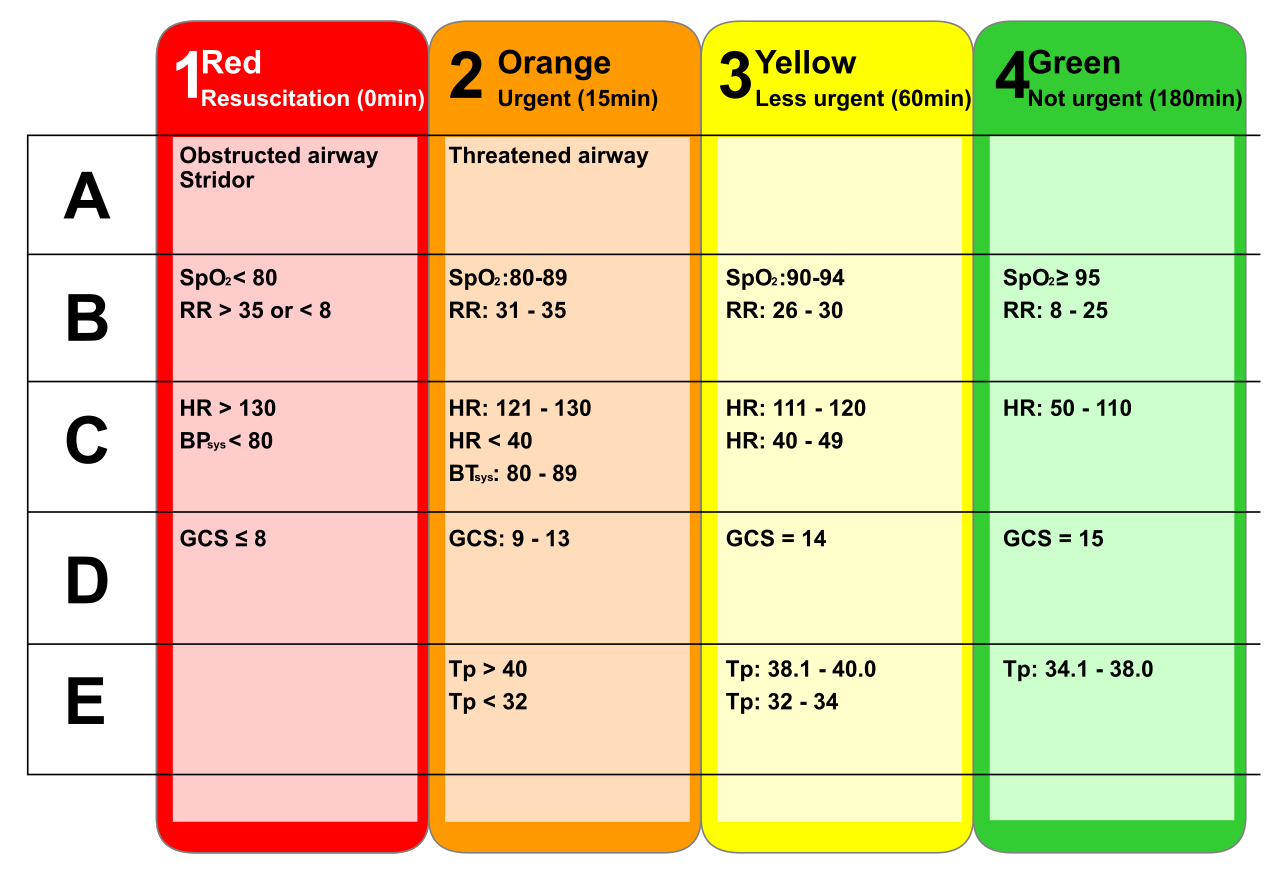
When a patient arrives in the ER, the first step is triage, the process of sorting patients to determine the priority of their need for medical treatment.
When administering medications, you must understand the exact site, which refers to the physical location of a structure or event. A drug might be given via a sublingual route, which describes a medication administered under the tongue, or a transdermal route, describing the application of a medicine through the skin. Some procedures are invasive, describing a procedure that involves entering the body by cutting or puncturing.
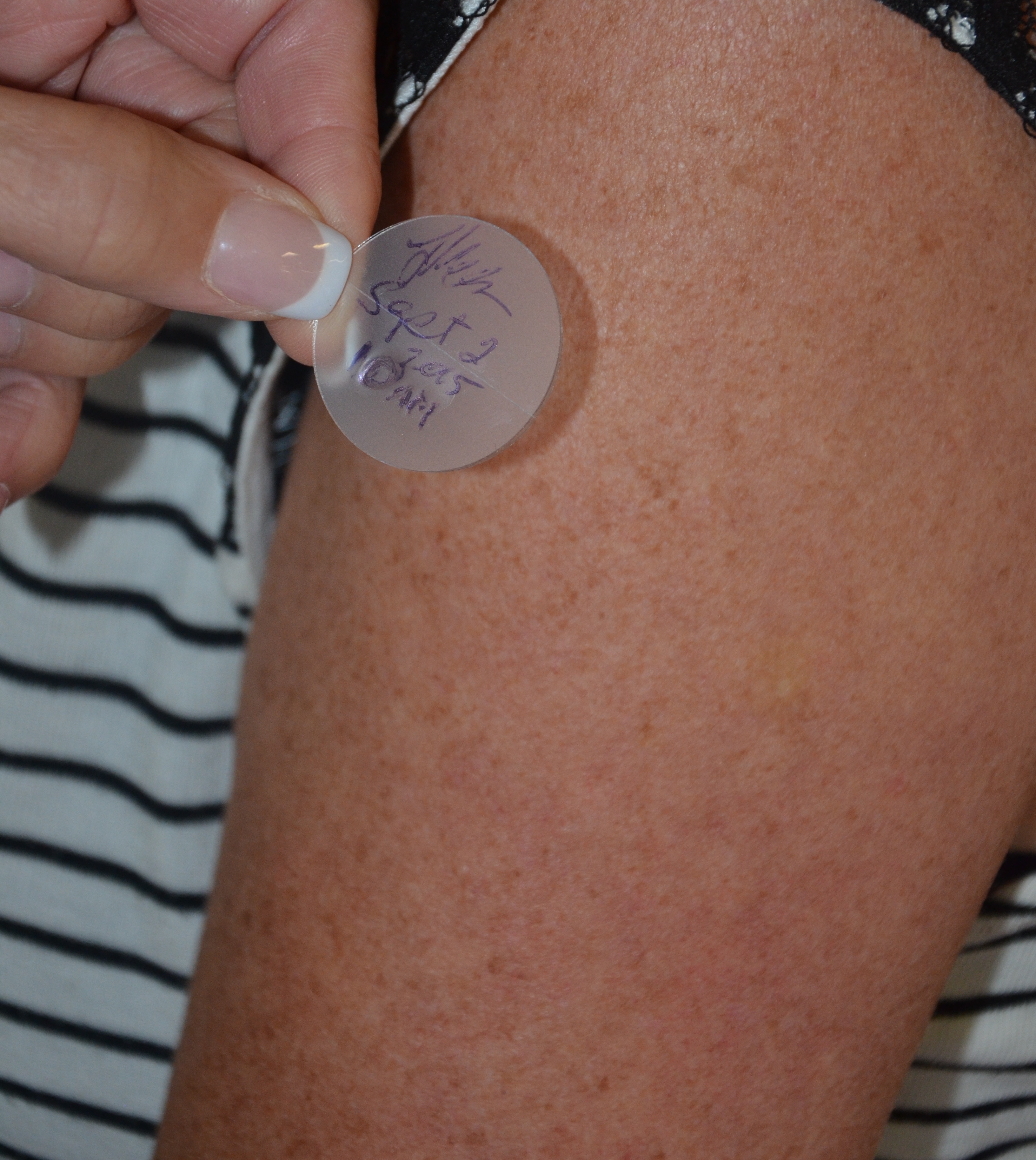
Medications provide a nutrient (a substance providing nourishment essential for growth and the maintenance of life) or a chemical effect. We desire a therapeutic outcome, which relates to the healing of disease or an action with a beneficial effect.
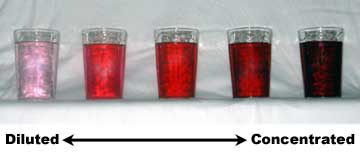
However, we must measure the parameter (a measurable characteristic defining a system's limits) of the dosage. A drug might be highly potent, meaning producing a strong physical or chemical effect. Sometimes we must dilute it, which means to make a liquid weaker by adding another solvent.
We always watch for an untoward event, which describes an adverse, unexpected, or negative reaction. An adverse reaction is harmful, unfavorable, or contrary to what is desired. Because of this, we check for a contraindication, which is a factor that serves as a reason to withhold a certain medical treatment.
Finally, as a healthcare professional, your communication must be flawless. Your reports must be concise, meaning brief, direct, and free of unnecessary information. Whether written or verbal (which relates to or is in the form of spoken words), you must provide the exact rationale, which refers to the underlying logical basis for a course of action.
You operate under the aegis of a hospital's license and physician's orders, which refers to control, protection, or sponsorship. You must adhere (hold fast or stick together) to hospital policy, and be strict, meaning demanding that rules concerning behavior are obeyed and observed.
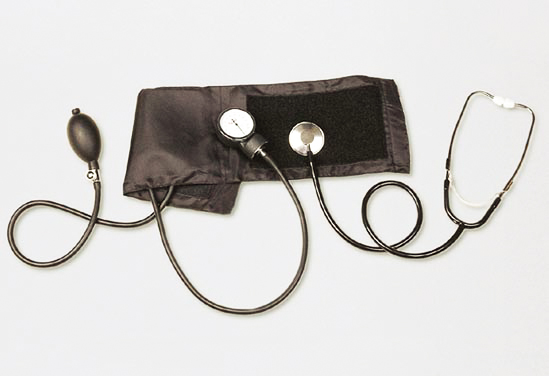
You must recognize that vital signs are vital, meaning absolutely necessary or essential for life. A patient's outcome is often contingent upon (meaning dependent on other circumstances or events) your prompt recognition of discrete changes—events that are individually separate and distinct. Even a patient whose vitals are labile (changing rapidly and often) relies on your stable judgment.
You must obtain a patient's assent, meaning to give consent, agree, or approve, before acting. Sometimes, you must help a patient suppress a reflex, which means to forcibly put an end to an action or consciously inhibit a feeling. Through it all, you remain accountable, which means to be held responsible for an action. You hold the potential—the capacity to develop into something in the future—to save lives, provided you understand exactly what the words in your clinical arsenal truly mean.