Fact vs. Opinion and Logical Sequence
Not sure you’re ready?
Take the ~3-minute readiness diagnostic and see where you stand.
Imagine opening a patient chart during a chaotic shift handover. You read two notes: "The patient's heart rate is 110 beats per minute," and "The patient seems highly anxious." Both sentences convey information, but they operate in entirely different universes of logic. The first is a metric—an empirical reality that remains true regardless of who reads it. The second is an interpretation, a human judgment layered over the data. In nursing and allied health, the ability to instantly strip a text down to its bare structural components—separating what is demonstrably true from what is subjectively felt, and tracking exactly how those pieces of information are strung together—is not just a reading comprehension skill. It is a vital clinical competency. Misinterpreting an opinion as a fact, or failing to follow the exact logic of a procedural protocol, can directly compromise patient care. To excel on the reading and comprehension modules of the HESI A2, we must learn to dissect language with the same precision a clinician uses to assess a patient.
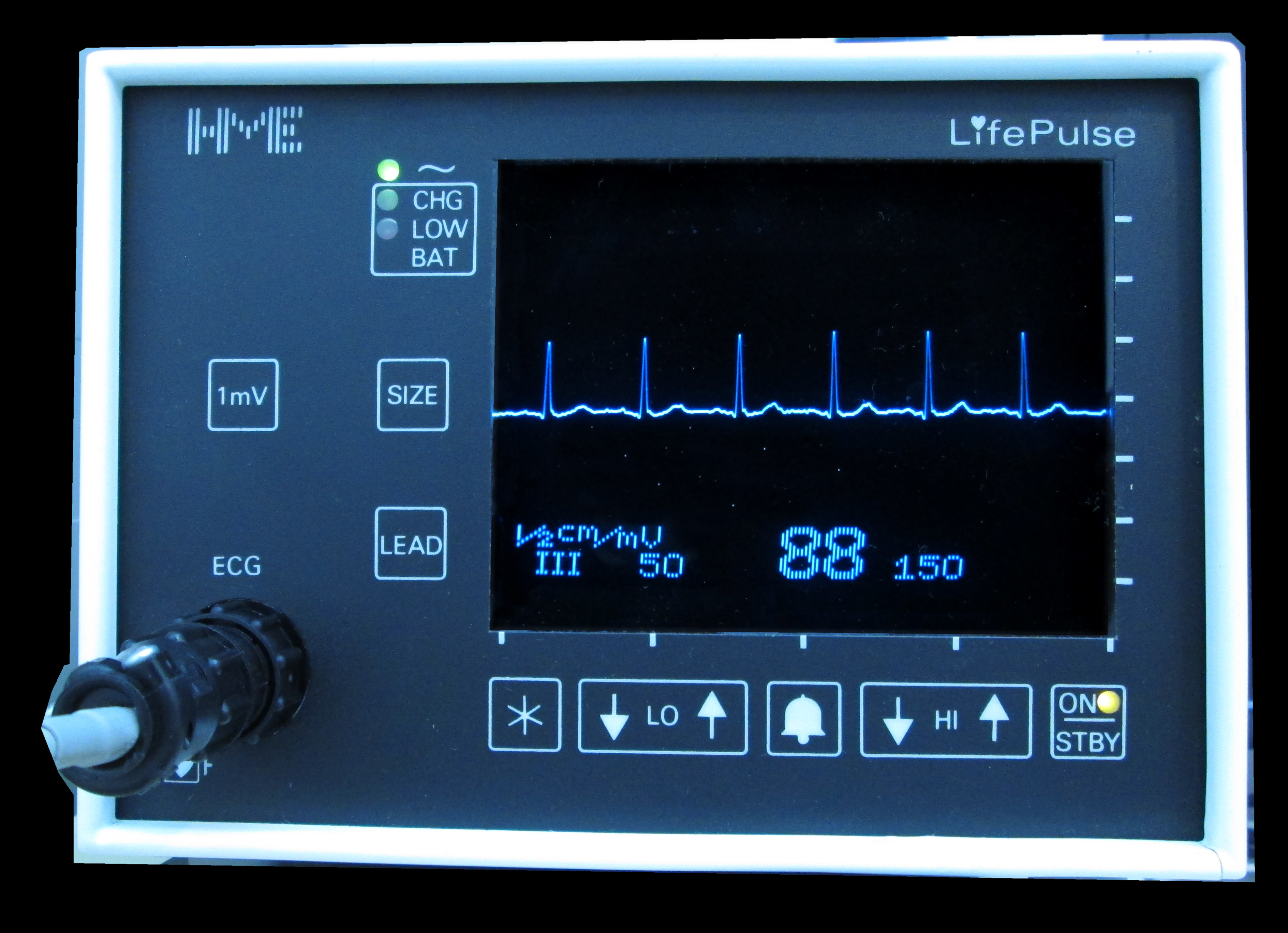
To navigate any text, you must first recognize the fundamental building blocks the author is using. Language generally falls into two distinct categories: objective reality and subjective interpretation.
A factual statement presents information that can be objectively verified or proven through empirical evidence.
Facts are grounded in the measurable, observable world. If an administrative report states that a new MRI machine costs $1.5 million, that is a factual statement. You can look at the invoice, verify the numbers, and prove it.

Conversely, an opinion statement expresses a subjective belief, feeling, or judgment belonging to the author. Because they are rooted entirely in personal perspective and internal states, opinions cannot be objectively proven true or false. If the same report claims, "The new MRI machine is a terrible investment," there is no mathematical formula or scientific instrument that can "prove" the concept of "terrible."
The Paradox of the "False Fact"
Here is where human intuition often misleads us. We tend to think "fact = true" and "opinion = false." But think about language mechanically. A statement remains factual in nature even if the verifiable information presented is ultimately proven to be incorrect.
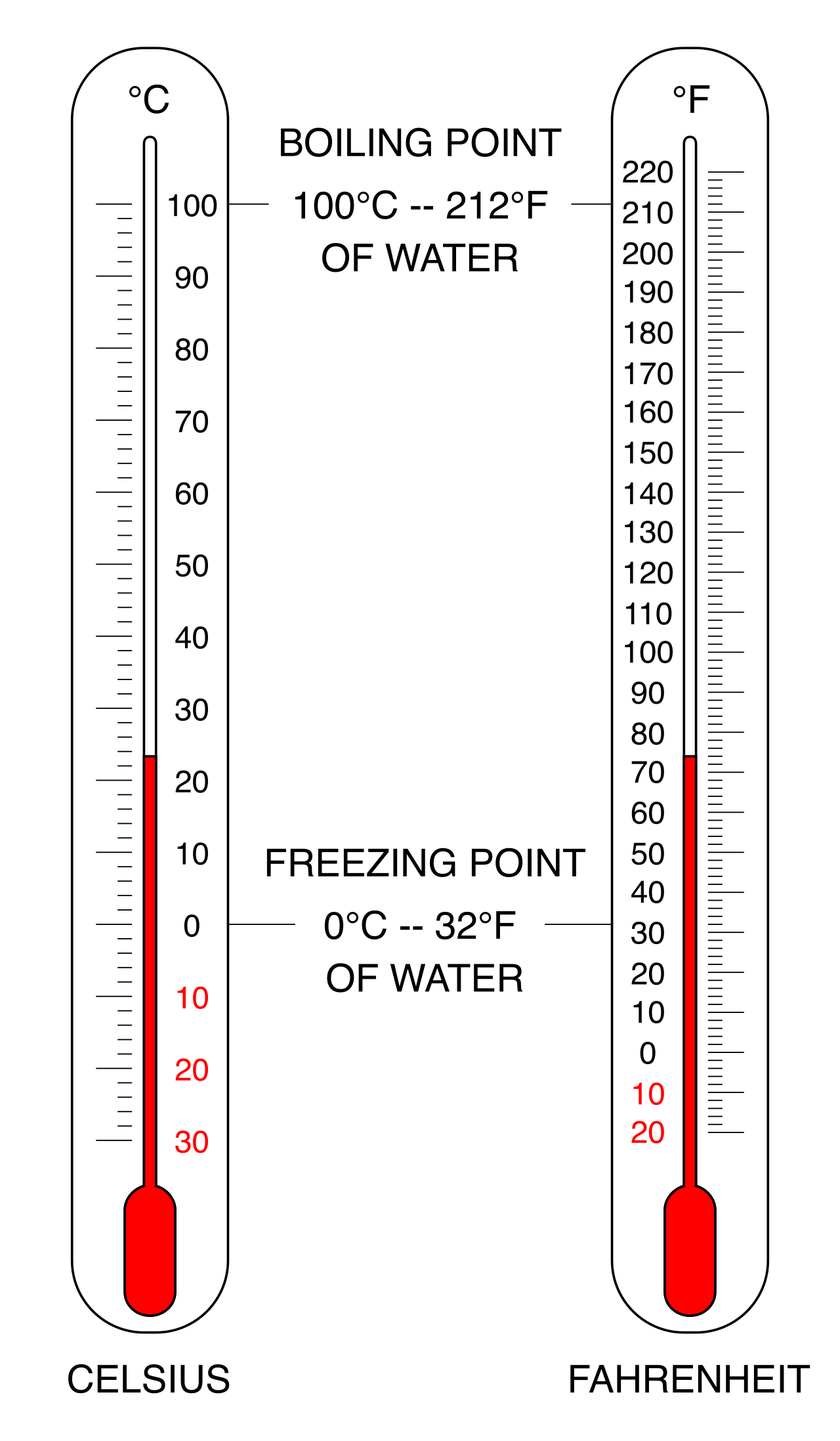
If a nurse charts, "The patient's core temperature is 104 degrees Fahrenheit," but the thermometer was malfunctioning and the actual temperature is 98.6 degrees, the written sentence is still structurally a "fact." Why? Because it makes a specific claim about empirical reality that we can test and disprove. Opinions defy this kind of testing entirely.
The Symbiosis of Fact and Opinion
Texts are rarely purely objective or entirely subjective. Like a skeletal structure supporting muscle, authors frequently use factual statements as evidence to support their underlying subjective opinions. A public health official might argue that a city ought to ban a certain food additive (an opinion) by citing longitudinal studies on metabolic decline (facts).
Why does this matter for the HESI A2? Because distinguishing facts from opinions allows readers to accurately evaluate the credibility of an author's central argument. If you can strip away the emotional judgments and look strictly at the empirical evidence provided, you can determine if the author's argument rests on bedrock or sand.
Spotting the Subjective: Linguistic Markers
You don't have to guess whether an author is sliding into opinion. Language leaves unmistakable clues. When analyzing a passage, watch for these specific linguistic flags:
- Value words: Adjectives like best, worst, beautiful, and terrible serve as indicators of an author's opinion. They assign an unmeasurable moral or aesthetic worth to a subject.
- Prescriptive words: Words like should, must, and ought signal an author's subjective recommendation or viewpoint. They dictate what the author believes needs to happen, rather than describing what is happening.
- Explicit markers: Phrases such as in my view or it seems act as explicit structural markers of an opinion statement. The author is literally telling you, "We are now entering my personal perspective."
Once you can identify the raw materials of a text (facts and opinions), you must observe how they are assembled. Logical sequence refers to the specific planned order in which an author presents ideas to build meaning.
If you are reading an equipment manual, you need different organizational rules than if you are reading a history of modern medicine. Authors choose structural frameworks based on their ultimate goal.
Time and Process
- Chronological organization arranges events strictly according to the specific time they occurred. Think of a patient's medical history: a 2018 diagnosis, followed by a 2020 surgery, followed by a 2023 recurrence. It relies on the absolute flow of time.
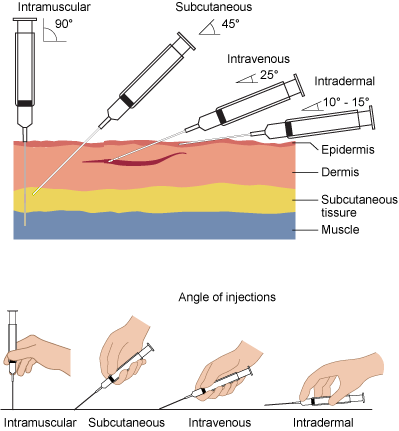
- Sequential organization arranges information according to a strict step-by-step process. This is the logic of action. Procedural texts rely heavily on sequential organization to outline specific tasks, such as the precise, unalterable steps for inserting an IV catheter or sterilizing a surgical suite.
Space and Causality
- Spatial organization describes the physical arrangement of objects within a specific area or space. Imagine reading a description of a clinical workspace: the sharps container is mounted above the sink, to the right of the biohazard bin.
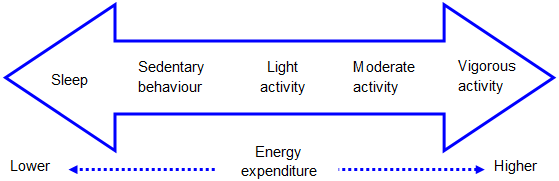
- Cause-and-effect organization explains why a specific event occurred and the resulting consequences of that event. A passage explaining how a sedentary lifestyle (cause) accelerates insulin resistance (effect) relies on this structure.
Analysis and Argument
- Problem-and-solution organization introduces a conflict and subsequently presents a method for resolving that conflict. A text might outline the crisis of nurse burnout (problem) before detailing a new flexible-scheduling initiative (solution).
- Compare-and-contrast organization highlights the similarities and differences between two or more subjects—for instance, evaluating the efficacy of generic versus name-brand pharmaceuticals.
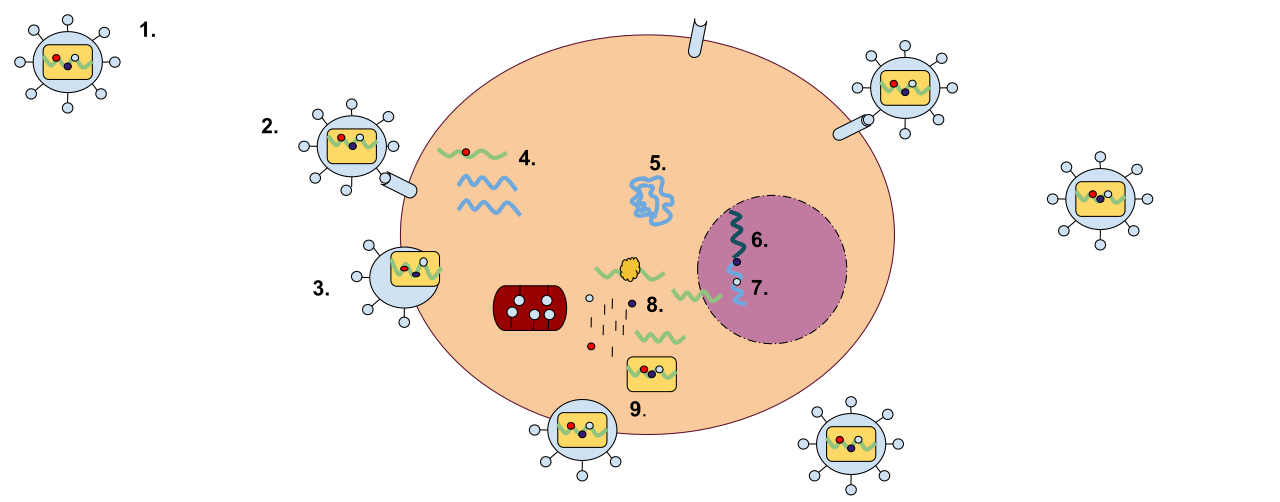
- General-to-specific organization starts with a broad concept and follows with highly detailed examples. A biology textbook might introduce the overarching concept of "pathogens" before zooming in on the specific molecular mechanics of a retrovirus.
If facts and opinions are islands, transition words act as bridges to connect isolated sentences, paragraphs, and overarching ideas. They act as the text's nervous system, sending signals to your brain about how the next sentence relates to the previous one.
Understanding these cues allows you to read rapidly and predictively.
| Category | Function | Common Examples |
|---|---|---|
| Sequence | Sequence transition words indicate the order of events or steps in a defined process. | Sequence transition words include first, next, then, and finally. |
| Addition | Addition transition words signal that the author is adding supporting information to a previous point. | Addition transition words include furthermore, moreover, and additionally. |
| Contrast | Contrast transition words introduce an idea that contradicts or heavily modifies a previously stated concept. | Contrast transition words include however, conversely, and nevertheless. |
| Cause-and-Effect | Cause-and-effect transition words indicate a direct relationship between an action and its outcome. | Cause-and-effect transition words include therefore, consequently, and thus. |
| Illustration | Illustration transition words signal the introduction of a specific example to clarify a general point. | Illustration transition words include specifically, namely, and for instance. |
Beyond these general categories, pay close attention to highly specific mechanical words that dictate exact relationships in time and logic:
- The word subsequently is a transition word indicating an event occurring after a previous event. ("The patient was administered fluids; subsequently, their blood pressure stabilized.")
- The word meanwhile is a transition word indicating two events occurring simultaneously. ("The surgeon prepped the incision site; meanwhile, the anesthesiologist monitored vitals.")
- The phrase on the other hand is a transition phrase used to present an opposing viewpoint.
- The word because explicitly introduces the underlying cause in a cause-and-effect relationship. It acts as the anchor point of a logical deduction.
Finally, a skilled reader doesn't just read words; they observe the geography of the page. Authors provide visual and structural signposts to help you navigate their thought process without getting lost in the details.
Structural cues like headings and subheadings visually outline the hierarchical organization of a reading passage. On the HESI A2 exam, before you dive into the dense text of a reading comprehension passage, scan the subheadings. They act as an x-ray of the text, revealing instantly whether the passage relies on a problem-and-solution structure or a chronological timeline.
When you zoom in to the paragraph level, remember this golden rule of academic reading: The first sentence of a paragraph frequently serves as a structural cue outlining the main idea of that specific section.
By reading just the first sentences of each paragraph—a technique known as skimming for structure—you can often trace the entire logical sequence of the author's argument in a matter of seconds. You see the bones of the text. Once you know the bones, distinguishing between the facts that form the foundation and the opinions layered on top becomes second nature.