Healthcare and Medical Terminology
Not sure you’re ready?
Take the ~3-minute readiness diagnostic and see where you stand.
Imagine attempting to disarm a bomb without knowing the difference between the red wire and the blue wire. This is the reality of entering a clinical space without a rigorous command of medical terminology. To the untrained observer, a medical chart reads like an impenetrable cipher, a chaotic jumble of Latin and Greek syllables. But medical terminology is not a list of arbitrarily difficult words designed to gatekeep the profession; it is a highly engineered, precision language. When a patient’s airway is failing or their blood pressure plummets, there is no time for ambiguity. Healthcare professionals use this vocabulary because it allows them to compress highly complex physiological data into a single, undeniable word.
For the nursing or allied-health applicant facing the HESI A2, mastering this language is not just about passing an entrance exam. It is about acquiring the foundational blueprint of your future career. Instead of rote memorization of ten thousand individual words, you only need to master the linguistic "Lego bricks"—roots, prefixes, and suffixes—that snap together to describe the entire human body and its ailments.
Think of a medical term as a modular equation. You do not need to memorize every word in the medical dictionary if you understand how the words are built. A medical term typically consists of a root word combined with a prefix, a suffix, or both. By taking a word apart, you can decode its exact meaning.
The Root Word: The core foundation of the term. The root word establishes the primary meaning of a medical term, usually indicating the specific body part or organ involved.
The Prefix: The modifier at the front. A prefix is added to the beginning of a medical root word to modify its meaning, usually indicating location, time, number, or status.
The Suffix: The modifier at the tail. A suffix is added to the end of a medical root word to modify its meaning, typically indicating a condition, disease, or procedure.
The Engine Oil of Medical Language: Combining Vowels
If you try to jam a root word ending in a consonant directly into a suffix starting with a consonant, the word becomes impossible to say. To fix this, combining vowels are used to connect medical word parts to ease pronunciation.
The most common combining vowel in medical terminology is the letter o. For example, if you combine cardi (heart) and logy (study of), you don't say "cardilogy." You add the "o" to make cardiology. It is the lubrication that makes the language flow.
To read a medical chart, you must know the anatomical landmarks. Below are the foundational root words that tell you where in the body you are operating.
| Root Word | Anatomical Translation | Clinical Example |
|---|---|---|
| cardi | Refers to the heart. | Cardiology (study of the heart) |
| derm | Refers to the skin. | Dermatitis (inflammation of the skin) |
| encephal | Refers to the brain. | Encephalitis (inflammation of the brain) |
| gastr | Refers to the stomach. | Gastritis (stomach inflammation) |
| hemat | Refers to blood. | Hematology (study of blood) |
| hepat | Refers to the liver. | Hepatitis (liver inflammation) |
| my | Refers to muscle. | Myopathy (muscle disease) |
| nephr | Refers to the kidney. | Nephrology (study of the kidneys) |
| neur | Refers to a nerve or the nervous system. | Neuropathy (nerve disease) |
| oste | Refers to bone. | Osteoarthritis (bone/joint inflammation) |
| pneum | Refers to the lungs or air. | Pneumonia (lung condition) |
| rhin | Refers to the nose. | Rhinoplasty (nose repair) |
| arthr | Refers to a joint. | Arthritis (joint inflammation) |
Prefixes: Dialing in the Details
Once you know the body part, you need to know what is happening to it in space, time, or magnitude. This is where prefixes come in.
Speed and Magnitude In an ICU, speed and volume are life and death.
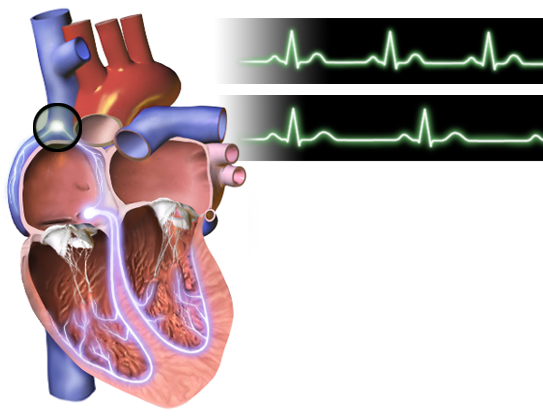
- brady-: The medical prefix meaning exceptionally slow. (e.g., bradycardia: a dangerously slow heart rate).
- tachy-: The medical prefix meaning exceptionally fast. (e.g., tachycardia: an exceptionally fast heart rate).
- hyper-: The medical prefix meaning excessive or above normal. (e.g., hypertension: high blood pressure).
- hypo-: The medical prefix meaning deficient or below normal. (e.g., hypoglycemia: low blood sugar).
- poly-: The medical prefix meaning many or much. (e.g., polyuria: producing too much urine).
Location and Time
- inter-: The medical prefix meaning between. (e.g., interstitial: fluid between the cells).
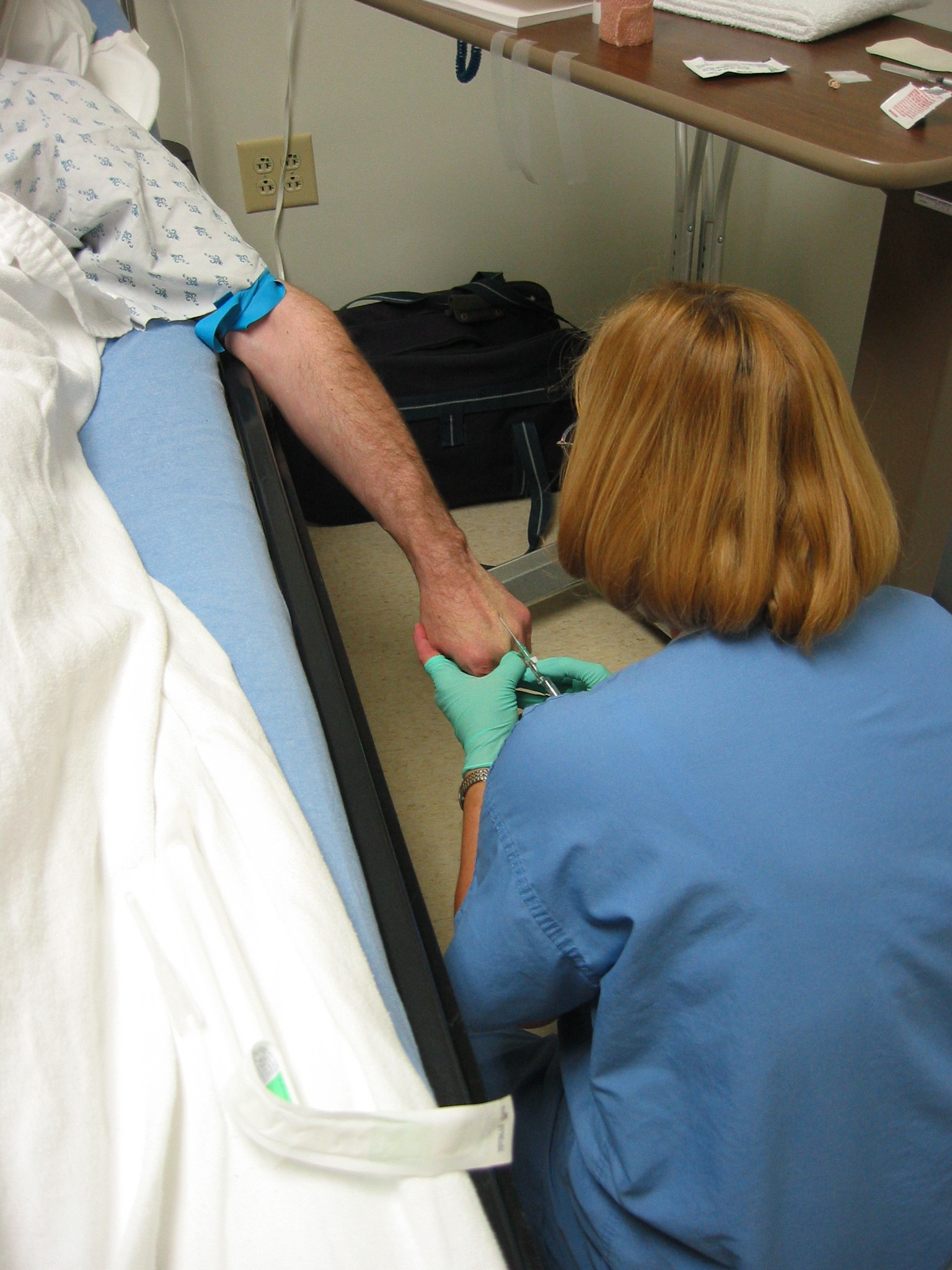
- intra-: The medical prefix meaning within or inside. (e.g., intravenous: inside the vein). Never confuse inter- and intra-; an interstate highway goes between states, an intrastate highway stays inside one state.
- peri-: The medical prefix meaning around or surrounding. (e.g., pericardium: the sac surrounding the heart).
- sub-: The medical prefix meaning under or below. (e.g., subcutaneous: under the skin).
- supra-: The medical prefix meaning above or excessive. (e.g., supraventricular: above the ventricles of the heart).
- pre-: The medical prefix meaning before or in front of. (e.g., prenatal: before birth).
- post-: The medical prefix meaning after or behind. (e.g., postoperative: after surgery).
Condition Modifiers
- a- or an-: The medical prefix meaning without or lacking. (e.g., apnea: lacking breath).
- dys-: The medical prefix meaning difficult, painful, or abnormal. (e.g., dyspnea: difficult or painful breathing).
Suffixes: The Action or the Ailment
The suffix tells you exactly what is wrong with the body part, or what the surgeon is about to do to it.
Conditions and Suffering
- -itis: The medical suffix meaning inflammation. When tissues are injured or infected, they inflame (e.g., bronchitis, arthritis).
- -pathy: The medical suffix meaning disease or suffering. (e.g., neuropathy: nerve disease).
- -algia: The medical suffix meaning pain. (e.g., neuralgia: nerve pain).
- -emia: The medical suffix meaning a condition of the blood. (e.g., anemia: lacking blood/red blood cells).
- -rrhea: The medical suffix meaning flow or discharge. (e.g., diarrhea: rapid flow through).

Procedures and Investigations
- -ology: The medical suffix meaning the study of a specific subject.
- -scopy: The medical suffix meaning visual examination using an instrument. (e.g., endoscopy: visually examining inside the body).
- -ectomy: The medical suffix meaning surgical removal or excision. If you see -ectomy, the organ is leaving the building (e.g., appendectomy).
- -otomy: The medical suffix meaning cutting into or making an incision. The surgeon is cutting into the tissue, but leaving it there (e.g., tracheotomy: cutting into the windpipe).
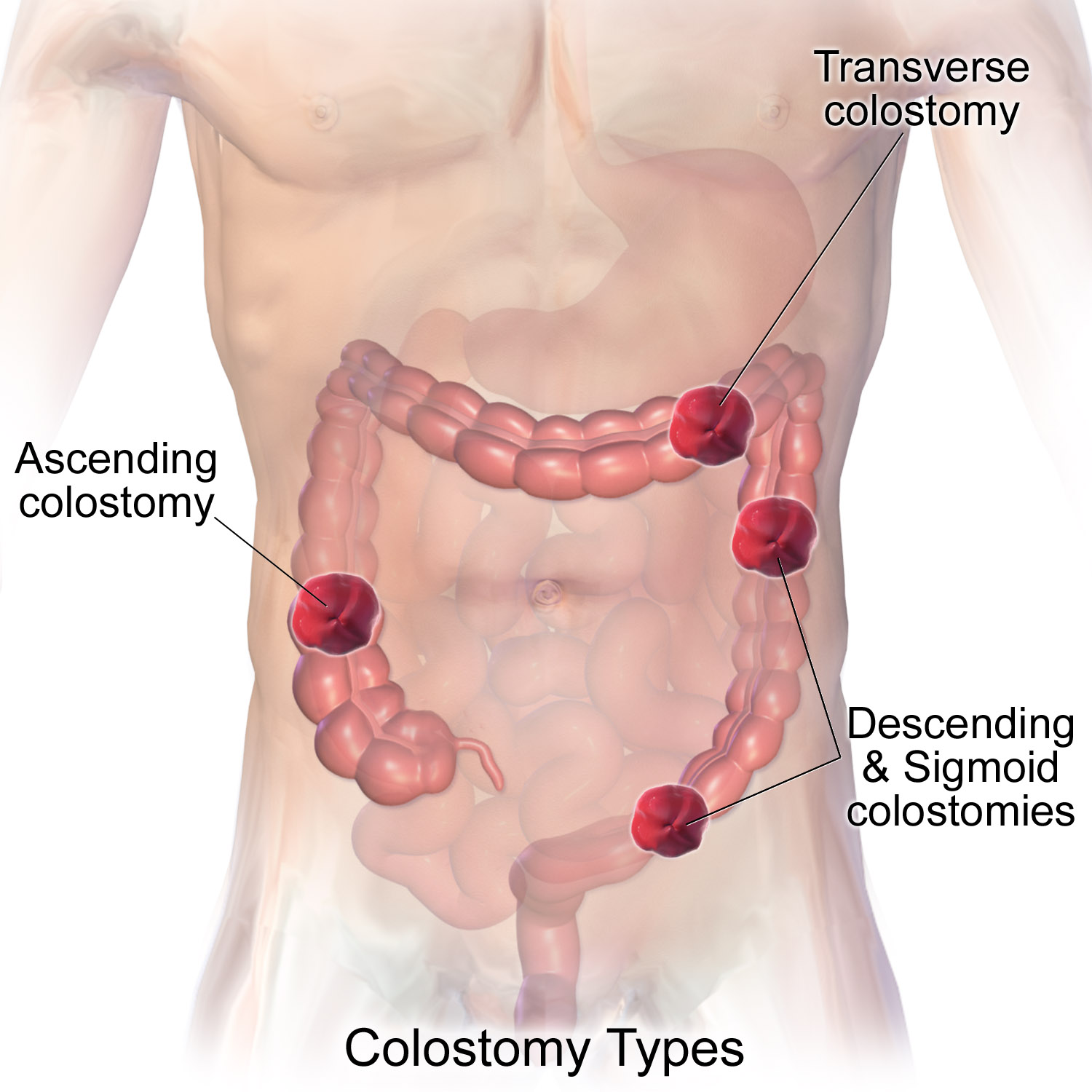
- -ostomy: The medical suffix meaning surgically creating an artificial opening. This is a permanent or semi-permanent rerouting (e.g., colostomy: bringing the colon to the outside of the abdomen).
- -plasty: The medical suffix meaning surgical repair or reconstruction. (e.g., rhinoplasty: surgical repair of the nose).
Knowing word parts is only half the battle. You must also understand the operational vocabulary of healthcare—the terms used to describe the trajectory of a disease and the status of a patient.
Diagnosing and Tracking Disease
When a patient presents to a clinic, you first look for a manifestation, which refers to a clear, observable sign or symptom of an illness. A hacking cough is a manifestation of an underlying issue.
From those manifestations, the physician establishes a diagnosis, which refers to the identification of a disease or condition. Once you know what the disease is, you must tell the patient what their future looks like. This is the prognosis, referring to the predicted outcome or expected course of a disease.
The timeline of the disease matters immensely:
- Acute: The medical term describing a condition with a rapid onset and short duration. An asthma attack or a broken arm is acute.
- Chronic: The medical term describing a condition that persists for a long period or constantly recurs. Heart failure or diabetes are chronic.
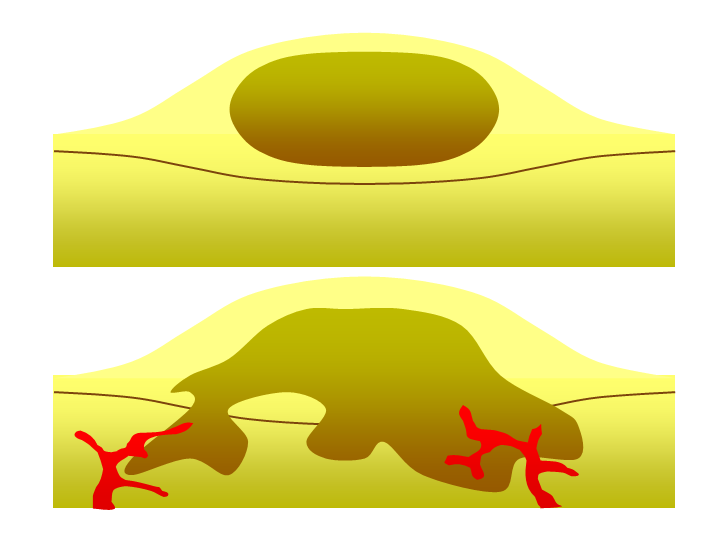
If a patient has a mass or tumor, the terminology dictates the level of danger. A benign tumor or condition is not cancerous and does not spread. A malignant tumor is cancerous, meaning it can grow uncontrollably and spread to other parts of the body.
Treating the Patient
Before any treatment occurs, nurses must prioritize who gets seen first. Triage is the process of sorting patients based on the urgency of their need for care. A patient having a heart attack bypasses the waiting room, while a sprained ankle waits.
When choosing a treatment, the goal is usually therapeutic, referring to the treatment of disease or any action that promotes healing and wellness. Sometimes, we want to stop a disease before it starts. In this case, we use a prophylactic, which refers to a medicine or course of action used to prevent disease (like a vaccine).

However, treatments carry risks. We must constantly monitor for an adverse reaction, which means harmful, unfavorable, or opposed to the desired outcome. Furthermore, providers must look at the patient's chart for any contraindication—a specific situation in which a drug, procedure, or surgery should not be used due to potential harm. (For example, a bleeding disorder is a contraindication for blood-thinning medication).
If a disease cannot be cured, healthcare shifts to palliative care. The medical term palliative refers to care focused on providing relief from the symptoms and stress of a serious illness, prioritizing quality of life over a cure.
Patient Status and Physical Findings
When you take a patient's vitals, you are assessing their immediate state.
- Febrile: The medical term meaning having or showing the symptoms of a fever.
- Afebrile: The medical term meaning free from fever.
- Lethargic: The medical term meaning feeling sluggish, lacking energy, or being abnormally sleepy. This is often a critical sign of neurological decline.
- Labile: The medical term meaning subject to frequent or unpredictable biological or emotional changes. A patient with wildly fluctuating blood pressure has "labile" vitals.
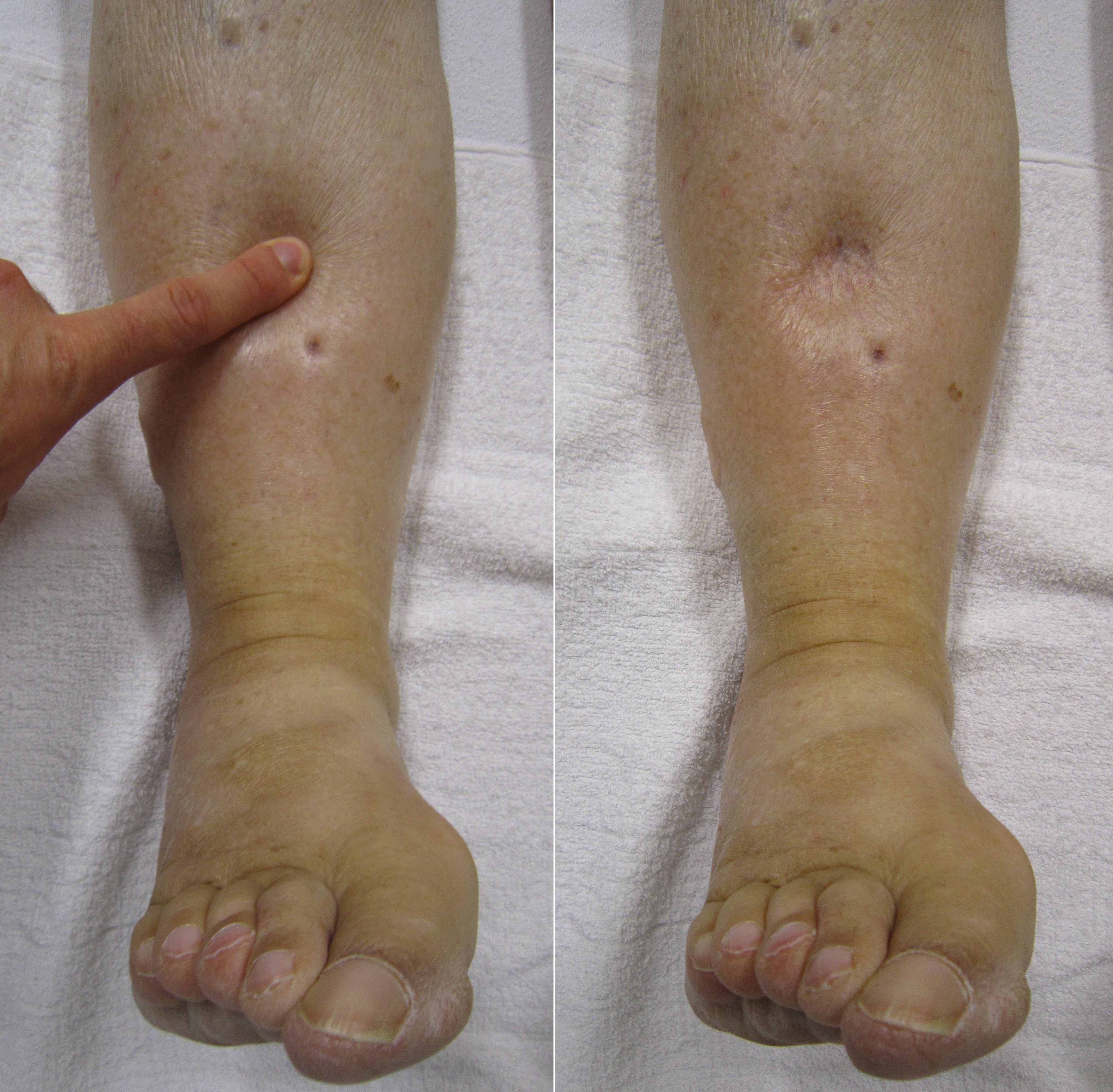
When you physically assess the patient's body, you use highly specific terms. If a patient’s heart failure causes fluid to pool in their legs, you document edema, which refers to swelling caused by excess fluid trapped in the body tissues.
You must assess the tubes, vessels, and tissues of the body:
- Patent: Describes a biological vessel or passageway that is open and unblocked. You want an airway or an IV line to be patent.
- Occluded: Describes a biological vessel or passageway that is closed or blocked. An occluded artery causes a heart attack.
- Intact: The medical term meaning unimpaired, uninjured, or left complete. A standard nursing note will state "skin is intact," meaning there are no bedsores or lacerations.
Finally, you must be careful not to exacerbate a condition. The medical term exacerbate means to make a problem, bad situation, or negative feeling worse. Applying heat to acute inflammation, for example, will exacerbate the swelling.
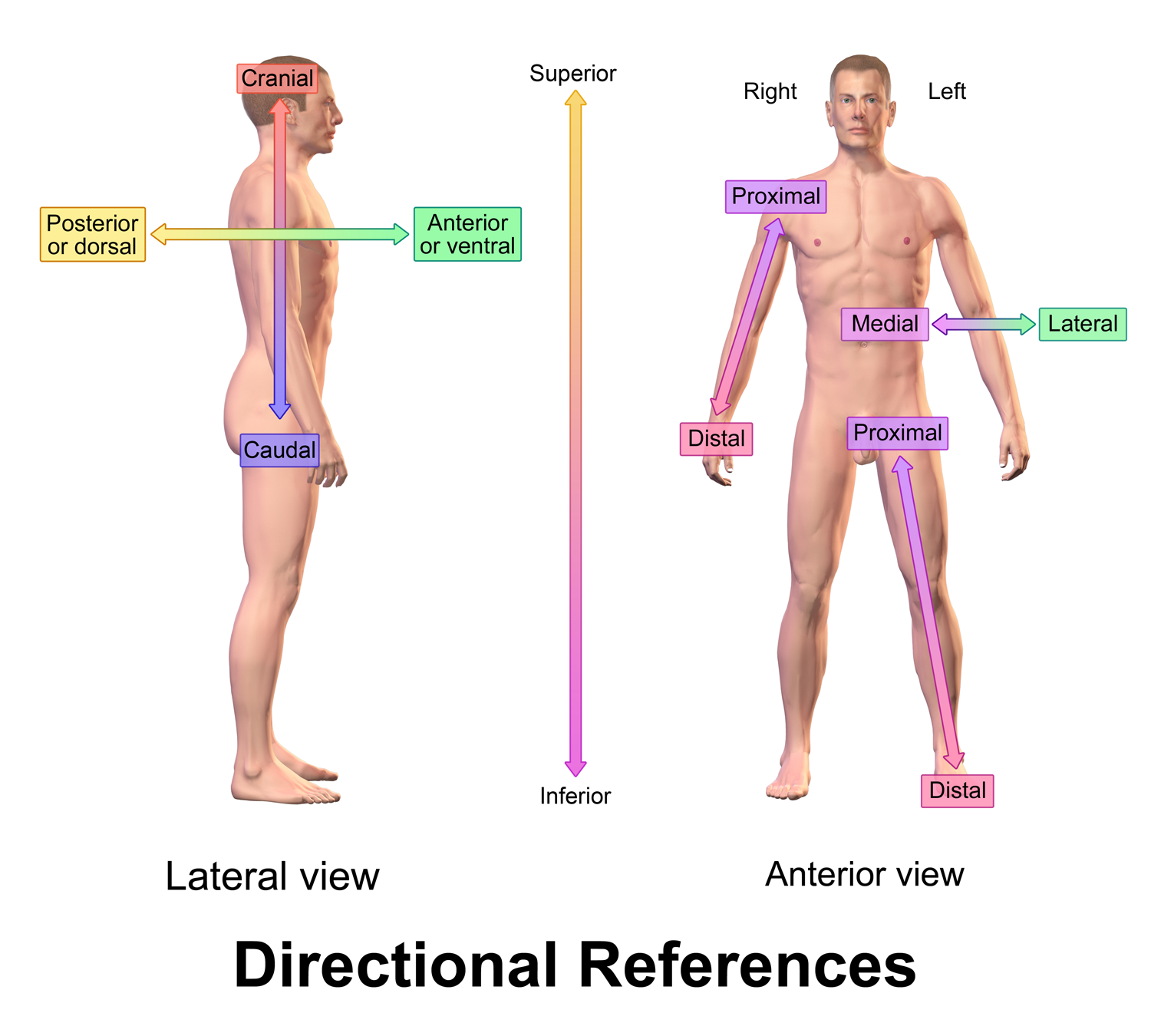
To safely perform an injection, dress a wound, or read an X-ray, you must understand the 3D coordinate system of the human body. Anatomy relies on standardized directional terms.
Sidedness and Orientation
- Bilateral: Refers to a condition or procedure that affects both sides of the body. (e.g., bilateral pneumonia affects both lungs).
- Unilateral: Refers to a condition or procedure that affects only one side of the body. (e.g., a unilateral stroke might cause paralysis on just the left side).
Front, Back, and Midline
- Anterior: Situated in the front of the body or body part. Your kneecap is located on the anterior side of your leg.
- Posterior: Situated in the back of the body or body part. Your shoulder blades are on your posterior chest wall.
- Medial: Situated near the midline of the body. Your nose is medial to your ears.
- Lateral: Situated away from the midline of the body. Your arms are lateral to your torso.
Near and Far (The Appendages)
When dealing with arms and legs, we measure distance relative to where the limb attaches to the torso.
- Proximal: Situated closer to the center of the body or the point of attachment. The elbow is proximal to the wrist.
- Distal: Situated farther from the center of the body or the point of attachment. The fingertips are distal to the knuckles. Why does this matter? If a patient has a tight cast on their forearm, you must check their "distal pulses" (at the wrist) to ensure blood flow isn't being cut off.
Body Positions
When placing a patient in a hospital bed or preparing them for surgery, their orientation dictates their safety and breathing mechanics.
- Supine: The anatomical positional term meaning lying flat on the back with the face upward. Think of lying on your spine to remember supine.
- Prone: The anatomical positional term meaning lying flat on the stomach with the face downward. Placing patients in the prone position is frequently used in intensive care to improve oxygenation in severely compromised lungs.
Understanding medical terminology is entirely about breaking down complex realities into manageable, highly precise units. By mastering these word parts, prefixes, suffixes, and clinical terms, you aren't just memorizing vocabulary for the HESI A2—you are learning the language that will allow you to save lives.